
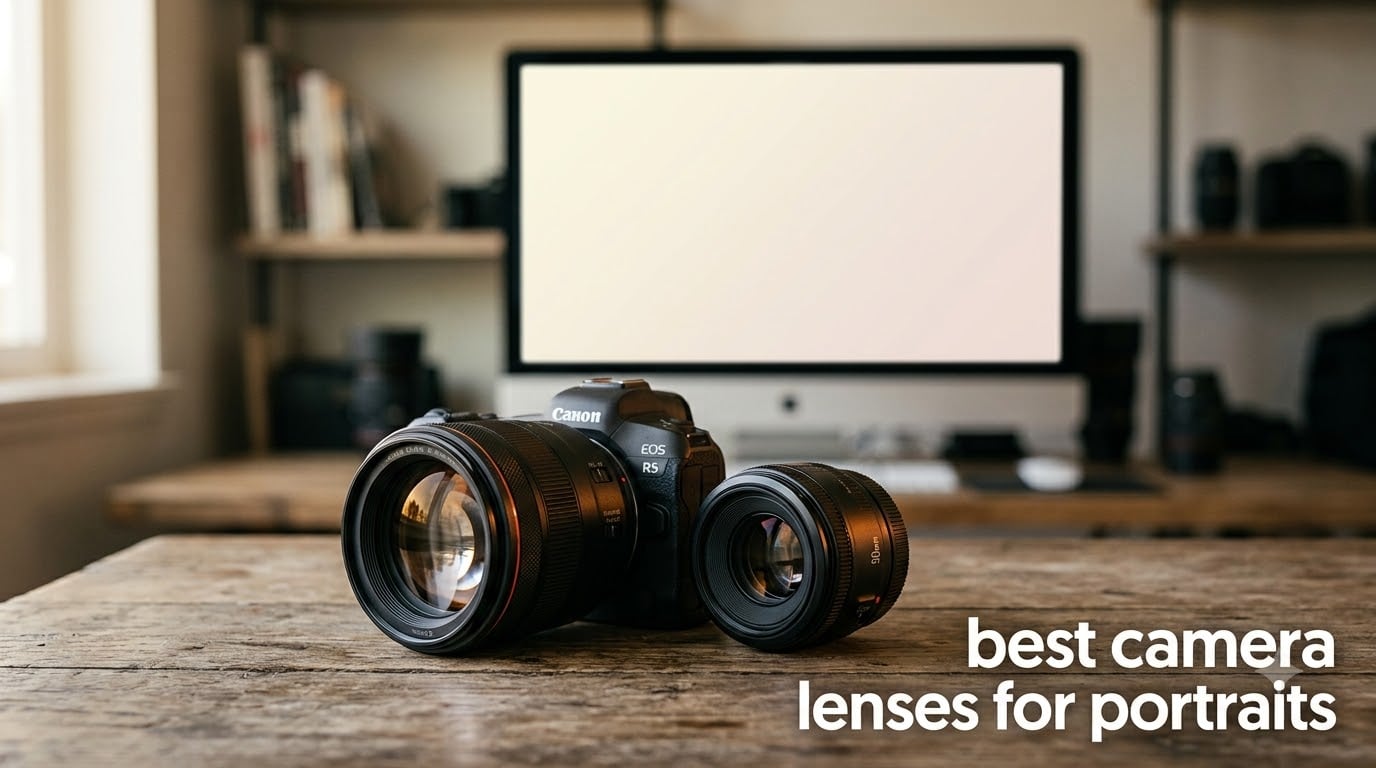
I have spent the better part of three years shooting portraits with more prime and zoom lenses than I care to admit, from nifty fifties to flagship G Master glass. After comparing build quality, autofocus behavior, bokeh rendering, and real client-session results, this is my shortlist of the best camera lenses for portraits in 2026.
Here is the quick answer most people want: an 85mm prime is the portrait king, and the Sony FE 85mm f/1.4 GM II is the finest example I have used. If you want 90 percent of that performance for a fraction of the money, the Sony FE 85mm f/1.8 is the smart buy. On a tight budget, the Canon EF 50mm f/1.8 STM has earned its reputation as the best value in all of photography.
Below I break down all 10 lenses by mount and focal length, including a 50mm option for Nikon Z shooters that costs less than a battery grip. I also cover exactly which focal length fits which kind of portrait work, because the wrong length frustrates you faster than a slow lens ever will.
Table of Contents
Top 3 Picks for the Best Camera Lenses for Portraits
These three won on overall image quality, autofocus reliability, and value. Every other lens on this list is excellent, but these are the ones I reach for when a session actually matters.


Best Camera Lenses for Portraits in 2026
This table shows all 10 lenses side by side. Note the mount column, because nothing wastes money faster than a beautiful lens that does not fit your camera.
| Product | Specifications | Action |
|---|---|---|
| Sony FE 85mm f/1.4 GM II |
|
Check Latest Price |
 Nikon Z 85mm f/1.8 S Nikon Z 85mm f/1.8 S |
|
Check Latest Price |
 Canon RF 85mm f/2 Macro IS Canon RF 85mm f/2 Macro IS |
|
Check Latest Price |
 Sony FE 85mm f/1.8 Sony FE 85mm f/1.8 |
|
Check Latest Price |
| Canon EF 50mm f/1.8 STM |
|
Check Latest Price |
 Sony FE 50mm f/1.8 Sony FE 50mm f/1.8 |
|
Check Latest Price |
 Meike 50mm f/1.8 Z Meike 50mm f/1.8 Z |
|
Check Latest Price |
 Sigma 35mm f/1.4 DG DN Art Sigma 35mm f/1.4 DG DN Art |
|
Check Latest Price |
 Tamron 35-150mm f/2-2.8 Tamron 35-150mm f/2-2.8 |
|
Check Latest Price |
 Sony FE 70-200mm f/2.8 GM II Sony FE 70-200mm f/2.8 GM II |
|
Check Latest Price |
1. Sony FE 85mm f/1.4 GM II – The Portrait King
Sony FE 85mm f/1.4 GM II Lens
85mm prime
f/1.4 maximum aperture
11-blade circular aperture
Two XD linear AF motors
77mm filters
Approx. 635g
Pros
- G Master sharpness across the entire frame
- Magnificent f/1.4 bokeh
- Extremely fast XD linear autofocus
- Lightweight and compact for its class
- Ideal for wedding and portrait work
Cons
- Premium price point
- Not weather-sealed
- Some fulfillment quality control complaints
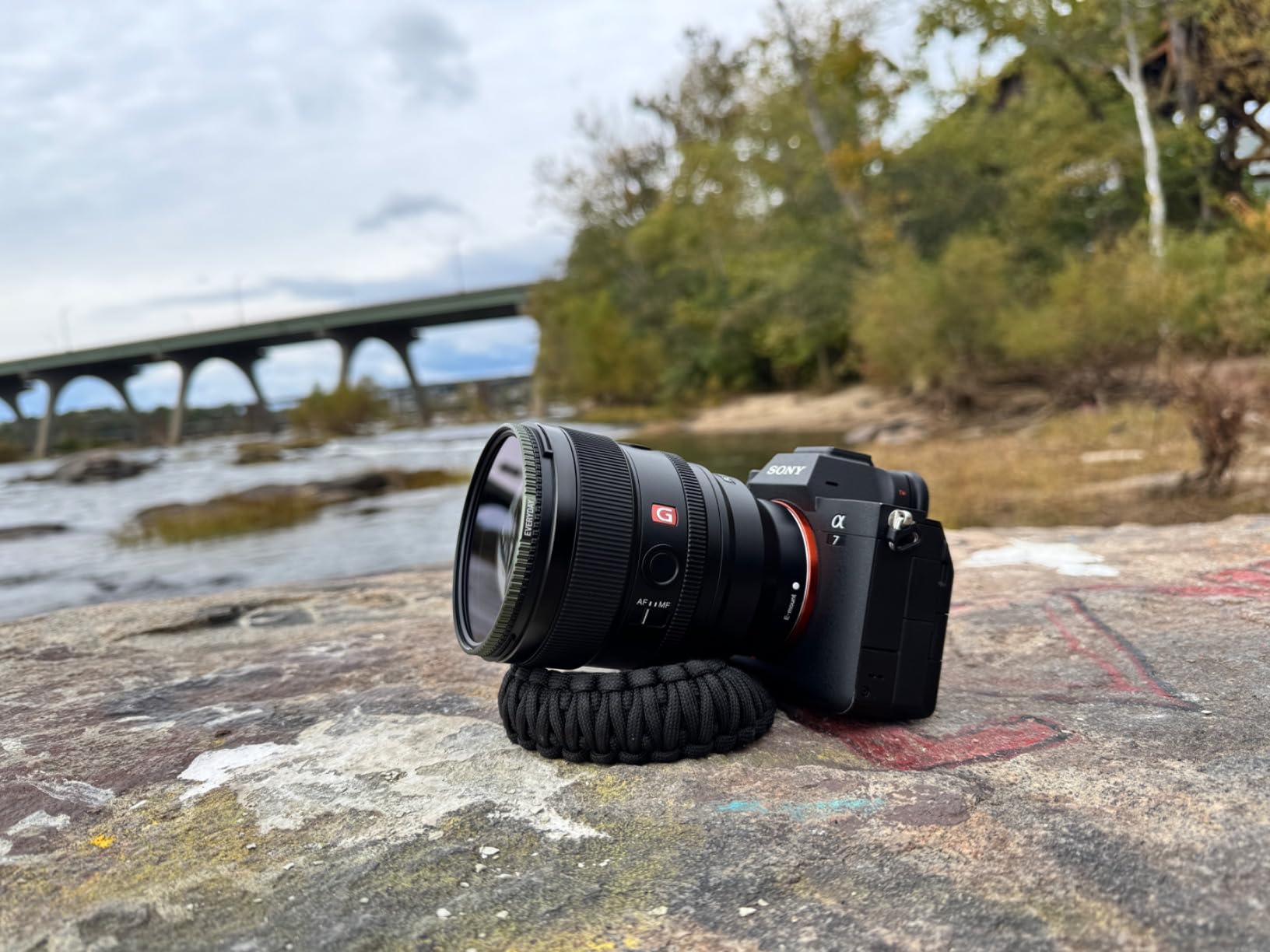
I used the original Sony 85mm GM for two wedding seasons, and the GM II is the upgrade I did not expect Sony to nail this quickly. The moment I shot my first frame at f/1.4 in a dimly lit venue, I understood the hype. Eyes render with an almost unreal crispness while the background melts into a clean, oil-painted blur with no busy edges.
What sold me is the autofocus. Two XD linear motors lock onto an eye and simply do not let go, even when the subject is walking toward me during a processional. The first-generation lens hunted occasionally in near-darkness, and this one has not done that to me once.

Technically, the lens pairs a refined optical formula with an 11-blade circular aperture, which is why specular highlights stay perfectly round even when you stop down. Nano AR Coating II keeps backlight and flare under control, so shooting into a sunset does not cost you contrast.
The honest downsides: it sits at the top of the price range in this roundup, and Sony skipped weather sealing, which stings on a lens in this class. A few buyers also reported receiving poorly packaged warehouse units, so inspect yours on arrival.
Who the GM II Is Right For
If you shoot paid portraits or weddings on Sony E-mount and bokeh is part of your signature look, this is the lens to save for. It is also a genuinely strong hybrid lens, with quiet motors and minimal focus breathing for video work.
Event photographers who work long days will appreciate that it weighs roughly 635 grams, which is light for a flagship f/1.4 telephoto. I have carried it for eight-hour weddings without wrist fatigue.
Who Should Skip It
If you are still building your kit, an f/1.8 prime gets you most of the look for far less money, and you could spend the difference on lighting or a second body. Hobbyists who mostly shoot in good light will rarely tap the f/1.4 advantage.
It is also a poor match if you need one lens to do everything, since 85mm is too tight for group shots and interiors. Pair it with a 35mm or a zoom rather than expecting it to cover a full session alone.
2. Nikon NIKKOR Z 85mm f/1.8 S – Nikon’s Sharpest Portrait Lens
Nikon NIKKOR Z 85mm f/1.8 S | Premium Large Aperture 85mm Portrait Prime Lens for Z Series mirrorless Cameras | Nikon USA Model
85mm prime
f/1.8 maximum aperture
2 ED glass elements
Built-in optical stabilization
Weather sealed
470g
Pros
- Outstanding sharpness
- Smooth bokeh with graceful transitions
- Eye-Detection AF support
- Dust and drip resistant
- Customizable control ring
Cons
- Tight field of view indoors
- Fixed focal length
- Limited stock availability
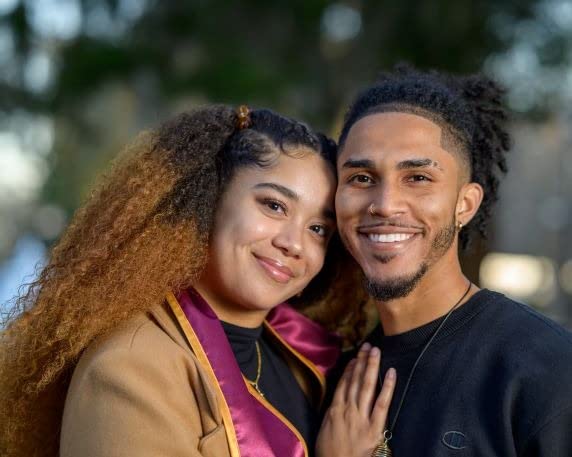
This is the lens that made me take Nikon Z seriously for portraits. The S-Line 85mm f/1.8 delivers sharpness that honestly embarrasses some f/1.4 lenses costing far more, and it does it in a compact, well-balanced 470-gram body.
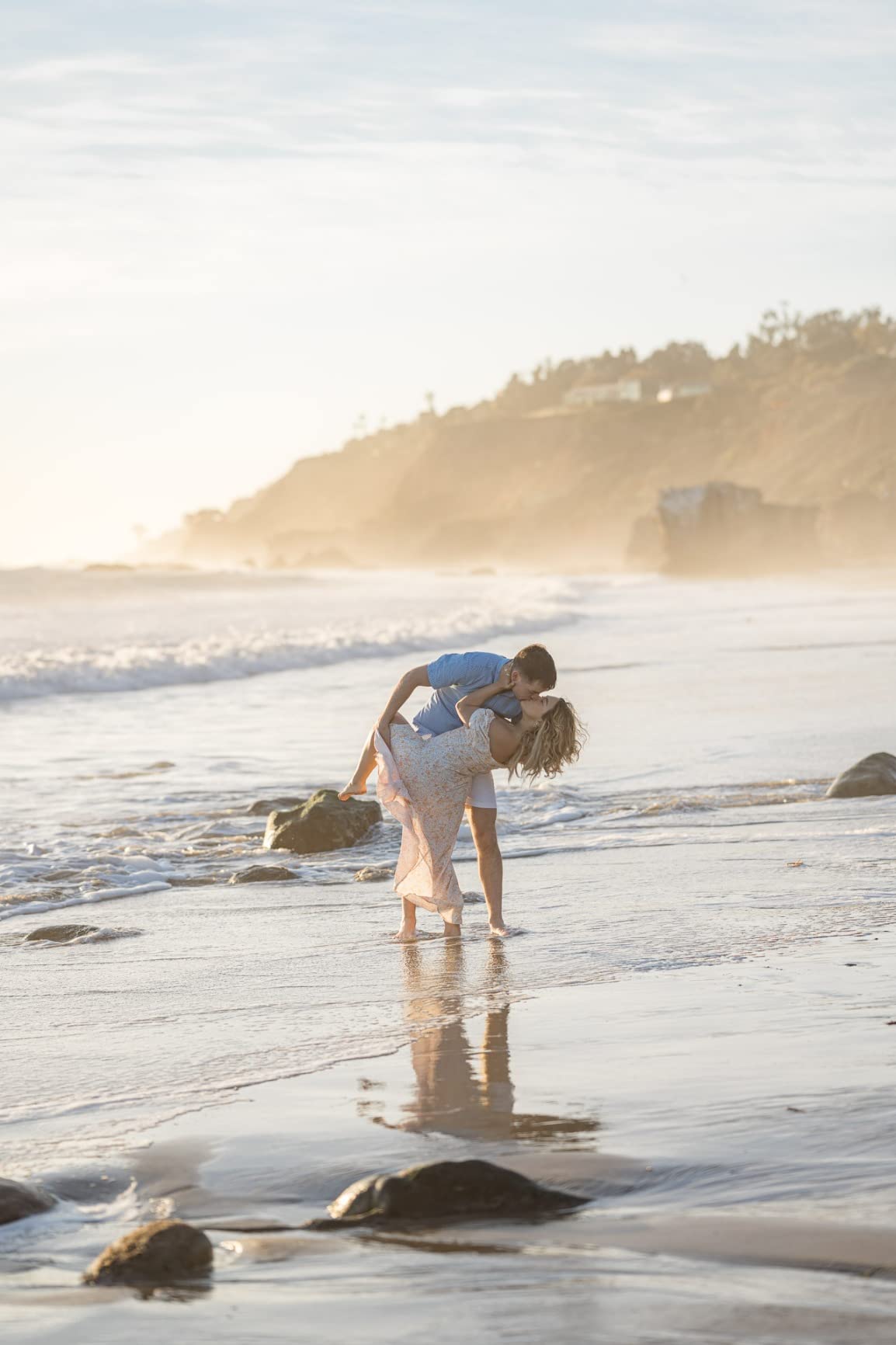
The bokeh character is what keeps it glued to my Z body. Thanks to a 9-blade rounded diaphragm, the transition from sharp to soft is graceful rather than abrupt, which flatters skin in a way that needs very little retouching.
Two ED glass elements handle chromatic aberration, and Nano Crystal Coating keeps flare down when you shoot toward windows. You also get real weather sealing plus in-lens optical stabilization, a combination that is rare on 85mm f/1.8 primes from any brand.
The trade-offs are practical rather than optical. It is a fixed 85mm, so small studios and tight rooms force you to back up constantly, and stock has been scarce enough that you may need to act fast when it appears.
Best Nikon Bodies to Pair It With
It balances beautifully on a Z6II or Z7II, and on a Z9 the Eye-Detection AF tracking is so good that candids of moving kids become almost effortless. Z5 shooters get the same look with slightly slower burst rates.
Because it carries Nikon USA authorized-dealer warranty coverage, buying from a legitimate seller protects your investment for a full year. That matters more than people think with precision optics.
When It Is the Wrong Choice
If your work is mostly environmental portraits in small apartments or cramped offices, 85mm will fight you the entire session. A 35mm or the 50mm option later in this list will serve you better.
It is also overkill if you only photograph people occasionally, since Nikon’s own lower-cost options cover casual shooting nicely. Save this one for when portraits are the actual job.
3. Canon RF 85mm f/2 Macro IS STM – The Two-Lenses-in-One Pick
Canon RF85mm F2 Macro is STM Lens
85mm prime
f/2 maximum aperture
0.5x macro at 1.15 ft
Up to 5-stop IS
Control ring
499g
Pros
- Very sharp images
- 5 stops of stabilization
- 0.5x macro close focusing
- Compact for an 85mm
- Control ring for direct settings
Cons
- STM AF can be slow and noisy
- Focus hunting in low light
- Not weather sealed
Canon did something clever here: they built an 85mm portrait lens that also focuses to 1.15 feet with 0.5x magnification. I have used it for headshots in the morning and ring-detail shots at a wedding in the evening without changing glass.
The image stabilizer is the other headline, rated for up to five stops of correction with Hybrid IS that compensates for shift shake during macro work. That means usable handheld shutter speeds in light where other f/2 lenses force you to raise ISO.

Optically it is very sharp across a typical portrait frame, and the f/2 aperture still produces pleasing background separation even if it lacks the final ounce of blur you get from f/1.4 glass. Super Spectra Coating keeps flare in check for backlit sessions.
Where it shows its price is autofocus. The STM motor is slower and a touch noisier than Canon’s USM lenses, and it can hunt in dim reception lighting, so I usually pre-focus or use face detection to help it along.

Who Benefits Most from the Macro Feature
Wedding and event photographers get real value here, since detail shots of rings, jewelry, and invitations are part of the job. Product shooters who also do brand portraits can carry one lens instead of two.
Anyone shooting handheld in mixed indoor light will love the stabilizer. It also makes the lens forgiving for beginners who have not yet learned to hold steady at slower shutter speeds.
Who Will Find It Limiting
If you shoot fast-moving subjects like dancers or toddlers in low light, the STM autofocus becomes the weak link. A USM or linear-motor lens will track with less frustration.
Purists chasing maximum subject isolation may also find f/2 limiting compared with f/1.4 or f/1.2 options. And since it is not weather-sealed, treat rain and beach shoots with care.
4. Sony FE 85mm f/1.8 – Best Value 85mm for Portrait Photography
Sony SEL-85F18 Portrait Lens Fixed Focal 85mm F1.8 Full Frame Suitable for A7, ZV-E10, A6000 and Nex Series, E-Mount Black
85mm prime
f/1.8 maximum aperture
ED glass
Nano AR coating
Linear motor AF
370g
Pros
- Excellent sharpness
- Beautiful smooth bokeh
- Fast quiet linear AF
- Lightweight 370g body
- Strong value versus GM lenses
Cons
- No built-in stabilization
- Minor chromatic aberration at f/1.8
- Limited stock at times
Of all the camera lens options for portrait photography I have tested at this end of the market, this is the one I recommend most often. The FE 85mm f/1.8 delivers roughly 90 percent of the G Master look in a body that weighs just 370 grams.
I have handed this lens to skeptical photographers who assumed cheap meant soft, and every one of them went quiet after reviewing the files. Sharpness is excellent from f/1.8, and bokeh is smooth and clean thanks to a 9-blade circular aperture.
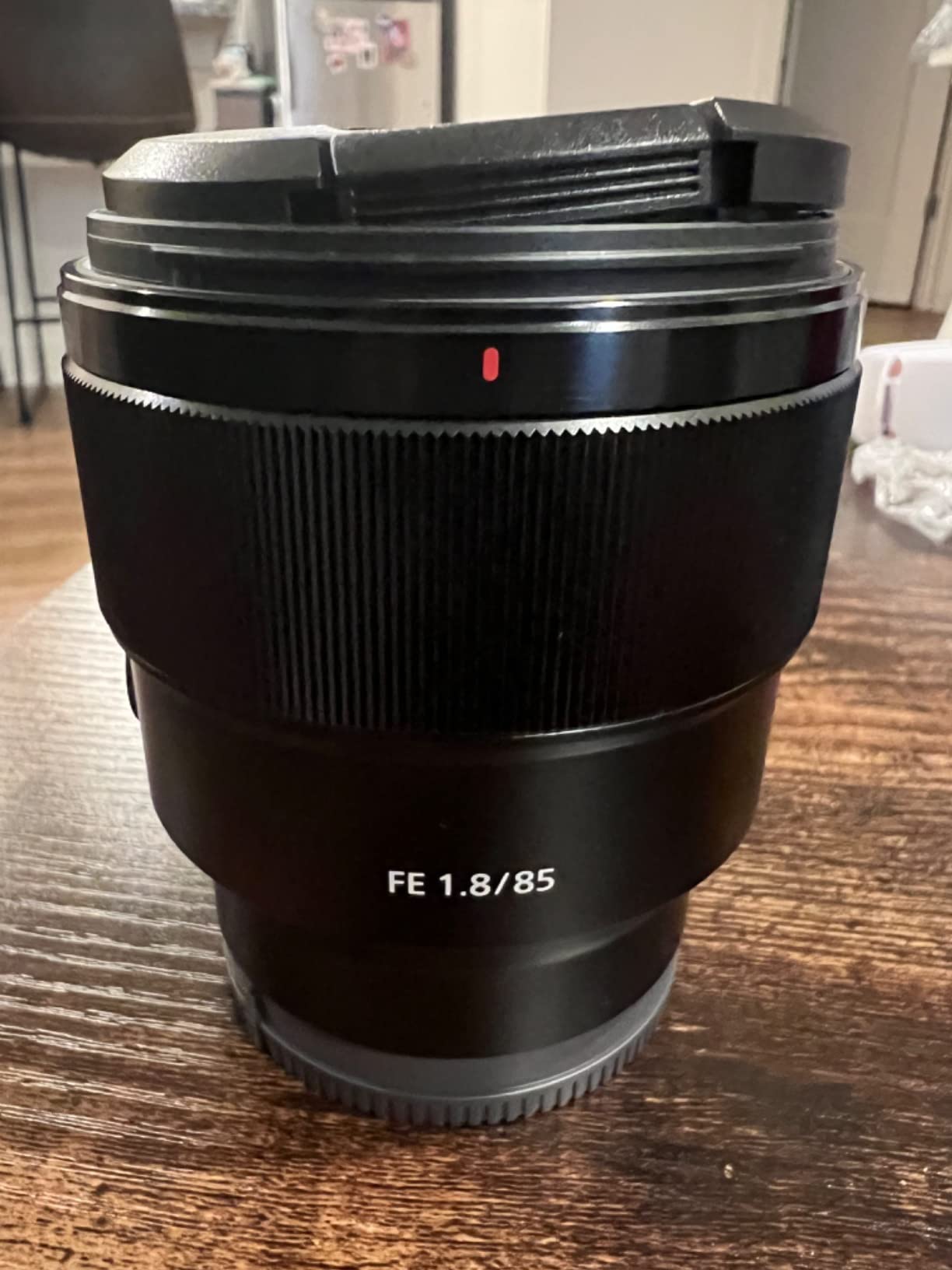
The linear autofocus motor is fast and quiet, tracking eyes on A7-series bodies with real confidence. ED glass and Nano AR coating keep aberrations and flare controlled, which is impressive engineering at this price.
The compromises are predictable. There is no in-lens stabilization, so rely on body IBIS or shutter speed, and you can spot slight longitudinal chromatic aberration at f/1.8 in high-contrast light, which clears up by f/4.
Who Should Buy It
Sony shooters who want their first serious portrait lens should start here, full stop. It is also the smart choice for second shooters and students who need professional results before they have professional income.
Travel portrait photographers will appreciate the weight, since it barely registers in a bag next to a body. It pairs well with everything from an A6000-series APS-C camera to an A7 IV.
Who Should Look Elsewhere
If you sell large prints or shoot dim venues for a living, the GM II’s extra stop and superior rendering justify the upgrade. Nobody paying for wall-sized output will regret the f/1.4.
Bodies without IBIS will force higher ISOs in low light since the lens has no stabilizer of its own. Photographers who hate cropping in post should also note that 85mm on APS-C becomes an effective 127mm, which is tight but workable.
5. Canon EF 50mm f/1.8 STM – The Best Budget Portrait Lens
Canon EF 50mm f/1.8 STM Lens, Black, Compatible with Canon EOS DSLR Cameras
50mm prime
f/1.8 maximum aperture
STM silent autofocus
0.35m minimum focus
49mm filters
5.6 oz
Pros
- Exceptional value
- Sharp even wide open
- Silent STM AF for video
- Lightweight and compact
- Works on DSLR and mirrorless
Cons
- Edge softness wide open
- Mostly plastic build
- No image stabilization
- No lens hood included
With more than 18,500 reviews and a 4.8 average, this is Canon’s best-selling lens of all time, and mine still gets used years after buying it. The nifty fifty is the classic answer to affordable portraits, and this version is the best one Canon has made.
On a full-frame DSLR it gives you a natural perspective that flatters faces. On APS-C bodies the 1.6x crop turns it into an effective 80mm, which happens to be right in portrait-telephoto territory for a tiny outlay.

The STM motor is silent, which matters if you ever record video during sessions, and the metal mount is a genuine upgrade over the older II version. Sharpness in the center at f/1.8 is better than any lens this inexpensive has a right to be.
Be realistic about the corners, though. Edges are soft wide open, the build is mostly plastic, there is no stabilizer, and Canon does not include a hood. Focus is by wire, so manual focusing feels less precise than mechanical designs.

Who This Lens Is Perfect For
Beginners on Canon DSLRs get an instant upgrade over any kit zoom, with noticeably blurrier backgrounds and better low-light performance. It is also a low-risk way to find out whether you even like shooting primes before spending more.
EOS R mirrorless owners can use it with the EF-to-RF adapter, which makes it a cheap backup portrait lens for a second body. Students and gift-buyers cannot beat it.
Who Will Outgrow It Fast
Working pros who need weather sealing, edge-to-edge sharpness, and fast tracking AF will bump against its limits quickly. It is a starter lens, not a workhorse.
Manual-focus shooters will dislike the focus-by-wire ring. And if your portraits are mostly headshots rather than half or full body, an 85mm will serve you better than 50mm.
6. Sony FE 50mm f/1.8 – Sony’s Affordable Nifty Fifty
Sony – FE 50mm F1.8 Standard Lens (SEL50F18F/2), Black
50mm prime
f/1.8 maximum aperture
7-blade circular aperture
DDSSM autofocus
Nano AR coating
6.6 oz
Pros
- Excellent sharpness at f/1.8
- Fast accurate autofocus
- Very light at 6.6 ounces
- Beautiful background blur
- Works on all E-mount bodies
Cons
- All-plastic construction
- No AF/MF switch on the barrel
- AF motor slightly noisy for video
- No stabilization
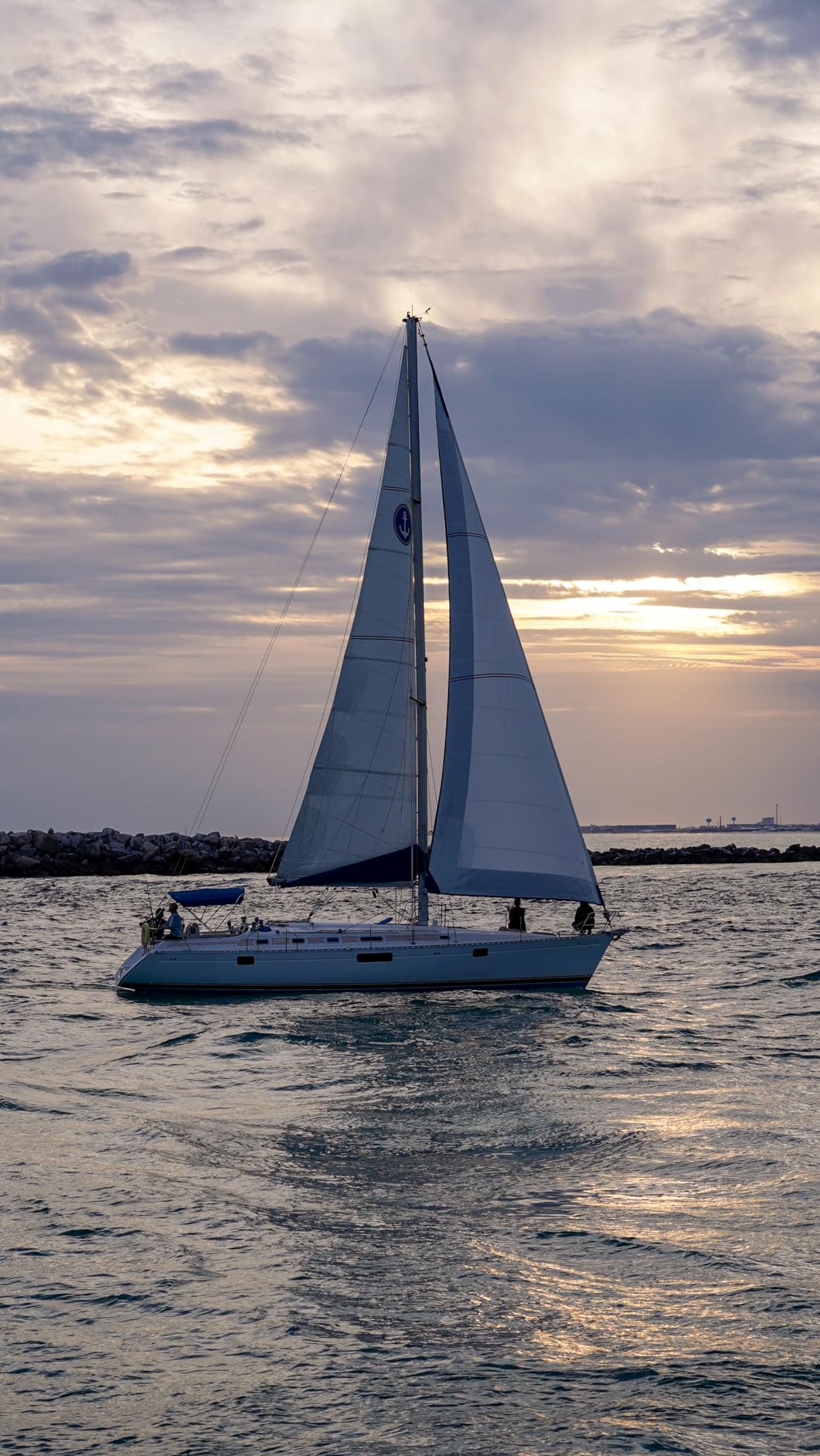
Sony’s answer to the nifty fifty costs little, weighs 6.6 ounces, and quietly produces images that look far more expensive than they are. I keep one in my bag as the lens I lend to friends who want to try portrait work.
Sharpness at f/1.8 is genuinely excellent in the center, and the 7-blade circular aperture produces the smooth defocusing that makes portraits pop. A double-gauss design with an aspherical element keeps distortion and field curvature well controlled.

The Direct Drive SSM autofocus is fast and accurate for stills, and Nano AR coating reduces flare when you shoot toward window light. On an APS-C body like the A6000 series or ZV-E10, the 75mm effective focal length is a natural portrait length.
The downsides mirror every budget fifty: all-plastic construction, no physical AF/MF switch, and an AF motor that is audible on video audio tracks. There is no stabilization either, so shutter discipline matters in dim rooms.
Who Should Start Here
Sony E-mount beginners and content creators get the best possible first prime. If you shoot both portraits and street, 50mm is the more versatile choice over 85mm.
Vloggers using the ZV-E10 will find the 75mm equivalent ideal for seated talking-head shots with clean background separation. It is also a perfect low-cost second lens for event shooters who need a backup.
Who Will Want More
If your work involves recording clean audio while autofocusing, the motor noise will bother you, and a linear-motor lens is worth the upgrade. Photographers who shoot in rain or dust should also step up to sealed glass.
Anyone expecting tank-like build quality will find the plastic barrel underwhelming. Treat it gently and it rewards you; abuse it and it will not survive.
7. Meike 50mm f/1.8 Z – The Budget Nikon Z Portrait Lens
Meike 50mm F1.8 Full Frame STM Auto Focus Prime Lens for Nikon Z Mount Mirrorless Cameras: Z30, Z50, Z5, Z6, Z7, Z6II, Z7II, Z9, Zfc
50mm prime
f/1.8 maximum aperture
STM autofocus
9 diaphragm blades
Type-C firmware port
Nikon Z mount
Pros
- Sharp wide open at f/1.8
- Creamy smooth bokeh
- Quiet fast STM AF
- Durable metal and plastic build
- Full-time manual override
Cons
- Stiff lens hood mechanism
- Minimum focus around 2 feet
- No image stabilization
Third-party lenses for Nikon Z mount are still rare, which makes this Meike 50mm f/1.8 interesting. It currently holds a 4.9 rating, and after shooting with one I understand why Nikon Z shooters are recommending it to each other.
The bokeh is the surprise. Nine diaphragm blades render out-of-focus areas that are creamier than the price suggests, and the lens stays sharp wide open. For portraits and boudoir on a budget, it punches far above its weight.
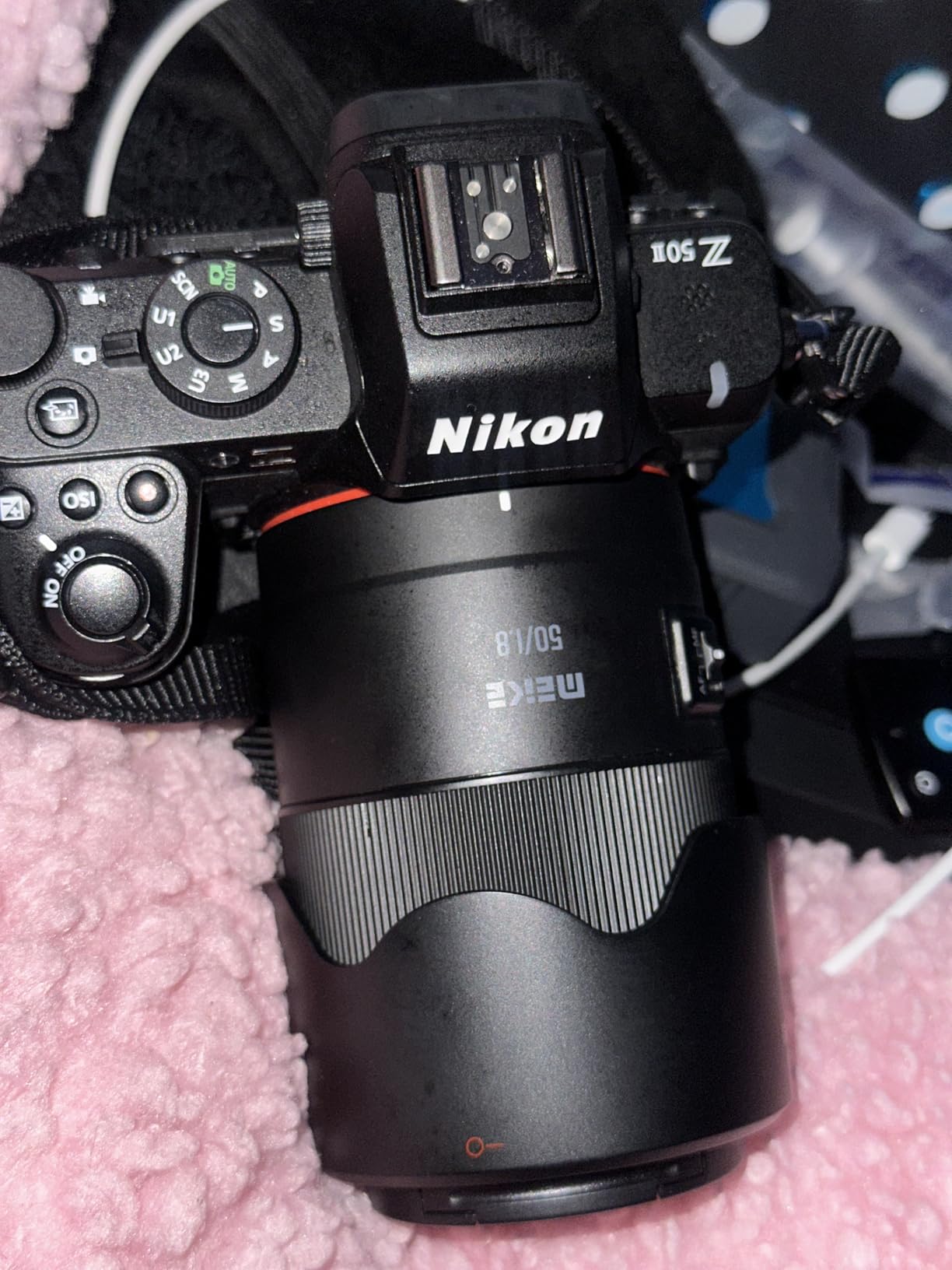
An 11-element, 7-group construction with STM autofocus delivers quiet, quick focusing that works for video as well as stills. There is full-time manual focus override, and a Type-C port for firmware updates, which is forward-thinking at any price.
The annoyances are small but real. The hood attaches and removes stiffly, minimum focus sits around two feet so close-ups are out, and there is no stabilization. The review pool is also still small at 15 reviews, so long-term reliability is less proven than Canon’s or Sony’s budget fifties.
Who It Suits Best
Nikon Z5, Z6, or Zfc owners who want their first fast prime without a big spend should look here first. It covers full-frame and APS-C Z bodies, including the Z30 and Z50.
Anyone who shoots video on Nikon Z will value the silent STM motor and manual override. The firmware port also means the lens can improve over time rather than age out.
Who Should Be Cautious
Professionals who need proven durability and service networks should stick with NIKKOR glass, since Meike’s track record is shorter. The tiny review sample means you are an early adopter.
Macro or detail shooters will hate the two-foot minimum focus distance. And like the other budget fifties here, there is no stabilization, so steady hands or fast shutters are required indoors.
8. Sigma 35mm f/1.4 DG DN Art – Best for Environmental Portraits
35mm F1.4 DG DN for Sony E Mount
35mm prime
f/1.4 maximum aperture
11 diaphragm blades
Super Multi-Layer Coating
Water resistant
454g
Pros
- Extremely sharp even at f/1.4
- Fast quiet precise autofocus
- Beautiful bokeh and color
- Weather-resistant build
- Undercuts rival GM pricing
Cons
- Heavier than some rivals at 454g
- Softness near minimum focus wide open
- Noticeable vignetting at f/1.4 to f/2.8
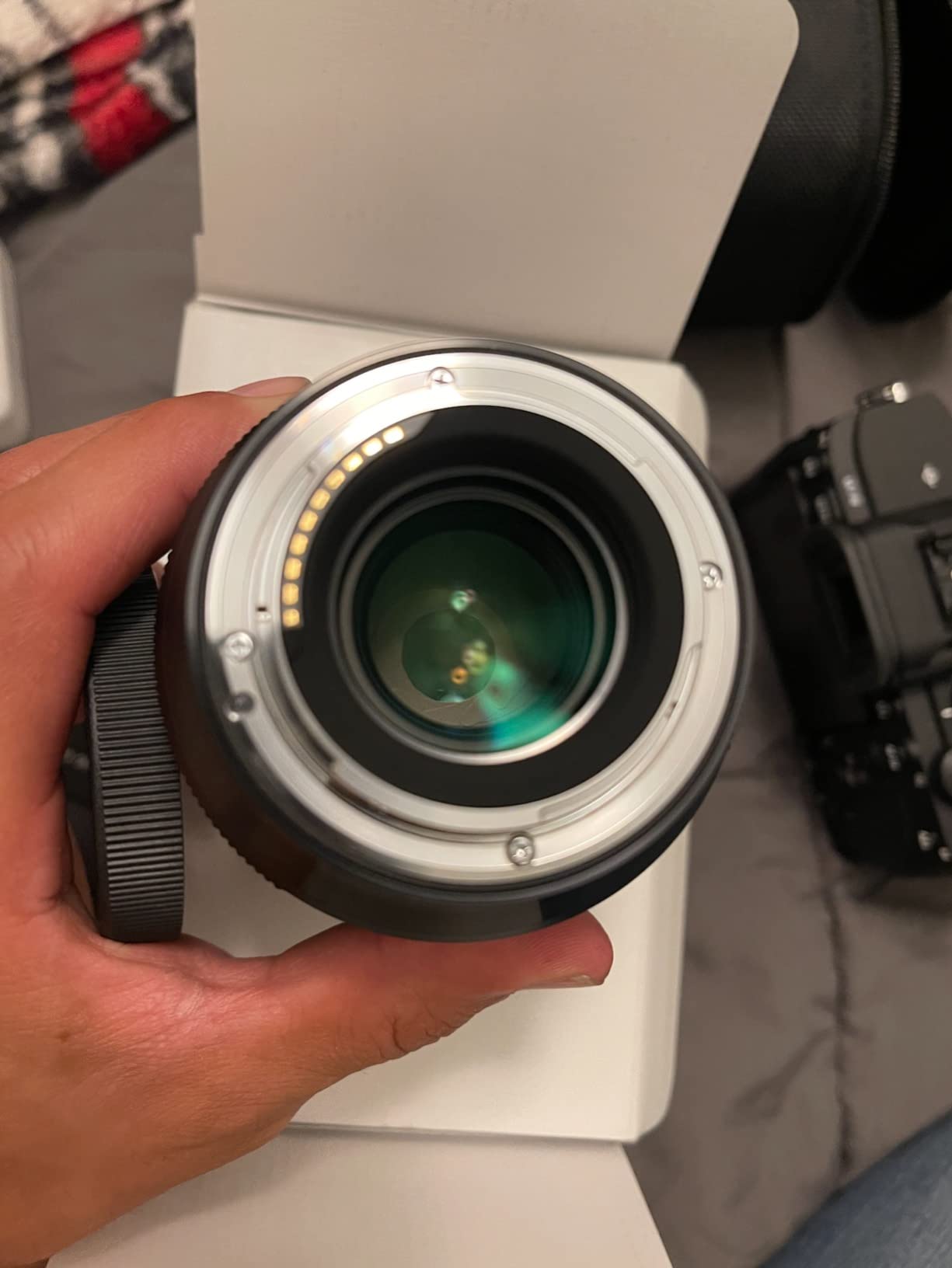
Not every portrait is a blurred-background headshot, and this is the lens I reach for when the location matters as much as the person. The Sigma 35mm f/1.4 Art lets you place your subject inside their environment while still separating them from it.
Sigma rebuilt their most popular Art prime specifically for mirrorless, and it shows. The lens is extremely sharp right from f/1.4, with color rendering that gives skin a richness I usually associate with far more expensive glass.
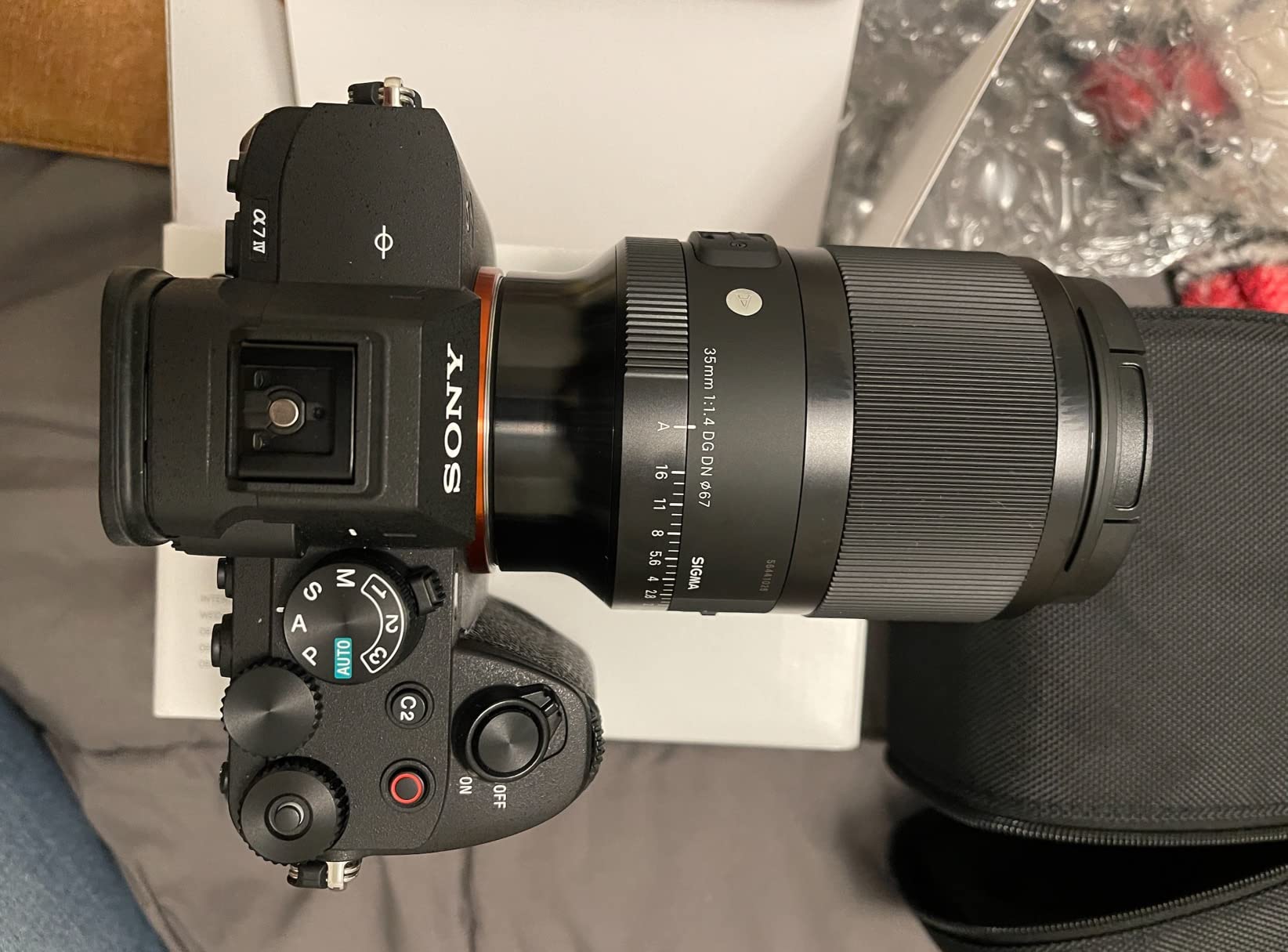
Eleven diaphragm blades produce notably smooth bokeh for a wide-angle lens, and the fast, quiet autofocus motor keeps up with candids. The weather-resistant build has survived light rain on my shoots without complaint.
Know the optical character before buying: vignetting is noticeable from f/1.4 through f/2.8, and sharpness drops slightly at minimum focus distance when wide open. At 454 grams it is heavier than the plastic fifties here, though the build quality explains the weight.
Who Should Choose 35mm
Lifestyle, editorial, and brand photographers who need context in the frame will love this focal length. It is also the friendliest choice for small rooms where an 85mm is impossible.
Wedding photographers covering receptions, dances, and group candids get a versatile story-telling lens. If you shoot portraits and documentary work together, 35mm is the more useful daily driver.
Who Will Be Disappointed
If your style depends on maximum background blur and tight facial compression, a 35mm will never give you that look. Classic headshot shooters should buy an 85mm instead.
Pixel-peepers who hate vignetting will fix it in post but grumble about it. And Sony shooters wanting the absolute best 35mm regardless of cost may still prefer first-party GM glass.
9. Tamron 35-150mm f/2-2.8 Di III VXD – One Lens for the Whole Session
Tamron 35-150mm F/2-2.8 Di III VXD for Sony E-Mount Full Frame/APS-C (6 Year Limited USA Warranty)
35-150mm zoom
f/2 to f/2.8 aperture
VXD linear AF motor
13 inch MOD at wide end
Fluorine coating
41.1 oz
Pros
- World first f/2-2.8 fast zoom
- Covers wide to telephoto
- Outstanding optics through the range
- Fast quiet VXD autofocus
- Replaces multiple primes
Cons
- Heavy at 2.6 pounds
- Edge softness at wider apertures
- Stiff zoom ring
- Dust sealing concerns reported
This is the lens that changed how I pack for weddings. The world’s first f/2-2.8 fast-aperture zoom covers 35mm through 150mm, which means one optic handles the wide group shot and the compressed candid without a lens change.
Twisting from 35mm to 85mm to 150mm mid-session feels like cheating. The f/2 wide end gives you prime-like subject separation at the short end, while f/2.8 at 150mm still blurs backgrounds beautifully for tight portraits.
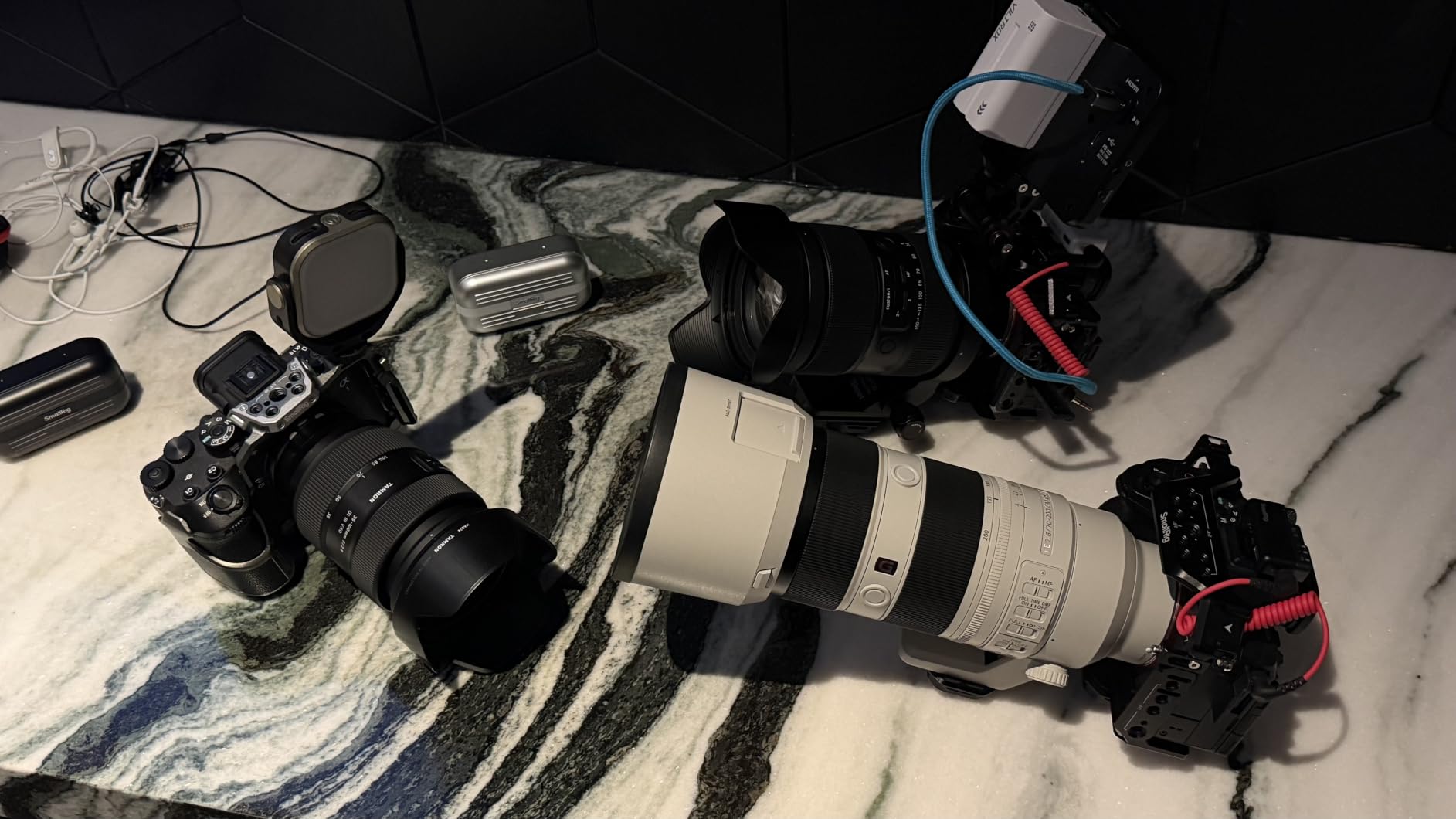
Optically it is outstanding for a zoom of this range, with the VXD linear motor focusing fast and quietly. Close focusing down to 13 inches at the wide end covers detail work, and the fluorine-coated front element wipes clean after fingerprints and drizzle.
The price you pay is literal weight: 2.6 pounds hanging off your body all day. Some professionals have also raised dust-sealing concerns, the zoom ring runs stiff for video pulls, and continuous AF can lose tracking if you zoom aggressively mid-burst.

Who This Zoom Is Made For
Wedding and event photographers who cannot afford to miss moments while swapping glass are the core audience. It has become a genuine favorite in that community for good reason.
Location portrait shooters who travel light also benefit, since one lens plus a body replaces a bag of primes. The six-year USA warranty is unusually long and adds real peace of mind.
Who Should Stick With Primes
Photographers with bad backs or small hands will find 41 ounces exhausting over a full day. If you mostly shoot from one spot, a single prime is lighter and often sharper at the edges.
Low-light purists chasing f/1.4 or f/1.2 rendering will find the ceiling at f/2.8 too low for their look. And video shooters who rack zooms constantly will fight the stiff ring.
10. Sony FE 70-200mm f/2.8 GM OSS II – The Premium Telephoto Choice
Sony FE 70-200mm F2.8 GM OSS II Full-Frame Zoom Lens
70-200mm zoom
Constant f/2.8 aperture
Four XD linear motors
Optical SteadyShot
Internal zoom
1045g
Pros
- Sharp across the whole zoom range
- Lightning-fast XD autofocus
- About 29 percent lighter than predecessor
- Built-in OSS stabilization
- Weather-sealed build
Cons
- Very expensive
- Noticeable 4-pound weight for handheld work
- Stock often limited
For compressed, flattering telephoto portraits, this is the best zoom I have used on any system. Sony’s second-generation 70-200mm f/2.8 G Master is sharp at every focal length even wide open, which is not something I say about many zooms.
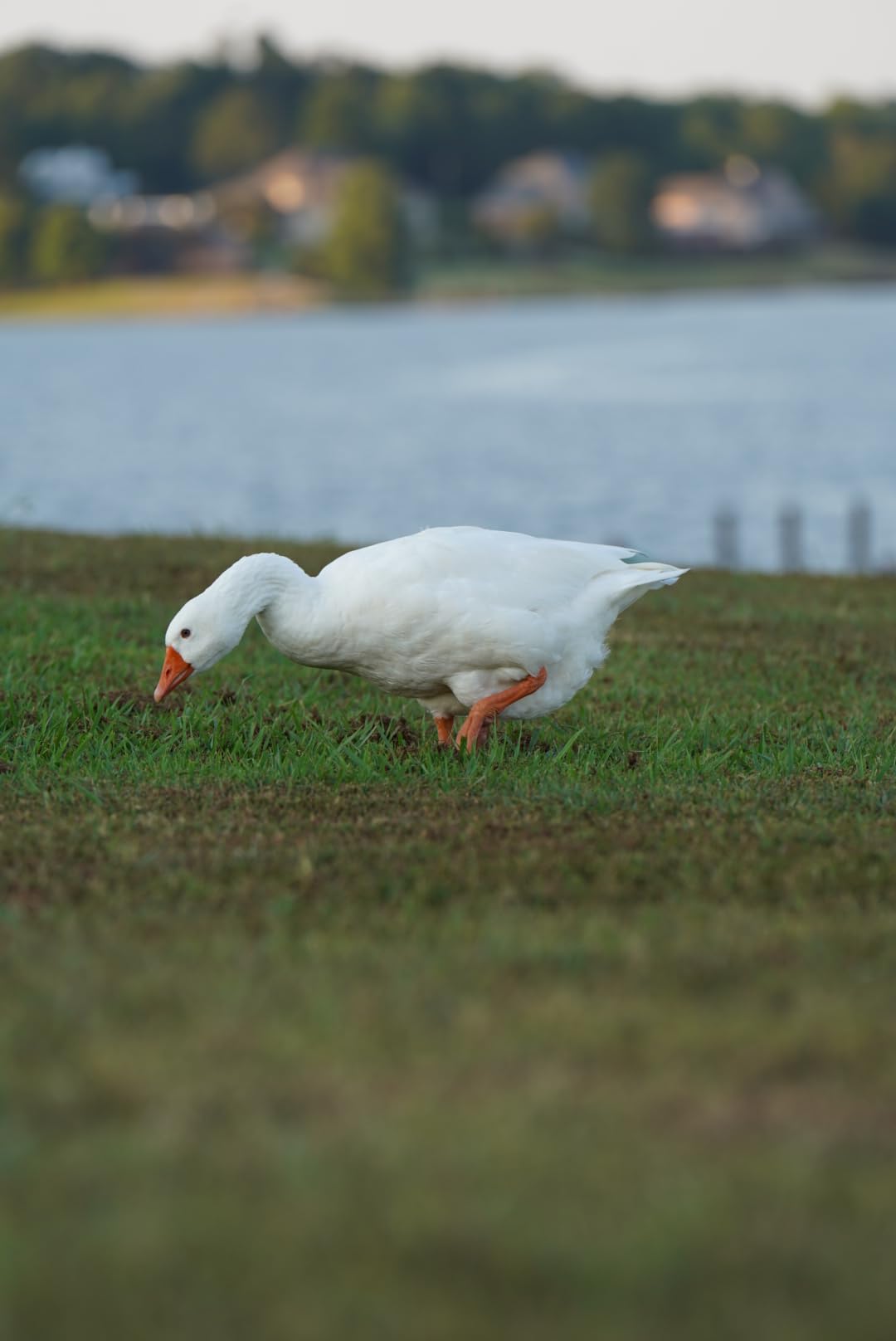
Compression at 200mm is the portrait superpower here. Faces look naturally flattering, backgrounds compress into soft washes of color, and you can shoot across a ceremony or a field without intruding on the moment.
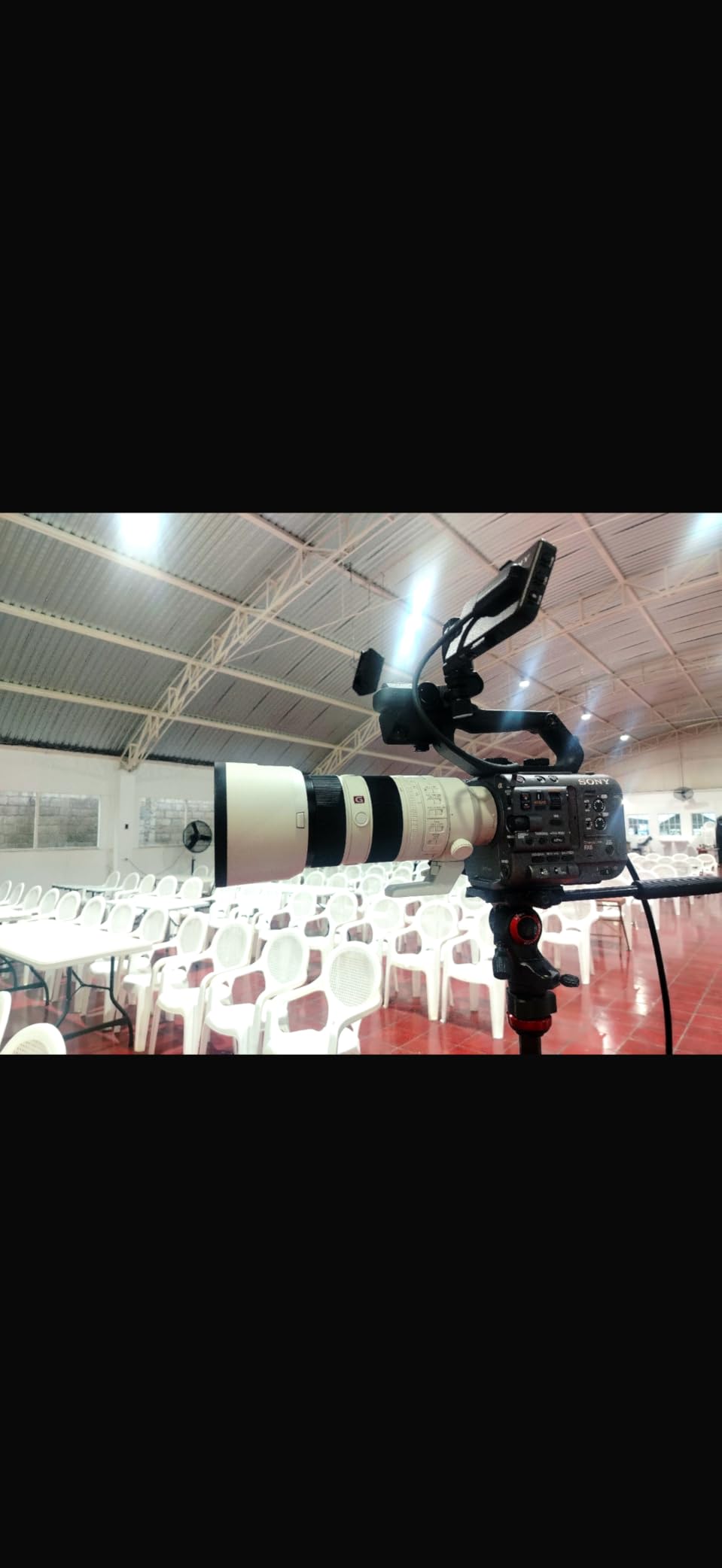
Four XD linear motors focus up to four times faster than the previous generation, and the tracking is unshakeable on A7, A9, and A1 bodies. Optical SteadyShot, a weather-sealed magnesium barrel, and an internal zoom design that keeps balance constant round out the professional package.
Two honest warnings: this is the most expensive lens in this roundup by a wide margin, and four pounds is still four pounds after a long handheld day. Focus breathing is well controlled, which also makes it a serious filmmaking lens.
Who Justifies This Purchase
Working professionals whose income depends on one lens surviving everything choose this class of glass for good reason. Sports, wildlife, and event shooters get a tool that doubles as a superb portrait telephoto.
Studio photographers who want maximum compression and background control for beauty and fashion work will find the 135-200mm end exceptional. It also accepts Sony 1.4x and 2x teleconverters when you need more reach.
Who Does Not Need It
If portraits are one part of a varied hobby, an 85mm prime gives you the classic look for a fraction of the cost and weight. Casual shooters will not tap this lens’s real advantages.
Anyone who shoots handheld for hours, like street or travel portrait photographers, will feel the weight. And if you rarely shoot past 100mm, the extra reach is money sitting idle in your bag.
How to Choose the Best Portrait Lens
The right portrait lens depends on three things: your camera mount, the kind of portraits you shoot, and how much blur you want. Here is how I work through that decision with every photographer who asks me.
Which Focal Length Should You Choose?
Focal length determines perspective and compression more than any other factor, so start here before looking at anything else.
- 35mm for environmental portraits where the location tells part of the story. Best for lifestyle, editorial, and small-room shooting.
- 50mm for natural, versatile framing that matches human perspective. The classic all-rounder for half-body and full-body portraits.
- 85mm for headshots and classic portrait compression. This is the gold standard length for flattering faces.
- 135mm to 200mm for maximum compression and dreamy background separation. Ideal for outdoor, sports-adjacent, and candid telephoto work.
- Zooms like 35-150mm or 70-200mm when you need to cover multiple lengths in one session without changing lenses.
How Wide an Aperture Do You Need?
Aperture controls both subject isolation and low-light ability. An f/1.4 lens gives you the thinnest depth of field and the most blur, while f/1.8 gets you remarkably close for less money and weight.
An f/2.8 ceiling is fine if you shoot with lighting or in decent light, and zooms like the Tamron show how versatile a fast f/2-2.8 range can be. Below f/2 you are paying for that last stop of blur, so be honest about whether your style needs it.
Match the Lens to Your Camera Mount
Nothing in this decision matters more than mount compatibility, because a perfect lens that does not attach is worthless. Nikon Z bodies take Z-mount glass, Canon EOS R bodies take RF, and Sony takes E-mount.
Canon EF DSLR lenses still work on EOS R mirrorless bodies through an adapter, which keeps the affordable EF 50mm f/1.8 relevant. Third-party makers like Sigma, Tamron, and Meike now offer excellent E-mount and Z-mount options that undercut first-party prices.
Prime or Zoom: Which Fits Your Shooting?
Primes are smaller, sharper per dollar, and usually faster, which is why every classic portrait length started as a prime. They also force you to move, which many photographers find improves their compositions.
Zooms trade some maximum aperture for flexibility, and modern options like the Tamron 35-150mm narrow that gap dramatically. If you shoot unpredictable events, a zoom often means the difference between getting the frame and missing it.
Autofocus, Stabilization, and Weight
Eye-detection autofocus is the single biggest portrait quality upgrade of the last decade, so choose lenses with fast, quiet motors like XD linear, VXD, or STM types. Silent motors matter doubly if you record video.
In-lens stabilization helps for handheld low-light work, though body IBIS on modern mirrorless cameras covers much of that gap. Finally, weigh the lens honestly against how long you carry it, because a heavy lens you leave at home helps nobody.
Frequently Asked Questions
What lens do most photographers use for portraits?
Most portrait photographers use an 85mm prime, typically f/1.8 or f/1.4, because it flatters faces with natural compression and strong background blur. A 50mm prime is the close second choice for versatility, while many pros add a 70-200mm f/2.8 zoom for compressed telephoto portraits.
What is the best lens for portrait photography?
The best overall lens for portrait photography is an 85mm f/1.4 or f/1.8 prime. In our testing the Sony FE 85mm f/1.4 GM II led the field, while the Sony FE 85mm f/1.8 and Nikon NIKKOR Z 85mm f/1.8 S deliver near-identical looks for far less.
Is a 24mm or 50mm lens better for portraits?
A 50mm lens is better for portraits. At 24mm you must stand close to fill the frame, which distorts noses and faces near the edges. Use 24mm only for wide environmental portraits where you want drama, and choose 50mm for natural, flattering results.
Is 35mm or 50mm better for portraits?
Choose 35mm for environmental portraits that include the scene around your subject, and 50mm for classic half-body and full-body portraits with more background blur. If you shoot mostly headshots, neither is ideal and an 85mm is the better tool.
Final Thoughts: Picking the Best Portrait Lens for Your Work
Across every mount and budget, the best camera lenses for portraits in 2026 all do the same two things well: they render eyes sharply and they blur everything behind them. The Sony FE 85mm f/1.4 GM II does both better than anything else here, the Nikon Z 85mm f/1.8 S is the sharpest value on Z mount, and the Sony FE 85mm f/1.8 wins on price-to-performance.
Start by matching the lens to your camera body, then pick the focal length that fits the portraits you actually shoot. If you remember nothing else, remember that 85mm is the classic portrait length and that an affordable f/1.8 prime gets you most of the look for a fraction of the flagship spend.
Pick the one that fits your mount and your work, check current availability with the buttons above since several of these run low on stock, and go make some portraits you are proud of.