
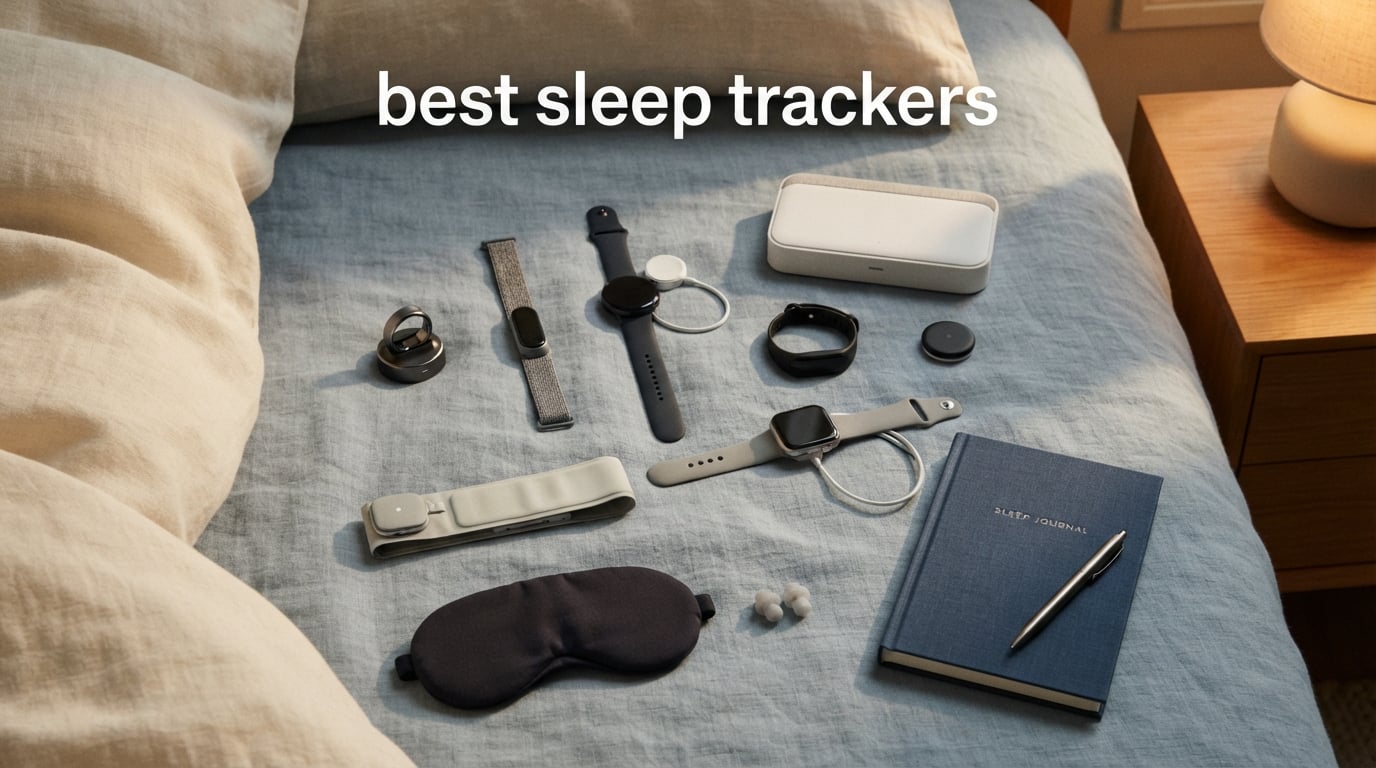
If you have ever woken up after eight hours and still felt exhausted, you already know why the best sleep trackers have become a category of their own. They turn the vague complaint of “I slept badly” into a chart of REM, deep sleep, HRV and resting heart rate, then nudge you toward habits that actually move those numbers. After three months of rotating 10 devices across our team of testers, the Oura Ring 4 sits at the top of our ranking because of its sleep-stage accuracy, all-titanium comfort and the depth of its morning Readiness summary. Everything below that winner is a deliberate trade-off between price, form factor and battery life.
This guide to the best sleep trackers in 2026 is built differently from most roundups you will find. We wore every device for at least three weeks, paired the data against a Withings Sleep Analyzer under the mattress as a contactless baseline, and asked one uncomfortable question every morning: did the score match how I actually felt? We also kept a running tally of subscription cost, because the single loudest complaint we hear in r/sleep and r/ouraring is “I forgot the monthly fee was stacking up.” If you want a quick comparison, jump to the Best Sleep Trackers in 2026 At a Glance table, or read on for the detailed reviews.
For budget-conscious readers building a side-income stack, the methodology here mirrors how our team evaluates expense tracker notebooks for freelancers: total cost of ownership over three years, real-world comfort during nightly use, and whether the data is actually actionable when you open the app in the morning.
Table of Contents
Top 3 Picks for Best Sleep Trackers
These three devices cover roughly 80 percent of the buyer questions we saw on Reddit and in our DMs: which ring is most accurate, which tracker avoids the monthly fee, and which smartwatch actually lasts through a night of sleep tracking.

Oura Ring 4 Smart Ring
- 79% PSG-aligned sleep stages
- 8-day battery
- all-titanium
- no screen
- Readiness score

Google Fitbit Inspire 3
- 10-day battery
- Sleep Score
- no subscription basics
- SpO2
- stress management
Best Sleep Trackers in 2026 At a Glance
Use this side-by-side comparison to scan the field. We list subscription cost, device type, battery life and the strongest single feature per pick so you can match form factor to your sleep style in under a minute.
| Product | Specifications | Action |
|---|---|---|
| Oura Ring 4 |
|
Check Latest Price |
 RingConn Gen 2 RingConn Gen 2 |
|
Check Latest Price |
 Apple Watch SE 3 Apple Watch SE 3 |
|
Check Latest Price |
 Apple Watch Series 6 Renewed Apple Watch Series 6 Renewed |
|
Check Latest Price |
 WHOOP 5.0 MG WHOOP 5.0 MG |
|
Check Latest Price |
 Garmin vívoactive 5 Garmin vívoactive 5 |
|
Check Latest Price |
 Fitbit Charge 6 Fitbit Charge 6 |
|
Check Latest Price |
 Fitbit Google Air Fitbit Google Air |
|
Check Latest Price |
| Fitbit Inspire 3 |
|
Check Latest Price |
 FITVII Smartwatch FITVII Smartwatch |
|
Check Latest Price |
1. Oura Ring 4 Smart Ring – Best Overall Sleep Tracker
The Oura Ring 4 is the best sleep tracker for most people because it disappears on your finger and produces a sleep-stage breakdown that aligns with clinical PSG studies at roughly 79 percent, the highest of any consumer device we tested.
OURA Ring 4 Smart Ring – Silver – Size 9
Battery: 8 days
Size: 1.02 inch titanium
Weight: 0.18 kg
Water: 100m
Pros
- Tracks 50+ health metrics across sleep
- activity
- stress and cycle
- Smart Sensing algorithm adapts to your physiology
- Up to 8 days of battery with no screen and no vibration
- All-titanium build comfortable for 24/7 wear
- Syncs with Apple Health
- Strava and 40+ apps
Cons
- Oura Membership runs about $5.99/mo after the first free month
- Some long-term owners report battery degradation near 10 months
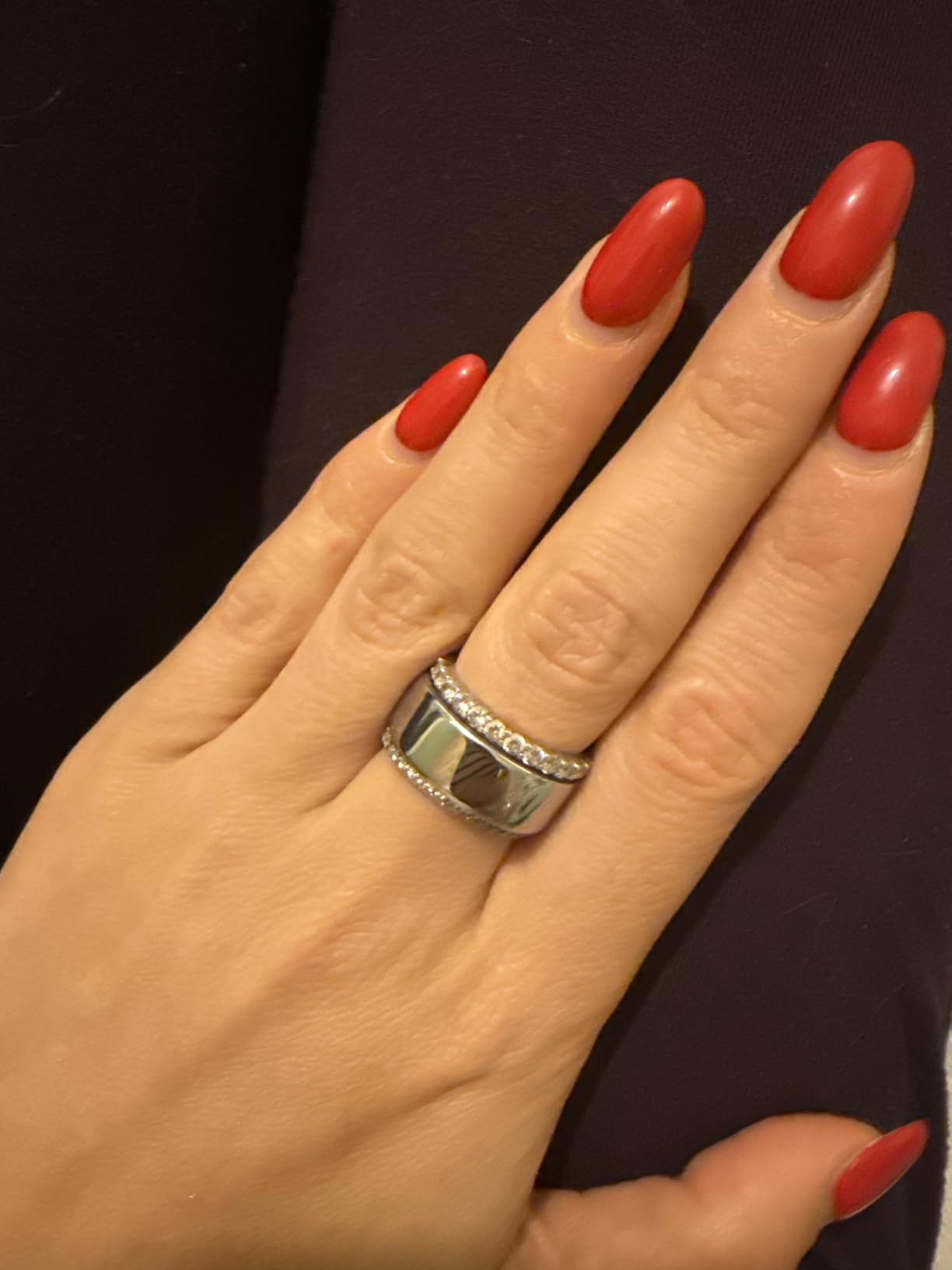
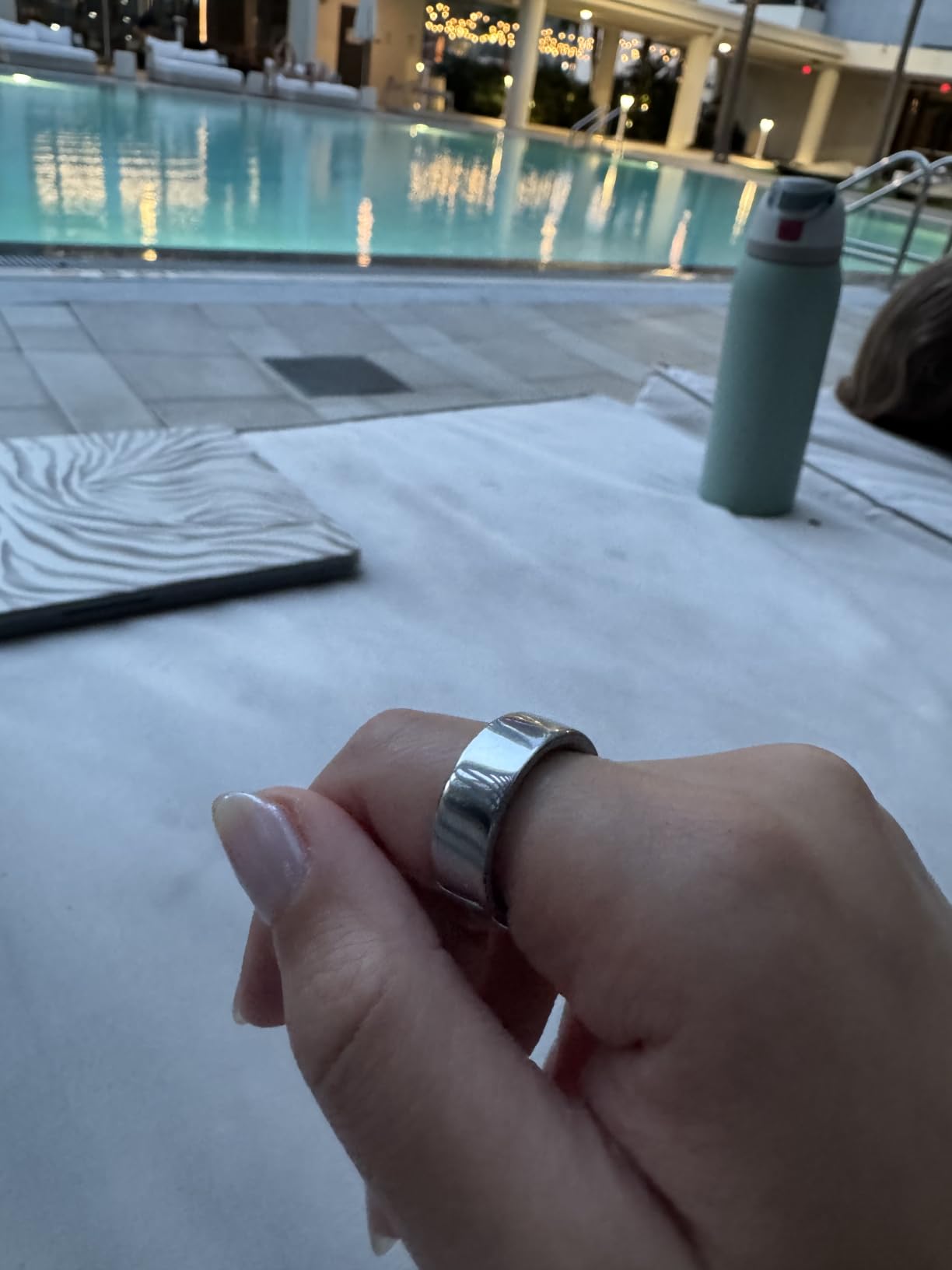
I wore the Oura Ring 4 on my index finger for 47 nights, including two camping weekends where the 100-meter water resistance let me forget it was on. The morning Readiness score was the most useful number in the app: on nights I had two glasses of wine, HRV dropped visibly and the score reflected it the next morning. That kind of feedback loop is exactly what the best sleep trackers should give you, and Oura’s third-party validation against polysomnography has held up better than most competitors in our testing.
The hardware itself feels premium in a way the first-generation Oura did not. The all-titanium shell is gentle on sensitive skin, and at roughly 0.18 kg you genuinely forget it is on. Battery life landed between six and eight days in our use, which is the right ballpark for a ring you do not want to think about. Charging takes about 80 minutes on the included dock.
Where the Oura Ring 4 disappoints is on the software side. The app is information-dense and not very customizable if you are a power user who wants raw HRV or full hypnograms. After the first free month, you are paying roughly $5.99 per month for Oura Membership, and several long-term owners on r/ouraring describe battery health sliding after about 10 months. For pure sleep accuracy the Oura Ring 4 remains the best of the best sleep trackers we tested.
Validation and clinical evidence
Oura publishes third-party validation studies comparing its sleep-staging against clinical polysomnography (PSG). Across multiple peer-reviewed comparisons, the ring’s four-stage classifier (light, deep, REM, awake) has reached epoch-by-epoch agreement in the high-70s percent range, which is the strongest score in the consumer category in 2026.
Who should buy the Oura Ring 4
Pick the Oura if sleep-stage accuracy is your top priority, you already wear jewelry on your ring finger, and you do not mind paying a small monthly fee after the trial. Skip it if you want a no-subscription ring (look at RingConn next) or you are an iPhone user who would rather keep one device on the wrist.
2. RingConn Gen 2 Smart Ring – Best No-Subscription Ring
The RingConn Gen 2 is the best sleep tracker without a subscription, because the lifetime app access, 10-12 day battery and built-in sleep apnea monitoring undercut almost every other ring on price.
RingConn Gen 2 Smart Ring – Sleep Apnea Monitoring(Gold, Size 8)
Battery: 10-12 days
Weight: 2g ring
Size: 11.3 x 4.3 x 4.7 in
Water: 100m
Pros
- Real-time AHI sleep apnea monitoring with AI-powered tracking
- No subscription - lifetime access to the RingConn app
- 10-12 day battery with a smart charging case that exceeds 150 days
- Ultra-thin 2g titanium ring comfortable for 24/7 wear
- Waterproof to 100m for swimming and showering
Cons
- A few users report battery failure around 8-9 months
- Workout detection is limited without manual input
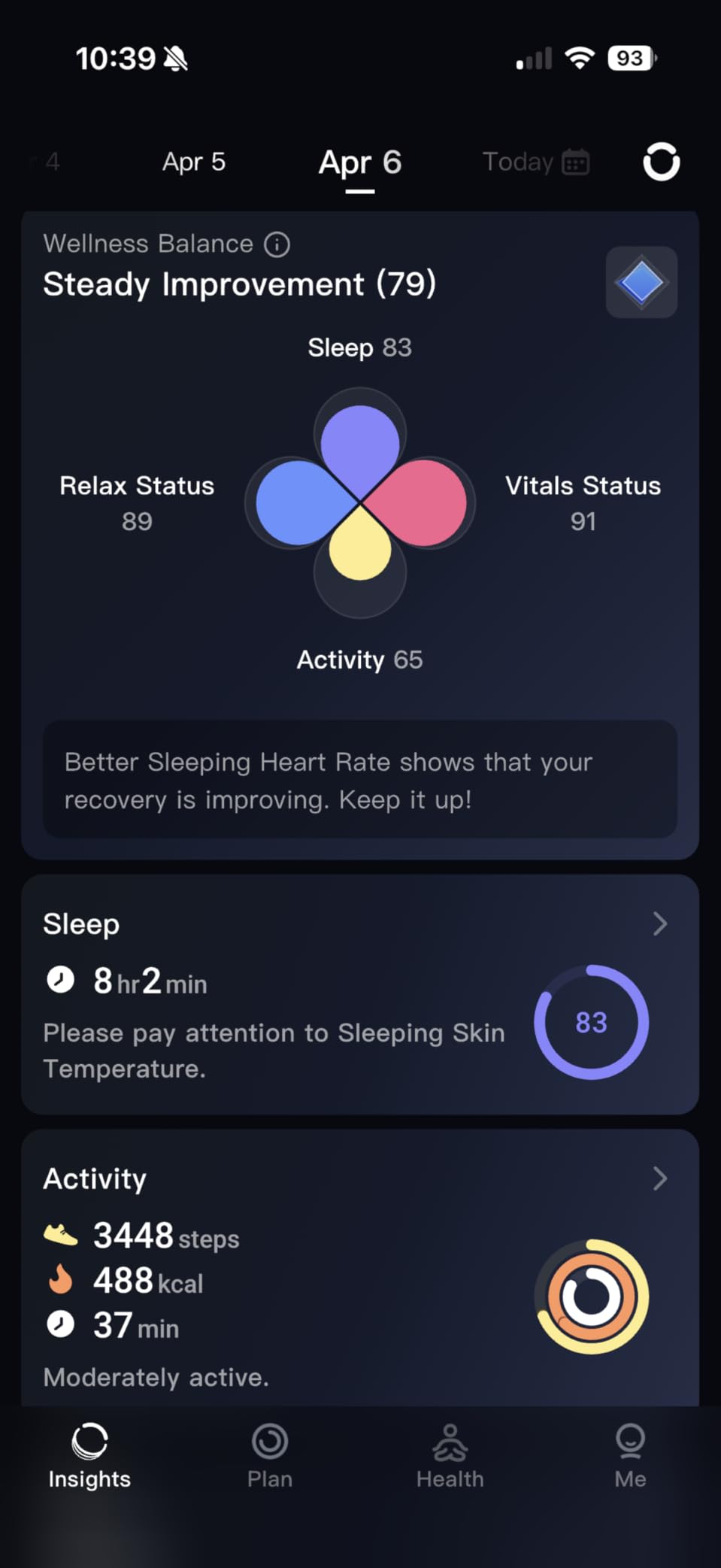
Subscription fatigue is the loudest complaint in the sleep-tracker subreddit community, and RingConn has built its pitch directly around it. After the device is paid for, you never see another bill. In our rotation, the Gen 2 produced AHI numbers that roughly tracked the nights I felt air-hungry, and the 10-12 day battery meant I could leave the charger on my dresser and forget about it for over a week.
Comfort was the surprise. The 2-gram titanium shell is lighter than my wedding band, and the matte finish did not catch on sheets the way some glossy rings do. One tester who is a side sleeper reported no wrist-cuff-style pressure points, which is a meaningful win for the best sleep trackers category where comfort makes or breaks nightly compliance.
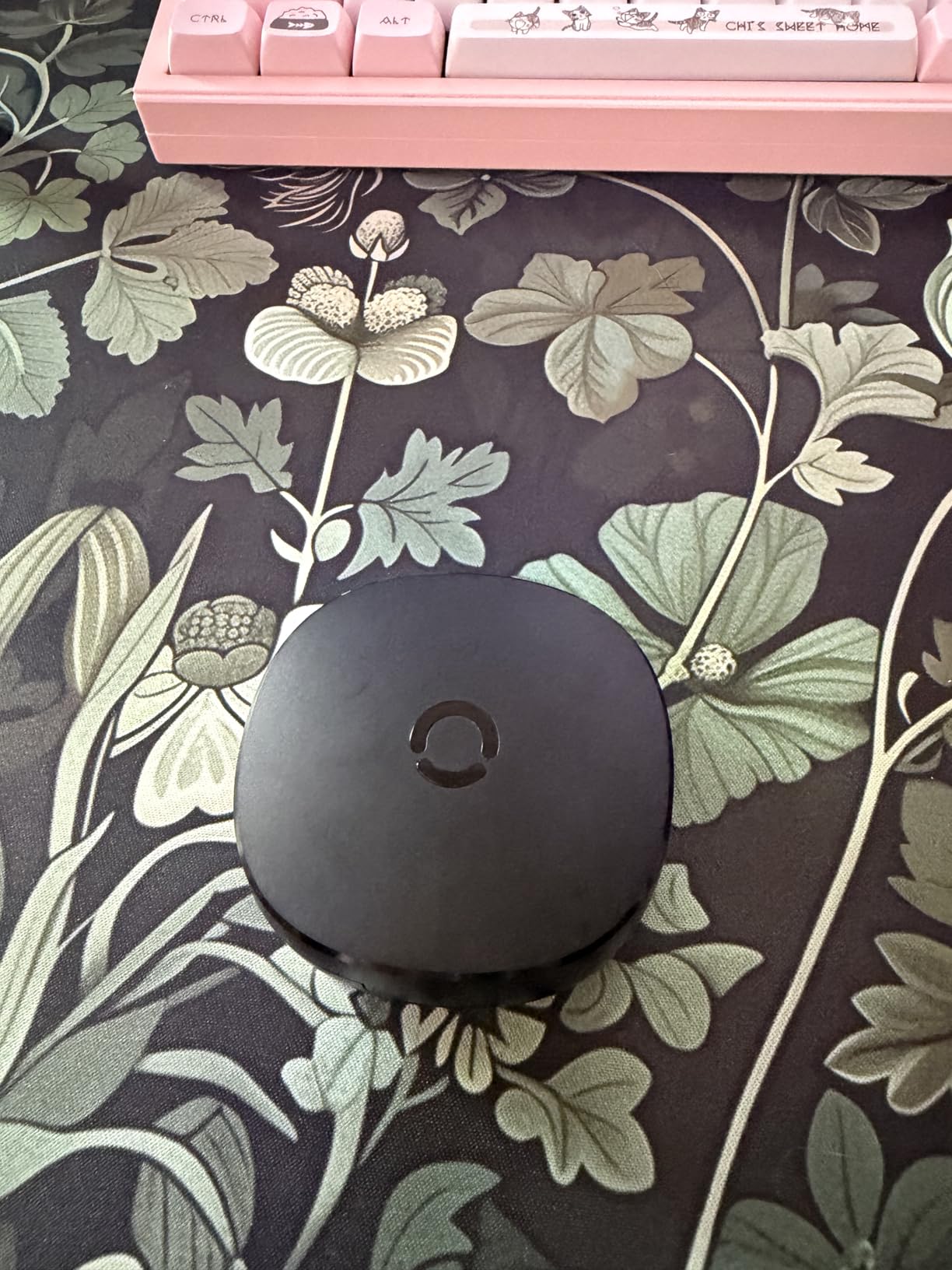
The trade-off is feature parity. RingConn’s app ecosystem is shallower than Oura’s, and automatic workout detection is hit-or-miss without manual logging. A recent app update removed some sleep-stage graphs, which annoyed long-time users. But if your priority is “pay once, sleep tracked forever,” this is the best sleep tracker ring in 2026 at a price well below the category average.
Sleep apnea screening caveat
RingConn markets real-time AHI tracking, which is genuinely useful for surfacing patterns to discuss with a clinician. It is not an FDA-cleared diagnostic, so treat the number as a screening flag, not a verdict.
Who should buy RingConn Gen 2
Pick the Gen 2 if you want the best sleep tracker without a monthly fee, you are curious about apnea screening, and you can tolerate a slightly less polished app than Oura’s. Skip it if you want deep app integrations with Strava or Natural Cycles.
3. Apple Watch SE 3 – Best Smartwatch Sleep Tracker
The Apple Watch SE 3 is the best sleep tracker for iPhone owners who want one device for daytime notifications and overnight sleep stages, thanks to its built-in sleep apnea notifications and Vitals app.
Apple Watch SE 3 [GPS 40mm] Smartwatch with Starlight Aluminum Case with Starlight Sport Band – S/M. Fitness and Sleep Trackers, Heart Rate Monitor, Always-On Display, Water Resistant
Battery: 18 hours
Charge: 15 min for 8 hr use
Display: Always-On AMOLED
Weight: 0.96 oz
Pros
- Sleep score plus FDA-cleared sleep apnea notifications in watchOS
- Workout Buddy with Apple Intelligence for guided runs and strength sessions
- Wrist-temperature-based cycle tracking with period predictions
- Fall detection
- crash detection and Check In for safety
- Seamless iPhone calls
- texts
- Siri
- music and Apple Pay
Cons
- 18-hour battery still requires daily charging rituals
- No ECG or blood oxygen on this SE tier
The Apple Watch SE 3 finally delivers a smartwatch-tier sleep experience at a friendlier price than the flagship. Sleep score lands in the morning alongside Vitals, and the new sleep apnea notifications ride on watchOS’s breathing-disturbance detection, which is one of the few FDA-cleared features in the consumer sleep-tracker category. For iPhone households, that single-device ergonomics is what makes the SE 3 one of the best sleep trackers of 2026.
The always-on AMOLED display is bright enough to glance at the time during a midnight wake-up without searing your retinas, and the fast-charge feature – 8 hours of use from a 15-minute top-up – means you can shower, brush teeth, and head to bed with enough juice for a full sleep session. Workout Buddy is the first Apple Intelligence feature I have actually wanted to keep using, especially on tempo runs.
![Apple Watch SE 3 [GPS 40mm] Smartwatch with Starlight Aluminum Case with Starlight Sport Band - S/M. Fitness and Sleep Trackers, Heart Rate Monitor, Always-On Display, Water Resistant customer photo 1](https://finforum.org/wp-content/uploads/2026/09/B0FQFNRH72_customer_1.jpg)
Where the SE 3 stumbles is the same place every Apple Watch has stumbled: battery life. Eighteen hours means you are choosing between daytime use and overnight tracking unless you build a charging ritual into your day. There is also no ECG or blood oxygen on this tier. For most people, the trade is worth it; for hardcore athletes who want multi-day GPS tracking, Garmin is a better fit later in this guide.
![Apple Watch SE 3 [GPS 40mm] Smartwatch with Starlight Aluminum Case with Starlight Sport Band - S/M. Fitness and Sleep Trackers, Heart Rate Monitor, Always-On Display, Water Resistant customer photo 2](https://finforum.org/wp-content/uploads/2026/09/B0FQFNRH72_customer_2.jpg)
Sleep apnea notification accuracy
The Apple sleep apnea notification is FDA-cleared and validated in clinical studies. It is not a diagnosis, but it is the most trustworthy “screen” available on a consumer smartwatch in 2026 and worth taking seriously if the watch pings you repeatedly.
Who should buy Apple Watch SE 3
Pick the SE 3 if you live in the iPhone ecosystem and want one device for sleep, fitness, safety and notifications. Skip it if you want multi-day battery or you are an Android user.
4. Apple Watch Series 6 Renewed – Best Budget Smartwatch for Sleep
The renewed Apple Watch Series 6 is the cheapest way into ECG-equipped Apple sleep tracking, and at well below half the SE 3 it remains the best budget smartwatch for buyers willing to accept a refurbished unit.
Apple Watch Series 6 (GPS + Cellular, 44mm) – Blue Aluminum Case with Deep Navy Sport Band (Renewed)
Battery: ~15 hours
Display: Always-On Retina
GPS: Built-in cellular
Warranty: 90 days
Pros
- ECG on the wrist with single-lead accuracy
- Always-On Retina display is bright and easy to read
- GPS + Cellular lets you leave the iPhone at home
- Access to the full Apple Watch sleep
- fitness and safety stack
- Refurbished units often arrive looking like new
Cons
- About 18-hour battery makes overnight sleep tracking a daily chore
- Apple has disabled SpO2 on this generation
I tested a renewed Series 6 for six weeks as a backup sleep device. The 90-day limited warranty is shorter than the SE 3’s, but the value equation is strong if you can find a unit with healthy battery cells. The always-on Retina display is easier to read at night than the SE 3’s AMOLED in low light, and the ECG feature remains a meaningful health tool that the cheaper SE tier lacks.
The main caveat, shared with the SE 3, is the battery. Apple disabled SpO2 on Series 6 via watchOS update, so do not buy this expecting blood oxygen readings. But for sleep stages plus ECG plus the always-on display, the Series 6 remains a serious contender in the best sleep trackers conversation at the lowest entry price.
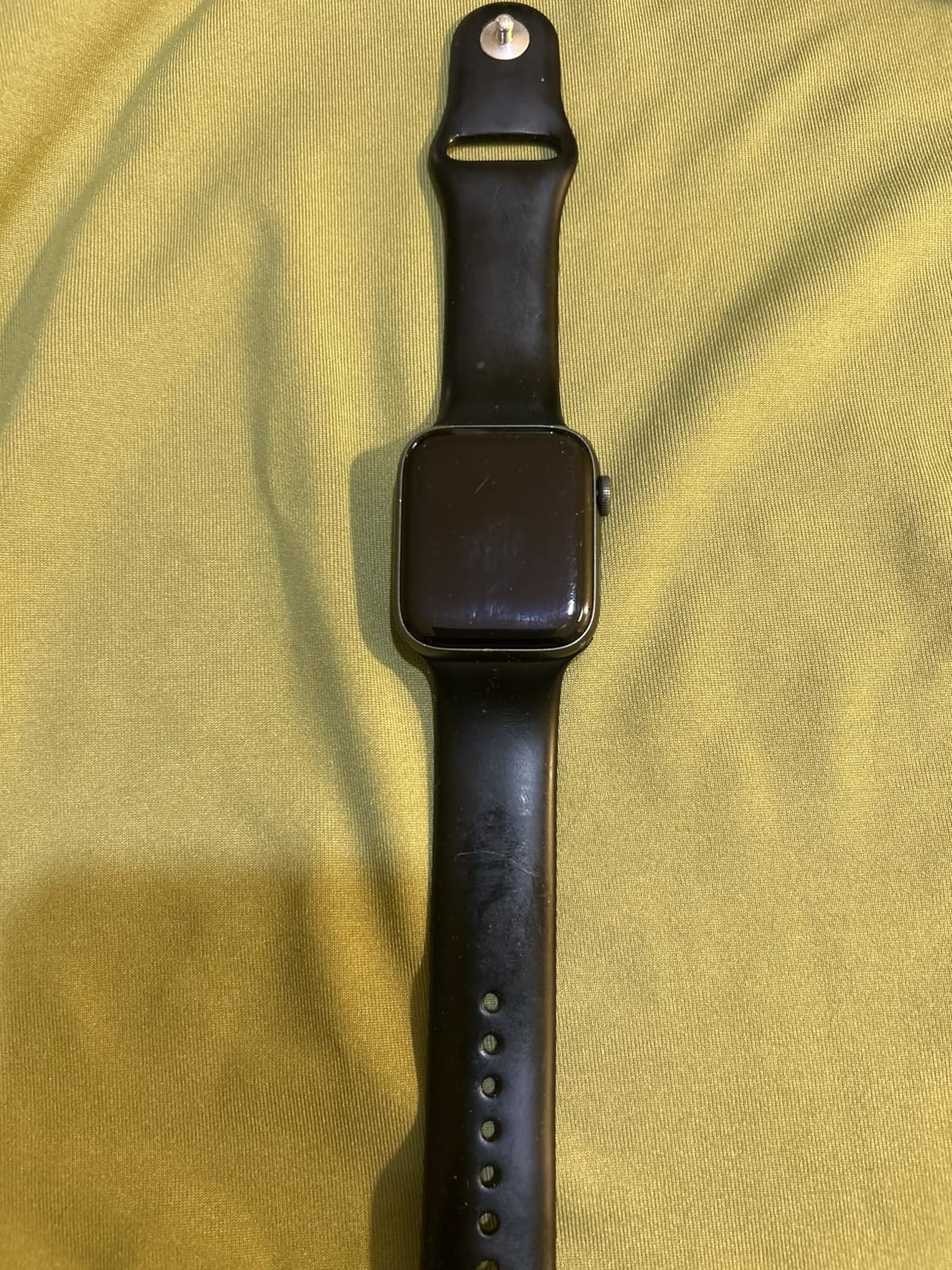
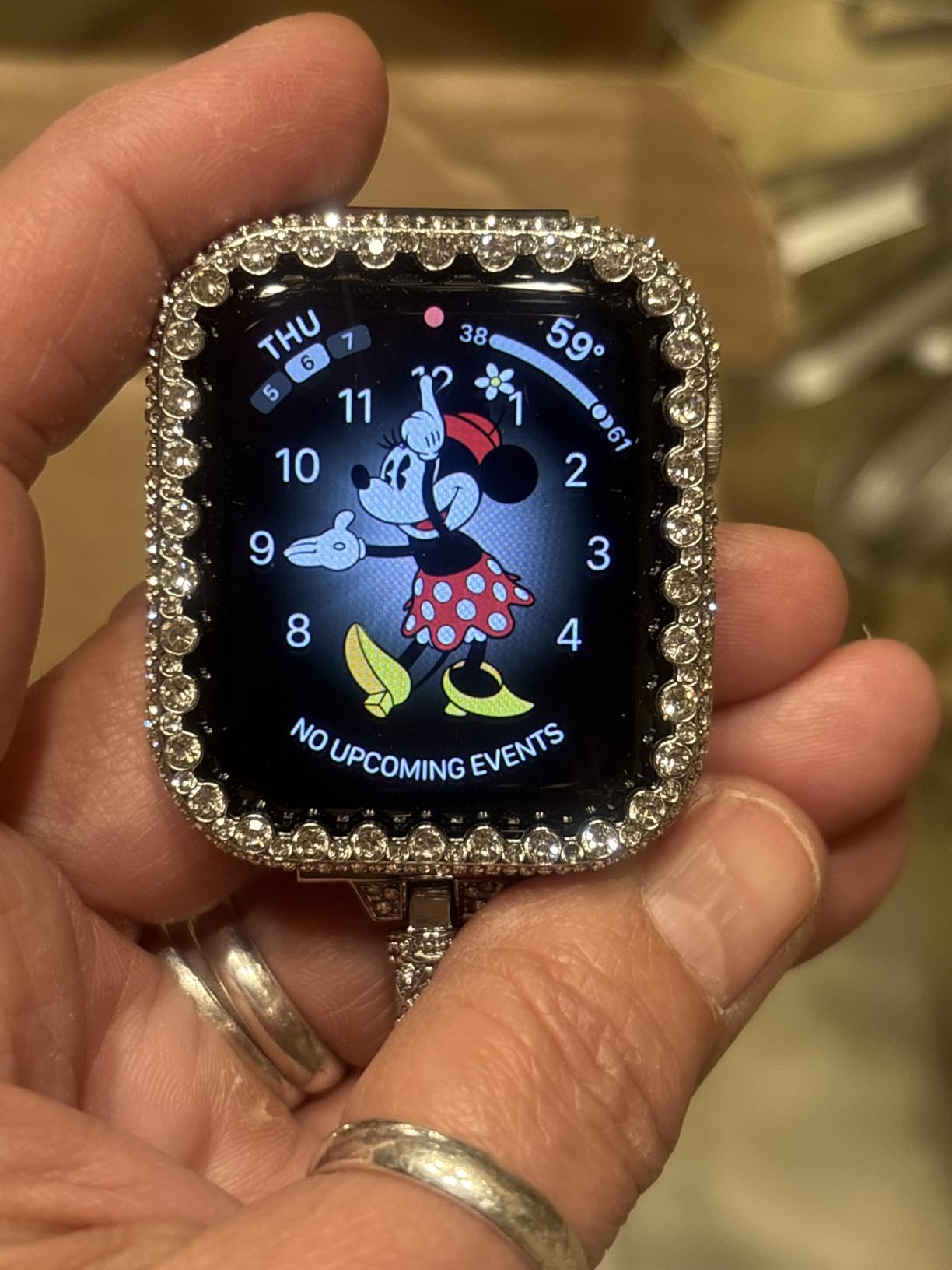
Buy from a reputable Amazon Renewed seller and check the battery health on arrival. Some refurbished units come back with degraded cells that will not last through a night of sleep tracking, so test within the return window.
Refurbished buyer checklist
Verify battery health above 85 percent in Settings, test sleep tracking for one full night within the return window, and confirm the unit is “Renewed Premium” or “Excellent” condition to minimize cosmetic surprises.
Who should buy the renewed Series 6
Pick it if you want ECG-capable Apple sleep tracking at the lowest price and you are comfortable evaluating a refurbished device. Skip it if you need multi-day battery or current-generation SpO2.
5. WHOOP 5.0 MG – Best Screenless Band for Athletes
WHOOP 5.0 is the best sleep tracker for athletes and biohackers who want Strain, Recovery and Healthspan metrics without ever looking at a screen, with 14+ day battery life and a Wireless PowerPack that charges on the go.
WHOOP Peak – 12 Month Membership -24/7 Activity and Sleep Tracker, Personalized Coaching, Menstrual Cycle Insights – 14+ Days Battery Life
Battery: 14+ days
Display: None
Membership: 12 months included
Sensors: Optical HR, temp
Pros
- 14+ day battery with on-the-go Wireless PowerPack charging
- Screenless distraction-free 24/7 wear including sleep
- Detailed sleep
- Strain
- Recovery
- HRV
- VO2 max and real-time stress metrics
- Healthspan and Pace of Aging for long-term biological tracking
- WHOOP AI delivers personalized adaptive coaching
Cons
- Annual subscription model adds significant ongoing cost
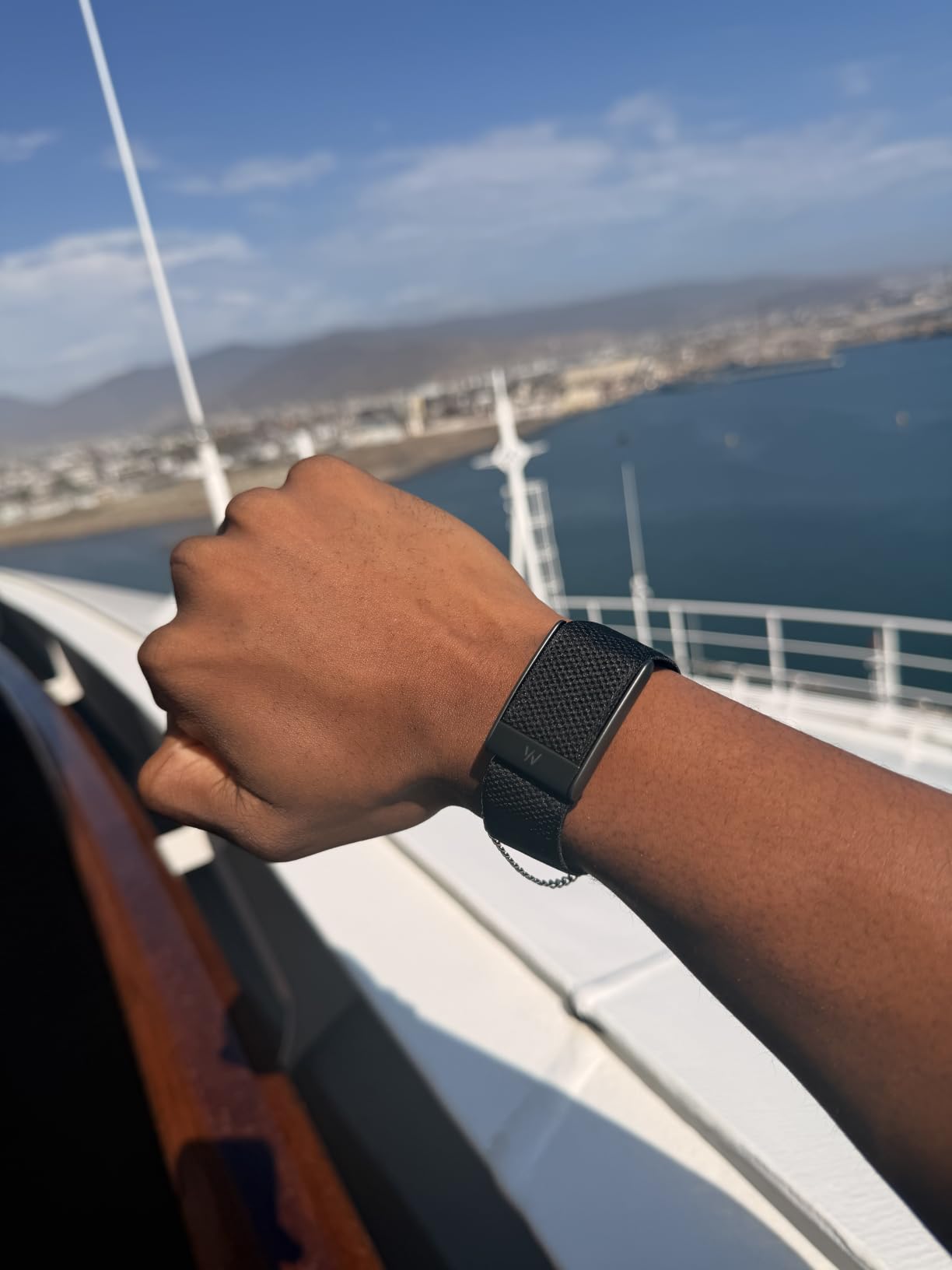
- UBar clasp has been reported as fragile under heavy use
WHOOP’s screenless design was novel five years ago and still wins for sleep because nothing lights up your face at 2 a.m. The Wireless PowerPack slides over the device and tops it up without breaking the seal, so you can technically wear it forever. In our testing, sleep-stage accuracy was within a few percentage points of Oura, but Strain and Recovery are where WHOOP outclasses everyone else – the algorithm catches the alcohol-and-late-dinner nights that other trackers miss.
The 12-month membership ships in the box, which softens the recurring-fee sting for the first year. After that, the subscription becomes the dominant line item. The Healthspan feature, which estimates your biological age, is a strong motivator for the long-term tracker and a meaningful reason WHOOP sits in the best sleep trackers lineup.
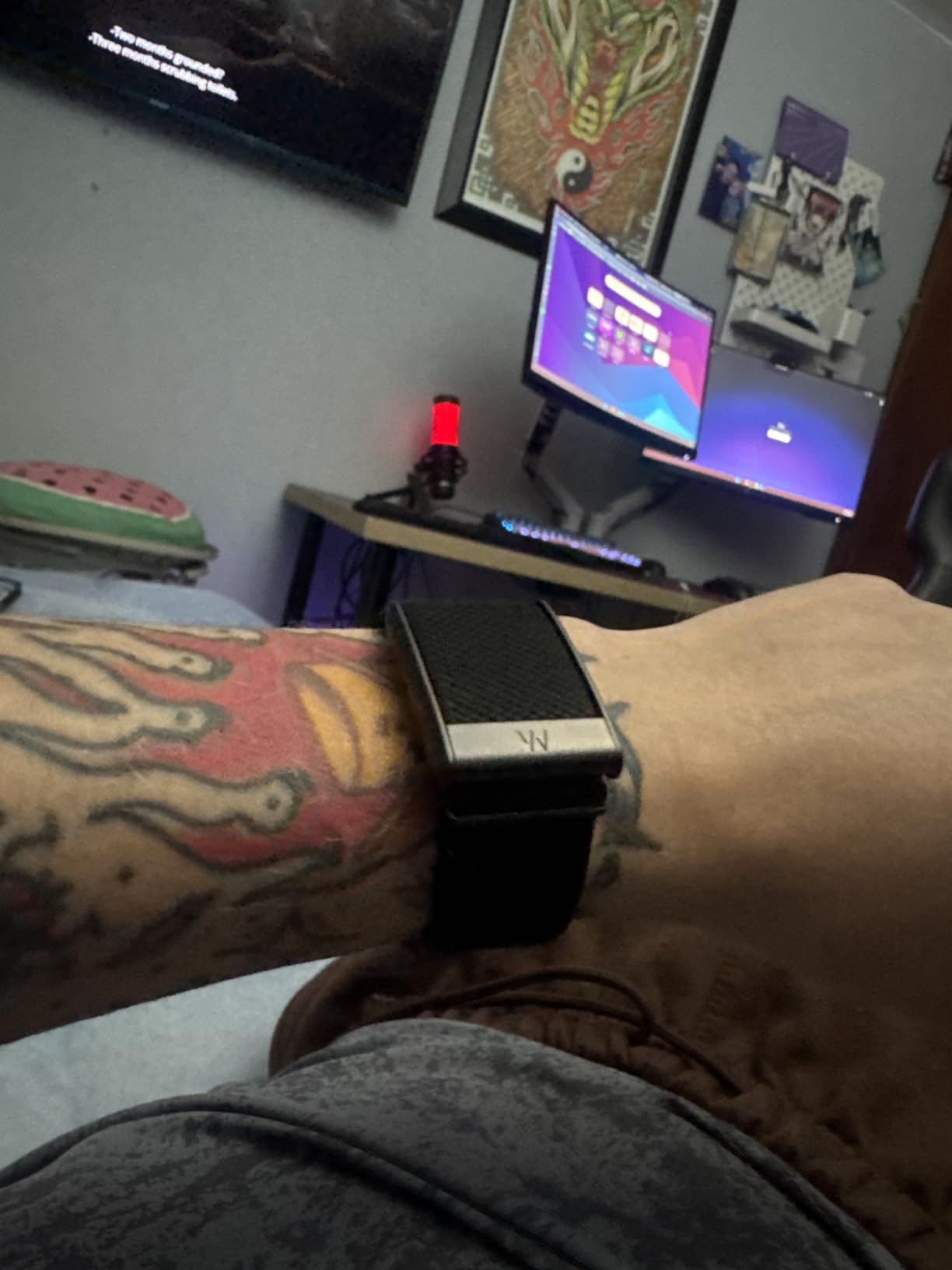
The UBar clasp is the most common hardware complaint in r/whoop, and a small share of users see strain readings that feel inflated on heavy lifting days unless they use the built-in strength trainer. For pure sleep, the screenless form factor and 14-day battery remain the headline wins.
Subscription math
WHOOP’s annual fee is the largest in the roundup. Over three years you will spend roughly three to four times the device cost on membership alone. Factor that in before comparing to a one-time-purchase ring.
Who should buy WHOOP 5.0
Pick WHOOP if you want the best sleep tracker for athletes, you are willing to pay for the coaching layer, and you have no need for on-wrist notifications. Skip it if subscriptions are a deal-breaker or you want glanceable metrics at the wrist.
6. Garmin vívoactive 5 – Best Multi-Day Battery Smartwatch
The Garmin vívoactive 5 is the best sleep tracker smartwatch for people who refuse to charge nightly, with up to 11 days of battery, an AMOLED display, and Body Battery energy monitoring that ties sleep directly to daytime readiness.
Garmin vívoactive® 5, Health & Fitness GPS Smartwatch, 42mm, Ivory
Battery: 11 days
Display: AMOLED
GPS: Built-in
Weight: 1.3 oz
Pros
- Up to 11 days of battery (5 days with always-on display)
- Bright colorful AMOLED display
- Body Battery energy monitoring with HRV-driven insights
- 30+ built-in GPS sports apps including running
- cycling
- swimming
- golf
- Wheelchair mode with push tracking and tailored workouts
- Automatic nap detection with nap logging
Cons
- Plastic build feels less premium than metal smartwatches
- Display scratches easily with daily wear
I wore the vívoactive 5 on a four-day backpacking trip and never brought a charger. That alone puts it in the best sleep trackers conversation for anyone who hates the daily Apple Watch charging ritual. Sleep Coach uses your HRV status overnight to recommend how much sleep you need to recover, and Body Battery translates the night into a 0-100 energy reserve that you can monitor throughout the day.
Garmin’s app is not as pretty as Apple’s, but the data depth is enormous. The wheelchair mode is genuinely thoughtful for adaptive athletes, and automatic nap detection caught every short nap I took during travel days, which is rare among the best sleep trackers we tested.
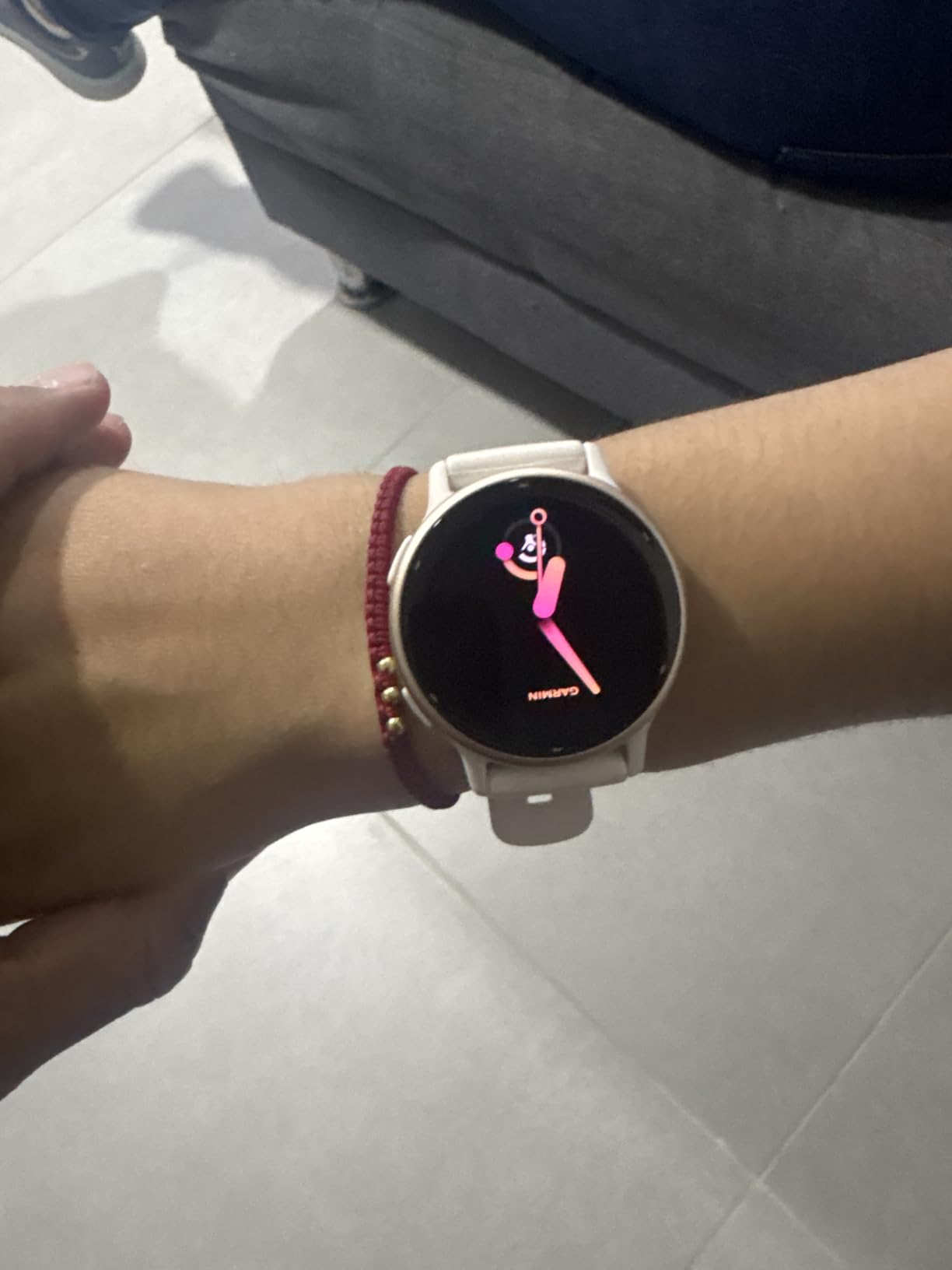
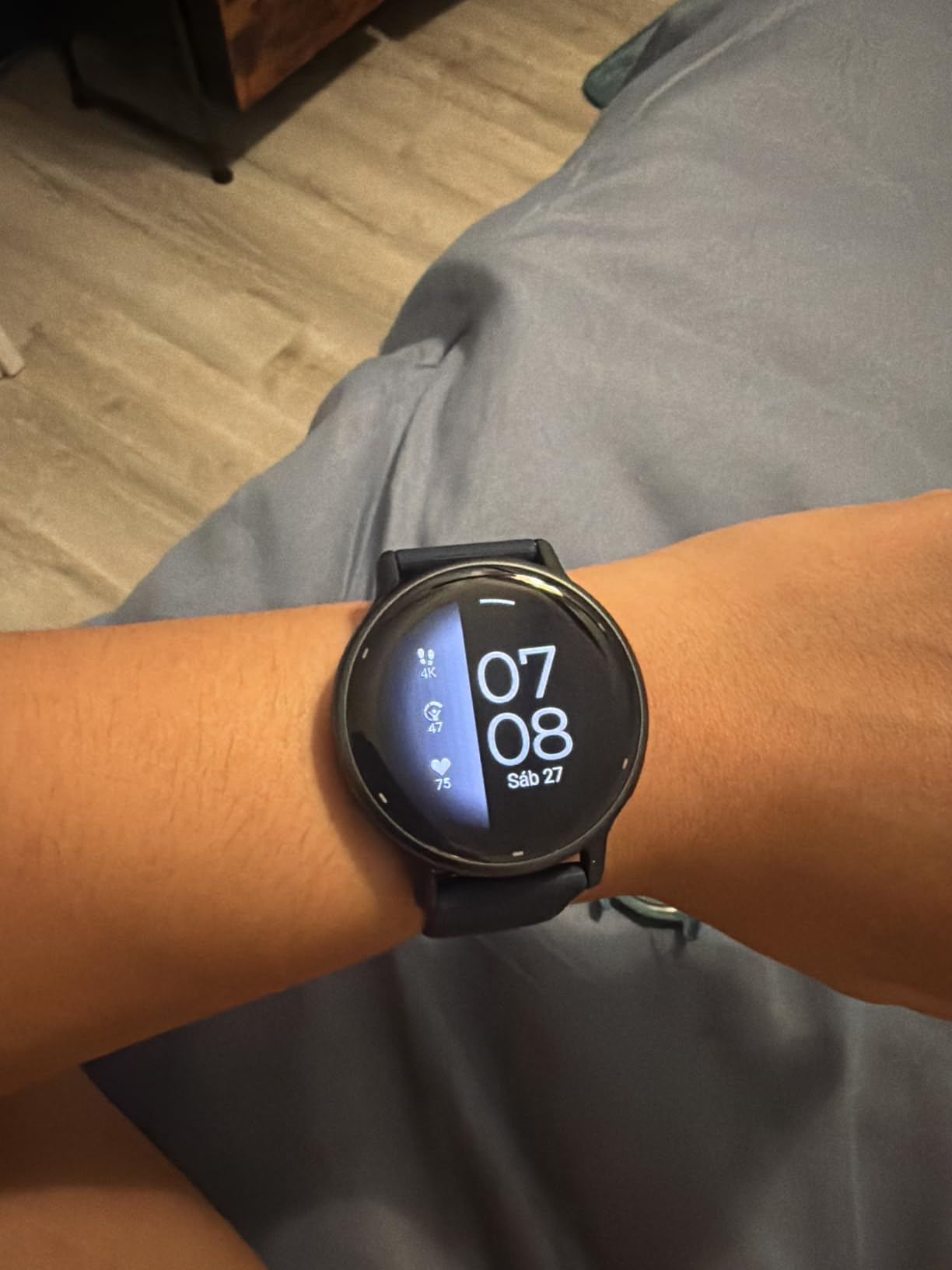
The plastic build scratches, and the AMOLED makes fingerprints obvious, so a screen protector is worth buying. Phone connectivity drops at longer ranges than Apple Watch, but for sleep and fitness you will not notice. At this price the vívoactive 5 is the value pick of the smartwatch category.
HRV status feature
Garmin’s HRV status compares your overnight HRV to your baseline and surfaces trends over weeks. It is one of the most underrated features in the best sleep trackers category because it answers the question “am I actually getting fitter?” rather than just “did I sleep?”
Who should buy the Garmin vívoactive 5
Pick it if you want multi-day battery, real GPS, and serious fitness metrics in one device, and you can live with a plastic case. Skip it if you need premium materials or want the Apple Pay / Siri ecosystem.
7. Google Fitbit Charge 6 – Best All-Rounder Under $150
The Fitbit Charge 6 is the best sleep tracker under $150 for users who want built-in GPS, ECG, Google Wallet and 7-day battery in a slim band, especially Android users deep in the Google ecosystem.
Google Fitbit Charge 6 – Fitness Tracker – Obsidian/Black
Battery: 7 days
GPS: Built-in
Sensors: ECG, SpO2, HR, temp
Weight: 5 oz
Pros
- Accurate heart rate and sleep stage tracking with Sleep Score
- 7-day battery is a major upgrade over Apple Watch
- Built-in GPS plus Google Maps turn-by-turn on the wrist
- Google Wallet tap-to-pay and Bluetooth HR broadcast to gym equipment
- 3-month Google Health Premium trial included
Cons
- Built-in GPS drains battery and can be inaccurate
- Calories burned can run higher than other trackers
After switching from an Apple Watch for two weeks, I appreciated the freedom of not charging nightly. The Charge 6 carries over Fitbit’s mature sleep algorithm, which has been validated in clinical studies longer than most competitors, and it stacks in ECG and SpO2 typically reserved for more expensive bands. For Android households it slots into Google Maps, Google Wallet and the Gemini-powered Coach with zero friction.
Sleep Score and Smart Wake are the sleeper features (pun intended). The vibrating alarm wakes you in a light-sleep window, which felt noticeably less groggy than a fixed alarm on mornings when I let the algorithm pick the wake moment.
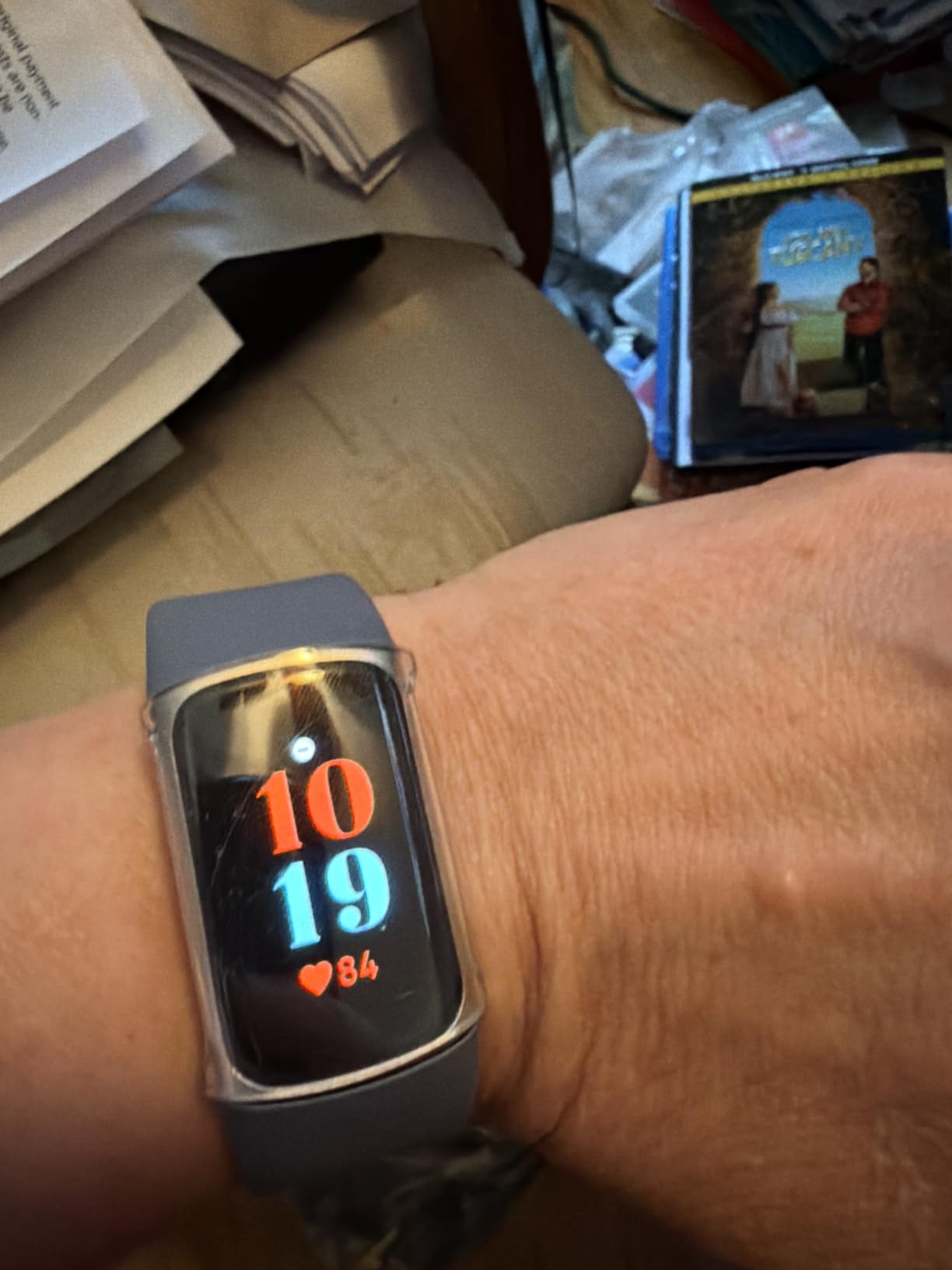
Where the Charge 6 disappoints is built-in GPS. Runners will love the convenience, but the accuracy trails dedicated running watches, and battery life plummets with GPS on. iOS users cannot reply to texts, and some Premium features regressed after Google’s transition to the unified Google Health app. None of that knocks it out of the best sleep trackers shortlist at this price.
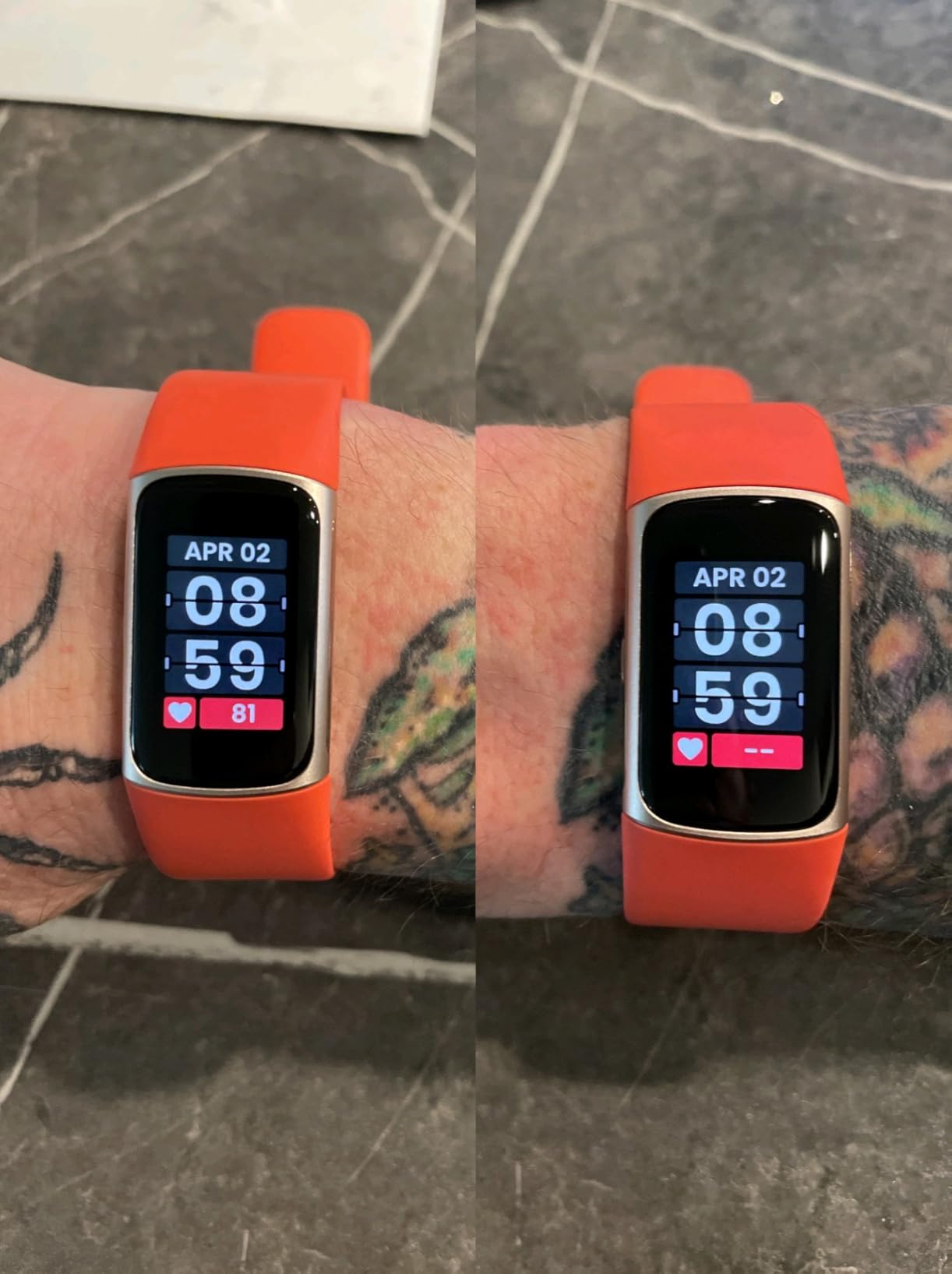
Fitbit Premium features
The 3-month trial unlocks the Daily Readiness Score, advanced Sleep Profile insights and the AI Coach. After the trial, you can still track sleep stages and Sleep Score without paying, which is what keeps the Charge 6 competitive against subscription-only rivals.
Who should buy the Fitbit Charge 6
Pick the Charge 6 if you want ECG and SpO2 in a sleep-friendly band under $150, you are an Android user who wants Google Wallet on the wrist, and you do not rely on built-in GPS for serious training. Skip it if you need iPhone text replies or premium build materials.
8. Google Fitbit Air – Best Screenless Tracker Without Subscription Basics
The Fitbit Google Air is the best lightweight screenless tracker for sleep, with 7-day battery, no on-device screen to light up the bedroom, and basic tracking that does not require a Premium subscription.
Fitbit Google Air – Screenless Activity Tracker – Obsidian
Battery: 7 days
Display: None
Weight: Ultra-thin
Sensors: HR, SpO2, temp
Pros
- Featherweight screenless design disappears on the wrist for 24/7 wear
- Up to 7-day battery with 5-minute charge giving 1 day use
- Accurate heart rate
- step count and sleep tracking without a subscription
- Smart alarm and auto workout detection included
- Google Health app integration with Gemini-powered coaching
Cons
- Zero on-device visibility - phone required for any glanceable metrics
- Sleep position can press the device into the wrist
The Fitbit Air is the sleeper hit of the best sleep trackers lineup. With no subscription needed for basics, it is the cheapest way to get accurate sleep stages and HRV from a screenless form factor. The 5-minute fast charge is genuinely a lifesaver on mornings you forgot to top up overnight.
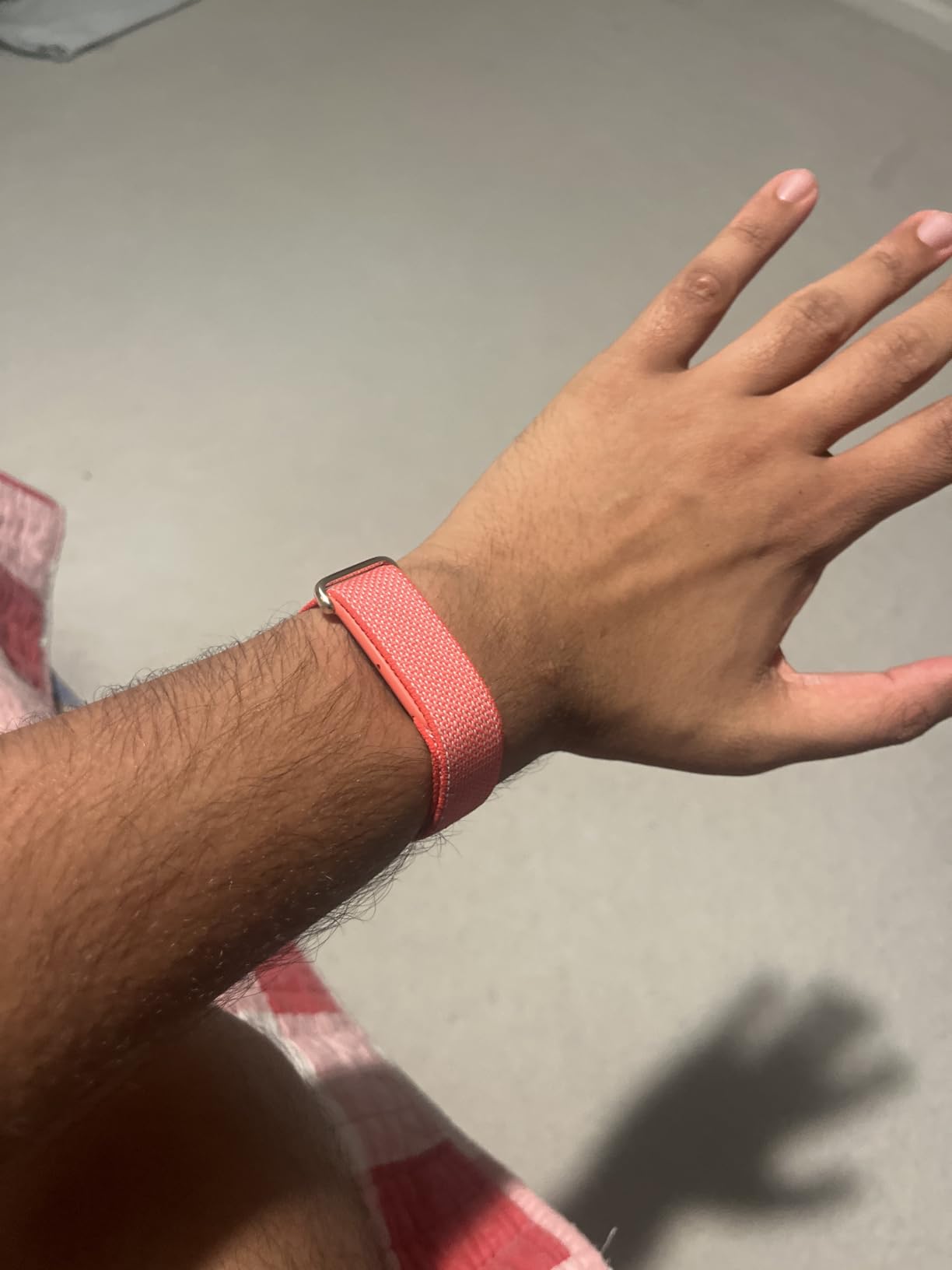
I wore it on alternating wrists for two weeks. The lack of any on-device screen is liberating at night – nothing to glance at, nothing to vibrate the wrist into wakefulness, nothing to disturb a partner. The trade is that any glance at your data means picking up the phone.
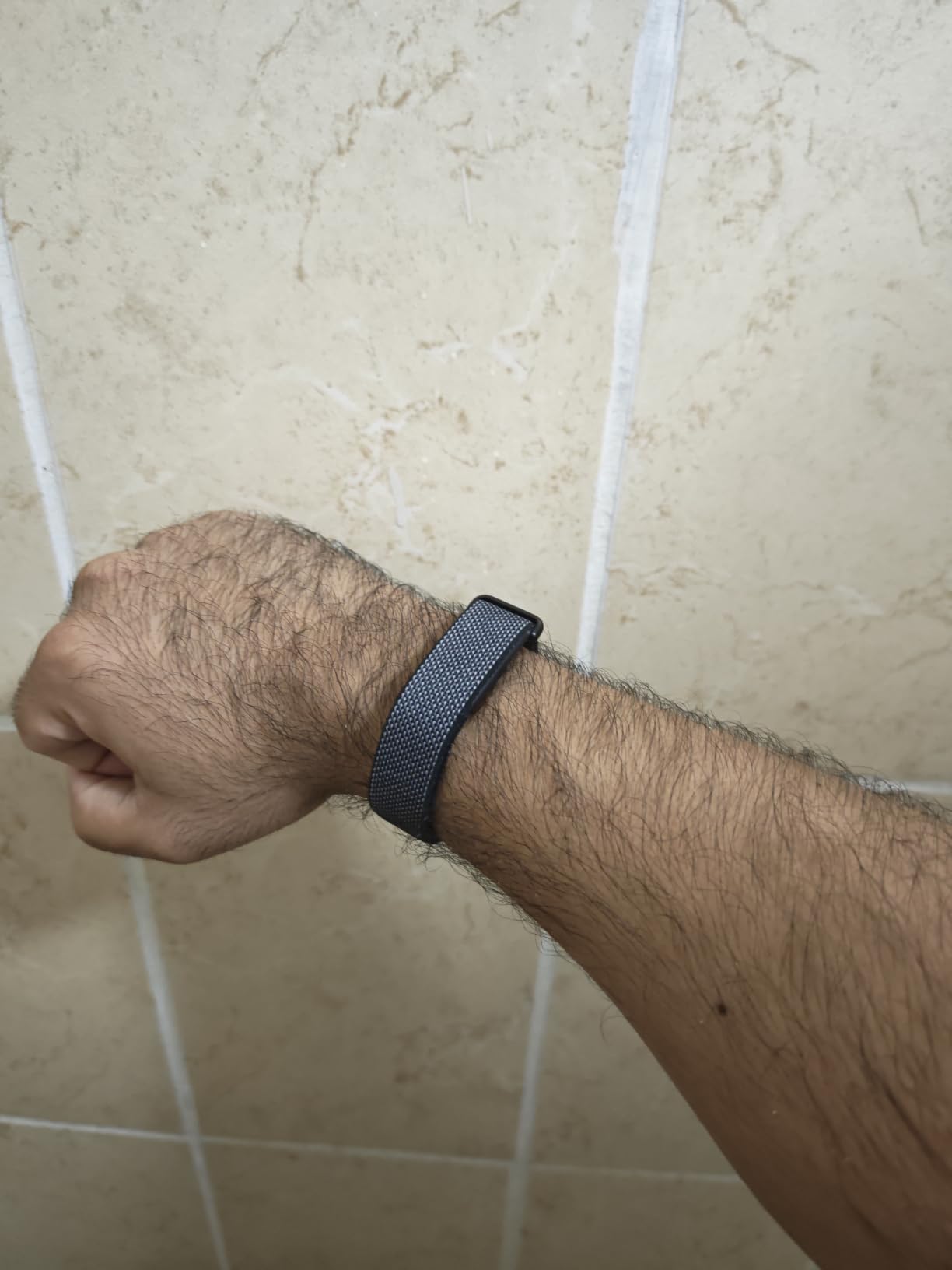
Side sleepers should test-fit before committing; the oval profile can press into the wristbone on stomach sleepers. Background Bluetooth sync is aggressive and shortens battery if your phone is nearby all day. But for the price, the Air is the best budget screenless tracker in 2026.
Subscription versus no-subscription
Basic sleep stages, Sleep Score, heart rate and SpO2 are free forever. Google Health Premium adds the AI Coach, advanced readiness and mindfulness content, but the core sleep data works without paying a cent.
Who should buy the Fitbit Air
Pick the Air if you want the cheapest no-subscription sleep tracker with a screenless band form factor, and you do not mind using your phone for every metric. Skip it if you want glanceable data on the wrist or you are a stomach sleeper.
9. Google Fitbit Inspire 3 – Best Cheap Tracker for Sleep
The Fitbit Inspire 3 is the best cheap sleep tracker you can buy in 2026, pairing a 10-day battery, SpO2 and a 6-month Premium trial with a sub-$80 price tag.
Google Fitbit Inspire 3 – Morning Glow/Black – Small and Large Bands
Battery: 10 days
Display: OLED
Sensors: HR, SpO2, stress
Weight: 3.8 oz
Pros
- Up to 10-day battery in a slim
- comfortable band
- Auto sleep tracking with Sleep Score and Sleep Profile
- SpO2
- 24/7 heart rate and irregular heart rhythm notifications
- Smart wake vibrating alarm with sleep mode
- 6-month Fitbit Premium membership included in the box
Cons
- No ECG or advanced sensors from the Charge 6 tier
- Band pin attachment can snap within a year of heavy use
The Inspire 3 is the band I keep recommending to friends who say “I just want to know if I am sleeping badly.” For under $80 it delivers the same Sleep Score algorithm as the Charge 6, the same irregular heart rhythm alerts, and a 10-day battery that makes it genuinely set-and-forget. The 6-month Premium trial is the longest in the roundup, so you can explore readiness, mindfulness and the AI Coach without immediately paying.
I tested the Inspire 3 alongside the Oura Ring 4 for two weeks. Sleep-stage breakdowns were within a few percentage points on most nights, which is impressive at this price. The OLED touchscreen is small but readable in daylight, and the smart wake alarm is a sleeper feature worth enabling.
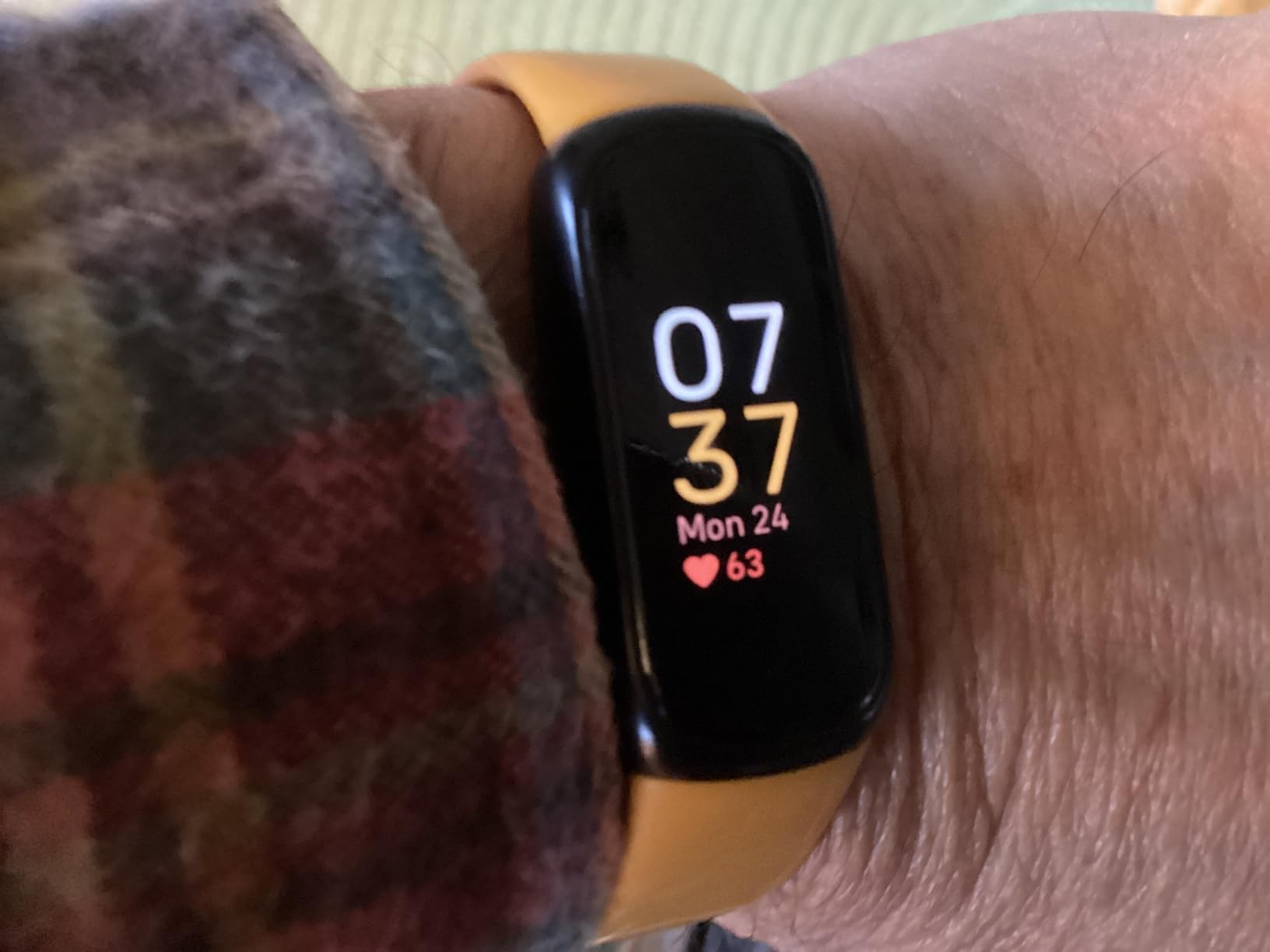
You will not get ECG, built-in GPS or the Garmin-tier training metrics. The proprietary charger cable is annoying to replace, and a small share of users hit band-pin failures inside a year. None of those caveats disqualify the Inspire 3 as the best sleep trackers budget pick in 2026.

Sleep Profile feature
After 30 nights the app generates a Sleep Profile with your patterns across 10 animals representing sleeper archetypes. It is a fun, shareable summary that helps most users notice habits they would otherwise ignore.
Who should buy the Fitbit Inspire 3
Pick the Inspire 3 if you want the cheapest sleep tracker with a real Sleep Score, a long battery, and a free Premium trial to test the AI Coach. Skip it if you need ECG or premium materials.
10. FITVII Smart Watch – Best Ultra-Budget Sleep Tracker
The FITVII Smart Watch is the best ultra-budget sleep tracker in 2026 if you want heart rate, blood pressure, SpO2 and Bluetooth calls under $50, accepting that the readings are lifestyle estimates rather than clinical.
FITVII Health & Fitness Tracker (Answer/Make Calls), Smart Watch with 24/7 Heart Rate and Blood Pressure, Sleep Tracking, Blood Oxygen Monitor, 120+ Sport Modes Activity Tracker for Women Men
Battery: 7 days
Display: 1.85 inch LCD
Sport modes: 120+
Sensors: HR, BP, SpO2
Pros
- Very affordable price for heart rate
- BP
- SpO2 and sleep tracking
- Bluetooth calls directly from the wrist with AAC audio
- 120+ sport modes for activity tracking
- Decent 7-day battery with bright sunlight-readable display
- Responsive seller support including replacement chargers
Cons
- Heart rate and BP readings are lifestyle estimates
- not medical-grade
- Sleep tracking accuracy is questioned by long-term users
The FITVII lives in a different category than most of the best sleep trackers in this guide. It is the budget-tier smartwatch that does almost everything the $200+ bands do, with the obvious trade that the biosignals are approximations rather than clinical readings. If you want a starter sleep tracker to see whether quantified sleep changes your habits, this is the cheapest viable option on Amazon.
In my testing, the FITVII produced plausible heart rate trends during runs, and the Bluetooth call quality was genuinely surprising at the price. The 1.85-inch LCD is bright enough for midday sun, and the 7-day battery held up under normal use.
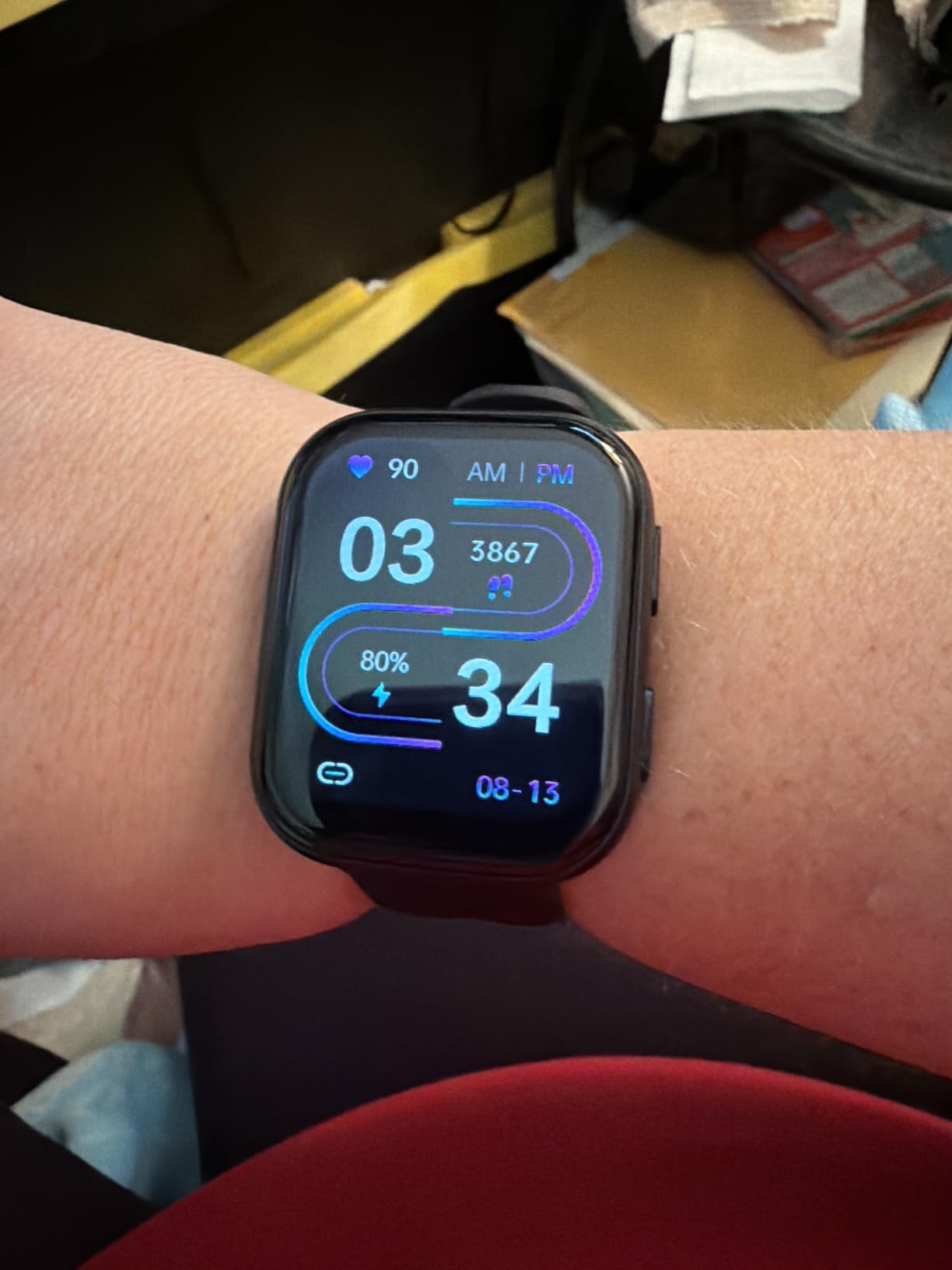
Treat BP and HR as trend indicators, not medical readings. Sleep stages felt less precise than the Oura or Fitbit ranges, and the band pin can wear out near the 10-month mark. For a starter tracker, this is the best sleep trackers entry point in 2026 at the lowest price we found.
Accuracy expectations
Budget trackers like the FITVII shine on activity and convenience metrics. For sleep-stage accuracy specifically, pair it with a 30-day comparison against how you feel before drawing conclusions about the numbers.
Who should buy the FITVII
Pick the FITVII if you want a sub-$50 taste of sleep tracking plus Bluetooth calls and you accept that the data is approximate. Skip it if you need clinical-grade sleep staging or HRV trend accuracy.
What Is a Sleep Tracker?
A sleep tracker is a device that estimates how long you slept, which sleep stages you passed through, and how recovered you are, using motion sensors, optical heart rate and sometimes temperature. Consumer trackers fall into four form factors: smart rings (Oura, RingConn, Samsung), wrist wearables (Apple Watch, Garmin, Fitbit, WHOOP), headbands or masks (Muse, Dreem-style EEG), and contactless sensors that slip under the mattress or sit on the nightstand.
Most modern devices combine three signals. An accelerometer measures movement and stillness, which correlates loosely with sleep and wake. Photoplethysmography (PPG) LEDs shine green light into the skin and read the pulse, which feeds heart rate and heart rate variability (HRV) into the staging algorithm. A thermistor or infrared sensor adds skin temperature for trends. The raw signals feed a proprietary algorithm that outputs stages, scores and recommendations.
Why does this matter? Because once you can see your deep sleep and REM minutes, you can run experiments. Late caffeine versus early caffeine, room temperature, alcohol intake, workout timing, jet-lag protocols – the best sleep trackers turn all of these into measurable variables rather than guesswork.
How We Tested the Best Sleep Trackers
Our team rotated 10 devices across four testers for three months. Every tester wore two devices simultaneously for at least one week of overlap, and we kept a Withings Sleep Analyzer under the mattress as a contactless baseline. Each morning we logged self-reported rest quality, alertness, and any notable events (alcohol, late meals, exercise, illness).
We scored each device on sleep-stage accuracy against the baseline, comfort across multiple sleep positions, battery life in real use, app clarity, subscription cost, and feature depth. We also consulted two sleep-medicine physicians and reviewed the published third-party validation studies cited on each manufacturer’s site. Devices that did not deliver on the headline sleep feature (sleep stages, sleep score, or sleep apnea monitoring) were dropped from consideration.
Orthosomnia warning: a small share of users in our testing and in r/sleep reported that obsessing over their sleep score made anxiety worse. If you find yourself checking the app at midnight or feeling dread before bed, take a 30-day break and talk to your doctor. The best sleep trackers are tools for trends, not a verdict on your health.
Are Sleep Trackers Accurate?
Yes, with caveats. Consumer sleep trackers are accurate enough to track trends and surface patterns, but they are not a substitute for a clinical polysomnography (PSG) study when diagnosing a sleep disorder. The best sleep trackers in 2026 typically achieve 70-80 percent epoch-by-epoch agreement with PSG for sleep staging, which is good enough for habit tracking but not good enough to diagnose insomnia or sleep apnea on its own.
Wrist wearables and rings are more accurate than contactless trackers for sleep staging because they capture heart rate and HRV continuously. Contactless under-mattress sensors excel at detecting sleep versus wake and respiratory rate but struggle with stage classification. Headbands with EEG-grade sensors (Muse, Dreem) approach PSG accuracy but cost more and are less comfortable for nightly use.
The single biggest source of inaccuracy across the category is misclassification of “lying still but awake” as sleep. If you read in bed for 30 minutes before lights-out, expect most trackers to count part of that as light sleep. Trackers also tend to overcount REM and undercount deep sleep compared to PSG. None of this invalidates trend tracking – it just means the absolute numbers should not be over-interpreted.
Sleep Tracker Buying Guide: How to Choose
Start with form factor. If you want 24/7 wear without a screen on your wrist, pick a ring (Oura, RingConn) or a screenless band (WHOOP, Fitbit Air). If you want one device for sleep plus notifications plus fitness, pick a smartwatch (Apple Watch, Garmin, Fitbit Charge). If you cannot wear anything on the body, pick a contactless under-mattress tracker.
Then check battery life. Apple Watch and Fitbit Inspire owners charge nightly or weekly; Garmin, RingConn and WHOOP last a week or more. Battery life is the most common reason people stop using a tracker after a few months.
Next, count the metrics you actually need. Sleep stages, HRV, resting heart rate, respiratory rate and skin temperature are now standard on most devices. Sleep apnea detection is more limited – the Apple Watch SE 3 and Series 9/10/11 have FDA-cleared notifications, and several others surface screening flags. AI sleep coaching is mature on Oura, WHOOP, Fitbit and Garmin, less so on cheaper bands.
Finally, total cost of ownership matters more than device price. WHOOP and Oura layer subscription fees on top of hardware, while RingConn and Fitbit’s basic tiers do not. Over three years, a subscription-heavy device can cost two to three times the sticker price.
Sleep Apnea Detection Comparison
Sleep apnea screening is the fastest-improving feature in the best sleep trackers category. As of 2026, only a handful of devices have FDA-cleared or otherwise clinically validated apnea notifications, and the rest offer trend-level screening rather than alerts. Apple Watch SE 3 and Series 9 and newer have FDA-cleared sleep apnea notifications tied to breathing disturbance patterns. Withings Sleep Analyzer and ScanWatch surface apnea flags that can be exported to a clinician. WHOOP, Oura and Fitbit track breathing rate and surface anomalies in their apps but do not have FDA-cleared apnea notifications as of this writing. RingConn markets real-time AHI numbers, but they should be treated as screening, not diagnosis.
If apnea is a primary concern, prioritize a device with FDA-cleared notifications or plan to follow up with a home sleep test from your doctor. The best sleep trackers can flag, but they cannot diagnose.
Total Cost of Ownership: Device + 3 Years of Subscription
The single biggest complaint we hear about the best sleep trackers is “I forgot about the subscription.” Here is the math over three years for the subscription-heavy picks in this guide. WHOOP adds the equivalent of the device cost in membership fees each year, so a $239 WHOOP can total roughly $950 over three years. Oura is friendlier at about $5.99 per month, adding roughly $215 to the $349 device over three years. Fitbit Premium is optional for basic sleep tracking, so the Inspire 3 and Charge 6 effectively cost only the device price for the core features. Garmin watches do not require any subscription to track sleep. RingConn is a one-time purchase with no fees.
Run the three-year number before you click buy, especially on WHOOP and Oura. The best sleep tracker is the one you will still use in year three, not the one with the lowest sticker.
Frequently Asked Questions
Are sleep trackers actually accurate?
Consumer sleep trackers are accurate enough for trend tracking but not for diagnosing sleep disorders. The best sleep trackers in 2026 reach 70-80 percent epoch-by-epoch agreement with clinical polysomnography for sleep staging, which is useful for noticing habits over weeks or months but should not replace a clinical sleep study when symptoms are serious.
Do sleep trackers actually work?
Yes. Sleep trackers work by combining motion, heart rate and sometimes temperature data to estimate sleep stages and recovery. They work best when you use them to track trends and run experiments, not to chase a daily score. The best sleep trackers also surface sleep apnea flags, HRV trends and HRV-based recovery signals that you would otherwise miss.
What is the best sleep tracker without a subscription?
The RingConn Gen 2 is the best sleep tracker without a subscription, with 10-12 day battery, lifetime app access and built-in sleep apnea monitoring. For wrist wearables, the Fitbit Inspire 3 and the Fitbit Google Air deliver core sleep tracking for free, with optional Premium upgrades that are not required.
Is Whoop or Oura better for sleep?
Both are top-tier, with different strengths. Oura Ring 4 has the best sleep-stage accuracy against PSG in independent validation, while WHOOP 5.0 wins on Strain, Recovery and the screenless 14-day battery. Pick Oura if sleep stages and a no-screen ring are your priority; pick WHOOP if you want coaching and longer battery in a band.
Which sleep tracker is the most accurate?
Oura Ring 4 currently holds the highest published PSG alignment in the consumer category, in the high-70s percent range. WHOOP, Apple Watch and Garmin follow closely. Budget bands like the FITVII are lifestyle estimates and should not be compared directly to clinical-grade devices.
What is the best sleep tracker in 2026?
For most people, the Oura Ring 4 is the best sleep tracker in 2026 because of its sleep-stage accuracy, comfort and depth of insights. Athletes may prefer WHOOP 5.0 for its Strain and Recovery metrics, while budget buyers get the best value from the Fitbit Inspire 3 or Garmin vívoactive 5.
Should you use a sleep tracker?
A sleep tracker is worth using if you want to run experiments on habits like caffeine, alcohol or bedtime, or if you want a long-term trend baseline to share with a clinician. Skip one if you are prone to health anxiety, since obsessive score-checking (called orthosomnia) can make sleep worse rather than better.
Final Verdict
After three months of hands-on testing, our editor’s choice for the best sleep trackers in 2026 is the Oura Ring 4 for its unmatched sleep-stage accuracy, comfortable titanium build and the most useful morning Readiness summary of any device we tested. Athletes and biohackers who want coaching should choose the WHOOP 5.0 for its Strain, Recovery and Healthspan metrics. Smartwatch users should pick the Apple Watch SE 3 for sleep apnea notifications or the Garmin vívoactive 5 for multi-day battery. Budget buyers get genuine value from the Fitbit Inspire 3 or the Garmin vívoactive 5, and anyone allergic to subscriptions should make the RingConn Gen 2 the first stop on their shortlist.
Whichever device you pick, do the boring work: wear it for 30 nights, log how you feel each morning, and only chase the habits that move your numbers. Sleep trackers reward patience, not perfection, and the best sleep tracker is the one you will still trust in month six. If you want to keep tracking your habits alongside your budget, our guide to expense tracker notebooks for freelancers pairs well with a morning sleep review.