
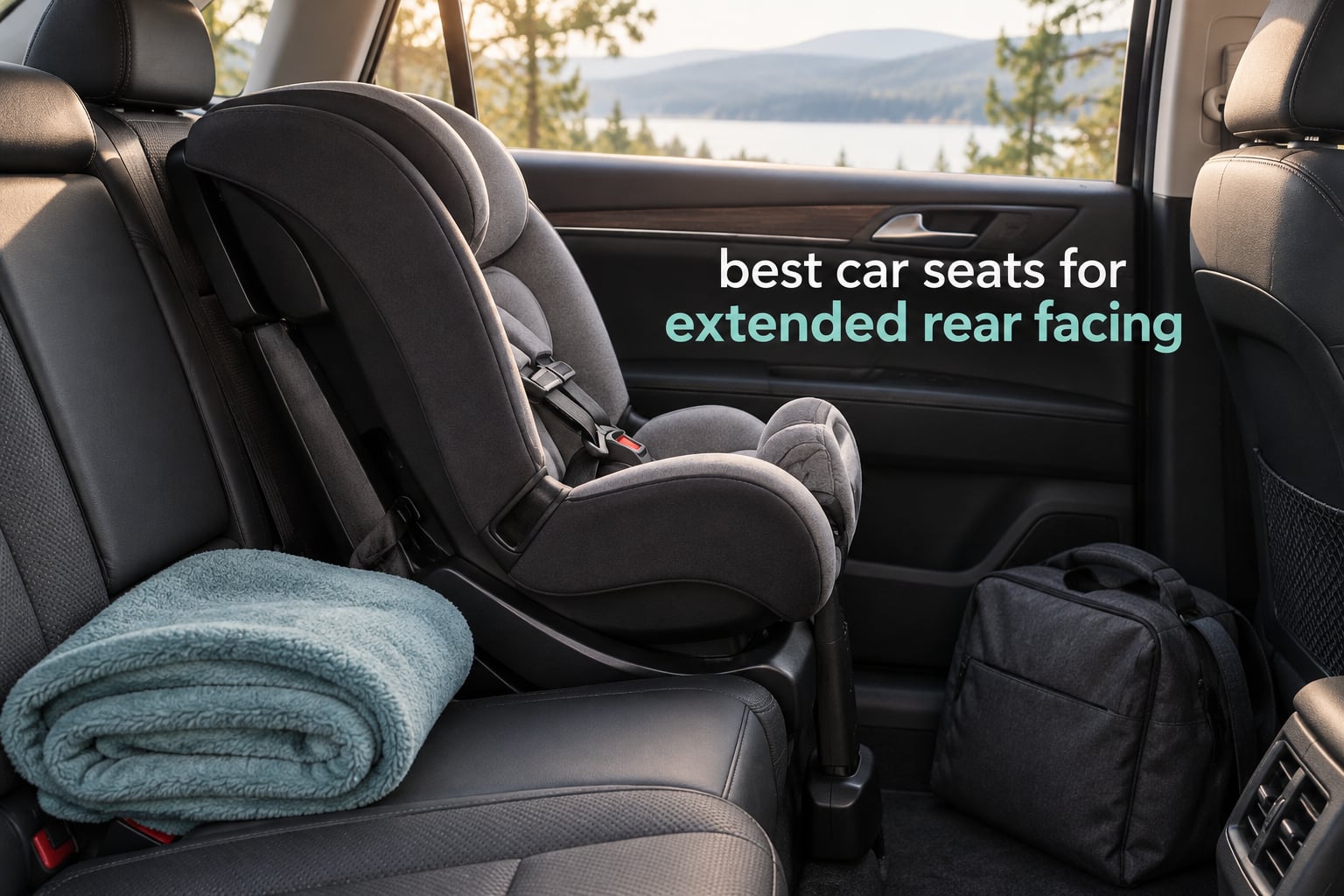
The best car seat for extended rear-facing is the Graco Extend2Fit 3-in-1, which rear-faces to 50 lb and adds up to 5 inches of extra leg room through a four-position extension panel. It sits in the mid-range price tier, and the biggest names in the category all cluster there. The runners-up in this roundup handle narrower back seats, taller rear-facing limits, and long-haul travel better.
Extended rear-facing simply means keeping your child in the rear-facing position until they reach the seat’s maximum rear-facing weight or height limit, rather than turning them around at some preset birthday. Most current all-in-one convertibles rear-face to either 40 lb or 50 lb, and that single number is the most important spec on the label.
We spent weeks going through ten of the strongest extended rear-facing convertibles on the market, comparing rear-facing weight limits, height limits, leg room, recline range, install method, and how the seats actually behave once a toddler is strapped in. Below is what we found, including which seats we would buy and which ones quietly fall short of the extended rear-facing mark.
Table of Contents
Top 3 Best Car Seats For Extended Rear Facing (October 2026)
Three seats earned a spot on the shortlist above the rest. The Graco Extend2Fit takes the top slot on the strength of its 50 lb rear-facing limit, its extension panel, and a review base large enough to make its 4.8 rating meaningful. The Diono Radian 3R solves a problem no other seat here solves, and the Britax One4Life carries the tallest rear-facing spec in the group.

Graco Extend2Fit 3-in-1
- Rear-facing 4-50 lb
- 4-position extension panel adds up to 5 in leg room
- No-rethread Simply Safe Adjust harness
- 3-in-1 through highback booster
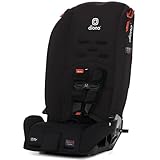
Diono Radian 3R
- Rear-facing up to 50 lb in a slim shell
- Fits three across
- Steel-reinforced frame
- Folds flat and is FAA approved
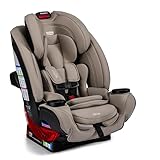
Britax One4Life
- Rear-facing 5-50 lb up to 49 in
- ClickTight color-coded install
- Steel frame with SafeCell energy management
- Flame-retardant-free SafeWash cover
All 10 Extended Rear-Facing Seats Side by Side in 2026
Before the individual reviews, here is the whole field in one view. Sort it by rear-facing weight limit first, because anything at 40 lb is a different purchase decision than anything at 50 lb.
| Product | Specifications | Action |
|---|---|---|
| Graco Extend2Fit 3-in-1 |
|
Check Latest Price |
 Safety 1st Grow and Go Safety 1st Grow and Go |
|
Check Latest Price |
| Diono Radian 3R |
|
Check Latest Price |
 Baby Trend Cover Me 4-in-1 Baby Trend Cover Me 4-in-1 |
|
Check Latest Price |
 Maxi-Cosi Pria Maxi-Cosi Pria |
|
Check Latest Price |
 Graco 4Ever DLX 4-in-1 Graco 4Ever DLX 4-in-1 |
|
Check Latest Price |
 Graco SlimFit3 LX Graco SlimFit3 LX |
|
Check Latest Price |
| Britax One4Life |
|
Check Latest Price |
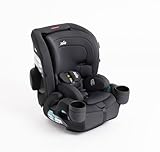 Joie Saffron SI Joie Saffron SI |
|
Check Latest Price |
 Chicco OneFit LX Chicco OneFit LX |
|
Check Latest Price |
1. Graco Extend2Fit 3-in-1: The Best Car Seat for Extended Rear-Facing Overall
Graco Extend2Fit 3-in-1 Convertible Car Seat, Ashten
Rear-facing 4-50 lb
Extension panel adds up to 5 in leg room
No-rethread harness
3-in-1
Pros
- 50 lb rear-facing limit
- Extension panel buys real leg room as your child grows
- One-motion harness and headrest adjustment
- Light enough to move between cars one-handed
- Runs to a 4.8 average across more than 57k reviews
Cons
- Not a narrow three-across seat
- Covers need near-total disassembly to clean
- Cup holders are awkward to remove
The Extend2Fit is the seat we keep coming back to, and the reason is unglamorous: it does the one thing extended rear-facing requires and then keeps doing it for years. The rear-facing harness runs from 4 lb to 50 lb, and the four-position extension panel extends the shell to add up to 5 inches of leg room as your child outgrows the standard configuration.
That panel is the detail most parents miss. Without it, a child in a 50 lb seat can hit the top of their harness slots before they ever reach 50 lb, which is how a lot of families end up turning around early without meaning to. Owners describe the difference as night and day past the toddler stage, and it is the single strongest argument for this seat over a same-price convertible with a 40 lb ceiling.
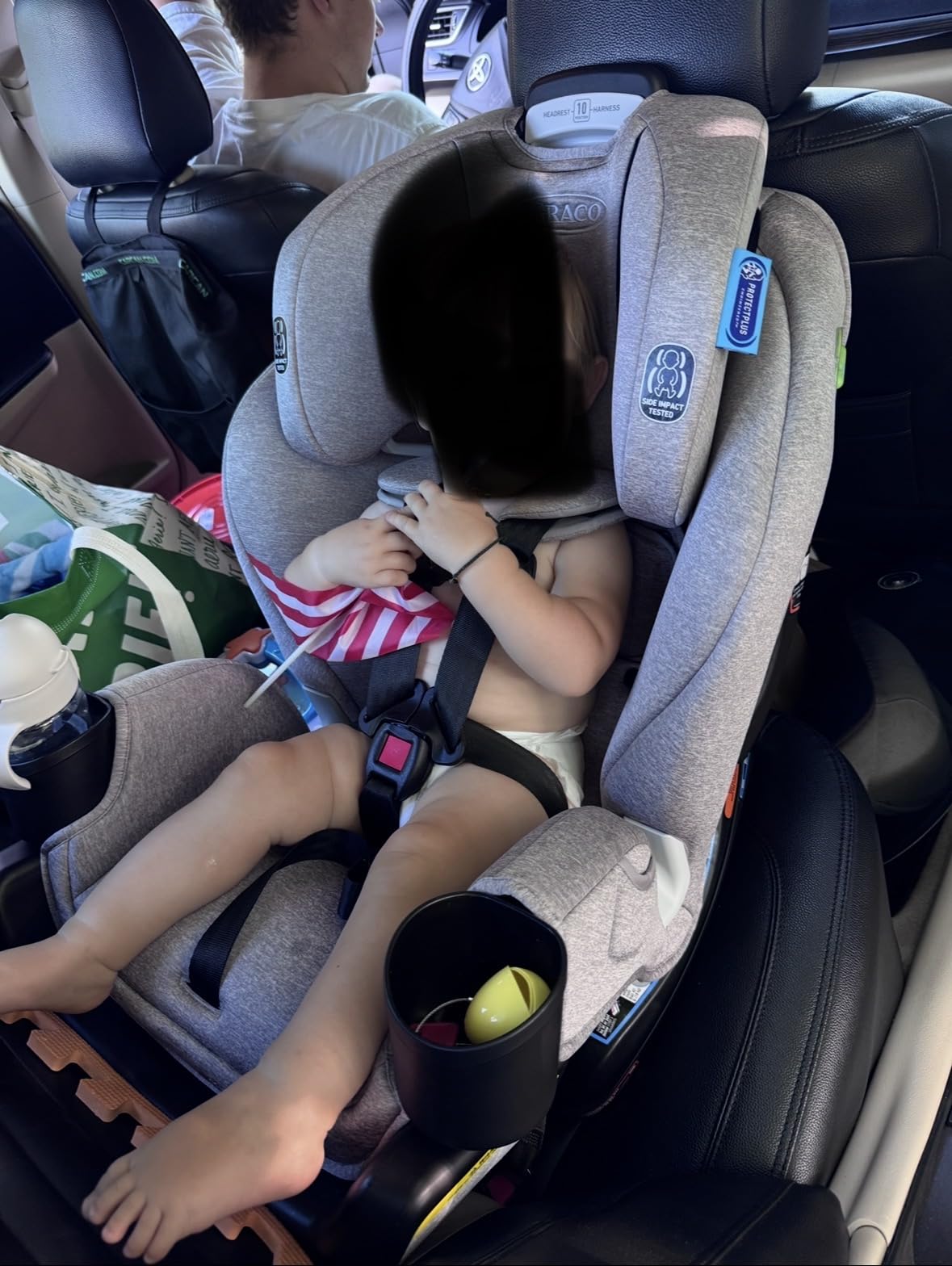
The harness is the no-rethread Simply Safe Adjust system, so the headrest and harness move together in one motion rather than being rethreaded slot by slot. For a rear-facing toddler who is being buckled in several times a week, that is a meaningful daily difference, and reviewers consistently single it out.
Graco ProtectPlus engineering covers the side and frontal impact side of the ledger, and the seat converts from rear-facing harness to forward-facing harness at 26.5-65 lb and then to a highback booster at 40-100 lb. One seat covers roughly the entire childhood, which is why it shows up in so many parent threads as a first and only purchase.
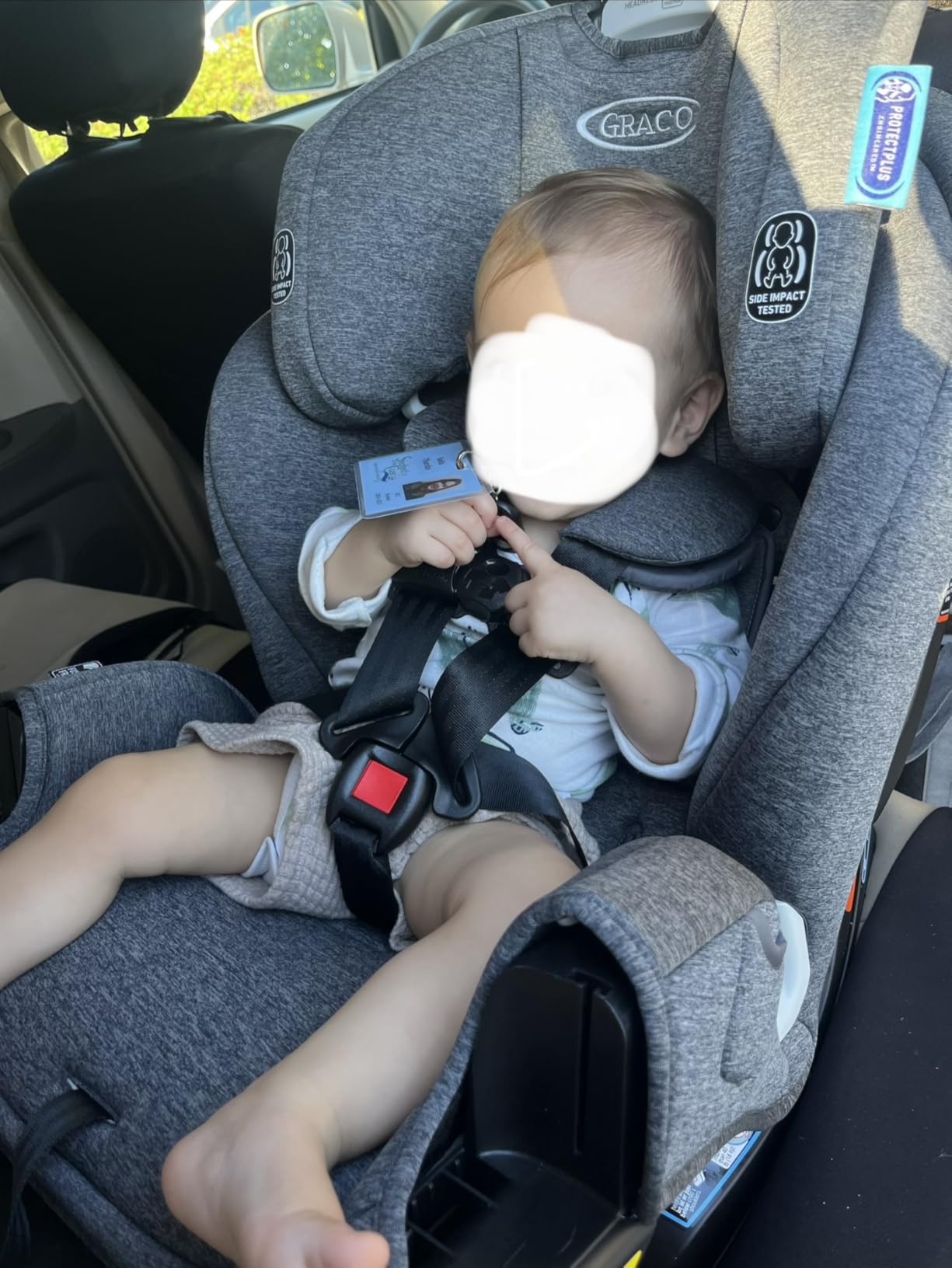
Will the Extend2Fit fit your back seat?
This is not a narrow seat. The extension panel that buys the leg room also takes up width, and owners regularly note that fitting three across is a struggle. If you have two other children in the back row, read the three-across entries in this roundup instead.
For a single child in a sedan, a small SUV, or a two-vehicle household, it is manageable. Reviewers report moving it between cars single-handed without complaint, which matters enormously if you are not installing the same seat in every vehicle you drive.
What to know before you buy?
The honest drawback is cleaning. The cover system requires close to full disassembly to wash, and crumbs find their way into a lot of crevices. If your child is a heavy snacker, budget extra time or keep a second cover on hand.
Second, and this applies across the whole category: a 50 lb limit is a spec, not a guarantee. A child still has to fit within the harness slots with room to spare, and parents on r/CPST repeatedly make the same point that there is no reason to buy a higher-limit seat if your current one still fits. If your existing seat still works, keep it and revisit this list when it does not.
2. Safety 1st Grow and Go: Best All-in-One Under the Mid Range
Safety 1st Grow and Go All-in-One Convertible Car Seat, Black Phantom
Rear-facing 5-40 lb and 19-40 in
QuickFit harness
Washer and dryer safe pad
3-position recline
Pros
- Least expensive all-in-one here
- QuickFit harness speeds up daily buckling
- Seat pad snaps off and is washer and dryer safe
- Removable baby pillows tighten the fit for small infants
- 3-position recline helps it fit lower vehicles
Cons
- 40 lb rear-facing ceiling
- No extendable leg panel
- Removable pillows need storing once your child outgrows them
The Grow and Go is the pragmatic pick when the budget is the deciding factor and your child is not yet anywhere near the 40 lb line. It rear-faces from 5 lb to 40 lb with a stated height range of 19 to 40 inches, then converts forward-facing at 30-65 lb and to a belt-positioning booster at 40-100 lb.
Everything about the daily routine is designed for speed. The QuickFit harness adjusts in one motion, the seat pad snaps off and goes in the washer and dryer, and the two cupholders are dishwasher safe. Owners who wanted a seat they would not fight over laundry end up happy here.

The removable Grow-With-Me baby pillows are more useful than they sound. A rear-facing infant needs padding to fill the seat and sit correctly, and these let you start small and remove them as your child grows instead of buying a second insert.
The 3-position recline is a quiet asset in shallow-footwell vehicles. More recline options mean more chances to hit the correct angle indicator without shoving the front seat all the way forward, which is a common fix for smaller cars.
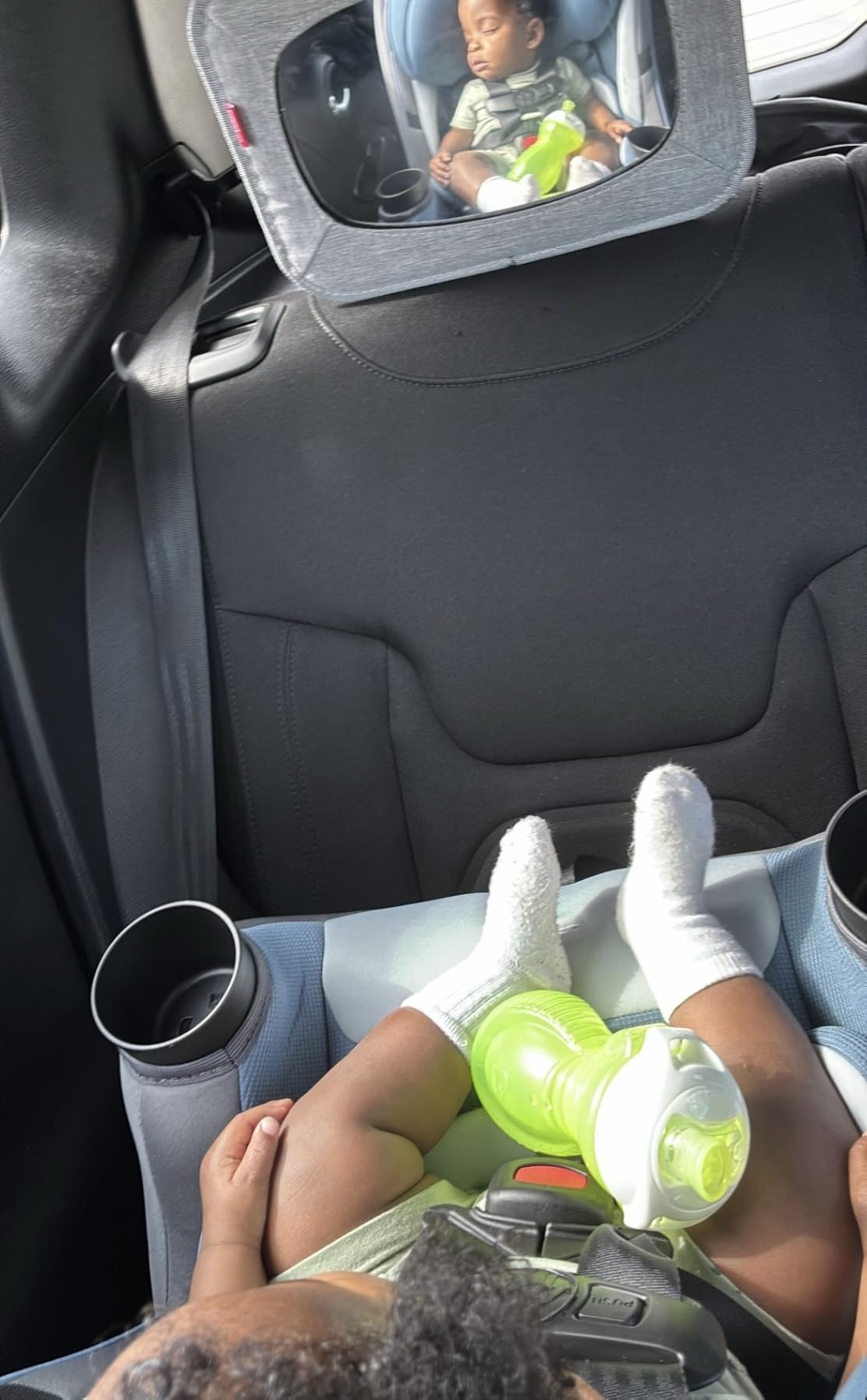
When 40 lb is enough and when it is not?
Here is the honest framing. A 40 lb limit is genuinely fine for a child who will be in the seat for a year or so, and plenty of families never need more. The limit starts to bite around age three, when growth is often still steady and the harness slots run out before the scale does.
Parents with larger children consistently report that a 50 lb limit buys roughly an extra year of rear-facing, and that growth tends to slow noticeably around that stage. If you already know your child tracks big, or you have grandparent caregivers doing drop-offs, the 40 lb ceiling is the main thing to weigh here.
Installation and daily use notes
It installs with either the vehicle seat belt or the seat anchors, and it is transferable between cars without tools. That matters for two-vehicle households, though unlike the Extend2Fit this seat is bulkier to carry.
There is no extension panel, so leg room is fixed. If your child has already outgrown an infant carrier with knees to their chest, expect to be managing cramped legs rather than solving them. Parents on r/toddlers describe the leg-room fight as the most common trigger for turning a child around early, and that is exactly what a 50 lb seat is meant to postpone.
3. Diono Radian 3R: Best Extended Rear-Facing Seat for Three Across
Diono Radian 3R, 3-in-1 Convertible Car Seat, Rear Facing & Forward Facing, 10 Years 1 Car Seat, Slim Fit 3 Across, Jet Black
Rear-facing up to 50 lb
Slim three-across shell
Steel-reinforced frame
Folds flat and is FAA approved
Pros
- Genuinely fits three across where nothing else here does
- 50 lb rear-facing in a low-profile shell
- Folds flat for storage and airline travel
- Steel-reinforced frame feels durable
- Machine-washable fabrics and simple harness adjustment
Cons
- Heavy and hard to move between vehicles
- Very deep rear-facing recline pushes the front seat forward
- Multiple modes are easy to configure incorrectly
- Center rear-facing install limited by fixed headrests
Every other 50 lb seat in this roundup has a width problem. The Diono Radian 3R does not, and parents with two older children in the back row treat it as the only realistic option. It rear-faces up to 50 lb in a shell slim enough to sit three across the back of most sedans and SUVs.
The frame is mechanically engineered around a reinforced automotive-grade high-strength steel core, and it is built to four modes: rear-facing infant, rear-facing toddler, forward-facing harness, and booster, covering 5 lb to 120 lb. That is roughly a ten-year span from a single seat, and it folds flat when you are done with it.
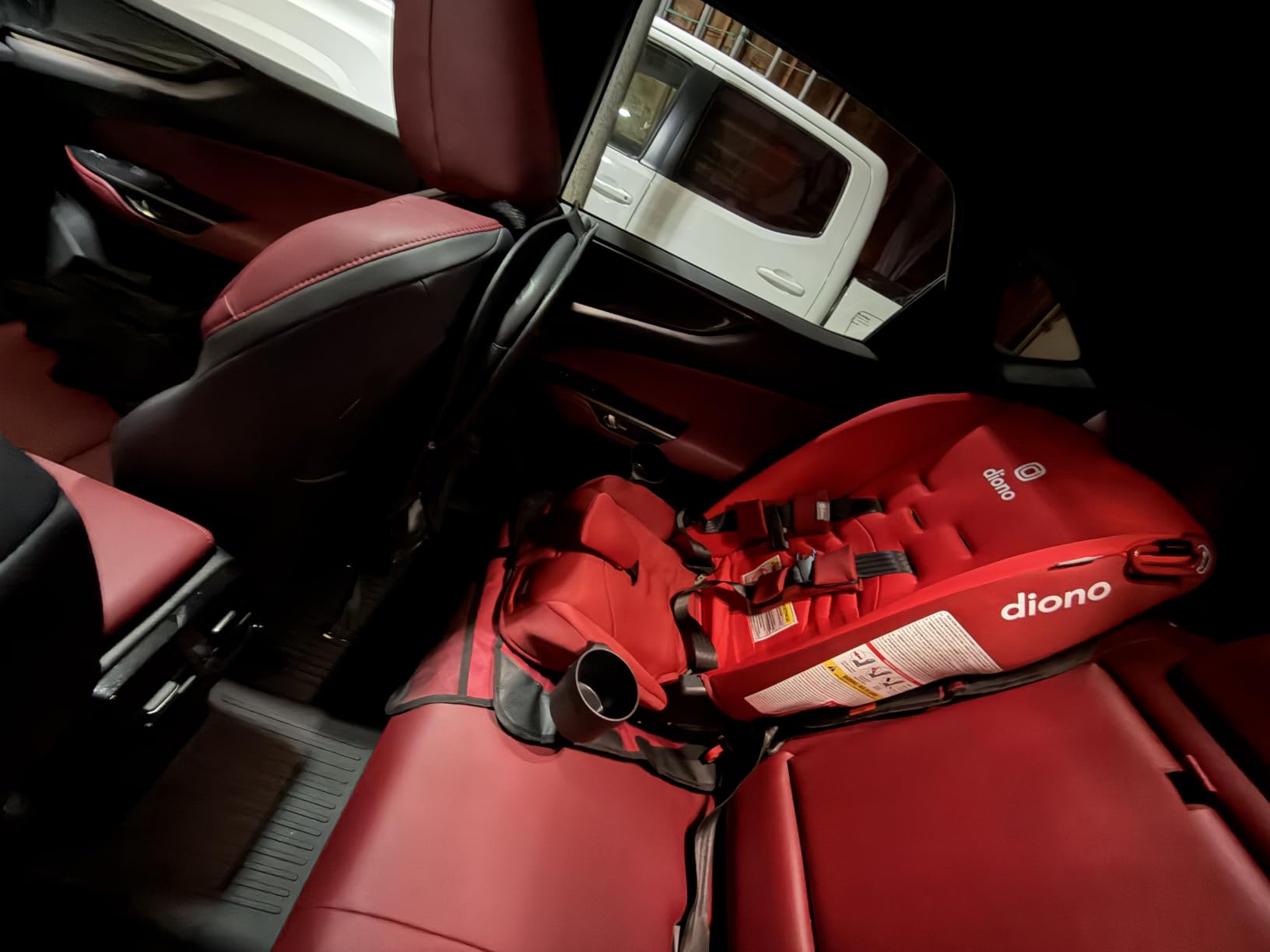
Travel is a real, practical advantage here rather than a marketing line. The seat folds for compact storage and is FAA approved for airline use, which is unusual in a full-size convertible. ComfortPlus memory foam is included as standard, not sold as an add-on.
SuperLatch installation and machine-washable fabrics round out a seat that is otherwise unflashy. A former child passenger safety technician quoted in owner reviews suggests having a CPST check the install after purchase, which is good advice for any seat with this many modes.
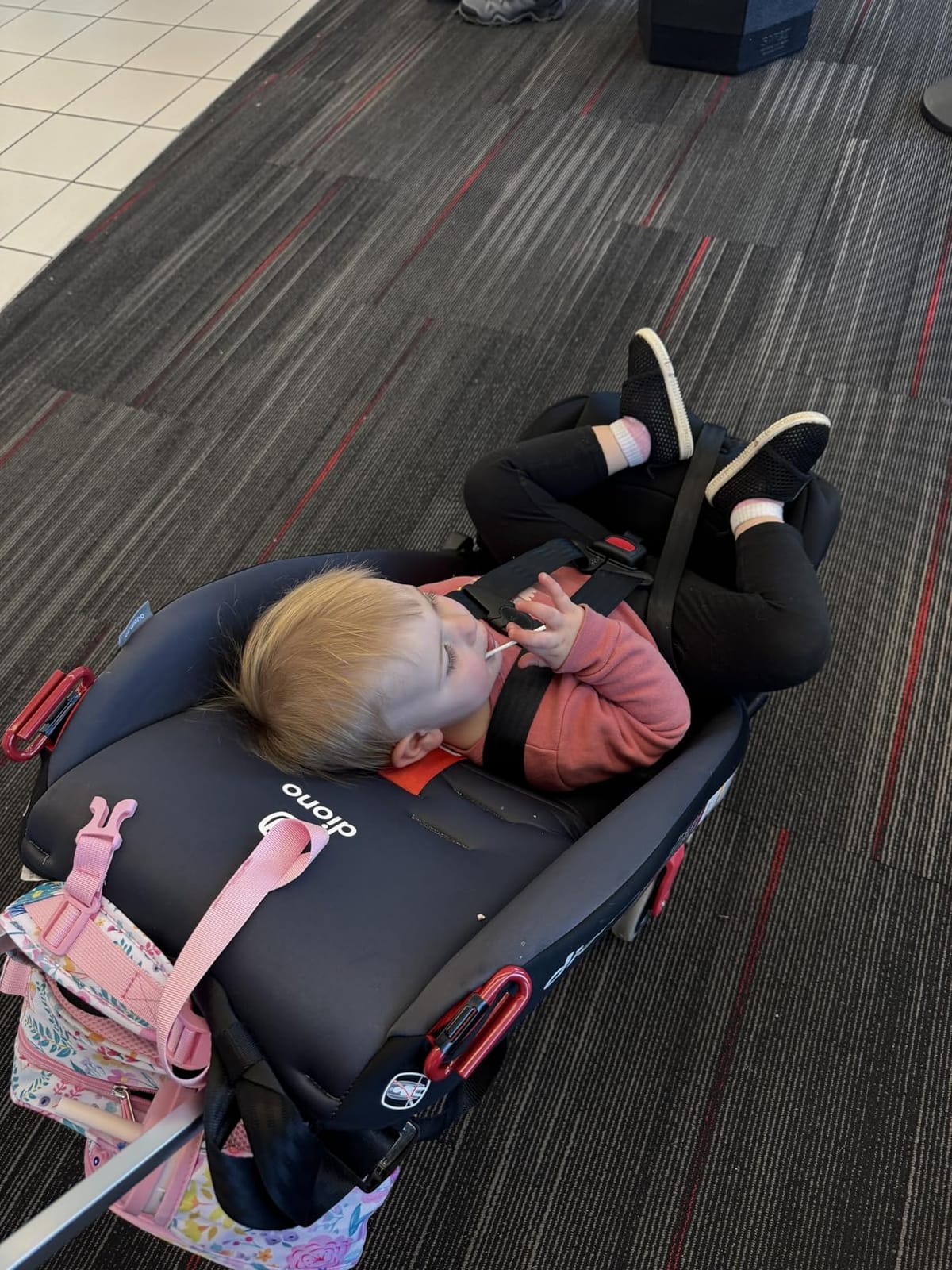
What three-across really buys you?
Three-across is not a marketing claim on this one, and it is why the Radian appears so often in threads about compact back seats. If you are adding a third child to an existing row, the 50 lb limit and the narrow footprint together are close to unique.
The trade is weight. The steel frame makes this a serious lift, and anyone who moves seats between vehicles daily will feel it. Parents frequently note that SuperLatch is genuinely the easiest rear-facing install of any seat they have owned, which offsets the weight in a two-car household that only moves it once.
Fit issues worth planning for
The rear-facing recline is very deep. In a vehicle with a shallow footwell this pushes the front passenger seat substantially forward, and that is a real cost for adults in the front. Measure before you commit, particularly in smaller sedans.
The center position is the weak spot. Fixed forward headrests limit the center rear-facing install, so this seat works best in an outboard position. The four modes also create a genuine configuration risk: a seat set up in the wrong mode can be installed incorrectly by someone who does not read the manual, so budget a careful read-through and a hands-on check.
4. Baby Trend Cover Me 4-in-1: Best for Three Across With Sun Protection
Baby Trend Cover Me™ 4-in-1 Convertible Car Seat
Rear-facing toddler mode 18-40 lb
18.25 in wide
UPF 50+ adjustable canopy
Deep side wings
Pros
- Integrated UPF 50+ canopy with flip-out visors
- 18.25 in width fits three across in most vehicles
- Four-stage system from 4 lb to 100 lb
- Zero recline radius base with an integrated flip foot
- Super deep side wings for side impact protection
Cons
- 40 lb rear-facing toddler ceiling
- Canopy and side wings add bulk to an otherwise slim seat
- Rear-facing infant mode stops at 18 lb
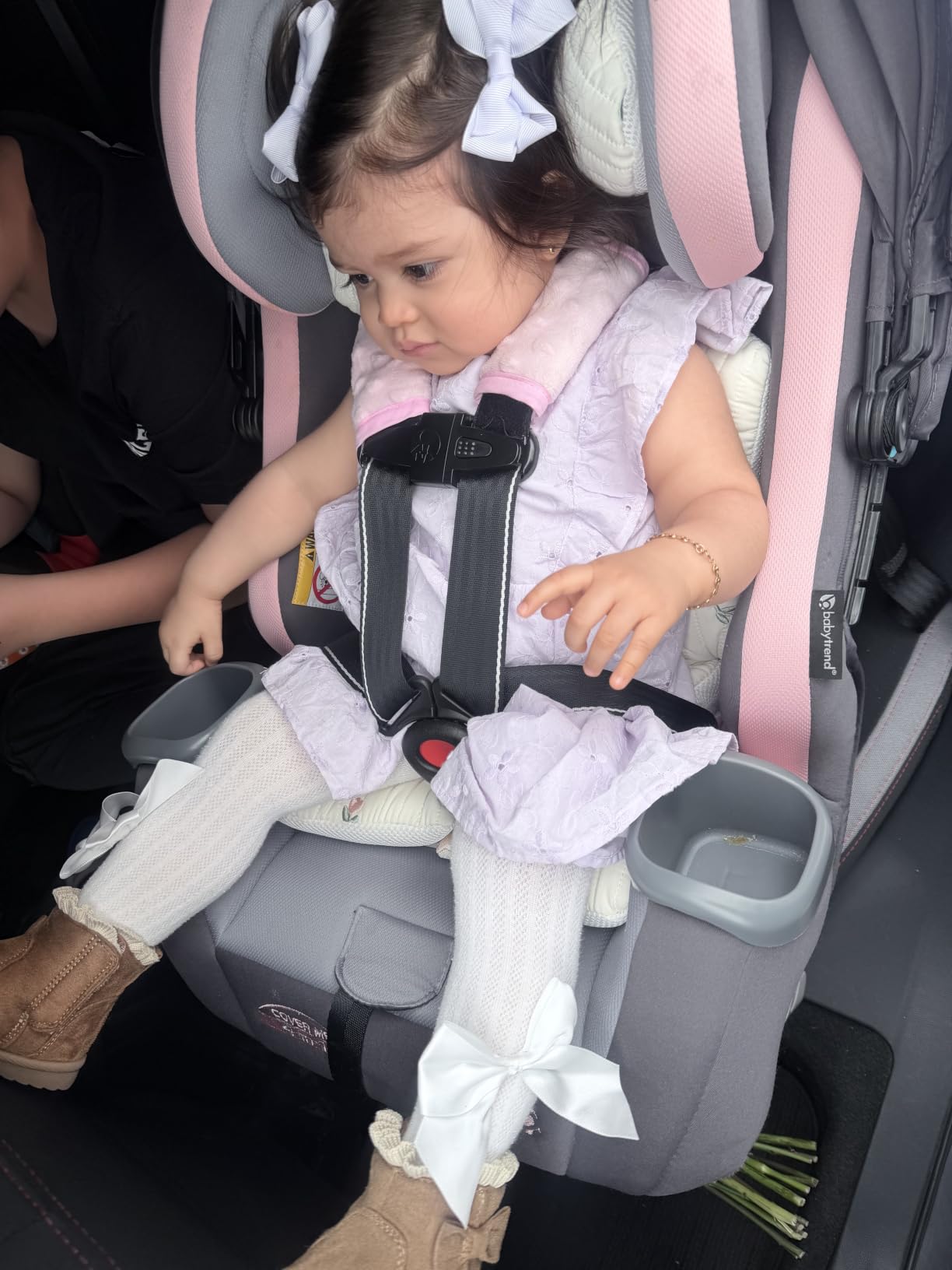
The Cover Me is built around a feature you would not expect on a convertible: an integrated adjustable canopy with UPF 50+ sun protection and flip-out side visors. For rear-facing children, this is a genuine advantage, because a rear-facing seat in a rear window has almost no built-in shade.
It runs four stages: rear-facing infant from 4-18 lb, rear-facing toddler from 18-40 lb, forward-facing harness from 30-65 lb, and belt-positioning booster from 40-100 lb. At 18.25 inches wide, it fits three across in most vehicles, which puts it alongside the SlimFit3 LX as a three-across option.
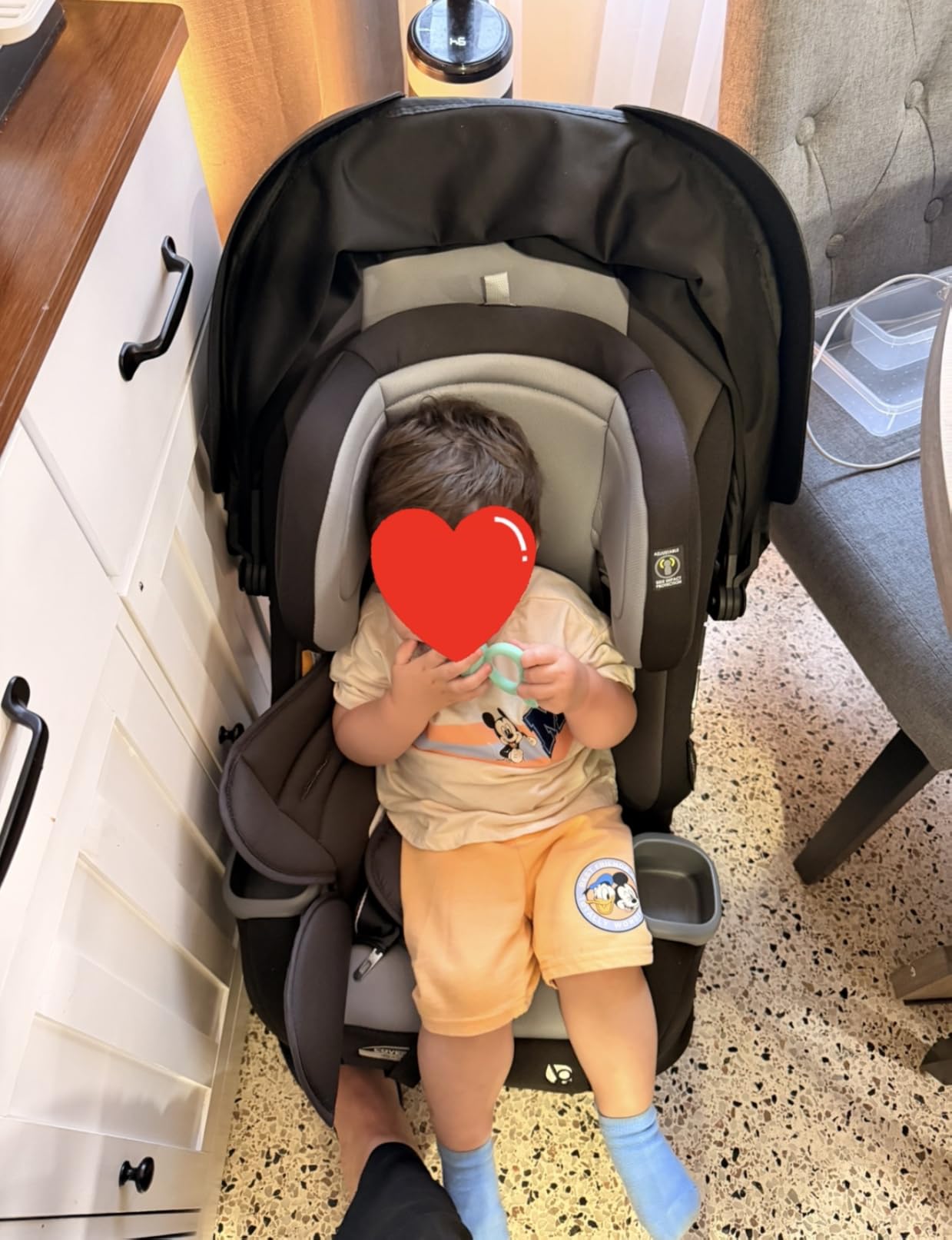
Side-impact protection is handled by super deep side wings, and the zero recline radius base offers three positions plus an integrated recline flip foot. That flip foot gives you more recline range in a limited footwell without moving the front seat, which is a persistent problem in compact vehicles.
The integrated headrest pairs with a no-rethread harness, and the Comfort Cabin carries extra padding for longer rides. A 4.7 average across more than 6,700 reviews suggests the feature set lands where buyers expect it to.
Who the canopy actually helps?
If you do a lot of daytime driving, or live somewhere with strong sun, the canopy removes the need to hang a sun shade over a rear-facing shell. Parents on r/Parenting who have used one tend to describe it as the feature they did not know they needed until they had it.
It also blocks some of the visual stimulation many rear-facing toddlers find uncomfortable, since they cannot see out. That is a small but real factor for a child who fights the rear-facing position.
The 40 lb question again
Everything above applies until your child approaches 40 lb, at which point this seat joins the Grow and Go and the SlimFit3 LX at the lower ceiling. The toddler mode specifically runs 18-40 lb, so the infant mode ending at 18 lb is a stage transition rather than a limit you will hit suddenly.
Also account for the bulk. The canopy and deep side wings make this wider than a plain slim shell, so three-across fits in most vehicles but not all, and a couple of standard anchors per side can be tight. Measure your back seat opening before ordering rather than trusting the width spec alone.
5. Maxi-Cosi Pria: Best for Flame-Retardant-Free Fabrics
Maxi-Cosi Pria All-in-One Convertible Car Seat, Infant to Toddler Car Seat, Easy-Install Harness, Machine-Washable Cover, 5-100 lbs, SeaDrift
Rear-facing 5-40 lb
PureCosi fabrics with no added fire retardant
EcoCare recycled fabric
One-handed QuikFit harness
Pros
- No added fire retardant treatment in the fabrics
- EcoCare fabric made from recycled plastic bottles
- One-handed QuikFit headrest and harness adjustment
- Cover is machine-washable and dryer-safe
- Plush removable infant pillows for a snug fit
Cons
- 40 lb rear-facing ceiling
- Not a narrow three-across design
- Lowest average rating in this group at 4.6
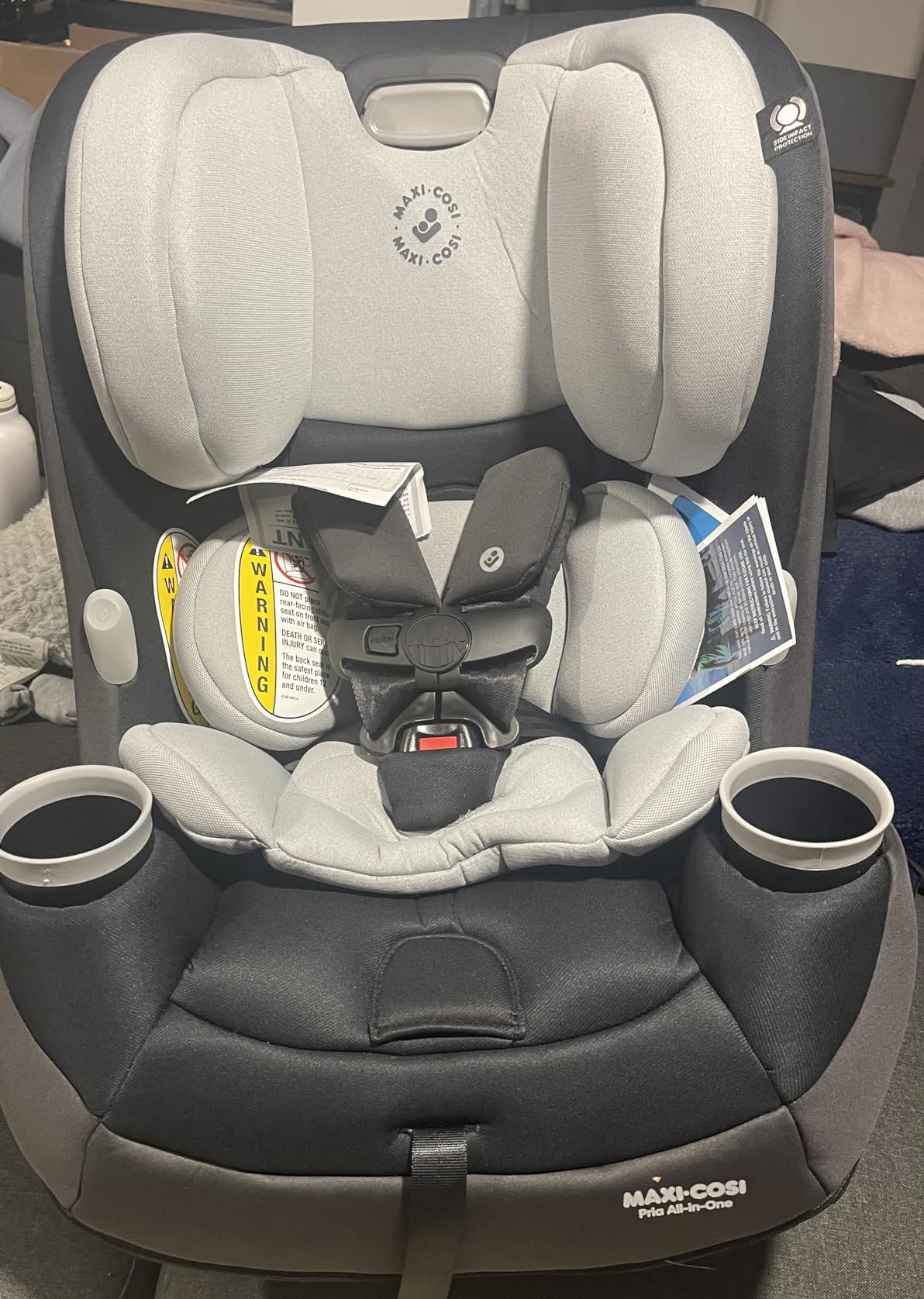
The Pria exists for a specific parent: one who has decided that added fire retardant treatment in car seat fabric is not something they want around a child for years. The PureCosi fabrics are made without added fire retardant treatment, and the EcoCare cover is woven from 100% recycled plastic bottles.
Mechanically it is a straightforward three-mode seat: rear-facing from 5-40 lb and 19-40 inches, forward-facing harness from 30-65 lb, and belt-positioning booster from 40-100 lb. The seat meets the federal side impact standard and uses one-click LATCH connectors.
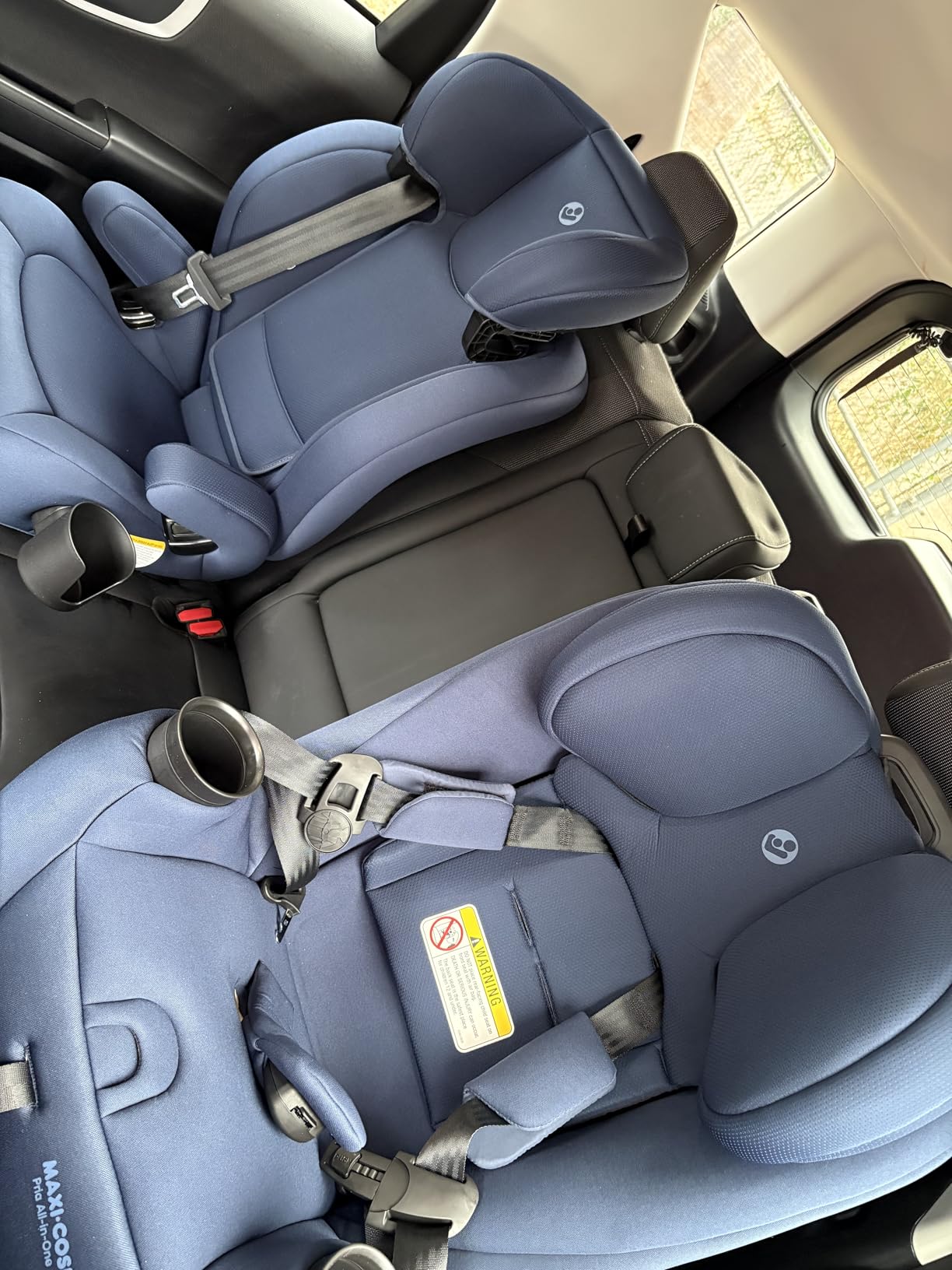
The QuikFit system adjusts the headrest and harness together with one hand and no rethreading, and ReclineFit offers three reclining positions. Two removable dishwasher-safe cupholders and a machine-washable, dryer-safe cover finish the practical side.
Removable plush infant pillows help a smaller baby sit properly rear-facing, and they can come out as your child grows. Owners rate the fabric quality highly, which is consistent with the positioning of the seat as a premium-feeling convertible.
Materials versus rear-facing length
Be clear-eyed about the trade. The Pria rear-faces to 40 lb, so if your goal is maximum extended rear-facing time, the Extend2Fit and the Britax One4Life serve that goal better. What you are buying here is materials and one-handed adjustment, not a higher ceiling.
That said, flame-retardant-free fabric is a real purchase driver for a meaningful number of parents, and the Pria is one of only a few mainstream convertibles here that delivers it. Chicco OneFit LX and Britax One4Life are the other two, and both are discussed later.
Fit and installation
Three recline positions give you some help in tighter vehicles. The seat is not a narrow design, so it is a two-across answer at best, and a family with a third child in the row should look at the three-across entries instead.
This seat also carries the lowest average rating in the roundup at 4.6, with a 4% one-star share, which is still a strong result across 5,400 reviews. The complaints that do appear cluster around the 40 lb limit rather than build quality, so the weaker score reflects the category mismatch more than the product itself.
6. Graco 4Ever DLX 4-in-1: Best All-in-One for a Ten-Year Span
Graco 4Ever DLX 4-in-1 Convertible Car Seat, Maddox
Rear-facing 4-40 lb
Backless booster to 120 lb
10-position headrest
6-position recline
Pros
- Four stages including a backless booster to 120 lb
- 10-position headrest with one-motion no-rethread harness
- 6-position recline for comfort and easier installs
- 91 percent five-star share of ratings
- 10 years of stated use
Cons
- 40 lb rear-facing ceiling
- No extendable legroom panel for long rear-facing stages
- Bulkier than slim three-across models
The 4Ever DLX is the answer to a different question than the Extend2Fit. Where the Extend2Fit asks how long can my child ride rear-facing, the 4Ever DLX asks how many seats will I ever need to buy. Its four stages run from a 4-40 lb rear-facing harness through a 26.5-65 lb forward-facing harness, a 40-100 lb highback booster, and a 40-120 lb backless booster, for a stated ten years of use.
The backless booster stage is the differentiator. It is the stage most families skip by buying a cheap highback and then keeping it long past its useful end, and having it built into the seat removes that step from the sequence entirely.

Adjustment quality is high. The no-rethread Simply Safe Adjust harness moves the headrest and harness together, the headrest has ten positions, and the recline has six. That is more range than most parents will ever use, but it is what makes a ten-year claim credible.
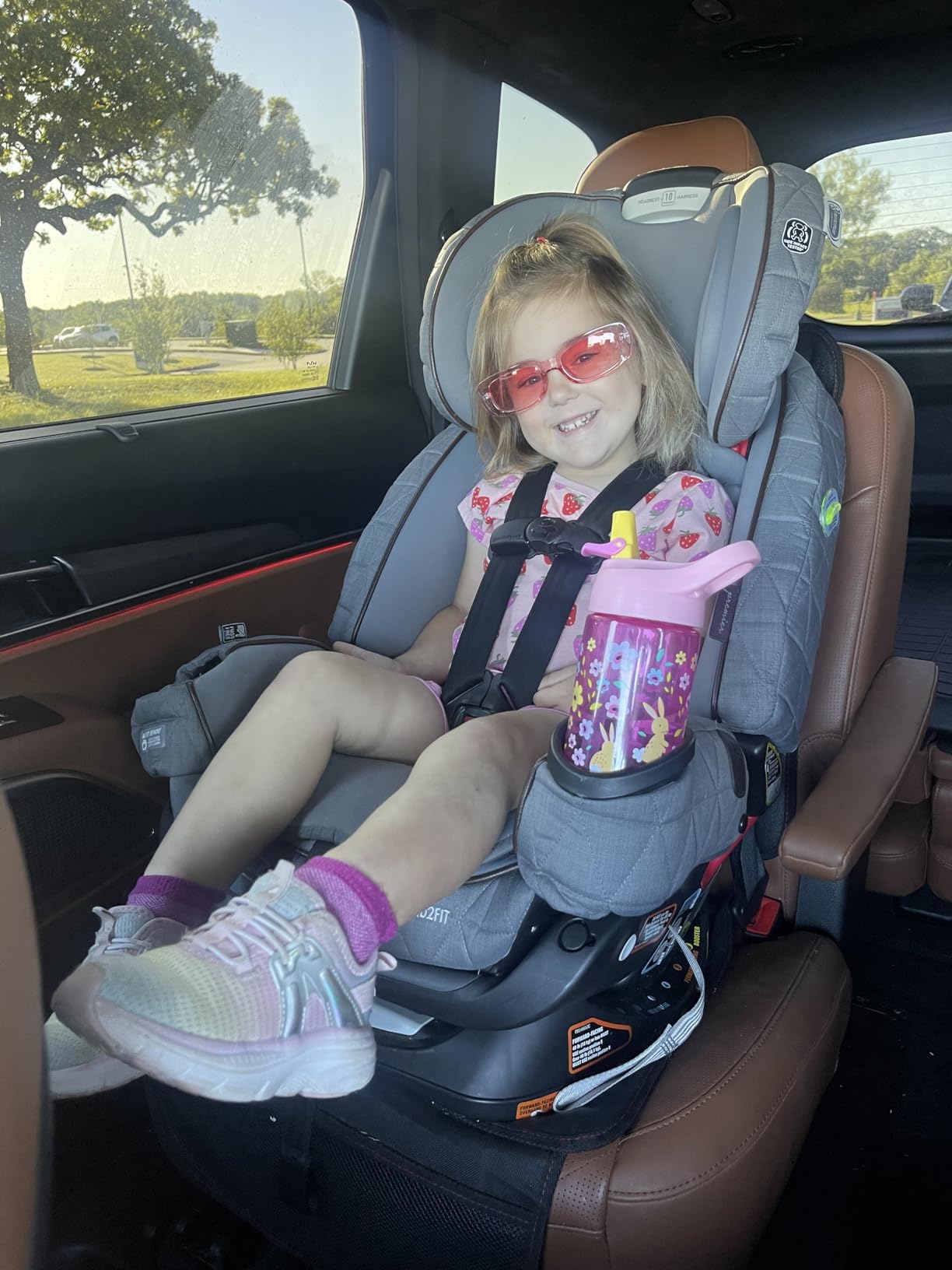
At 4.8 with 91% five-star ratings, this is among the highest five-star shares in the group. The Graco ProtectPlus engineering covers both side and frontal impact work, and the build quality is consistently described as solid.
Extending rear-facing versus extending the seat
Here is the catch for anyone reading this specifically for extended rear-facing: the rear-facing harness stops at 40 lb, and there is no extension panel. This seat stretches forward through booster, not backward through the rear-facing stage.
If your child is on the larger side, or if you know you want to keep them rear-facing past age three, the Extend2Fit serves that plan better even though it stops at the highback booster. If the seat is a once-and-done purchase and your child is average sized, the 4Ever DLX covers more ground with no second purchase.
Practical notes
The 4-position rear-facing configuration means less leg room than the Extend2Fit, which matters most in the last year of rear-facing use. It is also bulkier than the slim seats here, so it is a two-across answer in most back rows.
Six recline positions are a real help in shallow footwells, giving you room to find the correct angle indicator without forcing the front seat forward. If you are comparing the two Graco models, install both if you can and pay attention to the recline range in your specific vehicle, not just the paper specifications.
7. Graco SlimFit3 LX: Best Lightweight Seat for Three Across and Travel
Graco SlimFit3 LX 3-in-1 Convertible Car Seat, Kunningham
Rear-facing 5-40 lb
16.7 in wide fits three across
10-position no-rethread harness
Lightweight and slim
Pros
- 16.7 in width fits three seats across
- Light enough to carry through an airport
- Anchors hold tight rear-facing with no sliding
- Easy to install and to clean
- Owners report it holds up across multiple children
Cons
- 40 lb rear-facing ceiling
- Less plush padding than seats at similar levels
- Shell vents can blow cold air on legs
- Runs warm without air conditioning
At 16.7 inches wide, the SlimFit3 LX is the narrowest seat in this roundup and the one that solves three-across problems in the tightest vehicles. It fits three car seats across the back seat while keeping the full 3-in-1 range: 5-40 lb rear-facing, 26.5-65 lb forward-facing, and 40-100 lb highback booster.
The second thing that stands out is weight. Reviewers consistently describe it as light enough to carry one-handed through an airport and to fit a standard car seat bag, which is a real quality-of-life difference in a multi-vehicle or multi-caregiver household.
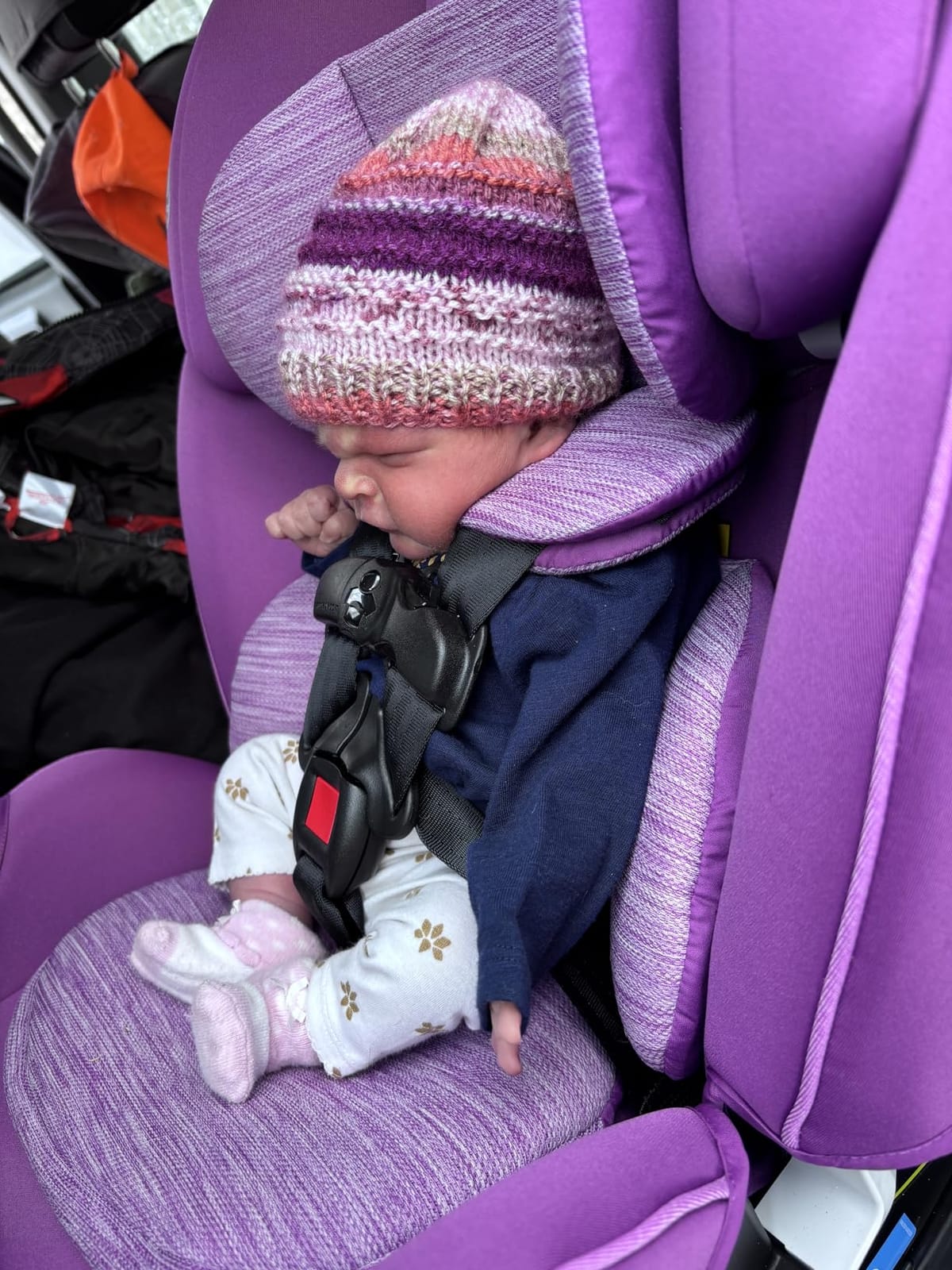
Installation is where the slim profile has historically been a compromise, and this seat is an exception. Owners report that the anchors hold tight in rear-facing mode with virtually no sliding, and that installing, adjusting, reclining, and cleaning are all straightforward.
The 10-position no-rethread Simply Safe Adjust harness handles daily adjustments, and Graco ProtectPlus engineering covers side impact. At 4.8 with more than 2,200 reviews, it carries the same rating as the Extend2Fit in a much narrower shell.
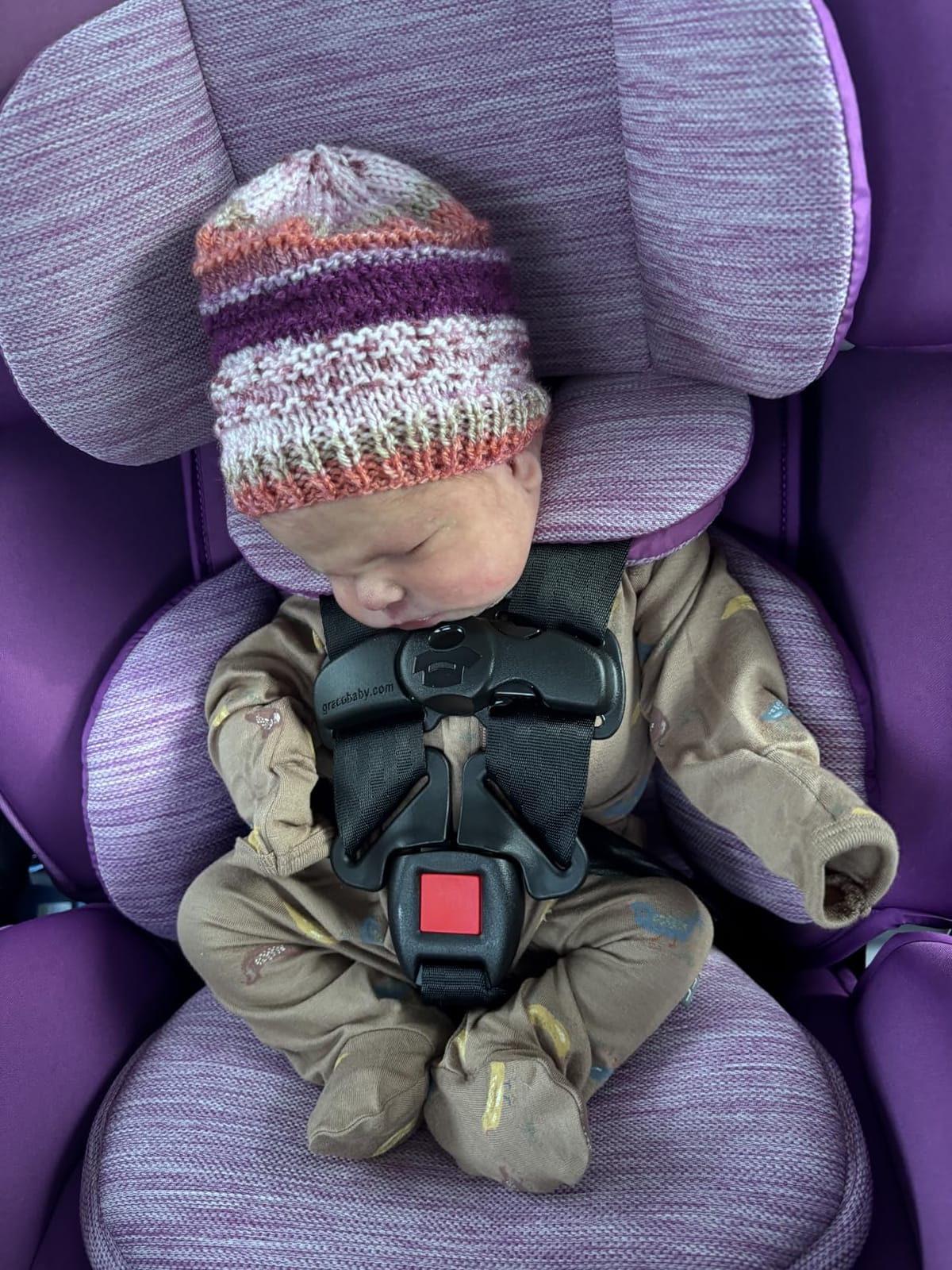
Where the slimness costs you?
Padding is thinner than on seats at similar levels, and that shows up most in a rear-facing toddler who needs a snug fit. If your child is small, budget for a separate insert or check the included padding carefully before the first install.
There are also two comfort complaints worth knowing about. The rear openings in the shell can blow cold air onto your child’s legs, and without air conditioning the seat can run warm because of the heavier padding. In a hot climate, test it on a hot day before you commit.
Three-across versus extended rear-facing
This is a width-first seat, not a longevity-first seat. The 40 lb rear-facing limit means it solves the number-of-children problem, not the how-long-can-we-rear-face problem. Parents with two children in the back row and one growing toddler may find the Diono Radian 3R a better balance, since it also rear-faces to 50 lb and still fits three across.
It also travels well. If you fly regularly, a folding or genuinely light seat is worth a lot, and this is one of the few in the roundup light enough to carry without a fight. For grandparents doing school runs in a second vehicle, that portability carries as much weight as the width.
8. Britax One4Life: Best Tallest Rear-Facing Limit
Britax One4Life All in One Car Seat, Up to 10 Years of Use — Teak
Rear-facing 5-50 lb up to 49 in
ClickTight install
Steel frame with SafeCell
10 years of use
Pros
- Rear-facing to 50 lb and 49 in
- ClickTight three-step install with color-coded belt paths
- Steel frame with SafeCell and V-shaped tether
- 15-position no-rethread harness with one-hand adjustment
- Flame-retardant-free and machine-washable cover
Cons
- Premium price tier is out of reach for many budgets
- Bulkier than slim three-across models
- Fixed shell with no telescoping leg extension
The One4Life has the longest rear-facing setup here, and when parents ask what the longest rear-facing car seat is, this is the correct answer. It rear-faces from 5 lb to 50 lb up to 49 inches of height, the only published rear-facing height limit in this roundup above 43 inches.
Height matters as much as weight and is the spec most families never check. A tall, lean child can exhaust the harness slots well before 50 lb, and only a small number of seats give you the room to keep going. The One4Life gives 49 inches, which is where the extra ceiling stops being theoretical.
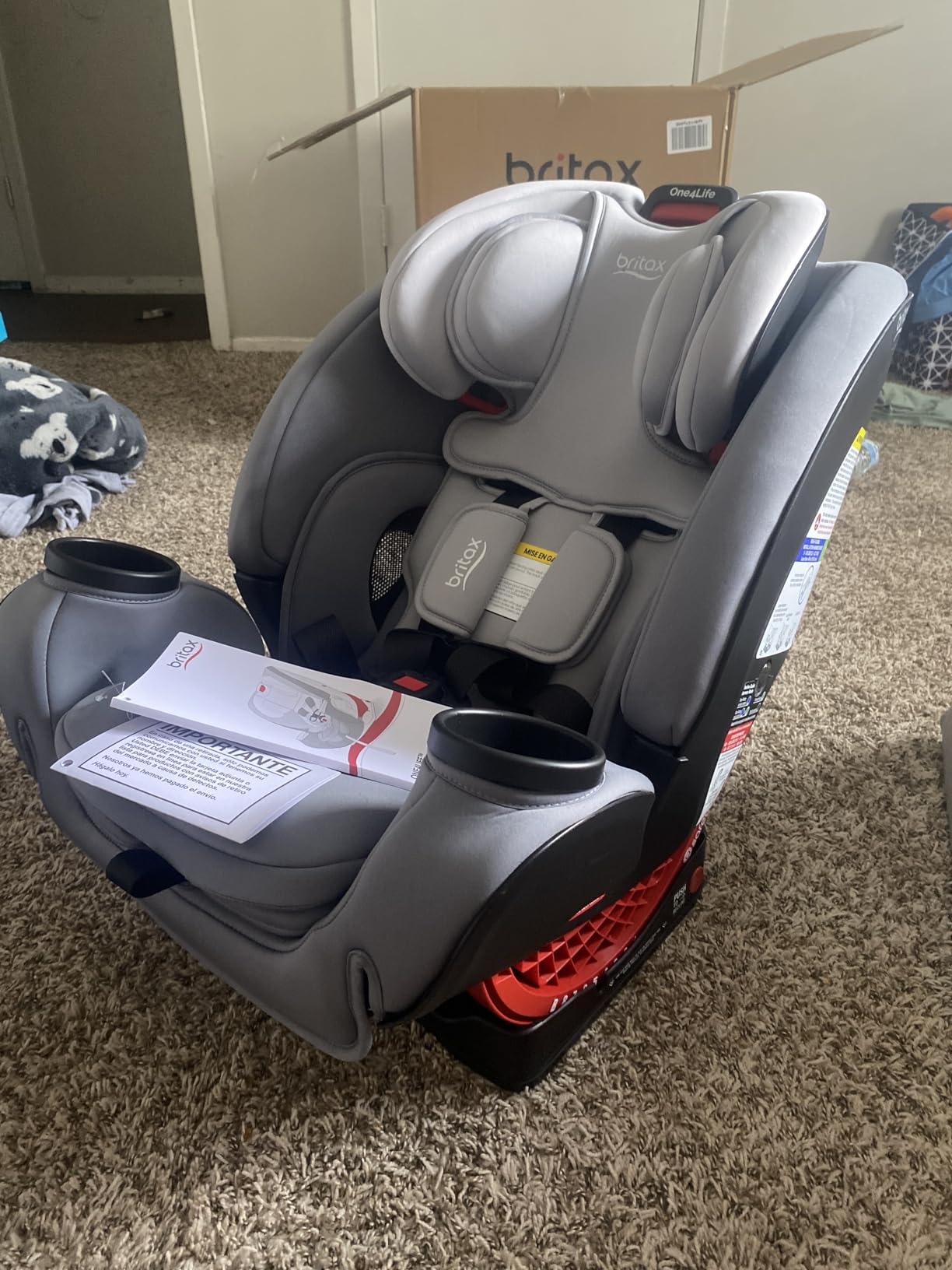
The safety specification is one of the most detailed in the group. A steel frame with SafeCell technology and two layers of energy management sits under a patented V-shaped tether, and the seat is side-impact tested to FMVSS 213a and frontal tested to FMVSS 213, with verification by Baby Safety Alliance.
Installation is the ClickTight system: pinch, thread, click, with color-coded belt paths. In a category where a misinstalled high-limit seat gives up its own advantage, an installation system that is hard to get wrong is worth real weight. The harness has 15 no-rethread positions adjusted with one hand, and the recline has nine positions with an easy-read indicator.
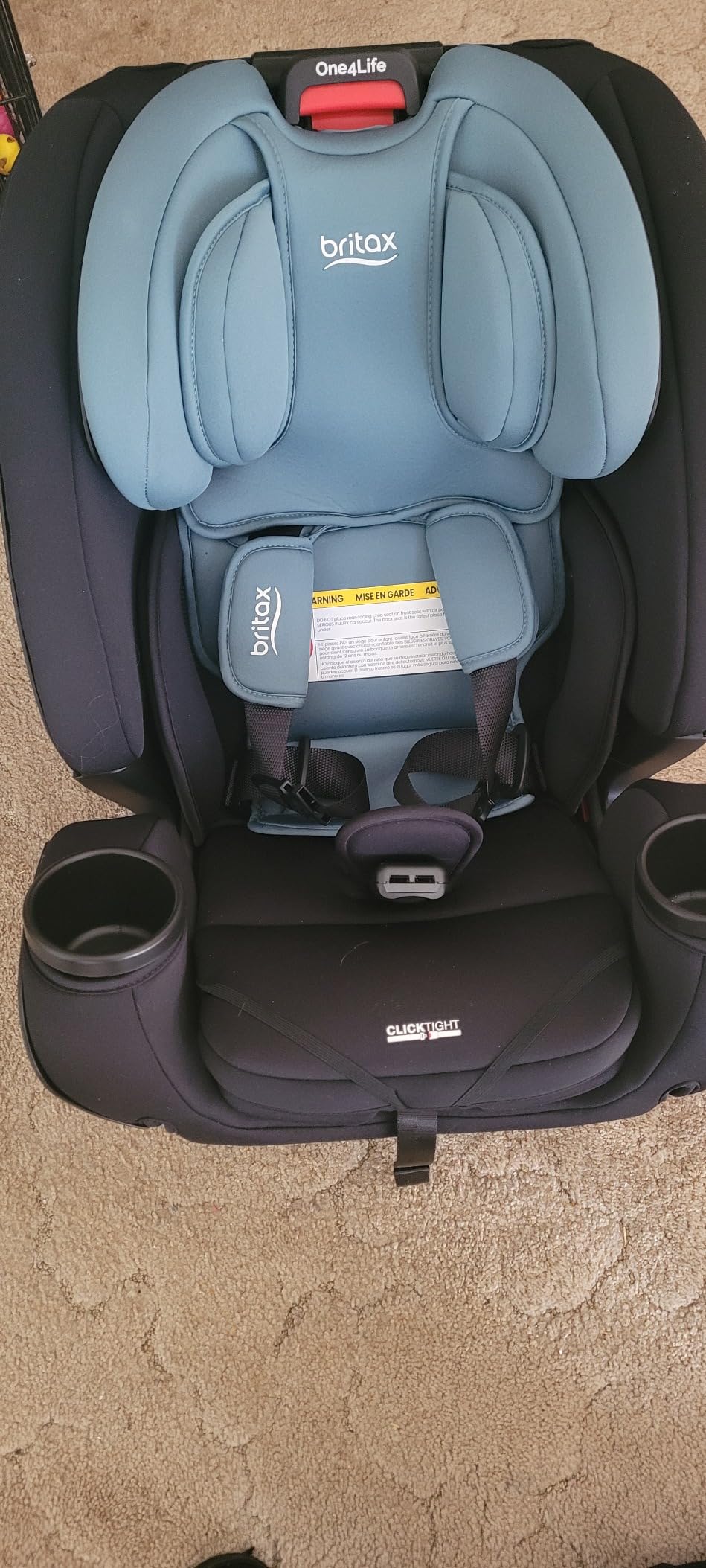
Who should pay the premium?
The functional complaints in owner reviews are close to nonexistent, and the dominant negative is the cost. This sits at the top of the price range in this roundup, and that is a real barrier for a lot of families who would otherwise choose it.
It makes most sense if you have a tall child, if you want flame-retardant-free fabric alongside a 50 lb and 49 inch limit, or if you plan to keep one seat for the full ten years through a 40-120 lb highback booster. If you just need a reliable 50 lb rear-facing seat and the budget is tighter, the Extend2Fit does the important half for less.
Fit considerations
There is no telescoping leg extension, so leg room is fixed to the shell. With a 49 inch height limit you need the footwell depth to actually deliver that height, and that is worth checking on a real child rather than on paper. Three infant inserts are included for babies at 20 lb and under.
Two dishwasher-safe cupholders, a machine-washable and dryable cover, and a 15-position harness mean less daily friction than most. The SafeWash fabric is naturally flame-retardant with no added flame retardant chemicals, which puts it alongside the Pria and the OneFit LX in this roundup.
9. Joie Saffron SI: Best for Deep Recline in a Small Footwell
Joie Saffron SI 4-in-1 Convertible Car Seat to High-Back & Booster
Rear-facing 4-40 lb up to 43 in
Integrated flip foot deep recline
Magnetic chest clip
23.1 lb seat weight
Pros
- Integrated flip foot gives genuine deep rear-facing recline
- 10-position headrest and harness adjust with one button press
- AutoClick magnetic chest clip simplifies buckling
- Higher seating position that toddlers settle into
- Easy-clean cup holders and clear instructions
Cons
- 40 lb rear-facing ceiling
- Smallest but one review base in the roundup
- Weighs about 23.1 lb for a compact car
What the Joie Saffron SI does better than almost everything else here is recline. The three-position recline adjusts in seconds in either direction and is paired with an integrated flip foot, which lets the seat reach a genuinely deep rear-facing angle. That is the feature that decides whether a seat works in a shallow footwell or forces the front seat all the way forward.
Rear-facing capacity is 4-40 lb up to 43 inches, so this is a 40 lb seat with a great recline rather than a true extended rear-facing 50 lb option. It then moves to a 30-65 lb forward-facing harness, a 40-110 lb highback booster, and a 40-120 lb backless booster.
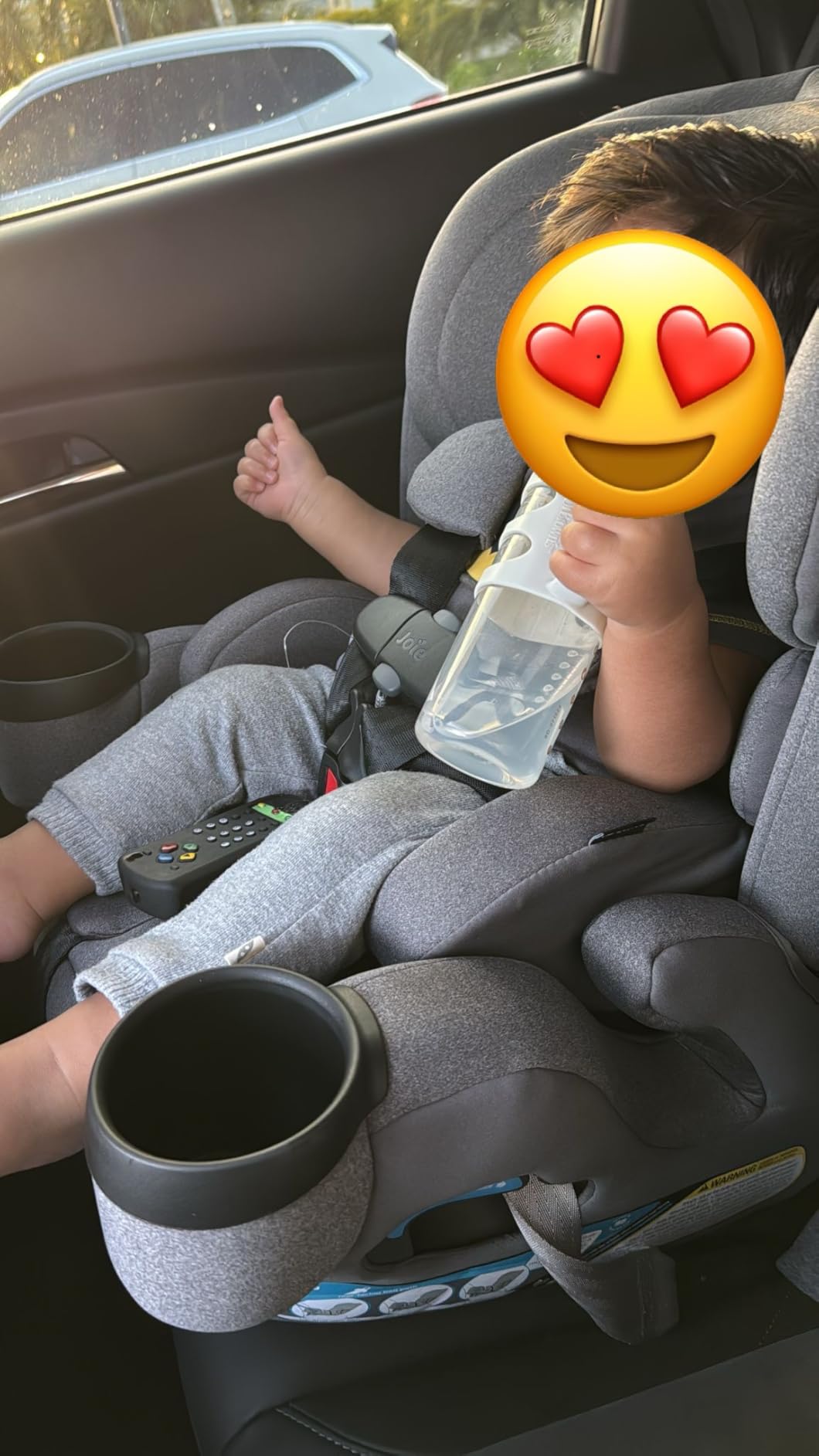
The 10-position headrest and harness adjust together with a single button press, and the AutoClick magnetic chest clip makes buckling a one-handed job. Reviewers mention a higher seating position that toddlers settle into more readily, and one report describes an approve-by-nurses endorsement.
It is tested to FMVSS 213a and 213b, weighs about 23.1 lb, and measures 22 inches long by 19 inches wide by 24.5 to 33 inches tall. The 4.8 average comes from 292 reviews, the second smallest base in the roundup.

How much recline do you actually need?
Recline matters more than most parents expect, because an under-reclined rear-facing seat does not fit a bigger child the way the weight limit suggests. Children who fight the rear-facing position are very often uncomfortable rather than opposed, and a deep, well-supported angle is the fix that keeps them in the seat.
If your vehicle has a particularly shallow footwell, or if you share the front passenger seat with another adult who needs leg room, the flip foot is the most useful single feature in this roundup. The Diono Radian 3R has a comparably deep rear-facing recline with the opposite trade, since it pushes the front seat forward rather than angling the shell.
Honest caveats
Weight is worth flagging at about 23.1 lb, which is not a grab-and-go seat. The 40 lb rear-facing ceiling also rules this out for anyone specifically shopping for a 50 lb limit, and that is the majority of people reading this article.
Finally, a 292-review base is thin. The rating is excellent, but there is less long-term data here than on the Extend2Fit, the Grow and Go, or the Radian. If you want a seat with years of owner history behind it, the 4.8-rated Graco models have far more of it.
10. Chicco OneFit LX ClearTex: Best for Easiest Installation
Chicco OneFit LX ClearTex All-in-One Convertible Car Seat
Rear-facing 5-40 lb
LeverLock self-tensioning install
ClearTex flame retardant-free fabric
Slim space-saving design
Pros
- LeverLock self-tensioning system makes installs secure with little effort
- ClearTex fabric is flame retardant-free and GREENGUARD Gold Certified
- LATCH install takes about two minutes for owners
- Removable newborn positioner and extra rear-facing leg room
- Slim profile that still handles three-across cases
Cons
- 40 lb rear-facing ceiling
- Heavy and bulky for small cars
- Not a grab-and-go seat for hand-carry use
- Smallest review base in the roundup
The OneFit LX wins on installation, and on a topic where a badly installed high-limit seat gives up its own safety advantage, that is not a minor category. The LeverLock self-tensioning system applies the correct belt locking tension on its own, and owners report a LATCH install in roughly two minutes and easy forward-facing belt installs with minimal effort.
Rear-facing capacity is 5-40 lb, with a removable newborn positioner for babies from 5-11 lb. That places it in the 40 lb group, though the extra rear-facing leg room and the wide-range headrest height adjustment make the 40 lb go further than on several other 40 lb seats here.

The ClearTex materials are flame retardant-free and GREENGUARD Gold Certified for low chemical emissions, putting the Chicco alongside the Pria and the Britax One4Life for families who want nothing added to the fabric. Advanced Side Impact Protection is engineered to the FMVSS 213a side impact standard.
Two dishwasher-safe CupFolders fold in to free up space when you need it, and the slim design is intended for multi-passenger travel. Owners mention crumbs falling out of the shell rather than collecting in crevices, which is a small mercy in a car seat that lives in a real vehicle.
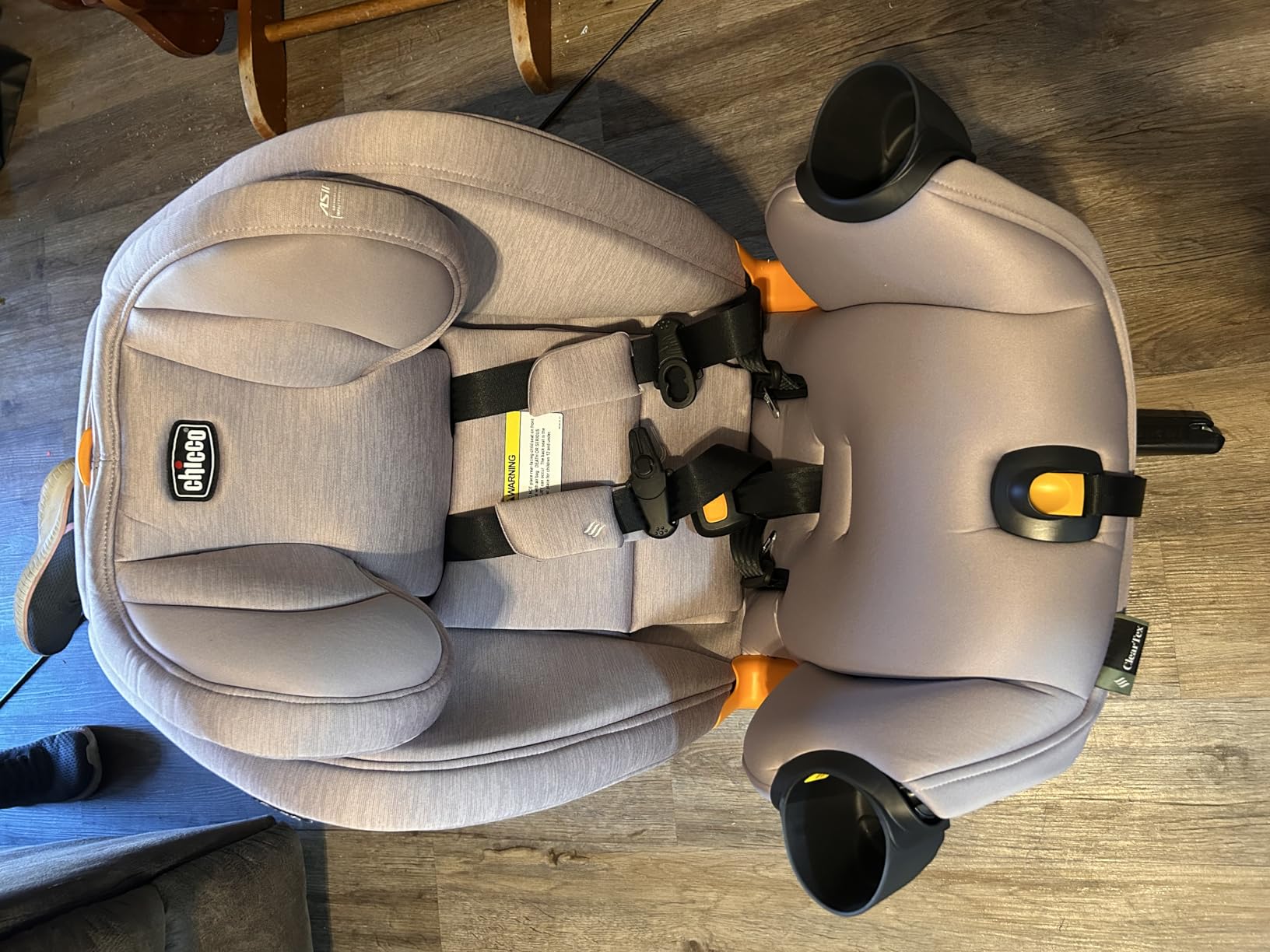
Installation is the deciding feature
If you are installing with a seat belt, moving the seat between vehicles, or handing installation over to a caregiver who is not confident with LATCH, this is the one to shortlist first. The self-tensioning mechanism removes the most common installation error in the category, which is a belt that is not tight enough.
That matters more here than it would for a 40 lb seat. Parents chasing a 50 lb limit are typically planning to keep a child rear-facing longer, which means a longer install in more vehicles and more chances to get it wrong the second time.
What to plan around?
Weight and bulk are the real drawbacks. It is described as heavy and not suited to small cars with multiple seats, and it is not a grab-and-go seat for stroller frames or hand-carry. Pair the slim design claim with the reality that a slim profile does not always mean a small footprint once installed.
One more detail: the rear-facing tilt cannot be adjusted after the seat is installed rear-facing, so get the angle right on the first attempt rather than assuming you can fine-tune it later. With only 232 reviews, this is the thinnest data set in the roundup, and we would want to see a longer track record before treating it as a default choice.
Why Extended Rear-Facing Is Safer and How to Install It Right?
Rear-facing is safer because of anatomy, not marketing. A young child’s head is proportionally the largest and heaviest part of their body, and their neck is not yet strong enough to absorb the deceleration forces of a frontal crash. In the rear-facing position, those forces spread across the child’s back and shoulders rather than concentrating through the neck and head.
The American Academy of Pediatrics and NHTSA both give the same guidance: keep your child rear-facing until they reach the maximum rear-facing weight or height limit of the seat, regardless of age or how large they look. Age cutoffs such as the one-year mark that older advice used to reference are no longer the recommendation.
Long-running research including the Swedish rear-facing study has found substantially lower injury rates for children who rear-face to around age four compared with forward-facing children of the same age, with the clearest difference in cervical spine injuries. That is the whole argument for extended rear-facing, and it only holds if the seat is actually installed correctly.
How to check whether your child still fits?
Run this four-step check before assuming anyone is ready to turn around. First, read the harness height label on the seat, not the manual, and check the child’s shoulders against it. Second, at the top of the rear-facing harness slots there should be at least one inch of clearance between the top of the headrest and the top of the child’s head.
Third, confirm the child is under both the weight limit and the height limit, because either one can be the binding constraint and many parents only check weight. Fourth, look at the harness strap exit position on the seat body: it should be at or just above the shoulders rear-facing, and at or just below them forward-facing.
If all four check out, stay rear-facing. A child who is cramped and folding their legs is a comfort problem, and the answer is usually more recline and a better-fitting seat, not a turn-around.
Five steps for a correct install
Use the lower anchors or the seat belt, never both at once. Route the belt through the rear-facing path exactly as the manual shows, then tighten it until the slack at the belt path is under one inch, checking at the anchor and at the back of the seat.
Check the recline indicator, and if you need more recline, use the approved recline foot or the vehicle’s recline adjustment rather than improvising with a rolled towel. Lock the seat belt the way the manual specifies, and recheck tightness after a week of driving to account for settling.
Finally, have a certified Child Passenger Safety Technician check the install. Many hospitals, fire stations, and police departments offer this at no cost, and a twenty-minute check removes the single largest variable in whether your extended rear-facing seat delivers the protection you bought it for.
How to Choose an Extended Rear-Facing Seat?
Start with one question: how long do you realistically plan to keep this child rear-facing? Everything else follows from that. A 50 lb limit and a 40 lb limit are not a quality difference, they are a time difference, and parents with larger children consistently report that 50 lb buys roughly another year.
40 lb or 50 lb, and what it really costs
Three seats here rear-face to 50 lb: the Graco Extend2Fit, the Diono Radian 3R, and the Britax One4Life. The Extend2Fit adds a four-position extension panel for up to 5 inches of extra leg room, the Radian 3R solves three-across, and the One4Life carries the tallest rear-facing limit at 49 inches. The other seven stop at 40 lb, which is a perfectly reasonable ceiling for many children.
Be honest about this before shopping. If your current seat still fits your child, you do not need a new one just because a higher-limit seat exists. Community consensus in parent forums is consistent on that point, and upgrading a working seat is a common way to spend money that solves a problem you do not have.
Match the seat to your vehicle
Vehicle fit causes more returns and more frustration than any other factor in this category. If you drive a compact sedan or a sports car with a shallow footwell, prioritize the Diono Radian 3R for a narrow footprint, the Joie Saffron SI for a deep recline, or the Graco SlimFit3 LX at 16.7 inches wide.
If you are fitting three children across, the Diono Radian 3R is the pick that rear-faces to 50 lb and still fits. The Baby Trend Cover Me at 18.25 inches and the Graco SlimFit3 LX are the alternatives, both with a 40 lb ceiling. If a tall driver in the front is the problem, a seat that reclines without forcing the front seat forward saves the most day-to-day frustration, which points again to the Joie and the slim seats.
For a two-vehicle household or a grandparent caregiver, weight matters as much as width. The SlimFit3 LX and the Extend2Fit are described as light enough to move single-handed, and the Diono Radian 3R folds flat and is FAA approved if you also fly.
Recalls, expiry, and marketplace listings
Before buying any seat, check its manufacture date on the label and look the model up with NHTSA. Seats expire, typically around six to ten years from manufacture depending on the model, and a seat that is at the end of its life provides protection you cannot rely on. If you are considering a Nuna model, verify the current recall status directly with NHTSA rather than relying on what a forum post said last year.
Be careful with third-party marketplace listings. Identical model numbers show up at a fraction of the retail price through sellers you do not recognise, and a mislabelled or grey-market seat is not a bargain at any price. Buy from a seller with a real return policy, and check that the model number on the box matches what you ordered.
Our other automotive buying guides cover adjacent problems worth checking, including digital rear view mirrors for towing if visibility is part of your concern, and dog car seats if you are travelling with pets in the same back row.
Frequently Asked Questions
What is the longest rear-facing car seat?
The longest rear-facing car seat depends on whether you mean weight or height. The Britax One4Life rear-faces from 5 lb to 50 lb up to 49 inches of height, the tallest rear-facing height limit in this roundup. For overall usability, the Graco Extend2Fit rear-faces to 50 lb and adds up to 5 inches of leg room through an extension panel. The Diono Radian 3R also rear-faces to 50 lb and is the only one here that fits three across.
Should my 3 year old still be rear-facing?
Yes, if your child still fits within the seat’s rear-facing weight and height limits. The American Academy of Pediatrics and NHTSA both recommend rear-facing until the child reaches the maximum rear-facing limit of the seat, not until a particular birthday. Many 3 year olds are still within a 50 lb rear-facing seat, and research including the long-running Swedish rear-facing study found substantially lower injury rates for children rear-facing to about age four.
How much safer is extended rear-facing?
Extended rear-facing is safer because a young child’s head is proportionally the largest and heaviest part of their body, and their neck cannot absorb frontal crash forces. Rear-facing spreads deceleration across the child’s back and shoulders instead of the neck and head. The Swedish rear-facing study found substantially lower injury rates, particularly cervical spine injuries, for children rear-facing to about age four versus forward-facing at the same age.
What is the safest seat for extended rear-facing?
The safest extended rear-facing seat is the one that is installed correctly and that your child still fits. Installation error and fit account for more real-world risk than the brand on the label. After that, the Britax One4Life has the deepest safety specification here, with a steel frame, SafeCell energy management, a V-shaped tether, and testing to FMVSS 213a and 213. Have a certified Child Passenger Safety Technician check your install.
How do I know if my child is too tall to rear face?
Check the height limit printed on the seat, not just the weight limit, because a tall lean child can exhaust the harness slots before they reach 50 lb. At the top of the rear-facing harness slots there should be at least one inch of clearance between the top of the headrest and the top of your child’s head. If that clearance is gone, the child has outgrown the seat rear-facing regardless of weight.
What weight limit do I need for extended rear-facing?
A 40 lb rear-facing limit works for many children and covers most of the first year or two. A 50 lb limit typically buys roughly another year of rear-facing, which is why parents with larger children treat it as the deciding factor. In this roundup the Graco Extend2Fit, Diono Radian 3R, and Britax One4Life rear-face to 50 lb. If your child tracks big, or you want to rear-face past age three, aim for 50 lb.
The Best Car Seats for Extended Rear-Facing in 2026
After working through all ten, the Graco Extend2Fit 3-in-1 is our pick for best car seats for extended rear facing, because the 50 lb rear-facing limit and the four-position extension panel solve the two problems extended rear-facing actually has, which are weight and leg room. Its 4.8 rating across more than 57,000 reviews is the largest review base in this roundup, which makes the score more meaningful.
Buy the Diono Radian 3R if you need three children across the back row and want to stay at 50 lb. Buy the Britax One4Life if your child is tall, or if the 49 inch rear-facing height limit is the difference between another year rear-facing and turning around. The Graco SlimFit3 LX is the pick when width and portability beat everything else, and the Maxi-Cosi Pria or Chicco OneFit LX are the flame-retardant-free fabric options.
Whichever you choose, check the height limit as carefully as the weight limit, install it with a certified Child Passenger Safety Technician, and keep your child rear-facing until the seat says they have outgrown it. That last part is free, and it is the single thing that makes extended rear-facing worth doing.