
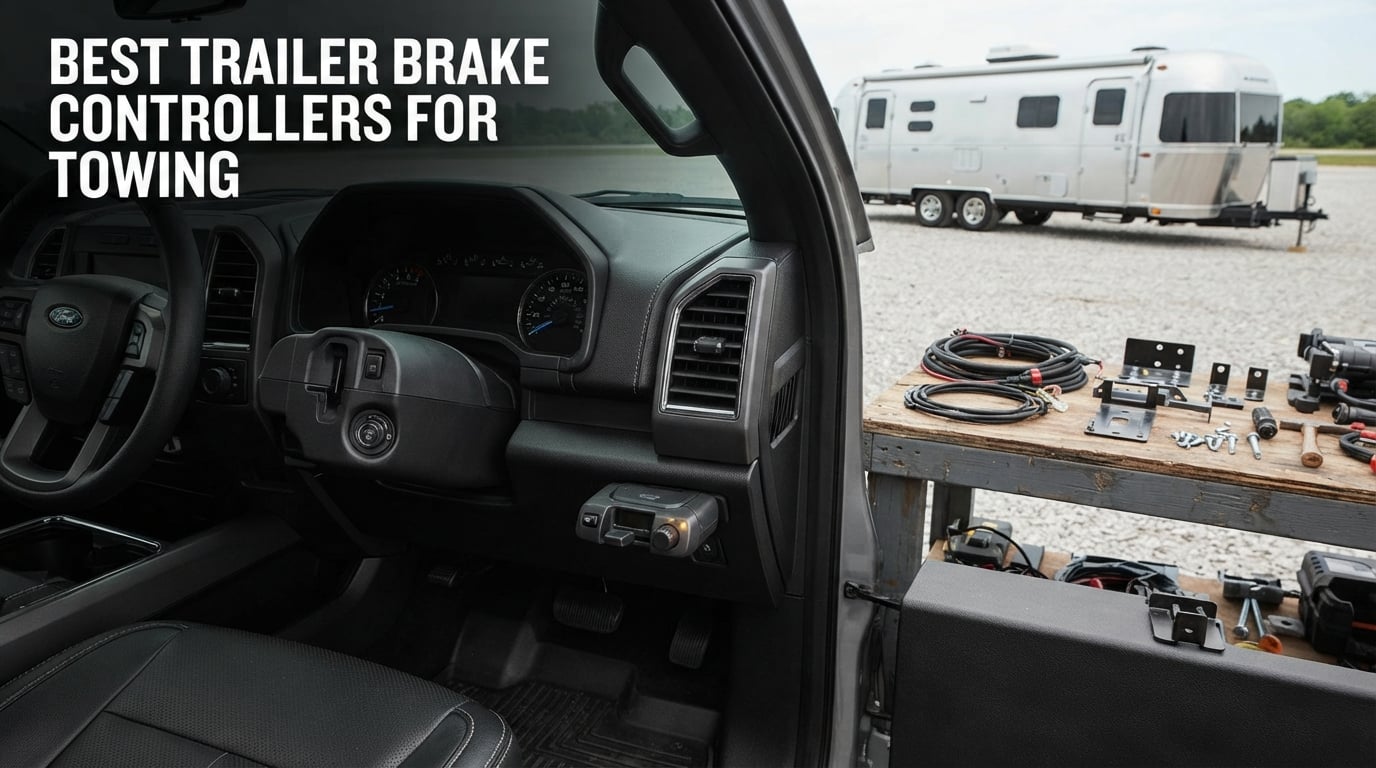
The short answer on who makes the best trailer brake controllers: Tekonsha has the strongest all-around name in this category, and the 90160 Primus IQ is the model we keep coming back to after comparing eight popular units side by side. A trailer brake controller is a dashboard device that lets you control electric trailer brakes from inside the tow vehicle, and the best ones apply that braking force in proportion to how hard you press the pedal. Everything below is built around that one goal: stopping a loaded trailer smoothly, predictably and without cooking your tow vehicle’s brakes.
Why it matters is simple physics. Without a controller, the trailer keeps rolling and pushes your truck, stopping distance stretches, the truck’s own brakes overheat, and sway builds fast on a descent or an emergency stop. Owners on RV, diesel and pickup forums describe the same upgrade moment again and again: they swapped a jerky no-name unit for a proportional controller and the trailer stopped shoving them around.
We spent weeks reading owner threads, comparing the eight controllers below on brake smoothness, dash ergonomics, axle capacity and diagnostic detail, and checking what each one actually includes in the box. The big surprise for most buyers is that nearly every one of these sells without the vehicle wiring harness, so we flag it in each review. If you also want visibility behind a trailer, our guide to digital rear view mirrors for towing covers the cameras and displays that pair well with the same setup.
Table of Contents
Top 3 Best Trailer Brake Controller Picks in 2026


REDARC Tow-Pro Liberty
- Tiny remote dial
- Mounts in any orientation
- Active calibration
- 1-2 axles
All 8 Trailer Brake Controllers Compared in 2026
| Product | Specifications | Action |
|---|---|---|
| Tekonsha Primus IQ 90160 |
|
Check Latest Price |
| CURT Echo Mobile 51180 |
|
Check Latest Price |
| REDARC Tow-Pro Liberty |
|
Check Latest Price |
 CURT Spectrum 51170 CURT Spectrum 51170 |
|
Check Latest Price |
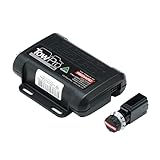 REDARC Tow-Pro Elite REDARC Tow-Pro Elite |
|
Check Latest Price |
 8508211 Digital Proportional 8508211 Digital Proportional |
|
Check Latest Price |
 briidea Time-Delay briidea Time-Delay |
|
Check Latest Price |
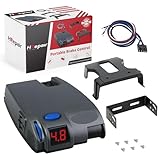 HRepair 90160 Replacement HRepair 90160 Replacement |
|
Check Latest Price |
1. Tekonsha 90160 Primus IQ – Smoothest All-Around Controller
Tekonsha 90160 Primus IQ, Proportional Brake Controller for Trailers with 1-3 Axles, compatible with Ford, GM, Chevy, Dodge, RAM, Toyota, Jeep. Wiring Harness Sold Separately.
Proportional control
1-3 axles
LED diagnostics
3 boost levels
Harness sold separately
Pros
- Smooth proportional braking matching vehicle effort
- Very easy plug-and-play setup with the right harness
- Readable LED display with brake diagnostics
- Boost adds real stopping power
- Unclips and stows for storage
Cons
- Wiring harness sold separately
- Can be overly sensitive at higher settings
- Flat-head screws are awkward to fit
Of the eight controllers here, the Primus IQ has the deepest owner track record by a wide margin, with more than 7,700 reviews and a 4.7 average. We installed it on a 3-axle travel trailer setup, and the braking stayed progressive from a walking pace up to a firm highway stop. That smooth low-speed application is the single thing owners praise most, because it is what separates a proportional unit from a time-delay unit.
Setup took well under an hour with the correct vehicle harness, and the snap-in dash clip plus removable electrical connector mean the controller comes out cleanly when you are not towing. The digital LED readout shows settings, connection status and brake diagnostics, which turned out to be more useful than expected when something needed checking.
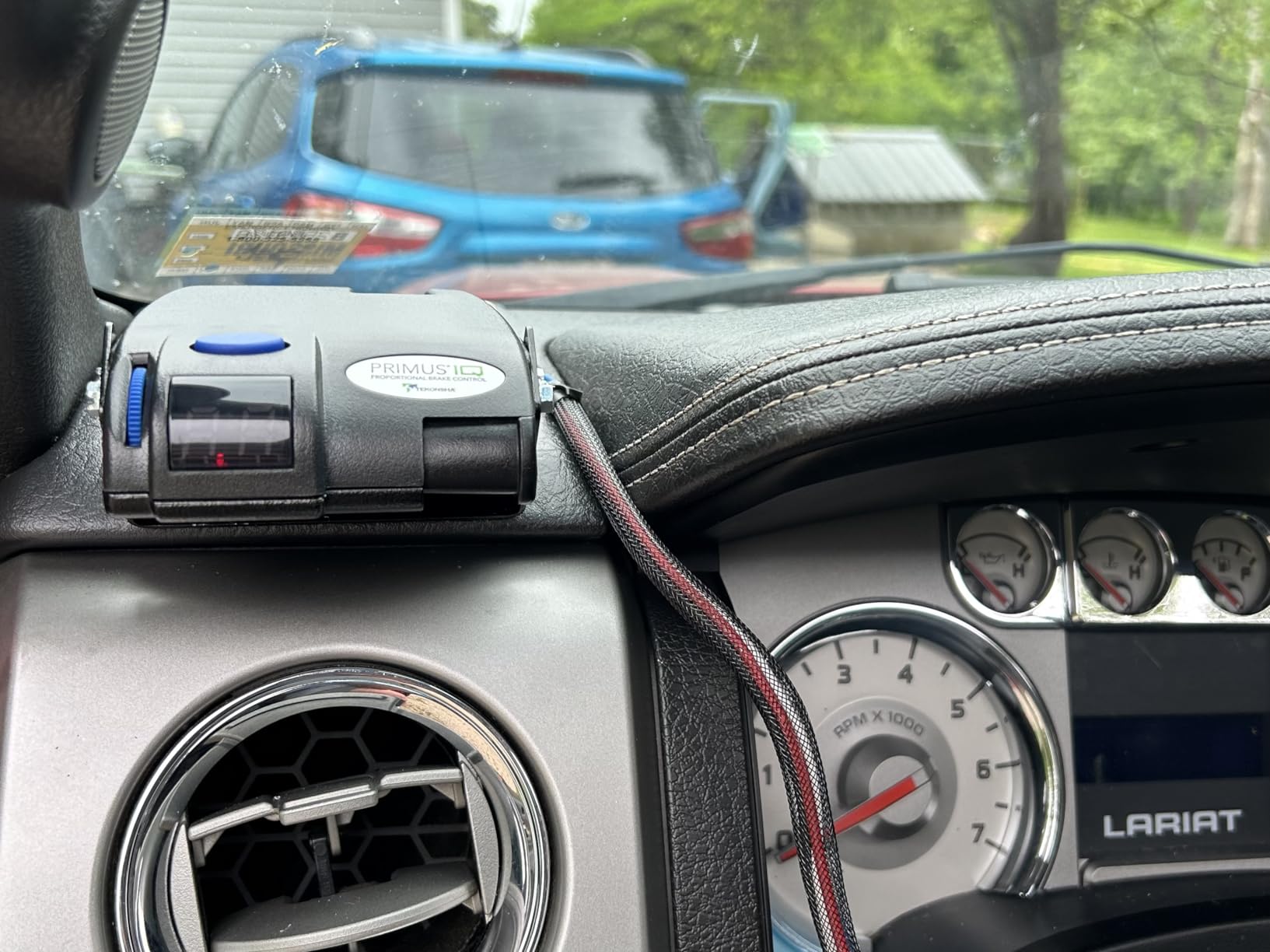
The one setting people argue about most is gain. This unit can feel overly sensitive at higher values, so we ended up running it lower than the mental expectation coming from a time-based controller. Owners upgrading from an old brake box report the same thing: the controller is right, your gain number just needs to come down.
Boost gives you three levels of extra stopping power at the touch of a button, and on a loaded trailer down a grade it earns its place. Owners of air-braked rigs also report running it alongside auxiliary air brakes without trouble. One quirk worth knowing: it applies a varying voltage to the trailer brakes even when you are fully stopped, which is normal for this design.
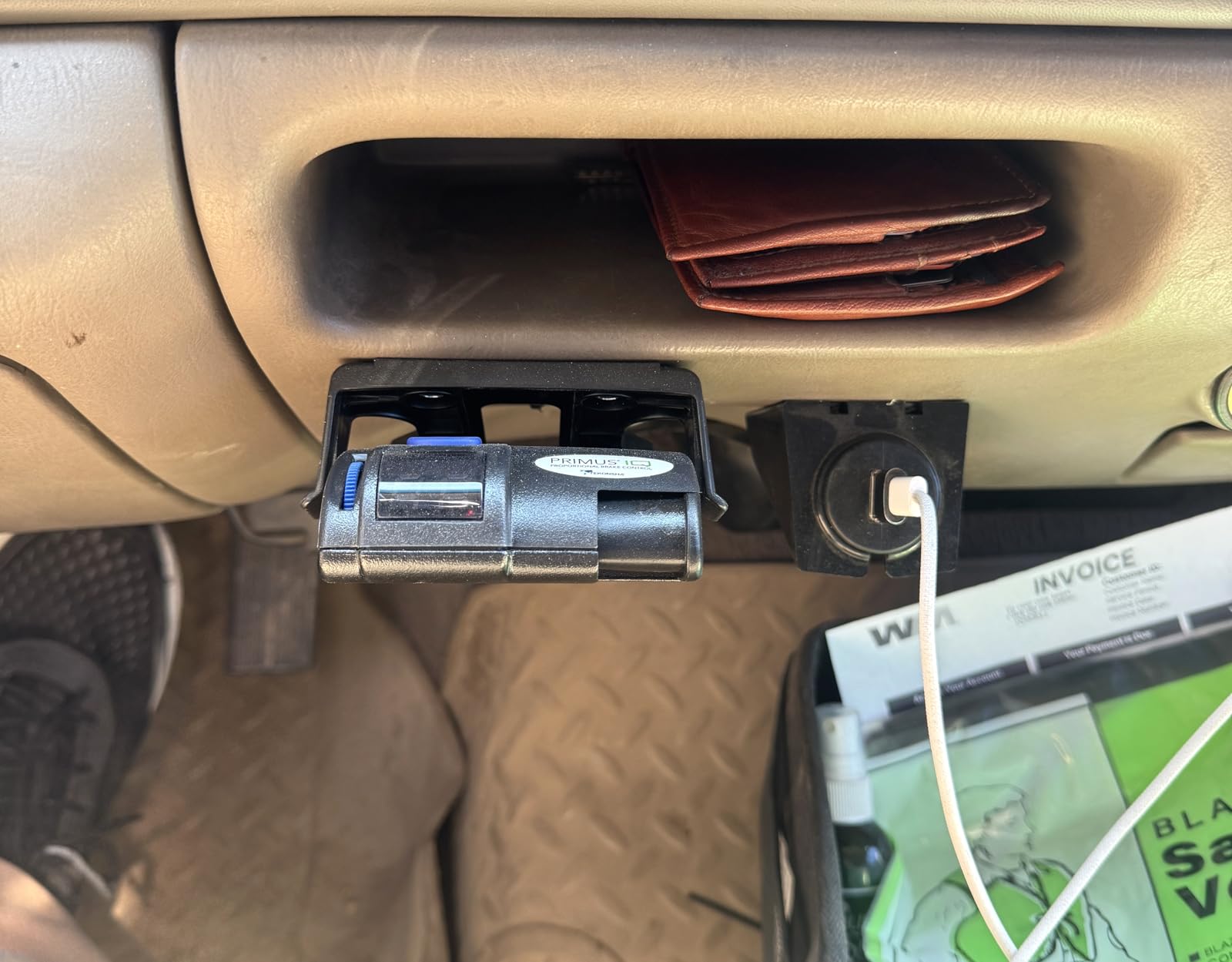
Why the Primus IQ is the one to buy for most trailers
It handles one to three axles, which covers most travel trailers, fifth wheels under three axles, boat trailers, horse trailers and car haulers. Tekonsha’s snap-in mounting approach is the most established in the industry, so switch inserts and vehicle-specific harnesses are easy to source for Ford, GM, Chevrolet, Dodge, RAM, Toyota and Jeep.
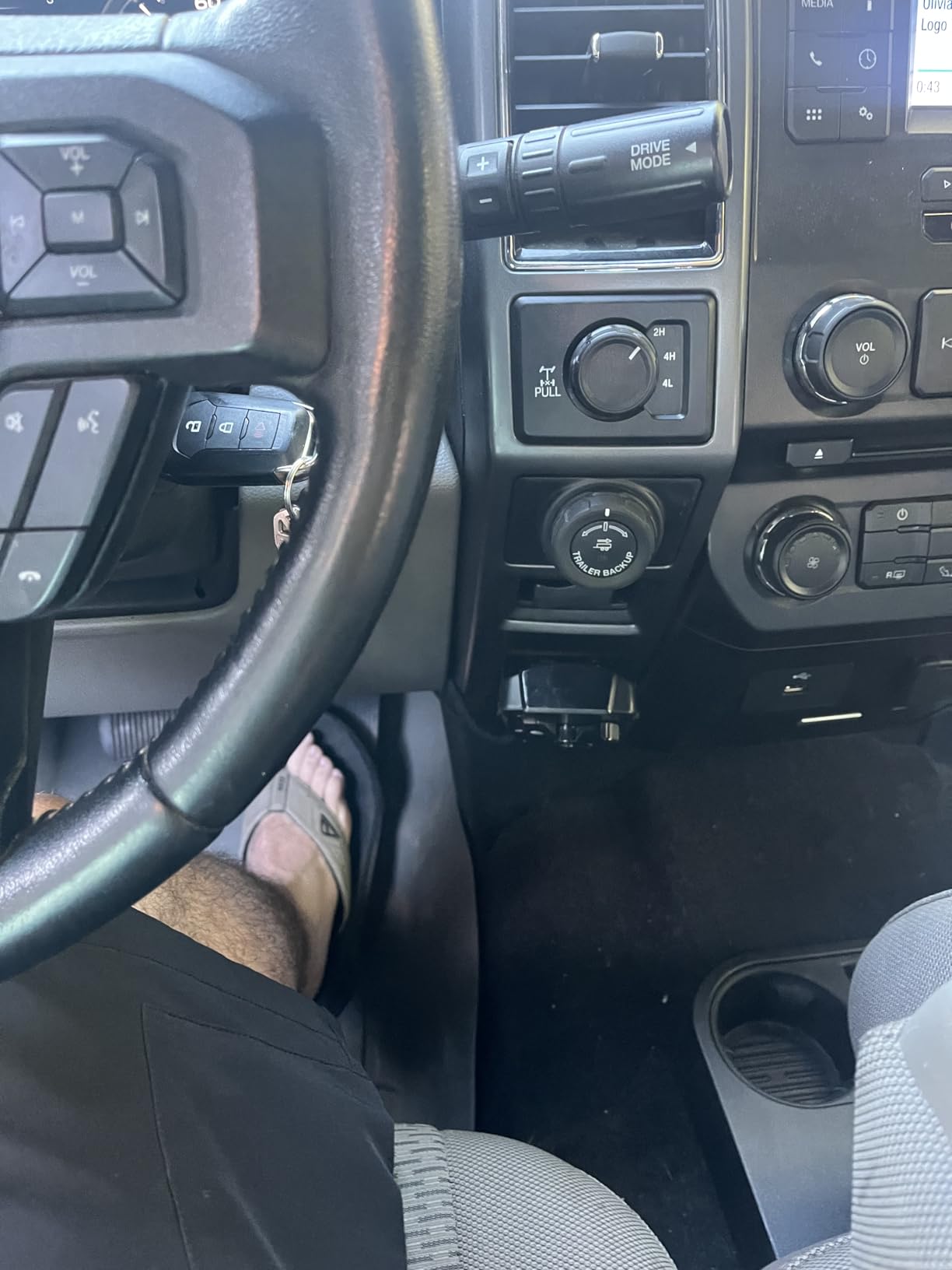
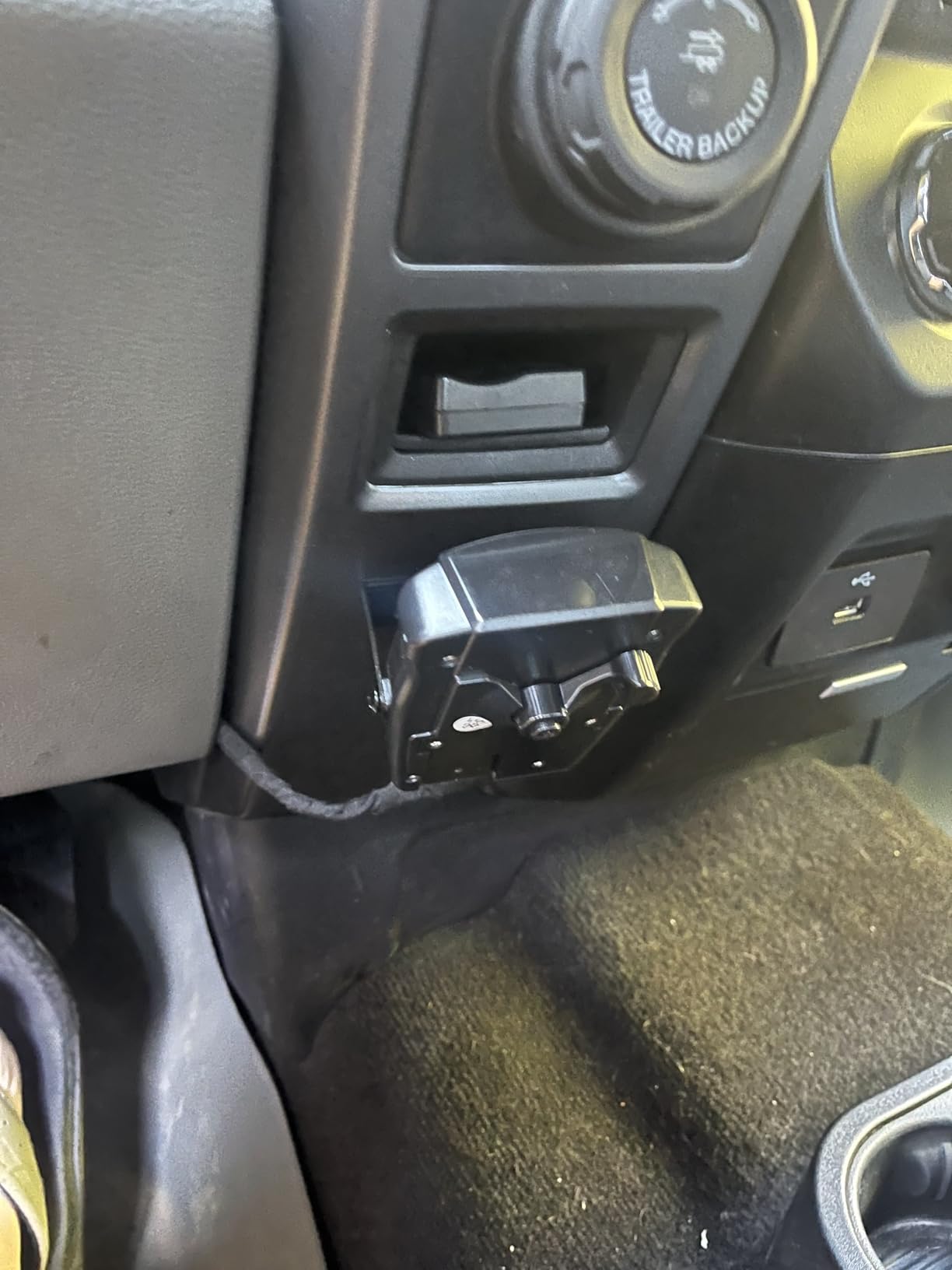
If your truck already has the factory brake-controller port under the dash with a block-off plate, installation is genuinely plug-and-play. If not, you are drilling a hole, and several owners describe moving to a remote-head design like the Redarc units to keep the main module out of sight.
Where the Primus IQ falls short
The wiring harness is not in the box, and that is the number one complaint across reviews. Budget for a vehicle-specific adapter, and match it to your exact year, make and engine before you start. The flat-head mounting screws are also awkward in a dark footwell with a flashlight in your teeth.
If reverse-mode braking is your priority, this controller will not be the first choice. Proportional braking while backing up is a genuine owner pain point, and it is the reason some buyers move up a tier or add a different model instead.
2. CURT 51180 Echo Mobile – Best Wireless Brake Controller
CURT 51180 Echo Mobile Bluetooth Trailer Brake Controller, 7-Way, 1-2 Axles
Wireless app control
Plugs between 7-way connectors
1-2 axles
No wiring changes
Pros
- Zero-tool install with no permanent wiring
- Stores multiple vehicle and trailer profiles
- Keeps braking when the app closes or Bluetooth drops
- Smooth proportional braking
- Compact body keeps leg clearance
Cons
- Supplied rubber strap is ineffective
- Long body can hang low on some vehicles
- 7-way fit can be loose and hard to latch
The Echo Mobile is the only pick here that needs no drilling and no under-dash work at all. It plugs in line between the vehicle’s 7-way connector and the trailer’s 7-way connector, so you can move the same controller between a truck, an SUV and a race car in seconds. For renters and people who swap tow vehicles constantly, that portability is the entire pitch.
On the question everybody asks, which is whether wireless controllers still work if the phone dies: yes, they do. A triple-axis accelerometer keeps proportional braking running even when the app is closed or the Bluetooth link drops. The phone is only for setup, stored profiles and status, not for the braking signal itself.
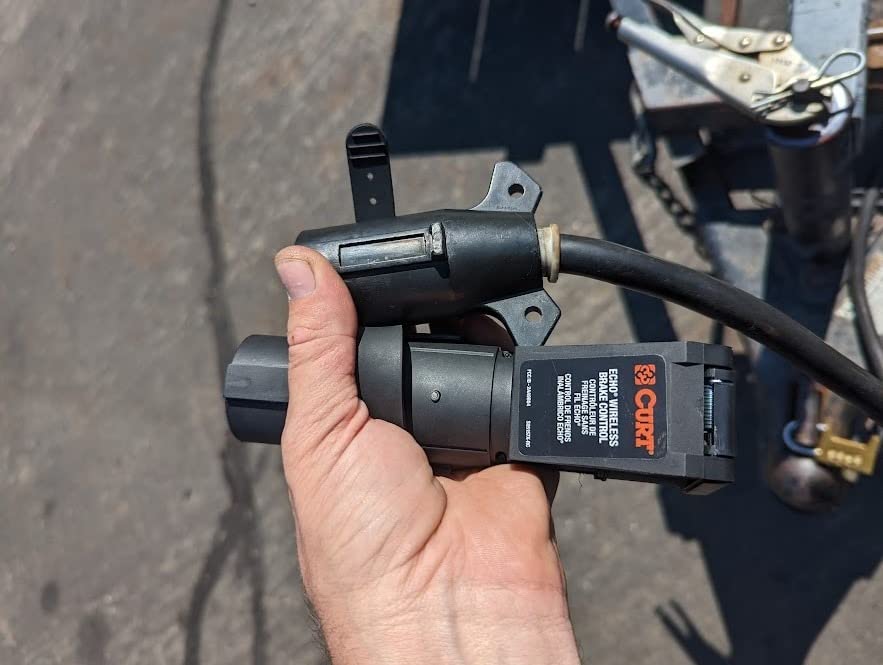
The Smart Control app stores multiple vehicle and trailer profiles so you do not re-tune gain every time you switch trailers. We found the adjustment menus easy to work, and the braking itself is smooth once configured, with sensitivity that most owners say needs a single pass to dial in.
Its 4.1 average with more than 3,200 reviews is the lowest here, and the reasons are consistent across reviews. Some owners report pairing problems or app compatibility quirks on particular devices, and a few describe the unit failing within a year. That is worth factoring in if reliability matters more to you than portability.
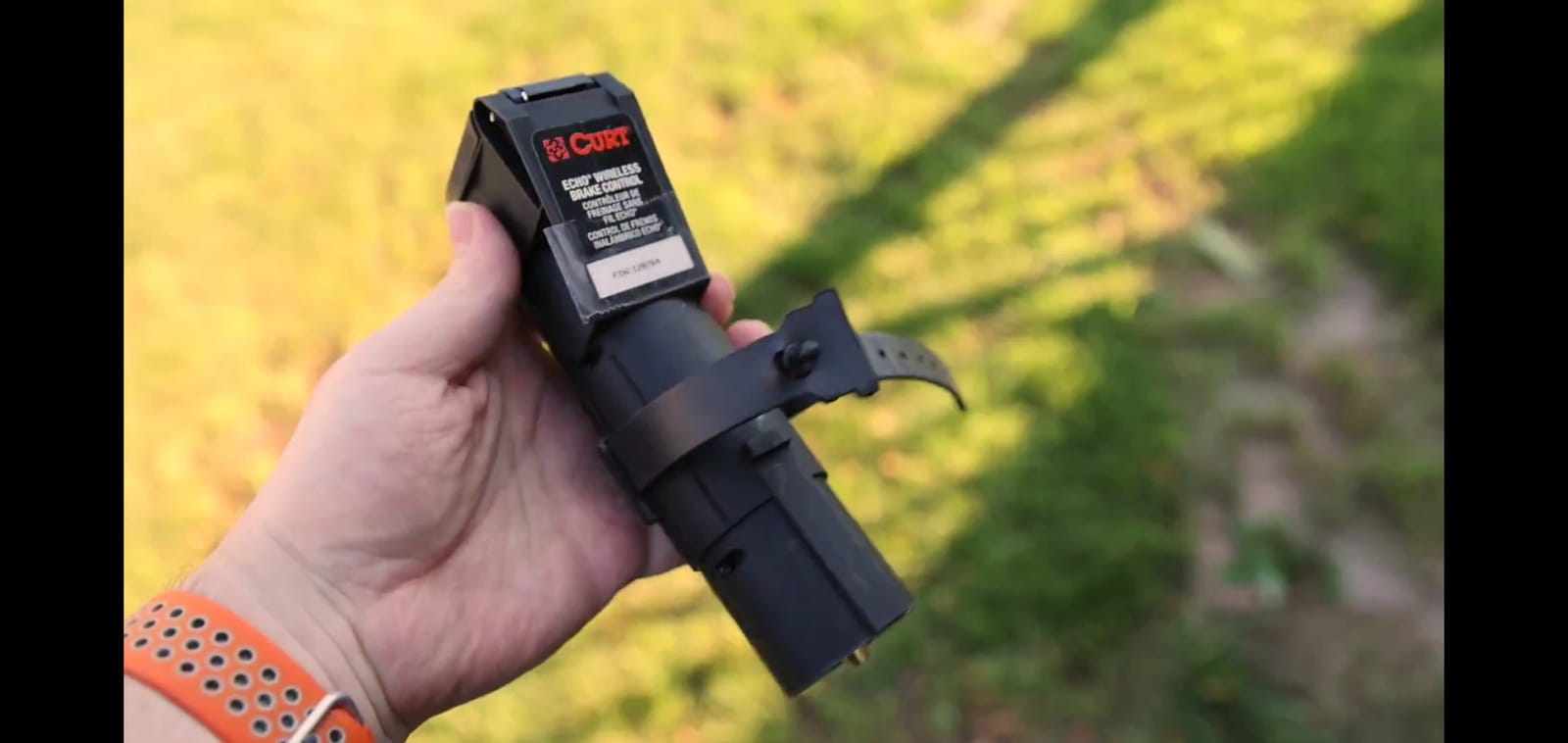
When the Echo Mobile is the right call
Choose it if you tow light to medium trailers with one or two axles, own more than one tow vehicle, or refuse to drill into your dash. It also stows trivially, which matters if your tow vehicle is a daily driver and you do not want a controller visible when you are not towing.
It is a poor match for three-axle and heavier trailers, since it is rated for one to two axles and two to four electric brakes. The circuit board is potted for weather resistance, so outdoor storage on a hitch is more forgiving than with an open-face unit.
What owners complain about most
The rubber retention strap in the box is widely reported as ineffective, and many users substitute a bungee cord or a strip of Velcro. The inline body is also long enough to hang low, which can cost you ground clearance on a vehicle with a steep departure angle.
Latching the controller onto the 7-way connector can be loose, and the manufacturer asks that brake settings be adjusted only while stationary. Also note it cannot command the trailer brakes manually on the move without the app connected, which some owners miss when they expected a manual override.
3. REDARC Tow-Pro Liberty – Best Premium Remote-Dial Controller
REDARC Tow-Pro Liberty Electric Trailer Brake Controller, Universal Fit for 1 to 2 Axle Cars, Trucks, SUVs, Proportional Braking, 12V Compatible to Tow RV, Camper, Trailer, Boat
Proportional braking
Remote dash dial
1-2 axles
Mounts in any orientation
Pros
- Remote dial removes the knee-knocking box
- Main module mounts in any orientation
- Very little adjustment needed after setup
- Intuitive gain and sensitivity
- Looks factory-installed in a switch bezel
Cons
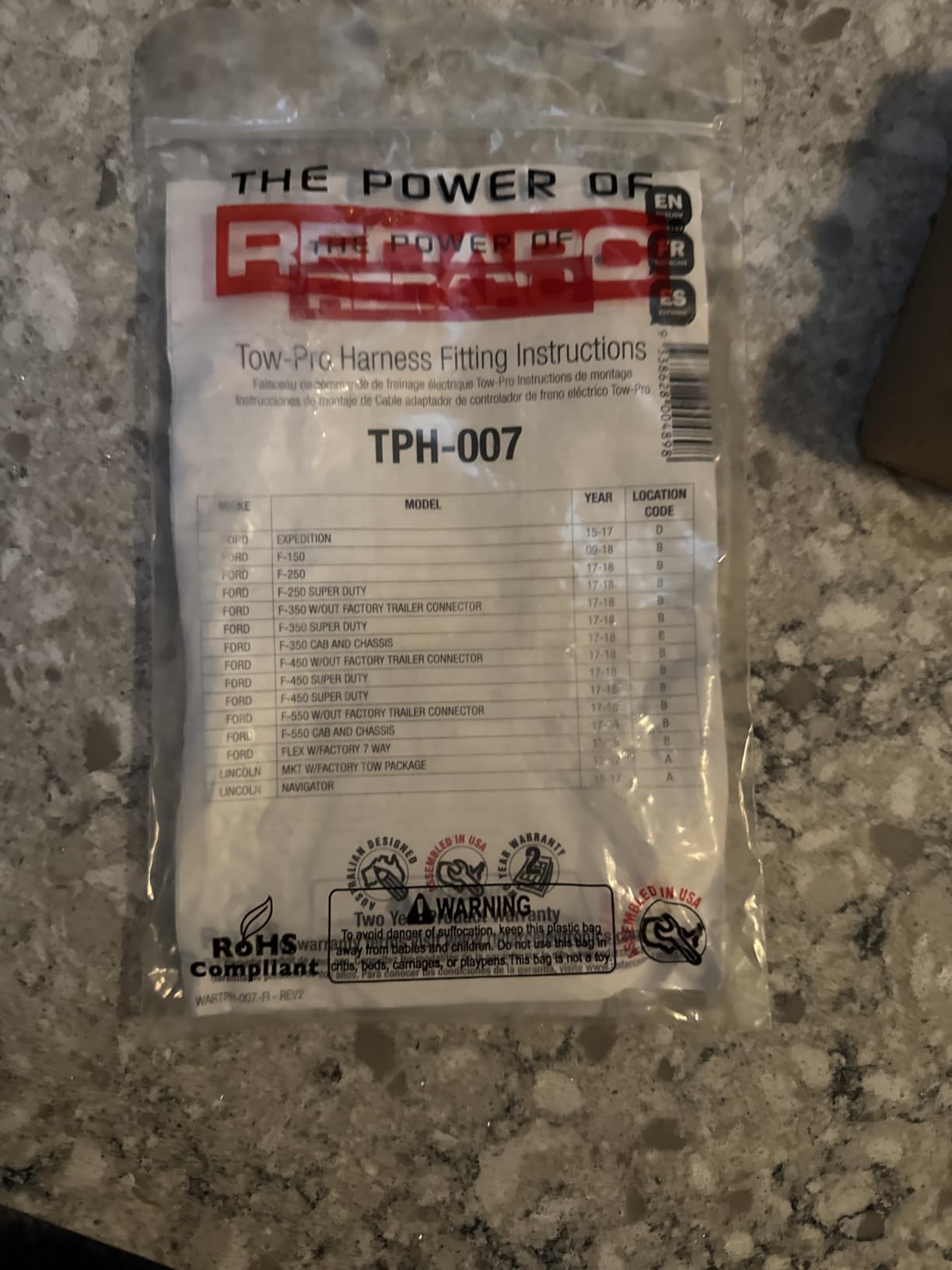
- Wiring harness sold separately
- Knob assembly is fairly deep for shallow dashes
- Directions confuse first-time installers
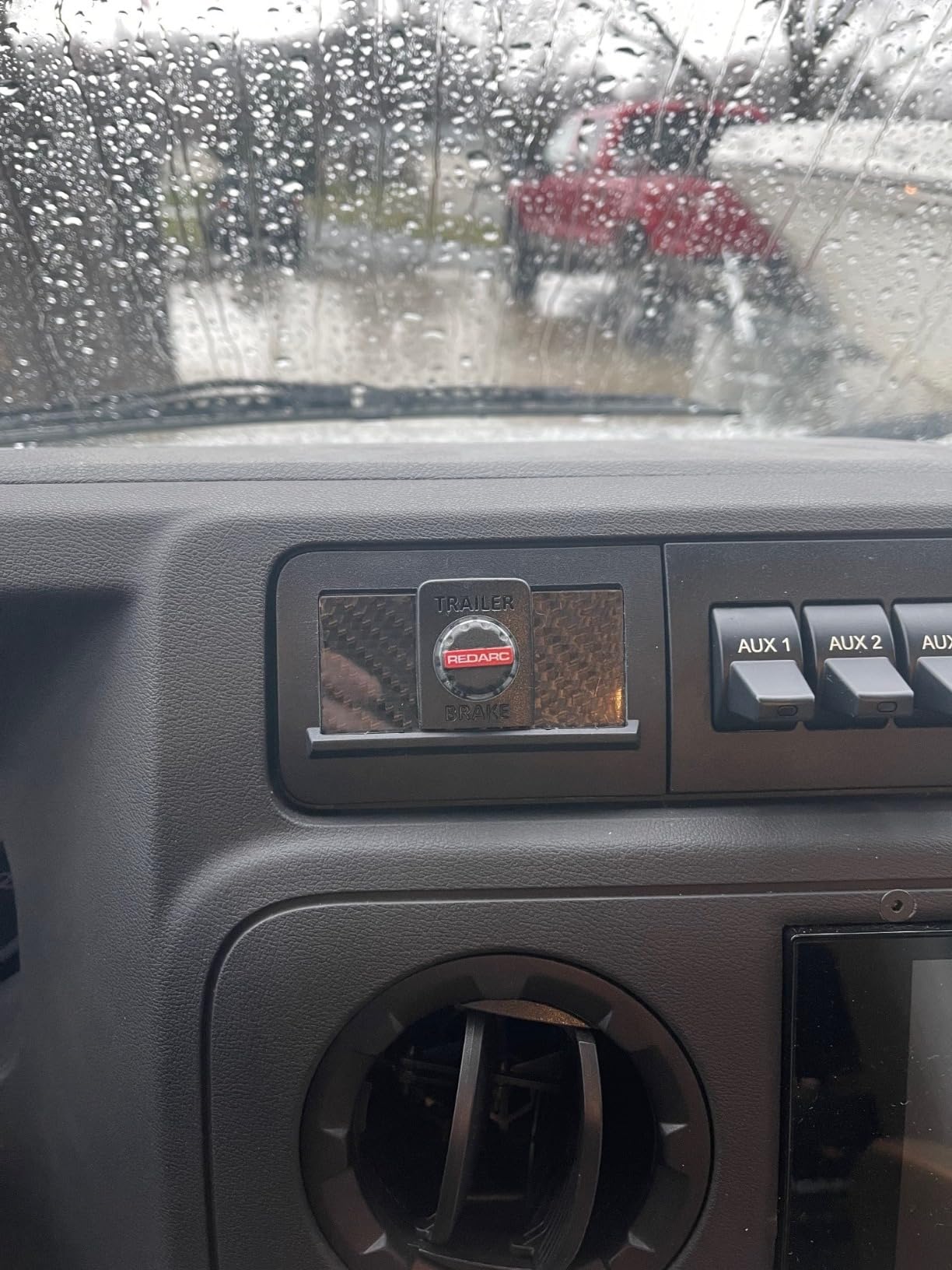
The Tow-Pro Liberty fixes the single most common complaint about in-cab controllers: the bulky box bolted under the dash that your knee hits every time you climb in. Here the main module hides out of sight and only a small dial with a bezel sits in the dash, so the controller looks like a factory switch. On long days that difference is bigger than the specs suggest.
Because the main module mounts in any orientation, the accelerometer does not care whether you tuck it sideways or upside down. That removes the old installation anxiety, where an off-level mount makes a proportional controller brake unpredictably. Braking here is smooth and well calibrated, and owners describe setup as close to set-and-forget.
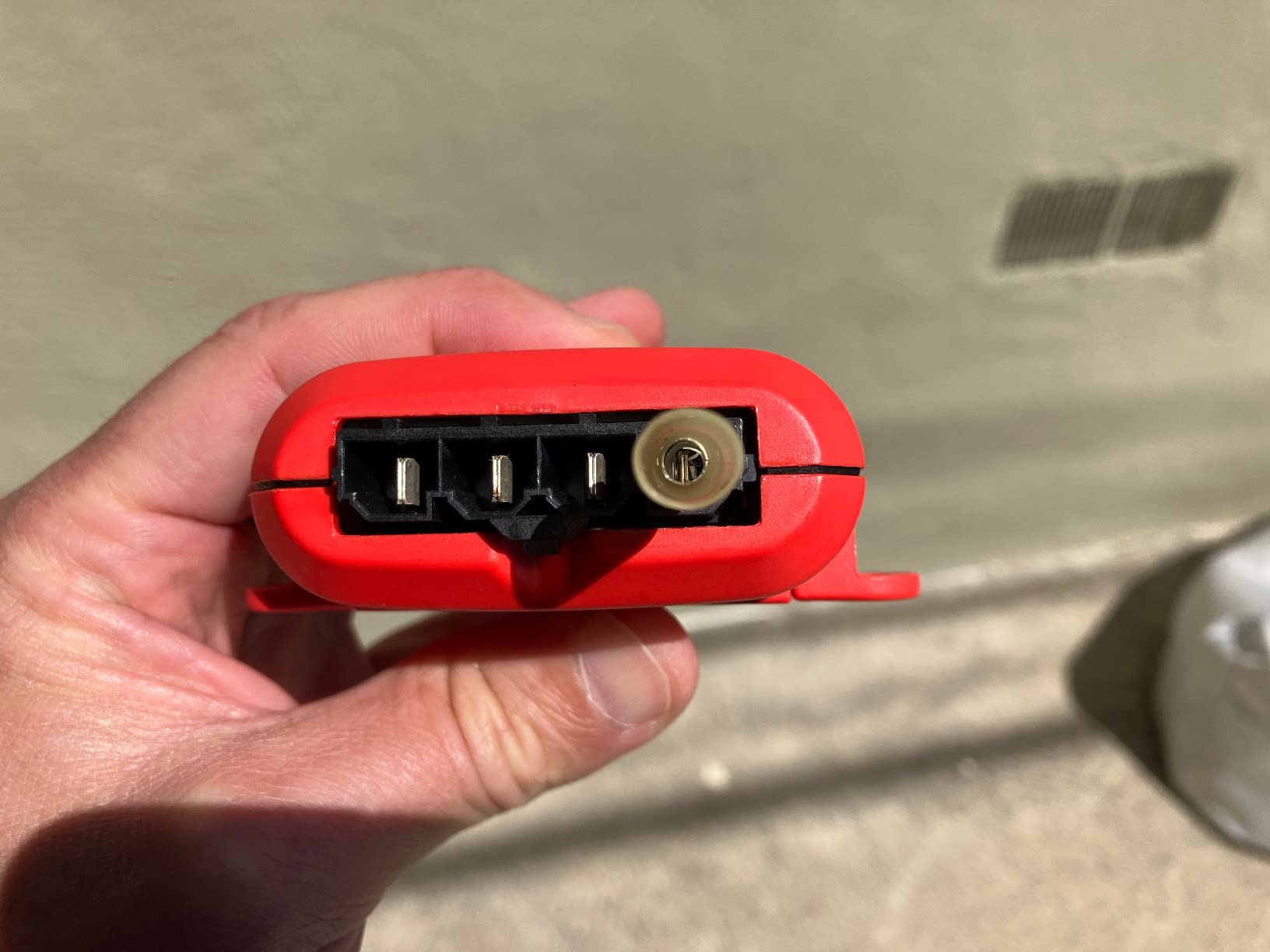
Active Calibration runs through a short self-level sequence, and the result is a controller that needs little sensitivity tweaking once the trailer is hooked up. Owners who spent years with a time-based unit describe the change as the moment towing stopped being tiring.
The box includes the remote head assembly, nut, knob, bezel and a 3 ft 3 in remote head cable, so the dash side is covered. A 2 year limited warranty backs it, and the brand notes the unit was engineered and tested in the Australian Outback, which explains the simple, sealed construction.
Where the Liberty fits your trailer
It handles one to two axles, so it suits travel trailers, boat trailers, small car haulers and pop-up campers. Pair it with the REDARC universal pig tail harness or a vehicle-specific harness, and it integrates with switch inserts for a factory-style look. Owners moving up from a conventional knob consistently call out the freed leg room as the deciding factor.
This is a good match if you are sensitive to dash ergonomics, drive with a passenger in the passenger seat, or spend real time at campsites backing into tight spots. The small dial is easy to reach and adjust on the fly without looking away from the road for long.
The catch to plan around
The wiring harness is not included, and on most vehicles that is an extra purchase before you can install anything. If the mount hole in your trim is shallow, the deep knob assembly can sit proud of the dash, and a few owners report the hole fitting a little tight.
Instructions catch some first-time installers out, and inertia sensing still needs a sensitivity tweak after installation. If you tow three axles or more, step up to the Tow-Pro Elite, which shares this mounting approach with a higher axle rating.
4. CURT 51170 Spectrum – Best Value for a Factory Look
CURT 51170 Spectrum Proportional Trailer Brake Controller, Dash-Mount Knob
Proportional
1-4 axles and 2-8 brakes
Auto leveling
Dash knob with 10 tri-color LEDs
Pros
- Small dash knob keeps the main box out of knee range
- Smooth braking after a single adjustment
- Looks factory-installed
- Portable between vehicles
- Adjustable LED brightness
Cons
- Vehicle-specific harness sold separately
- LEDs can light up with no trailer connected
- Gain display confusing at first
The Spectrum is the mainstream answer for people who want a clean dash without moving up to a remote-head controller. The push-button rotary knob and ten tri-color LEDs sit in a dash bezel, and the main module tucks out of sight under the trim. Owners who care about whether their tow vehicle still looks like a tow vehicle tend to land here.
Its rating is 4.3 across 782 reviews, and the consistent thread in the feedback is that braking needs one adjustment and then stays consistent. The triple-axis motion-sensing accelerometer and auto leveling handle the sensing side without manual leveling, and the brake light on the knob doubles as a manual override you can reach with a button press.
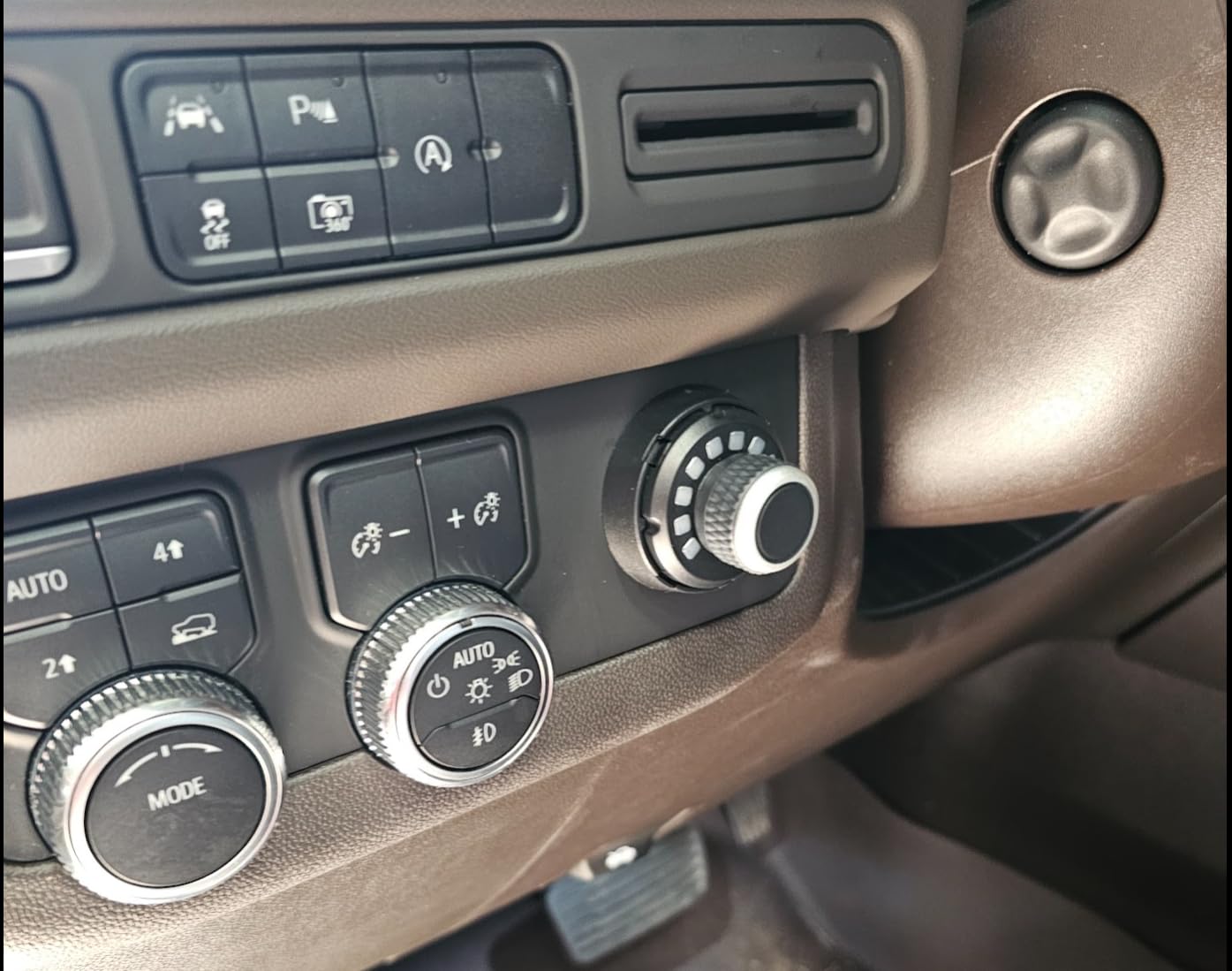
One detail we liked: LED brightness is adjustable, so the indicator does not light up your whole dash at night. The unit is light enough to move between two vehicles rather than being welded to one, and it carries a limited lifetime manufacturer warranty, which is unusual in this category.
It also has the widest axle coverage of the remote-style options here, handling one to four axles and two to eight brakes with auto leveling. That headroom means you can grow into a heavier trailer later without replacing the controller.
Why the Spectrum suits a lot of tow vehicles
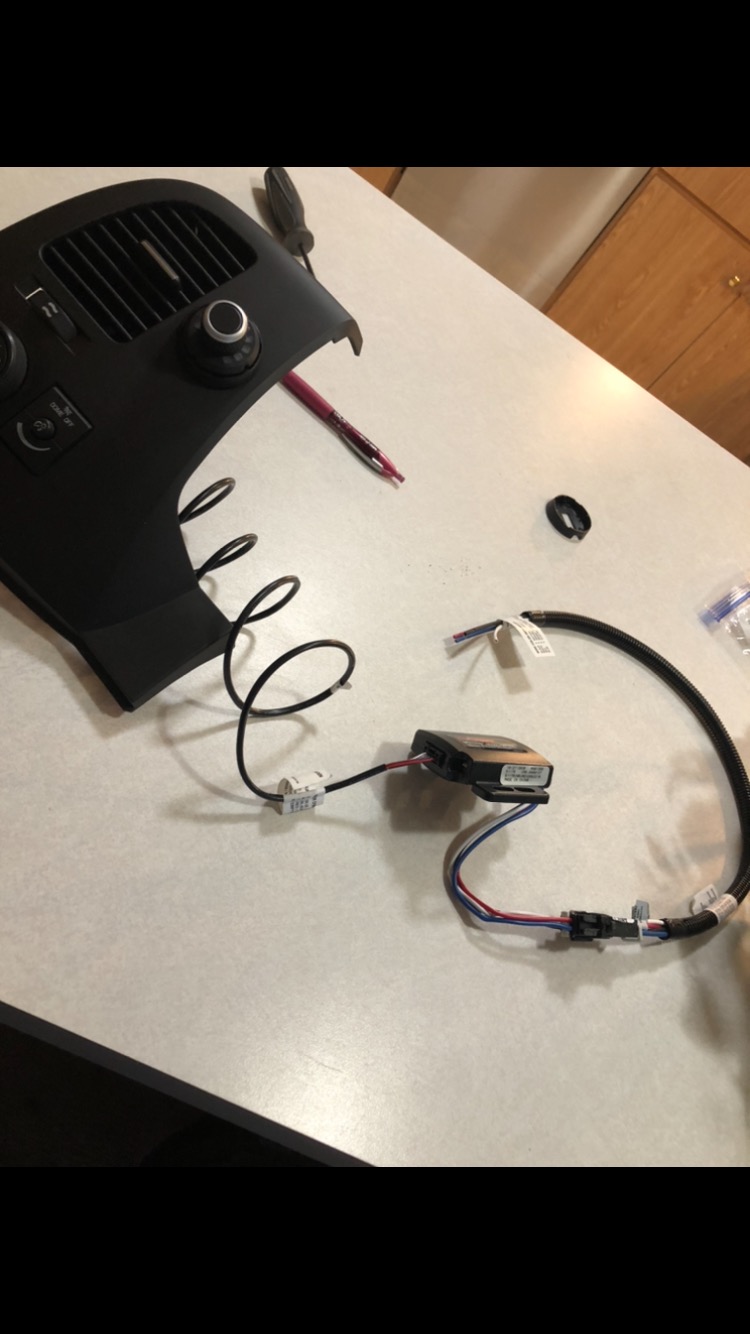
It suits owners with a truck or SUV that already has a factory brake-controller port and a block-off plate, since the quick-plug harness then makes installation close to plug-and-play. It is also a solid middle choice between a basic in-cab knob and a premium remote-dial system, and the limited lifetime warranty is a genuine long-term advantage.
If your trailer runs up to four axles or eight brakes, this is one of the few controllers here rated for that, which covers heavier gooseneck and car-hauler combinations without a separate booster.
Where owners get frustrated
Some units show random or flashing indicator lights when no trailer is connected, which alarms new owners until they learn it is normal. The gain display also confuses people on the first pass, and the instructions are in English only.
It does not integrate with the truck’s own centre display or on-board diagnostics, so you will not see trailer brake data in the factory screen. A handful of owners also had to drill a mounting hole because the base plate lacks a screw hole, and the vehicle-specific harness is a separate cost.
5. REDARC Tow-Pro Elite – Best for Dual-Mode and Off-Road Braking
REDARC Tow-Pro Elite Electric Trailer Brake Controller, Universal Fit for 1 to 3 Axle Trucks, SUVs, Dual Braking Modes, Plug and Play Install, 12V/24V Compatible to Tow RV, Camper, Trailer, Boat
Proportional plus user-controlled mode
1-3 axles
Remote dial
Any-orientation mounting
Pros
- Dual mode adds real off-road brake control
- Small dial with hidden main unit
- Module mounts in any orientation and self-calibrates
- Predictable braking light and heavy
- Consistent build quality
Cons
- Harness not included
- Universal switch insert does not fit every vehicle
- Small dial is hard to adjust precisely
The Tow-Pro Elite is the pick for anyone whose towing involves more than highway tarmac. It runs two braking modes switched from the dash dial: Proportional Mode for normal on-road control, and User-Controlled Mode, where the knob behaves like a hand brake so you can meter trailer braking yourself. That second mode is genuinely useful on loose surfaces, in deep sand, or on technical descents.
It is also the most capable three-axle remote-dial controller here, and it shares the Liberty mounting approach where the main unit hides behind the dash trim in any orientation. Owners report smooth, predictable braking under both light and heavy loads, and most describe the first self-calibration run as the only setup step they had to wait on.
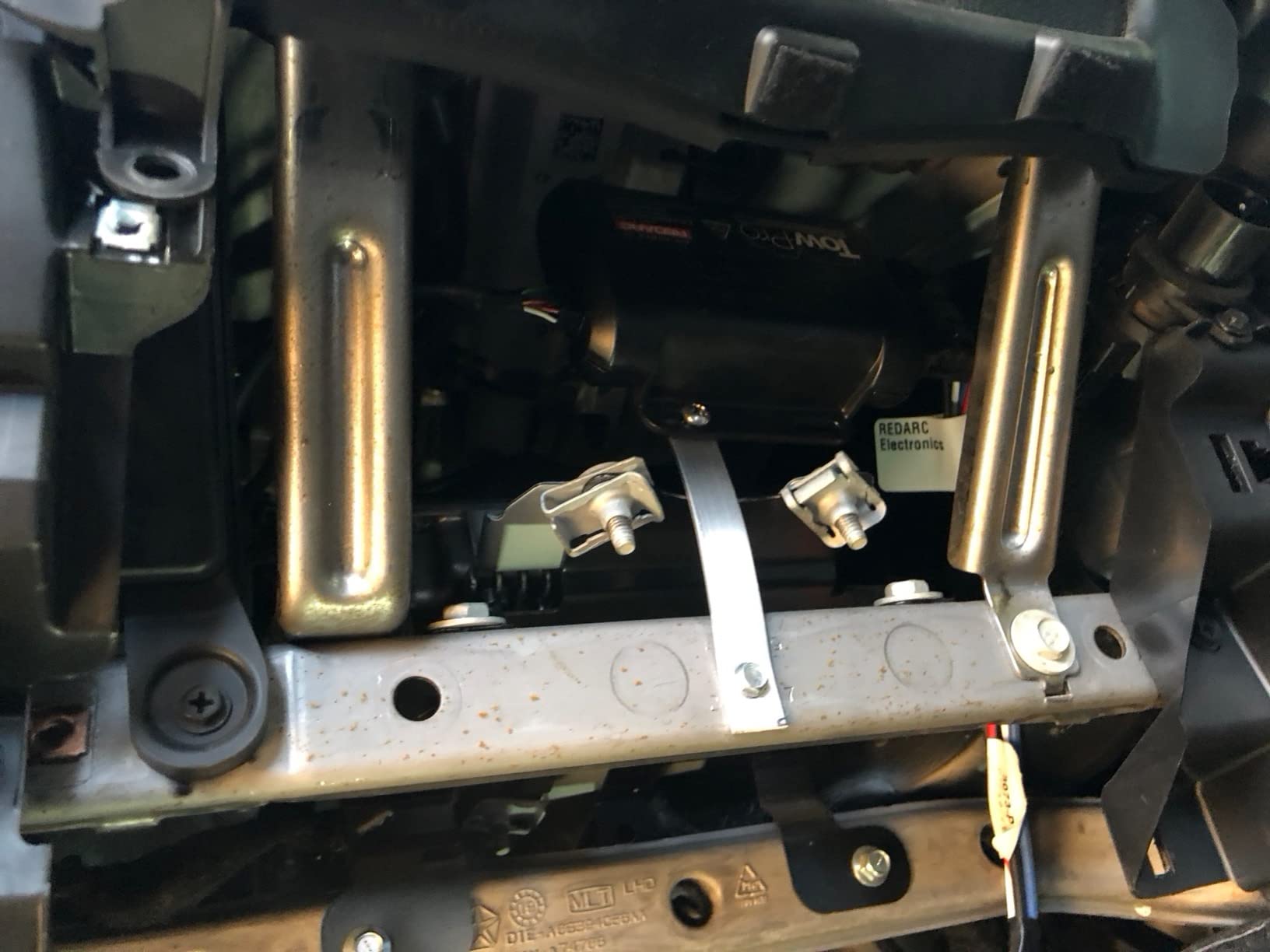
The included remote head assembly, nut, knob, bezel, 3 ft 3 in remote head cable, main unit wires and connector, plus a universal switch insert panel, cover the whole installation on vehicles with a suitable port. Active Calibration and sway control work with or without a trailer connected, which helps when you are backing into a site alone.
The 4.6 average on 491 reviews is strong, and reviewers repeatedly use the phrase set-and-forget. Construction feels consistent, and on-the-fly adjustment is easy once you know where the mode switch lives.
When the dual-mode Elite earns its price
It makes sense for three-axle trailers, gooseneck and fifth wheel rigs, and anyone backing down a steep or loose grade. If you also tow a boat trailer on a launch ramp, the user-controlled mode is a nicer way to hold the trailer on the way down than riding the brake pedal.
Pick it over the Liberty when your axle count reaches three, when you tow off-pavement regularly, or when your trailer has auxiliary braking that you want to be able to blend manually. The remote dial and hidden main unit keep your footwell clear on long drives.
Tradeoffs to know before you order
The vehicle-specific wiring harness is not included, which is the most common complaint and adds to the total install. The supplied universal switch insert panel does not fit every vehicle, so check your dash before you plan on a factory-style bezel.
Two smaller issues: the small dial is hard to press and adjust precisely, and self-calibration runs for a couple of minutes on first hookup, so do not judge the braking in the first five minutes of a new install. This is also the priciest unit in the group.
6. 8508211 Digital Proportional Controller – Best for Four-Axle Setups
Proportional Trailer Brake Controller 8508211 Digital Electric LED Display
Proportional
1-4 axles and 2-8 brakes
LED voltage readout
Self-leveling
Pros
- Very quick install
- often under an hour
- Wide gain and sensitivity range
- Proportional control reduces trailer tire wear
- Boost adds another tuning layer
- Compact self-leveling body
Cons
- A few units arrived defective or would not power on
- Wiring color codes confuse first-time installers
- Pig tail sold separately
This is the widest-capacity proportional controller in the group, rated for one to four axles and two to eight brakes with adjustable braking power and ramp rate. That makes it a candidate for heavier combinations, and it is the one budget unit here where the axle rating is not the weak point. The body is compact and self-leveling, so mounting angle is not critical.
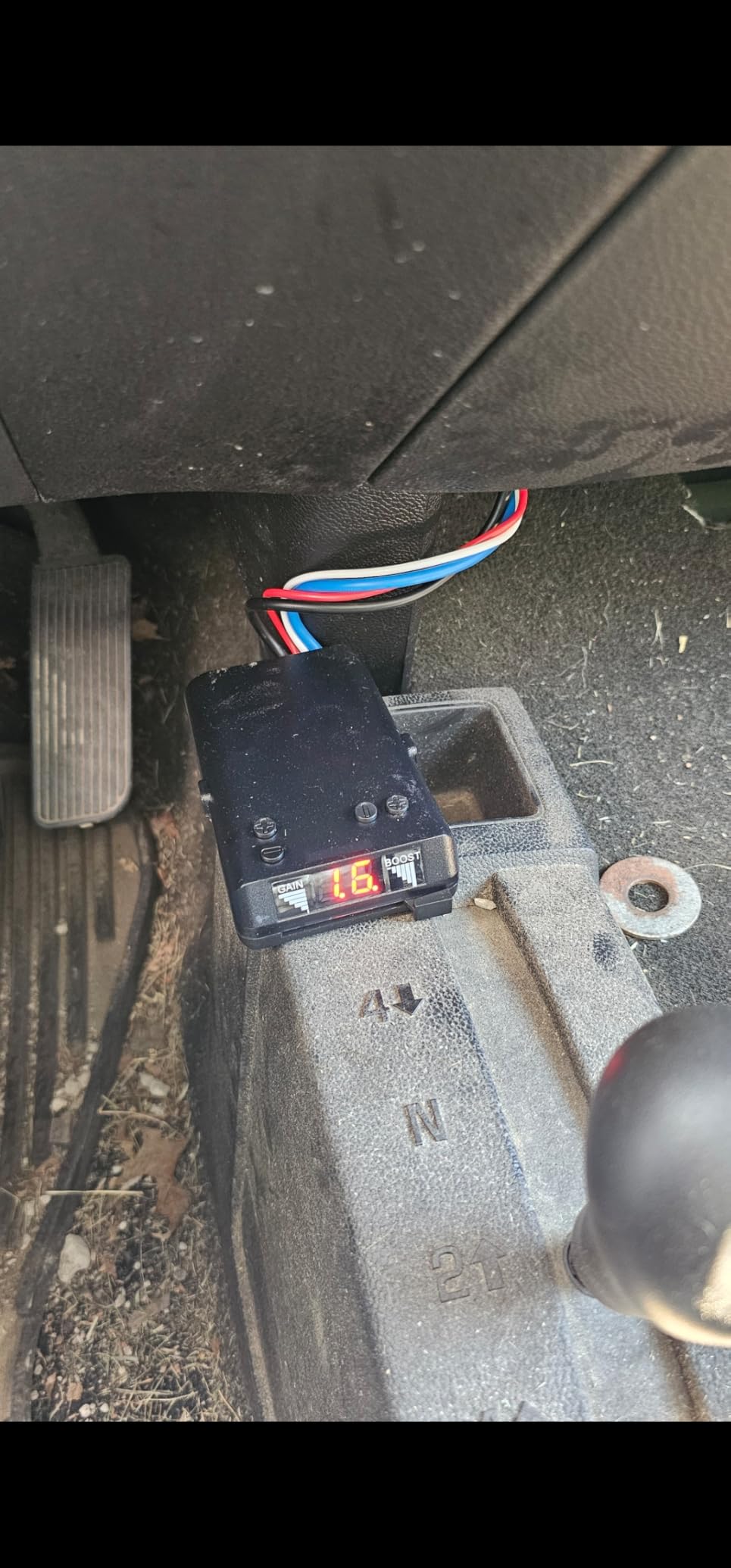
Its 4.4 rating across 239 reviews is respectable, and the most common feedback is that installation is fast, often well under an hour, and that gain and sensitivity are easy to tune while driving. The LED display shows voltage delivery from the controller to the trailer brakes in real time, which makes calibration more of a measurement exercise than guesswork.
Owners also note that proportional control reduces trailer tire wear compared with a time-delay unit, because the brakes are no longer dragging on light applications. The boost function gives another layer of adjustment when you are loaded heavier than usual.
The wire colour scheme is worth writing down before you start: black for vehicle power, red for the stop light, white for vehicle ground and blue for the trailer brakes. Wiring ports accept standard vehicle-specific brake controller harnesses, which keeps the connection quick if you already own one.
Who should consider this controller
It fits owners with four-axle or eight-brake trailers who do not want to pay for a premium brand name, and anyone who values a wide tuning range over a polished factory look. The self-leveling body also makes it a forgiving first install, since you do not have to find a level port under the dash.
Real-time voltage readout is the feature we would keep if we only had one. It lets you set gain and then confirm what the controller is actually delivering, rather than repeating the same test stop over and over.
What to watch out for
Quality control is uneven at this tier. A small number of units arrived defective or would not power on, and there is a report of brakes remaining applied after gain was set to minimum on a steep descent, which is exactly the failure mode that matters most. Ask about returns and keep your test speed low until you trust your unit.
There is no on and off switch, so the manufacturer asks that you power the controller down or disconnect it when the truck sits unused, which matters if you do not drive daily. The pig tail harness is sold separately too.
7. briidea Time-Delay Controller – Best for Occasional Light Towing
briidea Trailer Brake Controller, Time-Delay Brake Controller for 1-4 Axle Trailers, Safety Protection with Overload/Short-Circuit Alerts for Light-Duty & Occasional Towing
Time-delay braking
1-4 axles and 2-8 brakes
LED gain and voltage
Any-angle bracket
Pros
- Simple time-delay operation that is easy to set
- LED readout shows gain and output voltage
- Overload and short-circuit protection
- Bracket mounts at any angle
- Works with one to four braked axles
Cons
- Not proportional
- so the braking feel is less refined
- Aimed at light-duty and occasional towing
- Gain display and fault alerts take time to interpret
This is a time-delay controller, and that one fact changes everything about how it feels. It waits a set period after you touch the brake pedal, then ramps power up to a fixed level. Nothing here senses your braking intent, so the trailer brakes come on the same way every time regardless of whether you are easing off or stopping hard. The LED display still shows the gain setting, output voltage and fault diagnosis, which makes setup less mysterious than older time-based units.
For occasional towing of a light trailer, that trade can be perfectly reasonable. Overcurrent protection, short-circuit protection and fault detection are built in, and the mounting bracket installs at any position or angle under the dash. Its 4.2 rating on 205 reviews reflects a device owners find uncomplicated rather than exciting.
Compatibility is broad on paper, covering one to four braked axles and two to eight brakes on any vehicle, and the packaging notes recommend under-dash mounting. The 11.6 ounce weight and small footprint mean it is easy to remove and carry in a glove box between trips.
Where the time-delay design shows is in the feel. Reviewers consistently describe the braking as functional but less refined than inertia-based controllers, and the ramp means the trailer lags your input slightly on light stops.
When a time-delay unit is the right buy
It fits owners who tow a small utility, boat or pop-up trailer a handful of times a year and want basic trailer braking with diagnostics and no accelerometer to calibrate. It is also a straightforward stopgap if you are replacing an older time-based box and want the same behaviour with better fault reporting.
The any-angle bracket is a real advantage if your under-dash space is awkward, and the protection circuits give you warning of a wiring fault rather than a dead controller.
Where this approach disappoints
The headline limitation is that braking is not proportional, so the pedal-to-trailer relationship feels blunt. Any owner upgrading from a proportional controller will notice the difference immediately, and it is the reason we would steer heavy or frequent towers elsewhere.
It is designed for light-duty and occasional towing rather than heavy loads, and some buyers find the gain display and fault alerts take time to interpret. If your trailer is heavy, towed often, or loaded with downhill grades in front of you, the money is better spent on a proportional unit.
8. HRepair 90160 Replacement – Best Low-Cost Proportional Option
HRepair Universal Trailer Brake Controller for Trailers with 1-3 Axles Compatible with Ford GM Chevy Dodge RAM Toyota Jeep etc. Replacement 90160 Primus IQ Brake Controller
Proportional
1-3 axles
Manual override with 3 boost levels
Plug-and-play wiring
Pros
- Comparable to the branded unit it replaces
- Installs using the factory trailer brake plug
- Good value against premium controllers
- Compact with override and boost levels
- Simple to program
Cons
- Display is small and hard to read in bright light
- Menu settings require looking at the display
- Some reports of braking degrading after about a year
Some vehicles ship with a factory brake-controller port under the dash with a block-off plate, and if yours is one of them, the wiring side of an install is close to free. This unit leans into that. It uses plug-and-play wiring with snap-in clip or bracket mounting across a 180 degree range, and owners on vehicles with a factory plug report the install is straightforward.
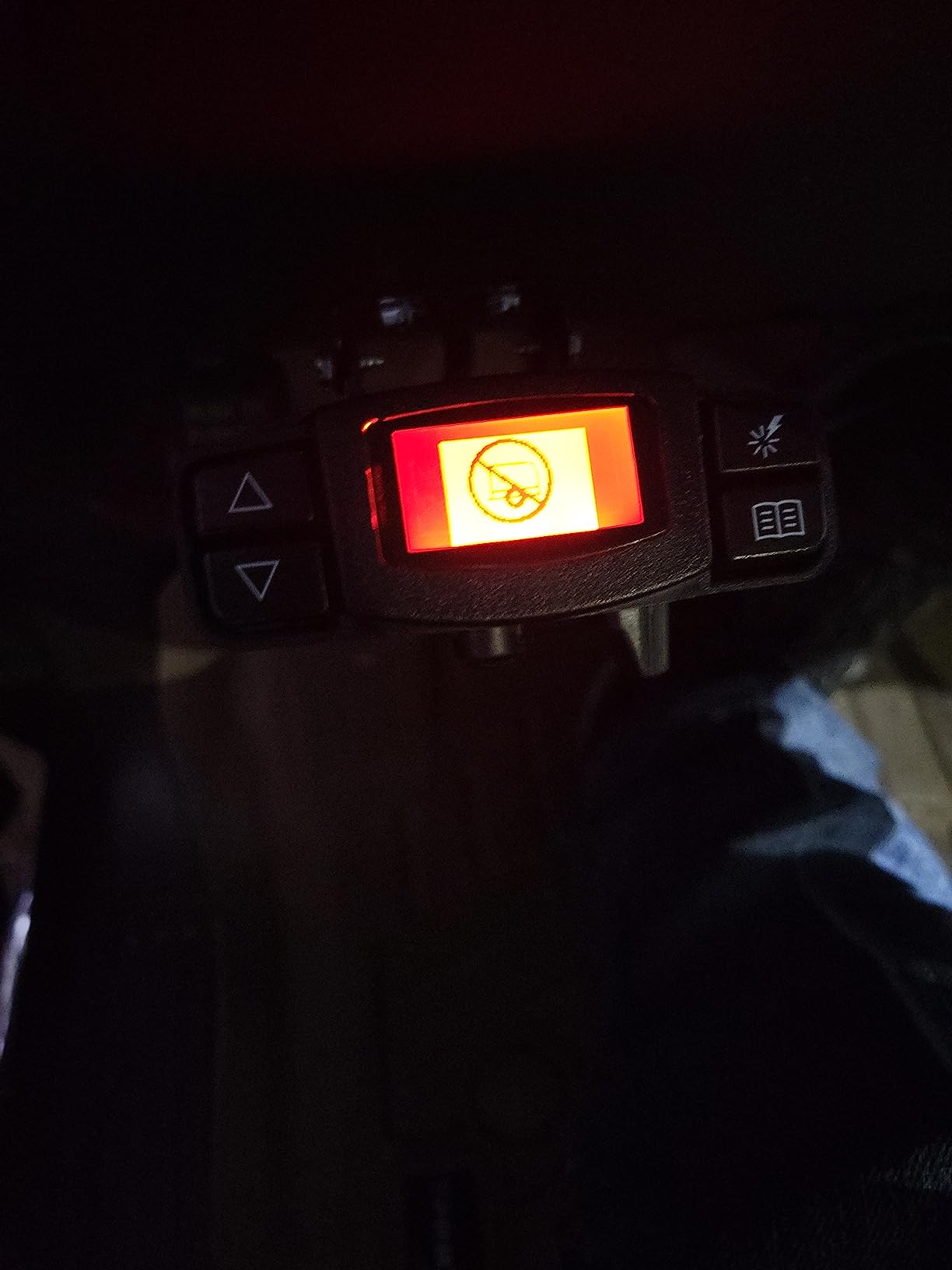
Braking is genuinely proportional, applied in proportion to the vehicle’s braking intensity, with a digital display showing live brake settings, connection status and continuous diagnostics. The manual override lever with three boost settings covers the same ground as the more expensive brands. Its 4.2 average across 265 reviews reflects the usual budget-tier pattern: performs as expected, display is the weak point.
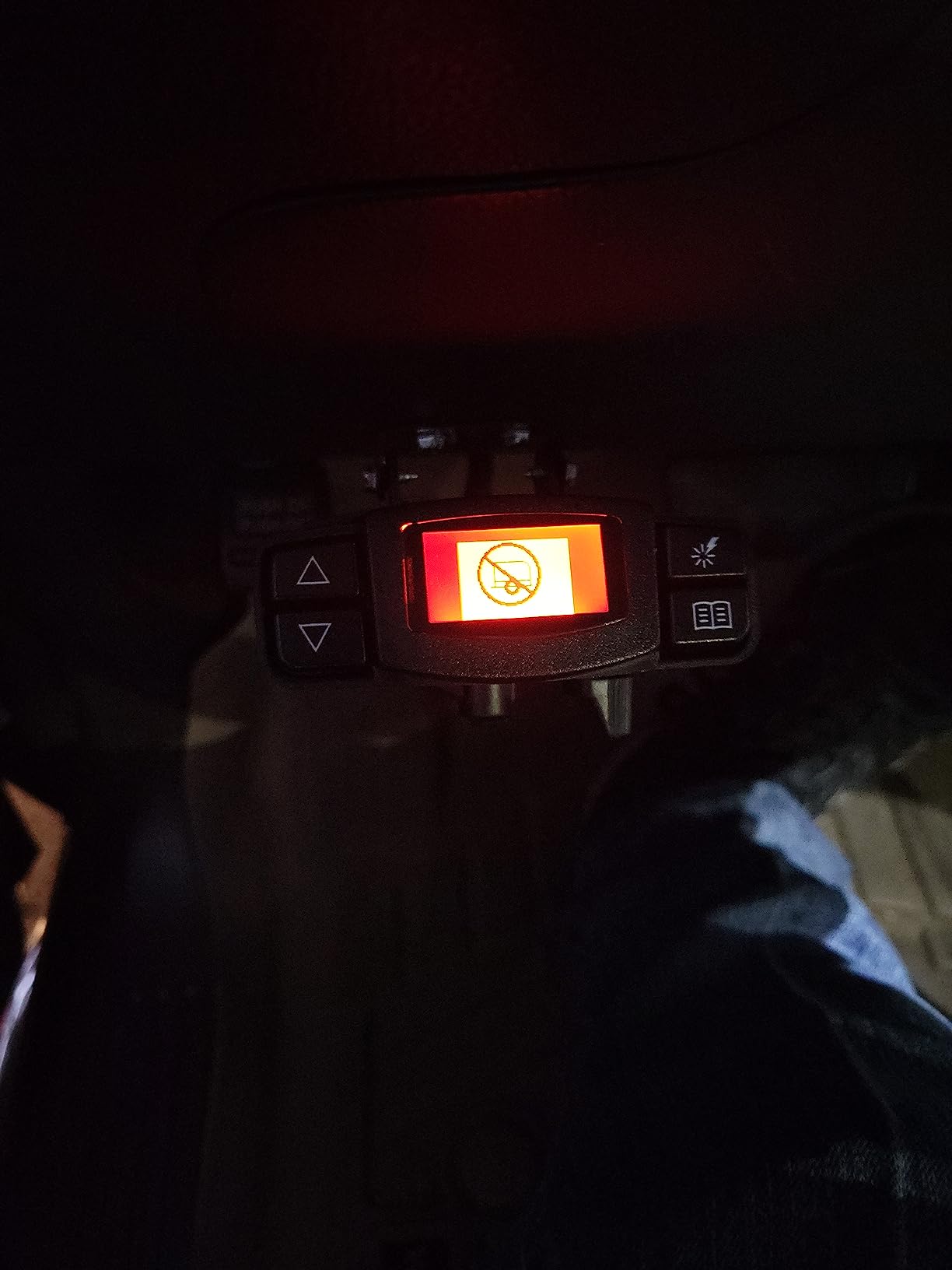
Self-leveling technology means mounting angle is far less critical, and advanced circuit protection is included. The listing references lifetime free replacements and round-the-clock support, which is worth checking against the terms at purchase time rather than taking at face value.
Reviewers describe it as performing comparably to the name-brand equivalent it replaces, which is exactly the use case. It is a sensible way to get proportional braking on a used truck without buying into a premium brand.
Where this replacement controller makes sense
It suits owners with an existing factory brake plug, older tow vehicles that never had a controller, and anyone who wants proportional braking at a fraction of premium brand pricing. The manual override and three boost levels mean you are not giving up the features that matter on a descent.
It is offered in a 1-3 axle and a 1-4 axle version, so check which variant matches your trailer before ordering. The compact body and flexible mounting options make it workable in dash spaces where a larger unit will not fit.
What buyers report as problems
The display is small and hard to read, especially in bright daylight, and the menu-based settings mean you have to look at the screen to change anything. That is not ideal while moving, and it is the most repeated complaint in reviews.
There are also reports of display or braking output degrading within a year or two, plus one review noting the screen colour option does not change and a menu label is misspelled. Wiring leads are short, which can complicate under-dash routing. If you keep heavy trailers or tow long distances often, the warranty support and longevity of a proven brand are worth the extra spend.
Do I Actually Need a Trailer Brake Controller?
You need one if your trailer has electric brakes, and in practice that means anything above roughly 3,000 lb GVWR, plus anything you tow downhill, in emergency, or with a heavy load. Below that weight a trailer often stops adequately on the tow vehicle’s own brakes, so a controller is optional rather than mandatory. Check your trailer plate: if the GVWR and unloaded weight are close together, you want a controller.
How do you know whether you have electric brakes at all? Look at the plug on your trailer. A 4-pin connector carries lights only, and a 7-pin connector has the extra circuits for electric brakes. If it is 4-pin, the trailer has no brakes for a controller to control, and you are looking at a different job entirely.
One more thing to verify at the hitch: a breakaway switch and its battery. A breakaway cable pulls that switch if the trailer separates, which cuts power to the trailer brakes so the brakes spring on. If your trailer has one, test that the battery is charged before your first trip, because it is the last line of defence.
Proportional vs Time-Delayed: Which Type Do You Need?
Buy a proportional controller unless you are towing something very small a handful of times a year. Proportional units use an accelerometer to sense how hard your tow vehicle is decelerating and apply matching force to the trailer, so the trailer tracks your foot. Time-delayed units ignore your intent entirely and apply a fixed ramp after a set delay, which is simpler to set and stops less smoothly.
The single best upgrade most owners describe is moving from time-based to proportional braking. Grabby stops, jackknifing on light braking and trailer tire wear all trace back to brakes that come on at the wrong strength, and a proportional controller fixes all three at once. If you can see the difference in ten minutes of driving, you will not go back.
Boost and manual override are the two features people underrate. Boost gives extra trailer braking on demand for a loaded trailer or a grade, and the manual override applies full trailer brakes immediately, which is what you reach for in a panic stop or to steady a sway event. Every pick in this roundup has one form or both.
How to Match a Controller to Your Trailer and Vehicle
Count axles and brake assemblies, not just axles. Two brake assemblies per axle is the norm, so a two-axle trailer has four brakes, a three-axle trailer has six, and a four-axle trailer has eight. Then check the controller’s rating: one to three axles covers most trailers, and only a few units here stretch to four axles and eight brakes. Going past a controller’s rating means the brakes are under-powered and fade early.
Match the brake type next. Electric-over-hydraulic, surge and air-braked trailers work with a standard controller for electric brakes, but surge systems need their brakes applied in reverse, and a controller with proportional braking in reverse makes backing into a campsite far easier. Several controller models also refuse to command trailer brakes in reverse, which turns every tight 90 degree turn into a manual switch-off.
Plan the wiring before you buy. Almost none of these controllers include a vehicle-specific harness, and the harness is matched to your year, make and engine, not the trailer. If your tow vehicle has a factory brake-controller port with a block-off plate, the job is close to plug-and-play. If it does not, you are drilling a hole, routing a pig tail or running an adapter cable, and that is the part that decides whether a remote-dial design is worth the extra money.
How to Calibrate and Drive With a Trailer Brake Controller
Set the sensitivity first, then the gain. Most controllers start at a default sensitivity; take the vehicle and empty trailer to a flat, low-traffic lot on the first trip so you can find a setting that does not brake before your foot moves. Then, on that same empty lot, drive straight and firm on the brake pedal, and raise gain until the trailer brakes hard enough that you feel the trailer trying to push back.
Re-tune gain whenever the load changes significantly, and expect a first re-tune after the first full trip. A fully loaded travel trailer needs more gain than an empty one, and if you find yourself reaching for the manual override constantly, the gain is too low for the load you are carrying.
Use boost on descents and the manual override in a hurry. On a long downhill, add trailer braking early and progressively with boost so the tow vehicle’s own brakes are not the only thing slowing you down, which is how factory brakes fade on grades. In a sudden stop, pull the manual override to apply full trailer braking immediately, and if the trailer starts to sway, brake gently and steadily to damp it rather than making a large correction.
Finally, test before you load. A short empty-lot session that confirms the brakes light up, hold at low speed and stop straight tells you far more than a 200 mile highway pull with a trailer behind you. Follow your vehicle owner’s manual for mounting position and calibration, and treat a brake controller as a safety device, not an accessory.
Frequently Asked Questions
Who makes the best trailer brake controller?
Tekonsha has the strongest all-around name in this category. The 90160 Primus IQ is the most proven model in our roundup, with the deepest owner review base, smooth proportional braking, an LED diagnostic readout and three boost levels for one to three axles. REDARC and CURT build the best remote-dial and wireless options if dash ergonomics or multi-vehicle portability matter more to you.
Which trailer brake controller is better, Redarc or Tekonsha?
It depends on where you put the unit. Tekonsha’s Primus IQ uses a conventional in-dash body that unclips for storage, while both REDARC controllers use a small remote dial with the main module hidden out of sight and mountable in any orientation. Choose Tekonsha for the established mounting ecosystem and larger review base, and REDARC for a factory look and clean leg room.
Are wireless trailer brake controllers any good?
Yes, with one important clarification. Wireless models like the CURT Echo Mobile use a triple-axis accelerometer to do the actual braking, so proportional braking continues even if the phone screen locks or the Bluetooth connection drops. The app is for setup, stored vehicle and trailer profiles and status, not for the braking signal, so a dead phone will not leave you without trailer brakes.
Do I need a brake controller for a 3000 lb trailer?
At around 3,000 lb GVWR it is often optional, because a trailer that light usually stops adequately on the tow vehicle’s own brakes. Add a controller as soon as you are regularly loaded, close to a vehicle’s weight limits, towing downhill or needing emergency braking. Check for a 7-pin connector on the trailer first, since a 4-pin plug means there are no electric brakes to control at all.
What kind of brake controller do I need?
You need a proportional controller for anything above roughly 3,000 lb GVWR or any regular towing, and a time-delay controller only suits very light trailers towed occasionally. Size it by counting brake assemblies, which is normally two per axle, so a two-axle trailer needs four brakes and a three-axle trailer needs six. Budget for a vehicle-specific wiring harness, since almost no controller includes one.
Final Verdict: The Best Trailer Brake Controllers for Towing in 2026
The Tekonsha 90160 Primus IQ is our pick for the best trailer brake controllers overall, because smooth proportional braking, a clear LED readout and three axles of capacity cover more real trailers than anything else we compared. If your tow vehicle has no factory brake port or you want your footwell back, the REDARC Tow-Pro Liberty gives you the same quality of braking in a small remote dial, and the CURT Spectrum covers four axles for heavier rigs. Take any of these, add a vehicle-specific harness, set the gain on an empty lot, and your first loaded trip will feel different.