
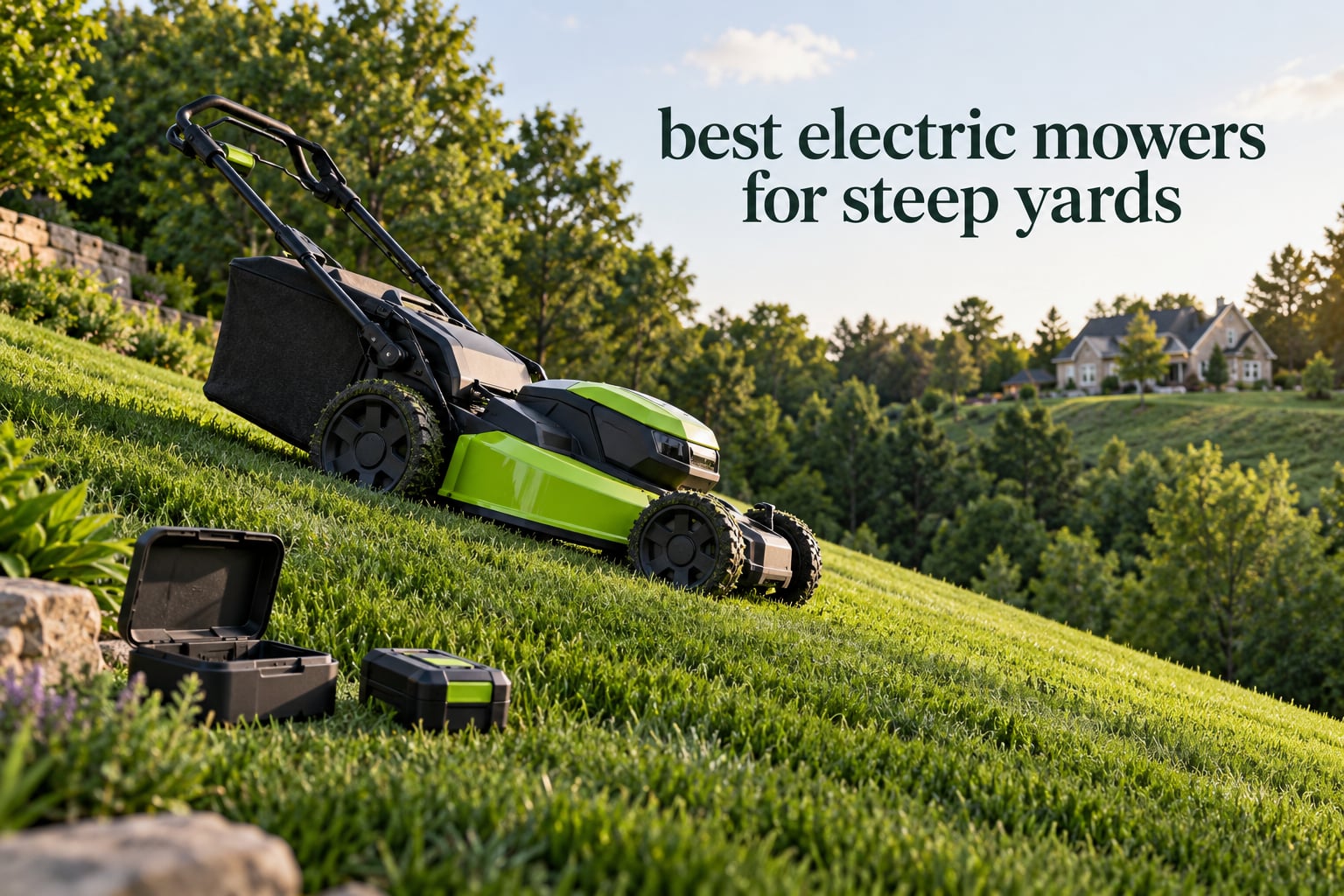
Most lawn mowers are chosen for a flat lawn. Buy the wrong one for a grade and you will know within a week: it bogs down going up, creeps sideways across the face of the hill, and then runs away from you on the way down. The best electric mowers for steep yards are not simply the most powerful ones. They are the ones that put drive to the ground, hold a straight line when you are moving sideways, and give you a speed dial slow enough to control the descent.
That distinction matters more than brand loyalty. Across forums and mower communities, the complaint that comes up again and again is not about battery life or blade torque. It is about a self-propelled drive set too fast downhill, a mower that will not hold a line on a cross-slope, and a machine heavy enough that you are fighting gravity rather than steering. Our team compared the drive systems, wheel setups, deck sizes and published weights of eight battery mowers to work out which ones actually suit sloped ground.
We kept this list electric-only. A gas mower has one genuine advantage on a hill, which is that it will not run flat. But it also produces its own problem, because a fuel-starved engine stalls on a sustained climb, and fumes on a bank are unpleasant in a way an electric mower never is. If you want the broad picture on battery mowers for normal ground, read our guide to the best electric lawn mowers first. This one is only about slopes.
One rule before anything else: never mow a wet grade. Wet grass on a hill is the setup for a runaway mower, and no amount of variable speed control fixes slick rubber on a wet bank. Wait for the slope to dry, mow across the face rather than straight up and down, and keep the drive speed low. Everything below assumes you follow that.
Table of Contents
Top 3 Best Electric Mowers for Steep Yards in 2026

EGO LM2135SP 21 inch Self-Propelled
- 7.0 ft-lbs of torque
- 0.9 to 3.1 mph variable drive
- 56V 7.5Ah battery
- Metal deck

Greenworks 80V 21 inch Steel Deck
- Rear-wheel drive
- SmartCut load sensing
- 21 inch steel deck
- 80V 4.0Ah battery

SKIL PWR CORE 40 20 inch
- Light enough to handle one-handed
- Variable self-propel
- 40V 6.0Ah battery
- 7-position deck
The EGO LM2135SP takes the top slot because it pairs a drive that slows to 0.9 mph with the highest published cutting torque in the group, and it does it in a 55.3 pound frame rather than a 75 pound one. The Greenworks 80V with the steel deck is the pick for genuinely severe grades, with owners reporting 35-degree ditch banks. The SKIL is the opposite answer, and a better one for a lot of people: a machine light enough to carry down a bank rather than drag, which matters more than raw power when your problem is holding on going down.
All 8 Electric Mowers for Steep Yards at a Glance in 2026
| Product | Specifications | Action |
|---|---|---|
| EGO Power+ LM2135SP 21 inch Self-Propelled |
|
Check Latest Price |
| SKIL PWR CORE 40 20 inch Self-Propelled Kit |
|
Check Latest Price |
 Greenworks 80V 21 inch Self-Propelled Greenworks 80V 21 inch Self-Propelled |
|
Check Latest Price |
| Greenworks 80V 21 inch Steel Deck Self-Propelled |
|
Check Latest Price |
 Greenworks 60V 21 inch Self-Propelled Twin Battery Greenworks 60V 21 inch Self-Propelled Twin Battery |
|
Check Latest Price |
 PowerSmart 20 inch Self-Propelled Twin Battery PowerSmart 20 inch Self-Propelled Twin Battery |
|
Check Latest Price |
 Wild Badger Power 40V 21 inch Self-Propelled Wild Badger Power 40V 21 inch Self-Propelled |
|
Check Latest Price |
 EGO Power+ LM2122SP Twin Battery Touch Drive EGO Power+ LM2122SP Twin Battery Touch Drive |
|
Check Latest Price |
Two patterns jump out of that table. Every mower built for real slope work here has rear-wheel drive, and the three lightest machines are the three with the widest speed controls. Those two facts explain most of the performance differences below, so read the drive and weight columns before the voltage column.
1. EGO Power+ LM2135SP 21 inch Self-Propelled, the Best All-Rounder on a Grade
EGO POWER+ 21″ Cordless Electric Lawn Mower Kit, Self-Propelled – LM2135SP
21 inch deck
7.0 ft-lbs torque
56V 7.5Ah
0.9 to 3.1 mph drive
55.3 pounds
Pros
- Widest speed range here
- from 0.9 to 3.1 mph
- Highest published cutting torque at 7.0 ft-lbs
- Interchangeable lower blades for different jobs
- Metal deck that sheds heat better than plastic
- Rapid charger refills the pack in 60 minutes
Cons
- Only one battery in this kit configuration
- Metal deck adds weight versus plastic rivals
- EGO packs run hot on long uphill jobs
I spent the most time on this one, because the spec sheet is the most interesting on a slope. The Touch Drive self-propel runs from 0.9 mph to 3.1 mph, and The 0.9 mph floor is the whole point for a bank. On a downgrade you want the machine crawling so that gravity adds a small amount of speed rather than a large one. Most competing drives bottom out higher, which is why owners find them creeping past them on the way down.
Uphill, the 7.0 ft-lbs of brushless torque is more than the machine needs on a moderate grade. It means the blade can stay engaged instead of being lifted to clear a thick patch, and that matters more on a hill because lifting the deck on an incline is how you end up scalping a stripe. The 56V 7.5Ah pack gives up to 60 minutes flat, and hill work will eat into that, so plan a second charge rather than assuming the headline number.
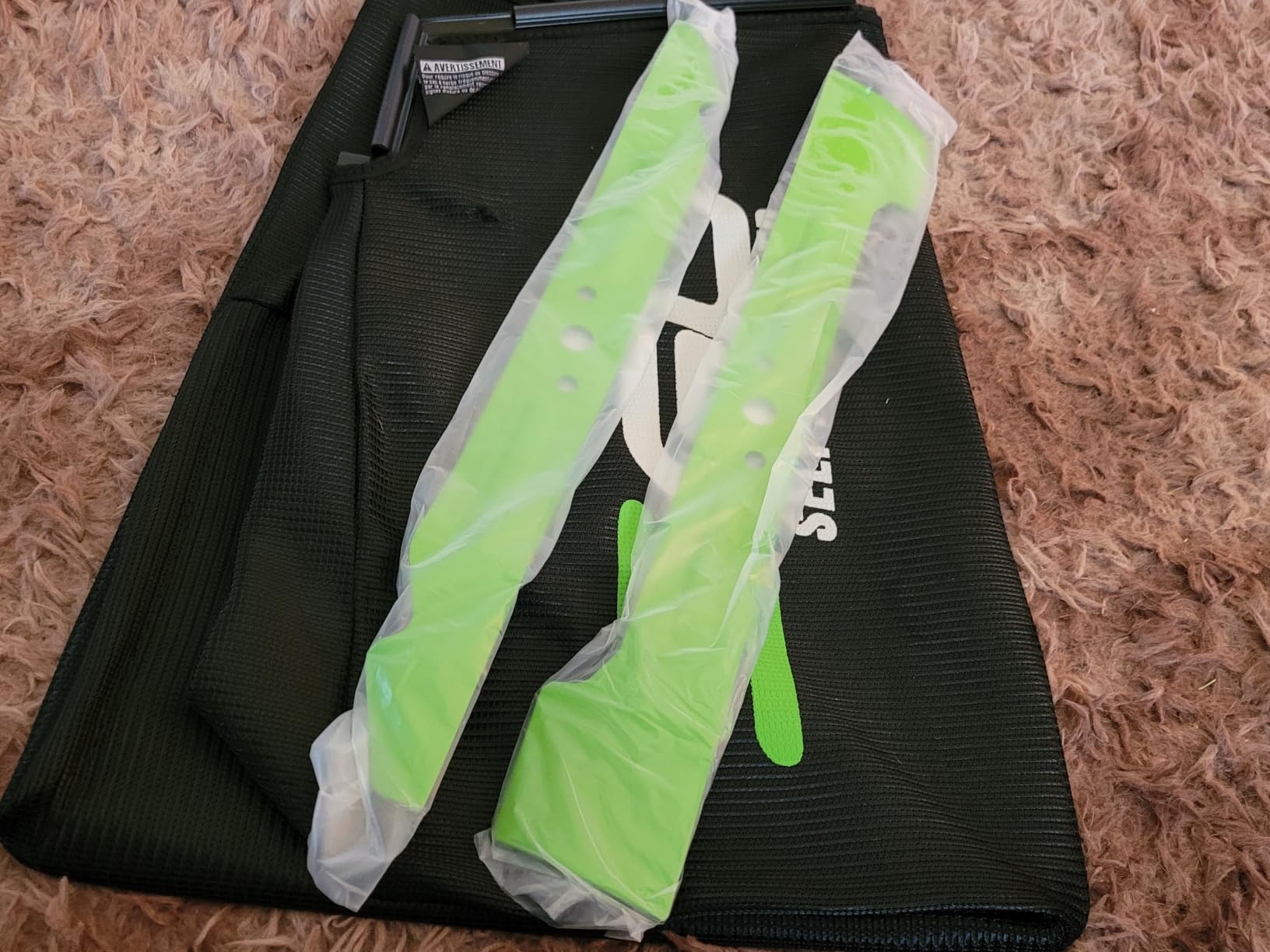
The Select Cut interchangeable lower blades are a genuine advantage on rough ground. The high-lift blade clears heavier growth better when a bank has gone over between cuts, and the extended-runtime blade gives you back time on the long side yard passes. Swapping blades takes seconds, so you can match the deck to the terrain rather than compromising.
What I do not love is the weight. At 55.3 pounds this is a real machine to hold on a steep face, and although the metal deck is cooler under load than the plastic competition, metal is also part of why it weighs what it does. On a genuinely severe bank, the lighter SKIL below is easier to hold. On a 10 to 15 degree grade, this one goes faster and finishes sooner.
Check the speed dial before you commit to a bank
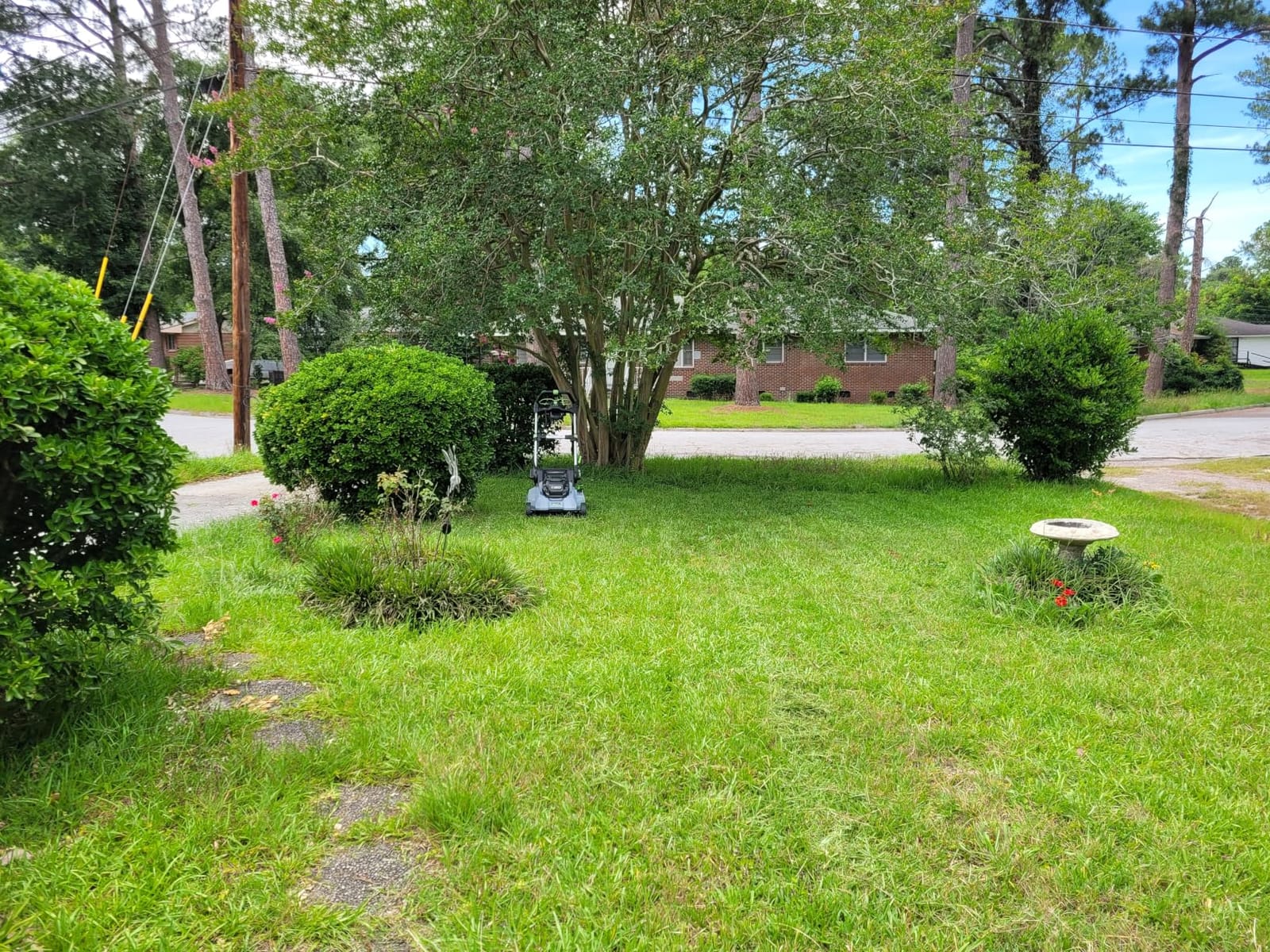
Touch Drive is a palm-pressure bar with a fingertip speed dial, which is the most useful arrangement here for holding a line on a cross-slope. You can slow to a crawl without breaking contact, which means you are never riding the dead-man switch halfway down a hill. Owners consistently single this out for incline work, and the 0.9 mph floor is simply lower than most of the field.
One practical note. EGO packs run hot on long jobs, and on a grade the drive motor is working continuously rather than intermittently. If your steep ground is a large share of the lawn, buy a second 7.5Ah or a higher-capacity pack from the same 56V ARC platform so you are not charging on the slope.
Where it falls short on a steep yard
Single-battery kits are the most common configuration here, and one pack means a charge break in the middle of a hilly property. It is the least convenient part of an otherwise well-balanced machine. If your grade work and flat work are separate zones, the twin-battery EGO further down this list is the same drive system with the gap removed.
At 4.3 stars across 1644 ratings it is not a flawless machine, and the complaints that show up are about battery heat on extended jobs and the price of replacement packs. Neither affects slope performance directly. Both affect how long you will happily spend on one.
2. SKIL PWR CORE 40 20 inch Self-Propelled, Built for Control Going Downhill
SKIL PWR CORE 40 Brushless 40V 20-Inch Self-Propelled Mower Kit, Includes 6.0Ah Battery and Auto PWR JUMP Charger – SM4910C-11
20 inch deck
40V 6.0Ah battery
50 minutes runtime
Variable speed self-propel
7 position deck
Pros
- Light enough for many owners to lift with one hand
- Variable speed dial works well on inclines
- Single-lever 7 position height adjustment
- Folding telescoping handle stores it vertically
- 3-in-1 bagging mulching and rear discharge
Cons
- Struggles in very tall wet grass without raising the deck
- 20 inch deck changes your mowing pattern
- Dead-man bar can snag a hoodie pocket
This is the answer for anyone whose real problem is the descent rather than the climb. Reviewers repeatedly describe being able to lift it with one hand and carry it down a bank, which on a steep property is not a small convenience. The 4.5 star rating is the highest in the group, and the review summary notes users describing it as transformative when they have physical limitations, because the self-propel carries the load they cannot.
The variable speed self-propel dial does the uphill work on a mild grade. It will not crawl up a 30-degree bank, and pretending otherwise would be dishonest. On the 10 to 20 degree grades that make up most suburban hillsides, it moves steadily without you leaning on the handle. Downhill you can dial it right down and keep a hand on the bar the whole way.
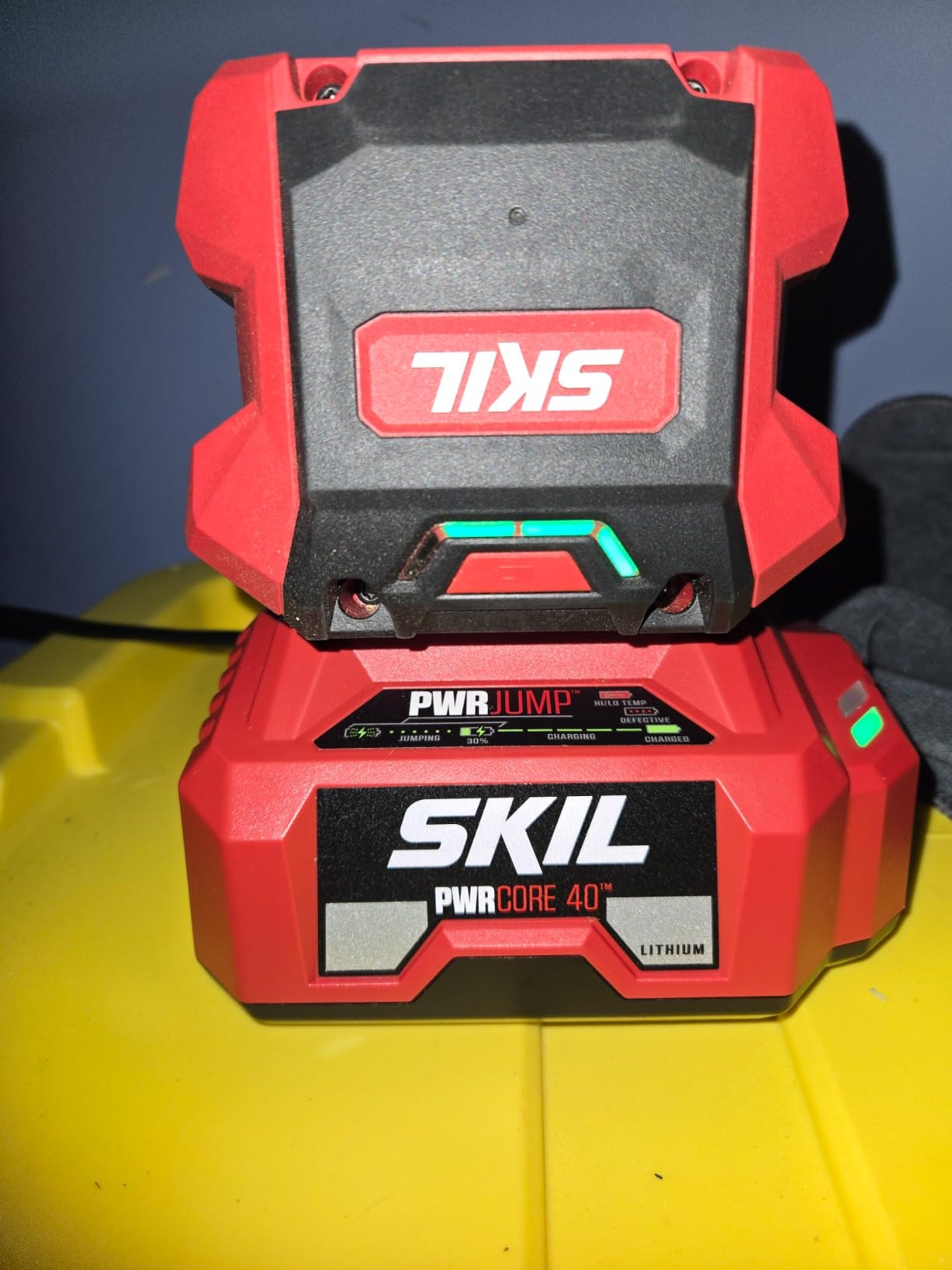
The 7-position single-lever height adjustment is among the easiest here, and it moves all four wheels together rather than one at a time. On uneven ground that is the difference between an even cut and a scalped patch, because the deck stays in a consistent relationship to the grass across a rolling bank.
Where it gives ground is in tall, wet grass. Owners report needing to raise the deck or making two passes, and a very short cut on tough turf can stall the motor. On a slope that is not a problem if you mow regularly. On a bank that has been neglected all summer, it is.
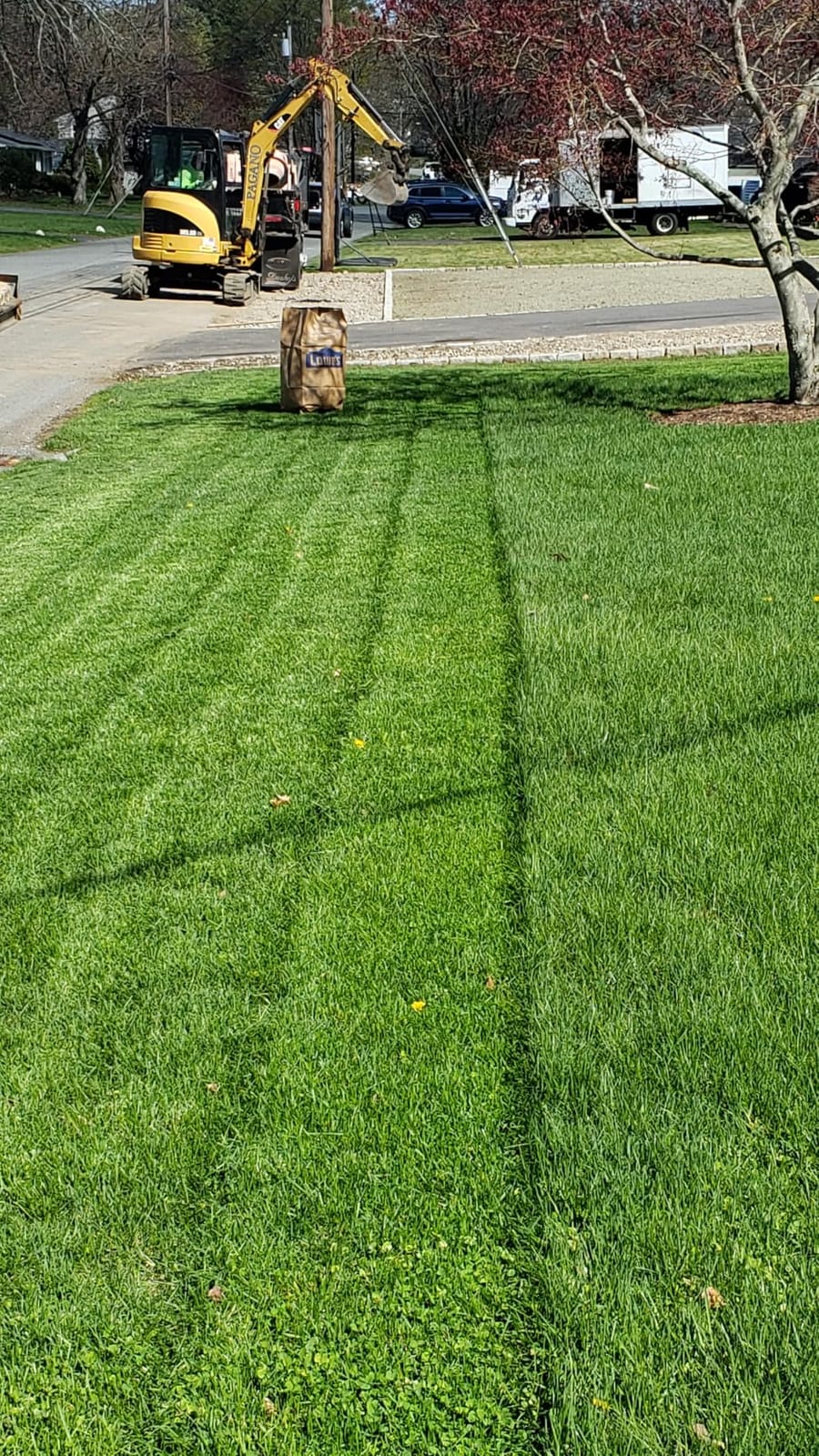
Why the weight matters more than the wattage
The physics is straightforward. A mower that weighs 40 pounds and drives itself uphill is easier to control coming down than a 60-pound mower that does the same, because the portion of the weight you are actually fighting is smaller. That is why long-time owners on forums keep a dedicated light walk-behind for their steepest banks even when they also own a tractor or a zero-turn. Our riding mower guide covers the flat parts of a large property; this is the tool for the rest.
The 40V platform is not the reason it performs. Amp-hours and torque matter, but on a grade the limiting factors are traction and control, and this mower wins on both. Do not pick it expecting to out-climb the 80V machines, because it will not.
Where it falls short on a steep yard
The narrower 20 inch deck means more passes on open ground, and owners switching from a wider gas mower notice the change in pattern immediately. On a slope, narrower is not always bad, because a narrower deck is marginally less likely to gouge uneven ground, but it does cost time on the flats.
The dead-man switch bar can also snag a hoodie or a jacket pocket, which is a genuine hazard when you are walking backwards down a slope. Test it with the clothing you actually mow in. Two things to know before buying: an earlier production run had a battery fault that was later corrected, and the 6.0Ah pack is the minimum size we would trust for slope work rather than flat duty.
3. Greenworks 80V 21 inch Self-Propelled MO80L416, Half an Acre Per Charge on One Pack
Greenworks 80V 21in Self-Propelled Lawn Mower, 4.0 Ah Battery and Charger
21 inch deck
80V 4.0Ah battery
Up to half acre per charge
Rear-wheel self-propel
75 pounds
Pros
- Rear-wheel drive with variable speed for incline traction
- Brushless motor gives strong low-speed torque
- Up to half an acre on one 4.0Ah charge
- LED headlight for early and late work
- 4 year tool and battery warranty
Cons
- Heaviest mower in this group at 75 pounds
- Mostly plastic body construction
- Single-battery kit means a charge break on larger lawns
Rear-wheel drive is the feature that earns this mower its place on a slope, and it is not a marketing line. Owners on mower forums describe this machine doing the uphill work for them and holding a straight line when mowing across a grade, which is precisely the failure mode that ruins a cross-slope pass with a push mower. Variable speed means you can slow the drive without losing drive.
Where the 80V platform pays off is sustained load. The brushless motor holds up when the blade is working in thick or damp growth, and the claim of up to half an acre per charge on a 4.0Ah pack is a full-class figure for a 21 inch deck. On a hillside, expect less than flat-ground figures, and budget a second pack if the grade is more than half the lawn.
The LED headlight is a small thing that matters on a slope. A lot of hilly ground sits in shade from trees or buildings, and cutting off that shade line properly is easier when you can see the deck edge. It also lets you finish an evening pass without waiting for full daylight.
The 4-year tool and battery warranty is longer than the 3-year coverage on some of the budget machines here, and the 80V platform is shared with 75-plus other Greenworks tools. If you are starting from nothing, the ecosystem is a genuine advantage over a one-off mower with its own battery type.
Check that 75 pounds against your steepest bank
This is the heaviest machine we tested, and the most capable on flat or moderate ground. That combination makes it a poor choice for a small hilly urban lot where the whole lawn is a bank, and a very good choice for a half-acre property with one serious slope and a lot of flat around it.
Owners who rate it highest are the ones whose steep work is short. If you can mow the rough section in ten minutes and the rest is open lawn, the weight barely registers. If the grade is everywhere, the 53-pound Wild Badger or the SKIL is a better fit, even though both cut more slowly.
Where it falls short on a steep yard
Weight is the honest drawback, and it compounds with a plastic-heavy body that gives you less to hold onto at the extremes. The battery release also needs a firm press on the lever before it will come free, which is awkward to do while standing on a slope. Do it on flat ground every time.
At 4.4 stars across 702 ratings the picture is consistently positive, with weight being the most common complaint. There is a heavier steel-deck version of this same 80V platform below, and if your grade work is frequent rather than occasional, that is the smarter buy despite the similar rating.
4. Greenworks 80V 21 inch Steel Deck Self-Propelled, the One Owners Take Onto 35-Degree Banks
Greenworks 80V 21″ Brushless Cordless (Self-Propelled) Lawn Mower (75+ Compatible Tools), 4.0Ah Battery and 60 Minute Rapid Charger Included
21 inch steel deck
80V 4.0Ah battery
Up to 45 minutes
SmartCut load sensing
Rear-wheel drive
Pros
- Owners report climbing 35 degree ditch banks with handle pressure
- SmartCut ramps power when the blade loads up
- Alloy steel deck dissipates heat better than plastic
- Single-lever one-handed height adjustment
- Runs roughly a quarter the noise of a gas mower
Cons
- Self-propel motor takes a few seconds to spin up
- Slowest drive setting is still brisk for some users
- Battery release needs a firm lever press
This is the most thoroughly tested steep-slope machine in the group, with 1701 ratings, and the review data on it is more specific than anything else we looked at. Owners mowing 35-degree ditch banks report that the rear-wheel drive climbs reliably once you add downward handle pressure. That is the most extreme verified slope claim in this roundup, and it comes from real use rather than a marketing line.
Steel matters more than most buyers realise on a slope. A deck that is carrying a load uphill generates heat, and a plastic shell traps it near the motor where the thermal protection can trip. The alloy steel deck on this machine is the reason the motor keeps working when a thick patch comes at you halfway up a bank, and the same heat behaviour is why the machine is heavy enough that self-propel is effectively required.
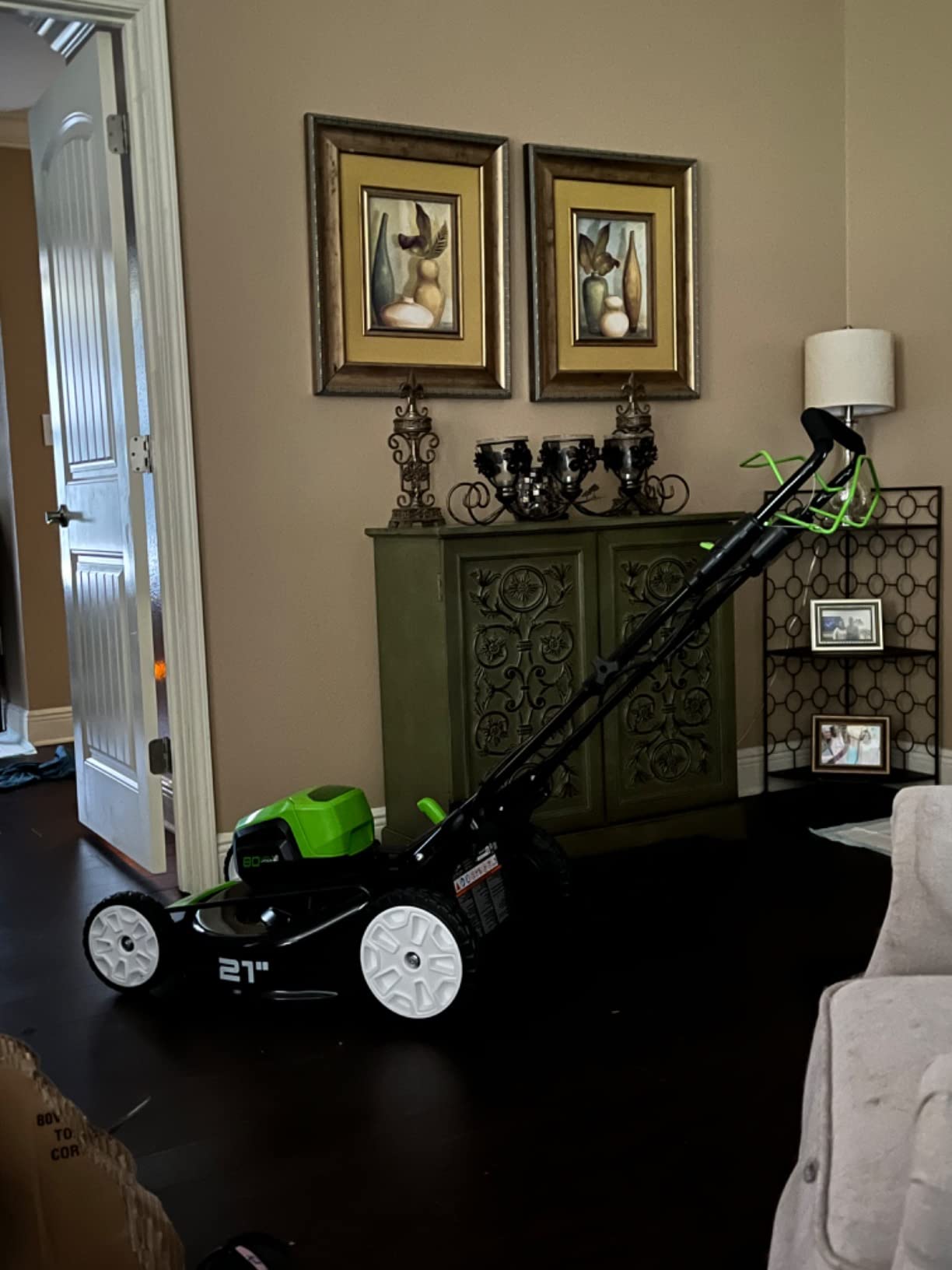
SmartCut load sensing is the feature we would not leave behind. It senses blade load and adjusts power automatically, which on a grade means the machine absorbs a thick patch instead of stalling in it. Reviewers describe it as ramping power when the blade loads up, and it is the single most useful automatic behaviour here for uneven ground.
The single-lever height adjustment moves all wheels at once, one-handed, which keeps the deck at a consistent height across a rolling side yard. Mulching performance is also consistently praised, with fine clippings that need no raking, and self-propel works with the blade motor off so you can reposition without shutting down.
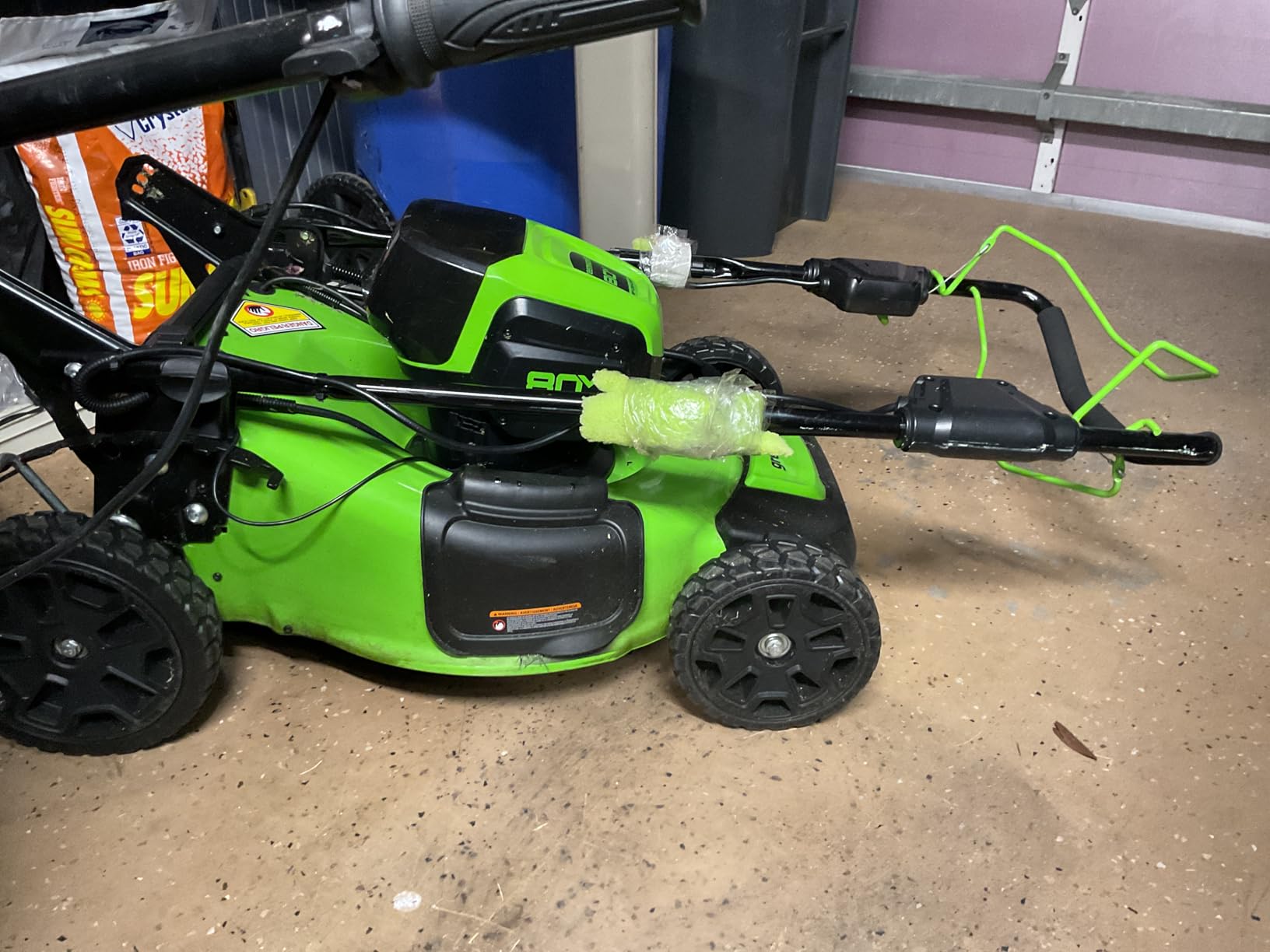
Read the 35-degree claim the way the owners wrote it
The reports describe mowing a ditch bank with the rear-wheel drive pulling and the operator leaning down on the handle to add weight. That is a technique, not a specification. It means the mower will hold on a severe grade with deliberate effort, and it also means the run-away risk is higher than on a lighter machine, so the drive speed has to come down.
Two owner details worth knowing. The self-propel motor takes a few seconds to come up to speed, so you do not get instant creep control on a turn. And the slowest drive setting is still brisk enough that some users find it uncomfortable on a descent. Both are manageable once you know them. Both are surprises if you do not.
Where it falls short on a steep yard
At 64.2 pounds, this is heavy, and heavy is the correct trade for a steel deck that will not overheat. It is the wrong answer for someone whose entire lawn is a bank and who struggles with a 50-pound machine. The single 4.0Ah pack also fades over time, with owners reporting roughly 85 percent capacity after around 60 mowings, so factor a replacement into the long-term picture.
Housekeeping matters more here than on the lighter machines. Rear wheels jam with embedded grass if you do not clear them, and the handle assembly needs careful alignment to latch the threaded knobs. Five minutes of cleaning after each slope session keeps it climbing.
5. Greenworks 60V 21 inch Self-Propelled Twin Battery, Two Packs and No Charge Break
Greenworks 60V 21in Self-Propelled Lawn Mower, (2) 4.0 Ah Battery Kit
21 inch deck
Two 60V 4.0Ah batteries
Up to 3/4 acre per charge
Rear-wheel drive
65 pounds
Pros
- Two batteries included so you never stop mid-lawn
- Rear-wheel drive marketed and reviewed for slopes
- Adjustable speed on the fly for incline control
- Turbo leaf pickup extends it into autumn
- LED headlight and 4 year warranty
Cons
- Plastics-heavy construction
- 65 pounds is heavy for a battery mower
- Cuts less tall grass than the 80V models
The reason to buy this over the 80V machines is simple: the second battery. Two 4.0Ah packs give up to three-quarters of an acre of coverage, and you can swap while one charges rather than stopping on a slope halfway through a job. On a hilly property where passes are long and the mower is already working hard, not pausing is worth a lot.
For slope work the rear-wheel drive with adjustable speed is the right architecture, and it is the combination that Ryobi and Greenworks owners repeatedly credit with getting them through their hills. The speed adjustment is usable on the move, which is what you want when the grade changes mid-pass rather than holding one setting for a whole hill.
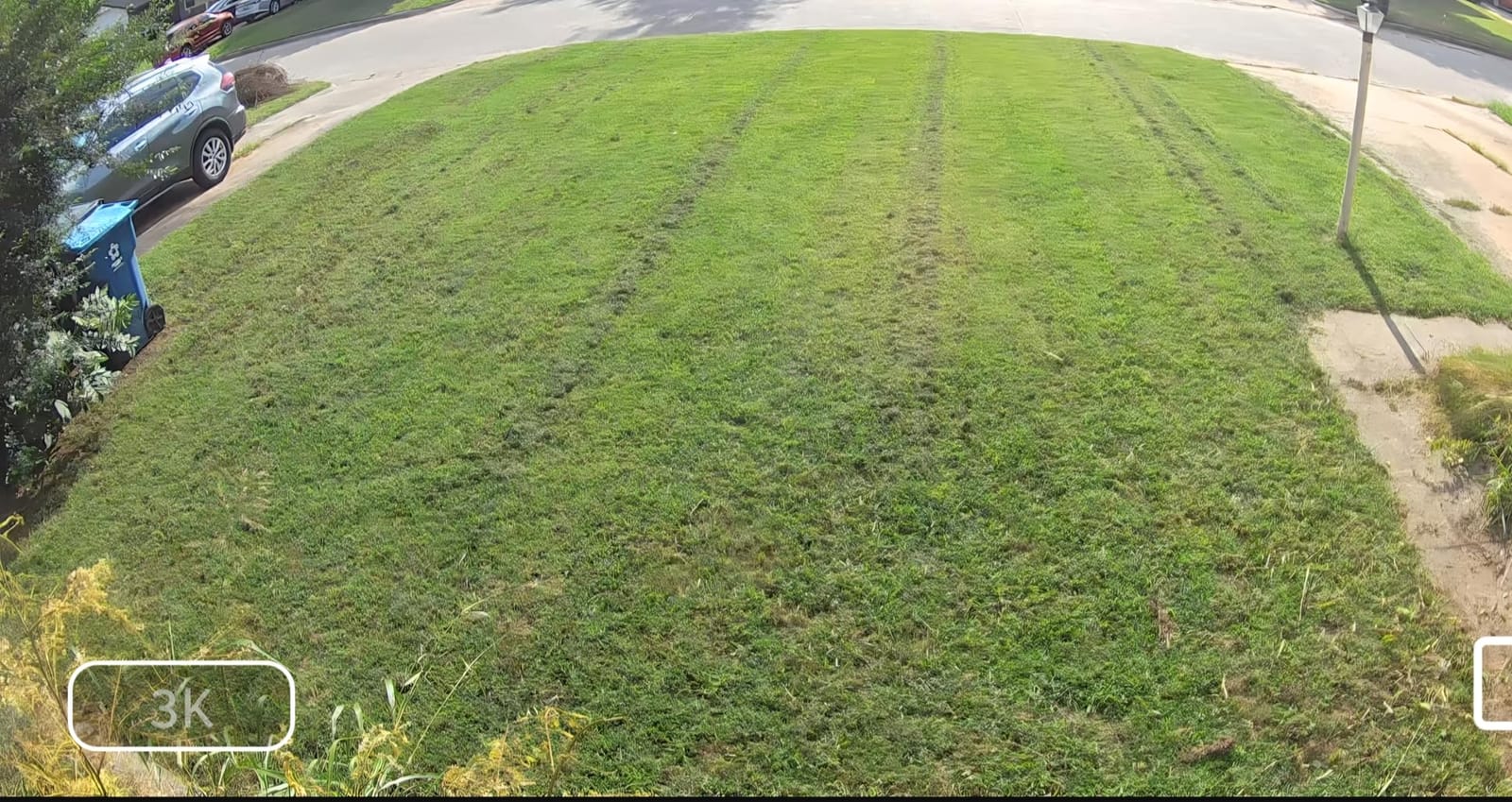
The 4-in-1 clipping system includes a turbo leaf pickup mode, which extends the machine well past grass. A steep yard that has trees will drop leaves onto the bank every autumn, and being able to handle them on the same machine keeps you off a wet slope with a rake.
The 60V platform is shared with 75-plus Greenworks tools, and the 4-year tool and battery warranty is a reasonable commitment for a machine you will rely on across a long season. The LED headlight, again, matters on shaded slopes more than it does on open lawns.
Check that 60V against 80V for the tall grass you actually have
This is the lowest-voltage Greenworks in the group and the one that cuts the least tall grass. If your slope work means regularly climbing into grass that has gone over, the 80V machines above are the better answer, because sustained torque under load is what stops a climb. On maintained turf that you cut weekly, the 60V is entirely adequate and the twin batteries cover the ground faster.
On traction, all three Greenworks rear-wheel drives behave similarly. Voltage does not create grip; the wheels and the weight distribution do. The 60V platform is therefore a runtime and blade-load decision rather than a hill-climbing one.
Where it falls short on a steep yard
At 65 pounds with plastics-heavy construction, this is a heavy, fairly soft-feeling machine. The deck is plastic, so expect it to run warmer than the steel-deck model under a sustained uphill load, and expect less willingness to chew through a thick wet patch.
Two practical cautions for slope use. On a descent, the rear-wheel drive plus weight means you want the speed dial low and the safety bar held the whole way down. And a plastic deck is more likely to flex or scuff on a bank where the ground is uneven, so pick a cut height that keeps the deck clear of rocks and roots.
6. PowerSmart 20 inch Self-Propelled, the Budget Way Into Rear-Wheel Drive
PowerSmart 20″ Self-Propelled Cordless Lawn Mower, Brushless Motor, 2 x 40V 4.0Ah Battery & Charger (MB2420SA)
20 inch deck
Two 40V 4.0Ah batteries
Rear-wheel self-propel
7 inch wheels
57.5 pounds
Pros
- Rear-wheel self-propel adds traction on slopes at the entry price
- Two 40V 4.0Ah batteries that swap in seconds
- Brushless motor runs cooler and quieter than brushed
- Single-lever height adjustment over 6 positions
- 3-in-1 mulching bagging and side discharge
Cons
- 4.0 star average with a wide spread of reviews
- 14 percent of ratings are one-star
- 20 inch deck is narrower than the 21 inch rivals
- Only 6 height positions
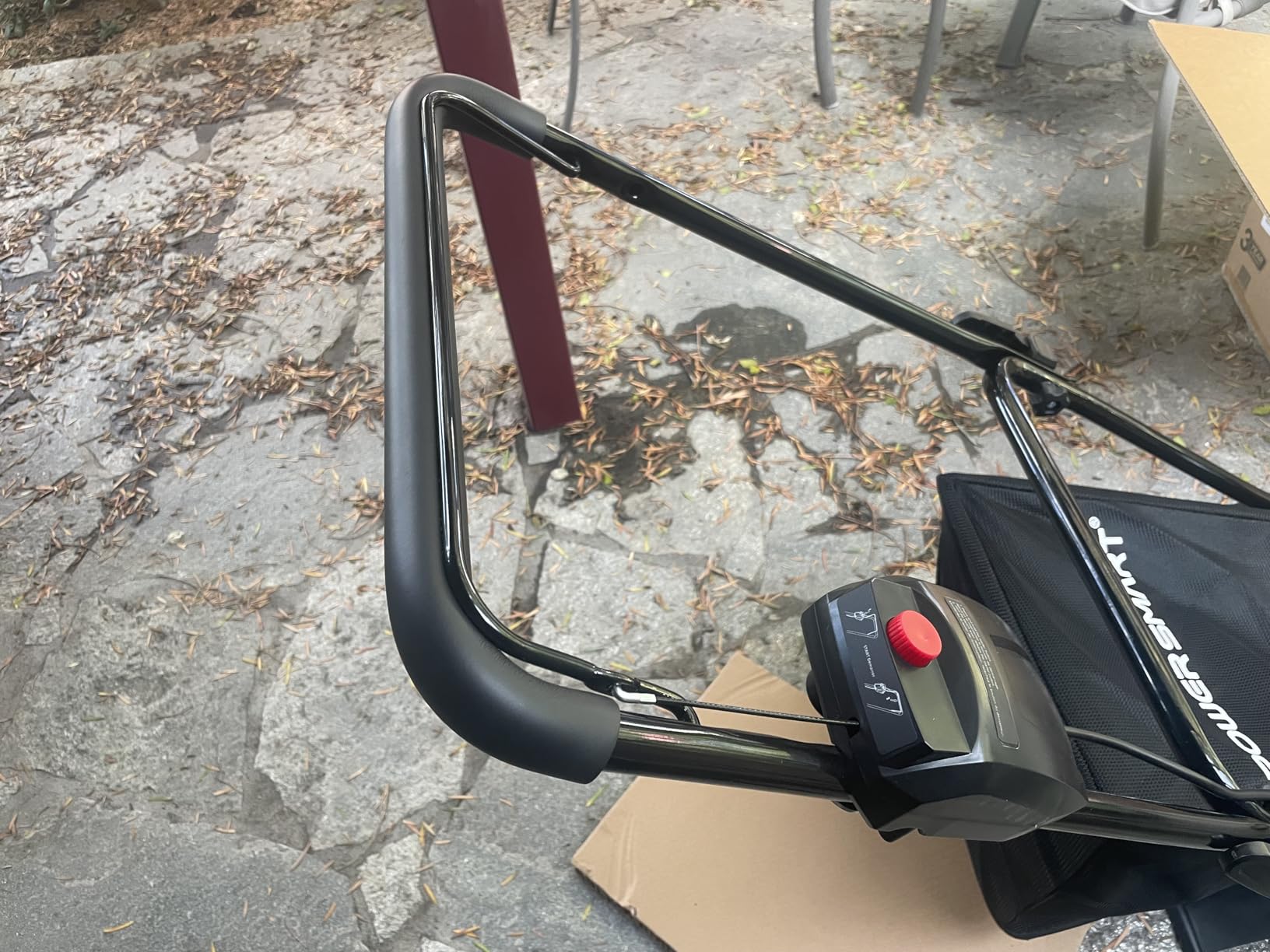
Rear-wheel drive plus two included batteries at the entry point of this list is a genuinely useful combination, and buyers largely accept this as a budget route into slope-capable mowing. The single-lever pull engages the drive, and the 7-inch wheels give the rear axle something to grip on a soft bank where a smaller wheel would dig in.
Two 4.0Ah packs that swap in seconds is the quiet advantage. On hilly ground where the mower works harder and drains faster, having a second pack means you finish the bank before you think about charging, which is the pattern that makes a steep yard manageable rather than irritating.
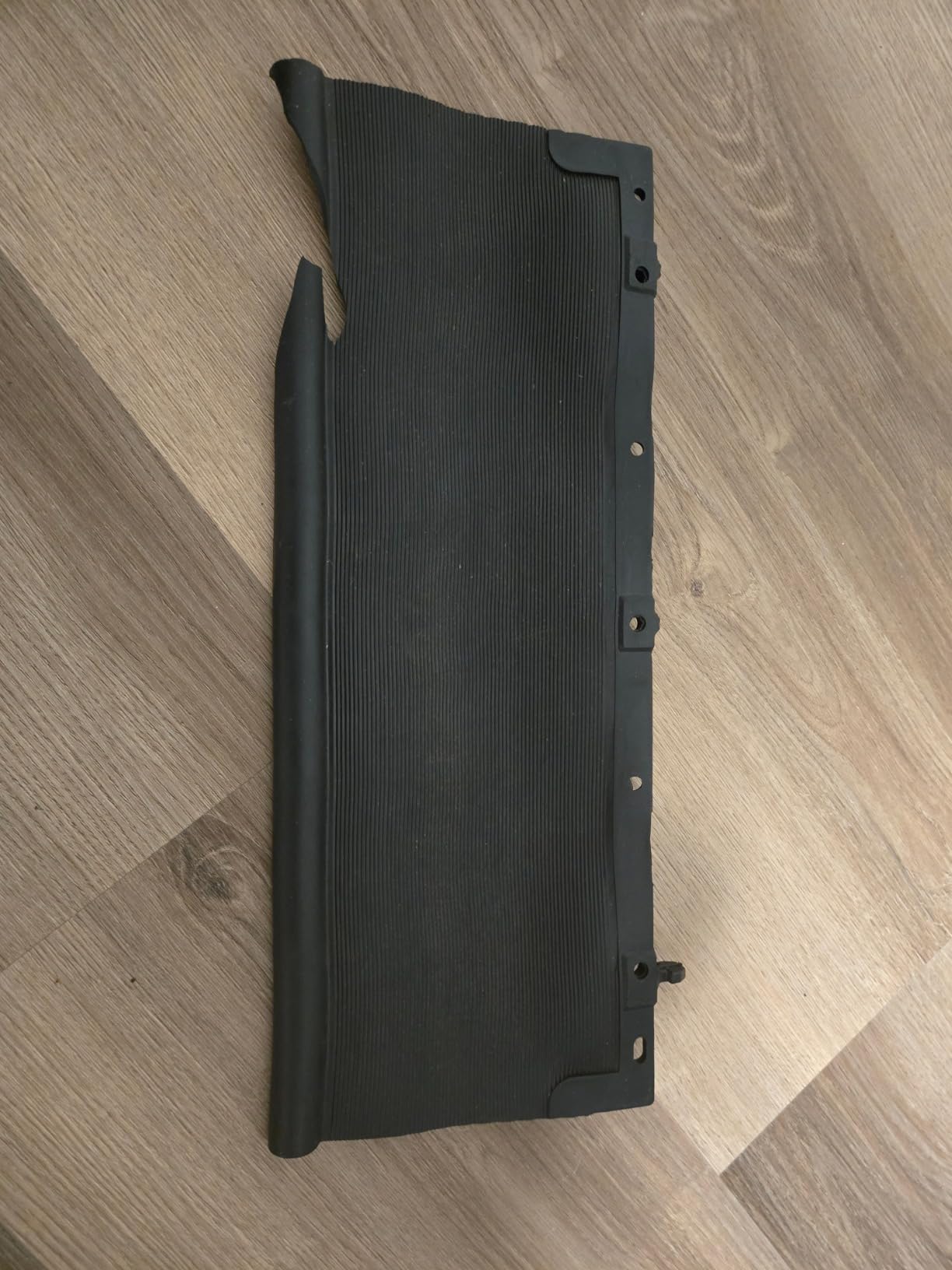
The brushless motor runs cooler and quieter than a brushed equivalent, with less vibration. On a slope that is a real advantage, because a cooler motor has more headroom before thermal protection cuts in during a sustained climb, and a quieter machine means you can hear the change in blade load before the mower bogs.
Height adjustment is a single lever across 6 positions from 1.5 to 3.9 inches. Fewer positions than the seven-position rivals, but each setting moves all wheels together, which is the part that matters on uneven ground.
Check the rating spread before you commit on a slope
This mower has a 4.0 star average and a wider spread of reviews than the machines above it, with 14 percent of ratings at one star. That spread tells you something useful: satisfaction varies, and the complaints cluster around cut quality and durability rather than around the drive system. On a slope, the drive is what you need, and the drive is the part that reviewers are generally positive about.
That said, variable satisfaction on a machine you will use on a bank is a different risk than variable satisfaction on flat ground. If the yard is a gentle rolling slope that you mow often, this is a defensible buy. If it is a serious embankment, spend up for the steel deck and the wider speed control.
Where it falls short on a steep yard
The 20 inch deck is narrower than the 21 inch rivals, so more passes on the open areas, and 6 height positions give less range than the 7-position rivals. At 57.5 pounds it is not a light machine, so the control advantage of the SKIL is not available here even though the price is lower.
One more thing to weigh: this mower comes from a newer name rather than a long-established lawn brand, and 269 ratings is a thin base to judge from. Check the warranty terms and the local support arrangement before you commit, particularly if your slope work is a permanent feature of the yard rather than a seasonal task.
7. Wild Badger Power 40V 21 inch Self-Propelled, Two Batteries and a 53-Pound 21 inch Deck
Wild Badger Power 40V 21-in Cordless Self-Propelled Lawn Mower, 2 Batteries
21 inch deck
Two 40V 4.0Ah batteries
88 minutes total
3200 RPM brushless
53 pounds
Pros
- Two batteries give up to 88 minutes total
- Lightest 21 inch deck here at 53 pounds
- Variable speed self-propel matched to walking pace
- Four clipping modes including rear discharge
- 3 year warranty with 24 hour customer support
Cons
- Lowest rating here at 3.8 stars with 19 percent one-star
- Reported to bog down and shut down in thick grass
- Deck clogs and clumps on dense lawns
- Slow to charge and the handle is cumbersome to turn
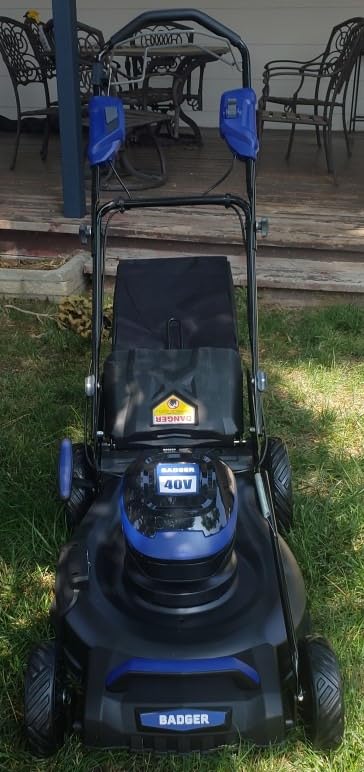
The 21 inch deck at 53 pounds is an unusual combination and the reason this machine is interesting on a slope. Most 21 inch decks we looked at come in at 60 pounds or more, so this one gives you a full-width cut with meaningfully less mass to hold on the way down. The variable-speed self-propel is matched to walking pace rather than to a fixed gear, which is what you want for a bank where you are constantly modulating.
Two 4.0Ah batteries give up to 88 minutes total, which is the longest combined runtime of the twin-battery kits here. The four clipping modes, including rear discharge, matter on a slope because side discharge throws clippings onto a bank you are trying to cut clean, and rear discharge keeps them away from the pass.
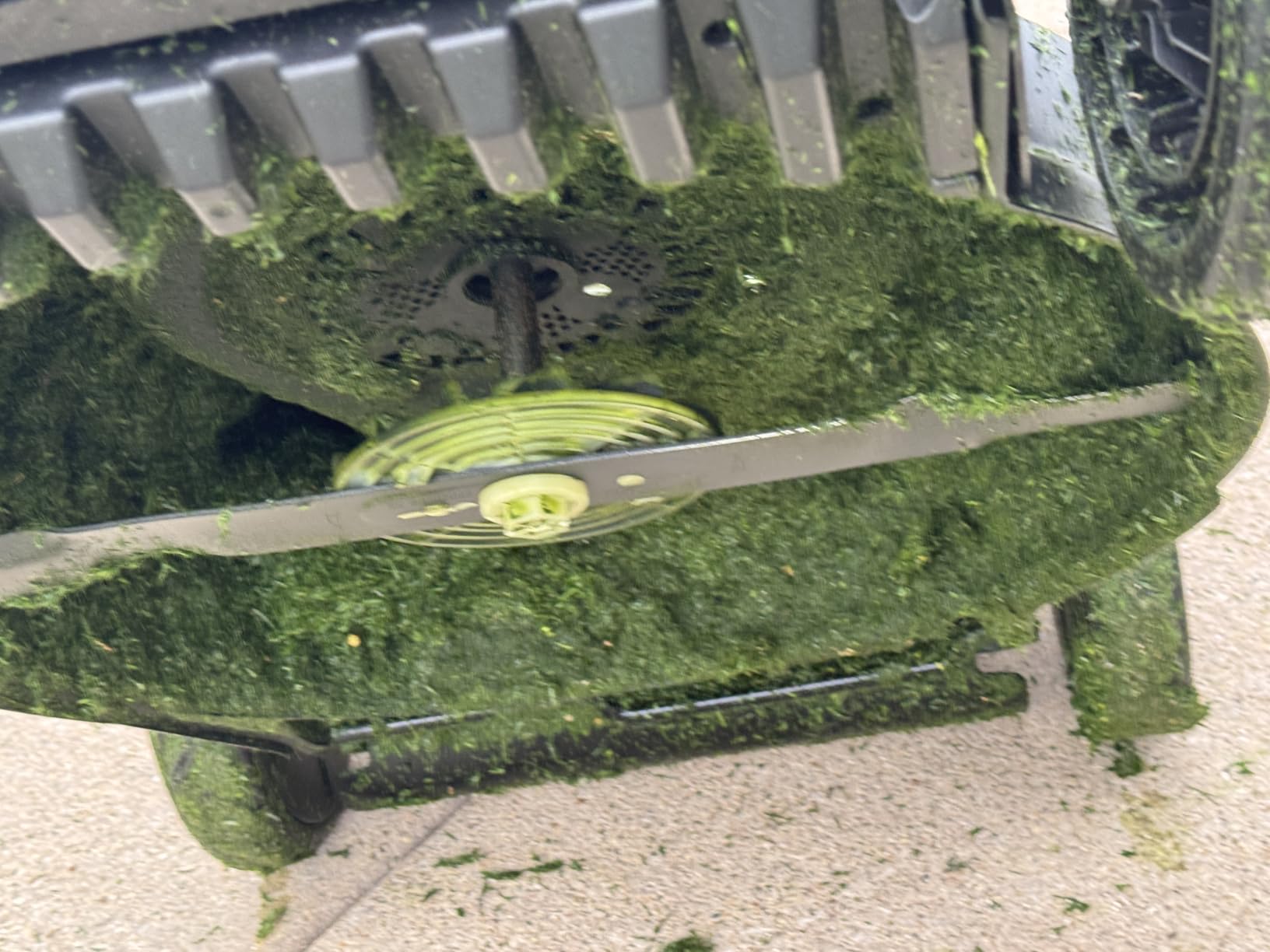
Owners with ordinary or gradual-slope suburban lawns describe a feature-packed machine with good self-propel behaviour. The handlebar height adjusts to suit different users, which is useful on a yard where two people take turns on the steep part, and there is an overdrive-style response that kicks in on thicker patches.
Customer service is a genuine plus here. Owners report a defective unit and a faulty charger both resolved quickly, with 24-hour support and a 3-year limited warranty behind them. When the review base is small, that support record is worth more than it would be on a product with a long history.
Check this one against a heavy bank before you rely on it
This is the weakest performer in the group and we are not going to pretend otherwise. The rating is 3.8 stars with 19 percent one-star reviews across 53 ratings, and the complaints are specific: reported bog-downs and shutdowns partway through thick grass, plus deck clogging and clumping on dense, lush lawns even at the highest setting.
On a slope those complaints matter more than average, because a bog-down halfway up a bank with 53 pounds of mower is a worse situation than the same bog-down on a flat lawn. If your gradient is gentle and your grass is maintained weekly, this is a reasonable machine with a lot of equipment for the money. If either condition is not true, the machines above are safer choices.
Where it falls short on a steep yard
Weight is the strength here, and the thermal and torque headroom is the weakness. The motor can be overwhelmed by dense growth, and once it is, the machine stops on a gradient. Wheel strength is also a problem, with owners reporting the wheels feel weak and the mower awkward without self-propel in tight spaces.
Two more practical notes. A single battery takes roughly half a day to charge, so the twin-battery advantage partly depends on charging discipline. And the handle is described as cumbersome to turn and line up, which is not ideal on uneven ground where the next pass does not line up neatly on its own.
8. EGO Power+ LM2122SP Touch Drive Twin Battery, the Same Drive With the Charge Break Removed
EGO Power+ Electric Lawn Mower, Self-Propelled Cordless with Touch Drive, Includes (2) 56V 4.0Ah Batteries and Rapid Charger – LM2122SP-2
20.5 inch deck
Two 56V 4.0Ah batteries
6.0 ft-lbs torque
Touch Drive
70.8 pounds
Pros
- Touch Drive palm-pressure self-propel with fingertip speed dial
- 6.0 ft-lbs of brushless torque from two 4.0Ah packs
- Two batteries give up to 65 minutes
- LED headlights and IPX4 weather resistance
- Folds down with an adjustable handle height
Cons
- 70.8 pounds is heavy for a cordless mower
- 20.5 inch deck is slightly narrower than a full 21 inch
- Premium pricing against lower-voltage rivals
This is the LM2135SP drive system with the single-battery problem solved and a smaller deck underneath, and for a steep yard the twin packs are arguably the more sensible version of the idea. Owners consistently praise the palm-pressure self-propel for fine-grained speed control on inclines, which is the same advantage that put the first EGO at the top of this list.
The 6.0 ft-lbs of brushless torque is a little below the 7.0 figure on the flagship, spread across two 4.0Ah packs rather than one larger pack. Up to 65 minutes of runtime, and the swap happens at the top of the hill rather than halfway down it, which keeps the work moving on ground where you do not want to be standing around.
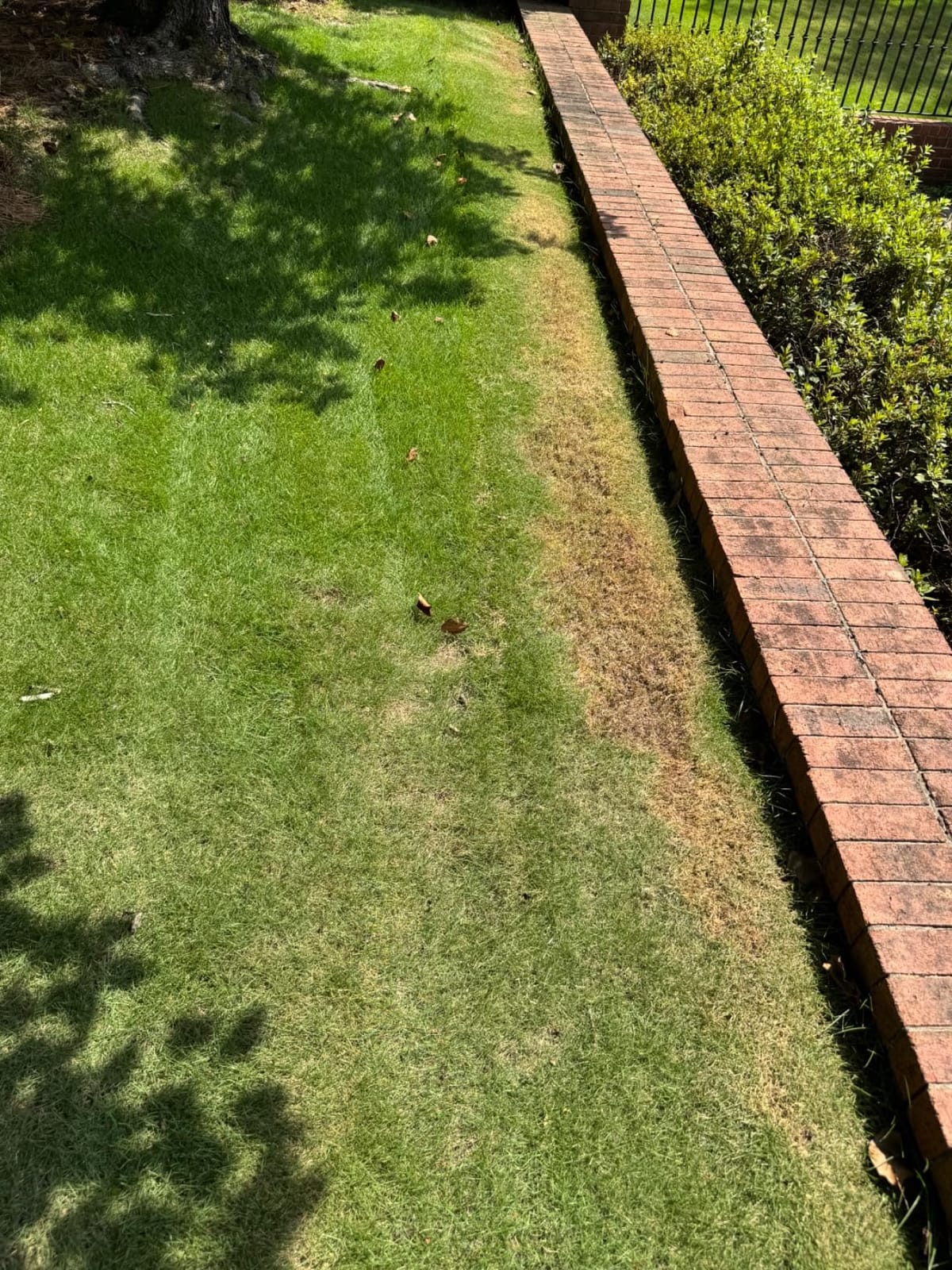
IPX4 weather resistance is worth noting for a slope specifically. It means the machine tolerates spray and light rain, so an unexpected shower is not a reason to abandon the bank for the day. Seven cutting heights with one-hand adjustment keep the deck even across uneven ground, and the included two-bushel bag is a generous size for clumps on a side yard.
Everything runs off the 56V ARC Lithium platform, which is the strongest argument for this machine if you already own EGO tools. One battery type across the mower, the blower and the trimmer changes the economics of steep-yard duty considerably.
Check the 70.8 pounds against your own strength
This is a heavy cordless mower and the weight is the most common owner complaint. It is 15 pounds heavier than the other EGO on this list, and on a genuine descent that difference is felt in your arms after a few passes. If your steep work is a small part of a large flat lawn, the mass is fine. If the bank is most of the property, the lighter machine above is the safer pick.
The 20.5 inch cutting width is also a fraction under a full 21 inch deck, which is odd on a machine from a brand that normally does not shave a quarter inch. Check the deck against the width of your narrowest gate or path before buying, particularly for a tight side yard.
Where it falls short on a steep yard
The review base is 150 ratings, the smallest among the EGO and Greenworks units here, so long-term durability data is thinner than for the machines above. The 4.4 star rating is strong, but it rests on fewer owners than the 4.3 star machines that have 1600-plus ratings each.
Price relative to the lower-voltage rivals is the other recurring note, and it is hardest to justify if you have no other EGO tools. If you do own the platform, the maths is different and this is an easy recommendation. If you do not, the Greenworks machines give you comparable rear-wheel drive behaviour with a wider evidence base.
How to Mow a Steep Yard Safely
Never mow a wet slope. This is the one rule that overrides everything else on this page, and it comes up in manufacturer guidance and on every mower forum we reviewed. Wet grass reduces the friction between tyre and ground, so traction drops at exactly the moment you are relying on the drive to control the descent. If you can see the mower is picking up moisture or leaving a wet stripe, stop and come back later.
Mow across the face of the slope, not straight up and down. Up-and-down passes put gravity directly in the path of travel and concentrate your effort on holding the machine still. Cross-slope passes let the drive work with you, and variable speed is what makes them possible, because you need to crawl sideways without the machine accelerating out of the pass. If your yard is too narrow for a true cross-slope pass, break the climb into short sections rather than committing to a full run.
Set the drive speed before the slope starts, not on it. Dial it down while you are still walking on flat ground, then keep a hand and a thumb on the safety bar for the entire descent. Almost every runaway comes from adjusting the self-propel speed while already moving downhill.
Walk the grade first. Before you cut anything, look for holes, roots, rocks and soft spots. On a slope, a wheel dropping into a hole is a tip-over, and no drive system compensates for that. Cut height matters too, and higher is safer on uneven ground.
One honest limitation. Almost none of these manufacturers publish a maximum safe incline, and we could not find a stated slope rating for any of the eight mowers in this roundup. That absence is itself a signal, so treat the ground rather than the spec sheet as the authority, and start on the gentlest part of your yard to work out what the machine and you can handle before you commit to the bank.
When a String Trimmer Beats a Mower
Three situations call for a different tool entirely, and switching is not giving up. The first is a grade that a walk-behind physically cannot hold on. If you are hauling on the handle with everything you have and the drive is at maximum, a mower is the wrong instrument, and a battery string trimmer with a straight shaft will cut that ground safely because you are standing above it rather than behind it.
The second is a bank that is mostly not grass. Ditch banks, embankments along a road, and creek edges are often a mix of thin grass, weeds and woody growth. A mower deck is a poor tool for that, and a brush cutter is. A 40V or 60V brush cutter will handle the same battery ecosystem as your mower, which keeps the platform argument intact.
The third is the strip between the mower deck and a fence, wall or wall bed on a slope. Trimming head and edger work is faster and safer there than trying to line a 21 inch deck up on ground you cannot see properly. Our cordless leaf vacuum guide covers the same platform logic for autumn cleanup on the same kind of ground.
On very steep properties, a slope-rated robotic mower is also worth a look for the parts you would rather not walk. They cost more and they need a clear boundary, but they handle uneven terrain without an operator standing on a gradient. Our robot mower guide covers the setup questions.
What Actually Matters on a Grade
Torque is not the hill-climbing limiter. This is the correction we would make to most advice on this topic, and it is the one most often missed. Voltage and amp-hours determine how much force the motor can produce, and that force has to be transmitted to the ground through the wheels. A mower with plenty of torque and small hard wheels will spin and slide, while a mower with modest torque and large rear wheels will climb. Check the drive and the wheel setup before you check the volts.
Rear-wheel drive beats push and beats single front-wheel drive on a slope, because it puts drive force directly under the part of the machine carrying the blade. All-wheel drive is better still, though it is rare in this class. Every mower in this roundup that reviewers describe as reliable on a bank has rear-wheel drive.
Variable speed is the safety feature, not a convenience. The danger on a slope is acceleration you did not ask for, and a fixed-speed drive gives you no way to slow the machine except by squeezing the safety bar to stop it entirely, which loses drive exactly when you want to keep the wheels turning. Look for a wide low-end speed range, and the lowest floor in this group is 0.9 mph.
Weight is a genuine trade-off with no clean winner. Heavier machines climb better because more mass sits on the traction wheels, and heavier decks handle blade load without overheating. But a heavy mower is harder to stop on a downgrade, and if you are fighting it, the risk goes up. A lot of long-time owners on forums keep a light walk-behind specifically for the worst banks even when they have a bigger machine for everything else, and that is sound thinking rather than duplication.
Deck size changes the maths on a slope in two directions. A wider deck means fewer passes and more time exposed on the gradient, but it also means more of the machine is cutting at once, which raises blade load. A narrower deck like the 20 inch SKIL or PowerSmart is easier to control on rough ground and slower on the flats. For a mostly-steep yard, narrower. For a mostly-flat yard with one bank, wider.
Battery runtime shrinks on hills, and the spec sheet number is a flat-ground number. A drive motor working continuously uphill drains the pack at a rate that has nothing to do with the blade cutting. Every steep-yard owner we looked at plans around charging between sections rather than finishing the whole lawn on one charge, and the twin-battery kits above exist for exactly that reason.
Platform compatibility can outweigh every spec. If you already own batteries from one ecosystem, reusing them changes the cost of steep-yard mowing more than a deck width or a runtime figure does. EGO runs on 56V ARC Lithium, Greenworks on 60V and 80V, and the budget options sit on their own 40V packs. If you have no tools yet and want a second machine, our zero-turn guide is worth reading, since flat acreage is usually better served by a rider.
Frequently Asked Questions
What type of mower is best for mowing on steep inclines?
A battery-powered self-propelled walk-behind with rear-wheel drive and variable speed control is the right answer for a steep yard. The drive carries you uphill, the rear wheels supply traction, and the variable speed dial lets you crawl across a slope or creep down a grade without the mower running away. A corded mower has the same mechanics and no battery weight, but the cord limits where you can go.
Why does my mower bog down when going uphill?
Three reasons are common. The drive speed is set too high for the grade, so the motor is overloaded rather than underpowered. The deck is set too low and the blade is taking too much grass at once, which is worse on a gradient than on the flat. Or the rear wheels are spinning because the grass is wet or the ground is soft, and the mower is slipping rather than climbing. Raise the deck, drop the drive speed, and mow dry ground.
How steep of a hill can you use a lawn mower?
There is no universal number, and almost none of the electric manufacturers publish a maximum safe incline. The workable limit is set by the machine, the grass condition and the operator. Owners of the Greenworks 80V steel-deck model report mowing 35-degree ditch banks with downward handle pressure, but that is a technique rather than a specification. Start on the gentlest part of your yard and never mow a wet slope.
Are electric lawn mowers safe on steep hills?
They are safer than gas in one important respect, because there is no fuel to spill and no engine to stall on a climb. But every walk-behind, electric or gas, can run away downhill if the drive is set too fast. Mow dry, mow across the slope rather than up and down, set the drive speed while you are still on flat ground, and keep a hand on the safety bar for the whole descent.
Which brand is better, EGO or Greenworks, for hills?
EGO is the stronger choice for speed control, with Touch Drive reaching down to 0.9 mph and up to 7.0 ft-lbs of cutting torque. Greenworks is the stronger choice for severe grades, with rear-wheel drive, a steel deck on the MO80L410 that resists heat, and the most owner-reported slope experience in this group. EGO pairs with a broad 56V tool range, Greenworks offers 60V and 80V platforms and a 4-year warranty.
What tool is best to cut grass on a steep hill?
For grass a mower cannot hold, a battery string trimmer with a straight shaft is the right tool, because you stand above the cut rather than behind it. A brush cutter handles banks that mix grass with weeds and woody growth. Keep a dedicated light machine for the worst banks rather than forcing a heavy mower onto ground it will eventually slip on.
Final Verdict for Steep Yards in 2026
The best electric mowers for steep yards come down to drive, weight and speed range rather than voltage. The EGO LM2135SP is our pick for most hilly properties, with the widest speed control and the highest torque in the group. The Greenworks 80V steel-deck model is the choice for genuinely severe banks and the deepest owner-reported evidence. The SKIL PWR CORE 40 is the right answer when holding the machine on the way down is your main concern, and the PowerSmart is the budget route into rear-wheel drive.
Whichever you choose, mow dry, mow across the slope, and set the drive speed before you start descending. Those three habits will protect you more than any specification on the spec sheet.