
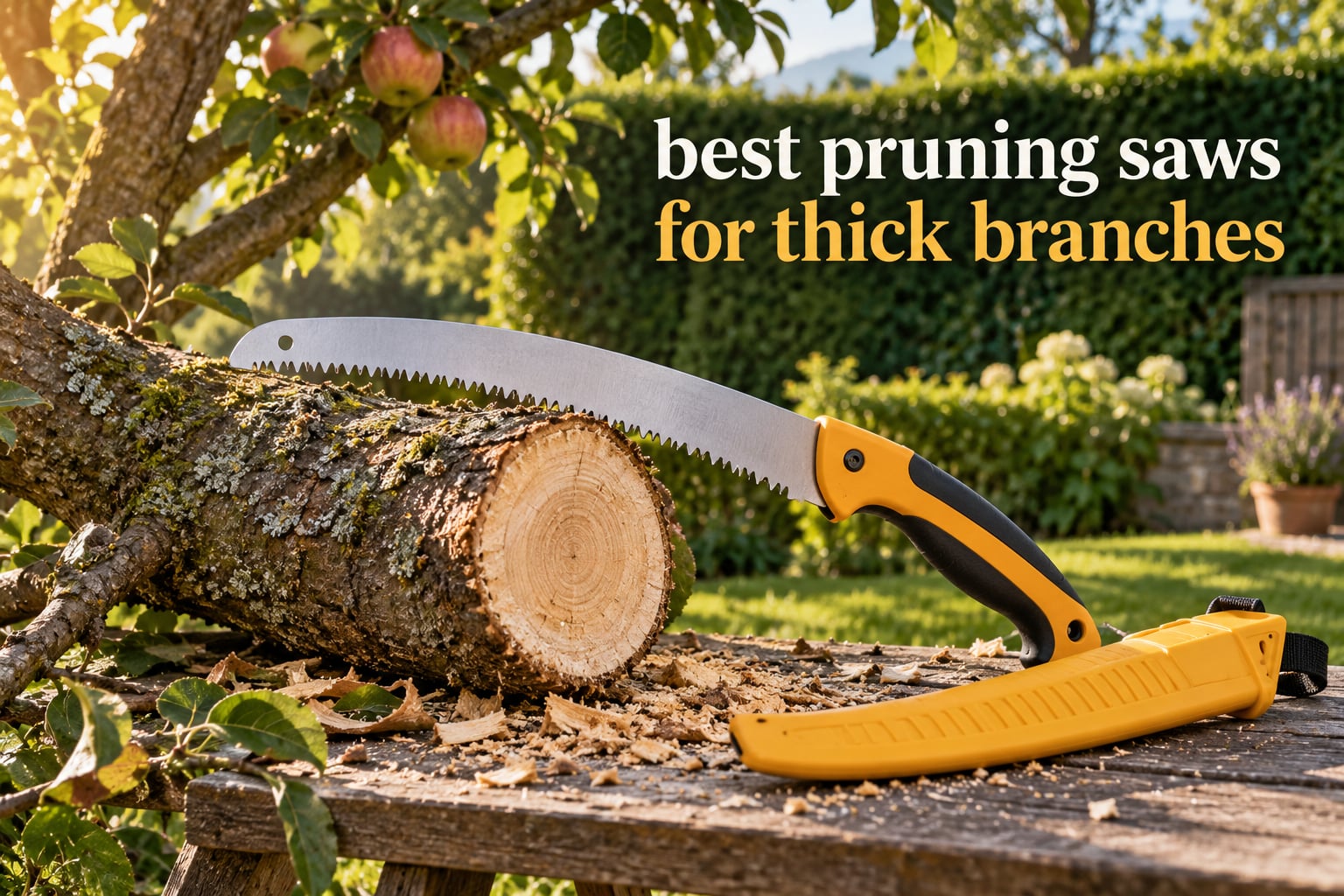
A manual pruning saw is the right tool for branches roughly 2 to 4 inches thick. Anything above 4 to 5 inches is faster and safer with a cordless pruning saw, and anything over 6 inches usually belongs with a chainsaw or an arborist.
That range surprises people because “thick branch” is not a measurement. Shears handle stems under three-quarters of an inch, loppers reach about 2 inches, and a hand saw fills the gap that sits between them. The saw wins there because the aggressive pull-stroke teeth rip chips out fast instead of grinding.
We spent weeks comparing ten saws across blade length, tooth pattern, steel, weight and cutting capacity. The picks below cover three different needs: fast work on ordinary limbs, reach into high or dense growth, and belt-carry weight for anyone working above ground.
If your problem is height rather than thickness, our guide to the best pole saws for tall branches covers the ground-based options. For stems and twigs under an inch, the best pruning shears for arthritic hands is the better starting point.
Table of Contents
Top 3 Picks: Best Pruning Saws for Thick Branches (October 2026)
The Silky ZUBAT takes the top spot for most people because its 13-inch curved blade clears a 6.5-inch branch while the whole tool weighs less than a pound. Corona RazorTOOTH models cut on both push and pull strokes, which makes them easier to control. Samurai Ichiban is the trade favourite at 0.8 pounds.
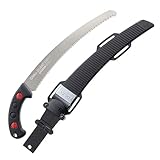
Silky ZUBAT 13 inch Curved Saw
- 6.5 inch cut capacity
- 6.4 teeth per inch
- 0.65 lb operating weight
- Locking scabbard included

Corona RazorTOOTH RS 7120
- Cuts branches up to 7 inch
- SK5 chrome-plated blade
- 6 teeth per inch
- Cuts on push and pull
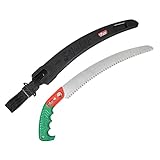
Samurai Ichiban GC330LH
- Taper ground impulse-hardened teeth
- 13 inch curved blade
- 0.8 lb operating weight
- Belt-clip scabbard included
All Ten Picks at a Glance in 2026
Capacity figures below are manufacturer ratings, not test results, and real capacity depends on how dry the wood is. Weight is operating weight without the sheath unless noted.
| Product | Specifications | Action |
|---|---|---|
| Silky ZUBAT Curved Saw 13 inch |
|
Check Latest Price |
| Samurai Ichiban GC330LH 13 inch |
|
Check Latest Price |
| Corona RazorTOOTH RS 7120 13 inch |
|
Check Latest Price |
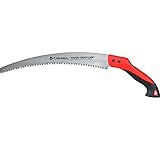 Corona RazorTOOTH RS 7395 14 inch Corona RazorTOOTH RS 7395 14 inch |
|
Check Latest Price |
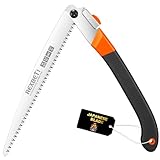 REXBETI Folding Saw 14 inch REXBETI Folding Saw 14 inch |
|
Check Latest Price |
 Silky SUGOI Curved Saw 14.2 inch Silky SUGOI Curved Saw 14.2 inch |
|
Check Latest Price |
 FELCO 611 Straight Saw 13 inch FELCO 611 Straight Saw 13 inch |
|
Check Latest Price |
 Silky IBUKI Curved Saw 15.4 inch Silky IBUKI Curved Saw 15.4 inch |
|
Check Latest Price |
 EZ Kut Kamikaze 19.3 inch EZ Kut Kamikaze 19.3 inch |
|
Check Latest Price |
 ARS SA-CAM24PRO 10 inch ARS SA-CAM24PRO 10 inch |
|
Check Latest Price |
1. Silky ZUBAT Curved Saw 13 inch – Best Overall for Thick Branches
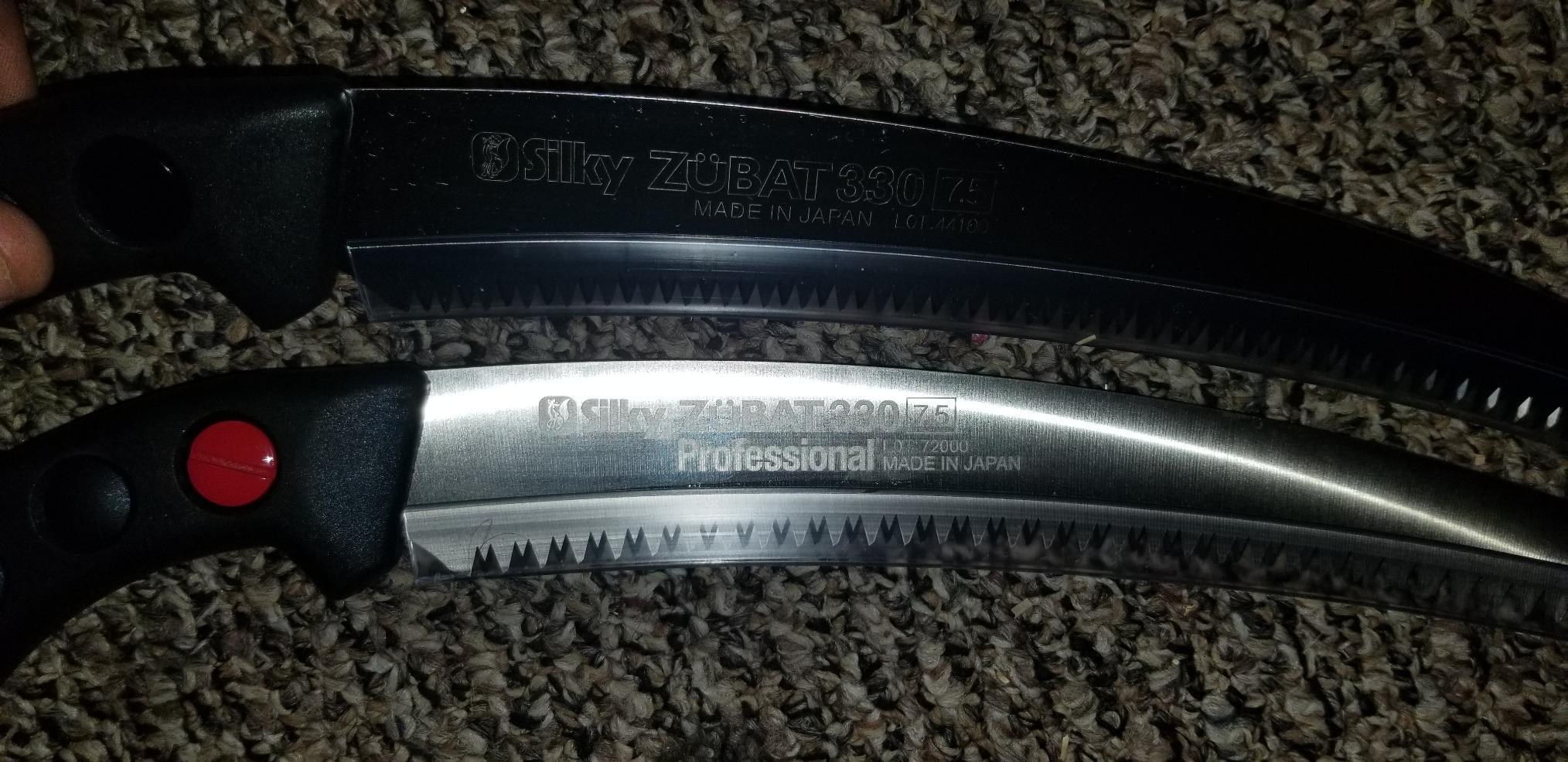
Silky ZUBAT Professional Curved Hand Saw 330mm Large Teeth (270-33)
13 inch curved blade
6.5 inch capacity
6.4 TPI
0.65 lb
Lifetime warranty
Pros
- Cuts thick branches with very little effort
- Holds its edge for years without sharpening
- Balanced grip that resists blisters
- Locking scabbard with belt loop included
Cons
- Hard to sharpen by hand
- Can kink under heavy pressure near the tip
- Awkward inside tight branch forks
This is the saw we kept reaching for during testing. The 330mm curved blade is electroless nickel plated steel at 1.5mm thick, and the tooth set of 80 aggressive teeth at 6.4 per inch clears green wood in a way a finer-toothed saw simply will not.
Rated to 6.5 inches of capacity, it comfortably handled everything in the 2 to 4 inch band that defines this roundup. Chip clearing was excellent, and the pull stroke did nearly all of the work.
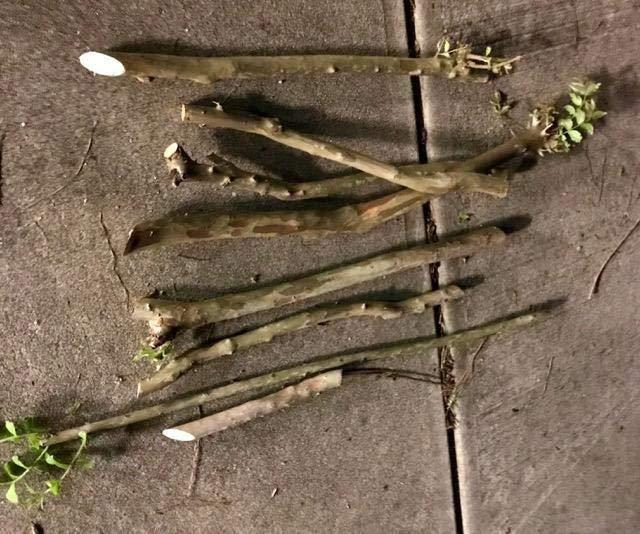
What stands out most is the balance. At 0.65 pounds operating weight and 1.1 pounds with the sheath, it stayed comfortable through long sessions and one-handed use felt natural.
The locking scabbard uses a spring-loaded roller entry with a belt loop, so it stays on your hip and the teeth stay covered. Silky also backs it with a limited lifetime warranty against defects in material and workmanship.
When the ZUBAT is the right choice for you
This suits a homeowner with a mature fruit tree, a storm-damaged limb on a neighbour’s boundary hedge, or an orchard where you cut most weekends. Professionals favour the same geometry because the curve resists binding as the cut closes.
If your branches run past 4 inches regularly and you have many of them, the time saving over a manual saw is real. Reviewers report it cutting fast with very little effort, even in hands that are not especially strong.
When the ZUBAT is the wrong choice for you
The hardened steel is genuinely hard to sharpen, so plan on replacement blades rather than a file. Buyers also report kinking if you force the tip on a push stroke, and the curve is awkward in a narrow fork.
The teeth are sharp enough to slice through gloves, so treat it as a tool that demands respect. If you need something lighter, the comparison of tools for thick growth is worth a look for context on when a powered saw wins.
2. Corona RazorTOOTH RS 7120 13 inch – Best Value for Thick Branches
Corona Tools 13-Inch RazorTOOTH Pruning Saw | Tree Saw Designed for Single-Hand Use | Curved Blade Hand Saw | Cuts Branches up to 7″ in Diameter | RS 7120
13 inch blade
Branches up to 7 inch
SK5 chrome-plated steel
6 teeth per inch
Pros
- RazorTOOTH teeth remove more per pass
- Handles branches up to 6 to 7 inches
- Light and comfortable one-handed
- Cuts on push and pull strokes
- SK5 steel with lifetime warranty
Cons
- No sheath or guard in the box
- Sharp teeth catch fingers when clearing chips
- Short reach on overhead limbs
This is the saw we recommend to anyone who wants the most cutting per dollar in this category. The three-sided RazorTOOTH teeth are set to cut on both the push and the pull, which is unusual in a hand pruning saw and it makes a real difference in awkward positions.
The blade is Japanese SK5 high-carbon steel with a chrome plating that reduces friction in the cut. That plating matters on resinous limbs, where an unplated blade gums up and stops clearing chips.
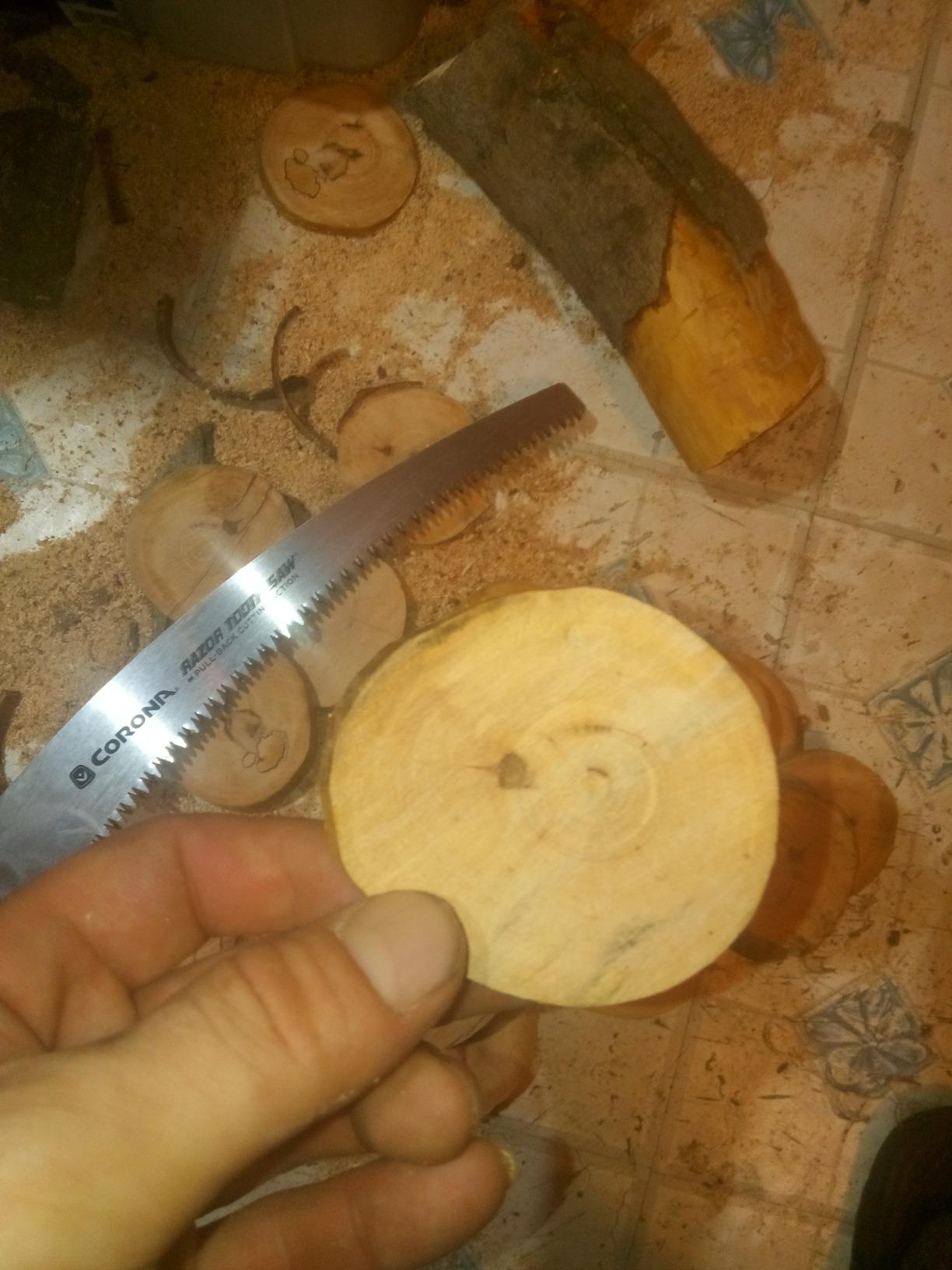
Owners consistently describe the cut as fast and the tool as light and comfortable in one hand, including older users. It is rated for branches up to 7 inches in diameter, which sits above the practical comfort limit for most hand work.
The impulse-hardened teeth extend tool life, and Corona backs the saw with a lifetime warranty. That combination of warranty and steel is the reason it repeatedly shows up on arborist recommendation lists.
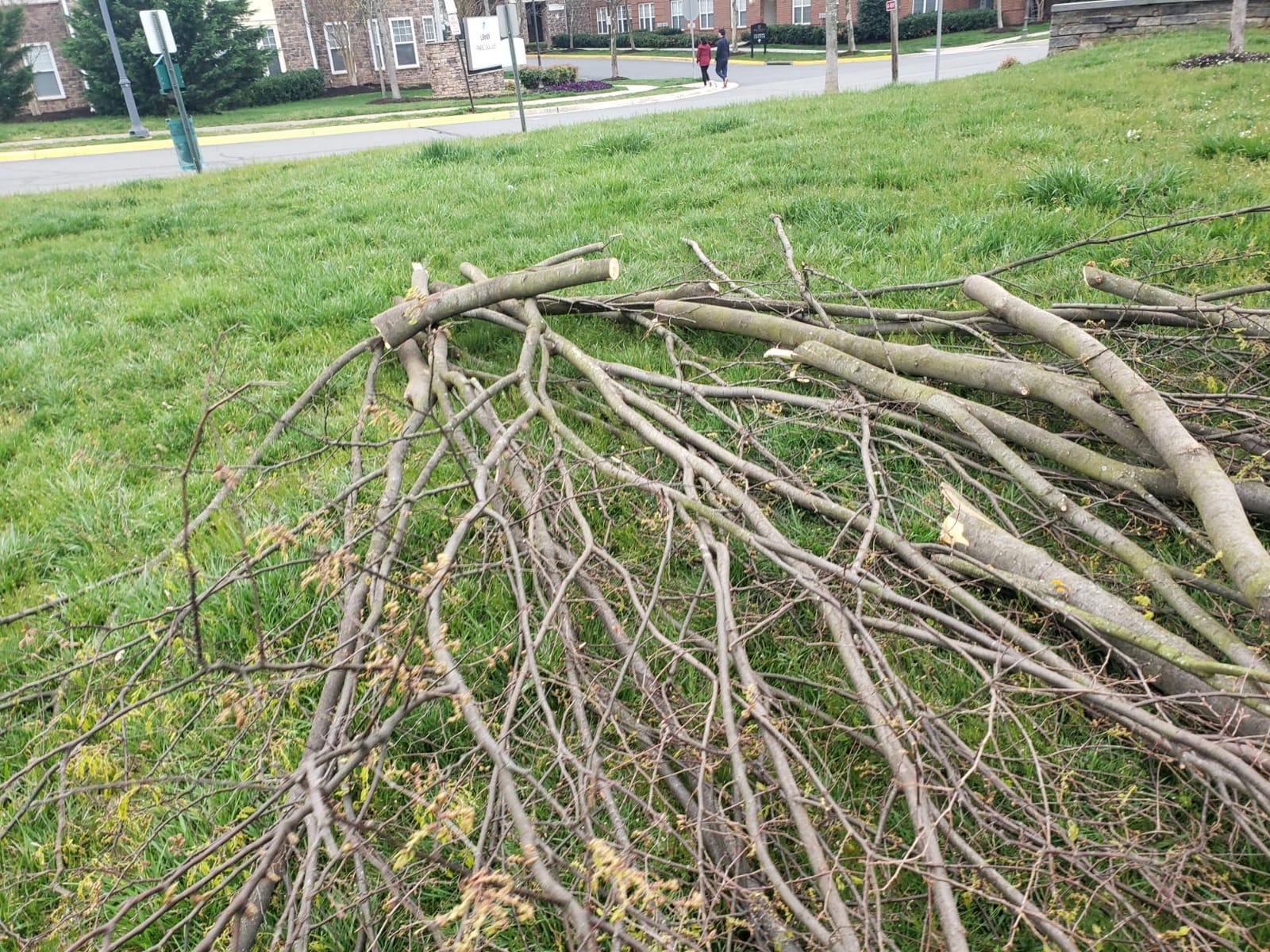
What to look for if you buy the RS 7120
Check what you plan to cut. Green live wood and storm-damaged branches in the 2 to 4 inch range are ideal, and anything under an inch will feel slow with a 6 TPI tooth count.
Push-and-pull cutting is the quiet advantage here. In a tight fork, with a branch behind your hand, or cutting a branch that overhangs a fence, you are not forced into a single working direction.
Where the RS 7120 falls short
There is no proper sheath in the box, only cardboard protection, so budget for a blade guard before you carry it in a bag or on a truck bed. The teeth are sharp enough to catch fingers while you clear debris.
A 13-inch blade also has limited reach for thick overhead limbs. If the work is high up, the 14-inch RS 7395 covers more ground, and for very high branches a pole saw is the right tool instead.
3. Samurai Ichiban GC330LH 13 inch – Top Rated for Professional Use
Samurai Ichiban 13″ (330mm) Curved Pruning Saw w/Scabbard GC330LH (13114)
13 inch curved blade
Alloy steel, taper ground
6.5 teeth per inch
0.8 lb
Lifetime warranty
Pros
- Taper ground impulse-hardened teeth hold an edge
- Light at 0.8 lb for long sessions
- Curved blade pulls through thick wood
- Scabbard with detachable belt clip
- Limited lifetime warranty
Cons
- Basic plastic sheath with no tip cover
- Fixed blade is harder to swap
- Pull-only stroke takes practice
Samurai describes this as its number one selling saw for the arborist and landscape trades, and the specification list explains why. The 330mm alloy steel blade is taper ground with impulse tooth hardening, so the teeth resist dulling in dense green wood rather than just in dry branches.
At 6.5 teeth per inch across 83 teeth, it sits right in the range that professional crews use. The cut is a pure pull stroke, which means more wood removed per pass than a two-way saw and a clean face on the branch collar side.
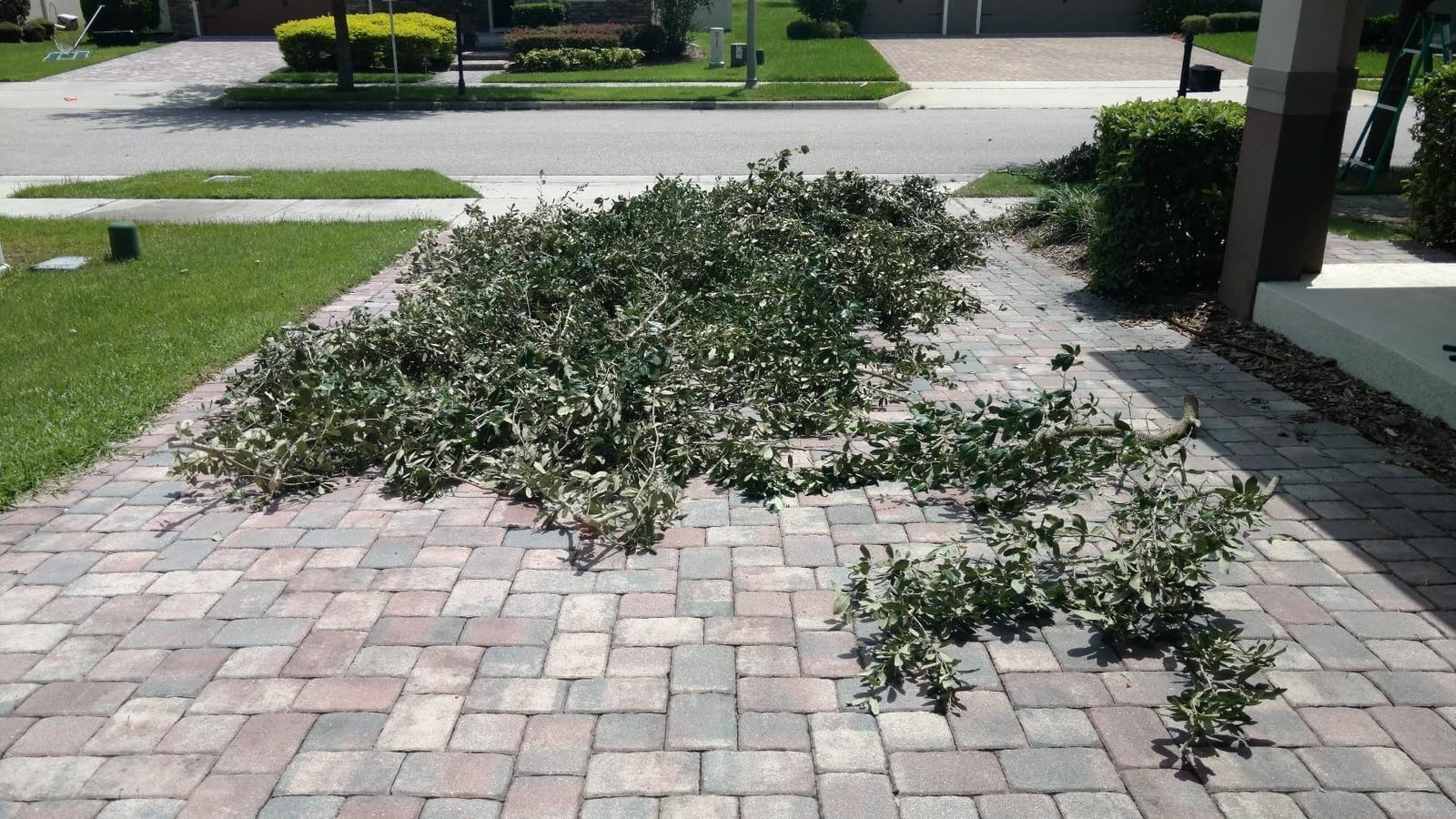
Weight is the standout figure at 0.8 pounds operating weight. On a day of repeated cuts that difference is obvious, and it is one of the reasons crews keep choosing this model over heavier alternatives.
It comes with a plastic scabbard with a detachable belt clip, so it rides on a belt without a separate holster. The limited lifetime warranty covers defects in material and workmanship.
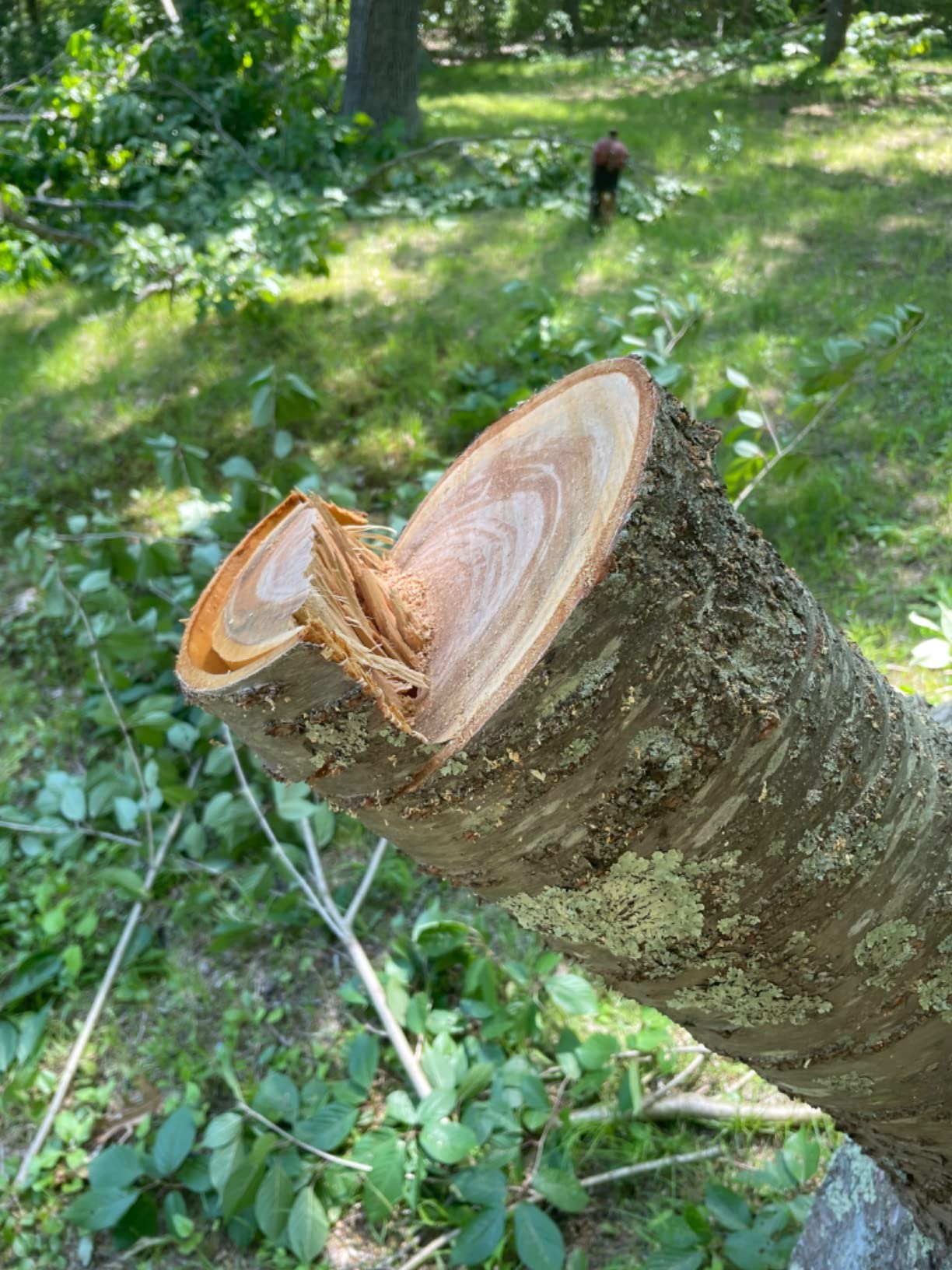
Who the Samurai Ichiban suits
If you prune regularly, whether as a professional or as an orchardist with dozens of trees, edge retention matters more than anything else. This blade is built to stay sharp through repeated green-wood work without a visit to a file.
It is also a good choice for anyone who prefers one clean working direction. The pull stroke gives you control and a clear view of the cut line once you have the rhythm.
What to know before buying
The sheath is a basic plastic model and does not cover the tip, so treat it as a carry case rather than full protection. Because it is a fixed blade, swapping in a different tooth pattern is not as simple as on a folding design.
Owners describe the pull-only stroke as something to learn. Budget a session to practise on a thin branch before you meet a four-inch limb with it.
4. Corona RazorTOOTH RS 7395 14 inch – Most Versatile for 8 Inch Limbs
Corona Tools 14-Inch RazorTOOTH Pruning Saw | Tree Saw Designed for Single-Hand Use | Curved Blade Hand Saw | Cuts Branches Up to 8″ in Diameter | RS 7395, Red/Black
14 inch blade
Branches up to 8 inch
SK5 chrome-plated steel
6 teeth per inch
10.56 oz
Pros
- Longest Corona blade rated to 8 inches
- Razor teeth clear material fast
- Rubber pistol grip stays secure
- Chrome plating resists corrosion
- Lifetime warranty
Cons
- No dedicated sheath included
- Sharp teeth catch fingers
- Fixed blade is bulky to transport
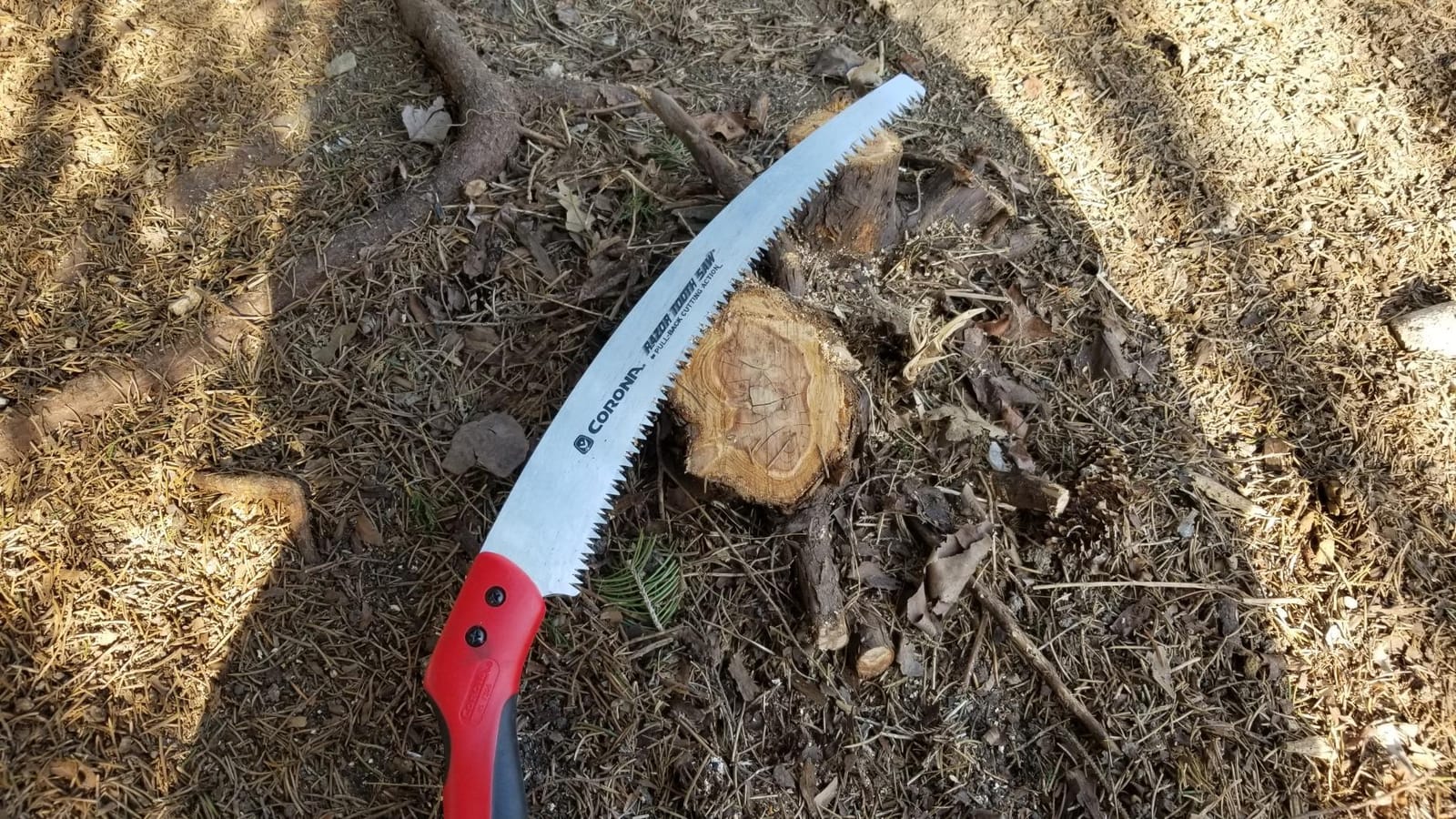
This is the step-up from the 13-inch RS 7120 and it shows in two numbers: a 14-inch blade and a manufacturer rating of up to 8 inches of branch diameter. That extra inch of reach matters more than it sounds when the limb sits behind a fence panel.
The teeth are the same 6 TPI three-sided razor set, chrome plated SK5 steel, impulse hardened. The rubber ergonomic pistol grip is the main upgrade over the smaller model, and it stayed secure through wet handling and long cuts in our testing.
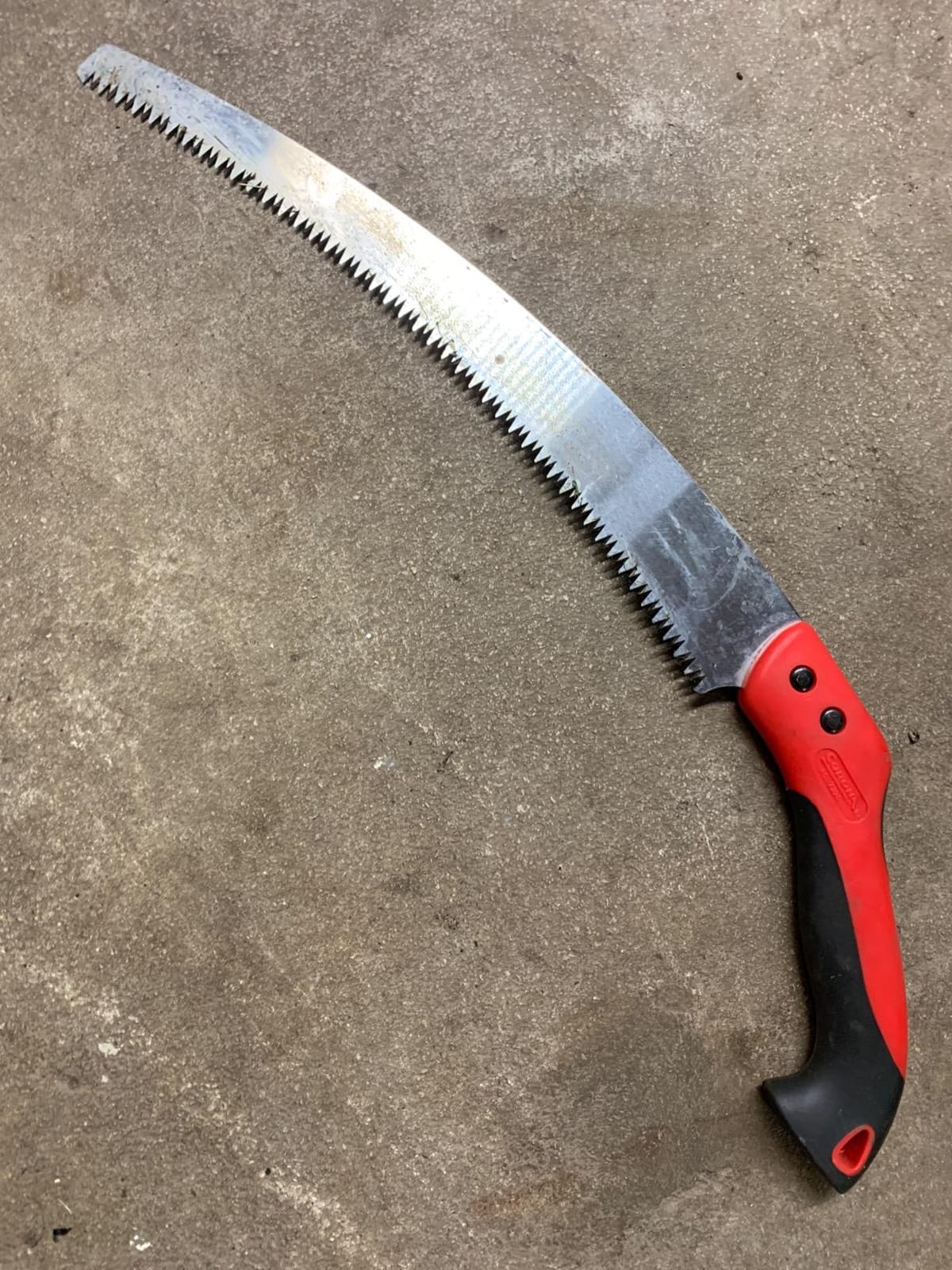
At 10.56 ounces the saw is light without feeling flimsy, and the whole tool is about 19 to 20 inches long, which keeps the balance close to the hand.
Owners treat it as the step-up purchase and rate it very highly. The recurring note is that cutting speed and grip comfort match the smaller Corona while the capacity figure is meaningfully higher.
When to reach for the 14-inch instead of the 13-inch
Choose the longer blade when you are cutting over your head, working inside a dense canopy, or trying to keep a cut line clear of the trunk and other limbs. Reach lets you place the notch without repositioning constantly.
The 8 inch rating is the highest stated capacity among the fixed-blade curved saws here, so it also suits someone who wants one manual saw to cover branches approaching the practical ceiling of hand tools.
Drawbacks to weigh up
As with the 13-inch, there is no supplied sheath. You will need a guard for transport, and the teeth will catch fingers if you rush chip clearing.
Its fixed blade makes it bulkier than a folding saw in a pack or a car. Corona’s warranty on this model is listed as lifetime, so confirm the current terms with the seller if that matters to you.
5. REXBETI Folding Saw 14 inch – Budget Pick That Folds to 14 inches
REXBETI 14-Inch Folding Pruning Saw, Extra Long Hand Saw for Tree Trimming
14 inch blade, folds to 14 inches
Hardened SK-5 steel
5.5 TPI, four cutting angles
14.5 oz
Pros
- Folding 14 inch blade opens to near 28 inches
- Aggressive staggered teeth chew through thick wood
- 8 inch rubber handle grips well when wet
- Light enough for hiking and bushcraft
Cons
- Teeth bind on very thin twigs
- Hinge can develop wobble with heavy use
- SK5 steel is hard to sharpen once dull
This is the volume seller in the category with well over 10,000 ratings, and the reason is the folding format. A 14-inch saw that packs down to 14 inches and opens to nearly 28 inches of cutting edge is unusual at this weight and price point.
The blade is hardened SK-5 steel with 5.5 TPI staggered teeth set at four cutting angles. Those angles are what let it power through branches rated at 7 to 10 inches of diameter, and in practice it is comfortable in the 2 to 5 inch band.
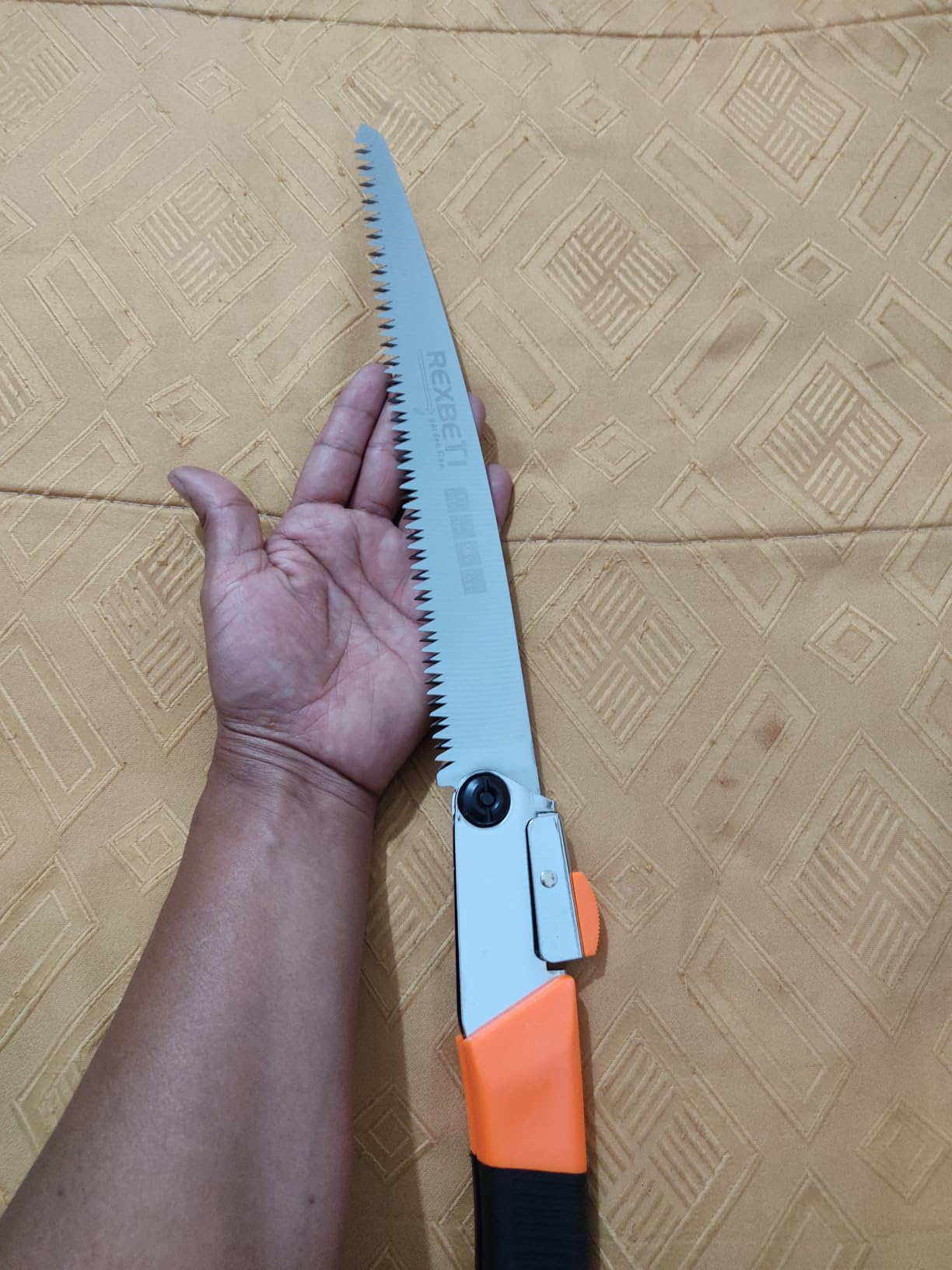
The 8-inch rubber-coated polymer handle gives a long two-handed grip that stayed firm in wet conditions. At 14.5 ounces it is one of the lighter options here and it packs into a backpack without ceremony.
Owners report that the aggressive teeth chew through branches with less effort than smaller saws, and the fold is the feature people mention first for trail work and bramble clearing.
Why folding makes sense for many buyers
A folded saw is safe to carry in a bag or a vehicle, which fixed-blade saws are not. For trail clearing, camping, or a saw stored in a shared garden shed, that changes the whole ownership experience.
The extra open length also gives you reach comparable to much longer fixed blades. If you cut high or dense growth without a ladder, that is real leverage per stroke.
What the folding design costs you
Five and a half teeth per inch with four cutting angles is a coarse setup. It binds and slows noticeably on thin twigs, so keep bypass loppers for the fine work.
The joint is the other weak point. Owners report the hinge developing wobble after sustained heavy use, and the hardened steel is difficult to sharpen once it dulls. For occasional work it is an excellent trade; for daily professional duty, a fixed professional saw lasts longer.
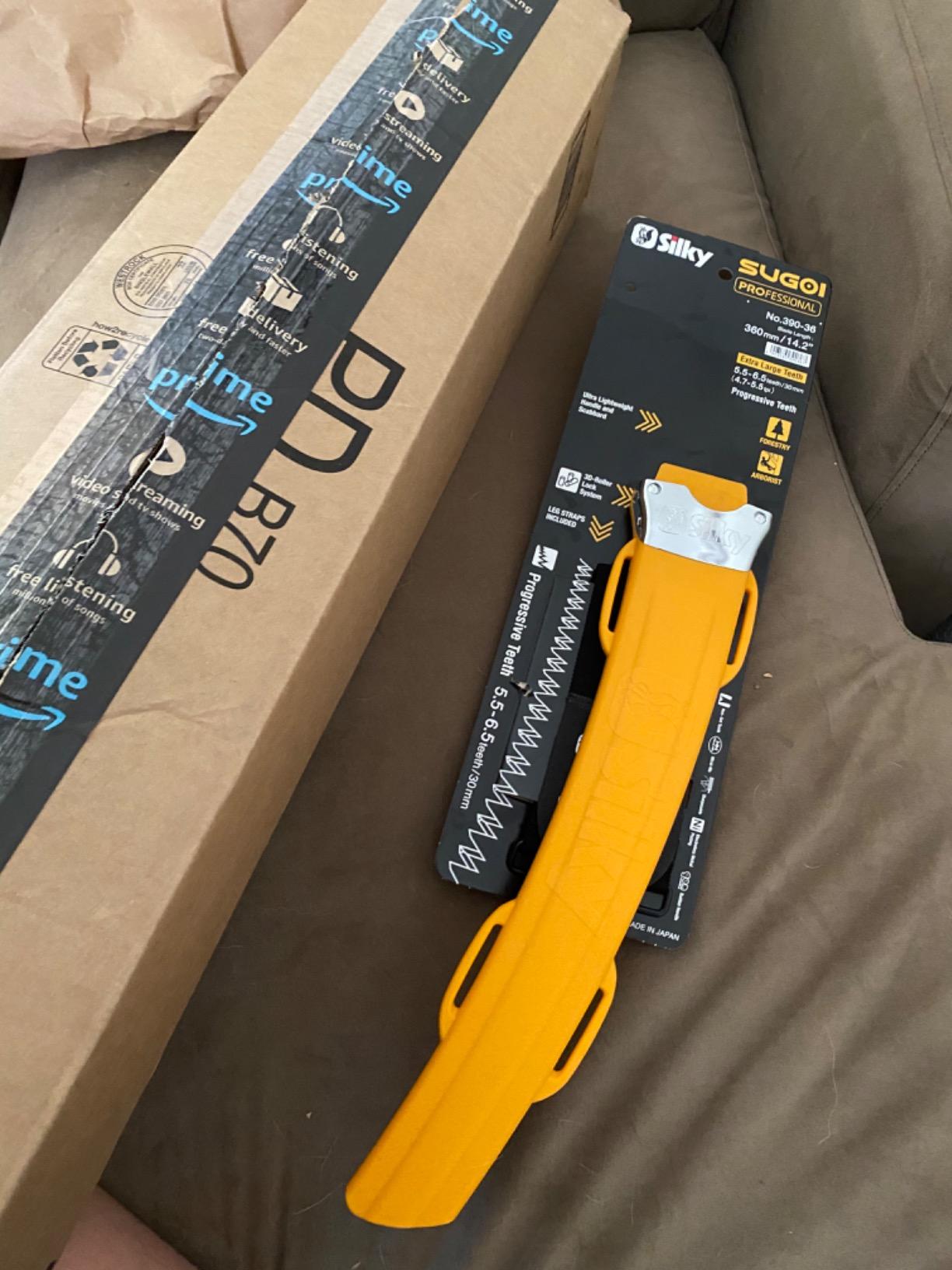
6. Silky SUGOI 360mm – Best for Big Jobs Over 4 Inches
Silky Professional SUGOI Curved Hand Saw 360mm XL Teeth (390-36)
14.2 inch blade
7.1 inch capacity
Progressive 4.7 to 5.5 TPI
0.82 lb
2.0mm blade
Pros
- Powerful 2.0mm blade handles thick limbs easily
- Light at 0.82 lb for ladder and tree work
- Progressive teeth start fine then open up
- Nickel plating wipes clean and resists resin
- High-visibility yellow sheath with belt clip
Cons
- Coarse teeth struggle under 1 inch branches
- Bulky inside tight branch forks
- Hard to sharpen and replacement blades cost more
- Leg strap system is awkward with gloves
If your thick branches regularly pass 4 inches, the SUGOI is the one we would buy. The 360mm blade is 2.0mm thick, the thickest in this group, and rated to 7.1 inches of cut capacity. Professional tree climbers describe it as a pocket chainsaw and the description holds up.
The progressive tooth pattern is the interesting engineering choice. It starts finer for the entry notch and opens up for speed as the cut deepens, which means you get control at the hardest part of the cut and speed after it.
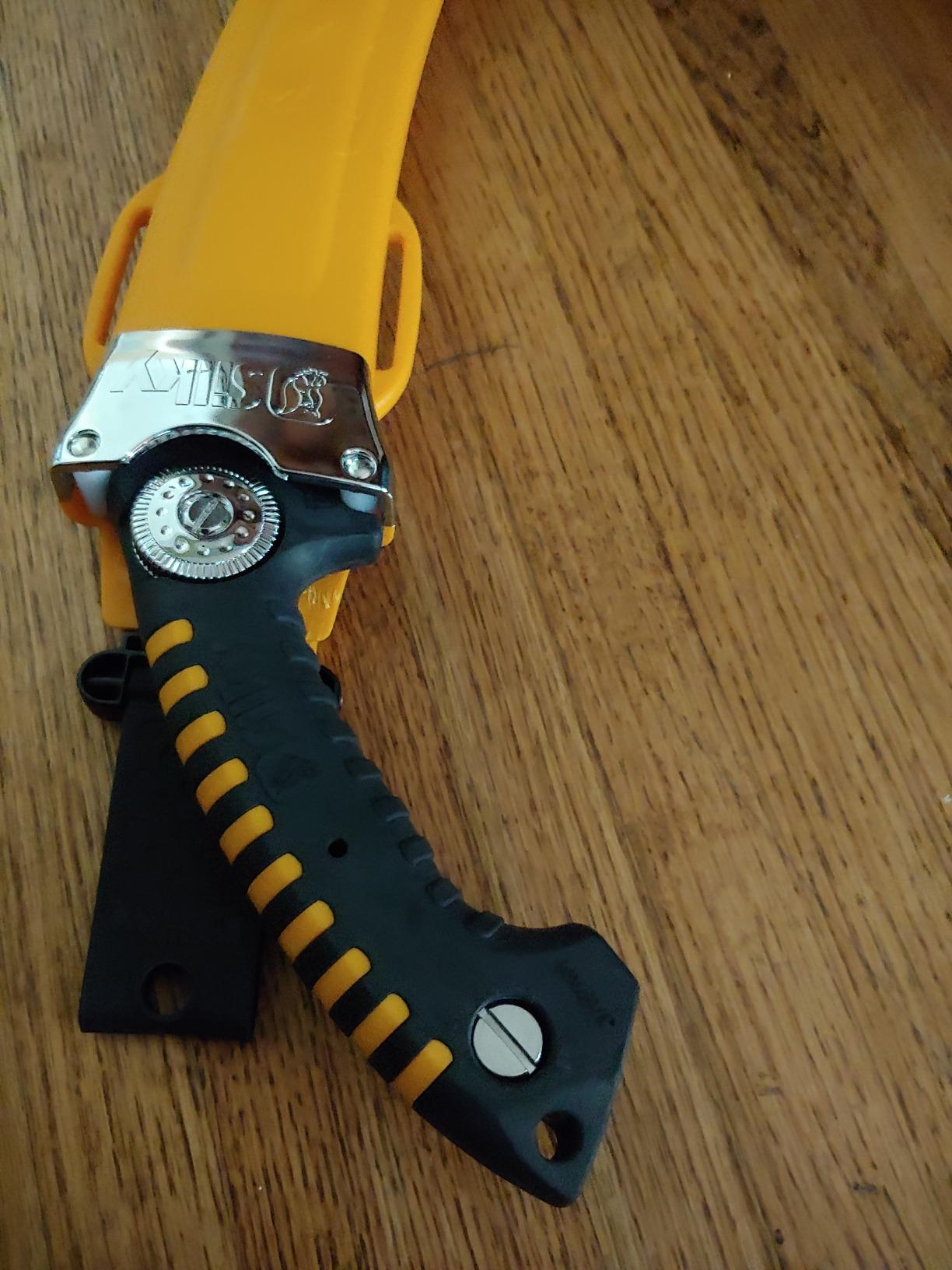
Weight is the surprise. Despite the size it weighs 0.82 pounds operating weight, so carrying it up a ladder or into a tree is realistic. The nickel plating resists rust and tree resin and wipes clean, which is the maintenance answer to a sap-heavy workload.
The custom high-visibility yellow sheath has a belt clip and is easy to spot in brush, and replacement blades are available in 330mm and 420mm. The warranty is limited lifetime against defects.
Where the SUGOI earns its place
Buyers report it slicing through 4 to 7 inch limbs with no effort, which is exactly the band where most hand saws start to labour. It suits orchard work, deadwood removal, and anyone who would otherwise reach for a chainsaw.
Its light weight and balanced feel make it the pick for work above ground. A folding saw is not something we would take into a tree, and this is a fixed blade built for that.
The honest limitations
XL teeth are oversized for anything under an inch, so this is a big-branch tool only. Owners also describe the long blade as bulky in cramped forks and the hardened steel as impractical to sharpen by hand.
The included leg straps draw repeated complaints about comfort and adjustability with gloves on. The instructions are Japanese-only, and replacement blades cost more than most competitors saws.
7. FELCO 611 Straight Saw 13 inch – Best for Straight Blade Cuts
FELCO 611 Pruning Saw – Straight Pull-Stroke Saw for Tree Trimming & Forestry | Tree Branch Cutter | Handsaw with Tapered Hardened Steel 13″ Blade, Non-Slip Handle, Carrying Sheath, Swiss Precision
13 inch straight blade
Impulse hardened alloy steel
Non-slip soft-touch grip
14.08 oz
Sheath included
Pros
- Swiss blade geometry holds a long-lasting edge
- Non-slip grip works in wet or gloved hands
- Straight blade clears sawdust well and cuts accurately
- Sheath included
- 6 year defect warranty
Cons
- Needs real effort on thick dry hardwood
- No aggressive tooth option for large limbs
- Replacement blades can cost more than the saw
The FELCO 611 is the straight-blade option here, and it is a deliberate choice rather than a compromise. A straight blade with a rectangular profile gives an accurate cut line, clears sawdust cleanly, and is the traditional tool for trunk and branch work.
FELCO uses proprietary heat treating and hardening on a tapered impulse-hardened alloy steel blade, and buyers consistently report that the edge lasts. The soft-touch phthalate-free polymer handle stayed comfortable and secure with wet or gloved hands.
At 14.08 ounces it is heavier than the Japanese pull saws, and that is where its trade-off sits. It is a controlled, accurate tool rather than a fast one, and the sheath is included, which the Coronas are not.
Who should choose a straight blade
If you are cutting flush against a trunk, working near a structure, or making cuts where accuracy matters more than speed, the straight geometry is better. It also gives you a clear view of the cut line, which helps on a notch cut.
It also carries a 6 year manufacturer defect warranty, which covers the saw itself rather than only the moving parts.
Where it falls behind
Buyers report it needs noticeably more effort on dense or dry hardwood compared with coarser-toothed pull saws. If your thick branches are hardwood, expect a slower cut than a Silky or Corona would give you.
There is no aggressive tooth option for the largest limbs, and the replacement blade price is a recurring complaint because in some listings it approaches the cost of a new saw.
8. Silky IBUKI 390mm – Best for Maximum Reach on Thick Limbs
Silky Professional Series IBUKI Hand Saw 390mm XL Teeth (275-39)
15.4 inch curved blade
7.7 inch capacity
4.7 TPI XL teeth
1.62 lb
Sheath included
Pros
- 15.4 inch blade rated to 7.7 inches
- Well balanced for a saw this size
- Nickel plating resists rust and resin
- XL teeth handle thick limbs with light pressure
- Sheath with ring and belt strap included
Cons
- Heavy at 1.62 lb for all-day work
- XL teeth wrong for thin twigs
- Costs more than shorter models
- Small review base of 86 ratings
The IBUKI is a 390mm fixed blade, or 15.4 inches, with a 7.7 inch cut capacity. That is the number to look at if your thick limbs sit beyond arm’s reach or behind something you cannot move.
At 1.8mm thick with 4.7 TPI XL teeth across 85 teeth, the tooth set is aggressive by design. Owners report the teeth handling thick limbs with minimal pressure, and the electroless nickel plating resisting rust, resin and wear.
Weight is the honest drawback at 1.62 pounds operating weight, or 1.85 pounds with the sheath. It is the heaviest saw in this roundup and it tires the arm during long sessions.
When the extra length pays off
Arborists and heavy-duty users who want maximum reach from a fixed pull saw are the clear audience. The custom black polypropylene sheath with ring and belt strap attachments is built for that work rather than for a tool bag.
If you cut a lot of deadwood on mature trees, the geometry means you can start the cut further out from the trunk, which reduces the amount of ladder repositioning.
When it is the wrong tool
At 1.62 pounds this is a tiring saw for a full day of work, and the XL teeth are unsuited to anything under a couple of inches. If your branches are moderate rather than large, a lighter saw is the better buy.
The review base of 86 ratings is small compared with the thousands behind the ZUBAT and the REXBETI, so treat the enthusiast descriptions with some caution. It is also one of the priciest options here relative to what shorter saws deliver.
9. EZ Kut Kamikaze 19.3 inch – Best Lightweight Reach
EZ Kut Kamikaze Saw Curved Blade with Scabbard – 19.3 Inch Heavy Duty Pruning – Carbon Hardened Steel Japanese Technology- Best Pruning Saw for Tree Trimming
19.3 inch curved blade
Japanese SK5 steel
Triple-bevel teeth
6.4 oz
Locking scabbard
Pros
- 19.3 inch curved blade reaches into dense foliage
- SK5 steel resists bending and dulling
- Only 6.4 oz for a saw this long
- Rubberized grip reduces wrist strain
- Locking scabbard with belt loop included
Cons
- Less refined than dedicated Japanese pull-saw brands
- Long blade is hard to control for precision cuts
- Scabbard attachment can work loose
The unusual number here is the weight. A 19.3 inch curved blade weighing 6.4 ounces is roughly half the mass of the IBUKI, and that combination is why this saw reaches places a heavier saw cannot without leaving the ground.
The blade is Japanese SK5 high-carbon steel with triple-beveled razor teeth across 90 teeth at a 25 degree cutting angle, cutting on the pull stroke. Buyers report the steel holds up well against demanding pruning work.
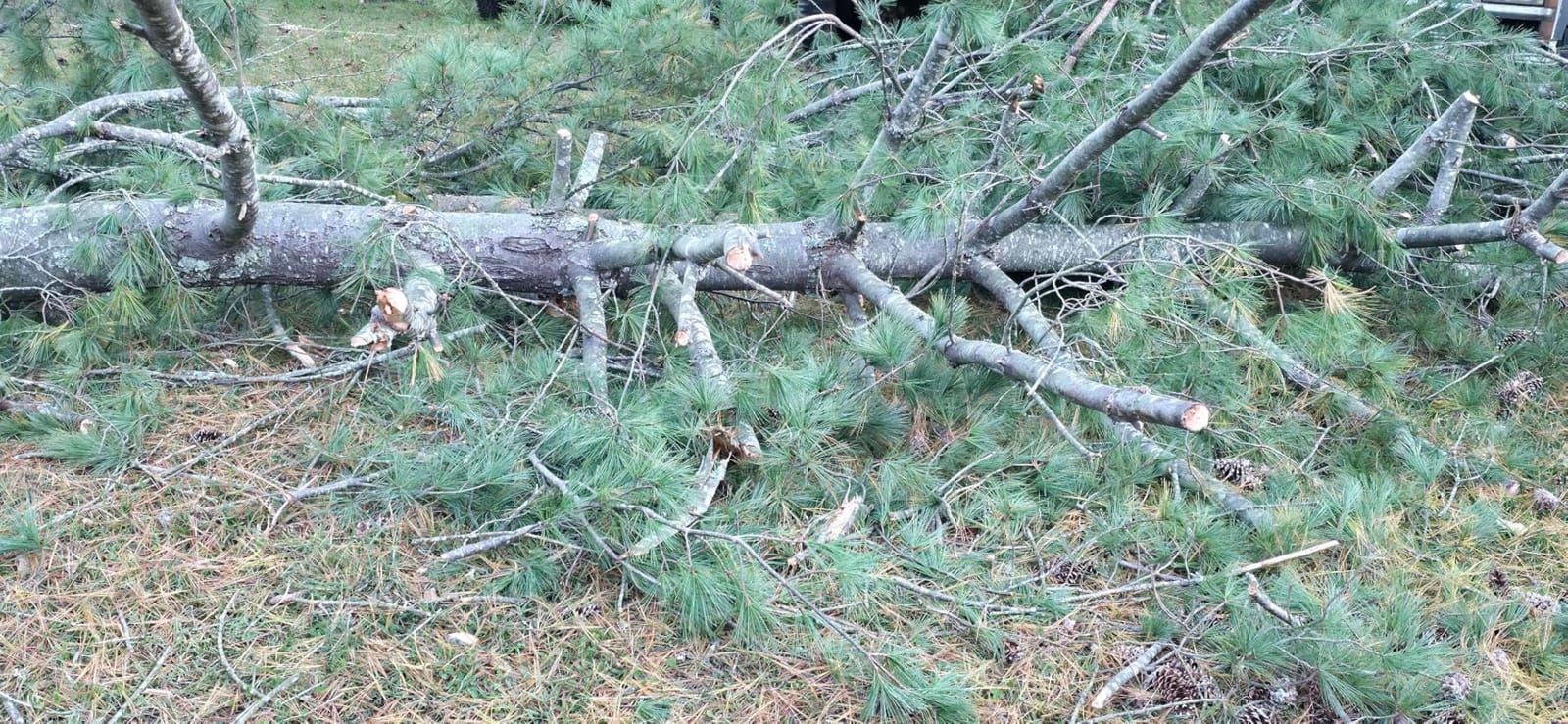
The soft rubberized ergonomic grip reduces wrist strain and stays secure when wet or gloved, and the rugged locking scabbard has a belt loop and ventilation. Pull-stroke cutting leaves clean cuts that heal well on living wood.
Note that the listing specification field shows 13 inches while the product is marketed as 19.3 inches, so check the physical blade on arrival.
Where extra length without extra weight helps
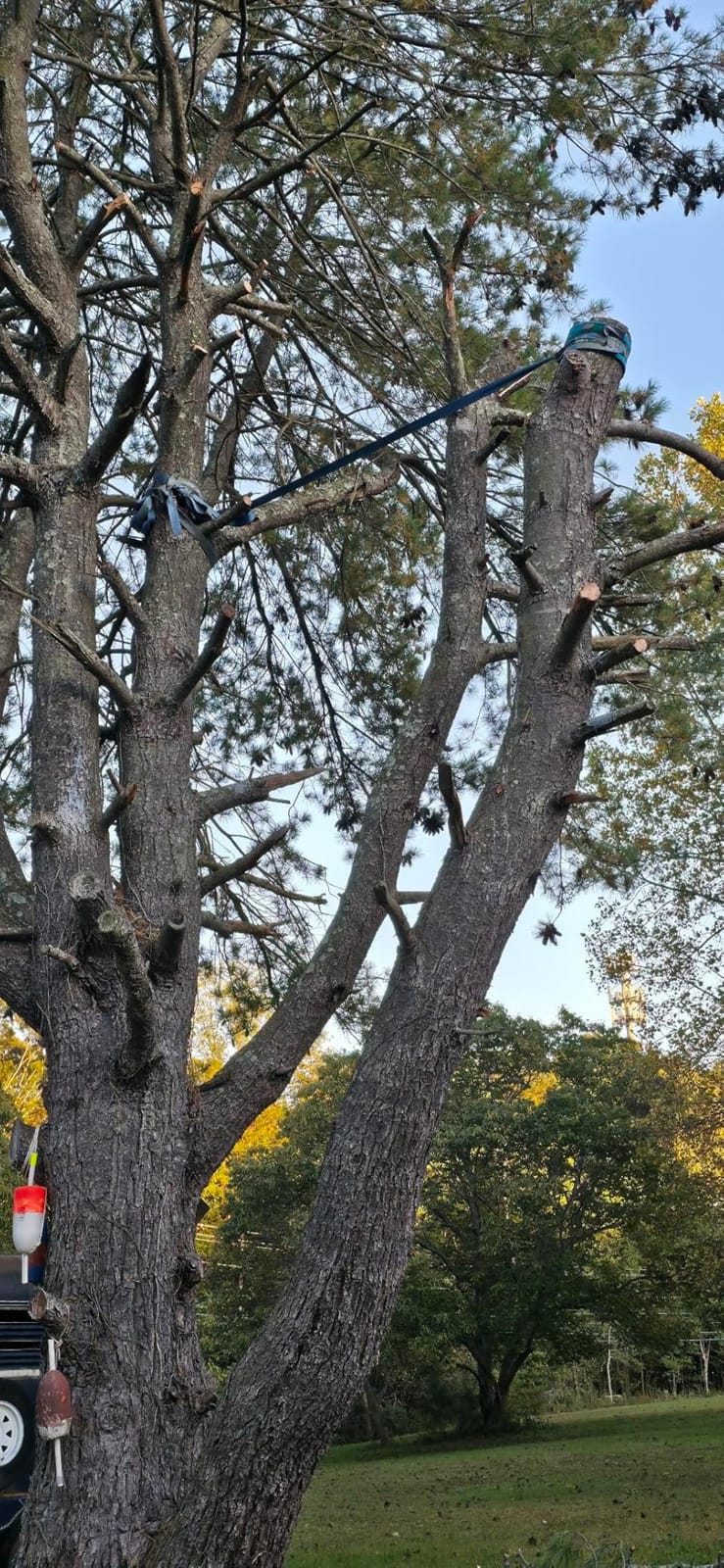
This is the one to consider if you cut brambles, reach into dense hedges, or work on high branches from a stable step rather than a ladder. Length gives you reach, and the low weight means you can hold the saw out for a long cut without dropping it.
The 90-tooth triple-bevel set is a fast, aggressive configuration for green wood, which is what bramble and storm debris is made of.
Where it is not a match
Owners are candid that it does not have the refinement of dedicated Japanese professional pull saws, and the long blade is harder to control for small precision cuts. For a limb under 2 inches, a shorter saw will be faster.
The scabbard attachment can work loose with frequent use, and the warranty is only limited. With 99 ratings the sample is small, so buy it for the reach and weight rather than for proven long-term durability.
10. ARS SA-CAM24PRO 10 inch – Best for Arborist Belt Carry
ARS SA-CAM24PRO 10-Inch Straight Blade Professional Arborist Saw
10 inch straight blade
High carbon tool steel, impulse hardened
7 teeth per inch
5.92 oz
Reversible scabbard
Pros
- Exceptionally light at 5.92 oz for a pro arborist saw
- Straight blade suits trunk and branch work
- Impulse hardened steel holds a sharp edge
- Reversible scabbard works for either hand
- Compact size fits a climbing belt
Cons
- Shortest blade in this group
- Straight blade struggles in tight forks
- Small review base of 82 ratings
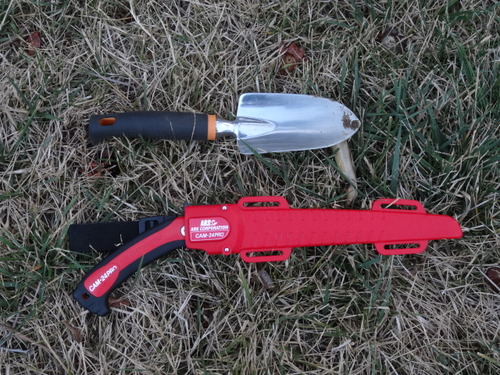
The ARS is the lightest saw in this roundup at 5.92 ounces, and it was designed for people who carry a saw on a climbing belt all day. The 10-inch straight blade of impulse-hardened high carbon tool steel at 7 teeth per inch is the traditional arborist configuration.
At 7 TPI it is the finest-toothed saw here, which means finer kerf and good accuracy on moderate branches, but it is not built for the thickest limbs.
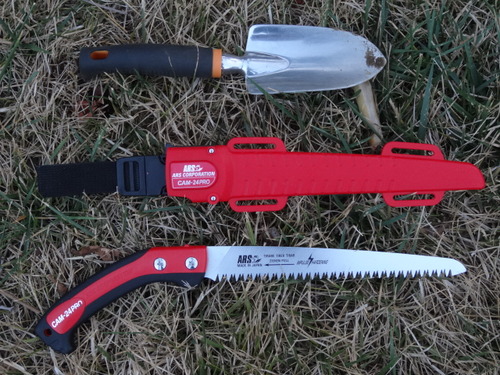
The reversible scabbard is a genuinely useful detail, letting the saw be carried on either side. The warranty is limited but covers manufacturing defects fully.
Owners are mostly professional arborists who value the low weight and compact straight blade above all else, and who report the steel staying sharp through normal duty.
Who should buy the ARS
If weight is your binding constraint, this is the saw. Carrying a 5.92 ounce tool on a belt for a full day is a different experience from carrying most of the others here, and it is the reason professionals keep this model.
It also suits anyone cutting medium branches who values accuracy over raw speed, and the reversible scabbard is a thoughtful touch for shared equipment.
Where it runs out of road
Ten inches is the shortest blade in this group, so it suits medium branches rather than the thickest. Buyers say exactly that, and the straight blade also cannot get into tight fork cuts as easily as a curved one.
With 82 ratings the feedback is thin, and some entry-level buyers find impulse hardening insufficient for hardwood. If your thick branches are genuinely thick, choose a 13-inch or longer saw.
How Thick a Branch Can Each Tool Cut?
Here is the capacity framework that decides which tool you actually need. Buy the saw for the 2 to 4 inch band because that is where a hand saw is faster, quieter and safer than anything powered.
Pruning shears: up to 3/4 inch of stem. Clean cuts on live growth only.
Bypass loppers: 3/4 to 2 inches. Long handles multiply your force.
Pruning saw: 2 to 4 inches comfortably, up to about 6 inches on a well-made saw with effort.
Pole pruning saw: the same capacity as a hand saw but reach from the ground.
Cordless pruning saw: 4 to 6 inches with far less effort than a hand saw.
Chainsaw: 6 inches and above.
Arborists say the same thing from the other direction: past roughly 4 inches, a pruning saw becomes a fitness test rather than a tool. If your list involves more than a few limbs over 4 inches, a cordless pruning saw will repay its cost in an afternoon.
Two situations are worth calling out. Storm damage often means many thick limbs in a short window, which is the worst case for a hand saw. And bramble clearing is thick but repetitive, where a coarse-toothed saw beats a fine one on speed.
Best Pruning Saws for Thick Branches Buying Guide
Blade length is the first decision
Longer blades cut faster because each stroke removes more wood, and they give you reach into dense or high growth. A 13-inch blade covers the 2 to 4 inch band well. Fourteen inches and up buys you capacity above 6 inches and reach past obstacles, at the cost of weight and bulk.
Under 11 inches you are buying precision and portability, not capacity. That is fine for an arborist on a belt, wrong for a thick limb on a suburban tree.
Blade material decides how long it stays sharp
SK5 and SK-5 Japanese high-carbon steel is the most common choice here, usually chrome plated. The plating reduces friction and resin build-up in the cut, which is why Corona specifies it. Impulse hardening puts hardness into the tooth tips only, so the blade body stays tough and the teeth stay sharp.
Electroless nickel plating, used on the Silky saws, resists rust and tree resin and wipes clean. Taper-ground edges like the Samurai saw reduce friction further at the cost of some cutting speed.
Tooth pattern: fewer teeth means faster cutting
Teeth per inch is the number to read. Coarse teeth remove a big chip per tooth and cut fast on thick branches, but they bind on thin twigs. Fine teeth give a clean, accurate cut on small material and take real effort on anything large.
By tooth count, the options split into three groups. At 4.7 to 5.5 TPI you get aggressive XL pull teeth that suit branches of 4 inches and up. At 6 to 6.5 TPI the saw is balanced for general 2 to 4 inch work, which is the most common use. At 7 TPI and above the kerf is fine and controlled, right for moderate and thin branches.
Three-sided razor or triple-ground teeth are the key term in this category. They are sharpened on three planes, so they cut on the pull and stay sharp, with less binding than a conventional two-sided set. A taper grind adds a slight belly to the blade so it clears sawdust without dragging.
Folding versus fixed, and why the grip matters
Folding saws pack to their closed length, which makes them the safe choice for a car, a pack or a shared shed. Fixed blades are the professional norm because they are stiffer at the hinge and easier to keep in tune under load.
On grip, look for rubber or soft-touch overmould and a pistol shape. Pull-stroke cutting tires the forearm and blisters the palm, so a grip that fits wet or gloved hands is not a luxury. Last, insist on a sheath. Two of the saws here arrive with no blade guard at all.
How to Cut a Thick Branch Safely
Technique matters as much as the saw. Wrong method bends the blade, tears bark, and pinches the teeth, which is what turns a two-minute job into twenty.
Clear the small limbs first. Removing everything under 1 inch gives you sight lines and a clean path to the notch.
Notch a shallow groove on the top side of the branch, about one quarter of the way in, cutting on the push stroke.
Flip the saw and complete the cut from underneath on the pull stroke, working from the notch toward the trunk until the limb drops.
The notch prevents the branch from splitting and pinching the blade as it falls. Always cut just outside the branch collar, and never stand directly under the limb. Wear eye protection, keep both hands on the saw, and clear the drop zone before you start.
If the branch is over 6 inches, or it is load-bearing, diseased at the base, or leaning over a roof or a road, stop and call a qualified arborist. Forum arborists make the same point repeatedly, and it is the one piece of safety advice that is never wrong.
Maintenance: Keeping a Pruning Saw Sharp
Most blade complaints are maintenance problems. Sap and resin are the main enemy, and a ten-minute routine after each job keeps a good saw good for years.
Wipe resin off the blade immediately with a damp cloth and a drop of dish soap, then dry it. Never leave a coated blade wet overnight; that is how chrome plating pits and how corrosion starts under the teeth.
Sharpen by hand only on non-hardened, non-plated blades, and work from the base of each tooth toward the tip. On impulse-hardened or electroless nickel plated steel, sharpening is impractical and replacement is the realistic option, so check replacement blade availability before you buy.
Store it dry in the supplied sheath or a blade guard, out of a vehicle’s humidity swings. A hinged or locked fold is a safety feature, not just a convenience, and it is the reason a folding saw can live in a backpack.
Frequently Asked Questions
What type of saw is best for pruning thick branches?
A hand pruning saw with aggressive triple-ground teeth is the right tool for branches 2 to 4 inches thick. Look for a 13 or 14 inch blade, a tooth count between 5.5 and 6.5 teeth per inch, and a curved shape that pulls chips away. Past 4 to 5 inches, a cordless pruning saw is faster, and past 6 inches you need a chainsaw.
How thick a branch can a pruning saw cut?
A good hand pruning saw handles 2 to 4 inches comfortably and reaches about 6 inches with real effort. Manufacturers rate some fixed-blade saws at 7 to 8 inches, but that is a limit figure rather than a comfortable working capacity. Anything over 6 inches, or many limbs over 4 inches, is faster with a cordless pruning saw or chainsaw.
Do I need a curved or straight blade pruning saw?
Choose a curved blade for faster, more aggressive cutting on green wood and for tight branch forks, because the curve pulls chips clear. Choose a straight blade when accuracy matters, such as cutting flush against a trunk, or when you want a fine kerf on moderate branches. Straight blades give a clearer view of the cut line; curved blades give more cutting speed.
Is a pruning saw better than loppers for thick branches?
Loppers are better up to about 2 inches, because long handles multiply your force and the bypass blades leave a clean wound. Past 2 inches a hand saw is faster, since the pull-stroke teeth remove a large chip per stroke. Many crews carry both and switch as soon as the branch stops fitting between the lopper handles.
Should I use a pruning saw or a mini chainsaw for thick branches?
Use a hand pruning saw up to about 4 inches, because it is quiet, needs no battery and gives you precise control near structures. Switch to a cordless pruning saw for 4 to 6 inch limbs or for storm cleanup involving many cuts, where the speed difference is measured in hours. A folding saw should never be used on a ladder or in a tree.
Conclusion: Our Final Verdict
The Silky ZUBAT is our pick for the best pruning saws for thick branches overall. Its 13-inch curved blade, 6.4 teeth per inch, and 0.65 pound weight handle the 2 to 4 inch band that defines this job, and the locking scabbard makes it safe to carry. Corona RazorTOOTH is the alternative to pick if you want push-and-pull cutting and a longer warranty, and the REXBETI folding saw wins if packability matters more than long-term durability.
Whichever you choose, notch the cut and pull the stroke. That single habit is the difference between a clean branch collar and a snapped blade.