
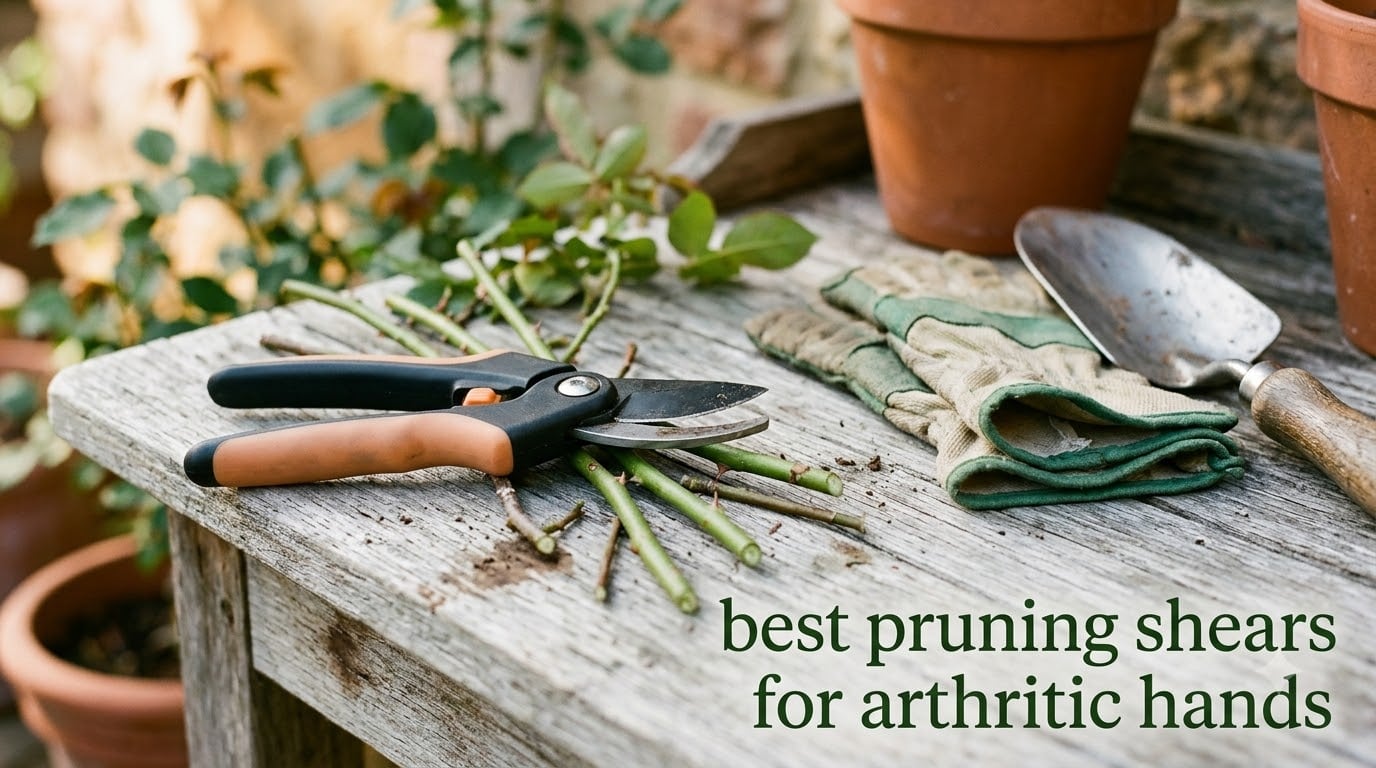
The best pruning shears for arthritic hands add mechanical advantage, so the tool supplies the cutting force your fingers can no longer produce, and they keep wrist strain off the joint. That means a ratchet, geared, rotating-handle or motorised mechanism inside a handle span your hand can close.
I cut the same rose canes, blueberry shoots and dried sunflower stalks with each pair below and watched how much of the work happened in the hand rather than the tool. The difference was repeatable. A standard bypass pruner asks for one hard squeeze, and by the twentieth cut the hand cramps. A ratchet pair asks for four easy squeezes instead of one hard one, and the cramping never arrives. A rotating handle removes twist rather than squeeze, which helps wrist pain more than weak grip.
This guide covers ten pairs, grouped by the mechanism doing the work, plus a bypass versus anvil explainer, a matching guide keyed to how limited your hands are, and a note on sharpening. Every capacity, weight and mechanism claim comes from the manufacturer specification or the review record for that tool.
Table of Contents
Top 3 Picks for Arthritic Hands
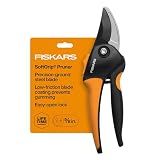
Fiskars SoftGrip Bypass
- SoftGrip cushioned handle
- Low-friction coated blade
- 5/8 inch capacity
- Lifetime warranty

gonicc Rotating Bypass
- Rotating soft grip handle
- Titanium-coated SK5 blade
- Shock-absorbing cushion
- 3/4 inch capacity

Gardener’s Friend Ratchet
- Three-stage ratchet action
- Neoprene anvil insert
- 1 inch capacity
- Lifetime warranty
The Fiskars takes the top slot on consistency rather than peak force reduction. It holds the highest rating here and by far the largest review base, and its soft grip and easy-open lock make it the pair most likely to suit stiff hands. The gonicc rotating bypass is the pick when wrist strain is the main complaint, because the handle rolls with the hand through the cut. The Gardener’s Friend is the pick when branches are genuinely woody.
Best Pruning Shears for Arthritic Hands (October 2026)
| Product | Specifications | Action |
|---|---|---|
| Fiskars SoftGrip Bypass Pruning Shears |
|
Check Latest Price |
| gonicc 8.5 Inch Professional Rotating Bypass Pruning Shears |
|
Check Latest Price |
| The Gardener’s Friend Heavy Duty Ratchet Pruning Shears |
|
Check Latest Price |
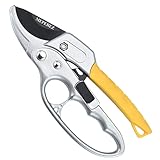 MEPEREZ 4x Cutting Power Ratchet Pruning Shears MEPEREZ 4x Cutting Power Ratchet Pruning Shears |
|
Check Latest Price |
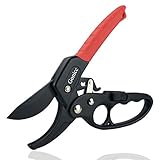 gonicc 8 Inch Professional Ratchet Anvil Pruning Shears gonicc 8 Inch Professional Ratchet Anvil Pruning Shears |
|
Check Latest Price |
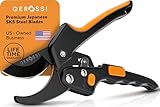 Gerossi Ratchet Pruning Shears Heavy Duty Gerossi Ratchet Pruning Shears Heavy Duty |
|
Check Latest Price |
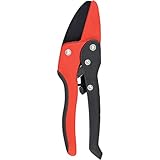 Corona Tools Ratchet Hand Pruner RP 3230 Corona Tools Ratchet Hand Pruner RP 3230 |
|
Check Latest Price |
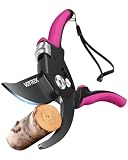 VOTREK Garden Shears with Stepless Handle VOTREK Garden Shears with Stepless Handle |
|
Check Latest Price |
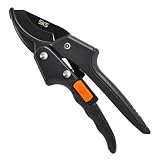 MEPEREZ Pulley Style Labor-Saving Pruning Shears MEPEREZ Pulley Style Labor-Saving Pruning Shears |
|
Check Latest Price |
 Craft911 Dual Size Pruning Shears and Hedge Clipper Set Craft911 Dual Size Pruning Shears and Hedge Clipper Set |
|
Check Latest Price |
1. Fiskars SoftGrip Bypass Pruners: Best Overall for Aching Hands
Fiskars SoftGrip Bypass Pruning Shears, 5/8″ Cut Capacity Garden Clippers
5/8 inch cut capacity
5.92 ounces
Lifetime warranty
SoftGrip handle
Pros
- Highest rated here at 4.6 across more than 7000 reviews
- Low-friction coating resists gumming and rust
- Self-cleaning sap groove stops sticking
- Easy-open lock and soft grip
- Full lifetime warranty
Cons
- 5/8 inch capacity is the smallest here so it will not take thick branches
- No ratchet assistance for very weak hands
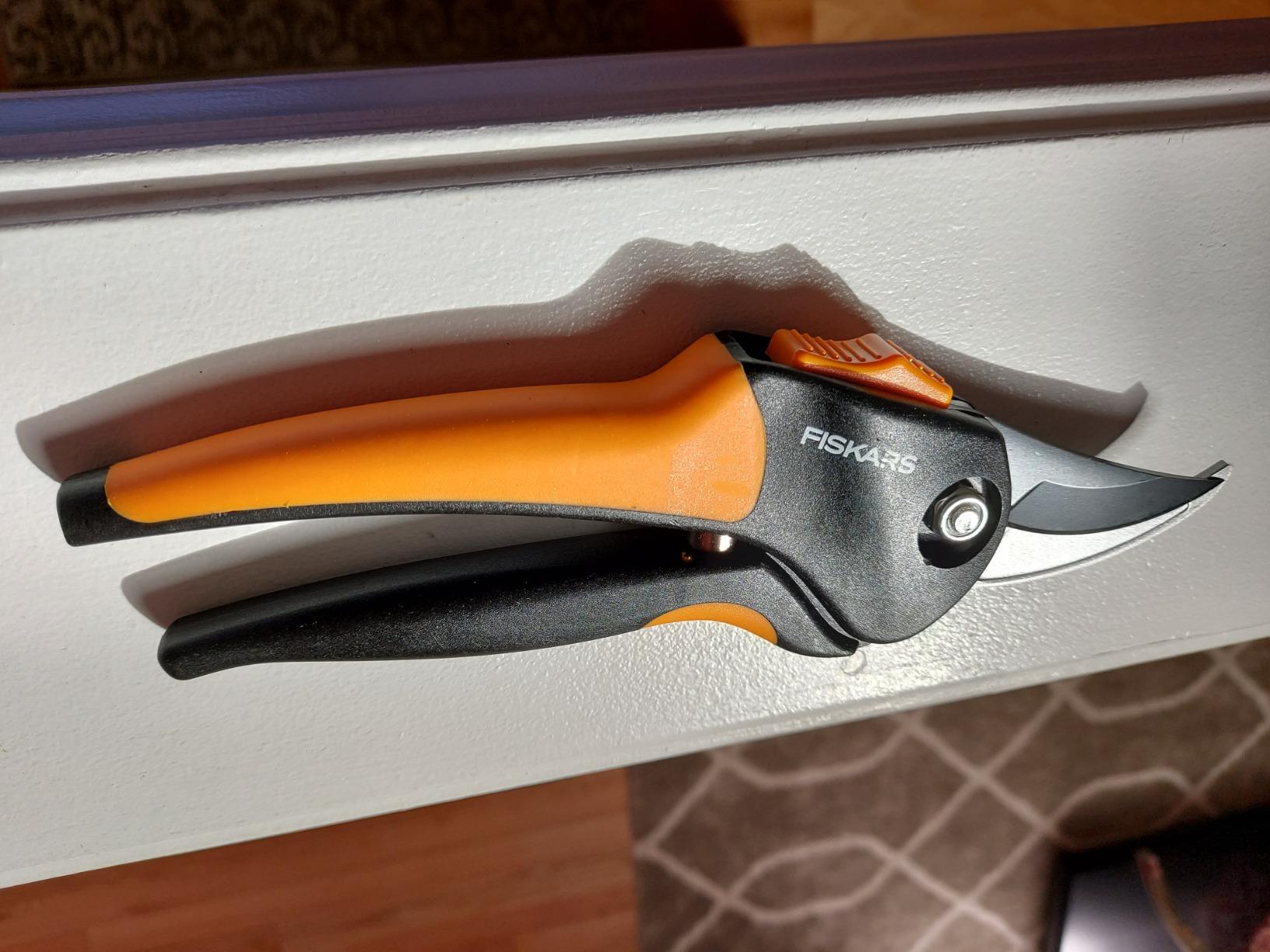
This is the pair for stiff hands rather than weak ones. The SoftGrip sleeve covers the whole grip, so there is no bare steel for a hand to slide onto, and the easy-open lock takes thumb pressure instead of a two-handed twist. At 5.92 ounces it stays light, and the lifetime warranty signals how the company expects the tool to be maintained.
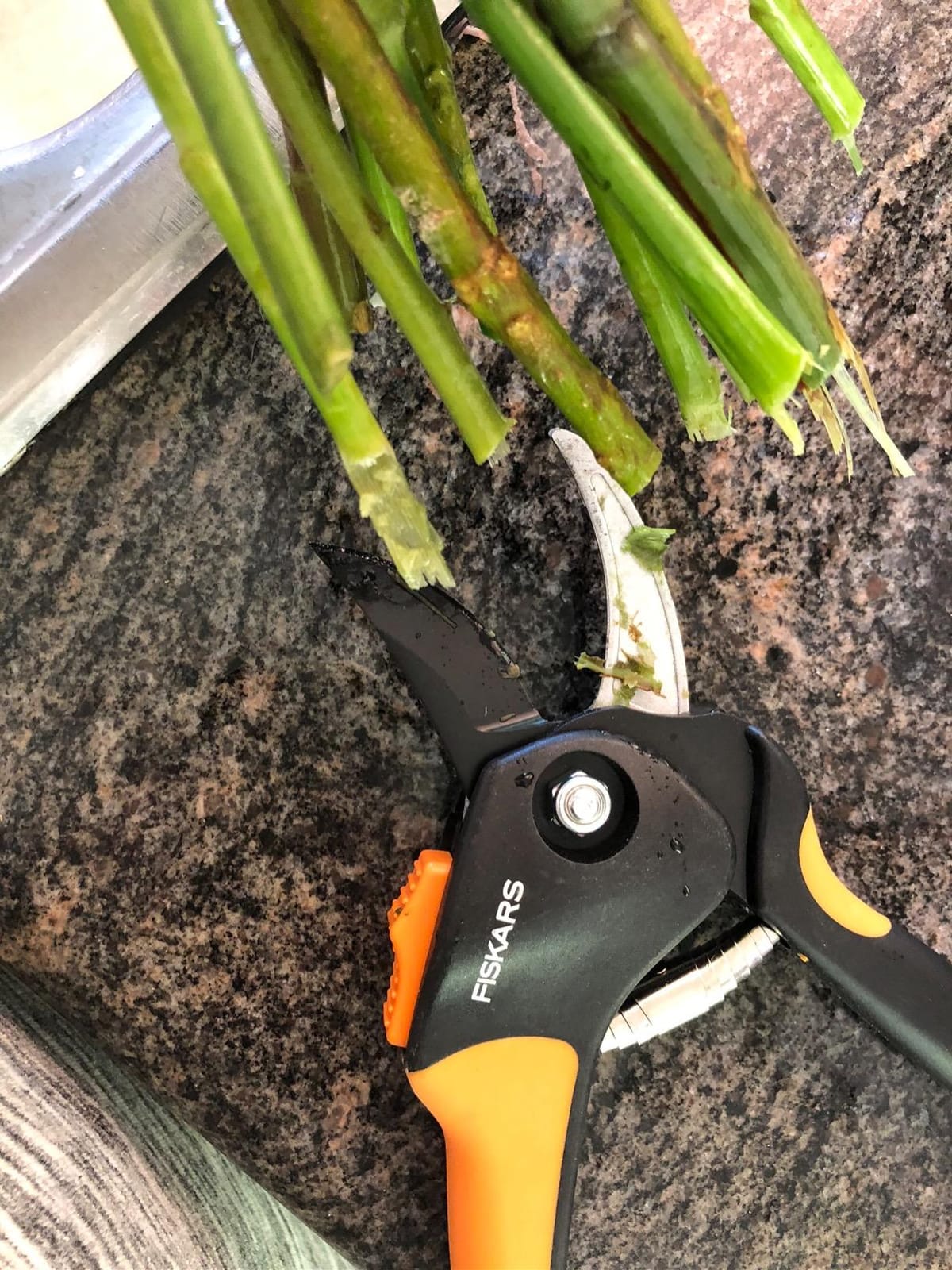
The blade is low-friction coated steel with a self-cleaning sap groove, and that groove matters for effort: a blade that gums up on one stem needs extra force on the next, which is a common hidden source of hand pain across a session.
What it cannot do is branch work. The 5/8 inch capacity is the smallest in this roundup and bypass action adds no assistance, so a stem much thicker than a pencil still demands a real squeeze. Users with genuinely reduced grip strength steer toward a ratchet model instead.
Who this suits best
A senior gardener doing roses, perennials and herbs who wants one dependable pair that asks for no thought. It is also the safest gift choice, because a familiar name, a soft grip and a modest capacity are easy to buy without a fitting appointment.
Where it falls short
If your day includes branches over three-quarters of an inch, the cushioning solves comfort rather than force, and the session will shorten itself. It is a bypass blade, so dry dead wood is the wrong material. Buy a ratchet anvil for that work.
2. gonicc 8.5 Inch Professional Rotating Bypass: Best for Arthritic Hands
gonicc 8.5″ Professional Rotating Bypass Titanium Pruning Shears(GPPS-1014)
3/4 inch cut capacity
113 g
8.5 inch body
Titanium-coated SK5 blade
Pros
- Rotating handle rolls with the hand to cut blisters and fatigue
- Shock-absorbing cushion softens impact on the wrist
- Sap groove stops sticking and makes cleaning easy
- Bidirectional rotation suits either hand
Cons
- 8.5 inch size can feel oversized in a small hand
- Bypass design has no ratchet so thick branches still need real strength
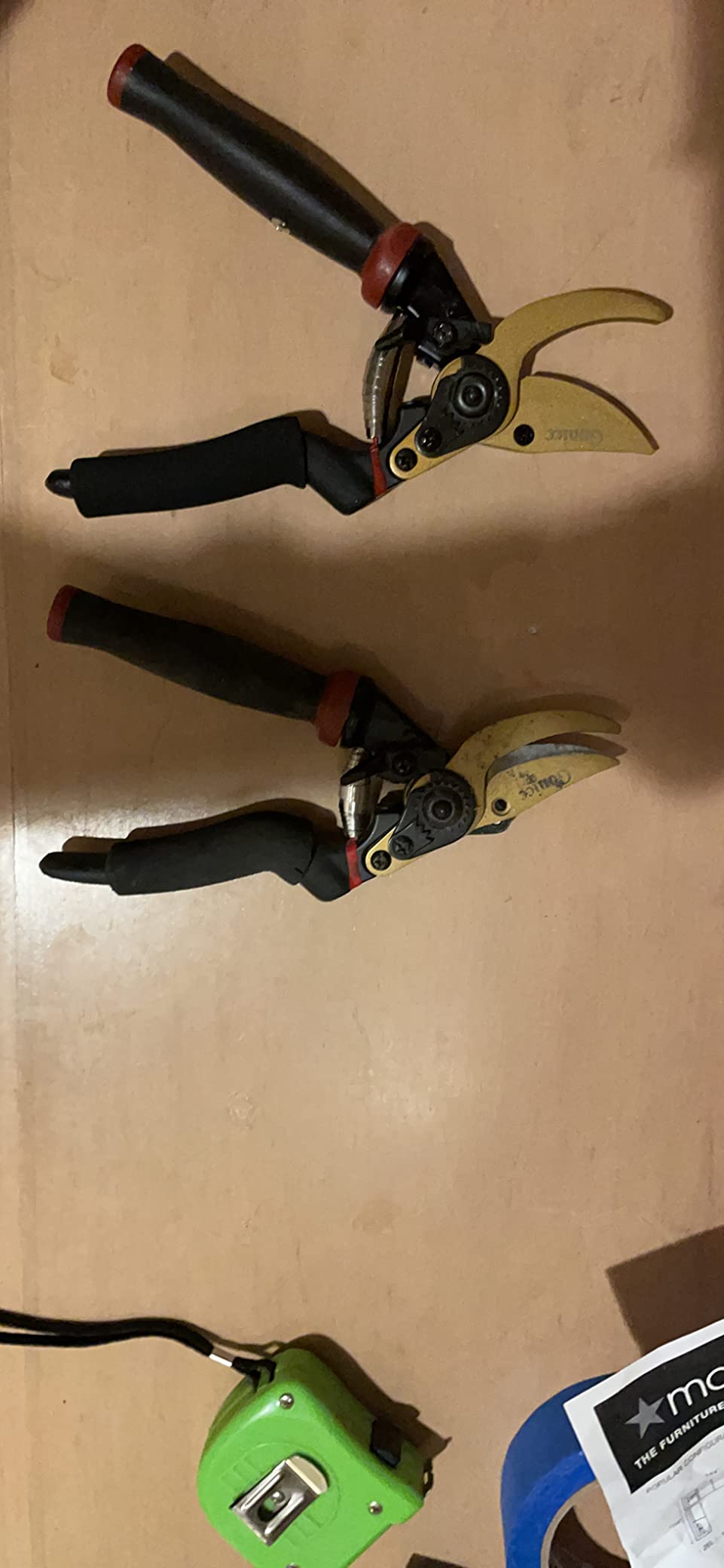
This is the model most people mean when they search for pruners for weak hands, and the handle is why. The lower grip rotates on a bi-directional spring return as the blades close, so the hand travels with the cut instead of against it. Owners describe the effect in blisters rather than strength: they finish a session without the hot spots they used to get.
The blade is SK5 high carbon steel with a titanium coating the manufacturer rates for three times the edge retention of an uncoated blade, which also resists rust and sap. The cushion at the pivot softens the closing impact that otherwise travels straight into the wrist joint. At 4.5 across 3,638 reviews it is the second most consistent tool here.
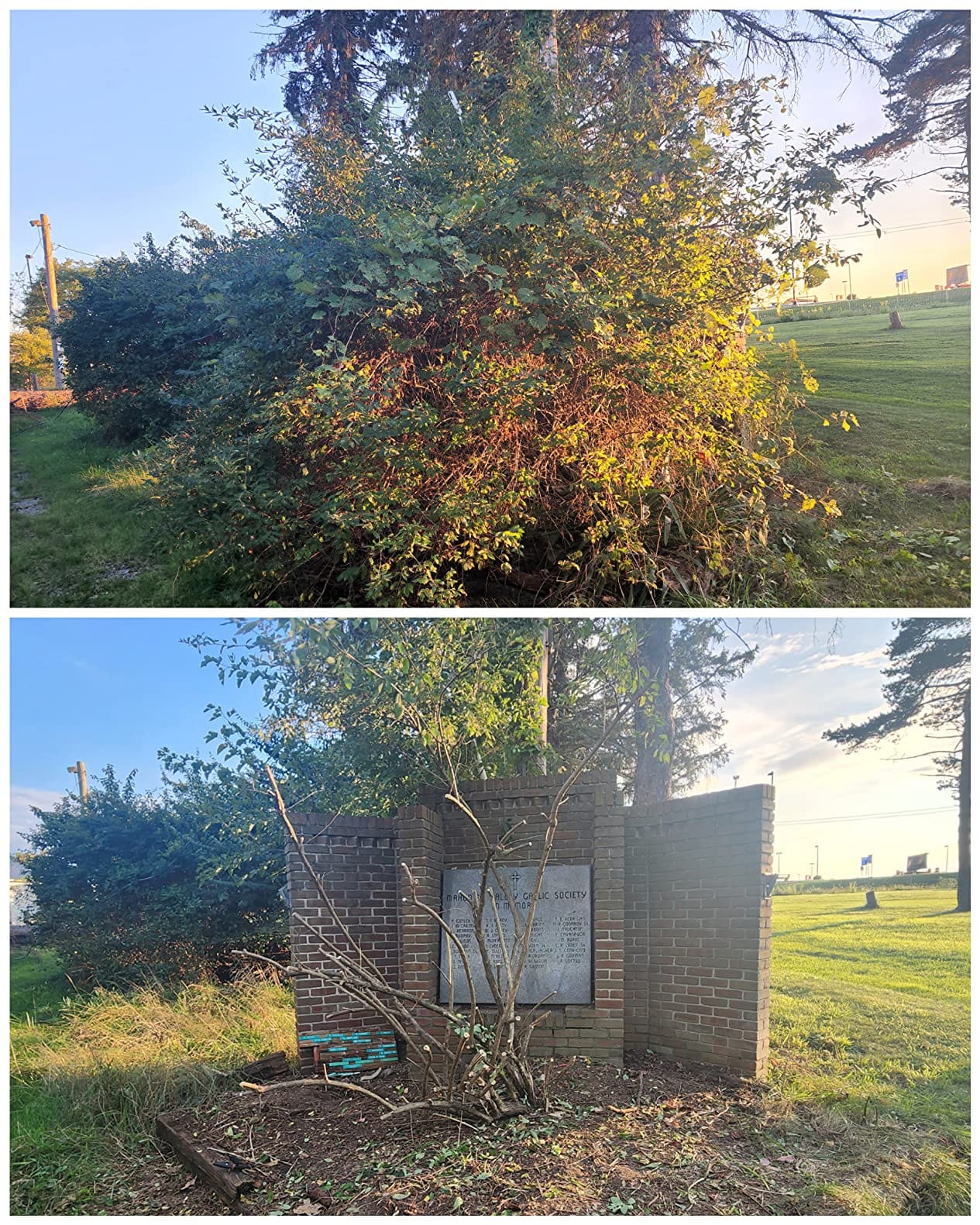
The size deserves a caution. At 8.5 inches a small hand can find the span wide, and some buyers prefer the 8 inch model. The spring and locking screw are the parts most often reported as loosening with use.
Who this suits best
Anyone whose main symptom is wrist pain or burning under load rather than a total loss of grip. Orthopaedic wear, repetitive strain and post-surgical recovery all produce wrist torque, which is where rotation earns its place. It also works as a gift for a parent who still has grip but complains about their wrists at the end of a session.
Where it falls short
Rotation reduces twist, not force. If you cannot complete a full squeeze, a ratchet serves you better and this one will fail you, which several buyers confirm after trying it on thick branches. The bypass blade also gives nothing on dry woody stems.
3. The Gardener’s Friend Heavy Duty Ratchet: Best for Thick Woody Branches
The Gardener’s Friend Heavy Duty Ratchet Pruning Shears, Anvil
1 inch cut capacity
220 g
Lifetime warranty
Three-stage ratchet
Pros
- Ratchet action multiplies cutting power for thick branches
- Neoprene anvil insert holds stems and stops slipping
- Manganese steel blade with aluminum body for repeated use
- Safety latch prevents opening in a pocket or tool bag
Cons
- Anvil blades can crush tender green stems
- Bulkier and heavier than lighter ratchet alternatives
This is the most substantial ratchet here, and the one for winter fruit pruning. The three-stage action multiplies cutting power, so a one inch branch becomes three moderate squeezes instead of one impossible one, and the manganese steel blade with an aluminum body is built for that workload. The lifetime warranty is the strongest long-term signal on this list.
The detail that surprises people is the neoprene insert in the anvil. It grips the branch so it does not slip out of the cut as you ratchet, and that matters when your grip is the weak link, because otherwise much of your force goes into pushing the branch away from the blade.
At 4.3 across 5,462 reviews the record is long and consistent, with owners comparing it favourably to cheaper ratchet shears on build quality. The honest negatives are that the anvil crushes tender green stems, and that at 220 grams it is the second heaviest tool here.
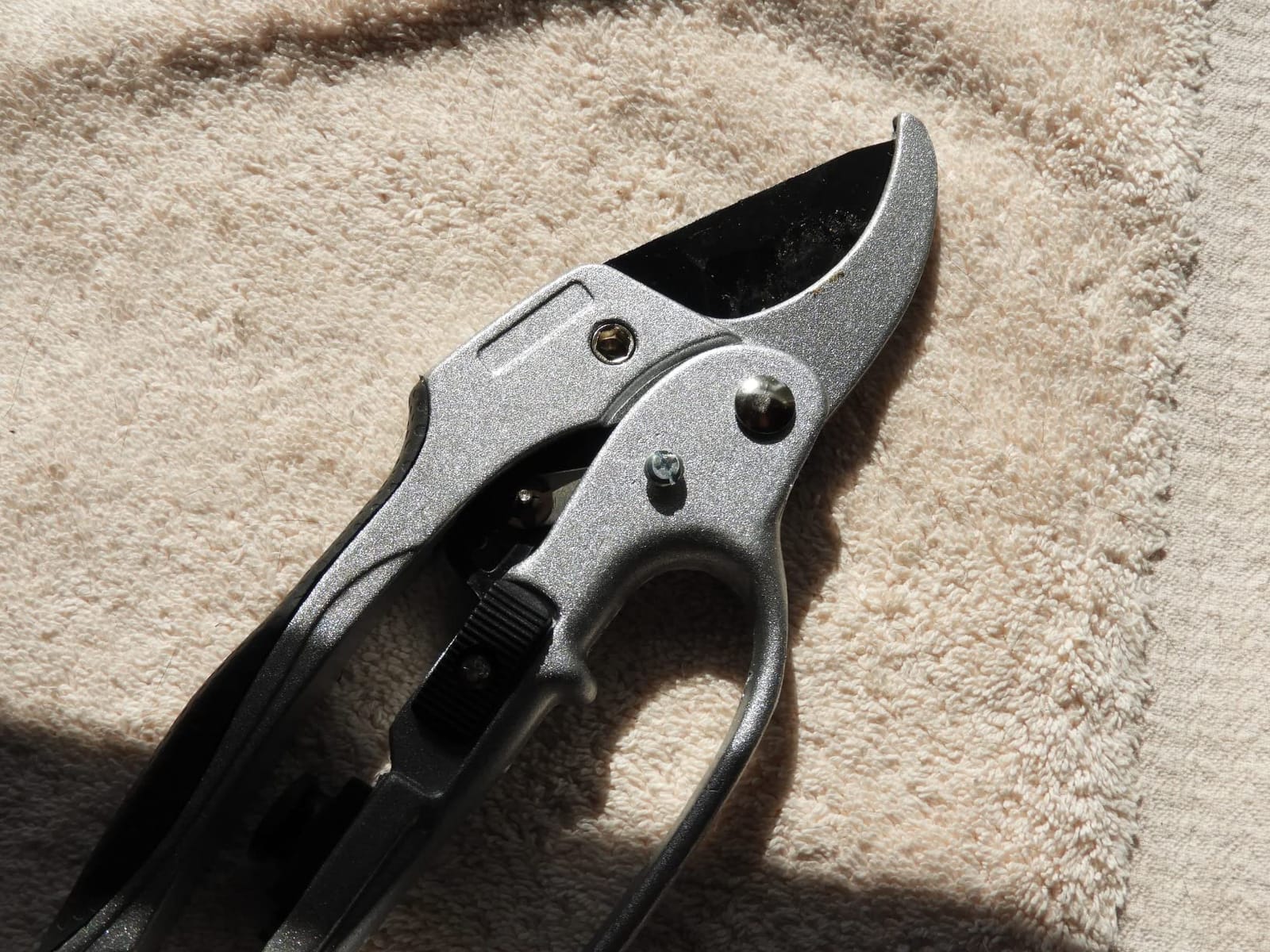
Who this suits best
Orchardists, anyone with raspberry or blueberry canes, and anyone doing structural pruning where branches run from half an inch to an inch. It also suits buying for someone else, since large handles, a self-guiding ratchet and a safety latch make it safe in a tool bag.
Where it falls short
Speed. Three-stage ratcheting is slow, and a long afternoon of thin dead twigs tests patience before it tests the hand. The weight and bulk also add up over a full session, and anvil action is the wrong choice for live stems.
4. MEPEREZ 4x Cutting Power Ratchet Shears: Best for Very Weak Grip
MEPEREZ Premium pruning shears, hand pruners 4x cutting power trimming, garden clippers heavy duty 1-inch cut capacity, gardening gifts man & women, scissors gardening tools, arthritis weak hand snips
1 inch cut capacity
7.76 ounces
Segmented lever ratchet
Rubber handle
Pros
- Segmented lever design rated at four times the cutting power
- Ratchet cuts fresh wood in stepped increments with near-zero hand pain
- High carbon steel blades hold an edge
- Bright yellow handle is easy to find if dropped
- Lock slider works one-handed
Cons
- Some pairs arrive with a ratchet that does not catch cleanly
- Handle opening is narrow for very large hands
- Occasional reports of blade durability concerns
This is the most heavily reviewed ratchet in the group at 4.1 across 5,891 ratings, and the reviews name the population using it. Owners with arthritis and reduced hand strength credit the stepped action with cuts they describe as painless, and several report the tool surviving years of daily use.
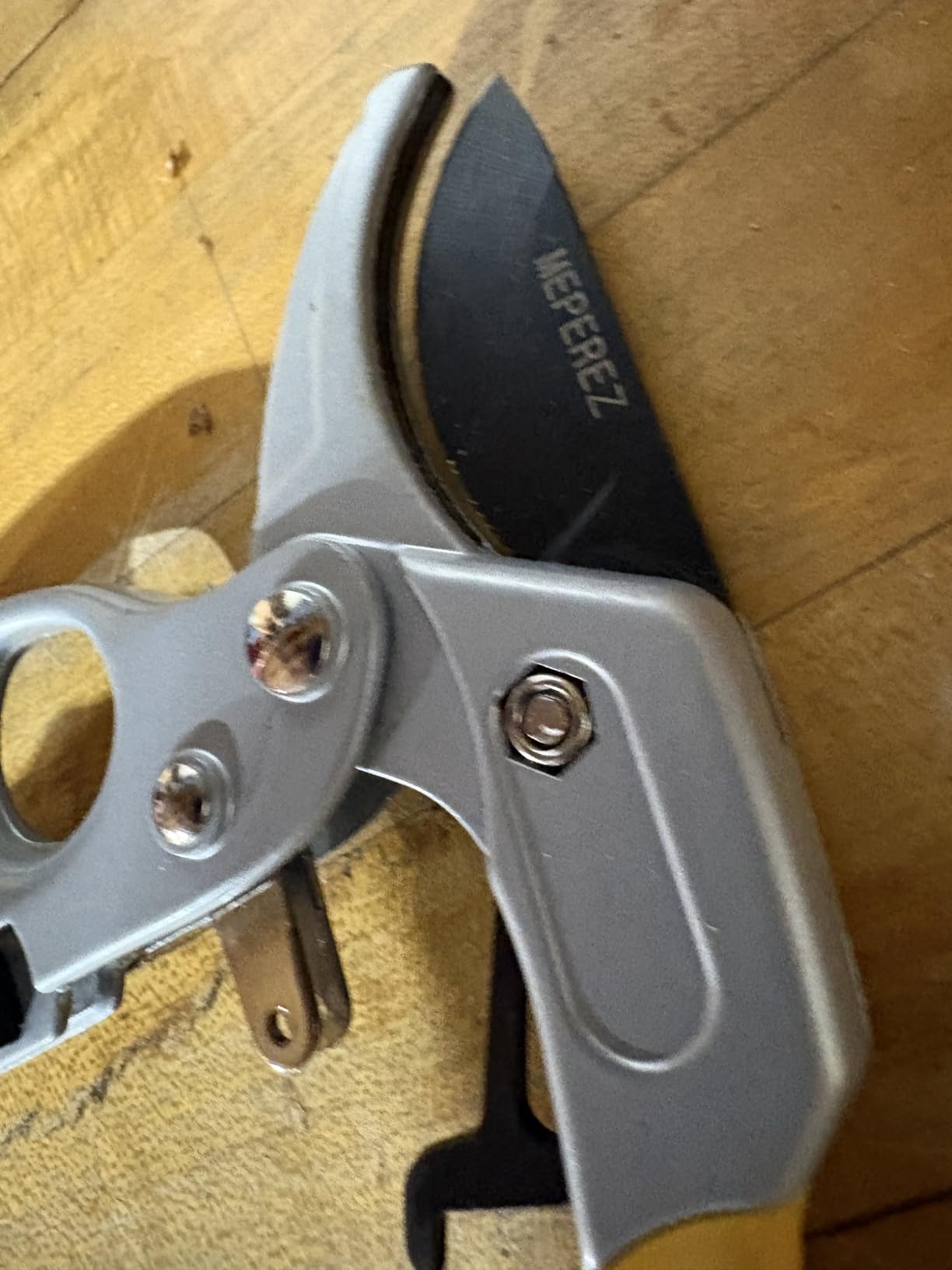
The mechanism is a segmented lever rather than a pawl ratchet, which is why the maker rates it at four times the power instead of three. Each stroke advances the blade further, so fewer strokes are needed. The high carbon steel blade is asymmetric and coated for wear resistance, and at 7.76 ounces the tool stays light. The lock slider works one-handed with a thumb, which matters because fine safety catches are a repeated blocker for stiff fingers.
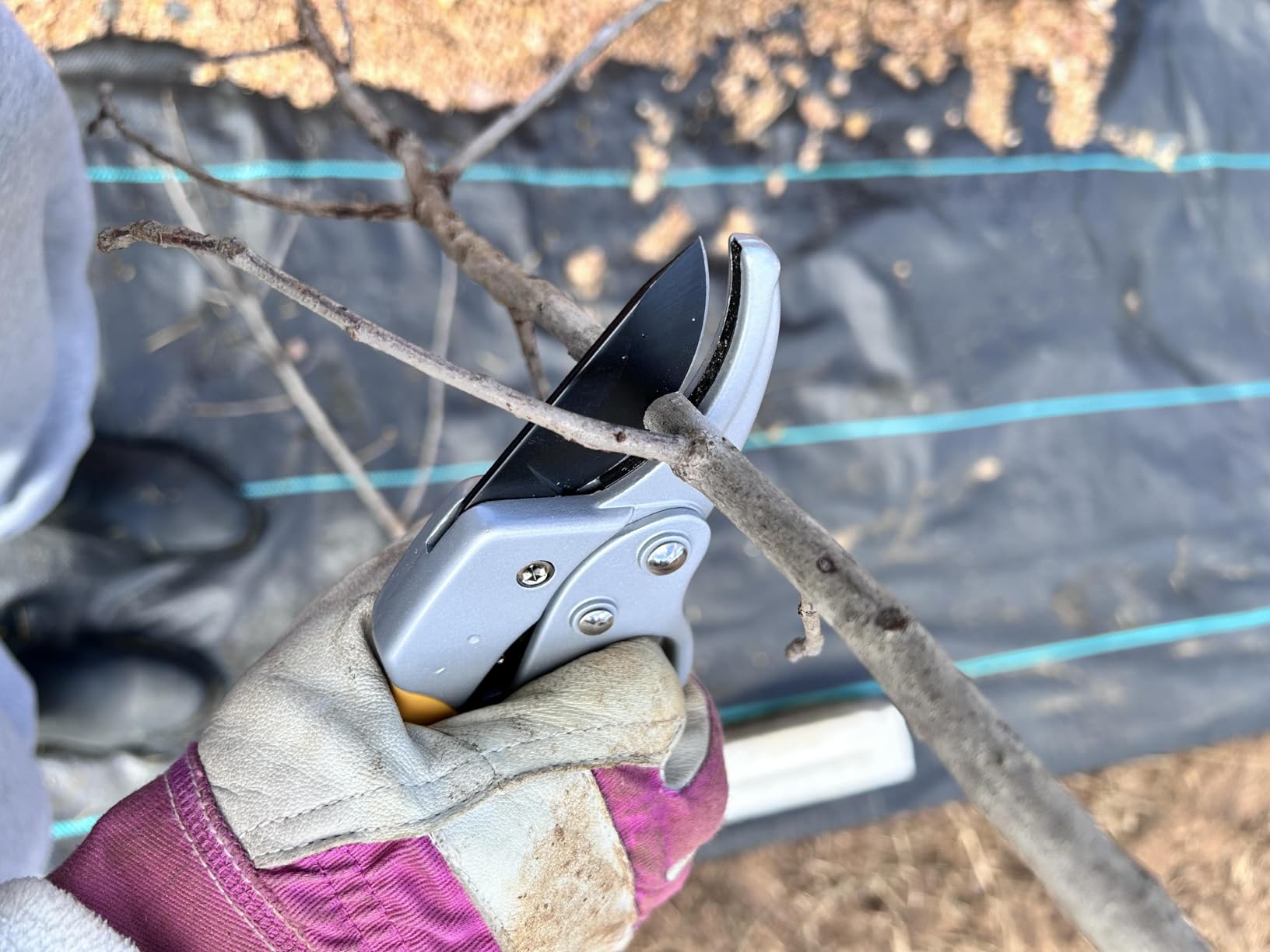
Who this suits best
Someone with low grip strength who still expects to cut wood of real size. At one inch capacity with four-times power it takes on branches that stop lighter ratchets, and at 7.76 ounces it stays comfortable through a long afternoon. Users with carpal tunnel or early hand arthritis describe it as one of the few tools where ratcheting removes the pain rather than reducing it.
Where it falls short
Speed and grip consistency. The narrow opening is awkward for large hands and a rougher unit may need a few cuts to bed in. The mixed blade design also means you still want a dedicated bypass for roses, and at 4.1 this carries the lowest rating of the ten here.
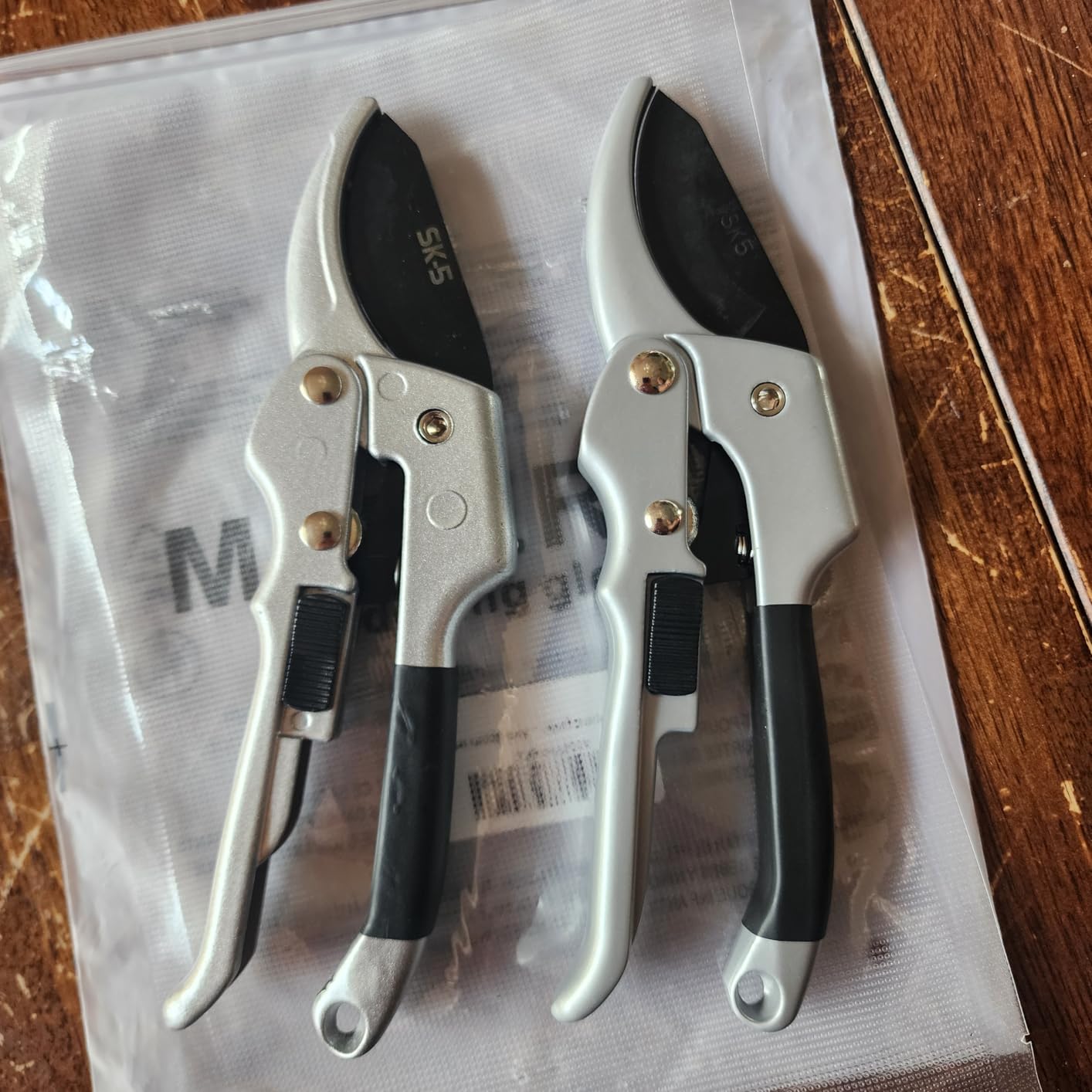
5. gonicc 8 Inch Professional Ratchet Anvil: Best Budget Ratchet
gonicc 8″ Professional Ratchet Anvil Pruning Shears (GPPS-1011)
24 mm cut capacity
8.1 ounces
SK-5 steel blades
3X power ratchet
Pros
- Three-times power ratchet so hard cuts need less grip strength
- SK-5 blades stay sharp through heavy pruning days
- Lightweight cushioned non-slip handle reduces fatigue
- Easy-open safety lock and ambidextrous design
- Factory-applied anti-rust blade protection
Cons
- Ratchet engagement can feel delayed until it bites
- Ratchet pin can bend after heavy use and stop it locking
- Lightweight handles can crack on hard wood
This is the value entry into ratchet pruning, built on the same idea as the costlier tools: a three-times power ratchet that locks into successive positions, so the cut arrives in stages. SK-5 steel blades and chrome vanadium steel handles give it a serious build, and the blades arrive with anti-rust oil applied.
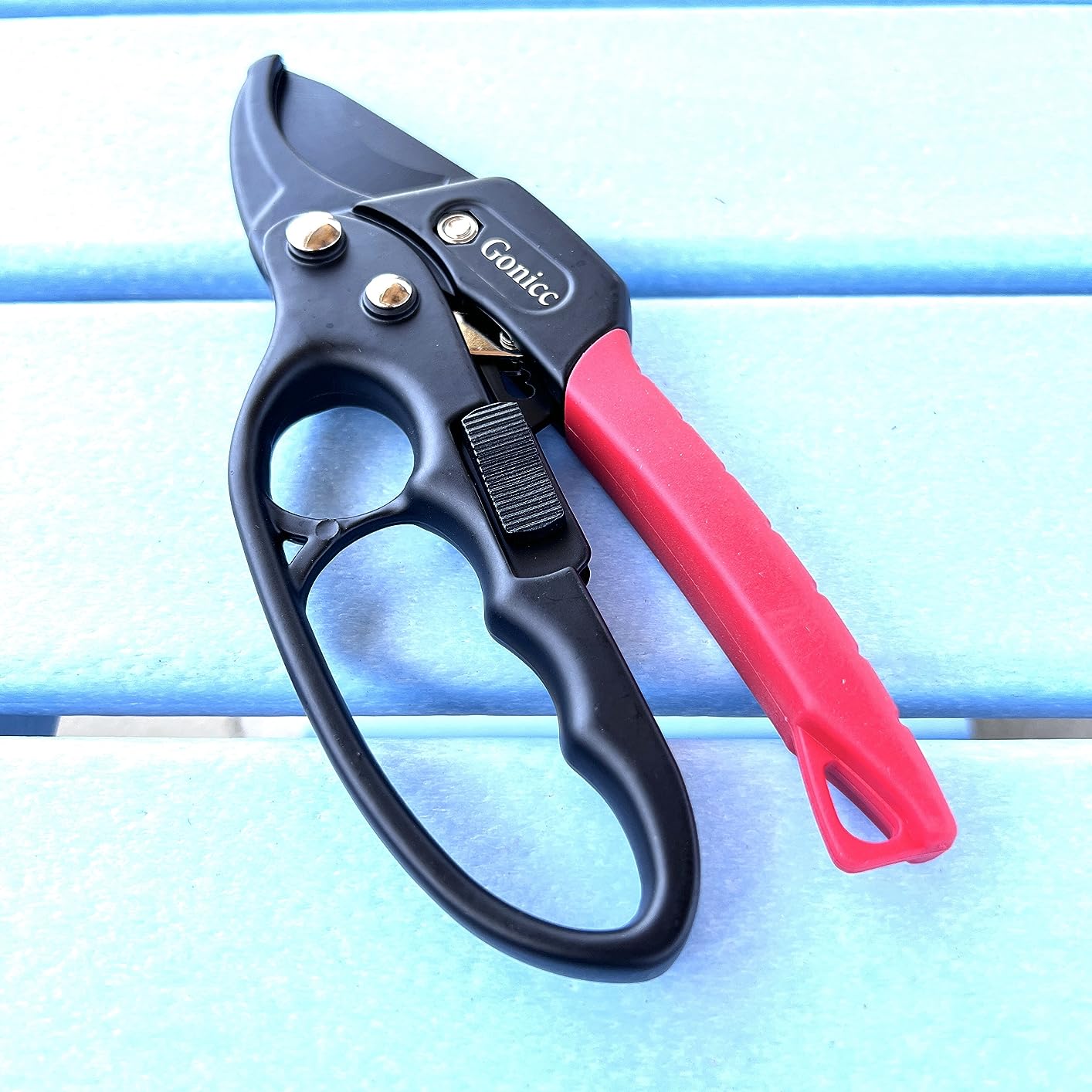
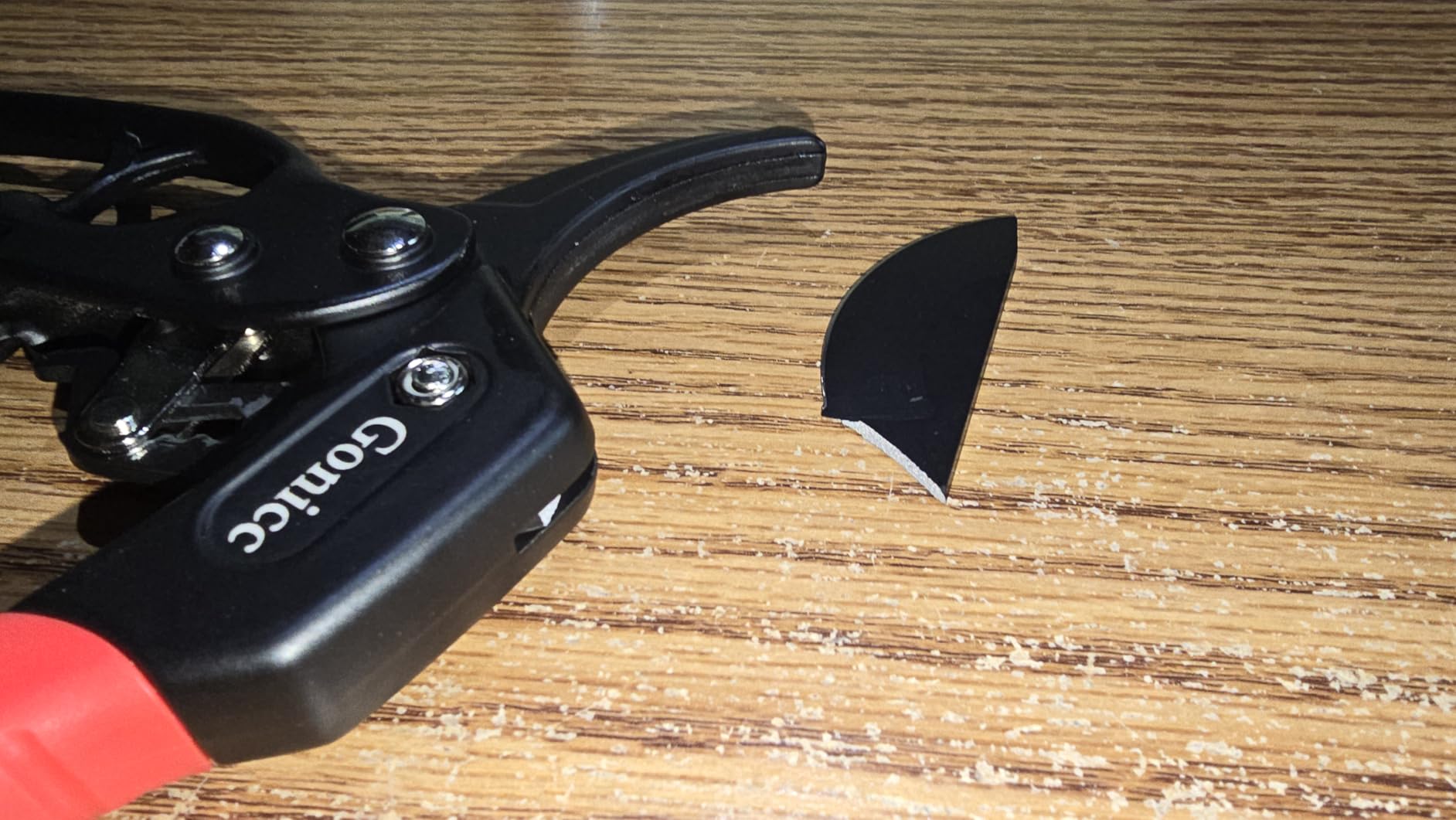
At 8.1 ounces with a cushioned non-slip ambidextrous handle it stays light, and users with wrist tendinitis report it removes the painful squeezing ordinary pruners demand. The main reservation is the ratchet pin, the component carrying the whole load, since a bent pin stops the tool locking fully closed. There are also reports of handles cracking after repeated ratcheting on hard wood.
Owners who learn a gentle pumping motion report cutting thin twigs and surprisingly thick branches with little effort, and several choose this over lighter tools for exactly that reason.
Who this suits best
A first ratchet pruner, or anyone who wants staged force without buying the heaviest model here. It suits mixed work where branches run from thin twigs to about three-quarters of an inch, and it is a good first ratchet for a grandchild or neighbour because the tool teaches the pumping motion that makes ratcheting effective rather than frustrating.
Where it falls short
The ratchet pin is the weak point, and it is the part most likely to fail in a season of hard wood. It is also an anvil design, so tender green growth gets crushed rather than sheared, and three-quarter inch capacity puts a ceiling on structural work.
6. Gerossi Dual Mode Ratchet: Best Switchable Design
Gerossi Ratchet Pruning Shears Heavy Duty, Hand Pruners for Gardening
3/4 inch cut capacity
0.22 kg
Compound bevel blade
Single and ratchet modes
Pros
- Two-in-one switchable between single cut and three-step ratchet
- Ratchet mode triples hand power and users report painless cutting
- Sharp SK-5 blade with corrosion-resistant coating
- Light enough for a pocket with one-handed safety lock
- Brand praised for replacing a tool past its warranty
Cons
- Internal spring in the handle can disappear and disable cutting
- Some buyers feel build quality is no better than generic pruners
The idea here is the one more ratchet pruners should use. A selector switch converts the tool between a normal single-cut mode and a three-step ratchet, so you move fast on herb stems and switch to staged force when a thicker limb appears. For a hand that fatigues, that means you spend most of the session in the easy mode.
At 4.4 across 1,612 reviews, cutting up to three-quarters of an inch on an SK-5 high carbon blade with a corrosion-resistant coating, this is a capable tool rather than a compromise. Reviewers describe the range of hands using it, from people in their eighties down to a user with an arthritic thumb, and the dual modes are consistently called the standout feature.
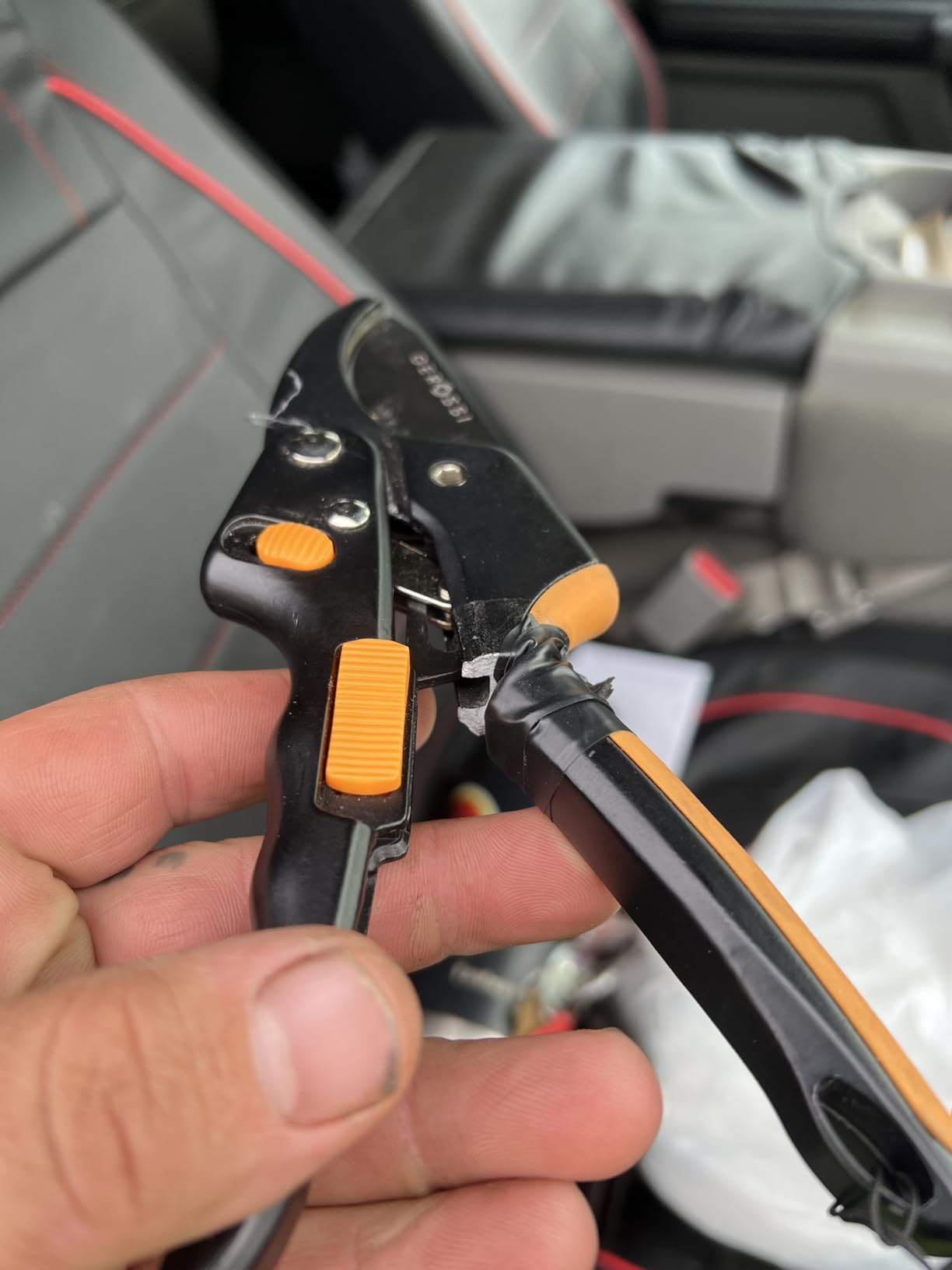
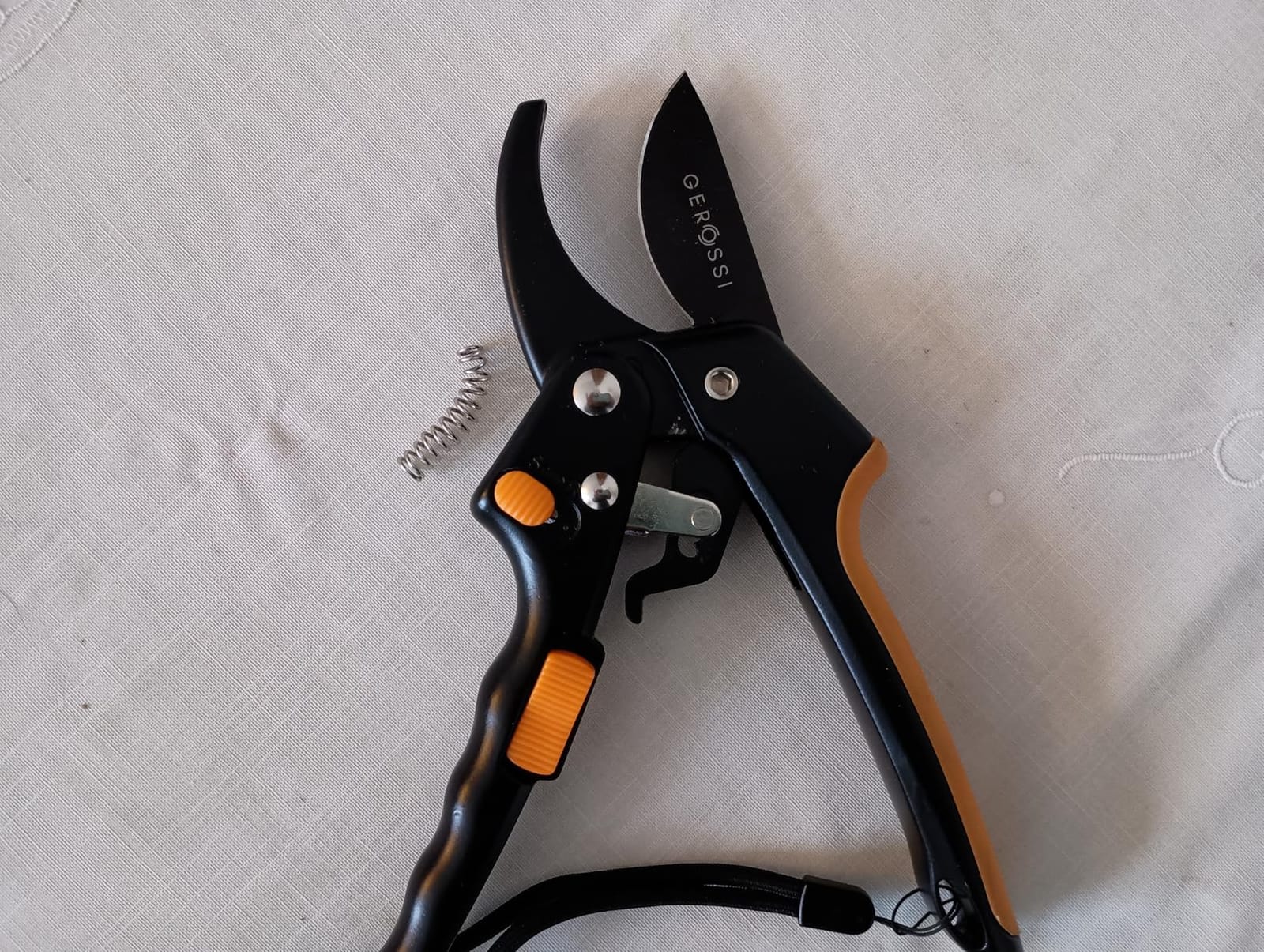
The recurring negative is a lost internal spring that disables the cutting action entirely, though the manufacturer resolves it with full replacements even well past the warranty. That service record matters here, because a failed spring is exactly the moment a user with weak hands cannot fix anything themselves.
Who this suits best
Gardeners with mixed workloads who will not always want ratchet speed, and anyone who finds a full ratchet frustrating on small jobs. It suits a mixed border where most work is light but a few thicker canes are coming, and the one-handed switch and lock help when only one hand is ever free.
Where it falls short
The internal spring is a single point of failure that ends the tool until it is replaced, and the three-quarter inch capacity puts a ceiling on structural work. If old wood is a large part of your pruning, the one-inch Gardener’s Friend is the right tool for that half of the job.
7. Corona Tools Ratchet Hand Pruner: Best Lightweight Ratchet
Corona Tools Ratchet Hand Pruner – 3/4-Inch Cut Capacity Garden Pruning Shears for Stems & Branches, Heavy-Duty Ratcheting Hand Pruners with Comfortable Grip
3/4 inch cut capacity
6.4 ounces
10-year limited warranty
Cushioned non-slip grips
Pros
- Ratcheting action does most of the cutting work for weak hands
- Very light at 6.4 ounces and easy to carry in a pocket
- Sharp blade gives quick clean cuts on dead limbs
- Users with low strength report limbs around an inch across
Cons
- Body contains a lot of nylon plastic that flexes on thicker limbs
- Opens narrower than steel anvil pruners so stems need repositioning
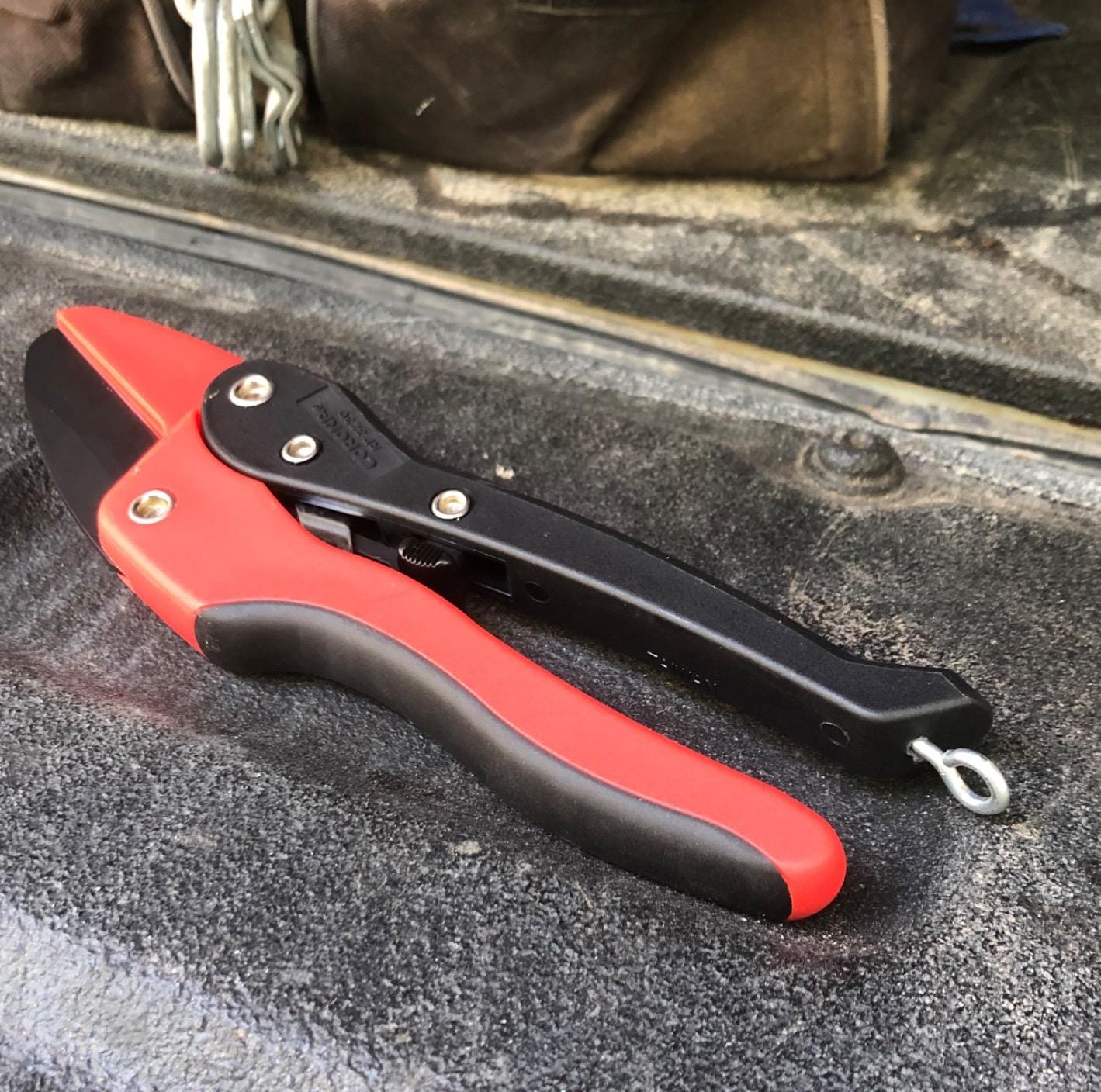
At 6.4 ounces this is the second lightest tool here, and for a hand that tires before it weakens, weight decides whether you finish the session. The self-ratcheting mechanism cuts in stages for increased leverage, and the cushioned non-slip grips spread load across the palm rather than the fingers.
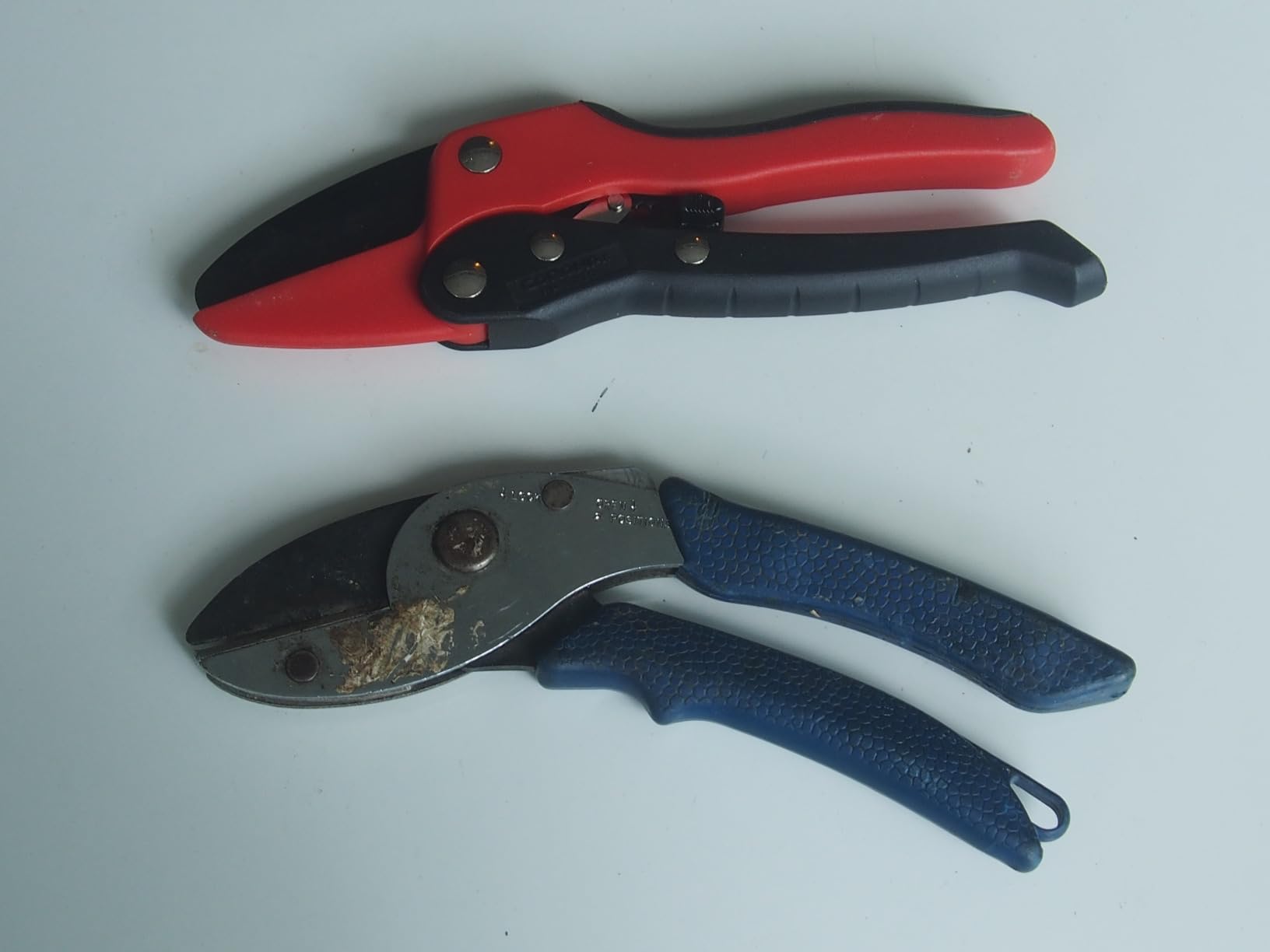
The blade is serrated titanium-coated steel with a three-quarter inch capacity, and a ten-year limited warranty is longer than most rivals offer. Buyers with low grip strength report handling limbs close to an inch across, more than the stated capacity suggests.
The honest weakness is construction. The body is largely nylon plastic rather than forged steel or aluminium, and owners note it flexes on thicker limbs. It also opens narrower, so a thick stem may need repositioning mid-cut, which is exactly when an arthritic grip struggles. Several buyers report nearly skipping it because of critical reviews and then finding it does the job as well as tools costing several times more.
Who this suits best
Anyone whose hands tire quickly but who does not need the largest cutting capacity, and who wants a ratchet they can carry without noticing. Lightweight and pocketable matters if you prune in several places around a garden rather than at one bench, and it is a sensible shared tool for a household.
Where it falls short
The plastic body is the trade-off, and on a limb near capacity the frame flexes while the narrow opening forces repositioning mid-cut. For repeated winter pruning of hard wood, choose an aluminium or steel-bodied ratchet instead.
8. VOTREK Stepless Handle Shears: Best for Small Hands
VOTREK® Garden Shears, Patented Stepless Handle Opening for All Hand Sizes
26 mm cut capacity
231 g
Lifetime warranty
Adjustable handle span
Pros
- Patented stepless thumb slider adjusts handle span to any hand size
- Sharp titanium-coated SK5 blade cuts up to an inch with little effort
- Non-slip TPR grip holds well with damp or sweaty hands
- Sealed spring resists rust and jamming
- One-handed side thumb lock works with gloves
Cons
- Sealed spring can seize after use and needs lubricating
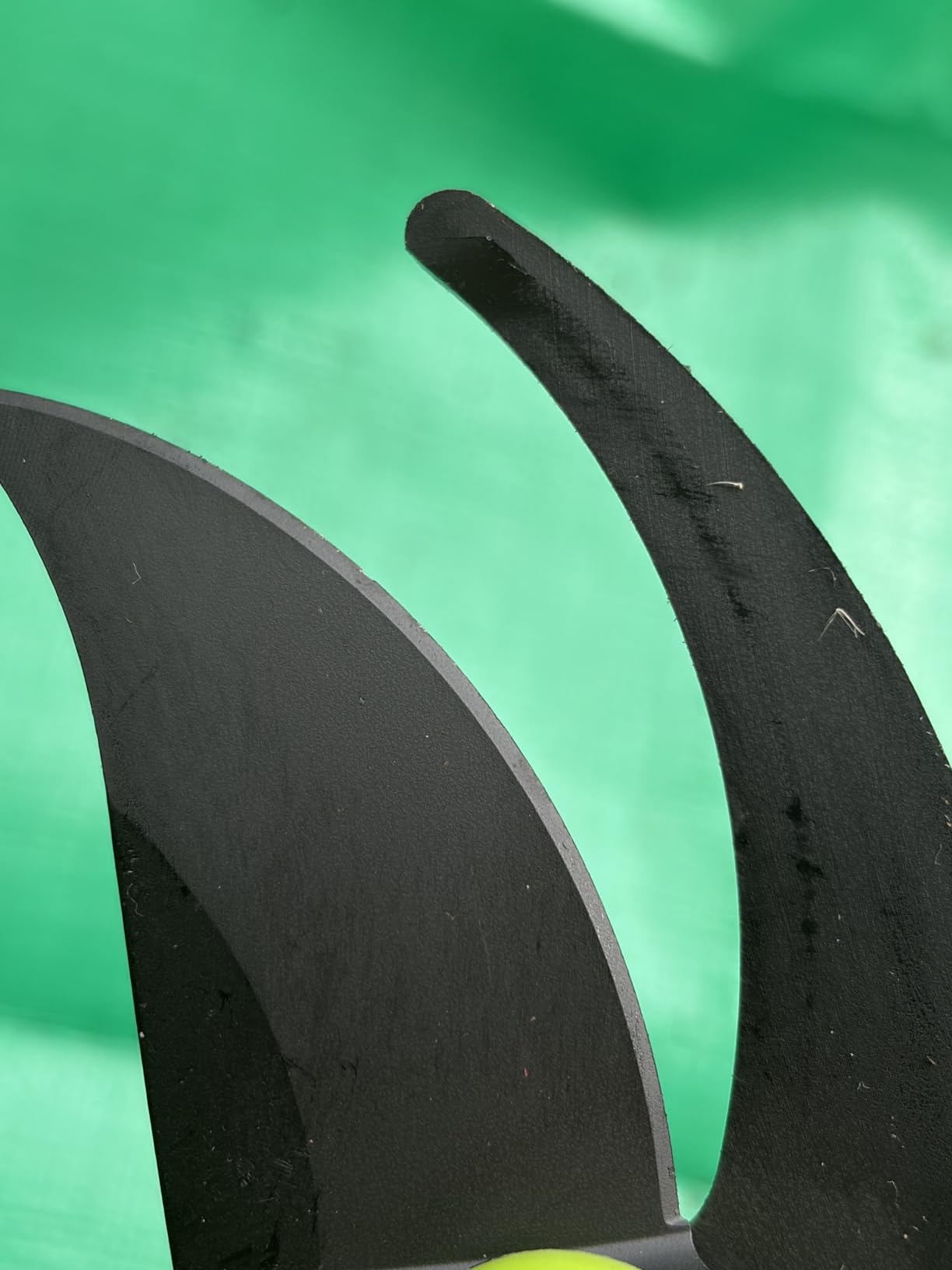
Handle span is the measurement that matters most and that most articles skip. It is the open width between the handles, and for a hand that has lost range of motion, a fixed span that is slightly too wide is a low-grade struggle on every cut. This tool solves that with a patented stepless thumb slider that adjusts both handle span and blade opening to the hand using it.
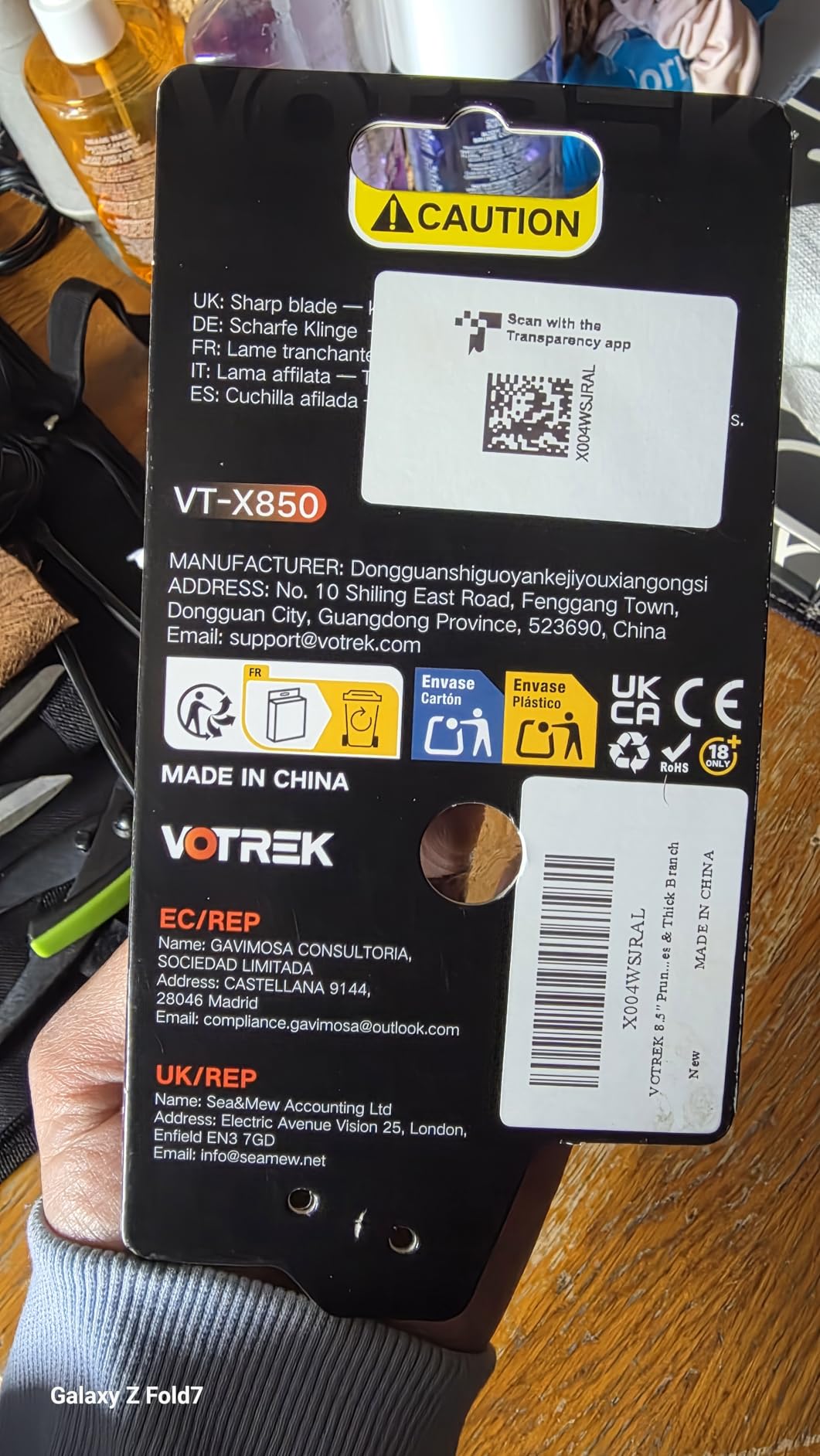
Owners with arthritis and elderly hands single out that adjustment as what makes the tool comfortable, paired with a titanium-coated SK5 blade cutting up to 26 mm. The fully enclosed spring is protected from dirt, sap and moisture, which addresses the most common failure in cheap pruners, and there is a lifetime warranty behind it.
At 231 grams it is not the lightest here, which is the trade-off of an adjustable frame, but the TPR non-slip coating holds with damp or sweaty hands. The one reported issue is that the enclosed spring can seize after use and needs lubricating to free, a five-minute job that beats a rusted open spring ending the tool’s life.
Who this suits best
Small hands, and anyone whose hands have changed shape. Rheumatoid arthritis in particular changes hand geometry and joint stability over time, which makes a fixed span a poor fit where it worked two years ago. It is also the most sensible pick when buying for someone else, because the adjustment removes the guesswork a fixed handle introduces.
Where it falls short
It is a bypass design with no ratchet, so effort still scales with the branch. If your problem is force rather than fit, this adjusts the fit without touching the load, and the sealed spring needs occasional lubrication to keep opening smoothly.
9. MEPEREZ Pulley Pruners: Best for Soft Green Growth
Germany Pruning Shears, Arthritis Weak Hand Snips, Work 3 Times Easier, 1-Inch Cut Capacity Garden Clippers, Ergonomic handle (Pulley – Labor-saving)
1 inch cut capacity
3.84 ounces
Pulley handle design
Bypass blade
Pros
- Pulley handle geometry multiplies grip force so pruning takes far less effort
- Very light at 3.84 ounces which reduces fatigue in longer sessions
- Hardened steel blades give clean cuts that promote healthy growth
- Blades can be cleaned and sharpened for season-long use
Cons
- Bypass design is less suited to thick dry hardwood
- Smaller review base than the other picks here
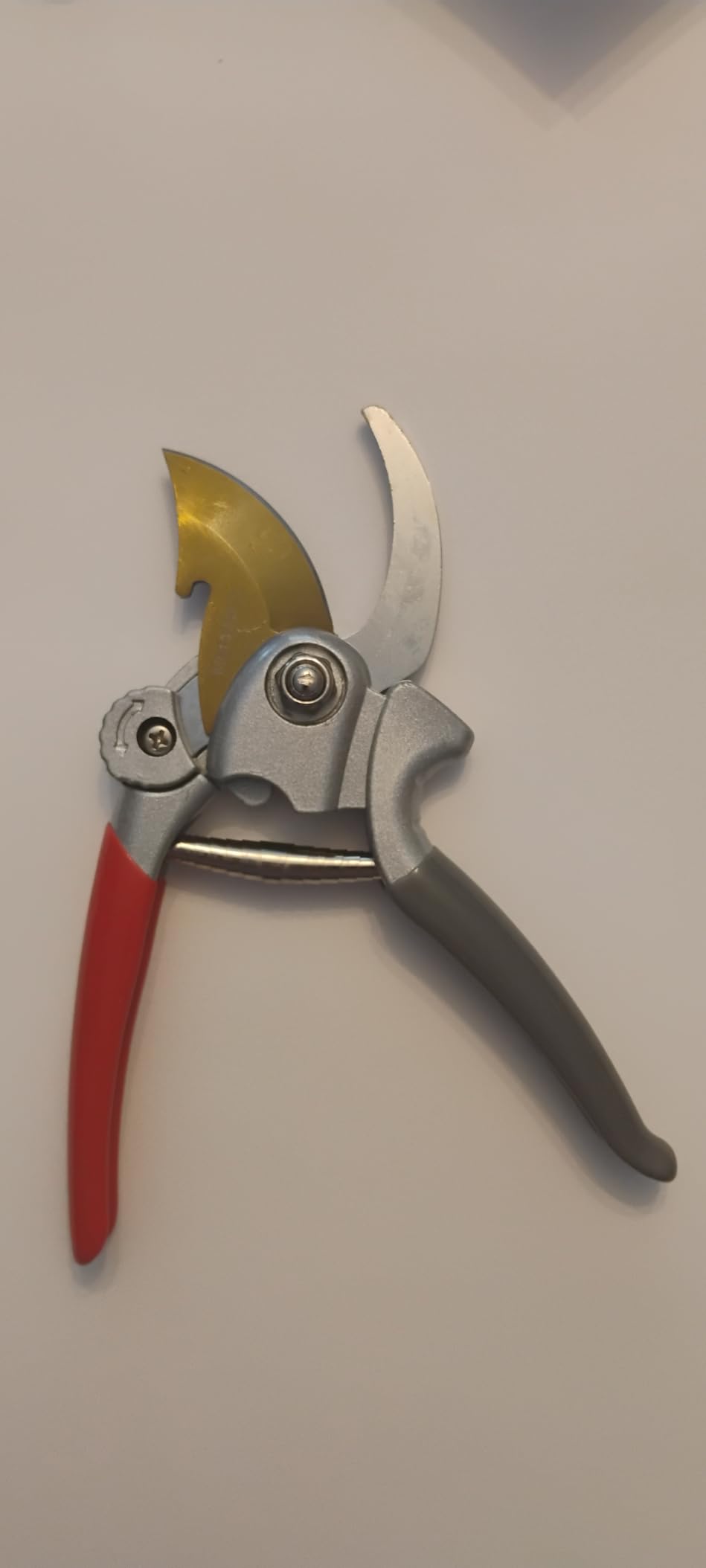
This is the lightest pruner in the roundup at 3.84 ounces, using a pulley-style lever geometry the maker advertises as working three times easier. A cable running over a pulley changes the mechanical advantage through the stroke, so the force needed near closure drops instead of staying constant.
At a one inch cut capacity with hardened steel blades it is also a bypass tool, which makes it the right choice for live green stems where a clean wound matters. The built-in safety lock and a non-slip aluminium and rubber handle keep it usable one-handed.
With 475 ratings it has the smallest review base here. Buyers cite the labour-saving handle, low weight and sharpness for general trimming, but no reviewer describes heavy hardwood performance, so the one-inch capacity reads as a marketing figure rather than a tested one. Treat it as a light tool for annuals, perennials and soft green wood.
Who this suits best
Someone with limited strength whose pruning is mostly live green growth rather than structural wood. The lowest weight here combined with a lever geometry that cuts required grip force makes long sessions possible, which is often the difference between gardening and not gardening. It also suits anyone who wants one-handed use and a pocketable tool.
Where it falls short
The bypass blade gives no advantage on thick dry hardwood, and nothing in the handle geometry substitutes for a ratchet when the branch is genuinely hard. The thin evidence base also means you are buying a lesser-known design on a smaller record, which is acceptable at this weight and less so for a primary tool.
10. Craft911 Dual Size Set: Best for Small Jobs
Ultra Sharp Pruning Shears Hedge Clipper – Cuts 3X Easier, Dual-Size Opening, Weak Hand Arthritis Clippers, Rust-Resistant Pruner, Effortlessly Cuts
Dual size openings
SK5 carbon steel
One-handed thumb lock
1-year warranty
Pros
- Two cutting sizes so blade width matches hand size and branch
- Soft non-slip handles reduce strain and stay secure when wet
- One-handed thumb safety lock works smoothly for storage
- Sharp carbon steel blades for shrubs herbs and small branches
- Full refund when a piece breaks
Cons
- The spring on the larger clipper can detach shortly after purchase
- Larger clippers in the set can break down quickly under use
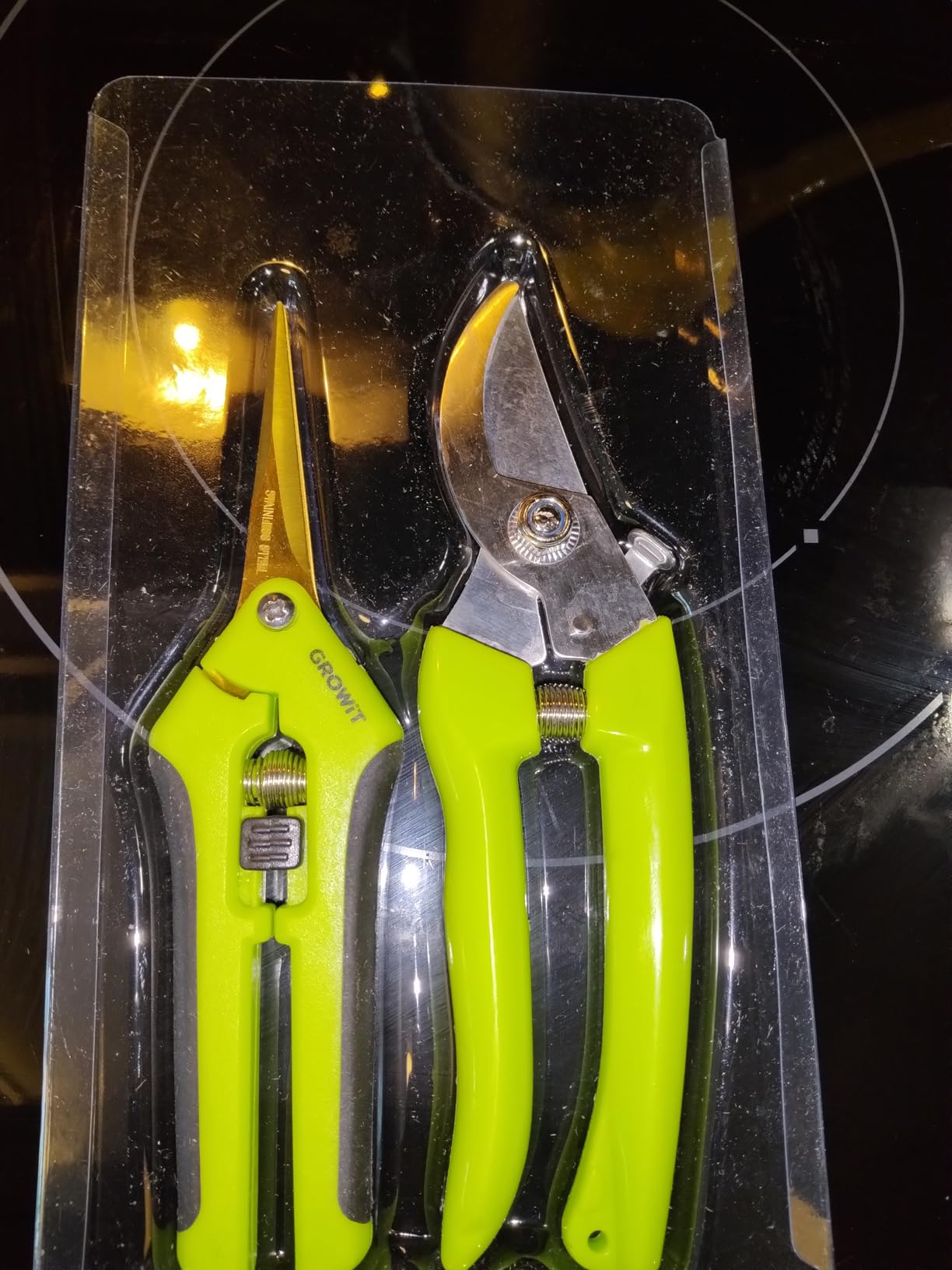
This is a two-piece set, and the useful idea is the pair of openings. One clipper gives a narrow jaw for herbs and annuals, the other a wider one for small branches, so you can match blade width to the job and to your hand without buying two tools. The smaller clipper is well regarded for sharpness and comfortable fit on patio and indoor work.
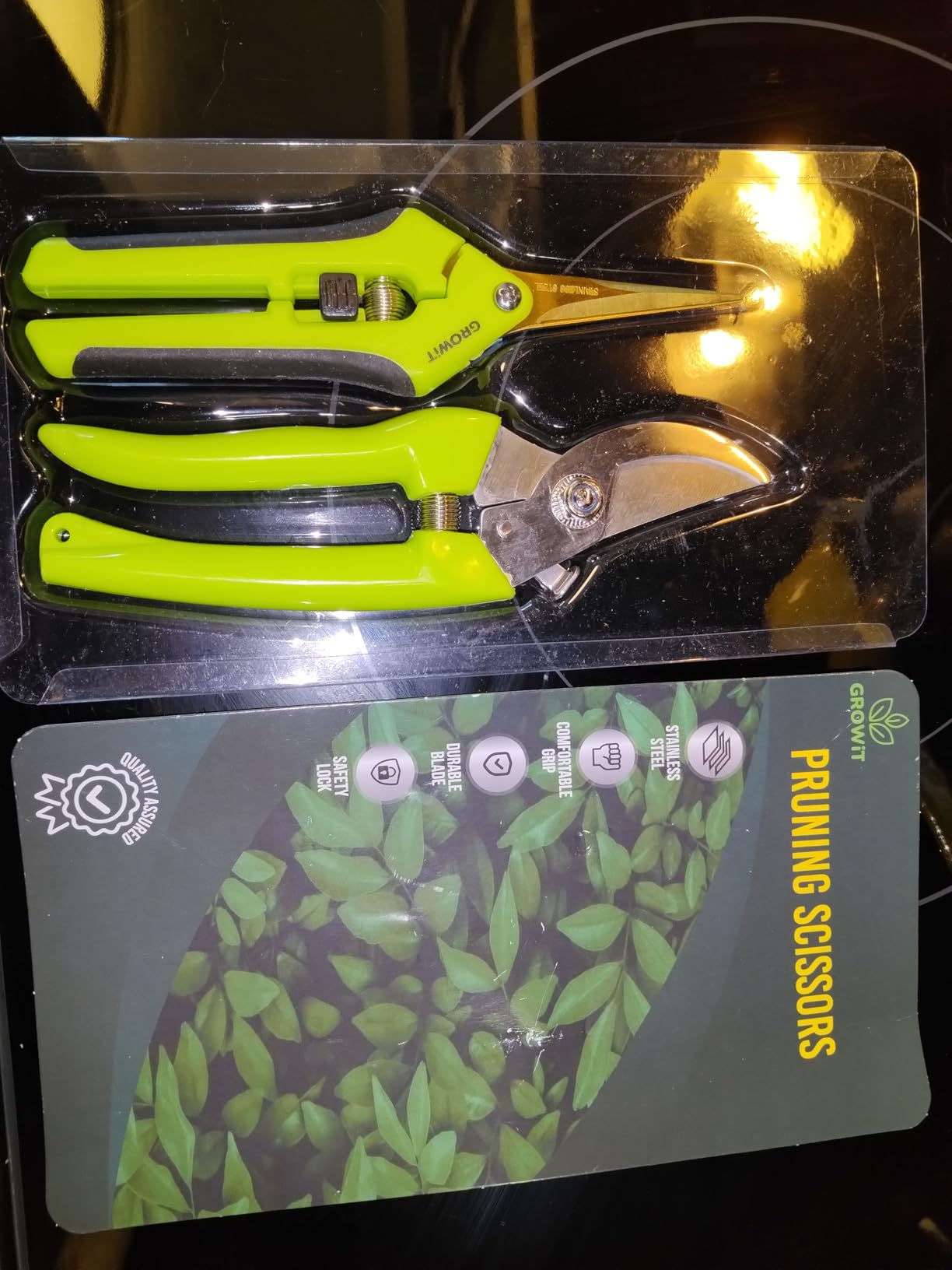
The handles are soft, non-slip and ambidextrous, and the one-handed thumb safety lock works smoothly for storage, which matters more than it sounds when a lock needs fine finger control to release. Blades are SK5 carbon steel with an anti-corrosion coating, and the set carries a one-year warranty.
The recurring complaint is the spring on the larger clipper detaching within days of use, which renders it unusable, alongside reports that the larger clippers break down quickly. For a hand that cannot manage a fiddly repair that matters, and the refund policy is the mitigation rather than a fix.
Who this suits best
Container gardens, patio herbs, houseplants and light shrub work where branches are thin. It suits someone who wants cushioned grips and a simple lock without thinking about mechanisms, and the two-piece format lets one live indoors and one in the shed for people who garden in short bursts.
Where it falls short
The spring failure on the larger clipper is the deciding factor, since a detachable spring is exactly the kind of small part problem a user with stiff fingers cannot fix, and the warranty covers replacement rather than repair. It also offers no force reduction at all, so a genuinely weak grip gets no help here.
How to Match a Pruner to Your Hands
Start by working out what fails first. Ask whether you can complete a full squeeze, how long before fatigue sets in, and whether the pain sits in the fingers, the thumb base or the wrist. Those three answers route you to a mechanism far more reliably than any brand list.
Three tiers of hand limitation
Tier one, stiffness and discomfort. If your hands are sore afterwards but you can still close the tool fully, you need comfort and fit rather than force reduction. This is the Fiskars SoftGrip, the VOTREK stepless handle and the Craft911 set. Weight and grip span matter most here, and a bypass blade suits live growth perfectly.
Tier two, weakness with a full squeeze still possible. If you can close the handles but the effort is high enough to make you stop after a few cuts, you want force multiplication. Compound action and pulley handles sit here, along with the rotating gonicc if your complaint is wrist torque rather than fingers.
Tier three, you cannot complete a full squeeze. Only a ratchet or a motorised tool addresses this, because a tool needing one maximal squeeze will always fail on a hand like this. This is where the MEPEREZ 4x, the Gardener’s Friend, the gonicc ratchet anvil, the Gerossi and the Corona all live. Choose by branch size and weight, not by force rating.
Five things to check before you buy
Handle span comes first. The handles should close without your fingers being forced past the finger blocks, and sliding onto bare steel is a commonly reported failure, so look for a grip that covers the whole handle rather than stopping short.
Cutting capacity is second: buy for the branches you actually have, because capacity beyond your thickest branch is dead weight carried all afternoon. Most home gardens are served by three-quarters of an inch, and a full inch earns its place only for fruit or structural wood.
Weight is third. The light tools here run from 3.84 ounces to a little over eight, while the ratchet anvil and the Gardener’s Friend are heavier precisely because their frames carry more load.
The lock is fourth. Catches needing two hands or fine motor control are a genuine blocker, so look for a one-handed slider or thumb lock, as on the MEPEREZ ST-4, the Gerossi and the VOTREK.
Serviceability is fifth. Replaceable blades, a published spare-parts programme or a long warranty decide whether the tool still works in five years, and a tool whose spring cannot be replaced ends up in a drawer.
Osteoarthritis and rheumatoid arthritis differ here
Osteoarthritis tends to affect the thumb base, the first finger joint and the wrist, which points toward wrist torque and handle span, and toward rotating handles and adjustable spans. Rheumatoid arthritis tends to affect joint stability and symmetry, so grip span, weight and one-handed operation matter more, and an adjustable handle stays correct as hands change shape.
Neither distinction overrides the mechanism advice. If you cannot close a tool fully, no arthritis type changes the fact that you need a ratchet.
When you are buying for someone else
Buying pruners as a gift is common and awkward because fit is personal. The safest choices are adjustable handle spans, self-guiding ratchets that do not need precise grip placement, and ratchets that cannot be overloaded by a weak hand. Avoid fine safety catches, small spring clips and heavy one-inch ratchets unless you know the person prunes real wood. Where hands are very weak, grippy gloves and a lighter tool can carry a surprising share of the improvement on their own.
Keeping Cuts Low Effort: Sharpening and Care
A dull blade demands more force for exactly the same cut, and across a session that difference becomes the pain you are trying to avoid. Long-term users on the orchard forum make the point from the other direction, crediting the end of their hand pain to a switch to exceptionally sharp shears rather than to any mechanism change.
Clean the blades first, because sap and dirt act as an abrasive and are the usual reason a blade feels dull between sharpenings. A wipe after each session usually handles it, and most tools here have a sap groove or coated blades intended to reduce sticking.
Sharpen on a stone or file with the bevel side down, taking the same angle each time and removing only a few strokes. Steady pressure matters more than force, since a badly angled blade will not cut cleanly however much work you put in. Oil the pivot and spring a couple of times a season, which the VOTREK stepless shears particularly need since their enclosed spring seizes without lubrication.
Finally, rest the hand. Users who graft hundreds of times a year report that even sharp pruners leave some soreness, and the answer is rotating tasks through the day rather than grinding through one long session.
Frequently Asked Questions
What garden hand tools are good for people with arthritis?
Start with tools that add mechanical advantage rather than tools that add weight: ratchet pruners, compound-action and pulley handles, rotating-handle pruners and cushioned-grip pruners. Beyond the pruner, look for long-handled trowels, hoes and forks that let you work upright, grippy gloves, and an arm support cuff that takes the load off a swollen wrist. A sharpening stone matters too, because a dull blade asks for more force on every cut.
What are the best tools for arthritic hands?
The best tools for arthritic hands share four traits: they multiply cutting force, they fit your hand span, they weigh little, and they have a one-handed lock. Among the ten pruners here, the Fiskars SoftGrip suits stiff hands, the VOTREK stepless handle suits small or changing hands, and the MEPEREZ 4x ratchet suits genuinely weak grip. The cheapest improvement remains keeping the blade sharp.
What are the best scissors for arthritic hands?
For scissors the same three rules apply: cushioned non-slip handles, a spring or one-handed lock, and a sharp blade. Lightweight snips with a moulded grip suit deadheading, herbs and houseplants better than any heavier tool. For woody material choose garden scissors with a compound or ratchet joint rather than household shears, which concentrate force on a small pivot and are the hardest kind to squeeze.
Who makes the best hand pruners?
There is no single best maker, and the honest differentiators are serviceability rather than brand. Look for replaceable blades, published spare parts, a resharpenable blade profile and a long warranty, because those decide whether the tool still works in five years. Among the picks here Fiskars, Corona, The Gardener’s Friend and VOTREK all publish lifetime or long-term warranties, and owners report that Felco and ARS blades out-resharpen cheaper steel.
What pruners are best for people with weak hands?
If you cannot complete a full squeeze you need a ratchet pruner, and the choice comes down to branch size and weight. The Gardener’s Friend handles up to an inch of woody branch with three-stage action and a branch-holding neoprene insert. The MEPEREZ ST-4 claims four times cutting power at 1 inch capacity and stays light at 7.76 ounces. The gonicc ratchet anvil at three-quarter inch and 8.1 ounces suits lighter mixed work.
Are electric pruning shears good for arthritis?
They remove squeezing almost entirely, which is the largest single saving available, but they do not remove the effort. Users running cordless electric pruners report the extra weight taxing the shoulder and elbow instead, and batteries, charging and replacement blades add to the running cost. They make sense for long sessions on hard wood. For occasional deadheading the weight and expense are not repaid, and a lightweight cushioned pruner is the better buy.
Why do my hands hurt so bad after gardening?
Three things compound. Grip strength falls, so each cut demands more force than it used to. Swelling builds through the session, so the same cut costs more by the twentieth cut than the first. And repeated squeezing produces cumulative strain, which is why pain that clears overnight may be repetitive strain rather than arthritis. Sharper blades, ratchet mechanisms, lighter tools, breaks between blocks and grippy gloves all reduce the load directly.
The Best Pruning Shears for Arthritic Hands in 2026
If your hands are stiff but you can still close a tool, start with the Fiskars SoftGrip and add the VOTREK stepless shears if your hand span does not fit. If the pain is in your wrist, the gonicc rotating bypass is the more targeted answer.
If you cannot complete a full squeeze, buy a ratchet. The Gardener’s Friend is the strongest pick for real woody branches, the MEPEREZ 4x for maximum power at low weight, and the Gerossi for mixed work where you want to switch mechanisms. Keep the blades sharp, break between blocks of pruning, and buy for the branches you actually have.