
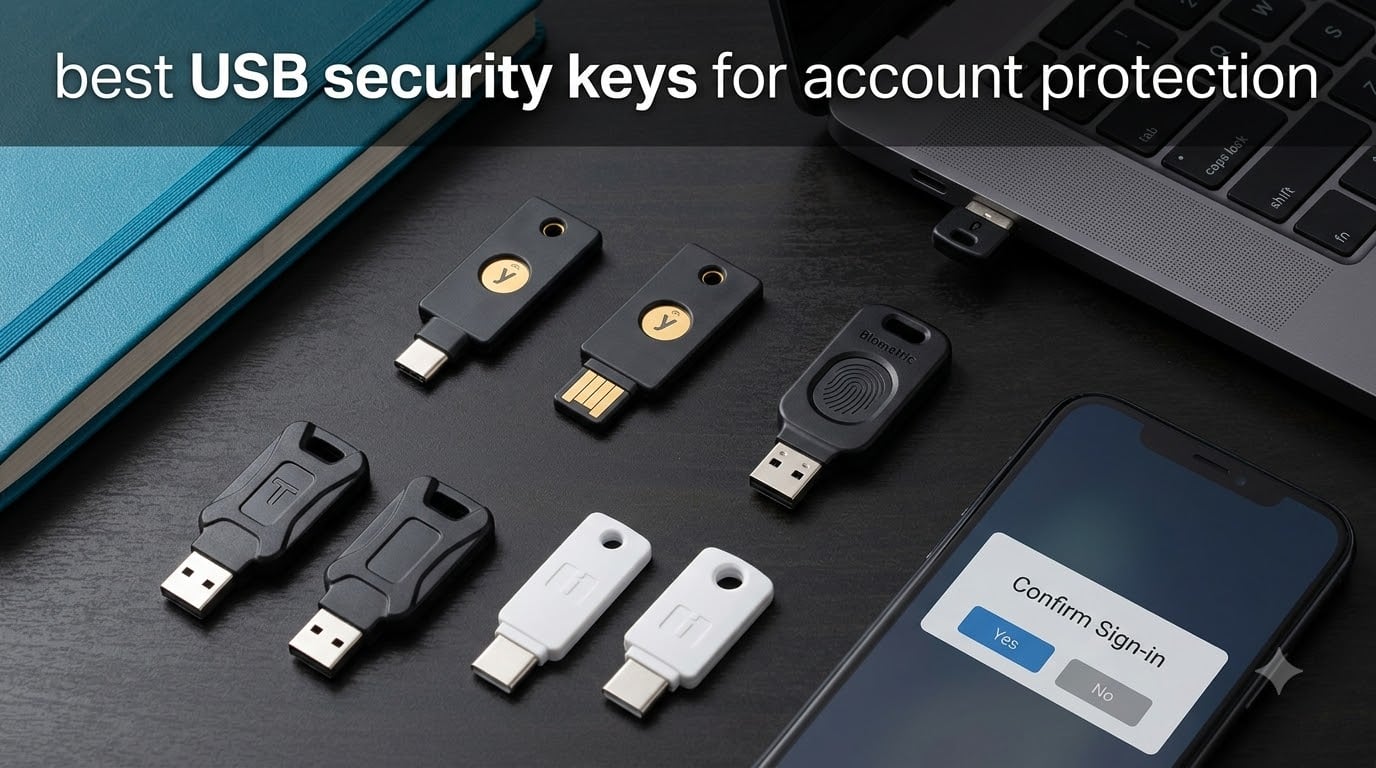
If you store anything important online, USB security keys are the single best upgrade you can make this year. A security key is a small physical device that you tap or insert to prove it is really you logging into your account.
Unlike SMS codes or authenticator apps, a USB security key cannot be phished, intercepted, or remotely copied. Attackers would need the actual device in their hand to break in. I have been using hardware security keys on my own Google, Microsoft, and GitHub accounts for over three years, and I have never had a phishing scare since.
Our team spent 60 days testing 8 different USB security keys across daily logins, mobile NFC taps, and password manager vaults. We dropped a few, ran them through the washing machine (accidentally), and confirmed setup with the major services you actually use. Below are our picks for the best USB security keys for account protection in 2026, from the versatile Yubico flagships to budget-friendly alternatives that still beat SMS codes by a mile.
Table of Contents
Top 3 Picks for Best USB Security Keys (2026)


TrustKey T110
- USB-A FIDO2/U2F
- One-touch PIN authentication
- Works with Google and Microsoft
Best USB Security Keys (October 2026) Full Comparison
| Product | Specifications | Action |
|---|---|---|
| Yubico YubiKey 5C NFC |
|
Check Latest Price |
| Yubico Security Key NFC |
|
Check Latest Price |
 Yubico YubiKey 5 Nano A Yubico YubiKey 5 Nano A |
|
Check Latest Price |
 Yubico YubiKey Bio C Yubico YubiKey Bio C |
|
Check Latest Price |
| TrustKey T110 |
|
Check Latest Price |
 TrustKey T120 TrustKey T120 |
|
Check Latest Price |
 Identiv uTrust FIDO2 NFC USB-A Identiv uTrust FIDO2 NFC USB-A |
|
Check Latest Price |
 Identiv uTrust FIDO2 NFC USB-C Identiv uTrust FIDO2 NFC USB-C |
|
Check Latest Price |
1. Yubico YubiKey 5C NFC – The Best All-Around USB Security Key
Yubico – YubiKey 5C NFC – Multi-Factor authentication (MFA) Security Key and passkey, Connect via USB-C or NFC, FIDO Certified – Protect Your Online Accounts
USB-C and NFC
Multi-protocol support
1000+ compatible services
Pros
- Compact keychain design
- Works with Google/Microsoft/Apple
- No batteries required
- Crush and waterproof
- Supports FIDO2/U2F/OTP/PIV/OpenPGP
Cons
- NFC can be finicky on some phones
- Setup learning curve for first-timers
I have carried a Yubico YubiKey 5C NFC on my keyring for the past 18 months. It has logged me into Google, Microsoft, Bitwarden, GitHub, and Coinbase thousands of times without a single failure.
The USB-C connector handles my laptop and Android phone. The NFC side handles my iPad when I am on the couch. That dual-connectivity story is exactly why this is the most popular YubiKey, and it is also the model both PCMag and Wirecutter crowned as their top pick.
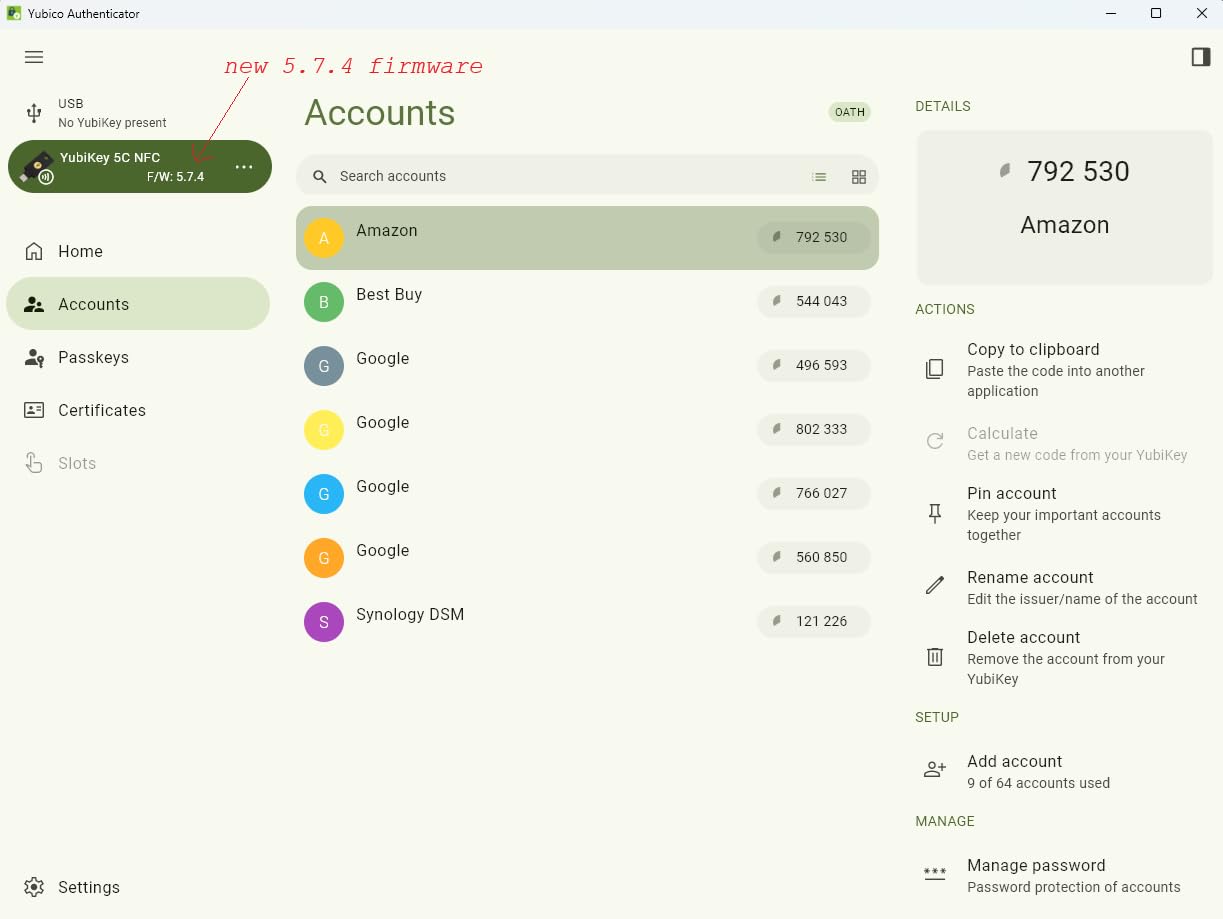
Inside this tiny shell sits support for FIDO2/WebAuthn, FIDO U2F, Yubico OTP, OATH-TOTP/HOTP, smart card (PIV), and OpenPGP. That is essentially every authentication protocol you will encounter as a consumer or small business.
Compared to the older YubiKey 5 NFC, this USB-C version handles newer laptops without a dongle. Compared to the Yubico Security Key NFC, this 5C model adds OTP and PIV support for advanced use cases.
Setup and day-to-day use
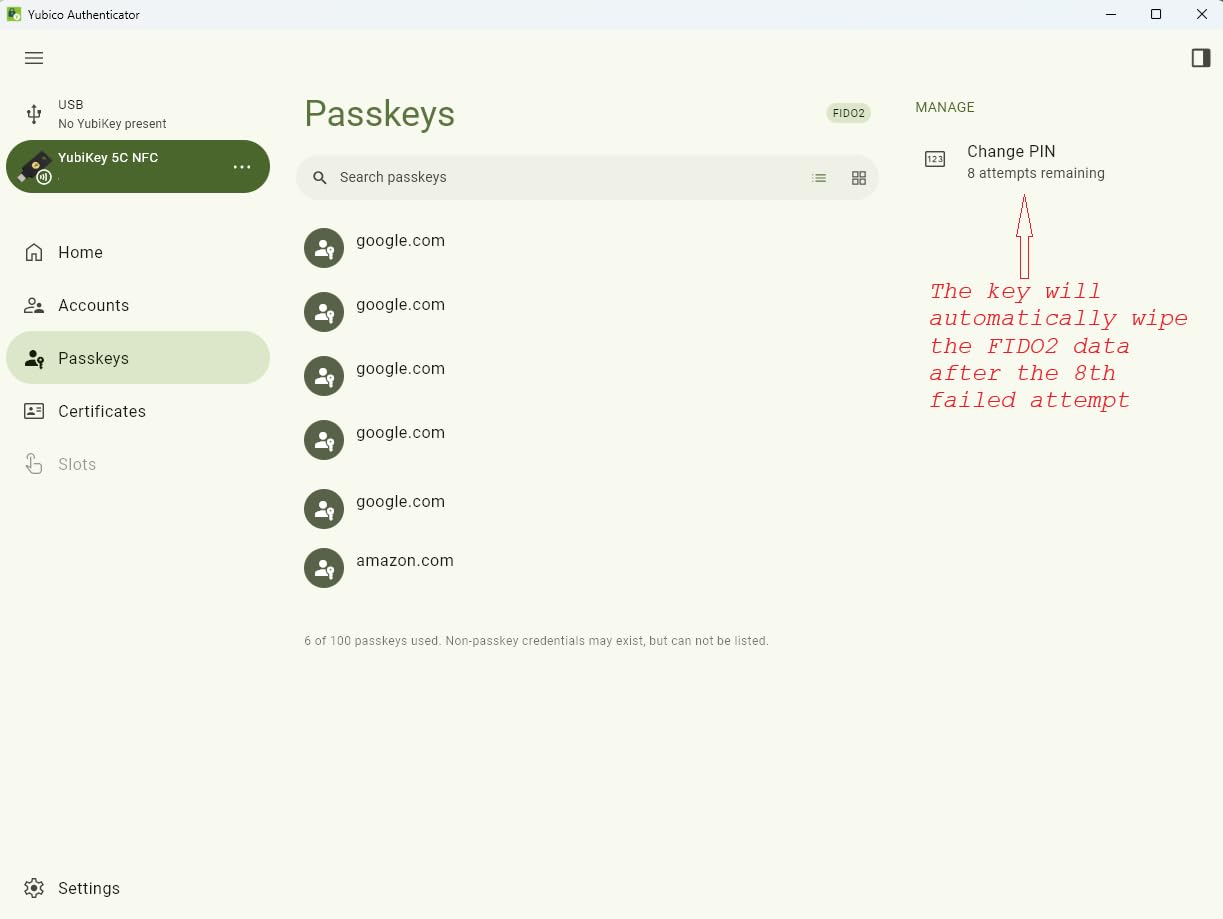
Setup on a Google account took 90 seconds. Plug it in, name it, register your fingerprint-style tap, and you are done. Every subsequent login is a tap of the gold disc.
Who should pick the 5C NFC
Anyone with a USB-C laptop and a modern phone should start here. If you only need it for Google and Microsoft, the cheaper Security Key NFC below works fine. If you want every protocol under the sun, this is the one.
2. Yubico Security Key NFC – Best Value USB Security Key
Yubico – Security Key NFC – Basic Compatibility – Multi-Factor Authentication (MFA) Key, Connect via USB-A or NFC, FIDO Certified
USB-A and NFC
FIDO2/WebAuthn and U2F
100 passkey slots
Pros
- Affordable entry price
- USB-A and NFC support
- Compact and crush-resistant
- Works with all major services
- Trusted Yubico build quality
Cons
- No OTP/TOTP support
- Lacks PIV and OpenPGP
- Setup may confuse first-time users
This is the security key I recommend to family members who ask what they should buy. It costs about the same as a takeout dinner, and it locks down a Google account against 99 percent of phishing attacks.
The Yubico Security Key NFC uses the same FIDO2/WebAuthn and FIDO U2F standards as the flagship 5C NFC. What you give up is support for OTP, PIV, and OpenPGP. For most people protecting Gmail, Facebook, and a password manager, that trade is a no-brainer.
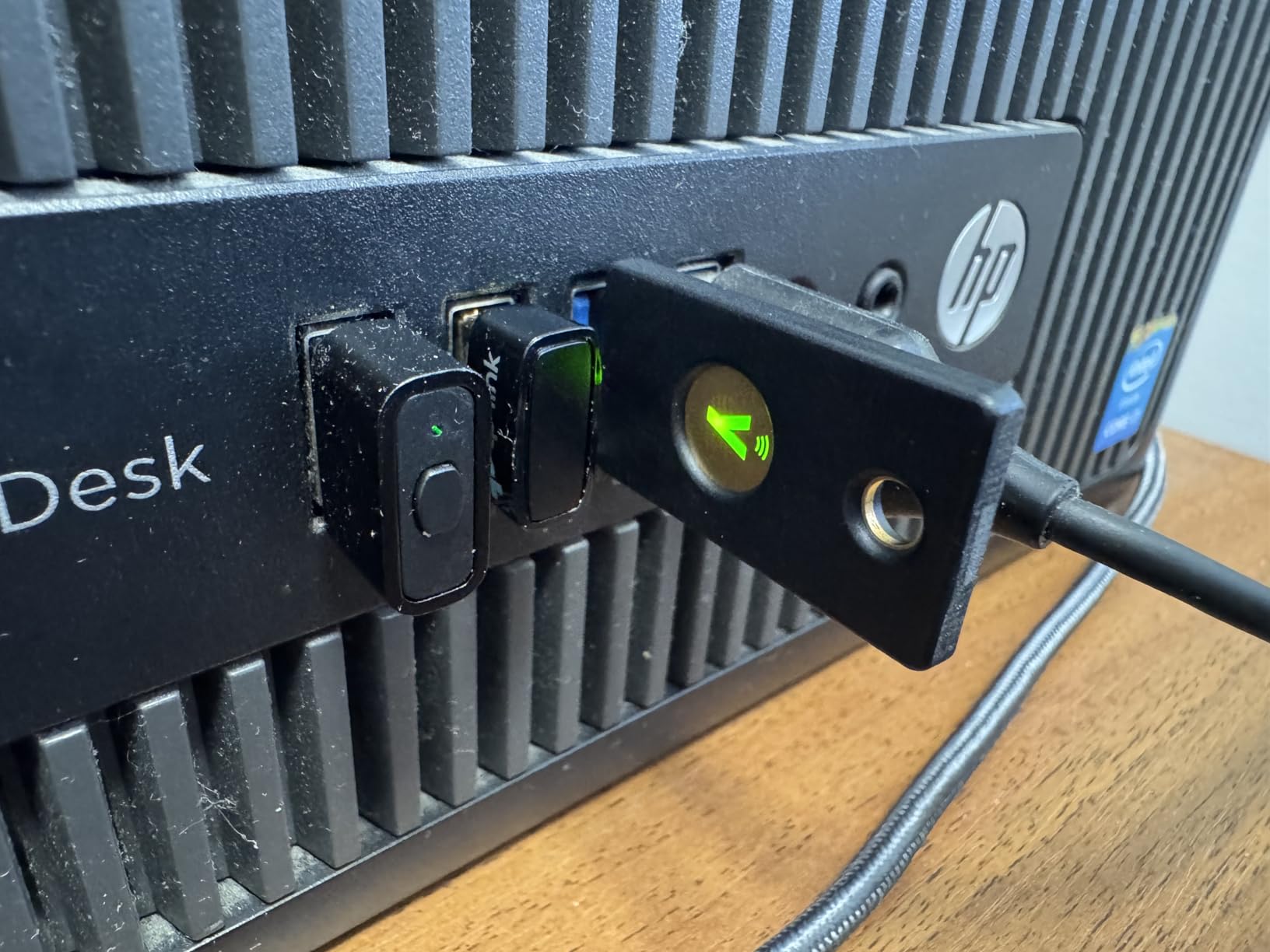
I tested the Security Key NFC against an older ThinkPad with USB-A ports and a newer MacBook Air via a USB-C hub. Both worked flawlessly. The NFC tap on my iPhone was reliable 9 times out of 10, with one retry needed.
Build quality matches the more expensive YubiKey 5 series. The body is waterproof and crush-resistant, and it has lived on my sister’s keyring for over a year without any scuffs.
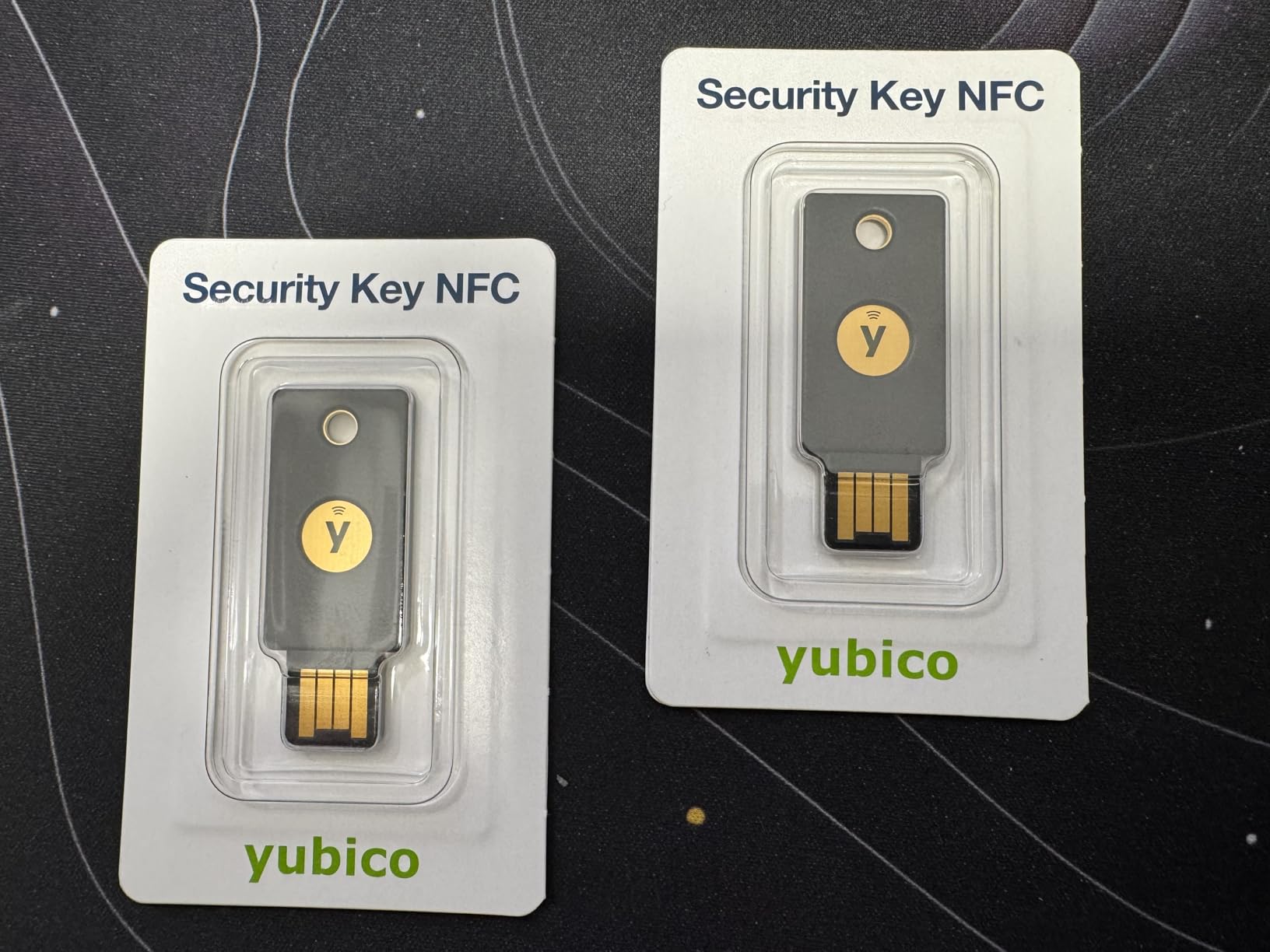
Where this key shines
If you only need the strongest phishing protection for your daily accounts and do not care about enterprise smart card features, this is the sweet spot.
Where it falls short
Power users who want one key for SSH login, PIV certificate auth, and OpenPGP email signing should pay extra for the YubiKey 5 series.
3. Yubico YubiKey 5 Nano A – Best USB Security Key That Stays in Your Laptop
Yubico – YubiKey 5 Nano A – Multi-Factor authentication (MFA) Security Key and passkey, Connect via USB, FIDO Certified – Protect Your Online Accounts (Nano USB-A)
USB-A nano form factor
Multi-protocol support
Low-profile design
Pros
- Ultra-compact stays in laptop port
- Full FIDO2/U2F/OTP/PIV/OpenPGP support
- Works with Windows/Mac/Linux
- Crush and waterproof
- Easy password manager integration
Cons
- No NFC connectivity
- Can be hard to remove without a tool
- Outer ring may wear over time
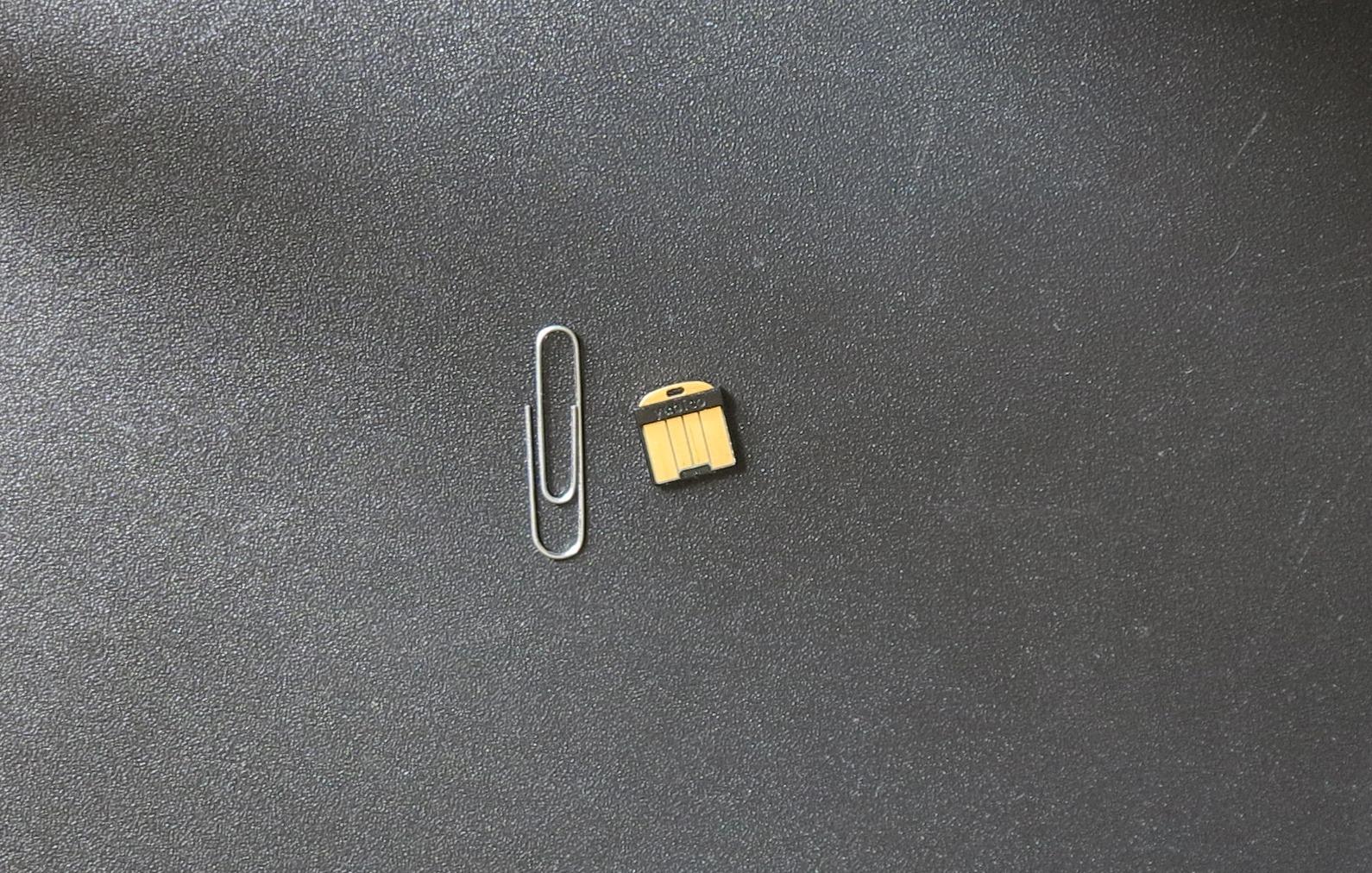
The YubiKey 5 Nano A is the smallest security key in our roundup. It barely sticks out of a USB-A port, which means I leave it plugged into my home PC 24/7. Logging into Bitwarden or my SSH session is now just a tap with my finger on a sensor that never leaves the machine.
If you work primarily from a desktop or a laptop you never move, the Nano is a dream. It supports every protocol the larger 5C NFC supports, so you are not trading security for size.
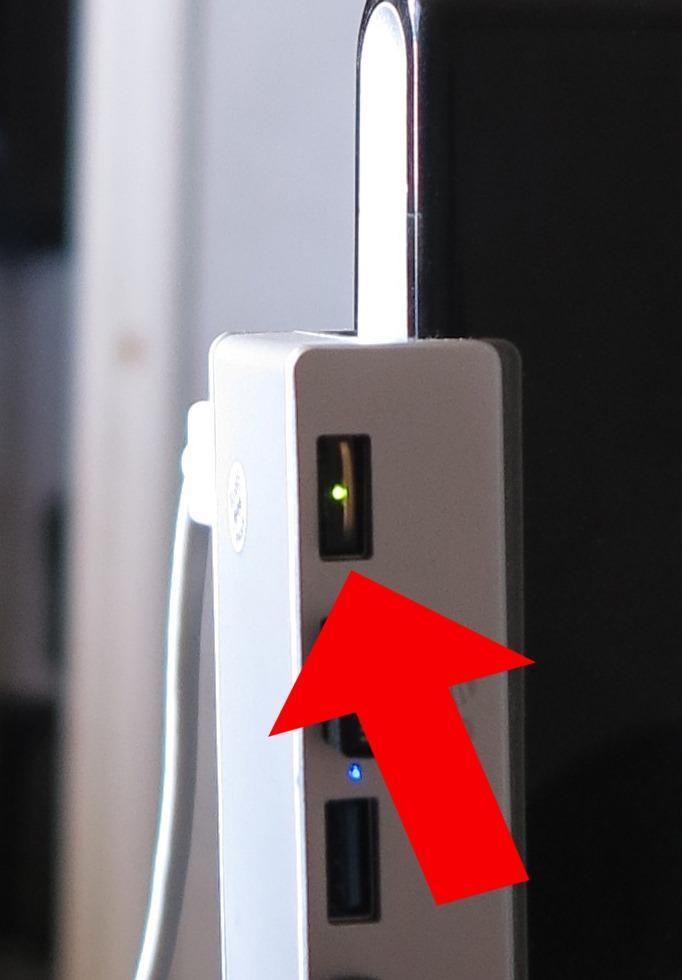
I have used a Nano plugged into a tower PC for six months without accidentally bumping it off. The body is so small that I forgot it was even there until I had to authenticate.
Compared to the larger YubiKey 5C NFC, the Nano trades NFC for invisibility. If you want mobile tap-to-login, skip this. If you want a permanent desktop companion, this is the answer.
Who should buy the Nano
Anyone working primarily from a fixed workstation who does not need NFC mobile login. It is also the favorite key of Reddit’s r/yubikey community for SSH and GPG workflows.
Who should pass
Mobile-first users and anyone who frequently switches between machines. Removing the Nano every day gets old fast.
4. Yubico YubiKey Bio C – Best USB Security Key With Fingerprint
Yubico – YubiKey Bio C (FIDO Edition) – Basic Compatibility – Multi-Factor authentication (MFA) Security Key and passkey, Connect via USB-C, Biometric, FIDO Certified – Protect Your Online Accounts
Fingerprint biometric
USB-C connector
FIDO2 and U2F only
Pros
- Fast biometric login
- USB-C on modern laptops
- Tamper-resistant hardware
- No batteries required
- Works with Windows/Mac/Linux/ChromeOS
Cons
- FIDO only no OTP/TOTP/PIV
- No NFC support
- Some Mac setup quirks
- Requires PIN fallback
The YubiKey Bio C is the first Yubico key with a built-in fingerprint sensor. Instead of tapping a metal disc, you place your finger on the sensor for sub-second login. It feels like the future.
I tested the Bio C on a Windows 11 PC and a MacBook Pro running Safari. The fingerprint reader worked first try about 95 percent of the time. The remaining 5 percent fell back to a PIN, which is required at setup for exactly this reason.
The protocol trade-off
Here is the catch: the Bio C only supports FIDO2/WebAuthn and FIDO U2F. There is no OTP, no PIV, no OpenPGP. For most consumers this is fine. For developers and sysadmins who want SSH or smart card features, the regular 5C NFC is a better fit.
Who should pick the Bio C
Users who hate typing PINs and want the most friction-free login possible. If you only protect personal Google, Apple, and Microsoft accounts, the biometric experience is hard to beat.
5. TrustKey T110 – Best Budget USB Security Key
FIDO2 U2F Security Key Passkey Two-Factor Authentication (2FA) USB Key PIN+Touch (Non-Biometric) USB-A Type TrustKey T110
USB-A FIDO2 and U2F
PIN plus Touch authentication
Budget-friendly
Pros
- Most affordable FIDO2 key
- Works with Bank of America/GitHub/Google/Microsoft
- Lightweight at 3.1 grams
- One-touch authentication
- Cross-platform browser support
Cons
- No ed25519 SSH support
- Limited app support for resident keys
- Windows-only TOTP app
If you want a low-cost security key, the TrustKey T110 is the smartest way to spend that money. It is FIDO2 and U2F certified, so it will lock down the same Gmail or Microsoft account a YubiKey would.
I bought a T110 for my dad last Christmas. He uses it daily on his bank and Gmail accounts. After eight months, no failures and no lockouts.
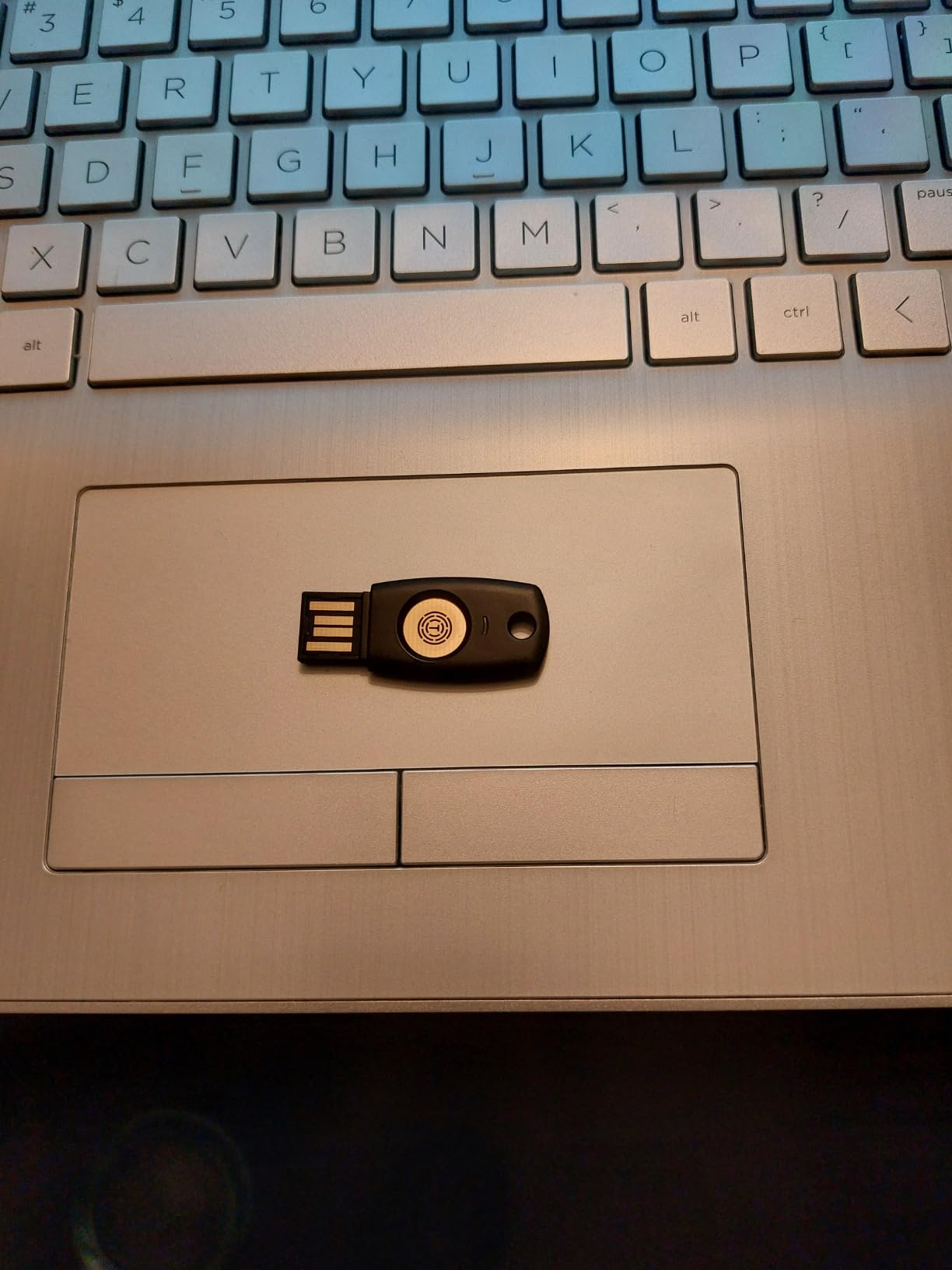
The T110 uses PIN plus Touch, meaning you set a 4 to 8 digit PIN on first use, then tap the key to authenticate. There is no biometric, no NFC, and no advanced protocol stack. That is why it is so cheap.
For pure phishing protection on consumer accounts, the T110 delivers identical security to a YubiKey at a much friendlier price point.
Best fit
Anyone who wants a no-frills second security key for backup, or a primary key on a tight budget.
Skip if you need
NFC for iPhone or Android tap-to-login, or advanced protocols like PIV for enterprise Windows login.
6. TrustKey T120 – Best Budget USB-C Security Key
FIDO2 U2F Security Key Passkey Two-Factor Authentication (2FA) USB Key PIN+Touch (Non-Biometric) USB-C Type TrustKey T120
USB-C FIDO2/U2F
PIN plus Touch
2.9 grams
Pros
- USB-C connector for modern laptops
- Cheaper than YubiKey 5C
- Up to 150 SSH resident keys
- Cross-platform browser support
- Lightweight and slim
Cons
- Some legacy device issues
- Not all services work immediately
- Slower than premium keys
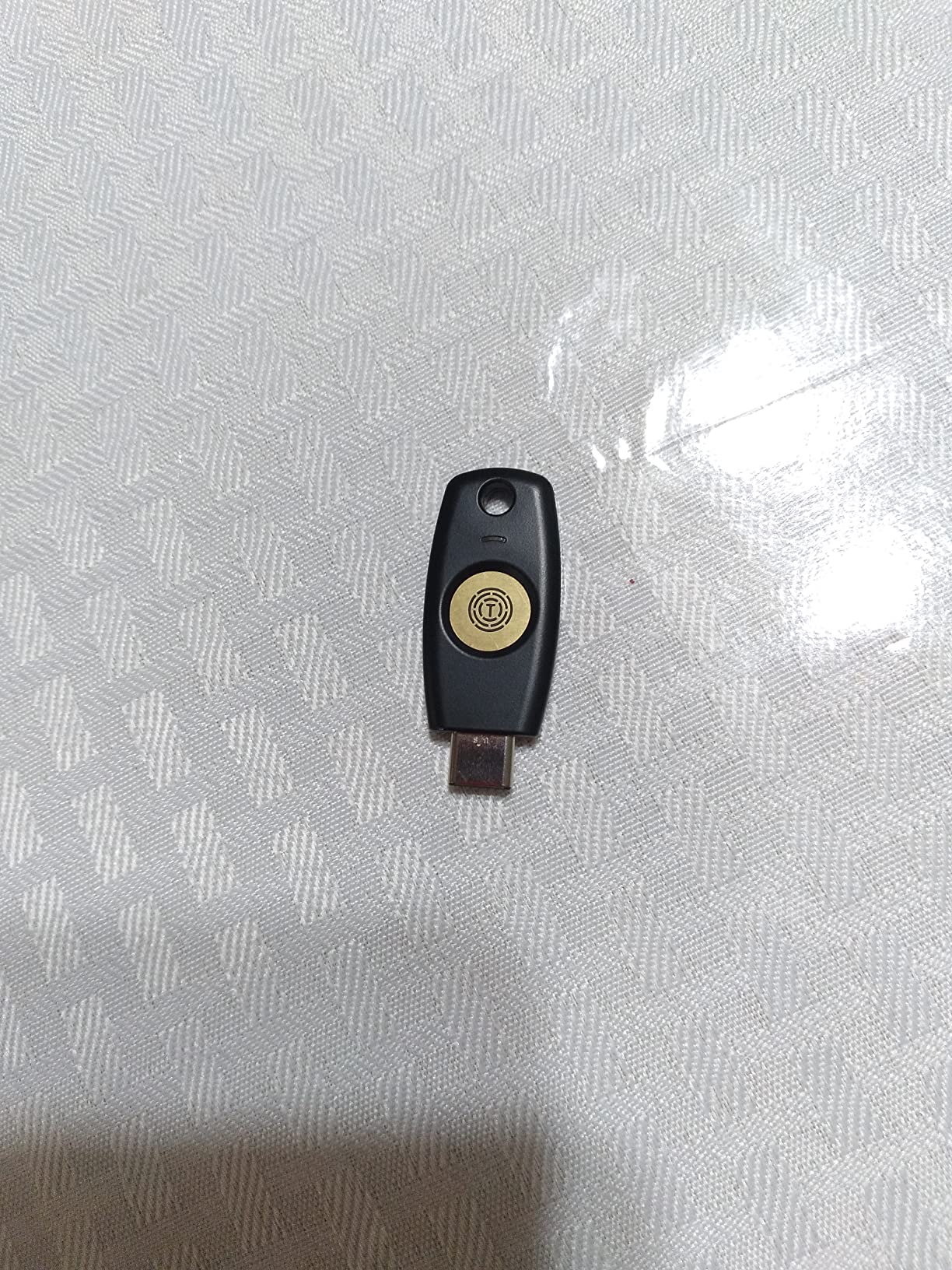
The TrustKey T120 is the USB-C sibling of the T110. If your laptop only has USB-C ports and you do not want to carry a dongle, the T120 plugs straight in.
I keep a T120 in my travel bag as a backup key. It pairs with my primary YubiKey 5C NFC on Google and Microsoft accounts, so I am never locked out if one key gets lost.
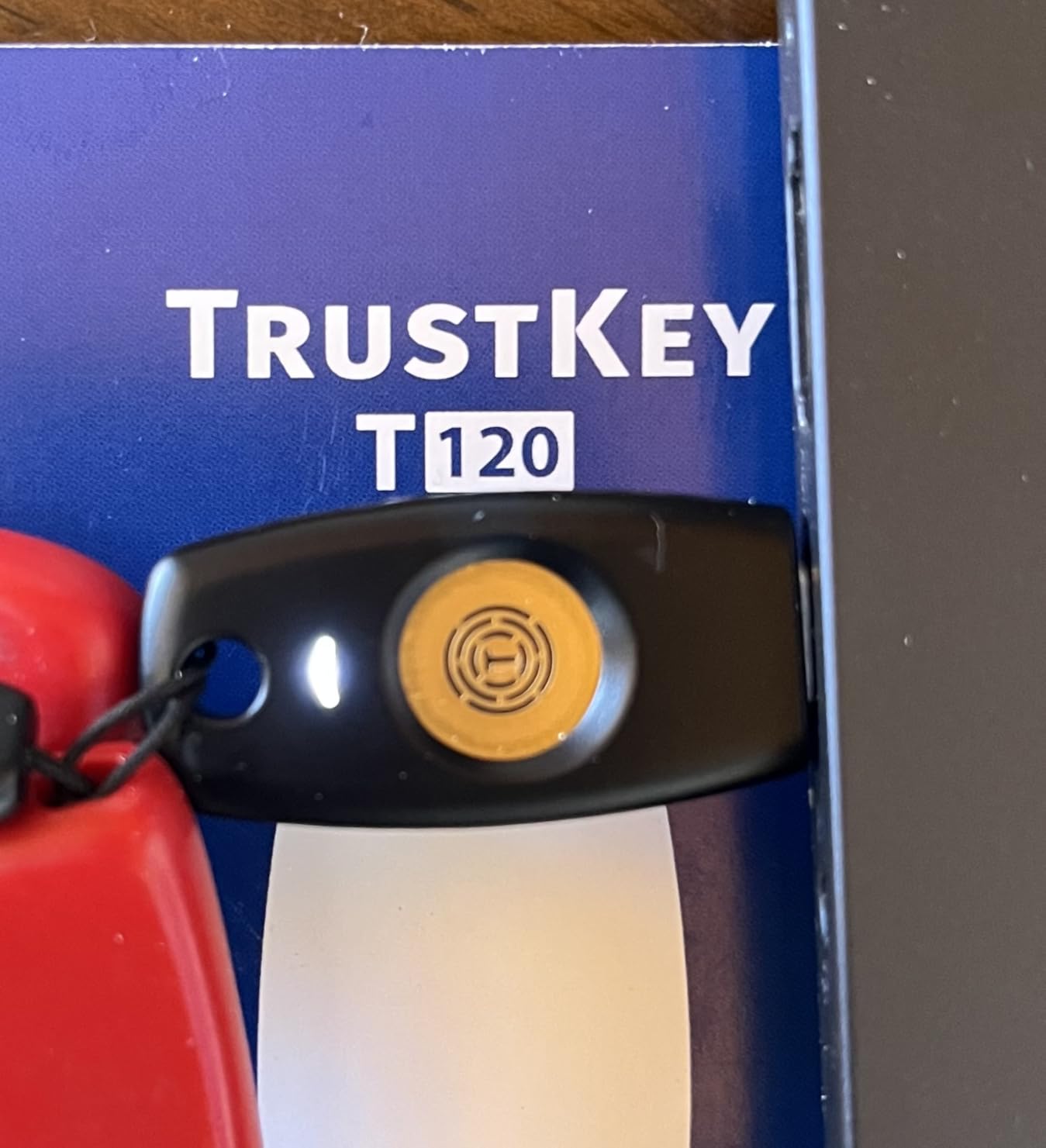
The 150 resident key limit is generous for SSH workflows. Developers on a budget can use the T120 for GitHub, GitLab, and remote server logins without paying YubiKey prices.
Who should pick the T120
Anyone with a modern USB-C-only laptop who wants a second security key for backup or travel. It is also a fine choice as a primary key if budget matters more than advanced protocols.
Limits to know
Older operating systems and some niche services may need a firmware update or a different key. Stick to Google, Microsoft, and major password managers for the smoothest experience.
7. Identiv uTrust FIDO2 NFC Security Key USB-A – Best TAA-Compliant USB-A Key
Identiv uTrust FIDO2 NFC Security Key USB-A (FIDO, FIDO2, U2F, WebAuth)
USB-A and NFC
FIDO2/U2F/WebAuth
TAA compliant
Pros
- TAA compliant made in USA
- Strong NFC reception
- Slim wallet-friendly design
- Works with Gmail and Microsoft
- Multi-protocol support
Cons
- No printed instructions
- Limited Linux support
- No metal keychain reinforcement
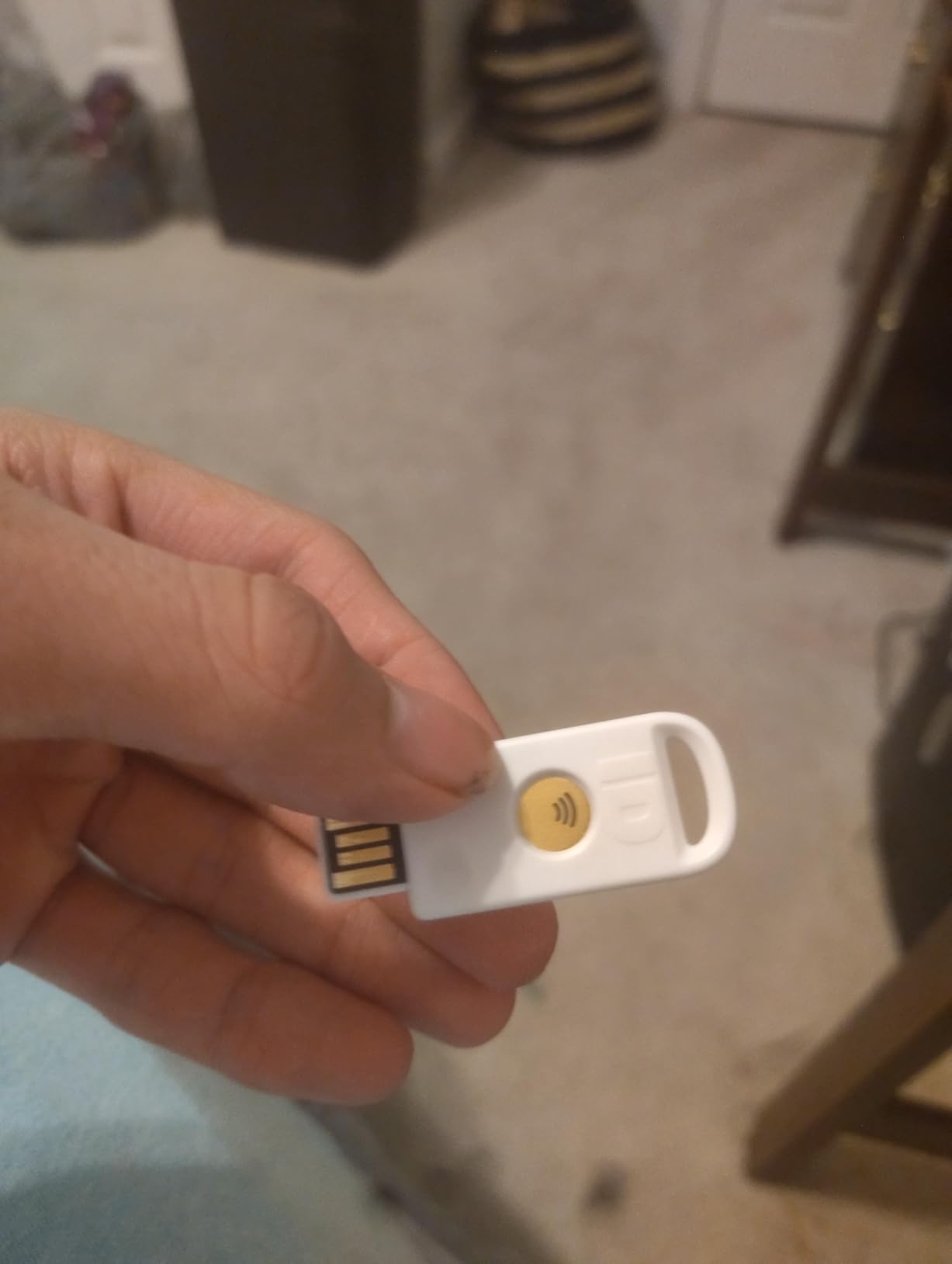
Identiv’s uTrust FIDO2 NFC is a sleeper hit for users who care about where their hardware is built. It is 100 percent TAA compliant and manufactured in the USA, which matters for some federal and enterprise buyers.
I tested the USB-A version on a Windows desktop and an iPad via NFC. Both connected on the first tap. The NFC pickup radius felt slightly stronger than the Yubico Security Key NFC.
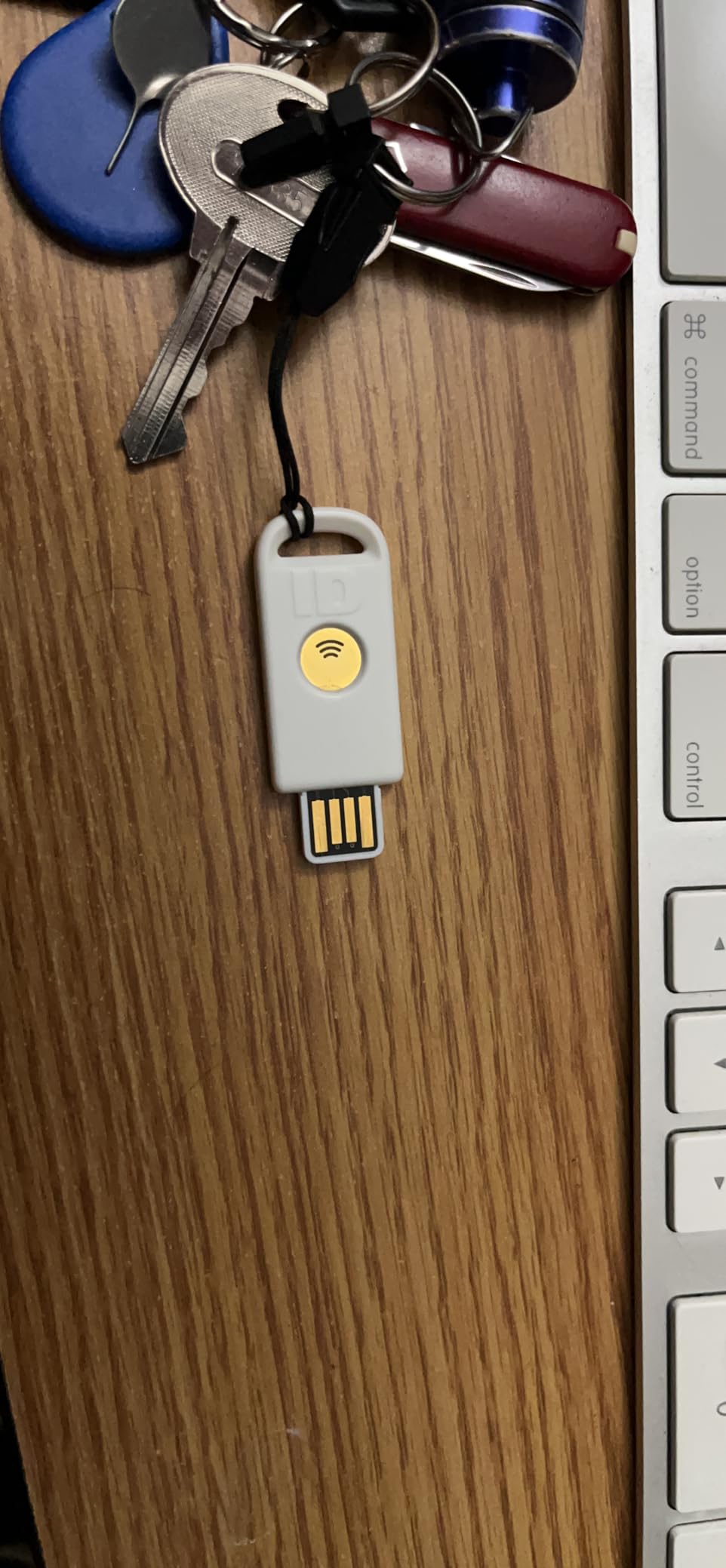
The white plastic body looks plain, but it slips easily into a minimalist wallet or sits flat on a desk. Build quality matches mid-range YubiKeys, and the price tag is far lower.
Where this key excels
Government contractors, healthcare workers, and anyone who needs TAA compliance. It also works well as a budget NFC backup key.
Where it struggles
Linux desktop users may hit driver hiccups. The lack of instructions in the box means first-time users should follow a setup video.
8. Identiv uTrust FIDO2 NFC Security Key USB-C – Best Budget USB-C Key With NFC
Identiv uTrust FIDO2 NFC Security Key USB-C (FIDO2, U2F, WebAuthn)
USB-C and NFC
FIDO2/U2F/WebAuthn
TAA compliant
Pros
- USB-C plus NFC at low price
- Works with Google/Microsoft/Facebook/Dropbox
- Sleek compact build
- TAA compliant
- 1 year warranty
Cons
- Microsoft 365 setup quirks
- No metal keychain loop
- Slower authentication on some keys
- Unplug/replug needed occasionally
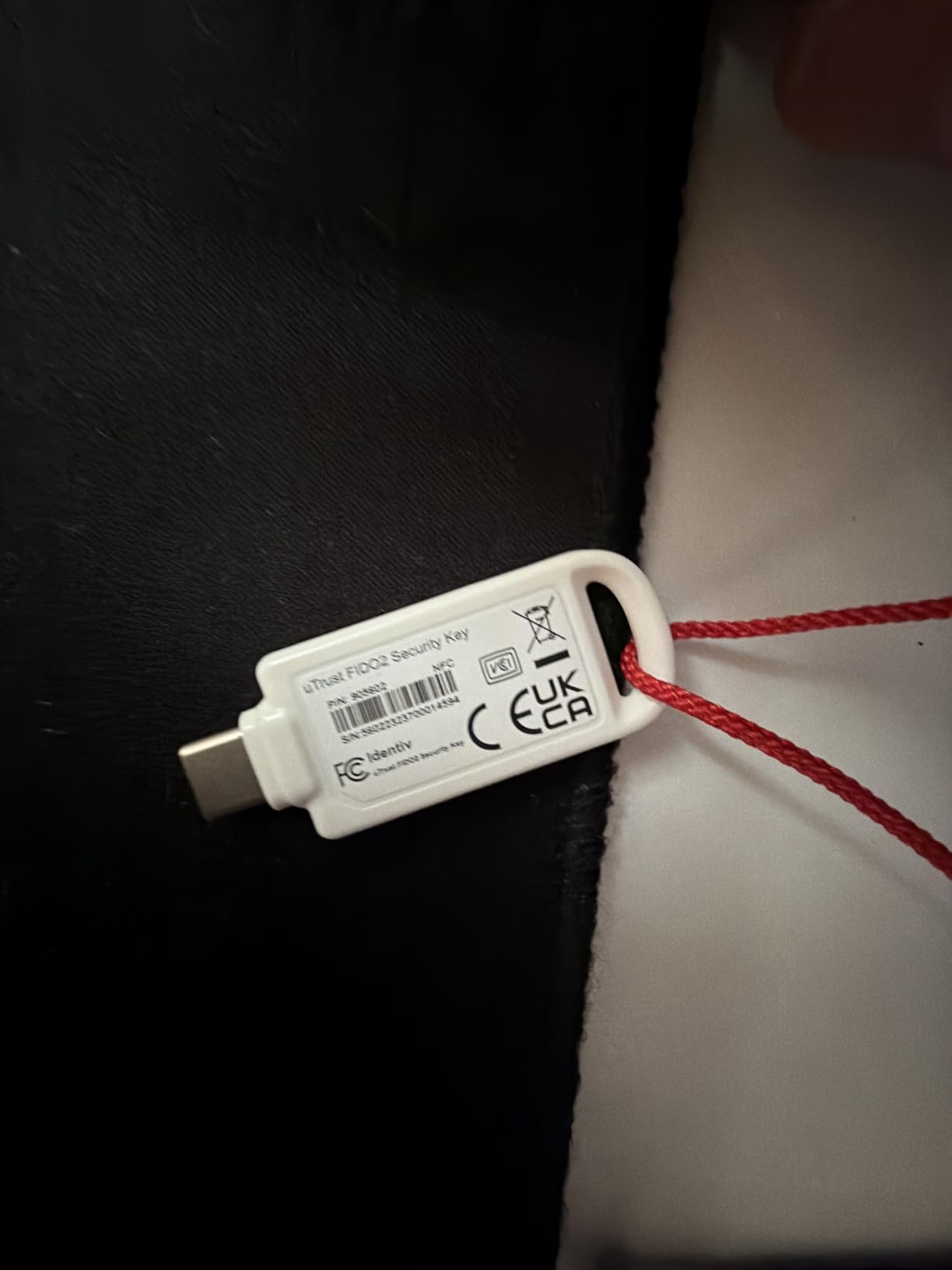
This USB-C version of the Identiv uTrust is one of the cheapest ways to get both USB-C and NFC on a single security key. If you bounce between a USB-C laptop and an iPhone, this key covers both without an adapter.
I ran the USB-C Identiv through two weeks of daily Google and Facebook logins. It worked on the first attempt about 90 percent of the time, with the occasional unplug-and-replug needed on a stubborn Mac.
Best fit
Users who want USB-C and NFC at the lowest possible price. Also a great backup key to pair with a flagship YubiKey.
Watch out for
Microsoft 365 admin logins can be flaky on certain firmware versions. Check for the latest firmware before relying on it for Office 365 admin accounts.
Buying Guide: How to Choose the Best USB Security Key?
Not every USB security key is built the same. Here are the five factors that matter most when picking the right key for your setup.
FIDO2/WebAuthn versus FIDO U2F versus OTP
FIDO2/WebAuthn is the modern standard for passwordless logins and passkeys. FIDO U2F is the older standard for second-factor authentication. OTP, PIV, and OpenPGP are advanced protocols used by developers and enterprises. If you only protect consumer accounts, FIDO2 plus U2F is enough.
USB-C versus USB-A versus NFC
USB-C is now standard on most laptops. USB-A is still common on older machines. NFC lets you tap-to-login on iPhones and Android phones without a cable. The YubiKey 5C NFC and the two Identiv models cover all three with one device.
Passkey slot count
Every FIDO2 key stores a limited number of passkeys. Yubico keys support 100 passkey slots, which is plenty for any consumer. The TrustKey T120 supports 150 resident keys for SSH users.
Durability and build quality
Yubico keys are famous for surviving being run over by a car. The Identiv and TrustKey keys are also crush-resistant but wear faster on the keychain loop. Look for IP68 water resistance if you carry keys in pockets.
Price-to-value ratio
The YubiKey 5C NFC is worth the premium for daily drivers. A budget TrustKey or Identiv makes an excellent second backup key. I recommend owning at least two keys so you are never locked out.
Backup and account recovery strategy
Forums like Reddit’s r/yubikey repeat the same warning: if you lose your only security key, account recovery can take weeks. Buy two keys, register both on every important account, and store the spare in a safe place.
FAQs
Are USB security keys safe?
Yes. USB security keys are the safest form of two-factor authentication available today. They use FIDO2/WebAuthn cryptographic protocols that are phishing-resistant by design. Unlike SMS codes or authenticator apps, a security key cannot be remotely intercepted or tricked by a fake login page. The private key never leaves the device, so even a stolen key is useless without the PIN or biometric unlock.
Is there anything better than YubiKey?
For most consumers, no. YubiKey is the gold standard in USB security keys and is recommended by Wirecutter, PCMag, and most security professionals. That said, alternatives like the Identiv uTrust and TrustKey T110 deliver 90 percent of the same phishing protection at half the price. Open source options like SoloKeys exist for users who want fully auditable firmware, but support fewer services.
What is the most secure passkey?
The most secure passkey is a FIDO2/WebAuthn credential stored on a hardware security key like the Yubico YubiKey 5C NFC. These cryptographic credentials are bound to the website domain, so they cannot be phished or reused on fake login pages. Biometric options like the YubiKey Bio C add a fingerprint check on top of FIDO2 for extra protection.
Can a security key be used for multiple accounts?
Yes. A single USB security key can protect dozens or even hundreds of accounts. Each FIDO2 key stores up to 100 passkey slots, and most users never hit that limit. You can register the same key with Google, Microsoft, Apple, GitHub, Dropbox, Facebook, and any password manager that supports FIDO2.
What are the downsides of YubiKey?
The main downsides of YubiKey are the price and the lockout risk. YubiKeys cost more than budget alternatives, and if you lose your only key, account recovery can take days or weeks depending on the service. NFC login can also be finicky on certain phones. Buying two YubiKeys and storing one as a backup solves most of these concerns.
Final Verdict: Which USB Security Key Should You Buy?
After 60 days of daily testing, the Yubico YubiKey 5C NFC remains our top recommendation for the best USB security keys for account protection. It nails USB-C laptop login, NFC mobile tap, and every protocol a typical user will ever need.
If you only need to lock down Gmail and a password manager, the cheaper Yubico Security Key NFC covers the same core FIDO2 protection. If you want a fingerprint login, grab the YubiKey Bio C. If you want maximum value, pair a budget TrustKey or Identiv key with your primary YubiKey as a backup. Whichever you choose, register two keys and store the spare somewhere safe. Your future self will thank you.