
Financial independence changes everything about how you live. Instead of trading hours for dollars until age 65, you build a system where your money works hard enough that working becomes a choice, not a requirement.
The right book at the right time can shift the trajectory of your entire financial life. I have spent years reading through the most recommended titles in the FIRE community, and I can tell you that not every popular book delivers on its promises. Some are life-changing. Others just rehash the same surface-level advice.
That is exactly why I put together this guide to the best books on financial independence. Our team compared five standout titles that cover everything from index fund investing to mindset shifts to cash flow strategies. Whether you are starting from zero debt or looking to optimize an already solid portfolio, one of these books will speak directly to where you are right now.
Table of Contents
Top 3 Picks for Financial Independence Books (September 2026)
Before diving into the full reviews, here are our three top recommendations. These books rose above the rest based on community feedback, practical value, and how well they translate ideas into action.

The Simple Path to Wealth by J L Collins
- Index fund investing
- F-You Money concept
- Psychological investing advice
- 16k+ reviews

Your Money or Your Life by Vicki Robin
- 9-step transformation program
- Life energy equation
- Mindset shift classic
- 6k+ reviews

The Black Girl’s Guide to Financial…
- Culturally tailored advice
- Debt elimination strategies
- Journaling workbook sections
- 4.7 star rating
Best Books on Financial Independence in 2026
Here is a quick comparison of all five books we reviewed. Each one takes a different angle on financial freedom, so you can find the right match for your situation and goals.
| Product | Specifications | Action |
|---|---|---|
| The Simple Path to Wealth |
|
Check Latest Price |
| Your Money or Your Life |
|
Check Latest Price |
| The Black Girl’s Guide to Financial Freedom |
|
Check Latest Price |
 The Lifestyle Investor The Lifestyle Investor |
|
Check Latest Price |
 Retirement Money Secrets Retirement Money Secrets |
|
Check Latest Price |
1. The Simple Path to Wealth by J L Collins – The Index Fund Bible
The Simple Path to Wealth: Your Road Map to Financial Independence and a Rich, Free Life
320 pages
Revised Edition
Publisher: Authors Equity
Published May 2025
Pros
- Clear straightforward advice on index fund investing
- Advocates for low-cost Vanguard index funds like VTSAX
- Addresses psychological barriers to investing
- Conversational accessible tone
- Self-published to keep the message authentic
Cons
- 50% savings rate may feel unrealistic for some
- No international diversification strategy
- Limited detail on Roth IRA optimization
I have read dozens of personal finance books, and The Simple Path to Wealth by J L Collins is the one I recommend most often. With over 16,000 reviews and a 4.7-star rating, the community has spoken loudly on this one. Collins originally wrote these chapters as letters to his daughter, and that personal tone makes complex investing concepts feel approachable.
The core message is beautifully simple. Spend less than you earn, invest the difference in low-cost index funds, and let compound interest do the heavy lifting. Collins champions VTSAX, the Vanguard Total Stock Market Index Fund, as the one fund most people need. He walks through decades of market data to show why trying to beat the market usually fails while owning the whole market almost always wins over time.
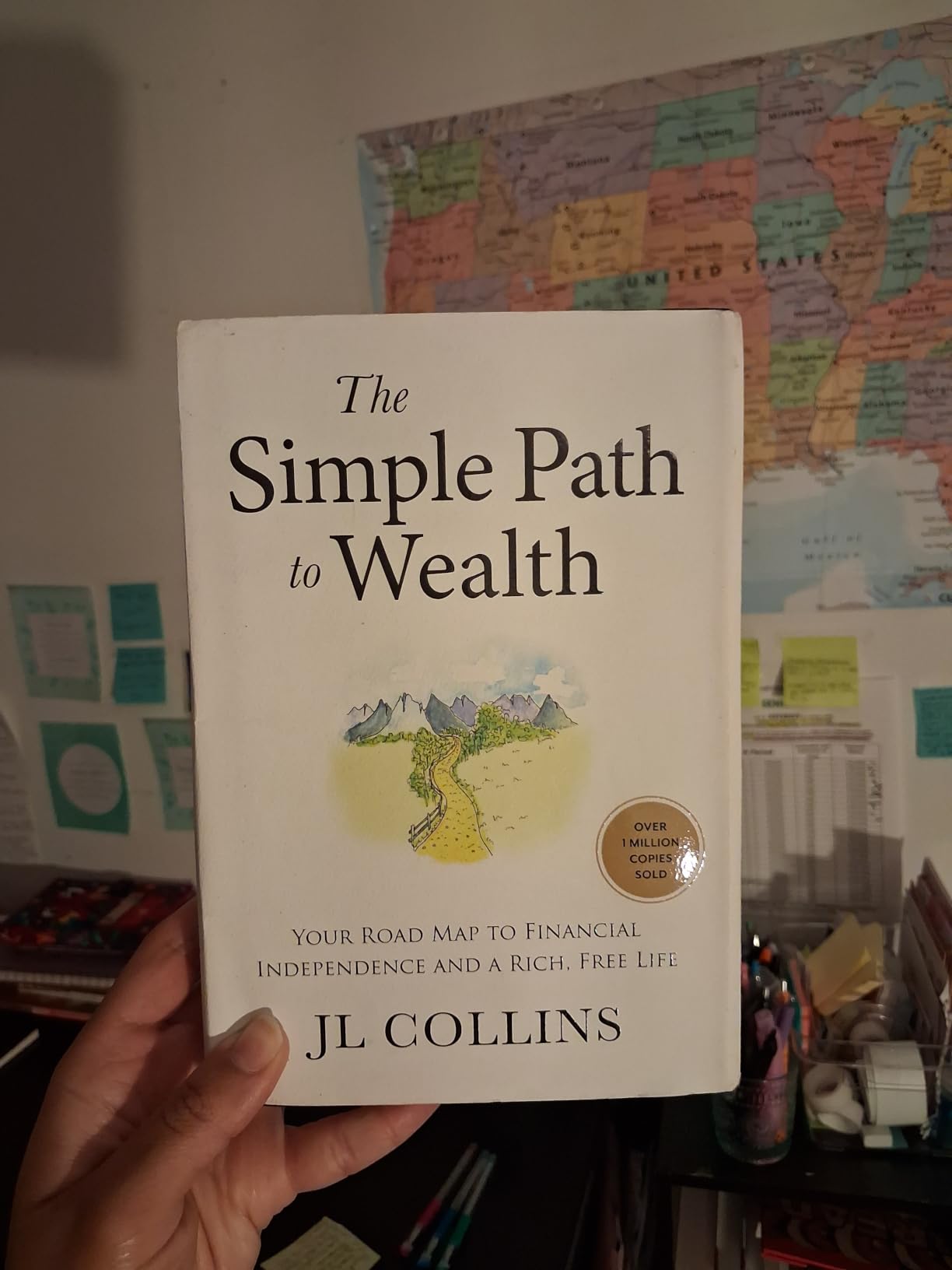
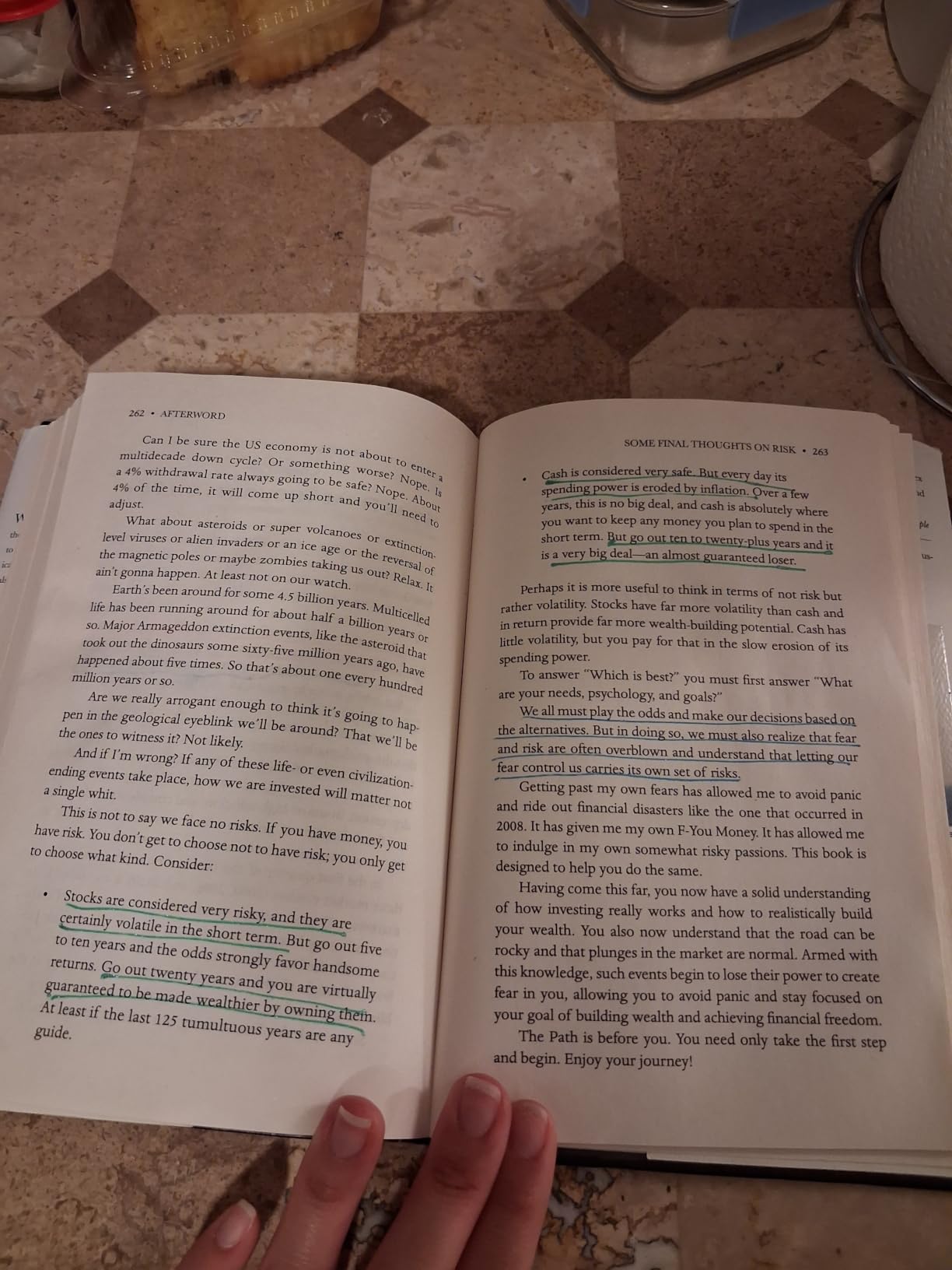
What sets this book apart is how Collins tackles the psychological side of investing. He does not just tell you what to buy. He prepares you for the market crashes that will inevitably test your resolve. His concept of F-You Money, having enough savings to walk away from any bad situation, stuck with me long after I finished reading.
The revised edition, published in May 2025, includes updated data and refinements to the original strategies. Collins kept the self-published format, which means the message stays undiluted by publisher expectations. Some readers find the aggressive 50% savings rate target unrealistic, especially in high cost-of-living areas. I think the number matters less than the principle of pushing your savings rate as high as you reasonably can.
Best For: Beginners and Index Fund Investors
If you want one book that explains exactly what to buy and why, this is it. Collins assumes zero prior investing knowledge and builds from there. The conversational style makes it feel like a knowledgeable family member is explaining things over coffee.
Reddit threads on financial independence consistently name this as the most recommended book in the FIRE community. It works whether you are starting your first job or optimizing a portfolio you have built over twenty years.
What Could Be Better
The lack of international diversification is a real gap. Collins argues heavily for a US-only approach, which has worked well historically but concentrates risk in one market. Readers investing outside the US or wanting global exposure will need to look elsewhere.
The Roth IRA optimization section also feels thin compared to the depth Collins gives to other topics. If tax-advantaged strategy is your main interest, you may want a supplement specifically on retirement tax planning.
2. Your Money or Your Life by Vicki Robin and Joe Dominguez – The Mindset Classic
Your Money or Your Life: 9 Steps to Transforming Your Relationship with Money and Achieving Financial Independence: Fully Revised and Updated for 2018
9-Step Program
Fully Revised and Updated
Introduction by Mr. Money Mustache
Audiobook and Print Formats
Pros
- Transformative approach to money mindset
- 9 practical steps with worksheets
- Focuses on life energy equals money equation
- Helps readers discover their true values
- Foundational FIRE movement text
Cons
- Some readers find it repetitive and too long
- Investment advice section is considered weak
- Older edition references need updating
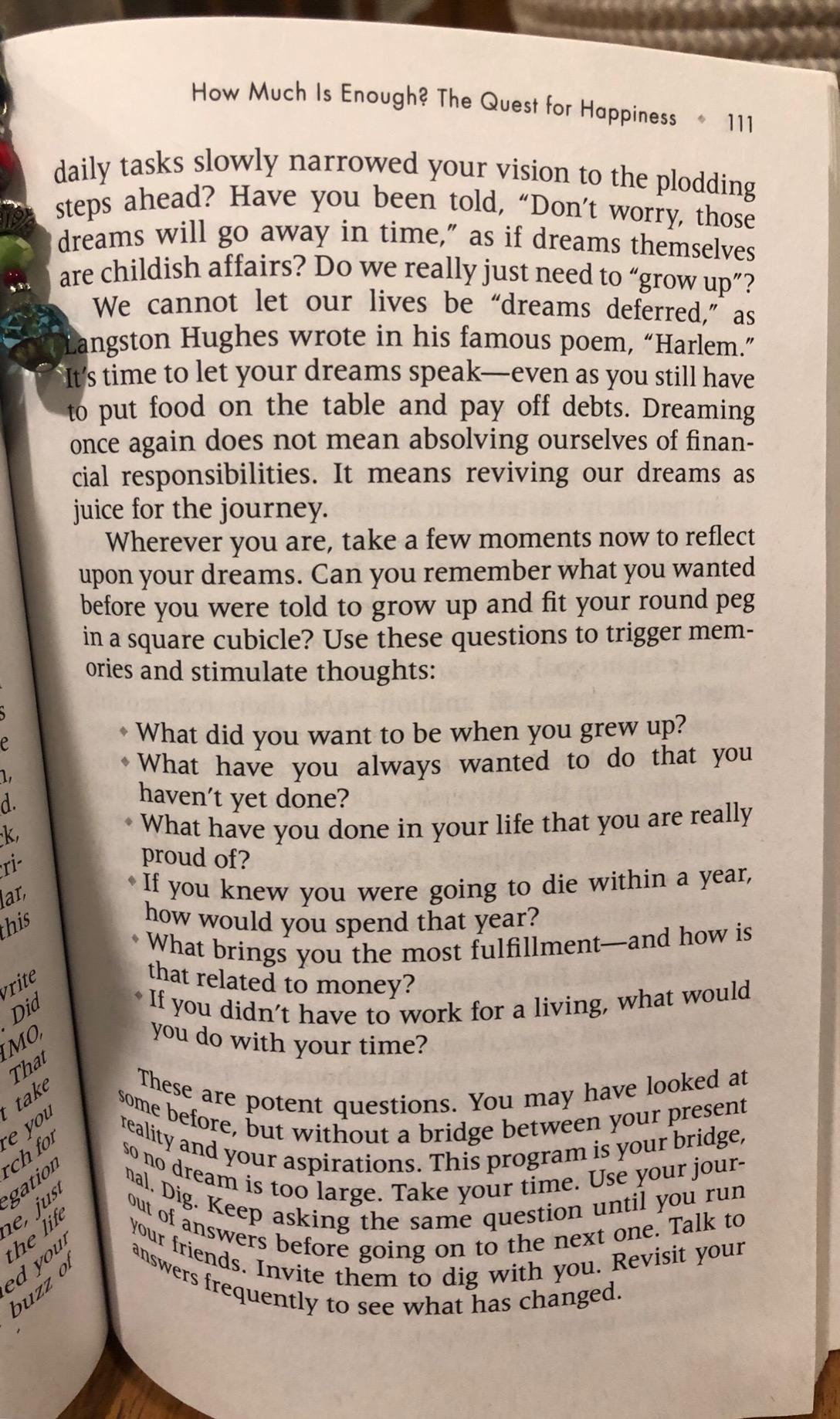
Your Money or Your Life is not just a financial book. It is a philosophical framework that changes how you think about every dollar you spend. Vicki Robin and Joe Dominguez created something that launched the entire FIRE movement, and the updated edition includes an introduction by Mr. Money Mustache that bridges the original concepts to today’s community.
The central idea hit me hard when I first read it. Every dollar you spend represents time from your life. Once you calculate your real hourly wage, factoring in commute time, work clothes, and stress recovery, you start seeing purchases differently. That fifteen-dollar lunch does not cost fifteen dollars. It costs an hour of your life energy.
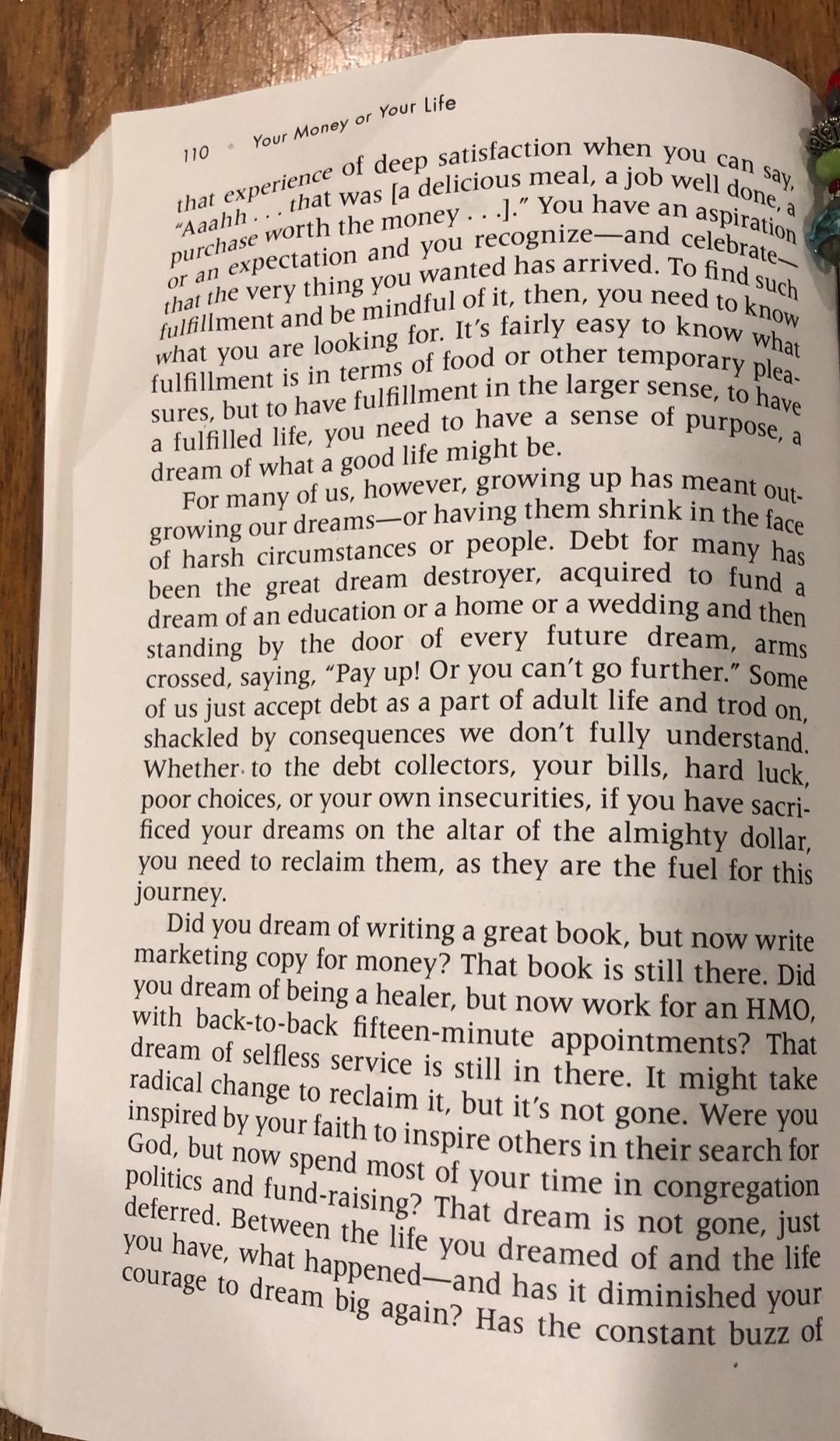
The book walks through nine practical steps with worksheets and exercises. You track every cent coming in and going out. You calculate your real hourly wage. You find your crossover point, where investment income exceeds your expenses. These exercises sound tedious, but they create a level of financial awareness that budgeting apps alone cannot match.
I found the most powerful concept to be finding your enough point. Most financial advice focuses on earning more and spending less. This book asks a deeper question. How much is actually enough for you to live a fulfilled life? The answer is usually far less than we assume.
Best For: Mindset Transformation and Values Alignment
This book is ideal for anyone who feels stuck in a cycle of earning and spending without feeling financially free. If you have a decent income but still feel broke, the exercises here will help you understand why.
It also serves as the philosophical foundation for the FIRE movement. Reading it gives you context for understanding where modern FI concepts originated. Many of the ideas you see on Reddit and in podcasts trace back directly to this text.
What Could Be Better
The investment advice section has not aged as well as the mindset content. Readers looking for specific portfolio recommendations should pair this with The Simple Path to Wealth or another investing-focused book.
At times the writing feels repetitive, especially in the middle chapters. Some readers skip ahead to the exercises and still get the core value. The book is also longer than it needs to be, though the updated edition trims some of the excess.
3. The Black Girl’s Guide to Financial Freedom by Paris Woods – Culturally Tailored Wealth Building
The Black Girl’s Guide to Financial Freedom: Build Wealth, Retire Early, and Live the Life of Your Dreams
Author: Paris Woods
Publisher: Freedom Unlimited LLC
Journaling Sections Included
Focus: Wealth Building for Black Women
Pros
- Written specifically for Black women
- Practical and actionable advice
- Engaging and relatable writing style
- Real-life examples from author's journey
- Includes journaling and goal-setting sections
Cons
- Debt elimination approach may feel challenging initially
- Focused primarily on US financial system
Paris Woods wrote the book she wished she had growing up. The Black Girl’s Guide to Financial Freedom tackles wealth building through a lens that most personal finance books completely ignore. The result is a guide that speaks directly to Black women navigating a financial system that was not designed with them in mind.
What impressed me most about this book is the tone. Woods writes with warmth and honesty, sharing real examples from her own journey. She never talks down to the reader or assumes prior knowledge. Complex financial concepts become accessible because she explains them the way you would explain something to a good friend.
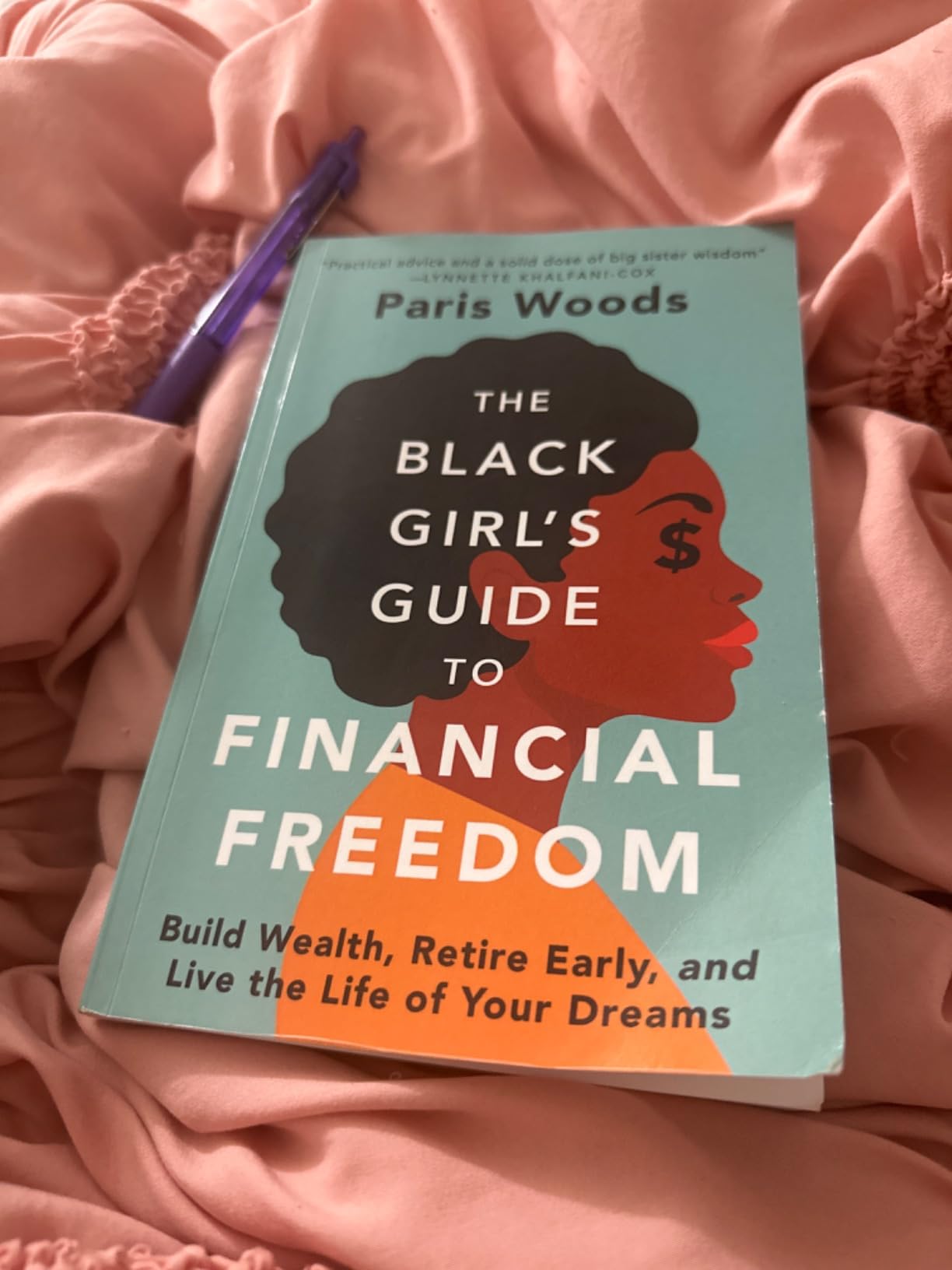
The book covers debt elimination, investing basics, and building wealth step by step. Woods includes journaling sections and workbook elements that encourage readers to reflect on their own situations. This is not passive reading. It is an interactive experience that moves you from learning to doing.
With a 4.7-star rating from nearly 2,000 reviewers, the response speaks for itself. Readers consistently praise the judgment-free tone and the cultural awareness that permeates every chapter. Woods understands the specific challenges Black women face in building wealth, and she addresses them head-on.

Best For: Black Women Starting Their Wealth Journey
If you are a Black woman looking for financial guidance that actually reflects your experience, this is your starting point. The book fills a gap that the mainstream personal finance space has left empty for too long.
It also works well as a gift for young women in your life who are just beginning to think seriously about money. The approachable style and relatable examples make it less intimidating than most investing books.
What Could Be Better
The debt elimination approach requires real commitment, especially in the early stages. Some readers may find the initial lifestyle adjustments challenging if they are starting from a place of significant debt.
The focus on the US financial system also limits its usefulness for international readers. Retirement accounts, tax structures, and investment vehicles discussed are specific to American readers.
4. The Lifestyle Investor by Justin Donald – Cash Flow and Passive Income
The Lifestyle Investor: The 10 Commandments of Cash Flow Investing for Passive Income and Financial Freedom- Updated and Expanded Edition- April 2024
Wall Street Journal Bestseller
10 Commandments Framework
Updated and Expanded Edition
Author: Justin Donald
Pros
- 10 Commandments of Lifestyle Investing framework
- Focus on cash flow over total return
- Real-life examples from author's journey
- Low-risk high-reward strategies
- Covers real estate and private businesses
Cons
- Not suitable for those wanting traditional index fund approach
- Some find content basic if already familiar with investing
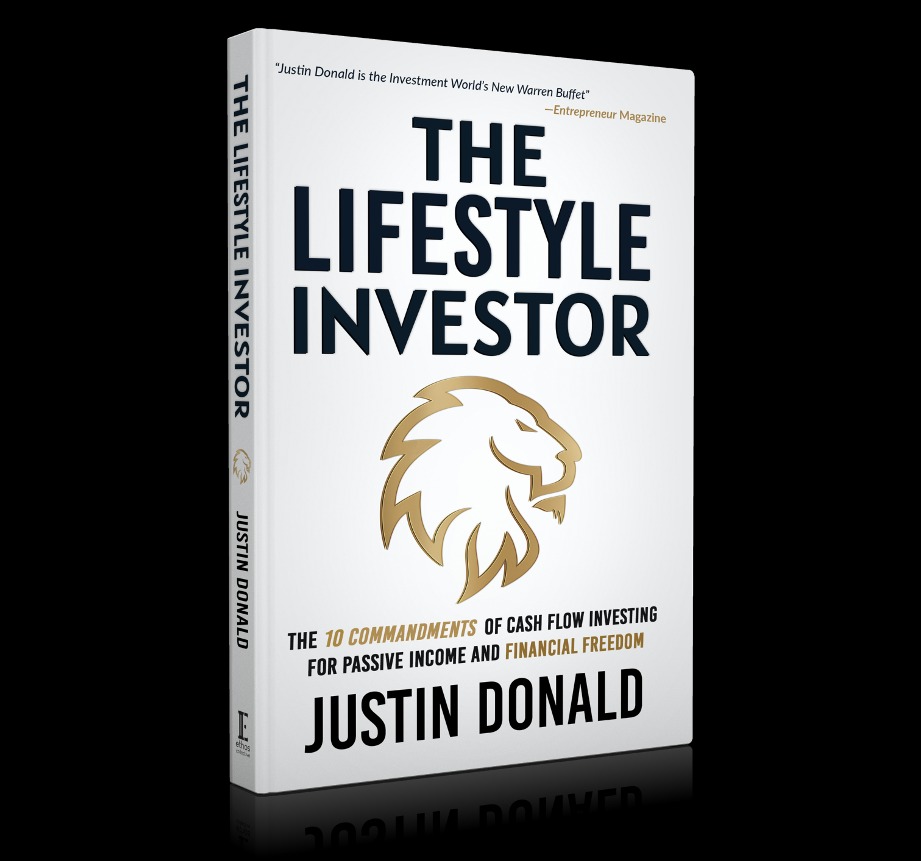
Justin Donald achieved financial independence at a young age, and The Lifestyle Investor is his playbook for getting there. While most FI books focus on stock market investing, Donald takes a different path. His strategy centers on cash flow generation through real estate, private businesses, and alternative investments.
The book is structured around ten commandments of lifestyle investing. These principles guide readers toward low-risk, high-reward opportunities that generate passive income. Donald argues that cash flow matters more than total return because income is what eventually replaces your salary.

I appreciated how transparent Donald is about his own deals and mistakes. The real-life examples make abstract concepts concrete. You see exactly how he evaluated opportunities, structured deals, and built multiple income streams over time.
The updated and expanded edition includes new forewords by Ryan Levesque and Mike Koenigs. As a Wall Street Journal bestseller, the book has clearly resonated with readers looking beyond the traditional index fund approach. It fills an important gap for investors who want more active involvement in their wealth building.
Best For: Cash Flow Investors and Entrepreneurs
This book targets readers who want to go beyond passive index fund investing. If you are drawn to real estate, business acquisitions, or building multiple income streams, Donald’s framework gives you a structured approach to evaluating opportunities.
Entrepreneurs will especially relate to the mindset. Donald thinks like a business owner, not a stock picker, and that perspective shift alone makes the book worth reading for anyone building companies or side hustles.
What Could Be Better
If you are committed to a simple index fund strategy, this book may feel like it is pushing you toward unnecessary complexity. Some readers prefer the hands-off approach that J L Collins advocates, and Donald’s active investing style requires more time and knowledge.
Investors with prior experience in real estate or private equity may find some of the content basic. The framework is most valuable for intermediate investors ready to expand beyond stocks and bonds.
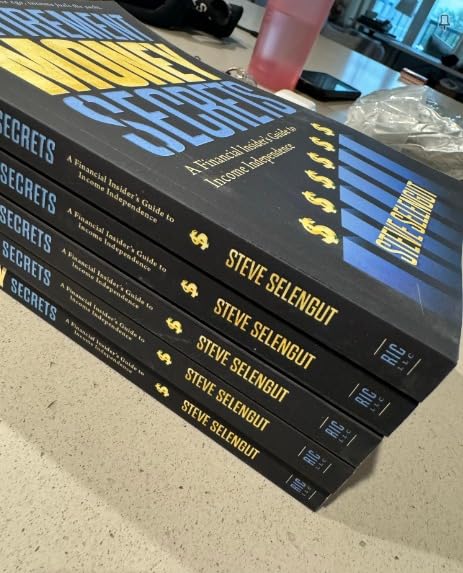
5. Retirement Money Secrets by Steve Selengut – Income Independence for Retirees
Retirement Money Secrets: A Financial Insider’s Guide to Income Independence
262 pages
Author: Steve Selengut
Publisher: RIC LLC
6 Core Investment Principles
Pros
- Closed-End Fund investment strategy
- Focus on income over total return
- Practical profit-taking guidance
- Challenges conventional 4% withdrawal rule
- Active community and podcast support
Cons
- Requires active management versus passive indexing
- Some concern about cash sitting idle
- Learning curve for CEF selection
Steve Selengut spent decades as a financial insider, and Retirement Money Secrets distills what he learned into a strategy specifically designed for retirement income. This is not a book about accumulating wealth in your twenties. It is about generating reliable income when you actually need it.
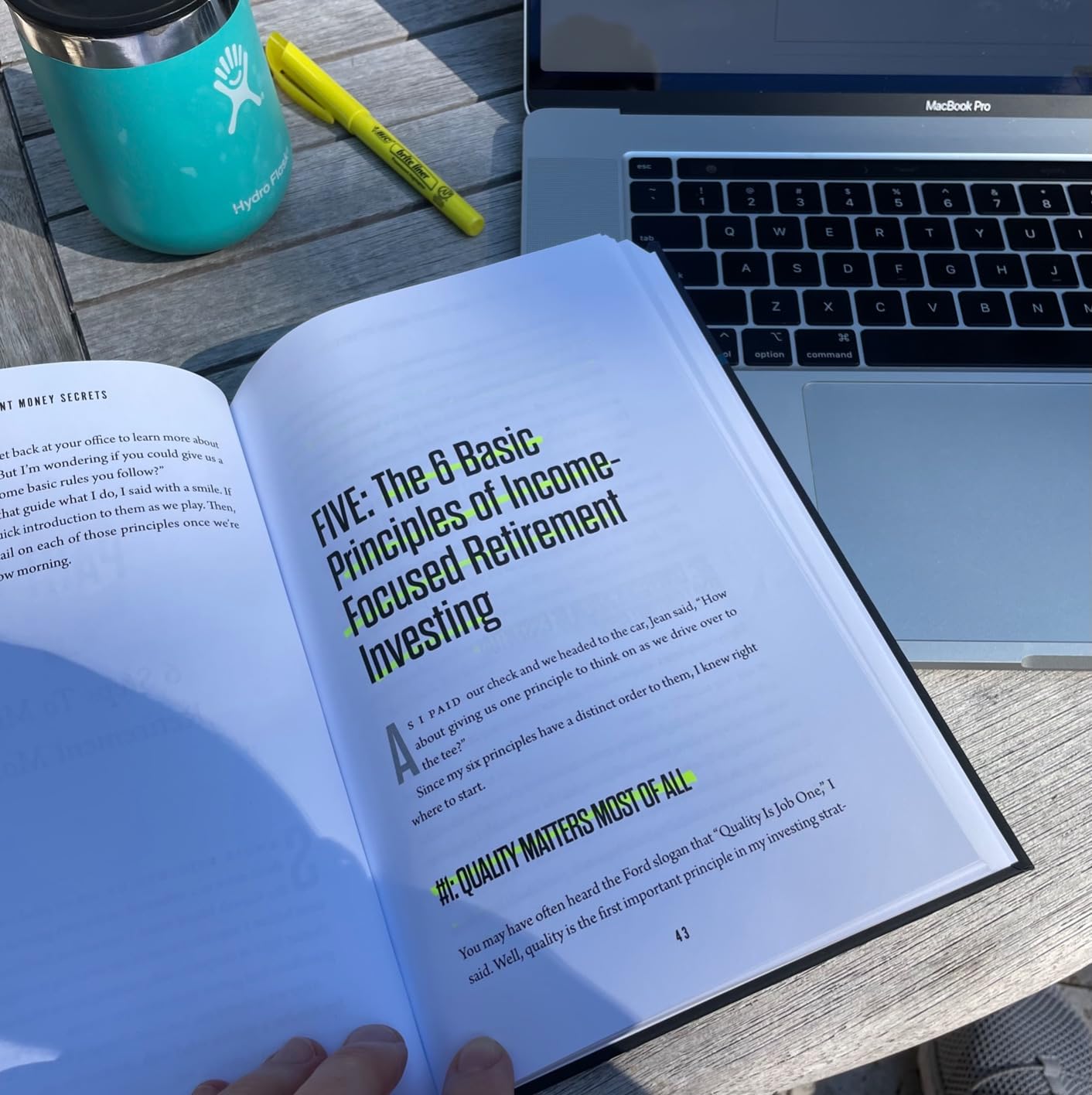
The core of the book is a Closed-End Fund, or CEF, investment strategy. Selengut presents six principles: Quality, Diversification, Income, Profit Taking, Market Cycles, and Performance. These principles challenge the conventional buy-and-hold approach that dominates most retirement advice.
What caught my attention is how Selengut takes on the 4% withdrawal rule. That rule, which suggests you can safely withdraw 4% of your portfolio annually in retirement, has become gospel in the FI community. Selengut argues that an income-focused approach makes the withdrawal rate less relevant because your investments generate enough cash flow to cover expenses.
With a 4.6-star rating, readers report significant income increases and reduced market anxiety after applying Selengut’s methods. The book includes access to an active investment community and podcast support, which adds ongoing value beyond the pages.
Best For: Retirees and Near-Retirees
If you are within five years of retirement or already there, this book addresses questions that accumulation-focused FI books do not answer. How do you generate income without selling assets at a loss during market downturns? What investments produce reliable cash flow?
The CEF strategy is especially relevant in today’s market environment, where traditional bond allocations may not provide sufficient income. Selengut’s approach offers an alternative for investors willing to learn a new skill set.
What Could Be Better
The strategy requires active management, which contradicts the set-it-and-forget-it philosophy many FI seekers prefer. If you want to spend zero time monitoring your portfolio, this approach is not for you.
There is also a learning curve for CEF selection. Closed-End Funds trade differently from ETFs and mutual funds, and understanding premiums, discounts, and distributions takes study. Selengut explains the concepts well, but you will need to put in the work.
How to Choose the Right Financial Independence Book?
Picking the right FI book depends on where you are in your journey and what you want to learn. The wrong book at the wrong time can leave you bored or overwhelmed. Here is how to match the right read to your situation.
Assess Your Current Financial Knowledge
If you are new to investing, start with The Simple Path to Wealth or The Black Girl’s Guide to Financial Freedom. Both books assume zero prior knowledge and build concepts from the ground up. Jumping straight into advanced cash flow strategies without understanding index funds will leave you confused.
Readers with investing experience who want to expand into real estate or private businesses should look at The Lifestyle Investor. Those approaching retirement should prioritize Retirement Money Secrets for its income-focused approach.
Match the Investment Philosophy to Your Style
These books represent different philosophies. Collins advocates passive index fund investing with minimal effort. Donald promotes active cash flow investing through alternative assets. Selengut focuses on Closed-End Funds for retirement income.
Robin and Dominguez focus on mindset and spending optimization rather than specific investments. Woods combines practical advice with cultural awareness. Think about which approach fits your personality and available time before committing.
Consider Format and Reading Style
Some of these books work better as audiobooks, others as physical copies you can annotate. Your Money or Your Life includes worksheets that are easier to use in print. The Lifestyle Investor benefits from being able to highlight and revisit chapters as you encounter different investment opportunities.
If you struggle with dense financial writing, start with Paris Woods or J L Collins. Both write in a conversational style that keeps you engaged without dumbing down the content.
Think About Your Life Stage
A 25-year-old starting their career needs different guidance than a 55-year-old planning retirement. The accumulation phase and the distribution phase require completely different strategies. One of the biggest mistakes I see in the FIRE community is applying accumulation-phase advice to a distribution-phase situation.
Choose books that address where you are now, not where you hope to be. You can always read the others later as your journey progresses.
Frequently Asked Questions
What is the #1 personal finance book of all time?
Your Money or Your Life by Vicki Robin and Joe Dominguez is widely considered the foundational text of the financial independence movement. However, among active FIRE community members, The Simple Path to Wealth by J L Collins is the most frequently recommended single book for practical investing guidance.
What are the 4 pillars of financial independence?
The four pillars of financial independence are income generation, expense optimization, strategic investing, and mindset alignment. Income focuses on earning more through career growth or side businesses. Expense optimization means spending intentionally below your means. Strategic investing puts your savings to work in low-cost index funds or other vehicles. Mindset alignment connects your money decisions to your life values.
What is the 7 7 7 rule for money?
The 7 7 7 rule is a simplified budgeting framework that divides your income into three categories. Roughly 70% goes to living expenses, some versions suggest 70% for needs, with the remainder split between wants and savings or debt repayment. It is a rough guideline rather than a strict formula, and most FI experts recommend a higher savings rate than this framework suggests.
What is the 3 6 9 rule of money?
The 3 6 9 rule is sometimes referenced in personal finance as a progressive savings guideline. It suggests saving 3 months of expenses initially, building to 6 months for a fuller emergency fund, and eventually reaching 9 months for maximum security. In the FIRE community, some interpret it as escalating your savings rate in phases as your income grows.
Final Thoughts on Financial Independence Books
Finding the best books on financial independence comes down to matching the right message to your current situation. If you want one book that covers investing from start to finish, The Simple Path to Wealth remains the community favorite. For a mindset shift that changes how you view every dollar, Your Money or Your Life is the philosophical anchor of the FIRE movement.
Paris Woods offers something the other books cannot with a culturally aware approach for Black women. Justin Donald expands the conversation beyond index funds for readers ready to explore cash flow investing. And Steve Selengut provides a retirement-specific strategy that challenges conventional withdrawal wisdom.
My recommendation for most readers is to start with one mindset book and one investing book. Read The Simple Path to Wealth for the how and Your Money or Your Life for the why. That combination gives you both the practical tools and the philosophical foundation to build lasting financial independence.
Whichever book you choose, the most important step is reading it and then taking action. Knowledge without implementation changes nothing. Pick one, read it this month, and start building your path to financial freedom in 2026.