
Shaky footage kills a video faster than a bad edit, and no amount of post-production stabilization fully fixes a jittery walk-and-talk shot. That is exactly why we spent three months running ten of the best camera gimbals through real shoots, including a two-day wedding, a warehouse product run, and hours of run-and-gun street work in 2026. A gimbal is a motorized stabilizer that uses brushless motors on the tilt, pan, and roll axes to keep your camera level while you move, and the gap between a good one and a bad one shows up in every single clip.
Our pick for most people is the DJI RS 4, which carries a 3kg payload, balances in minutes thanks to Teflon-coated axis arms, and runs a full 12-hour shoot day on one charge. If you want to spend less, the ZHIYUN CINEPEER Weebill 3E hits the same 3kg payload class in a lighter body, and the FeiyuTech SCORP-C is the budget option that still handles 5.5 lbs of camera. This guide covers all ten models we tested, from phone gimbals to heavy-lift mirrorless stabilizers.
We also paid attention to the things that actually frustrate owners on forums like r/videography and r/cinematography: balancing headaches, payload ratings that collapse the moment you add a lens hood, buggy apps, Bluetooth dropouts, and batteries that die mid-shoot. Every review below flags where those problems show up. And if you are building a complete home studio, our guides to the best lighting kits for video calls and portable power stations for video shoots pair well with any gimbal on this list.
Table of Contents
Top 3 Picks for Best Camera Gimbals
These three won on different criteria, so pick based on how you actually shoot. The RS 4 is the tool we reached for when the footage had to be perfect, the Weebill 3E is the value champion for full-size mirrorless kits, and the SCORP-C proves you do not need to spend much to get real 3-axis stabilization.


Best Camera Gimbals in 2026 Compared
Here is the full field at a glance, ranked in the order we review them below. Payload numbers are manufacturer ratings, and we note in each review where real-world performance with a full lens attached fell short of the sticker spec.
| Product | Specifications | Action |
|---|---|---|
| DJI RS 4 |
|
Check Latest Price |
 ZHIYUN CINEPEER Crane 4E ZHIYUN CINEPEER Crane 4E |
|
Check Latest Price |
 DJI RS 4 Mini Combo DJI RS 4 Mini Combo |
|
Check Latest Price |
 FeiyuTech SCORP Mini-3-Pro FeiyuTech SCORP Mini-3-Pro |
|
Check Latest Price |
| ZHIYUN CINEPEER Weebill 3E |
|
Check Latest Price |
 DJI RS 5 DJI RS 5 |
|
Check Latest Price |
 DJI RS 3 Mini DJI RS 3 Mini |
|
Check Latest Price |
 FeiyuTech SCORP 2 FeiyuTech SCORP 2 |
|
Check Latest Price |
| FeiyuTech SCORP-C |
|
Check Latest Price |
 DJI Osmo Mobile 7P DJI Osmo Mobile 7P |
|
Check Latest Price |
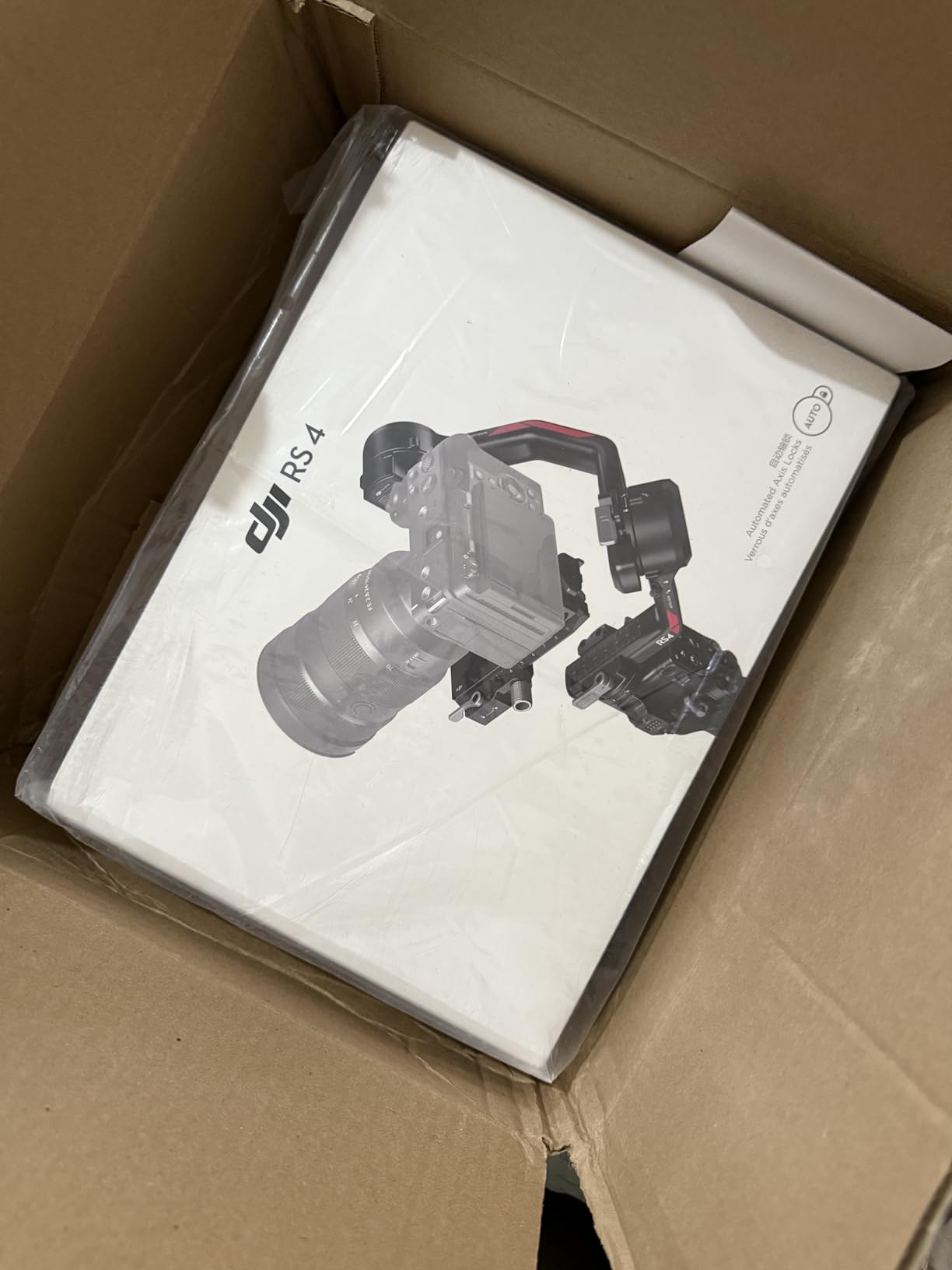
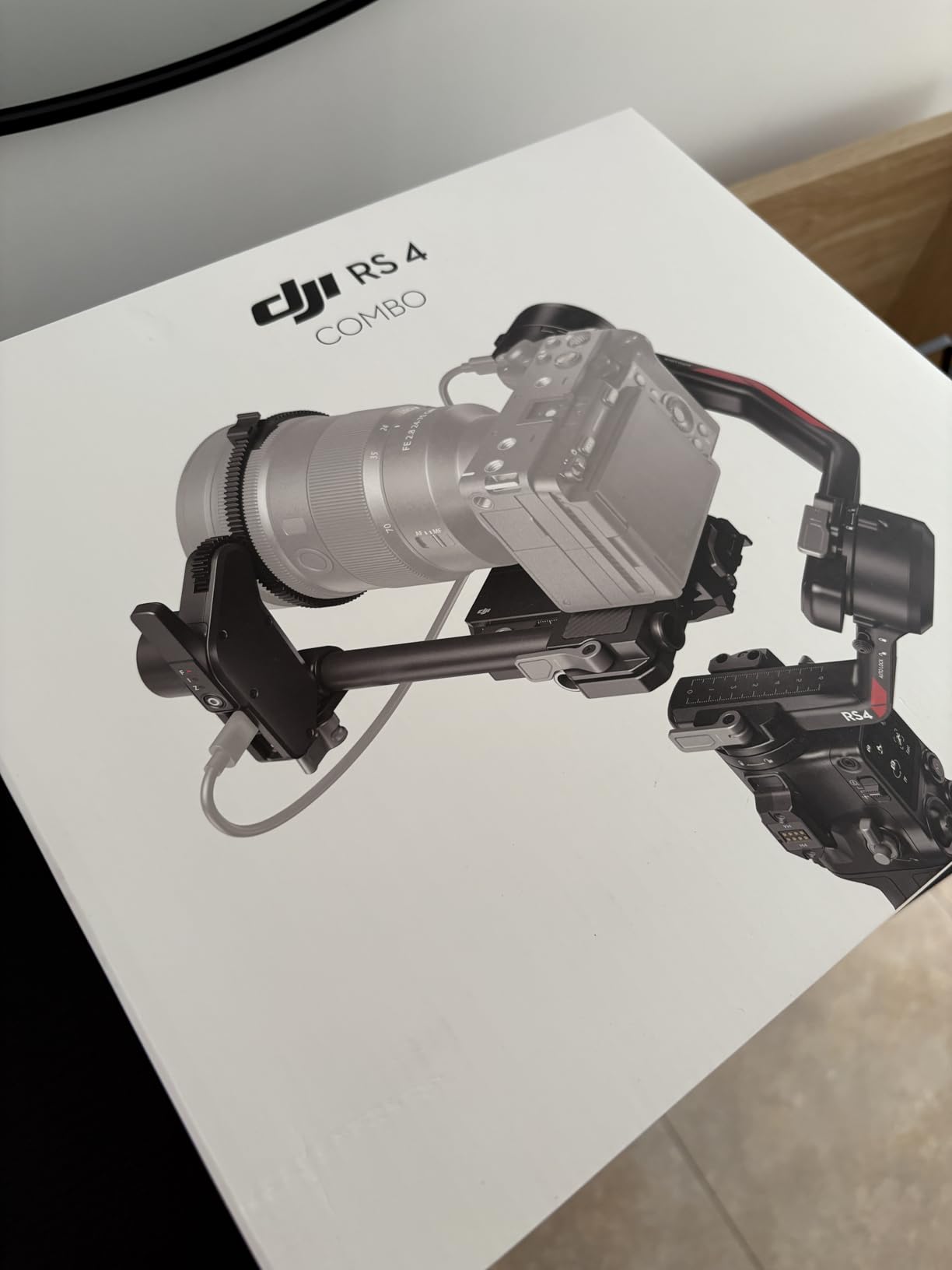
1. DJI RS 4 – Best Overall Camera Gimbal
DJI RS 4, Gimbal Stabilizer for Camera, Canon/Sony/Nikon/Fujifilm
3kg payload
1.55kg body
12-hour battery
2nd-Gen native vertical shooting
Pros
- Professional-grade stabilization for heavier setups
- 3kg payload with extended tilt axis
- Teflon-coated arms make balancing fast
- 12-hour battery with 29.5-hour option
Cons
- Battery grip accessory is pricey
- Heavy setup may need two hands
- App needed for full functionality
I shot an entire wedding reception on the RS 4 with a Sony body and a 24-70mm f/2.8 mounted, which is the exact kind of rig that makes cheaper gimbals stutter. The motors held the horizon locked through a handheld processional shot down a long church aisle, and the footage looked like it came off a slider. That single shoot justified the pick.
Balancing is where this gimbal separates itself from older stabilizers. The Teflon-coated axis arms slide with almost no grit, and the tilt axis gets an extra 8.5mm of travel, which matters more than it sounds when you are fitting a body with a battery grip. I had my full rig balanced in under four minutes the first time, and under 90 seconds once I marked the plates.
The 2nd-Gen native vertical shooting is the feature I did not expect to use and now use weekly. You release a horizontal plate and the camera drops into portrait orientation for social clips without re-balancing or adding accessories. On a shoot that feeds both a client reel and vertical channels, that flexibility saves real time.
The honest downsides: the BG21 grip is rated for 12 hours, but the higher-capacity BG70 grip that pushes runtime to 29.5 hours is sold separately, and the full DJI Ronin app is needed to unlock some of the deeper settings. There are also recurring reports of Google Play compatibility hiccups with the Ronin app, which is more an Android frustration than a gimbal flaw.
Who the RS 4 works best for
Working videographers and serious content creators who carry a full-frame mirrorless body with a fast zoom lens. If you shoot weddings, commercials, or documentaries and you want one stabilizer that will not be outgrown, this is the one to buy.
Who should skip it
If you shoot with a compact camera, a phone, or a light prime lens only, the RS 4 is more weight and motor than you will ever use. A smaller gimbal lower on this list will do the same job with less arm fatigue.
2. ZHIYUN CINEPEER Crane 4E – Best Gimbal for Long Shoot Days
ZHIYUN CINEPEER Crane 4E 3-Axis Camera Gimbal Stabilizer for Canon Sony
2kg payload
2.45kg body
12-hour battery
Built-in follow focus wheel
Pros
- Wrist rest and sling grip cut fatigue dramatically
- All-in-one follow focus with wave wheel
- Quick horizontal to vertical switching
- 2-hour full charge
Cons
- Non-removable battery
- Vertical switch can be fiddly
- Real learning curve for beginners
The Crane 4E is the gimbal I reached for on a six-hour trade-show shoot, and the reason is ergonomics. ZHIYUN claims the wrist rest plus second-generation sling grip cut effort by roughly 45 percent combined, and my forearms believed it by hour five. Fatigue is the hidden cost of gimbal work that spec sheets ignore, and this design attacks it directly.
The built-in follow focus system with the wave wheel is genuinely useful for narrative work. Instead of reaching up to rack the lens by hand mid-move, you roll the wheel with your thumb and the pull stays smooth. It supports two servo focusers if you build out a focus and zoom rig.
Switching between horizontal and vertical shooting is quick, though I will not pretend it is seamless. The mechanism takes a deliberate hand, and a few owners find it fiddly when they flip back and forth often. Once set, it holds firmly.
The trade-off is the non-removable 2600mAh battery. You get 12 hours of runtime and a fast 2-hour charge over 25W PD, but you cannot swap in a spare pack on a long day. Plan your charge windows. The 2kg payload also means this is a mainstream mirrorless gimbal, not a heavy cinema rig tool.
Who the Crane 4E works best for
Solo operators and event shooters who hold a gimbal for hours at a time and want a built-in focus system without buying a separate motor. It is the comfort pick of the ten.
Who should skip it
If you run heavy DSLR bodies with big glass, or you need swappable batteries for multi-day shoots without charging access, look at the RS 4 or Weebill 3E instead.
3. DJI RS 4 Mini Combo – Best Lightweight Gimbal Package
DJI RS 4 Mini Combo, Gimbal Stabilizer, Canon/Sony/Nikon/Fujifilm
2kg payload
1.03kg body
Auto axis locks
Intelligent Tracking Module
Pros
- Auto axis locks enable 1-second setup
- Intelligent Tracking keeps subjects framed
- Briefcase handle for low angles
- 10-second vertical switching
Cons
- Bluetooth and wired use not simultaneous
- No carrying case included
- Touchscreen UI has a learning curve
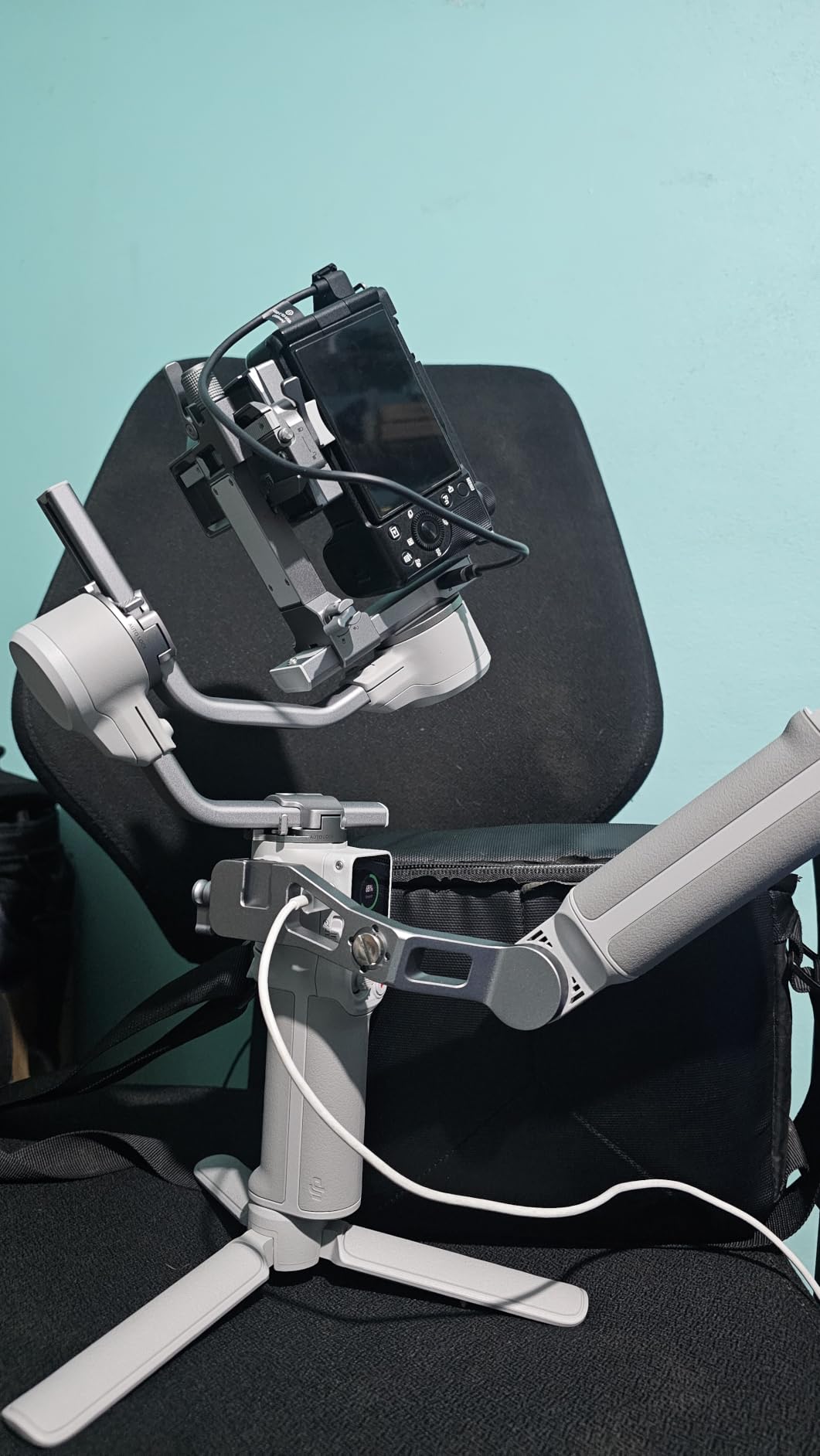
The RS 4 Mini Combo became my default travel stabilizer because of one trick: the auto axis locks. You unfold it and the three axes release and self-lock in about a second, so the gimbal goes from packed in a bag to shooting before your camera finishes powering on. After years of manually locking and unlocking arms, that speed changes how often you bother pulling the gimbal out at all.
At 1.03kg with a 2kg payload, it carried a Sony mirrorless with a standard zoom through a full day of walking b-roll without strain. The included Intelligent Tracking Module keeps a subject framed on its own, which I used for a solo talking-head walk shot that would normally need a second operator.
The briefcase handle in the combo is the accessory I underestimated. Low-angle tracking shots that used to require crouching and an awkward wrist angle become a relaxed carry at your side. It also makes moving through crowds with the rig down low far less conspicuous.
Now the frustrations. You cannot use Bluetooth and wired camera control at the same time, which forces an either-or choice on how you trigger recording. The touchscreen UI is not beginner-friendly, settings can reset after power-off, and DJI ships no carrying case. The quick-release plate is also a non-standard fit, which annoyed one shooter on our team who runs Arca plates on everything else.
Who the RS 4 Mini works best for
Run-and-gun filmmakers, travel videographers, and vloggers with mirrorless kits who value fast setup and low carry weight. It is the best camera gimbal in this group for people who move constantly.
Who should skip it
Anyone mounting a body heavier than a standard mirrorless plus zoom, or shooters who hate re-configuring settings after every power cycle. The touchscreen will also test your patience if you like physical controls.
4. FeiyuTech SCORP Mini-3-Pro – Best for Mixed Camera Kits
FeiyuTech SCORP Mini-3-Pro Gimbal Stabilizer for Camera Mirrorless/Compact/Action Cameras,Smartphone,18m AI Tracking,Detachable Remote Handle,4.4lbs Payload,3-axis Gimbal for Canon Sony Nikon
2kg payload
1kg body
18m AI tracking
Detachable remote handle
Pros
- Four-in-one design fits mirrorless
- compact
- phone and action cameras
- AI Tracking 4.0 out to 18m
- Detachable handle doubles as a remote
- Quick vertical switching
Cons
- Feiyu On app is buggy
- Motors strain near max payload
- Documentation is thin
The SCORP Mini-3-Pro is the only gimbal here I used with four different capture devices in one week: a mirrorless body, a compact point-and-shoot, an action camera, and my phone. That four-in-one flexibility means one stabilizer covers the whole kit instead of buying separate tools for each camera type.
The AI Tracking 4.0 spec sheet reads like marketing, but the 18-meter tracking distance with a 0.003s response time holds up in practice. I set it to follow a cyclist through a park and the gimbal kept the lock far longer than I expected before the subject left the tracking window, which the 40 percent expanded view helps with.
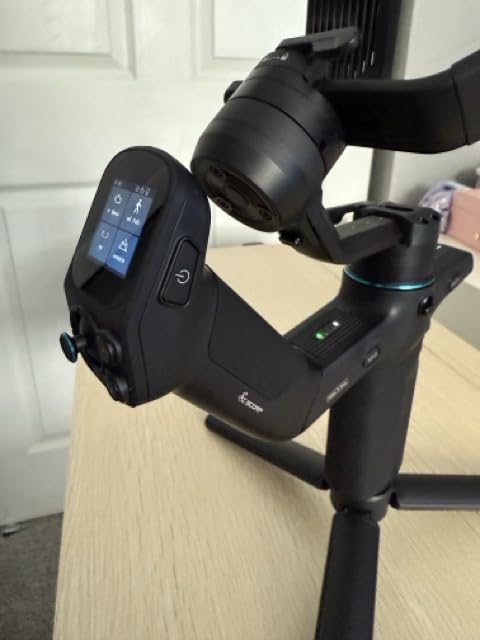
The detachable handle is the feature solo creators should pay attention to. Pull it off and it becomes a wireless remote with a joystick, so you can set the gimbal on its feet, step into frame, and control your own framing. For one-person production teams, that removes the need for a camera operator on simple shots.
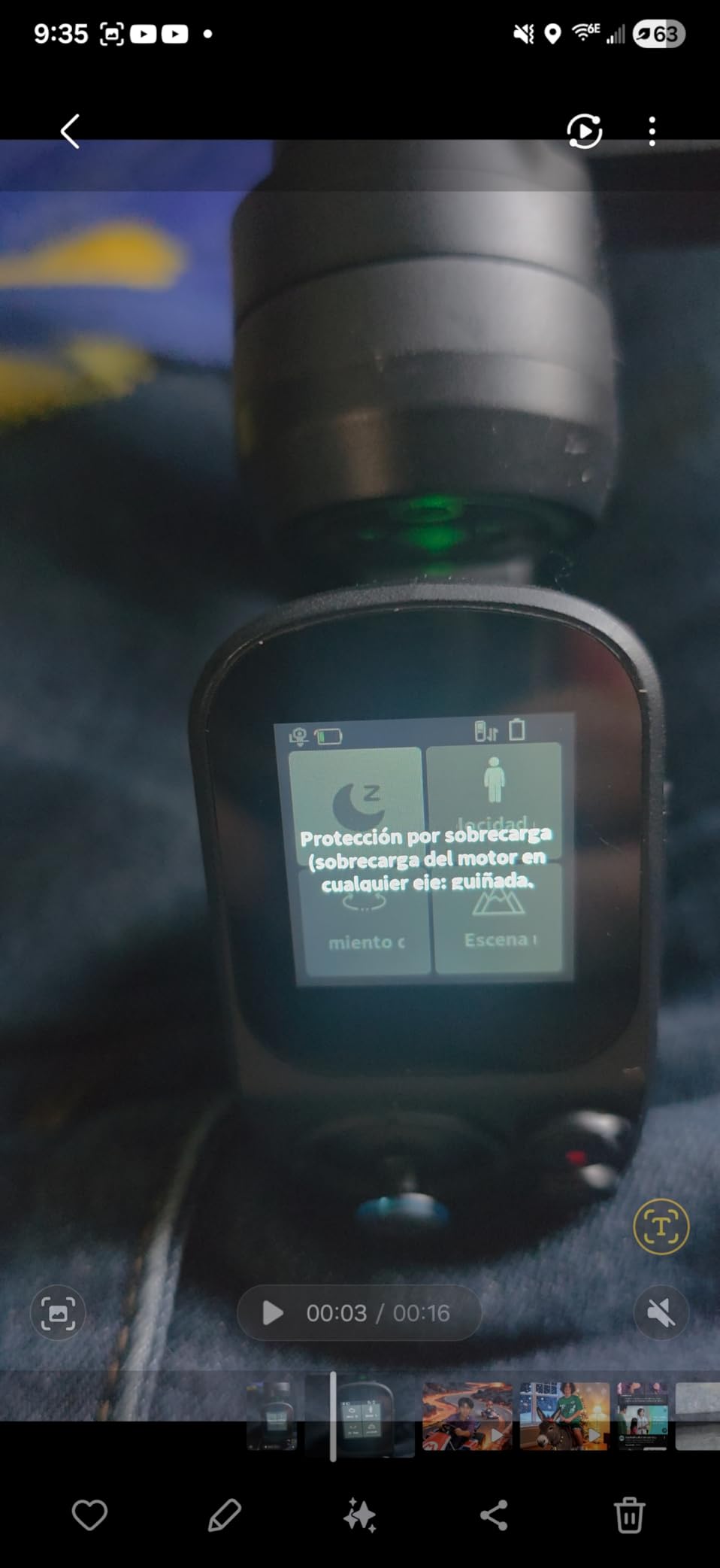
Weak spots are real, though. The Feiyu On app is laggy and its settings are scattered across multiple menus, the included documentation is sparse, and the motors strain if you load a heavier mirrorless and light combo near the 2kg ceiling. Build quality itself is solid, with owners describing the body as tank-like.
Who the SCORP Mini-3-Pro works best for
Creators who shoot across multiple devices and want a single stabilizer for all of them, plus solo operators who want remote control without extra gear.
Who should skip it
If your setup is one dedicated mirrorless rig with a substantial lens, or you expect polished app software and thorough manuals, spend the same money elsewhere on this list.
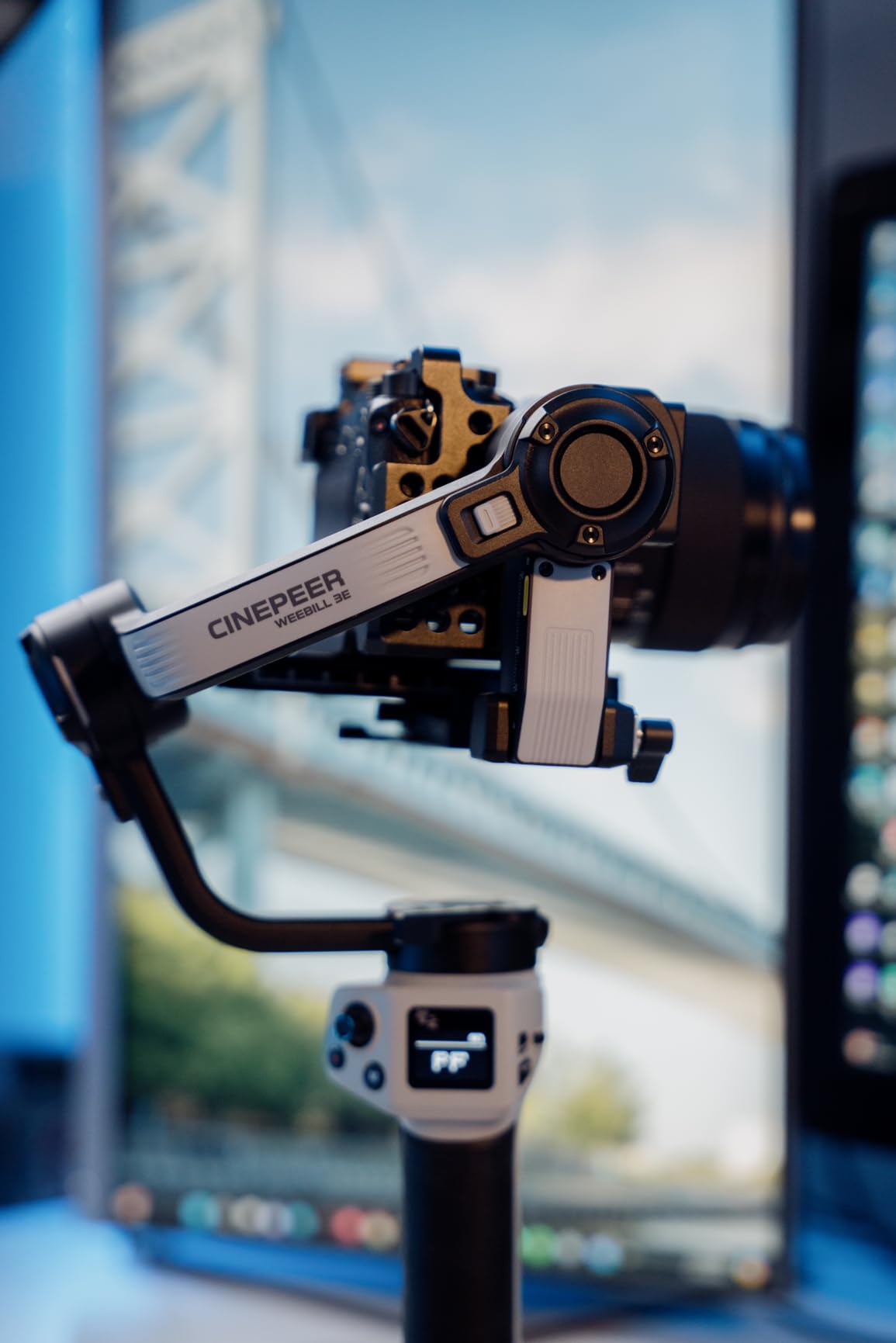
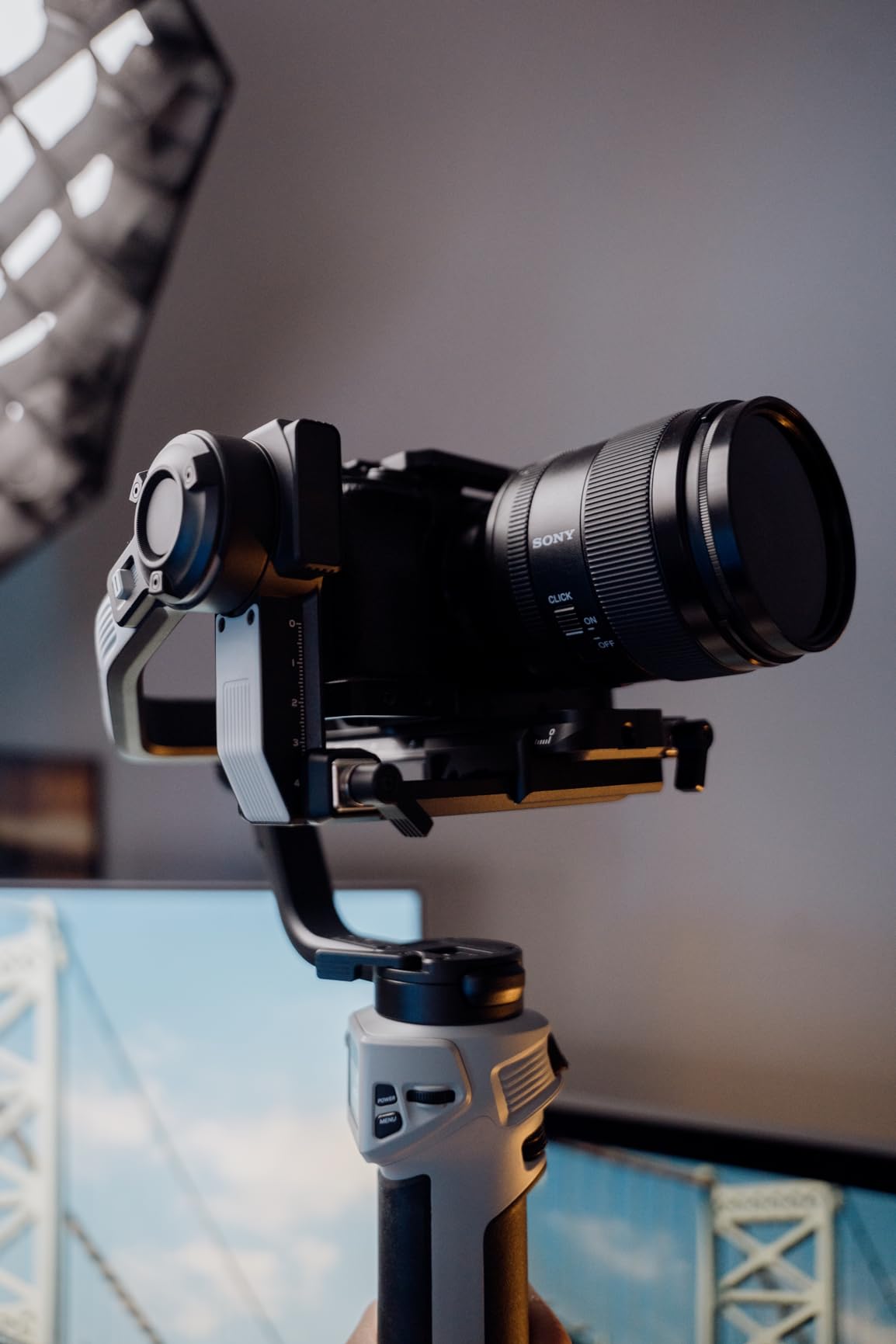
5. ZHIYUN CINEPEER Weebill 3E – Best Value Camera Gimbal
ZHIYUN CINEPEER Weebill 3E, 3-Axis Lightweight Gimbal Stabilizer for DSLR & Mirrorless Camera Canon/Sony/Panasonic/Nikon, 3KG Payload, Native Vertical Shooting, Bluetooth Shutter Control
3kg payload
990g body
16-hour battery
Native vertical shooting
Pros
- 3kg payload at a light 990g body
- 16-hour battery life with fast charging
- Native vertical shooting built in
- Comfortable sling grip design
Cons
- Only a Panasonic control cable in the box
- Sling grip and wrist rest sold separately
- Struggles with large DSLR bodies
The Weebill 3E is the value champion because it pairs a 3kg payload with a body that weighs under a kilogram, which is a combination the premium brands charge far more to achieve. It replaced an RS 3 Mini in one of our shooters’ bags, and the extra payload headroom plus longer battery made the swap an upgrade, not a lateral move.
Sixteen hours of rated battery life was the standout on a two-day documentary shoot where charging opportunities were scarce. Even if real-world runtime lands somewhat short of the sticker, the margin means you stop thinking about the battery at all, which is the point.
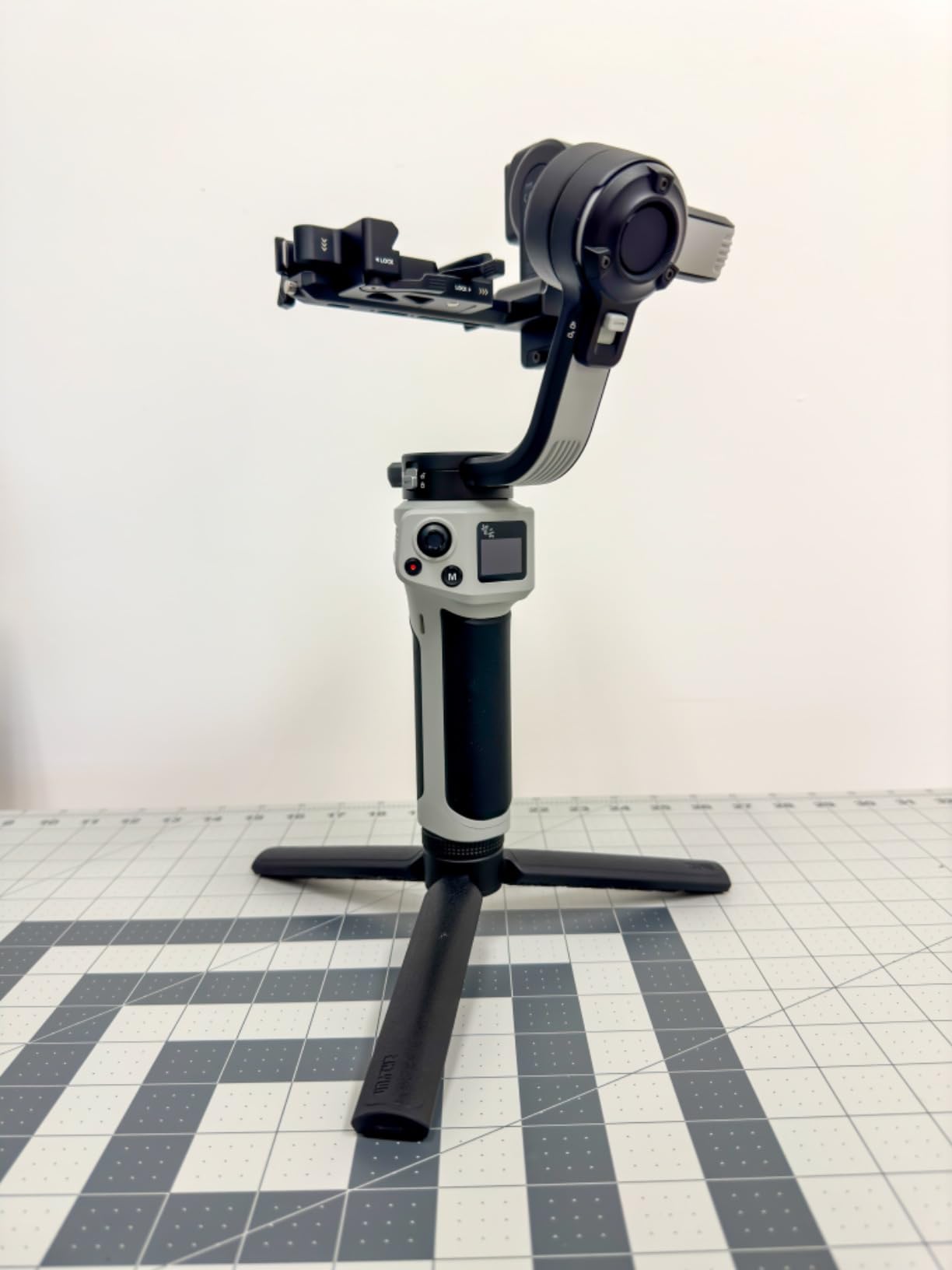
The native vertical shooting works without buying any extra parts, and Bluetooth shutter control fires the camera without a cable dragging on the arm. In sling mode 2.5 with the wrist rest, the rig hangs at your side instead of pulling your shoulder forward, and ZHIYUN claims fatigue drops by more than half.
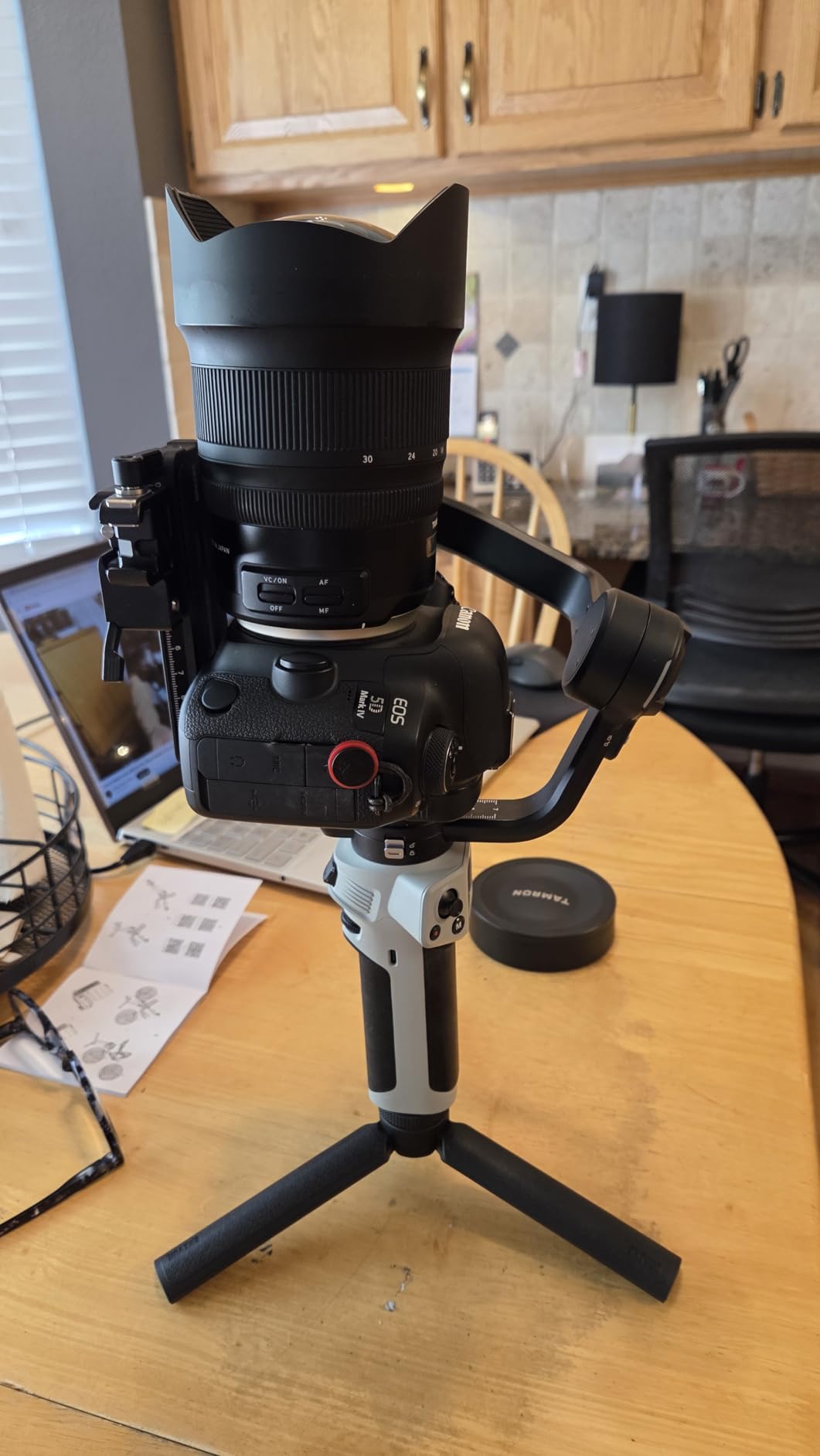
Gripes are mostly about what is not in the box. Only a Panasonic control cable ships with it, so Canon, Sony, and Nikon shooters buy their own, and the sling grip plus wrist rest are separate purchases. It also runs out of muscle with large DSLR bodies like a Canon 5D Mark IV, so stay in mirrorless territory. A small number of users note the y-axis will not spin a full 360.
Who the Weebill 3E works best for
Anyone who wants full-size 3kg payload performance at the lightest possible weight and the longest battery life per dollar. It is the smartest buy on this list for most mirrorless shooters.
Who should skip it
DSLR shooters with big bodies and heavy lenses, or buyers who expect every cable and accessory included on day one.
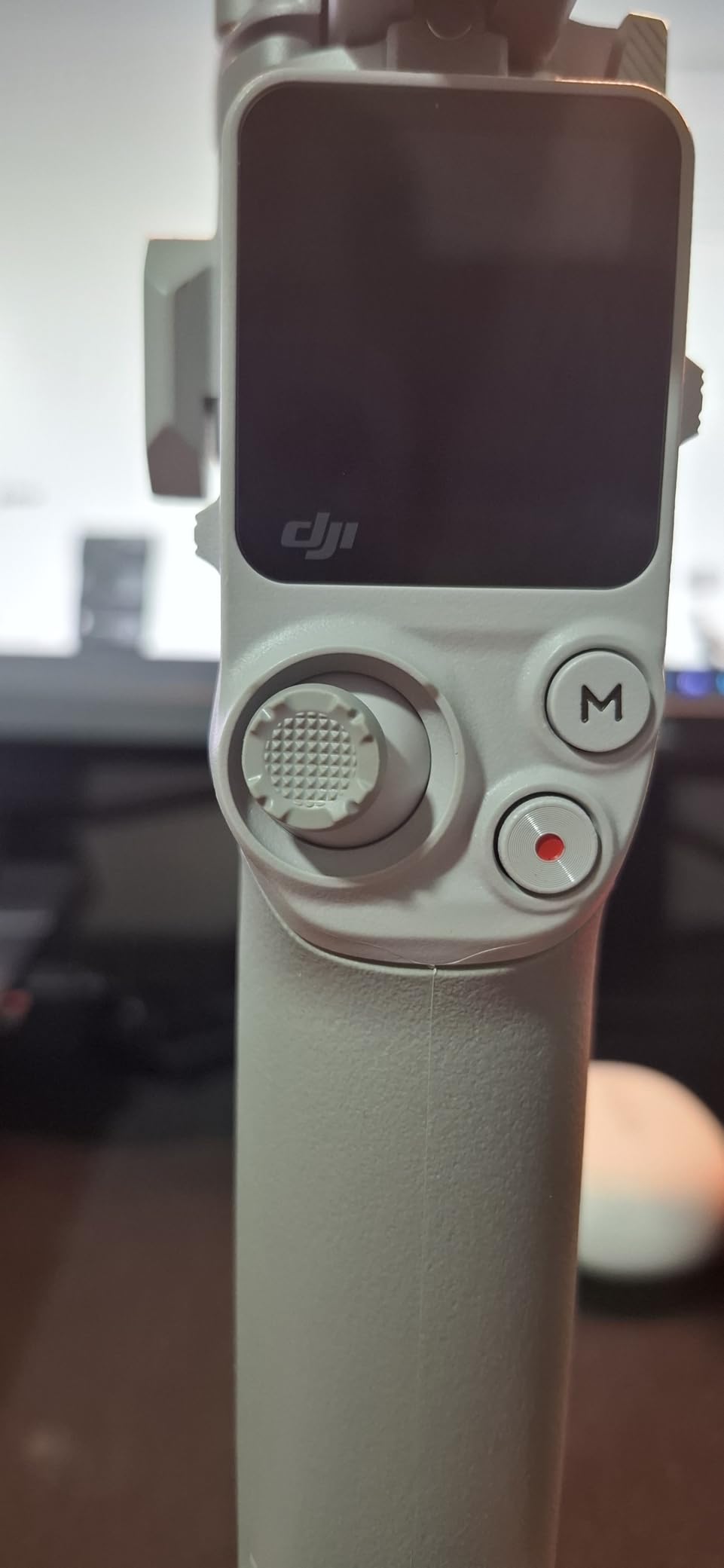
6. DJI RS 5 – Best Gimbal for Setup Speed
DJI RS 5, Gimbal Stabilizer for Camera, Canon/Sony/Nikon/Fujifilm
1.62kg body
14-hour battery
2nd-Gen automated axis locks
Fine-tuning knobs
Pros
- Automated axis locks deploy in seconds
- Fine-tuning knobs on each axis for precise balance
- Quick-open tripod with auto-deploying legs
- 14-hour battery charges fully in 1 hour
Cons
- Tracking module not in every package
- Cage compatibility issues reported
- Heavier than mini gimbals
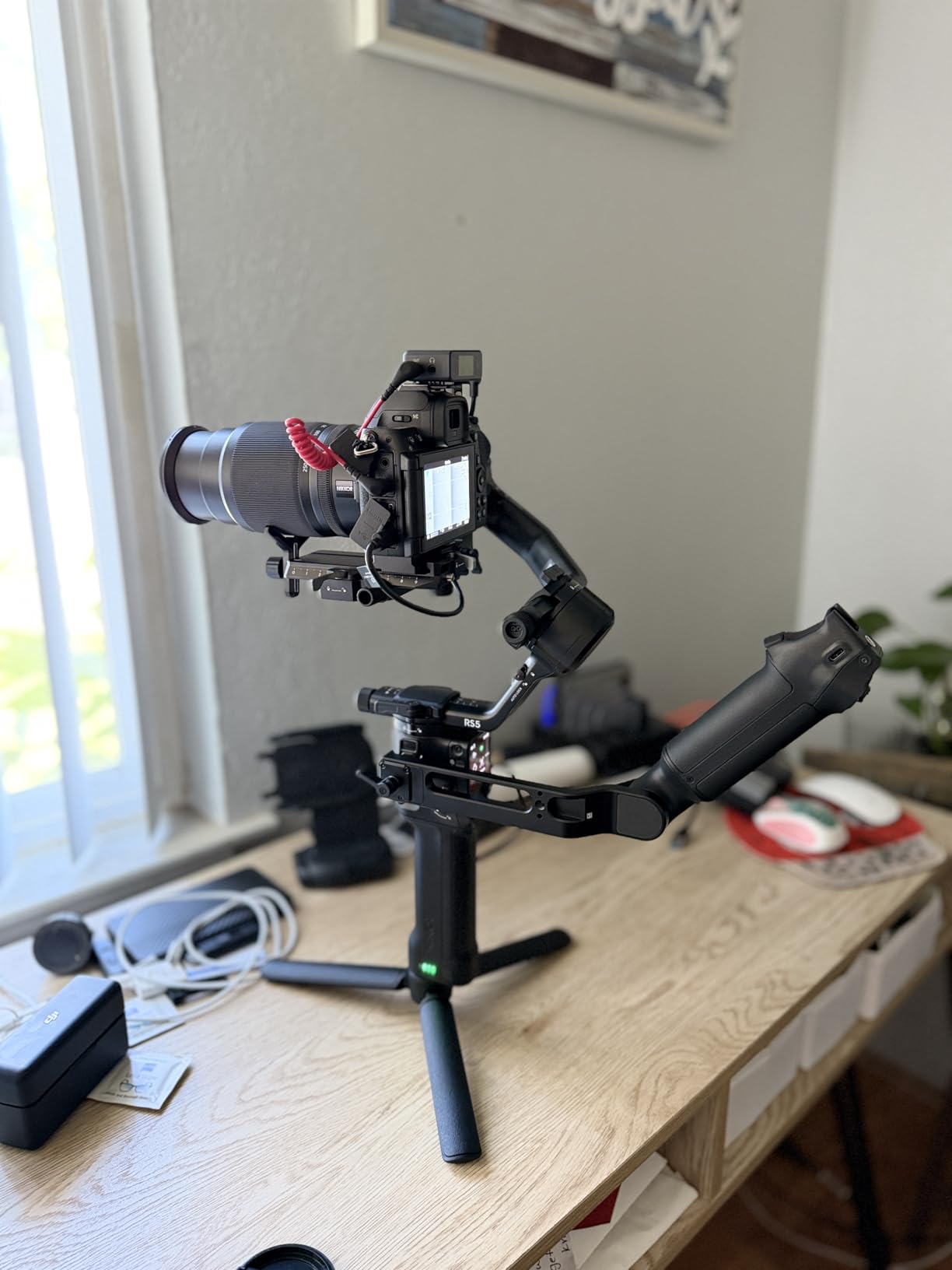
The RS 5 is DJI pushing the convenience envelope, and the fine-tuning knobs on each axis arm are the feature that sold me. Instead of loosening a lock, nudging the camera, re-locking, and checking again, you balance close and then dial in each axis with a knurled knob. Balancing a new lens went from a five-minute chore to a one-minute adjustment.
The 2nd-generation automated axis locks and the quick-open tripod with auto-deploying legs mean the whole rig can go from bag to standing and ready in well under a minute. The electronic briefcase handle with its own joystick makes low work far more controlled, and the Z-axis indicator gives you visual confirmation that the camera sits level before you start rolling.
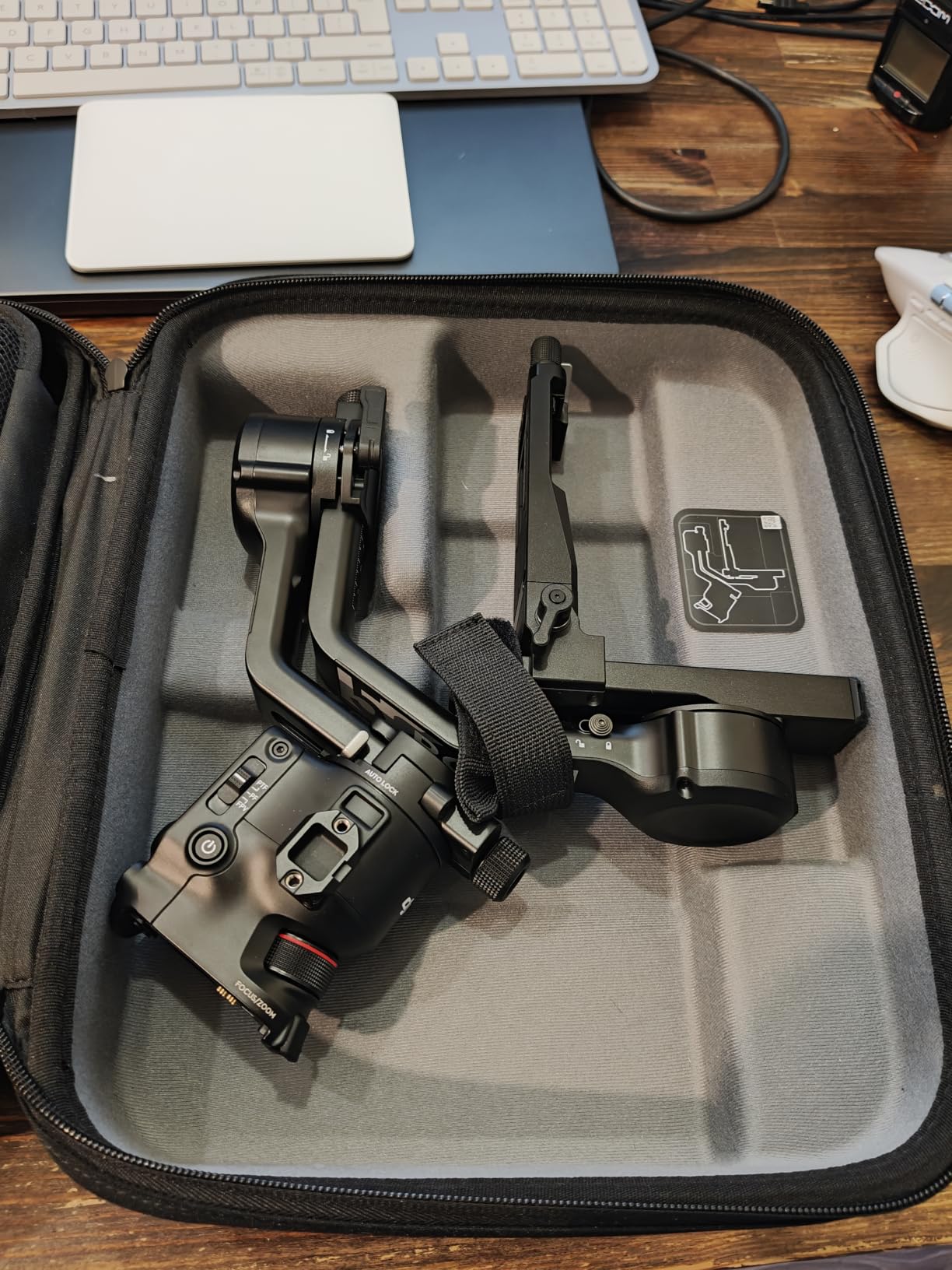
Battery is a strong point: 14 hours of runtime with a 1-hour full charge, which is fast enough to top up over lunch and shoot the afternoon. Build quality feels like the professional tool it is priced as.
The caveats are worth knowing before you buy. Some packages do not include the Enhanced Intelligent Tracking Module, so confirm what is in the box. Several owners report camera cage compatibility problems where the knobs or arms contact their specific cage, and the tracking can occasionally behave janky. At 1.62kg it is also not a lightweight option.
Who the RS 5 works best for
Working pros who change lenses and locations constantly and will pay for balance speed and automated deployment. If you rent your time out, the minutes this saves add up.
Who should skip it
Shooters on tighter budgets, or anyone using a bulky aftermarket cage that may conflict with the arms. First-time gimbal users should also expect a real learning curve here.
7. DJI RS 3 Mini – Best Gimbal for Travel
DJI RS 3 Mini, Camera Gimbal Stabilizer, Canon/Sony/Nikon/Fujifilm
795g body
2kg payload
1.4-inch touchscreen
Bluetooth shutter control
Pros
- 795g body is the lightest here
- 3rd-Gen RS stabilization algorithm
- Native vertical shooting
- Intuitive 1.4-inch touchscreen
Cons
- Manual axis locks require hands-on setup
- 2kg payload limits heavier lens combos
- Motor reliability reported to fade after months
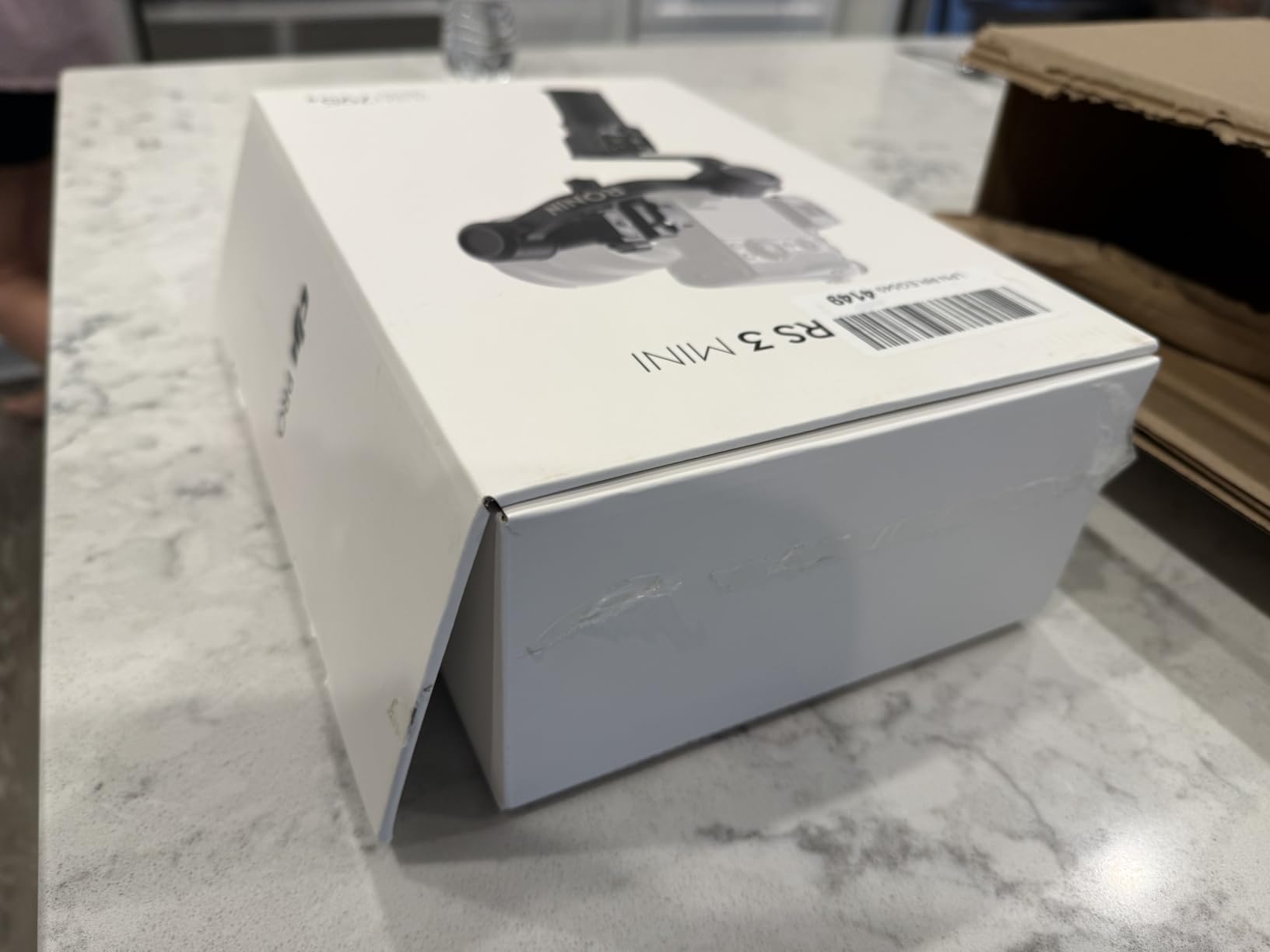
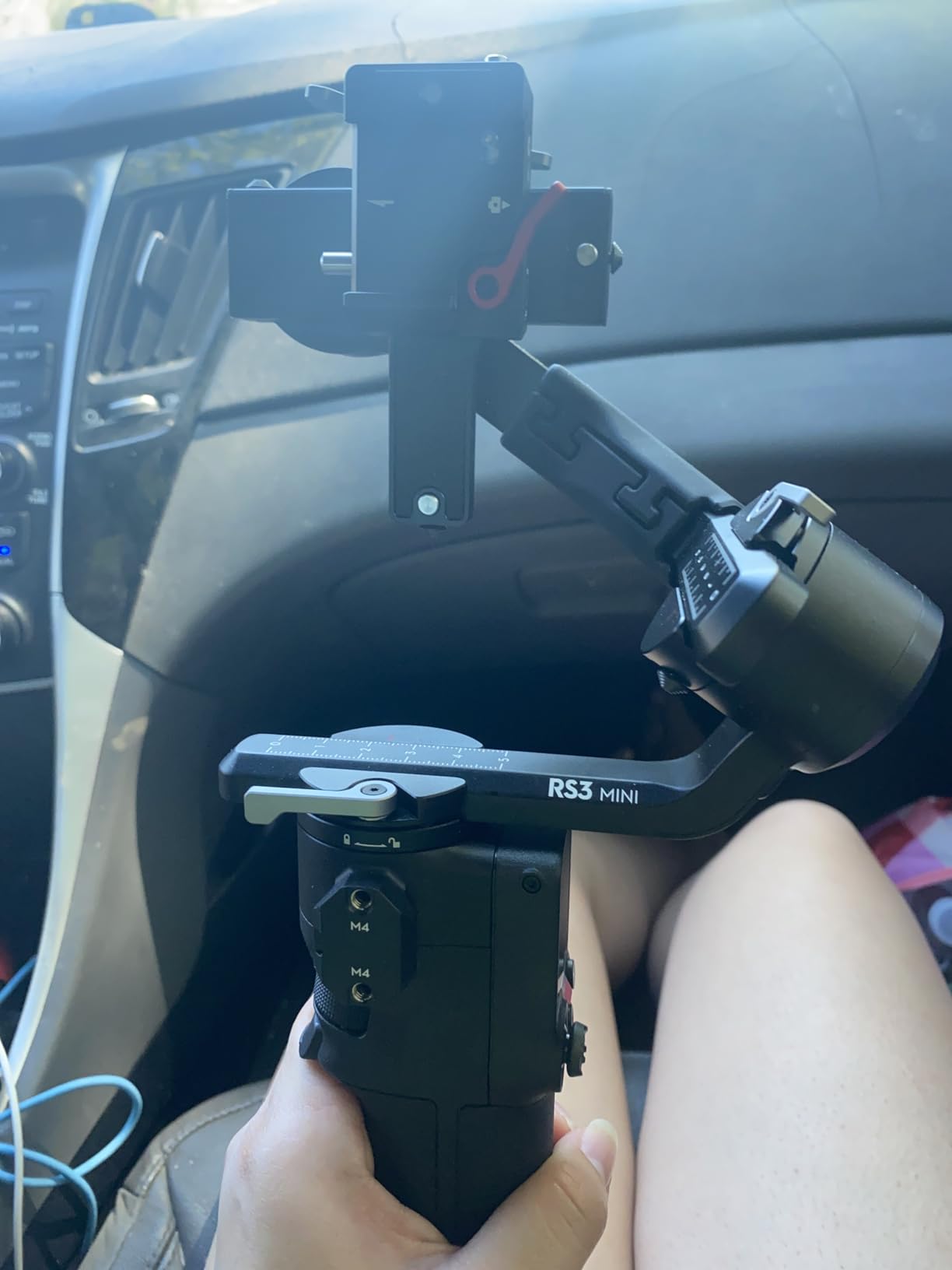
At 795g, the RS 3 Mini is the lightest camera gimbal in this group and one of the main reasons it sits at the top of the bestseller charts in its category. I packed it in a carry-on for a week-long trip and it never once made me reconsider bringing it, which is the highest compliment I can give travel gear.
The 3rd-Gen RS stabilization algorithm holds up against gimbals costing far more, and my walking footage with a small mirrorless and prime lens was clean enough to cut next to full-size stabilizer shots. The 1.4-inch full-color touchscreen is genuinely intuitive, and Bluetooth shutter control removes the cable from the equation entirely.
Native vertical shooting is built in, so social clips need no extra plate or re-balance. That alone makes it a strong pick for creators whose output is mostly vertical feed content.
The compromises come from the size. The 2kg payload strains with heavier body and lens combinations, the axis locks are manual rather than automated, and a number of long-term owners report motor issues surfacing after six or seven months of heavy use. Battery life also trails the bigger models. Treat it as a light-rig tool and it performs.
Who the RS 3 Mini works best for
Travel videographers, hikers, and everyday content creators running small mirrorless bodies with primes or compact zooms who count every gram.
Who should skip it
Anyone mounting a battery grip, a large zoom, or a full-frame body with substantial glass. The manual locks will also frustrate you if you are used to auto-deploying models.
8. FeiyuTech SCORP 2 – Best Budget Gimbal with AI Tracking
FeiyuTech SCORP 2 Gimbal Stabilizer for DSLR and Mirrorless Camera, Integrated Al Tracking Sensor, 3-Axis Camera Stabilizer for Sony Canon Panasonic Nikon, 2.5kg Payload Touch Screen Vertical Shooting
2.5kg payload
1070g body
Built-in AI sensor
1.3-inch touchscreen
Pros
- Built-in AI tracking sensor with gesture control
- Instant vertical shooting setup
- Wireless Bluetooth camera control
- Integrated feet for standalone placement
Cons
- AI tracking works only in selfie mode
- Battery can fall short of the rated 13 hours
- Handle is not detachable
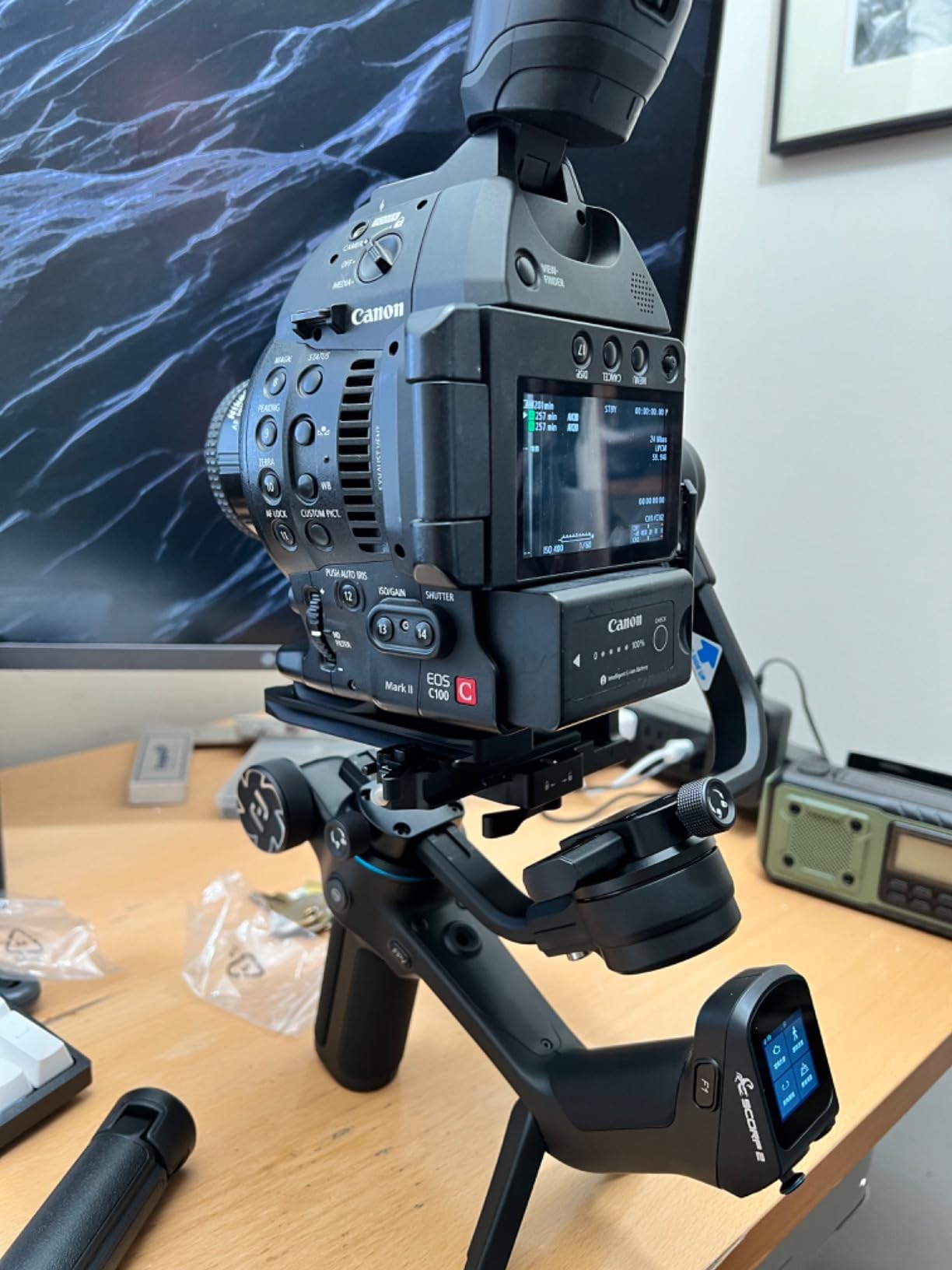
The SCORP 2 puts a physical AI tracking sensor on the gimbal itself, so tracking does not depend on your phone camera or an app connection. Make an OK gesture with your hand and the gimbal locks onto you and follows. For solo creators who film themselves, that workflow is a genuine time-saver.
In practice the tracking worked reliably for my test walking shots, and reviewers consistently compare it favorably against pricier DJI and ZHIYUN models on this specific feature. The instant vertical setup uses a quick-release system rather than a full re-balance, which keeps pace with the vertical content cycle.
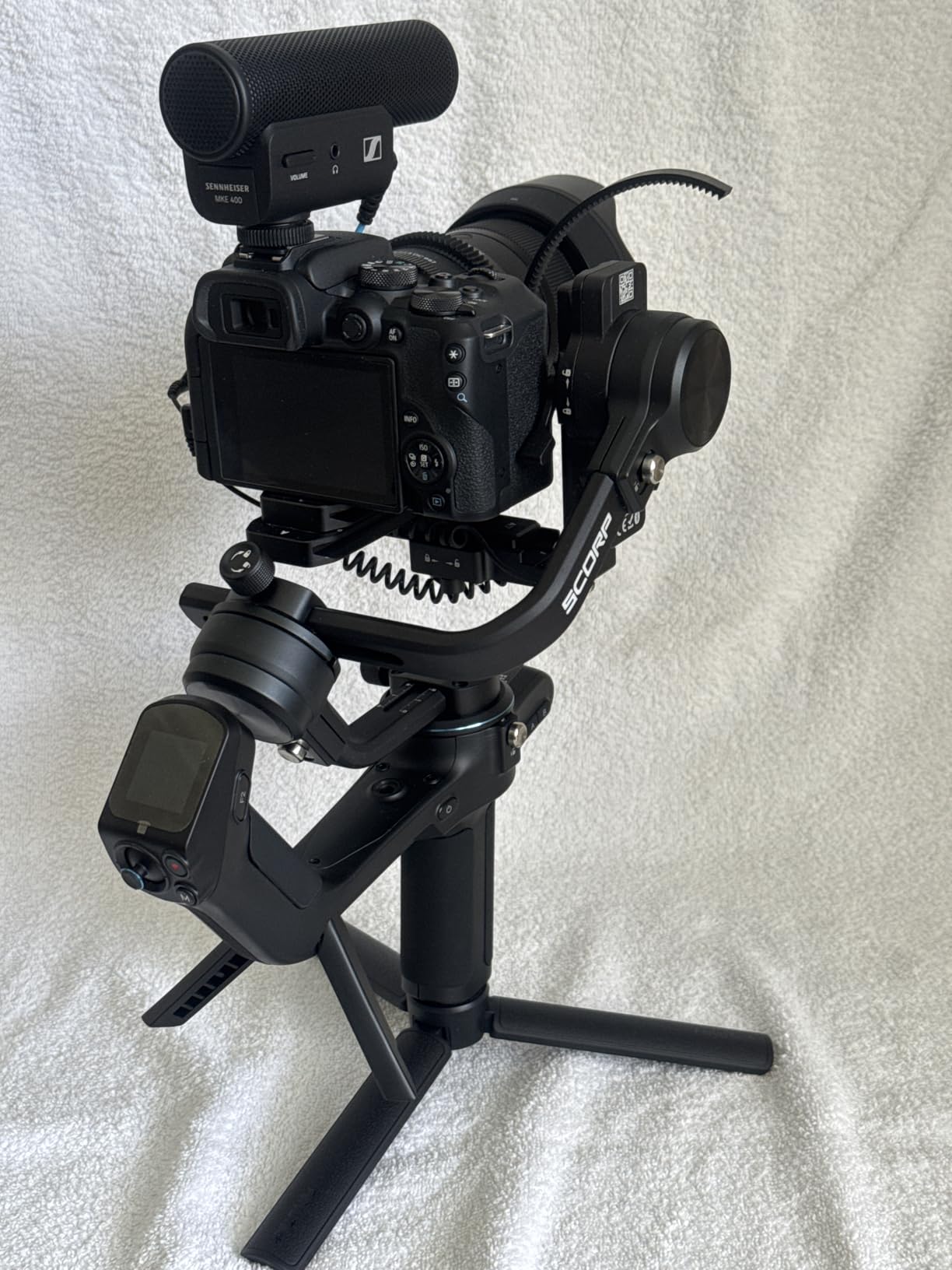
The 1.3-inch touchscreen gives clear status readouts, and the multifunction knob handles focus or parameter control without digging into menus. Integrated scorpion feet let you set the whole rig down between takes without hunting for a flat surface or a tripod.
Limitations to weigh: the AI tracking reportedly only functions in selfie mode, which limits it to front-facing work. Battery life can fall short of the advertised 13 hours under continuous motor load, a few users hit stability issues early on, and the handle does not detach. Near the 2.5kg ceiling the motors also work noticeably harder.
Who the SCORP 2 works best for
Solo creators and presenters who film themselves and want built-in gesture tracking at a budget-friendly price.
Who should skip it
Operators who need tracking on rear-facing subjects, or shooters who want a removable handle for remote or dual-grip work.
9. FeiyuTech SCORP-C – Best Budget Gimbal for Payload
FeiyuTech SCORP-C Gimbal Stabilizer for Cameras DSLR and Mirrorless Camera
5.5 lbs payload
1200g body
10-13 hour battery
Arca quick release plate
Pros
- 5.5 lbs payload handles larger cameras
- Built-in feet for standalone placement
- Center of gravity memory sliders
- Highly customizable buttons
Cons
- Thumb joystick can feel jerky
- Balancing has a learning curve
- Not as portable as rivals
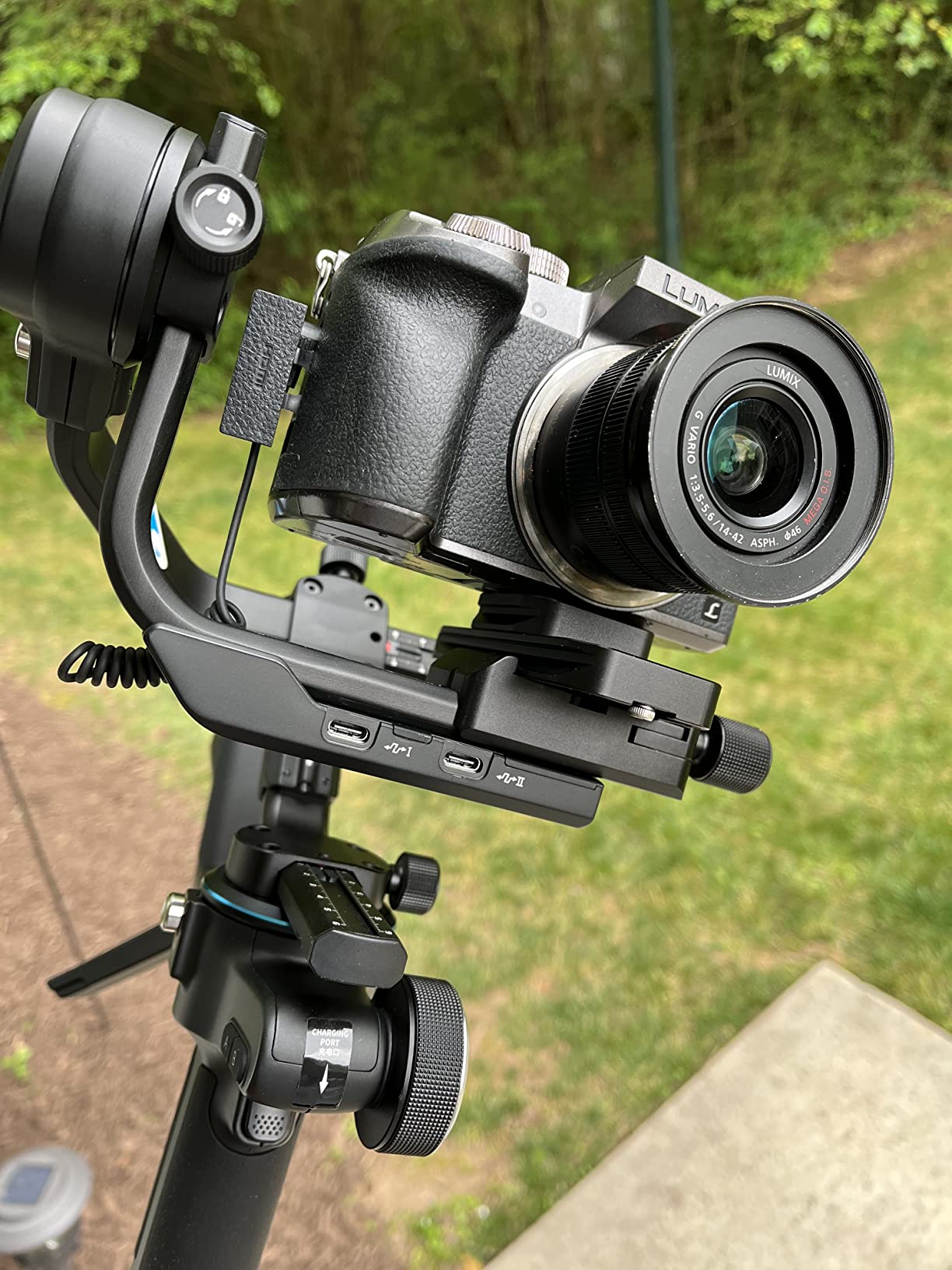
The SCORP-C is the budget pick that punches above its price on the spec that matters most: payload. With a 5.5 lbs rating, it carries camera and lens combos that would make other gimbals at this level stutter, and owners regularly describe the feature set as belonging to far more expensive stabilizers.
The center of gravity memory sliders are the smartest budget feature here. Once you mark where a given camera and lens balance, returning to that setup takes seconds instead of a full re-balance. If you shoot with two or three fixed lens setups, this saves real time on every swap.
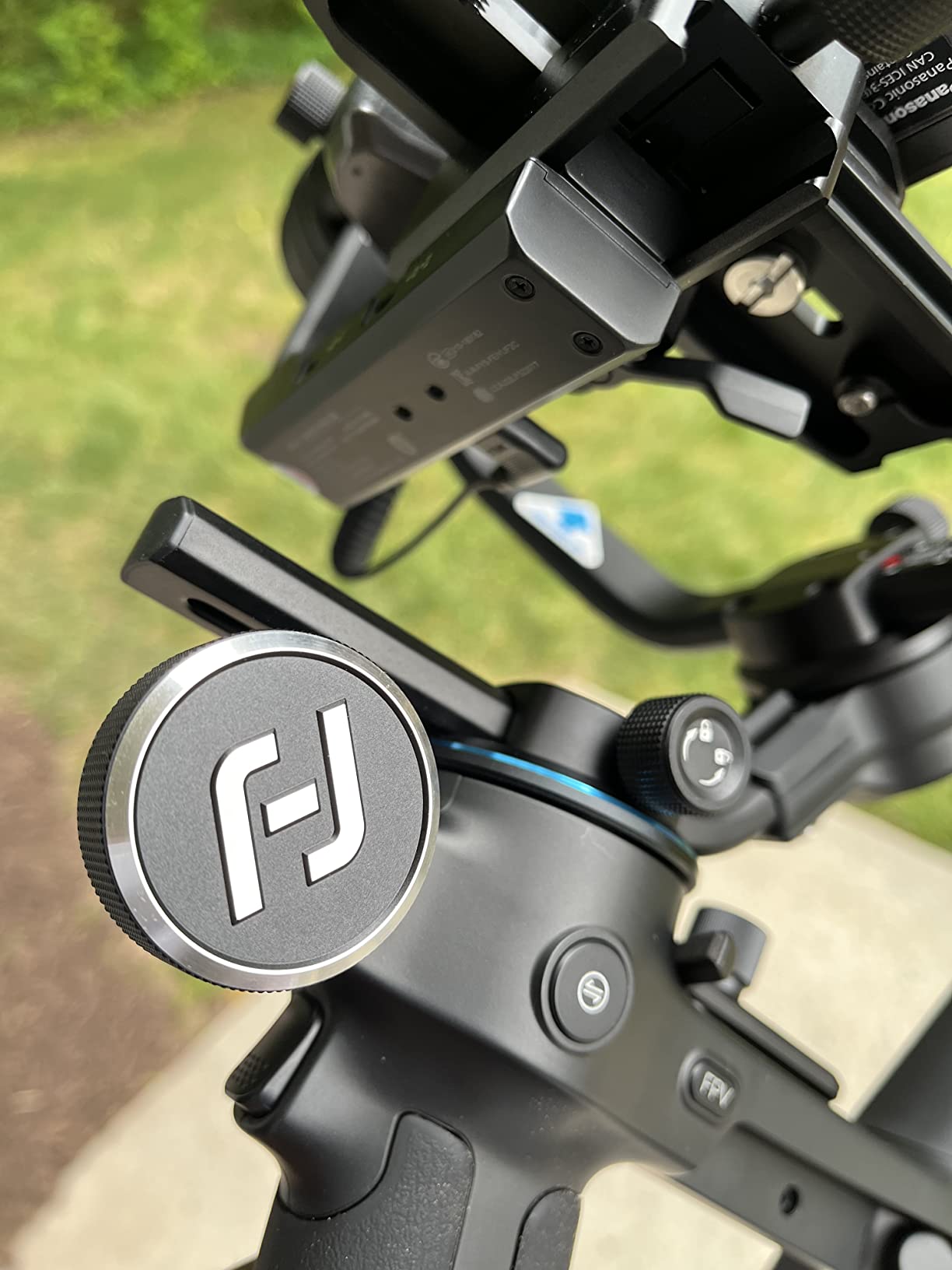
The integrated hanging handle and scorpion shape put the rig’s weight closer to your wrist, and the built-in feet mean you can park it upright between setups. Buttons are highly customizable, so you can map the controls to match how you shoot rather than adapting to the manufacturer’s layout.
It is not flawless. The thumb joystick can feel jerky where refined gimbals are buttery, which matters if you do a lot of motor-driven pans. The balancing process has a real learning curve for first-timers, some sliders could move more smoothly, and at 1.2kg it is not the most portable option in the group.
Who the SCORP-C works best for
Content creators and solo shooters who need real payload capacity for a larger camera without a premium outlay. It is the best camera gimbal entry point for anyone starting with a DSLR.
Who should skip it
Shooters who rely on smooth joystick pans for most of their moves, or travelers who need something that packs small.
10. DJI Osmo Mobile 7P – Best Phone Gimbal
DJI Osmo Mobile 7P Gimbal Stabilizer for iPhone & Android, Native Tracking
368g body
300g phone payload
10-hour battery
Built-in extension rod and tripod
Pros
- Exceptional 3-axis stabilization for phones
- Built-in extension rod and tripod
- 10-hour battery with phone charging
- Magnetic mounting with quick launch
Cons
- Needs recalibration with larger phones
- Built-in tripod feels flimsy
- App can be buggy on Android
If your main camera is the one in your pocket, the Osmo Mobile 7P is the most capable phone gimbal we tested, with a 4.6-star rating across nearly seven thousand reviews backing that up. The 3-axis stabilization turns handheld walking footage into something that looks intentionally produced rather than casually captured.
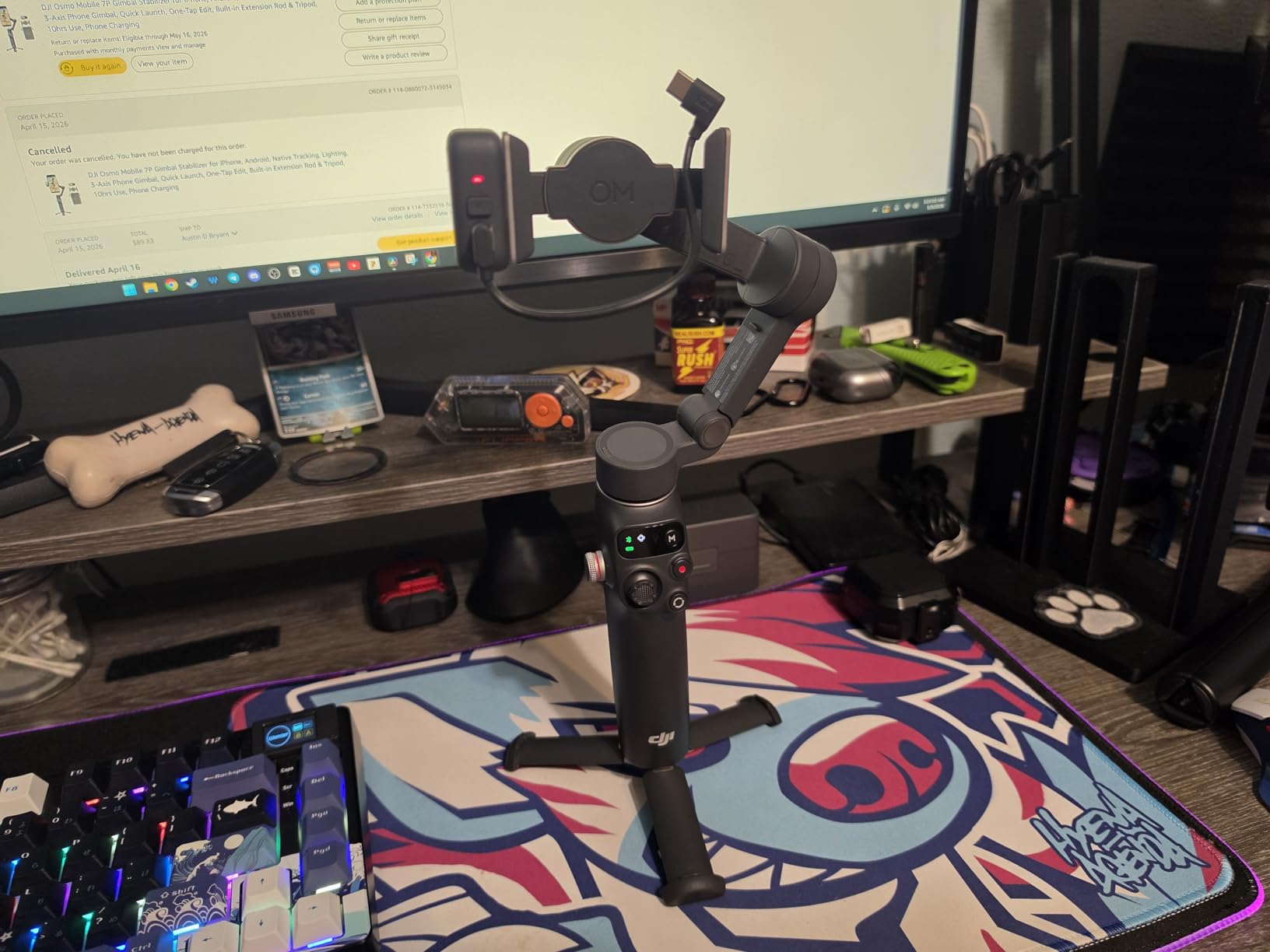
The Multifunctional Module is what separates the 7P from a basic phone stabilizer. It handles native tracking, receives audio from a DJI Mic 2 or Mic Mini, and throws out built-in lighting for low-light situations. The magnetic phone clamp snaps on and the DJI Mimo app launches automatically, so you are shooting in seconds.
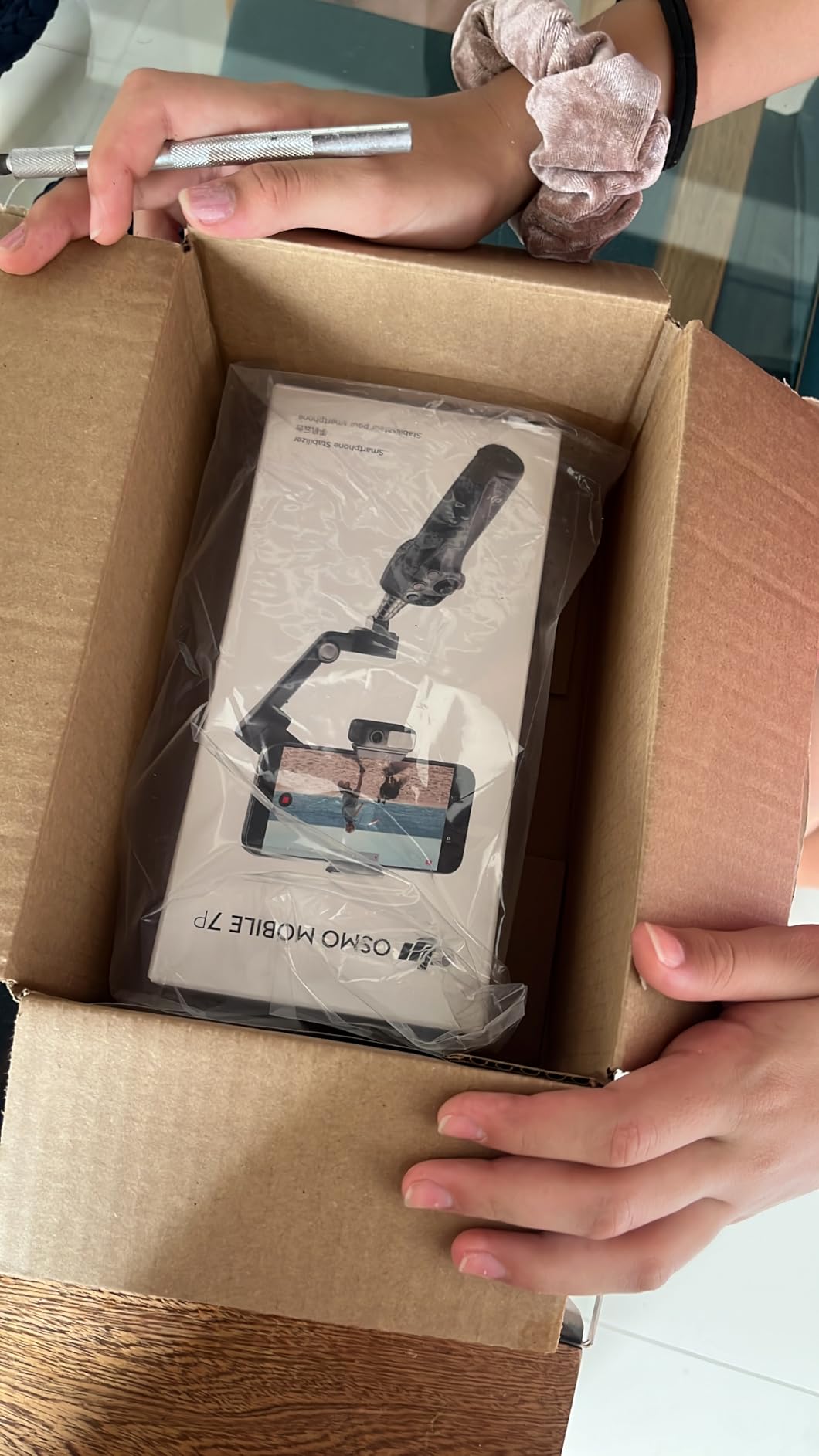
The built-in extension rod and tripod unlock wide selfies and static vlogging setups without carrying extra accessories, and the 10-hour battery can also charge your phone while you shoot. For a long day of filming off a single charge, that matters.
Issues reported by owners are worth noting: larger phones can need frequent recalibration, the built-in tripod feels a little flimsy under load, the included charging cable is short, and the Google Play version of the DJI Mimo app has caused problems for some Android users. None of these are dealbreakers, but set expectations accordingly.
Who the Osmo Mobile 7P works best for
Vloggers, social creators, and anyone whose primary camera is a recent iPhone or Android flagship who wants stabilized, tracked, well-lit phone footage.
Who should skip it
Anyone who shoots on a dedicated camera. This is a phone gimbal with a 300g payload ceiling, so mirrorless and DSLR shooters should stay higher up this list.
How to Choose the Best Camera Gimbal
The right gimbal comes down to matching five factors to your actual camera and shooting style, not to the highest number on a spec sheet. Here is how we sort through it.
1. Match payload to your heaviest realistic rig
Payload capacity is the first spec to check and the first one buyers get wrong. Weigh your camera body, lens, microphone, and any light together, then add a buffer of at least 20 percent, because motors running near their ceiling drain battery faster, drift out of balance, and can overheat. A 2kg payload covers a mirrorless body with a compact zoom; a full-frame body with a 24-70mm f/2.8 pushes you toward 3kg and up.
Also check the physical dimensions, not just the weight. Long lenses need a deep tilt axis and a wide roll arm clearance, which is why DJI extended the RS 4 tilt axis by 8.5mm. This is the most common mismatch reported by frustrated new owners on videography forums.
2. Count the total weight you will carry
A gimbal that stays home because it is too heavy is worthless, so add the gimbal’s own weight to your camera weight before deciding. In this group the spread runs from 795g on the RS 3 Mini to 2.45kg on the Crane 4E, which is a real difference at the end of a six-hour event shoot. Ergonomic designs with wrist rests and sling grips, like the ZHIYUN models here, cut perceived effort by 20 to 50 percent.
3. Check battery life and charging behavior
Rated runtime across these ten ranges from 10 to 16 hours, but real-world numbers drop with heavier loads and active tracking. More important than the headline figure is how the battery behaves: the RS 4 and RS 4 Mini use removable grips you can swap, while the Crane 4E has a sealed battery you can only recharge. For location work without outlets, our write-up on portable power stations for video shoots covers keeping everything charged away from the studio.
4. Decide how much balancing friction you will tolerate
You will balance your camera every time you change a lens, so the mechanism matters more than any other daily interaction. Teflon or coated axis arms slide smoothly, fine-tuning knobs let you dial in balance without unlocking, and automated axis locks let you unfold and shoot in about a second. Manual locks on budget models like the RS 3 Mini work fine, they just take longer and demand more patience while you learn.
5. Verify camera control and app support before buying
Check the manufacturer’s compatibility list for your specific camera model, because Bluetooth shutter control and focus control vary by brand. App quality is the most common complaint across every brand on this list, with DJI, ZHIYUN, and FeiyuTech users all reporting bugs and Android store issues. Assume you will rely on the physical controls for anything critical on a paid shoot.
6. Future-proof with vertical shooting and accessories
If you deliver any vertical content, native portrait shooting without re-balancing is now standard on good models and worth insisting on. Also look at the accessory ecosystem: focus motors, LiDAR units, briefcase handles, and transmission systems extend a gimbal’s usefulness for years. The DJI RSA port and ZHIYUN servo focus support are the two most expandable platforms in this group.
Gimbal Maintenance and Long-Term Care
A gimbal is a set of precision motors and bearings, and a few habits keep it running for years. Wipe down the axis arms after dusty or sandy shoots, store it in a case so the arms are not knocked out of true, and recharge the battery every couple of months during long storage gaps rather than leaving it flat.
Re-calibrate the gimbal if you notice slow drift or a horizon that will not sit level, and avoid picking the rig up by the arms, which stresses the motors. One owner on our team got more than three years of weekly use from a single unit following exactly this routine. For keeping your whole production setup protected and powered, our guides to UPS units for editing workstations and lighting kits for video calls are worth a read.
Frequently Asked Questions
What is the best gimbal on the market?
The DJI RS 4 is the best gimbal on the market right now. It carries a 3kg payload for full-frame mirrorless rigs, balances quickly on Teflon-coated axis arms, shoots natively in vertical orientation, and runs 12 hours per charge with an optional grip extending that to 29.5 hours.
Are camera gimbals worth it?
Yes, if you shoot moving video regularly. A 3-axis gimbal produces smooth, cinematic footage while walking, running, or panning that neither in-body stabilization nor post-production software can replicate, because it physically keeps the camera level instead of cropping and warping the frame to hide shake. For static tripod or talking-head work, a gimbal adds little.
What is the best camera gimbal in 2026?
The DJI RS 4 is the best camera gimbal in 2026 for most professionals, while the ZHIYUN CINEPEER Weebill 3E is the best value with a 3kg payload and 16-hour battery in a sub-1kg body, and the FeiyuTech SCORP-C is the top budget pick with a 5.5 lbs payload.
How do I know what payload capacity I need?
Weigh your camera body, lens, microphone, and any light or monitor together, then choose a gimbal rated at least 20 percent above that total. Running a motor near its maximum drains the battery faster, causes drift, and can overheat the gimbal during long shoots.
How long does it take to learn to balance a gimbal?
Most first-timers need 15 to 30 minutes for an initial balance, then under two minutes once they mark the plate positions for a familiar camera and lens. Models with fine-tuning knobs, coated axis arms, and balance indicators cut that learning curve significantly.
Final Verdict
After three months with these ten stabilizers, the DJI RS 4 stands as the best camera gimbal overall for its 3kg payload, fast Teflon-arm balancing, and 12-hour battery. The ZHIYUN CINEPEER Weebill 3E is the value pick with the same payload class at a lighter weight and longer runtime, and the FeiyuTech SCORP-C is the budget buy that still lifts 5.5 lbs of camera.
Match the gimbal to your heaviest real rig rather than the biggest number, and check the camera control list for your specific body before you order. For lighter kits, the RS 3 Mini and RS 4 Mini keep weight down, and the Osmo Mobile 7P is the clear choice if you shoot entirely on a phone. Whichever direction you take, a good lighting kit will do more for your final video than any upgrade between these models.