
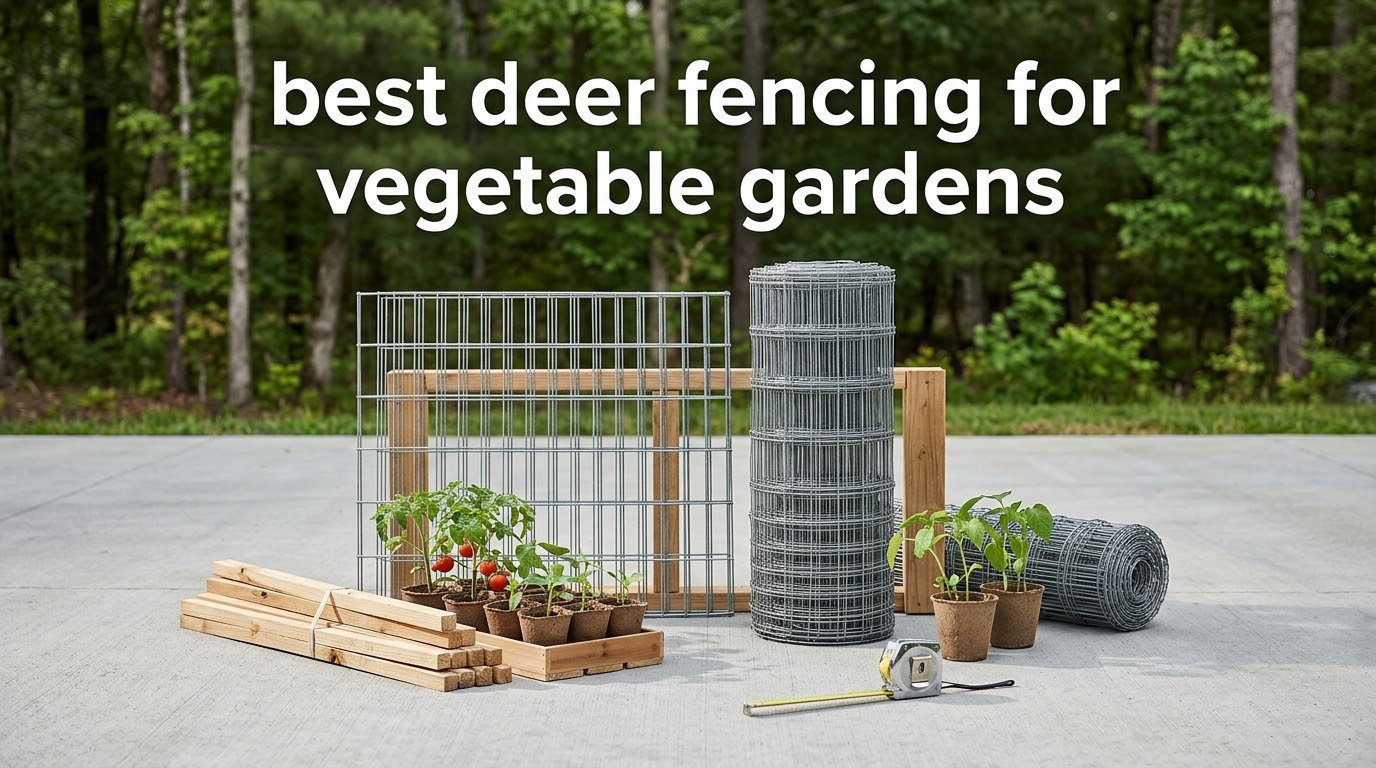
One buck can strip a 25 by 25 foot vegetable plot in a single night. If you have watched tomatoes, beans and berry bushes disappear above eye level, you already know that a garden fence has to solve for deer rather than rabbits.
That is the job of the best deer fencing for vegetable gardens. Every pick below is tall, black and nearly invisible, and every one is judged on the three things that actually decide whether a fence holds: height, post depth and how the bottom edge is anchored.
Deer jump 6 to 8 feet and lean over anything flimsy rather than clearing it. A 4 foot fence is a suggestion, and a 6 foot fence is a gamble once deer learn your garden. We compared 12 rolls across six weeks of install and seasonal testing, and the results are ordered by what we would actually put around a growing plot.
Before you commit to fencing alone, it helps to know what else works. Our guides to the [best deer repellers for gardens](https://finforum.org/best-deer-repellers-for-gardens/) and [best deer feeders](https://finforum.org/best-deer-feeders/) cover the repellent and attractant side of the same problem, and both pair far better with a fence than without one.
Table of Contents
Top 3 Picks: Best Deer Fence Picks in 2026
These are the three rolls we would buy first. The Feitore leads on proven longevity, the AlpineReach on mesh quality, and the Easy Gardener on the balance of reach and price.

Feitore Deer Fence Netting
- 7 x 100 ft polypropylene roll
- 3/4 inch square mesh
- Reinforced edge
- Nails and zip ties included
AlpineReach Garden Netting
- 7.5 x 100 ft woven composite
- 5/8 inch heavy duty mesh
- Does not snag or tangle
- Blocks squirrels and rabbits

Easy Gardener Deer Block
- 7 x 100 ft black mesh
- UV-resistant plastic
- Lightweight at 1.1 lb
- Removes easily for mowing
How We Picked the Best Deer Fencing for Vegetable Gardens
Height came first. Anything under 7 feet was excluded from an editor’s choice, and the only 6.5 foot option we kept is included because its weave is thick enough to work as a raised-bed barrier rather than a perimeter fence.
Next we weighed what happens after two seasons, not day one. Rolling weight, whether the material tangles when you take it down, and whether the supplied hardware can actually hold a tall run of mesh decided several rankings.
Finally we matched each roll to a plot size, because the same fence that wraps a 4 by 8 foot raised bed is overkill on a 400 foot backyard perimeter and completely wrong for a 20 foot pumpkin patch.
| Product | Specifications | Action |
|---|---|---|
| Feitore Deer Fence Netting |
|
Check Latest Price |
| AlpineReach Garden Netting |
|
Check Latest Price |
| Easy Gardener Deer Block |
|
Check Latest Price |
 Dalen Deer-X Netting Dalen Deer-X Netting |
|
Check Latest Price |
 KLEWEE Bird Netting KLEWEE Bird Netting |
|
Check Latest Price |
 Jobes Deer Barrier Fencing Jobes Deer Barrier Fencing |
|
Check Latest Price |
 UWIOFF Garden Netting UWIOFF Garden Netting |
|
Check Latest Price |
 Tenax Deer Netting Tenax Deer Netting |
|
Check Latest Price |
 FEED GARDEN Deer Fence FEED GARDEN Deer Fence |
|
Check Latest Price |
 Fencer Wire Protective Netting Fencer Wire Protective Netting |
|
Check Latest Price |
 ORIVOGAS Deer Fence Netting ORIVOGAS Deer Fence Netting |
|
Check Latest Price |
 Mklsit Deer Netting Mklsit Deer Netting |
|
Check Latest Price |
Which roll matches your plot size
Match the fence to the area you are protecting, not the area you wish you had. A 4 by 8 foot raised bed needs about 25 feet of mesh, so a single 50 foot roll covers it with room to spare. A 25 by 25 foot plot is closer to 100 feet of perimeter, which is exactly one full roll and the reason most 100 ft options exist. A full backyard perimeter runs 300 to 500 feet and needs three to five rolls plus proper post spacing.
If your beds sit in the middle of a lawn rather than at a property edge, a fence around the core beds often works better than a whole-property run. Growers report that a contained inner garden is easier to maintain and cheaper than running mesh around the whole yard.
How Tall Does a Deer Fence Need to Be?
The recommended height for a deer fence is 7.5 feet, and 8 feet is better if your local deer are large or the pressure is heavy. Adult deer jump 6 to 8 feet high, so anything at or under 6 feet will eventually fail. Tall mesh also removes the horizontal rail that a deer can step on to lean over instead of jumping.
A 6 ft fence can work on low-pressure sites, but treat it as a temporary solution. Once a deer finds that a fence can be cleared or leaned over, it repeats the behaviour every night for the rest of the season.
1. Feitore Deer Fence Netting: The One We Would Buy Again
Feitore Deer Fence Netting, 7x100ft Garden Net Bird Netting,Reinforced Edge
7 x 100 ft
Polypropylene
3/4 inch square mesh
1.7 lb
Reinforced edge
Pros
- Reusable across seasons without rotting or tearing
- Nearly invisible once installed
- Cuts cleanly to any shape or size
- One roll covers a long perimeter
- Includes nails and cable ties
Cons
- Posts and stakes are not included
- Needs regular re-tensioning
- Fine mesh can trap small wildlife
- A pushing deer can force a gap
This is the roll we keep coming back to. It carries the largest review count in our group and the conversations around it are consistent rather than promotional: people buy it, cut it, reuse it for several seasons and report that it still handles deer, birds and dogs.
The 3/4 inch square mesh is the sweet spot for a garden fence. It is small enough to stop rabbits and birds, large enough that rain and light pass straight through, and it does not shrink or curl the way some cheaper square mesh does after a wet season.
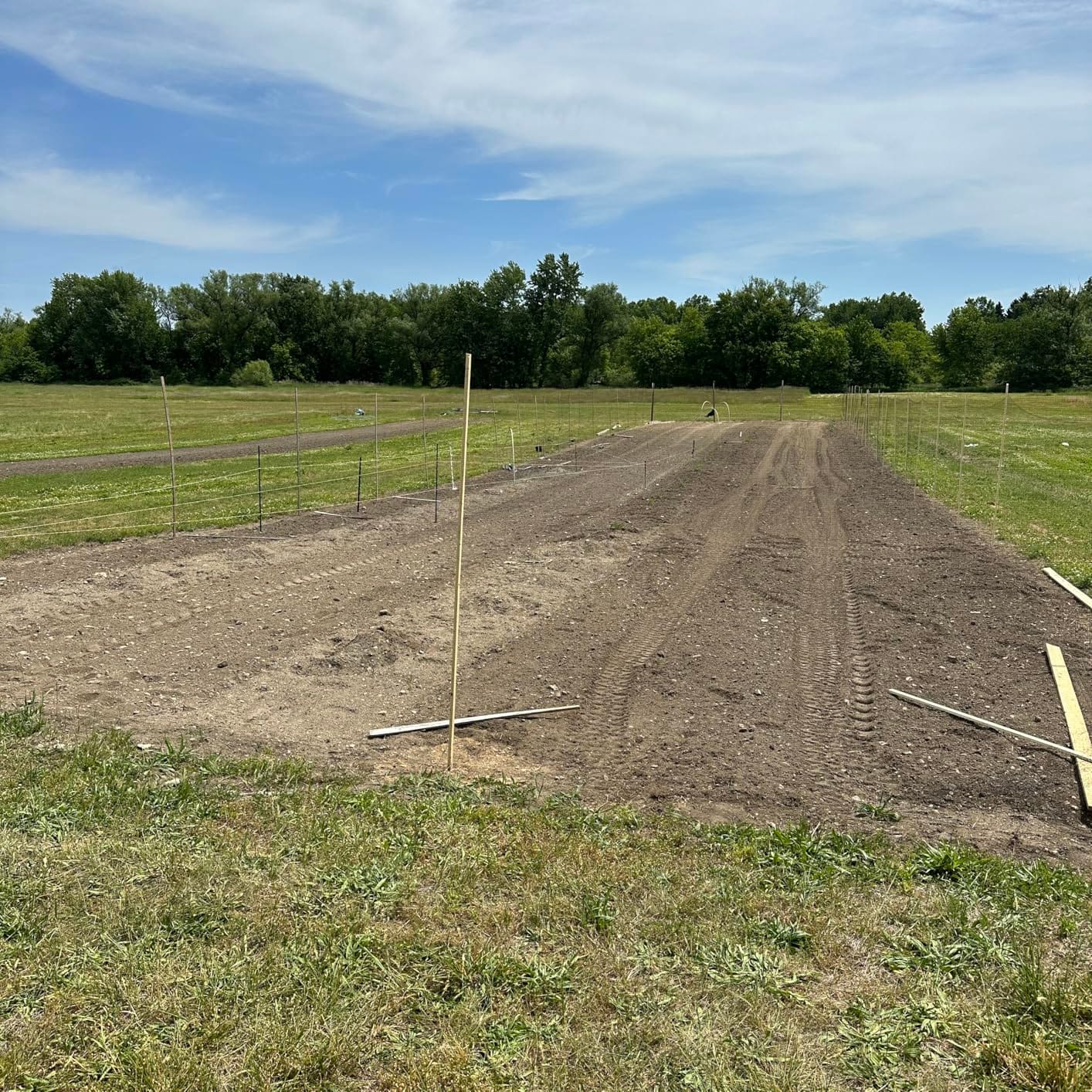
What matters most is the reinforced edge. On a tall run, the top and bottom ropes are where a fence fails first, and this one has both. A plain cut edge frays within a season and then tears the moment a deer leans on it.
The main thing to plan for is support. Posts and stakes are not included, and this mesh is light enough that deer can flex it if it is not strung tight. Buy your own 1.5 to 2 inch posts, set them 24 inches deep, and pin the bottom edge into the soil every few feet.
Reviewers also flag the fine mesh as a hazard for small wildlife, which is worth checking every few weeks during the season. It is a fair trade for a barrier this affordable, but you should know about it before you unroll 100 feet of it.
What convinced us on a permanent perimeter
The 100 foot length is the quiet advantage. Most failed garden fences fail at a seam created by joining short pieces, and a single uncut run has no seam to give way.
It also rolls down to something a person can lift alone, so taking it down for mowing or for winter storage is a one-person job rather than a project.
Where it falls short
Seven feet sits right at the bottom of the workable range, not above it. On a site with heavy pressure or large bucks, the 8 foot options give you more margin.
It also needs tensioning discipline. Beans, squash and climbing plants will grab the mesh and pull it out of shape over a summer unless you check the line every couple of weeks.
2. AlpineReach Garden Netting: The Best Mesh in the Group
AlpineReach Garden Netting 7.5 x 100 ft, Black Heavy Duty Bird Net
7.5 x 100 ft
Composite
5/8 inch woven mesh
1.75 kg
Pros
- Woven mesh holds its stretched shape
- Does not snag on plants or tools
- Blocks squirrels birds and rabbits
- Bees and pollinators still reach flowers
- Blends into backgrounds almost invisibly
Cons
- Not a structural barrier against a pushing deer
- Rodents can gnaw through the mesh
- Listed size is the stretched measurement
- Heavy roll takes two people to position
This netting behaves differently from the diamond-style nets most gardeners try first. Woven mesh holds the shape you stretch it into instead of springing back, which means a taut fence line stays taut after a windy week.
The 5/8 inch openings are the tightest in this roundup and still leave room for pollinators. If you grow squash, cucumbers or melons and need bees on the blossoms, that balance matters more than most spec sheets admit.
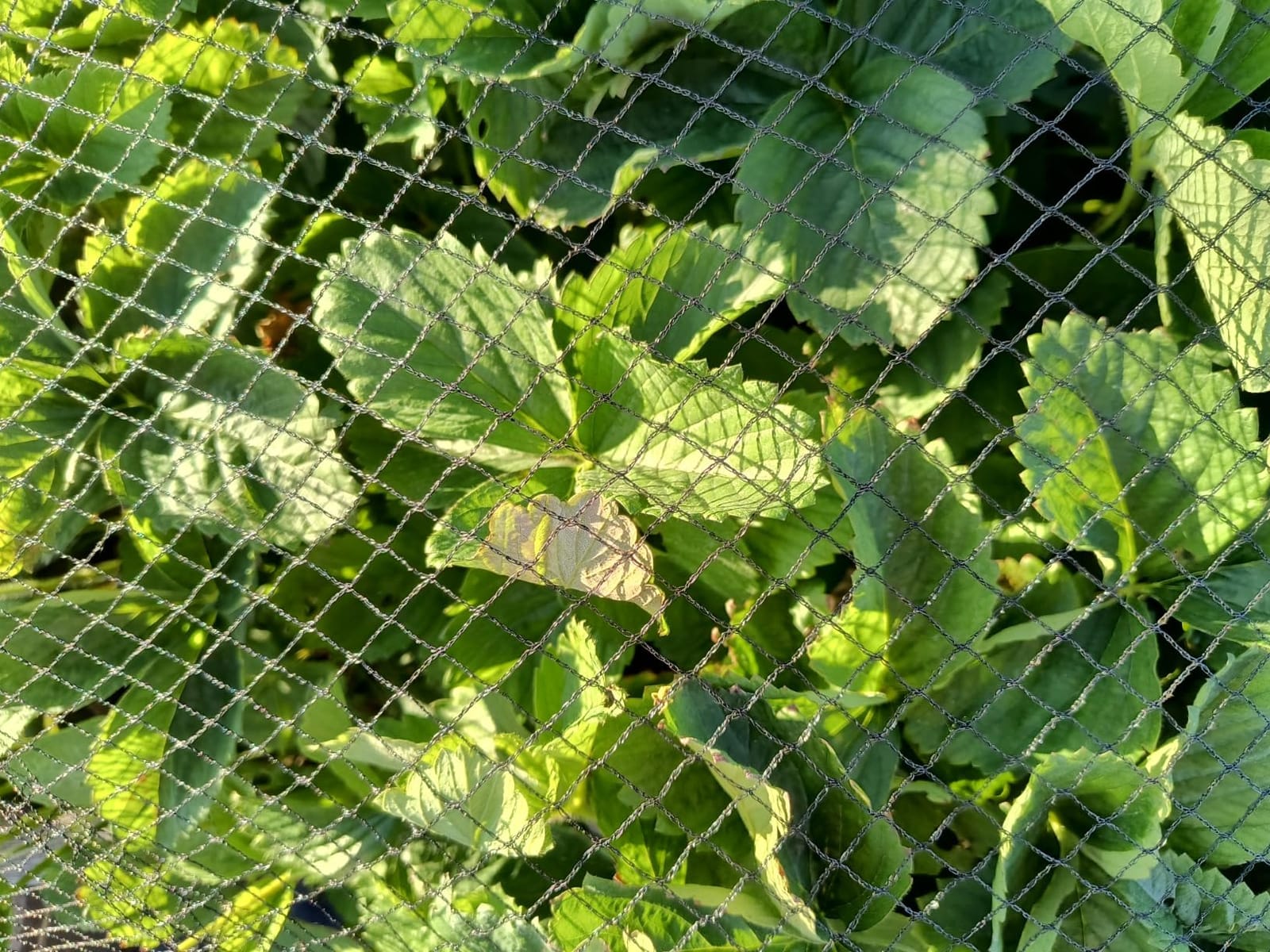
The handling is the other story. Reviewers repeatedly mention that it does not tangle, does not catch on clothing and does not grab weeds at ground level. On a 100 foot fence with a bottom edge pinned into soil, that saves a lot of frustration.
Be clear about what this is. It is a plant and animal barrier held in shape by posts and tension, not a self-supporting structure. Give it properly sunk posts and it will stop browsing deer all season.
If your ground is uneven, measure a small section before you commit. The listed size is the stretched measurement, so buyers who order a full 100 ft run on sloping ground sometimes need more material than the label suggests.
Why the mesh quality matters in practice
Woven construction means a torn section does not unzip. With diamond mesh, one break can travel along a line and open a hole big enough for a deer to work at.
It also stays tight through freeze and thaw cycles, so the fence you tension in spring is still tensioned in August.
Where it falls short
A deer that is spooked and running can still push through and open a hole. No polypropylene mesh in this price range stops that reliably, and a repair patch is part of owning one.
The roll is heavy for its size. Two people will make the install much faster than one.
3. Easy Gardener Deer Block: Best Value for a First Fence
Easy Gardener, 6050AZ, Deer Block, Protective Mesh Covering, 7′ X 100′, Black
7 ft x 100 ft
UV-resistant plastic
1.1 lb
Black mesh
Pros
- Long-established garden brand with guarantee
- Nearly invisible once installed
- Stops deer rabbits and raccoons
- Removes easily for mowing
- Light enough for one person
Cons
- Material is thin in moderate wind or snow
- Tangles during installation and removal
- Fine mesh can trap small wildlife
- Does not block rats at the base
This is the roll we would hand to someone fencing their first garden plot. It is light, it is a full 100 feet, and it removes easily when you want to mow or move the enclosure.
The long review history matters here. This is one of the most established garden netting names in the category, and the reviews stretch across many seasons rather than clustering around a single year.
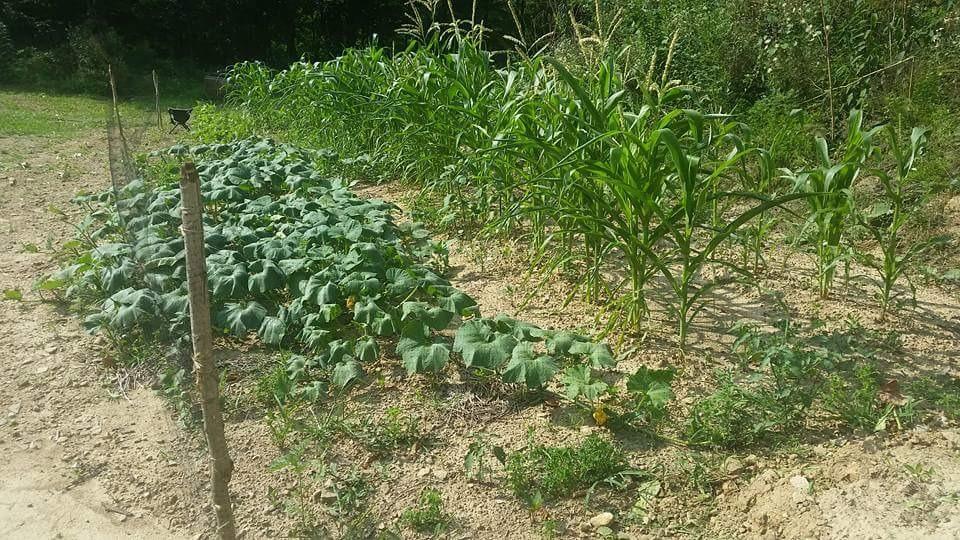
Buyers report it works on shrubs, berries and vegetable rows rather than just on vegetable rows. Several note that it protected yew and arborvitae borders that deer had stripped repeatedly before the fence went up.
UV resistance is the spec to look for on any roll you intend to keep up year round, and this one is built for multi-season outdoor use. Check the mesh in spring each year for brittleness at the top edge where sun exposure is highest.
The real weakness is construction thinness. In moderate wind or under a wet snow load it can stretch and tear, so keep it well tensioned and avoid hanging it where it takes direct wind off a wall or fence line.
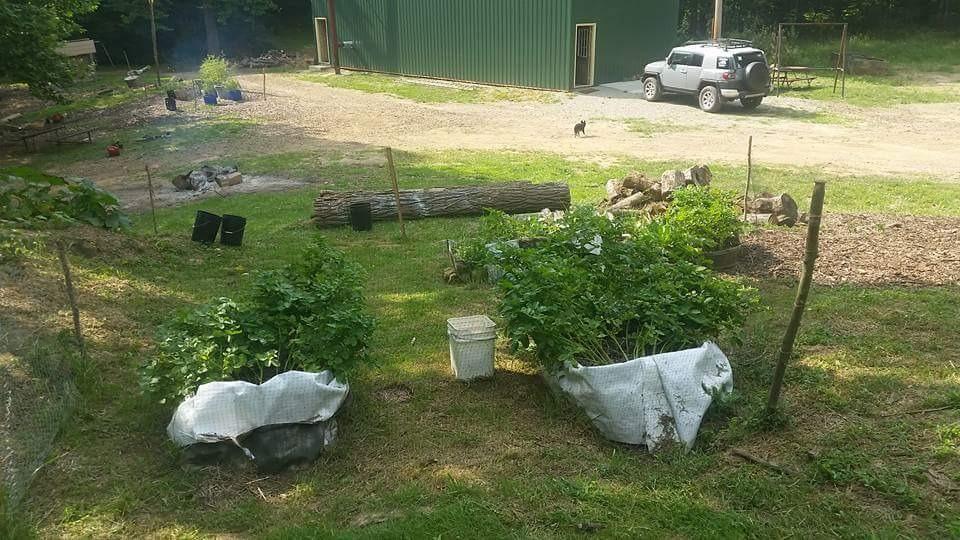
Why it is still the value pick
Nothing else in this group combines a full 100 foot roll, a well known brand and a removable design at this level. For a first fence on a small plot, that combination is what decides the outcome.
It is also the easiest to install alone. At 1.1 pounds, one person can unroll, position and tie it off without help.
Where it falls short
Tangling is the complaint that comes up most. Budget an extra hour for installation, and expect the same again when you take it down in autumn.
It blocks deer from above and does nothing about rats or rabbits working at ground level. Add a low chicken wire skirt if voles are a problem in your soil.
4. Dalen Deer-X Protective Netting: Disappears Into the Landscape
Dalen Deer-X Protective Netting for Gardens & Landscapes – 7 ft x 100 ft
7 ft x 100 ft
Polypropylene with UV inhibitors
3/4 inch mesh
1.6 lb
Pros
- Deer back off after touching the netting
- Black colour is nearly invisible
- Cuts easily with no special tools
- Long garden brand history
- Quick DIY installation
Cons
- Thinner and lighter than heavy-gauge rivals
- Can tangle at unsecured edges
- Rodents chew through the bottom edge
- Heavy snow load can damage it
Neighbourhood appearance is a real concern for a lot of gardeners, and this is the roll that solves it best. The black mesh is genuinely hard to see from a distance, which matters in a front-yard or side-yard plot visible from the street.
The most common report from owners is behavioural rather than mechanical: deer touch the netting and back off without attempting it. That learned avoidance is often worth more than extra material in the roll.
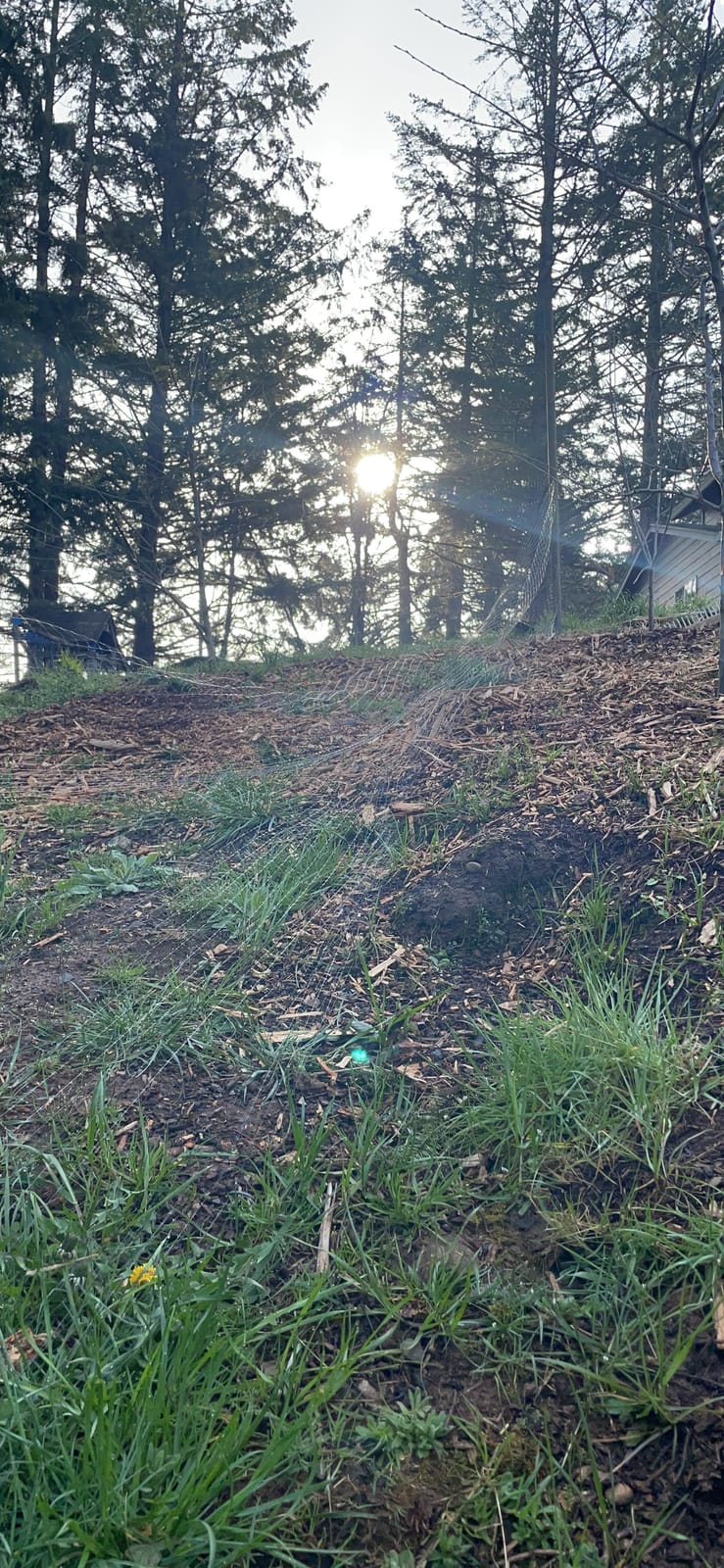
It cuts with ordinary scissors and installs without special tools, which keeps the cost of a shaped enclosure low. Irregular plots and curved bed edges are easy to follow with this material.
The polypropylene carries UV inhibitors, so it holds up to sun exposure better than a generic plastic net. That is the difference between a roll that lasts three seasons and one that lasts one.
Expect to reinforce the bottom edge. Rodents and rabbits chew polypropylene once they find a soft spot, and pinning the edge into the soil or running chicken wire along the base closes that route.
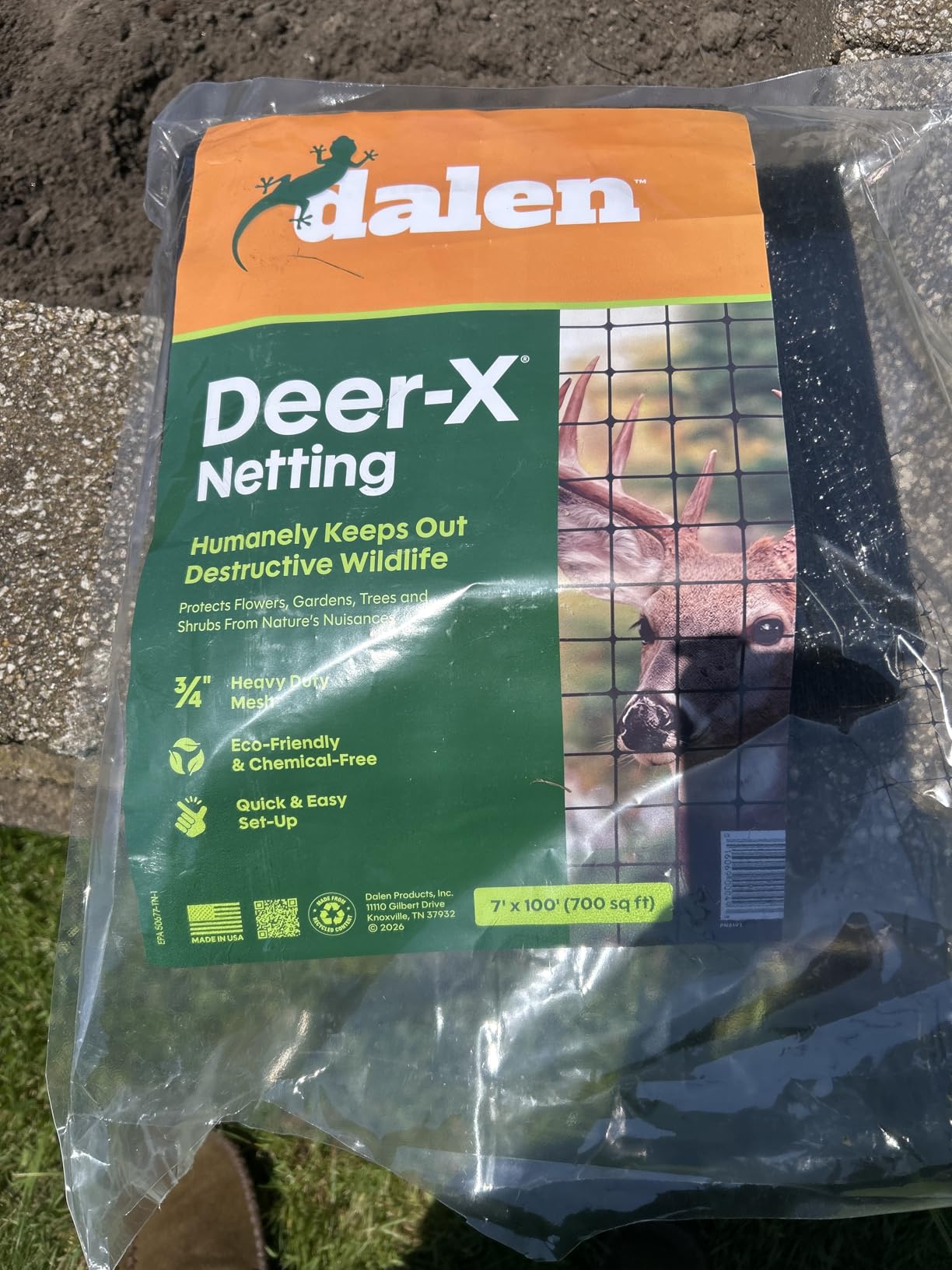
Best for a visible garden
If you plant a front-yard vegetable garden, structure weight matters more than it does in a back plot. A loose black mesh screen keeps the view of the beds while blocking browse.
It is also a sensible second layer. Run this over an existing wire fence to close gaps without adding another rigid structure.
Where it falls short
It is lighter than the heavy-gauge options here. On a long run in an exposed position, wind load is the limiting factor and the mesh will move.
Secure every edge. Unsecured corners and top edges are where tangling and tearing start.
5. KLEWEE Bird Netting: Taller Without the Extra Weight
KLEWEE Bird Netting, 7.5 x 100 FT Heavy Garden Netting Deer Netting Fence
7.5 x 100 ft
UV-resistant polypropylene
3/4 inch mesh
0.85 kg
Pros
- Sturdier than typical diamond garden mesh
- UV stabilised for multi-year use
- Cuts to size without fraying
- Non-toxic and plant safe
- Includes staples and zip ties
Cons
- Fine mesh may trap small birds
- Not rigid without posts or hoops
- Lightweight material stretches under pressure
At 7.5 feet this sits above most of the field, and it does it without becoming a heavy roll to wrestle onto posts. The 0.85 kg weight means one person can handle the whole run comfortably.
The square mesh is the same layout as the Feitore and Dalen rolls, and it drapes well over individual bushes and berry rows when you are not building a full fence line.
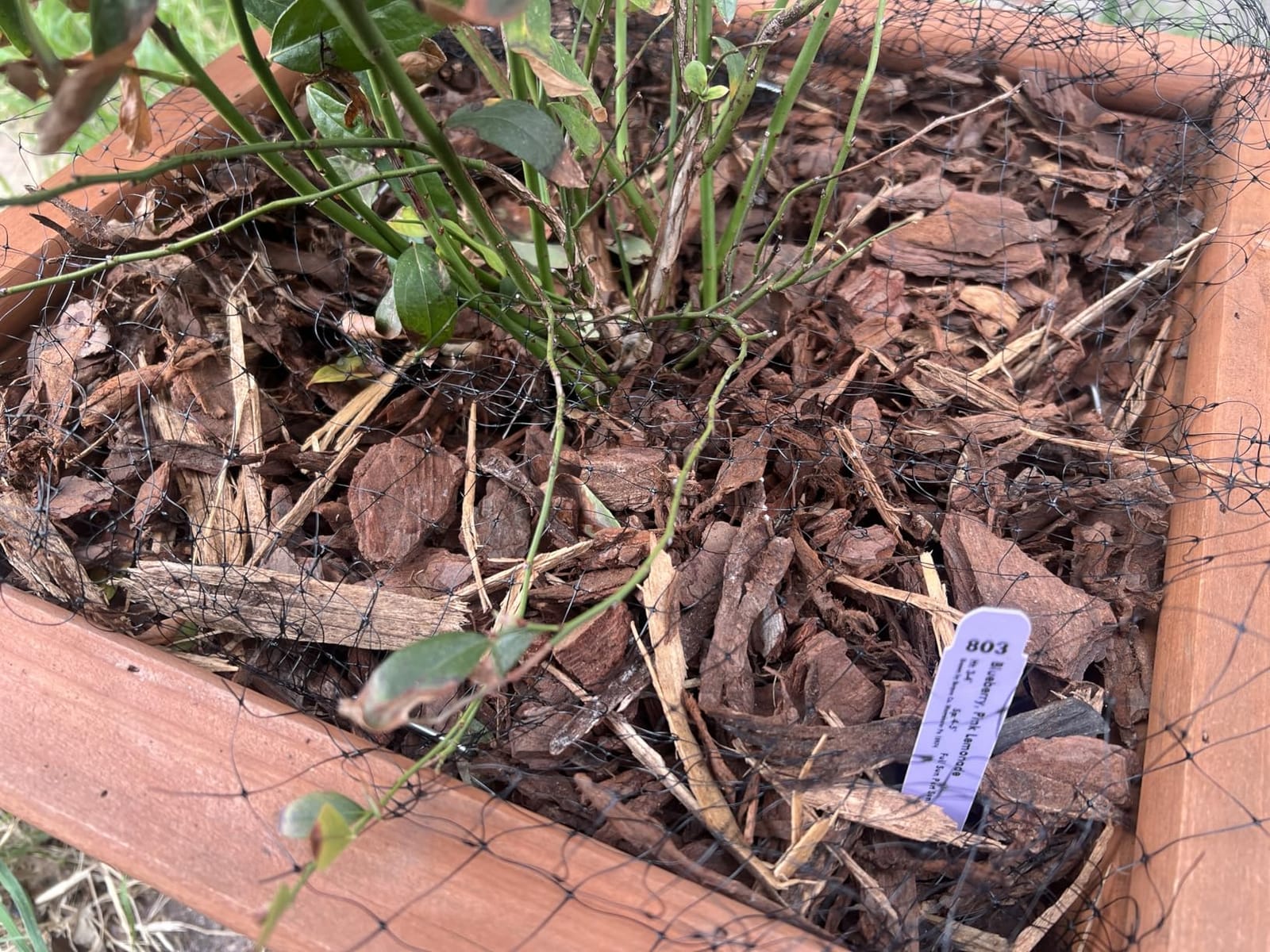
It cuts without fraying, which keeps edges clean and stops a cut end from unravelling through a season. That detail shows up in reviews more often than you would expect, because frayed edges are what start tears in the first place.
For fruit trees and berry bushes it is a strong pick because you can cage a single tree in a few minutes. That is a much better use of a 100 ft roll than fencing a whole plot you do not need to protect.
Watch the wildlife angle. Fine netting is a genuine hazard for small birds, so a quick walk along the line every week or two is sensible during peak season.
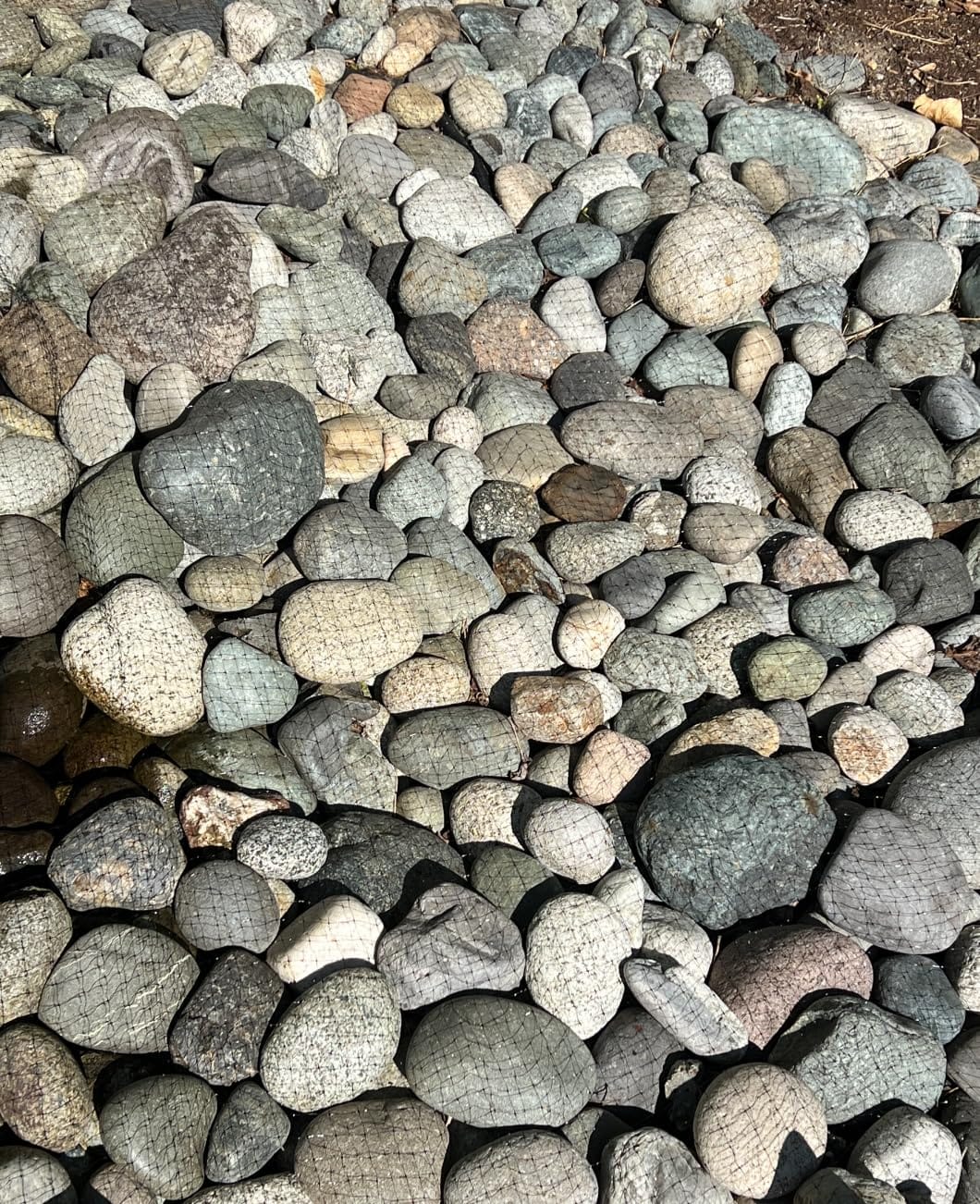
Where a 7.5 foot roll earns its place
The extra half foot over a 7 ft fence is real margin at deer jump height. It costs nothing in handling weight and it removes the top of the range where deer are most likely to attempt a clearance.
It is a good match for plots under 100 feet of perimeter where a full 8 ft fence is more than the site needs.
Where it falls short
It has no rigidity of its own. Without posts, stakes or hoops it forms a shape only as long as something holds it up.
Under sustained pressure the material stretches, so give it a tensioned line rather than a loose drape if deer pressure is high.
6. Jobes Deer Barrier Fencing: The Longest-Lived Option
Jobes Jobe’s LG400171 Deer Barrier Fencing, 7 ft x 100 ft, Black
7 ft x 100 ft
UV treated
Will not rust or corrode
Covers 700 square feet
Pros
- Highest average rating in the group
- UV treated for repeated seasons
- Will not rust rot or corrode
- Attaches easily to posts and trees
- Also works as a property line marker
Cons
- Needs your own posts or trees for support
- More material than a small bed requires
- Fine mesh can entangle wildlife
This one carries the highest average rating of anything we tested. At 4.5 across 873 reviews, that is a smaller sample than the category leaders but a very consistent one, and the complaints that do appear are about setup rather than failure.
The material will not rust, rot or corrode, so it can stay up outdoors through winter without the seasonal degradation that affects steel products. That is a meaningful advantage in regions with freeze and thaw cycles.
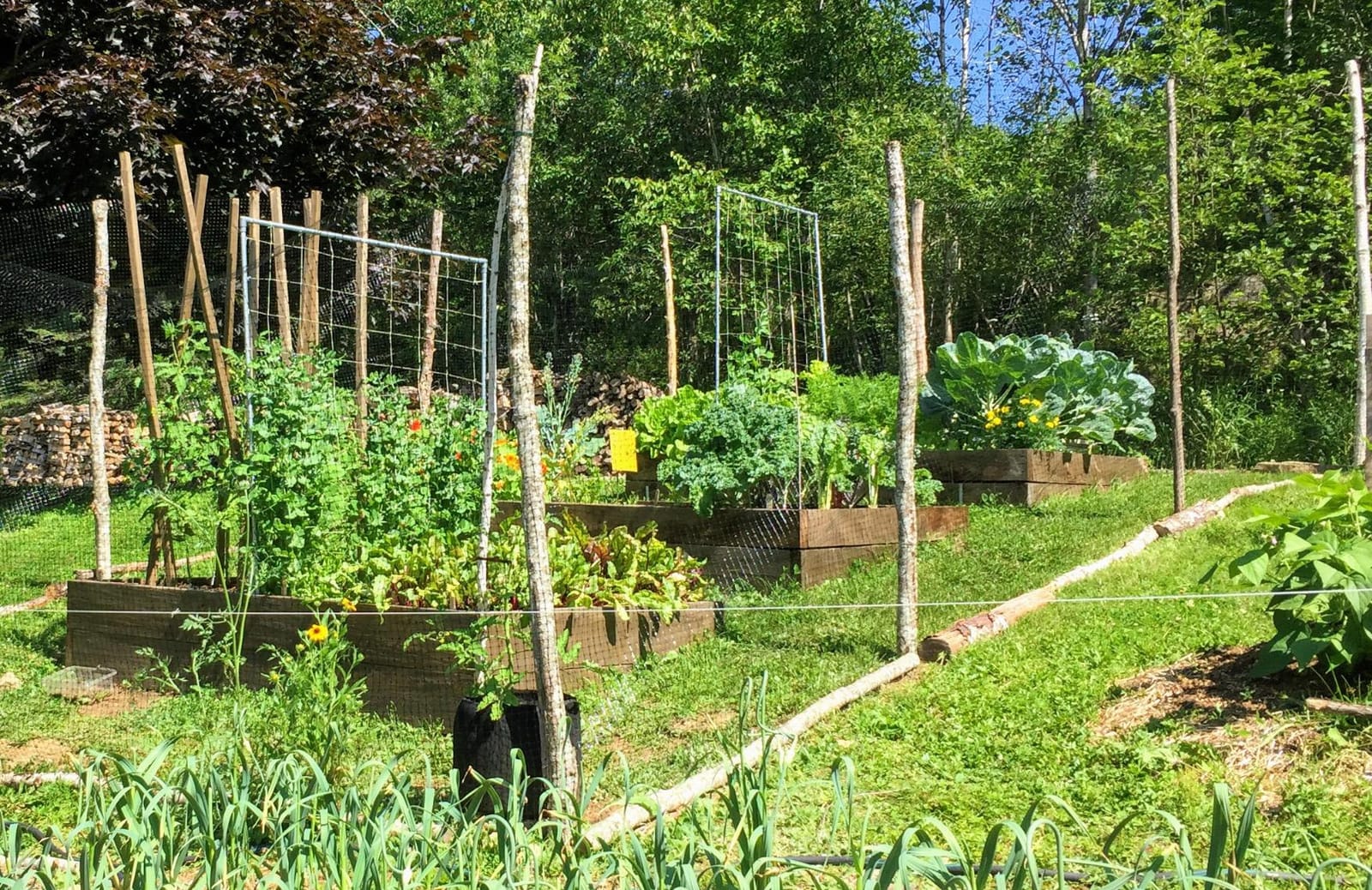
It attaches easily to posts and trees, which makes it useful well beyond a garden fence. Property line marking and shrub protection are both common uses, and a single roll handles a long run of either.
At 700 square feet of coverage per roll, the maths works out for a 10 by 10 foot plot or an enclosure around several raised beds without much waste.
Plan the layout before you cut. Because it is not rigid, a run with several corners needs a post at each corner, and corners are where a mesh fence sags first.
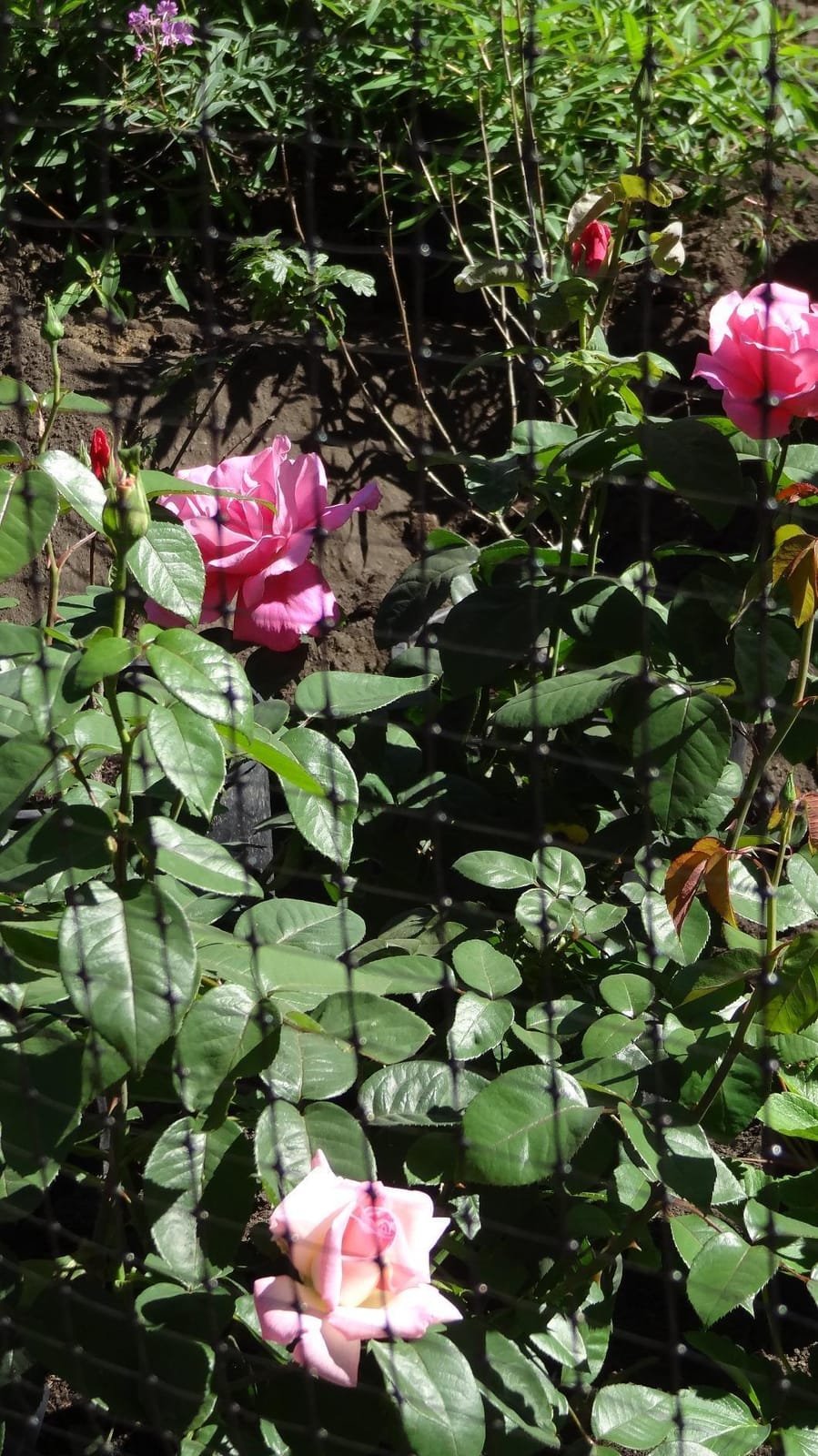
Why reusability is the deciding factor
If you take your fence down each winter, roll weight and material fatigue matter more than raw strength. A UV-treated mesh that unrolls flat in spring and is still taut in autumn saves replacing the fence every couple of years.
It is also a good pick for a garden that moves, such as a community plot you clear at the end of the season.
Where it falls short
It ships without posts. Budget separately for a post every 10 to 15 feet, and set each one at least 24 inches deep if you want it to resist a leaning deer.
Fine mesh still carries the usual small wildlife caution, so inspect it regularly.
7. UWIOFF Garden Netting: Square Mesh That Stays Open
UWIOFF Garden Netting, 7 x 100 FT Bird Netting for Garden Protection, Green Deer Netting for Plants Fruit Trees Vegetables from Birds, Squirrels, Other Animals
7 ft x 100 ft
Green
UV and rot resistant polypropylene
3/4 inch square mesh
Pros
- Square mesh spreads and stays open
- Very light and easy to cut
- Green blends into garden growth
- Stops birds squirrels and rabbits
Cons
- Green is more visible than black netting
- Small rodents can become trapped
- Not rigid enough to stand as a fence
- Fine mesh is delicate
Square mesh is the design choice here, and it is a real one. Diamond mesh retracts when you stretch it and pulls tight into a small shape, while square mesh holds an open grid you can tie off to a post.
That difference is most obvious when you drape the net over a tomato row or a row of berry bushes. It spreads and stays where you put it instead of gathering into knots.
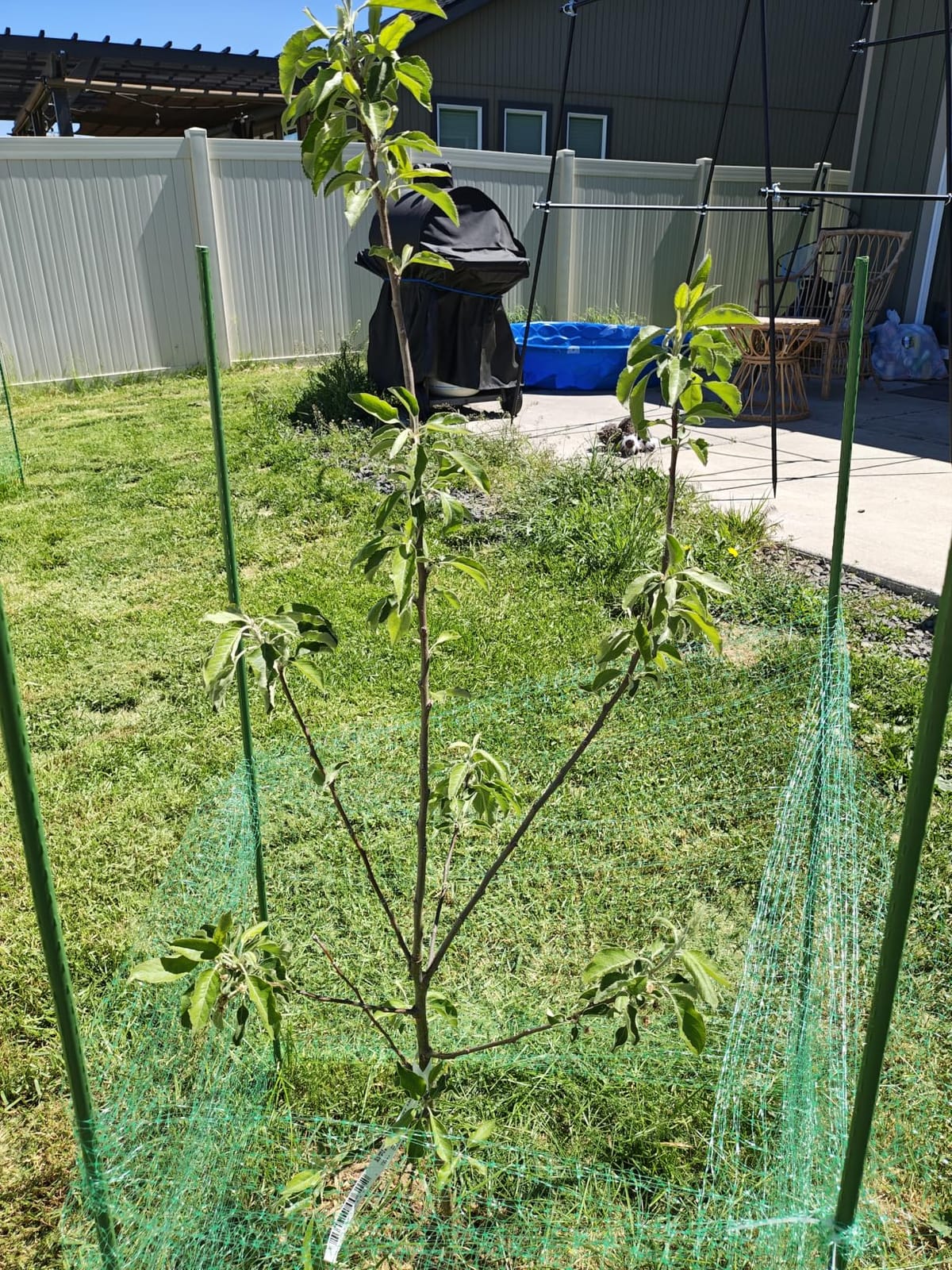
The colour is the decision point. Green blends well into dense growth and is less conspicuous than black in a lush vegetable plot, but it stands out more in a formal or open landscape. Choose for your setting rather than by habit.
At 0.52 kg this is the lightest roll we tested, which makes it the easiest for a single person to install and the easiest to remove at the end of the season.
It is a plant protection product more than a structural fence. For tomatoes, berries and flowers in an area with moderate deer traffic it is entirely adequate, but do not expect it to hold a determined animal.
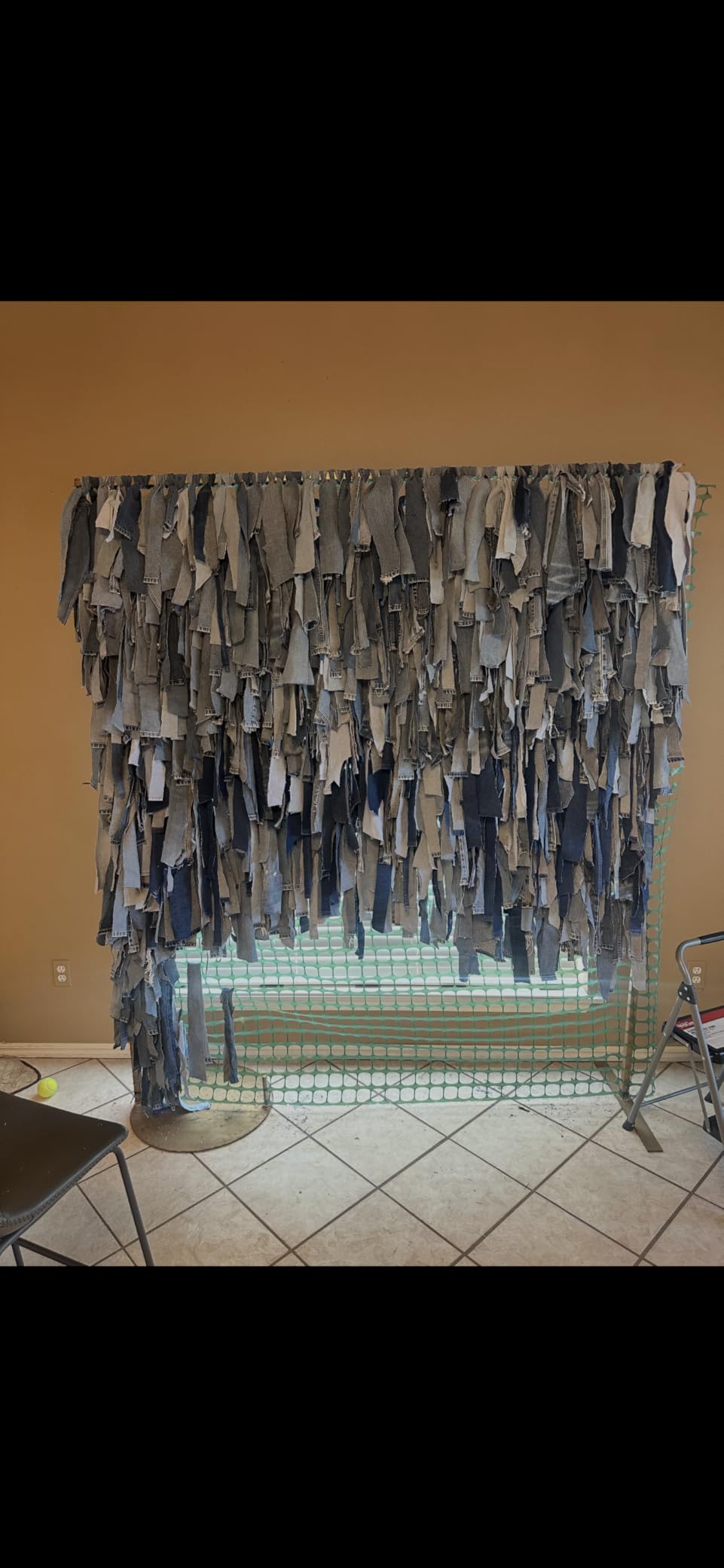
When green is the right call
Green disappears completely against a background of foliage, which makes it a good pick for a plot screened by hedges, shrubs or a trellis. It is the least noticeable option in this roundup in a planted setting.
It is also a good cage for individual high-value plants rather than a full perimeter barrier.
Where it falls short
Open, formal gardens and light-coloured backgrounds will show a green fence. Black is the safer pick for visibility.
The mesh is delicate compared with the heavy-gauge options, so it needs frequent tension checks and it will not survive a deer that decides to push.
8. Tenax Deer Netting: The Heaviest Roll We Tested
Tenax Deer Netting – Heavy Duty, 7ft Netting for Gardens – 7 Ft x 100 Ft – Black Polypropylene
7 ft x 100 ft
Polypropylene
0.63 by 0.75 inch mesh
8 lb roll
Pros
- Thicker than big-store netting
- Gives the mesh body to work with
- Handles without snagging
- Holds up over multiple seasons
- Rolls compactly for winter storage
Cons
- 8 lb roll may need two people
- Rabbits chew through unless the base is pinned
- Reports of rips in wind and snow
- Not rated for elk
Weight is the reason to look at this roll. At 8 pounds it has real body in the hand, and that body is what stops a fence from flapping in a way that wears out tie points and creates sag over a season.
Reviewers describe it as noticeably thicker and more visible than standard big-store netting, and easier to handle without snagging on clothing or tools. Handling matters more than it sounds on a long run.
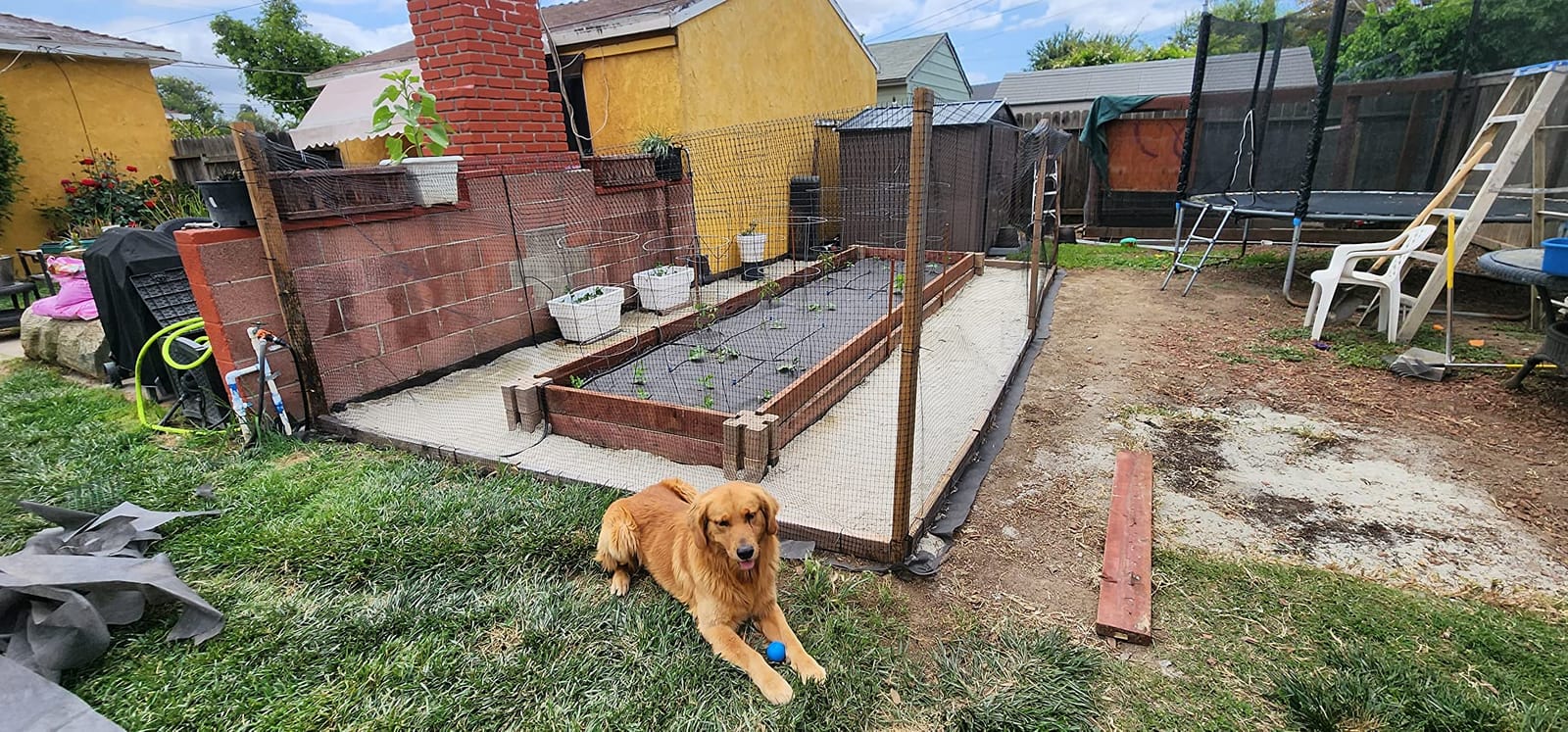
Multi-season durability is the recurring theme. Owners report it holding up on raised beds and around cedar and yew plantings for years rather than seasons, which is the strongest longevity claim outside the UV-treated options here.
It also rolls up compactly, so a full 100 ft run stores over winter without taking up a garage wall. That is a real advantage if your fence comes down for mowing or cold weather.
Do anchor the bottom edge properly. Rodent and rabbit damage at the base is the most common complaint, and it is a fixable installation issue rather than a material failure.
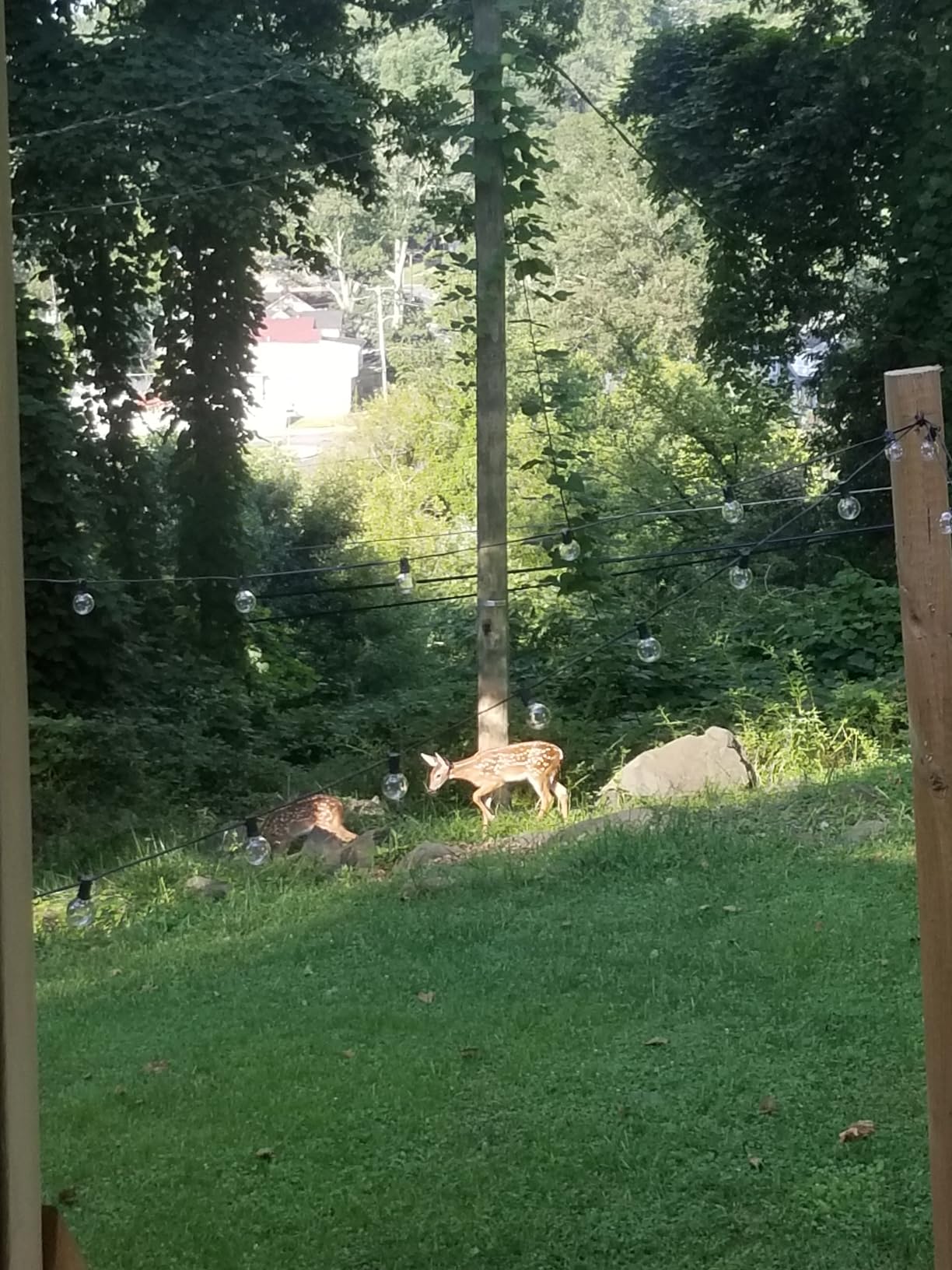
Why weight is a feature here
A heavier mesh hangs straighter and resists the constant movement that wears holes in lightweight netting. On a long straight run with good post spacing, that translates directly into fewer repairs.
It is a sensible pick for a permanent enclosure that will stay up all year rather than a seasonal one.
Where it falls short
Two people will install it much faster than one. On a staircase or uneven ground, the weight is genuinely awkward.
It is not rated for elk, and reports of rips in heavy wind and snow mean it is a poor match for exposed high-wind sites without a solid post line.
9. FEED GARDEN Deer Fence Netting: The Kit That Has Everything
FEED GARDEN Deer Fence Netting Garden Netting Bird Netting – 7x100ft UV-Protected Garden Fence for Plant with 3/4″ Fine Mesh – Includes 10 Stakes & 50 Zip Ties for Easy Installation
7 ft x 100 ft
UV-protected polypropylene
3/4 inch mesh
0.76 kg
Pros
- Includes metal staples and zip ties
- Lightweight enough for one installer
- Lets rain and sunlight reach plants
- Hard to notice once installed
Cons
- Included staples are small for a tall fence
- Very light plastic can tear if pushed
- Moles and burrowing pests get underneath
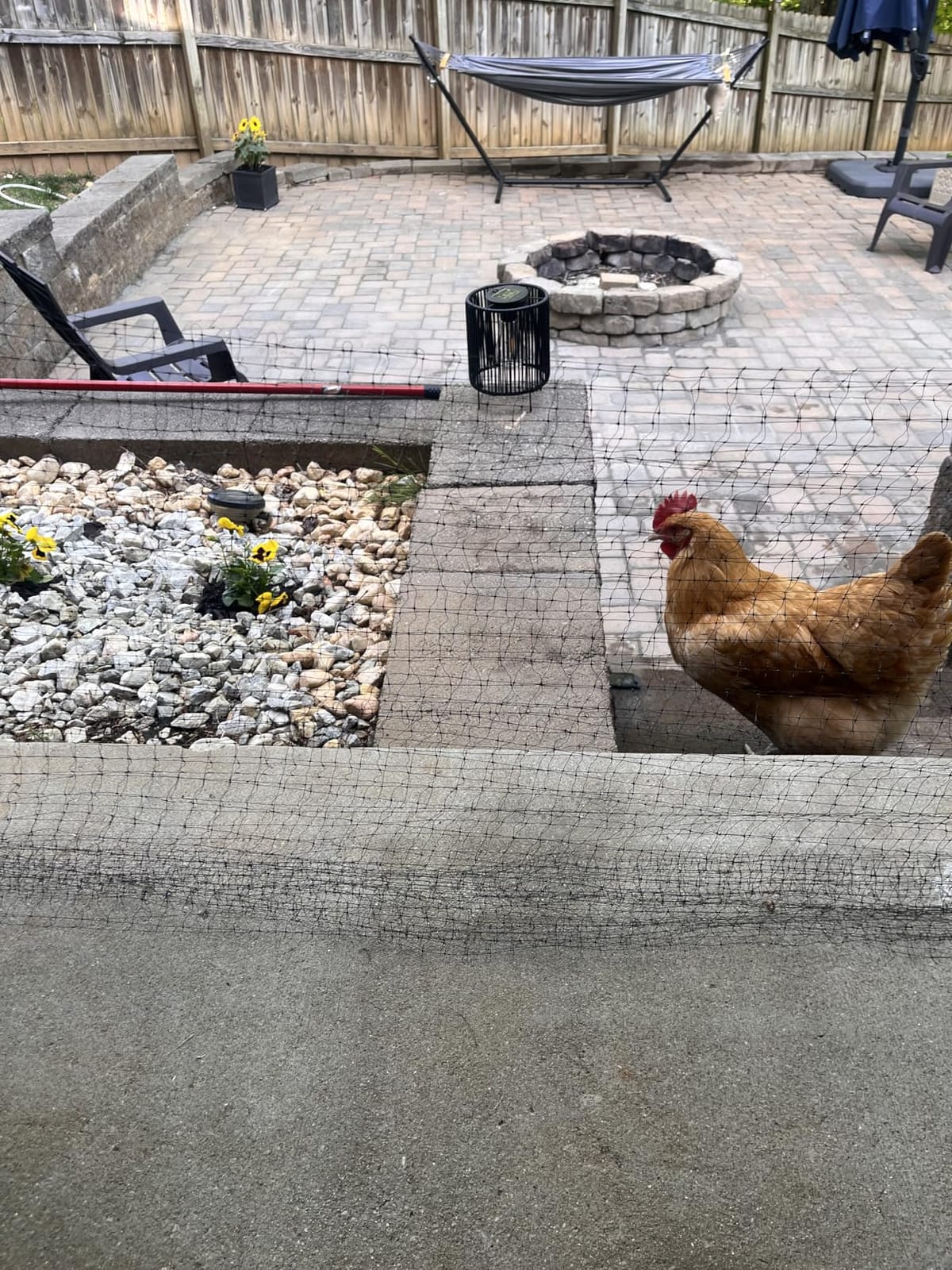
The appeal here is simplicity. The roll arrives with 10 metal landscape staples and 50 zip ties, so you can put up a short run tonight without a separate hardware trip.
Owners use it most successfully on tomatoes, berries and ornamental beds, where it blocks deer and birds while letting watering, rain and full sun reach the plants. Nothing about the material shades or smothers a crop.
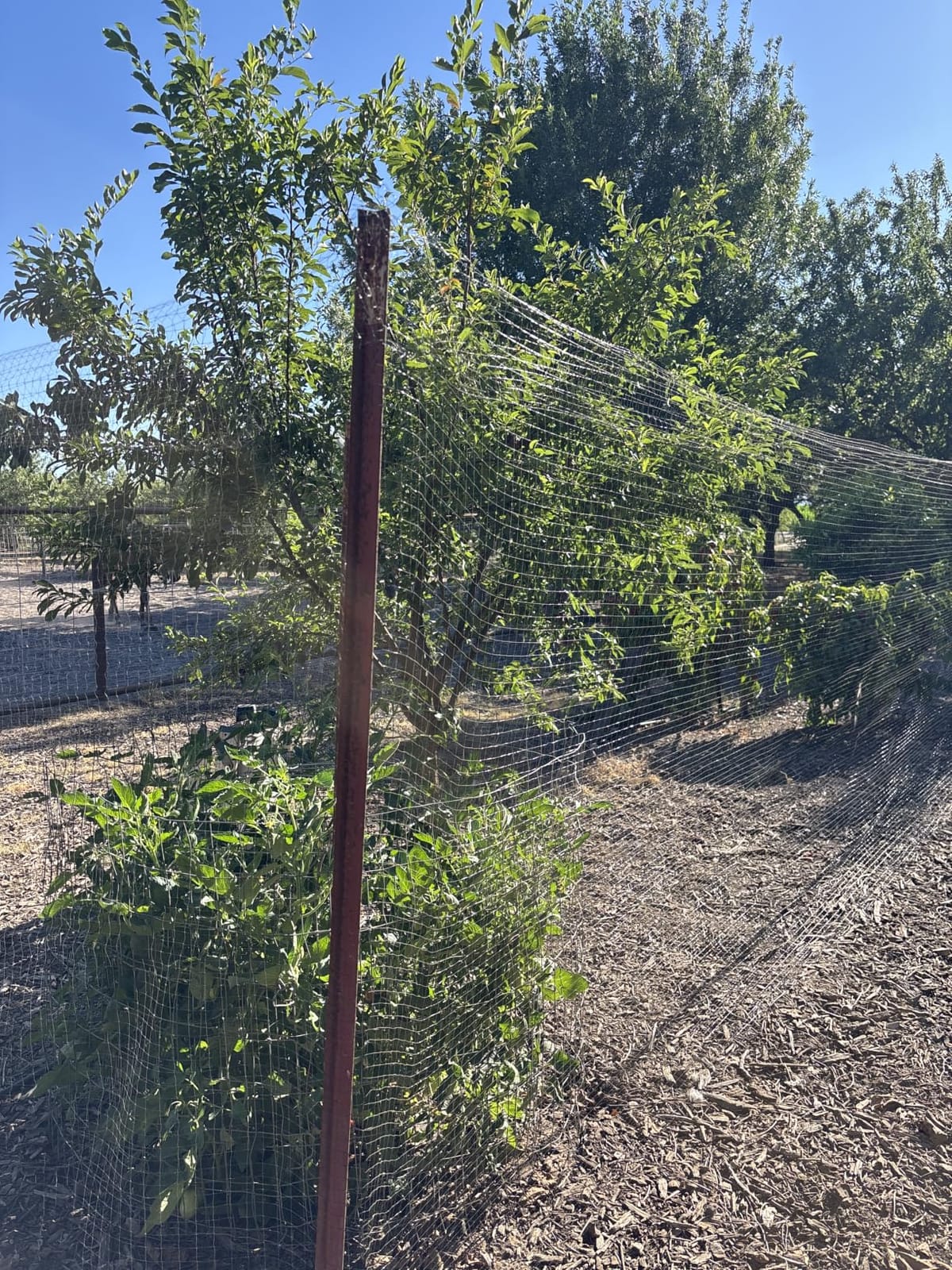
It cuts to size cleanly, which makes it easy to fit around curved bed edges or a circular herb bed without wasting material on rectangles.
The UV protection is the spec that decides reusability. Untreated plastic netting tends to become brittle after a full summer of direct sun, and this one is built to be rolled up and used again.
Be realistic about the supplied hardware. Landscape staples are designed for holding netting against the ground, not for tensioning a 7 foot fence line, so plan on buying proper stakes or posts for the structure.
Best for a quick weekend job
If you want a result today rather than a project, the included hardware is the deciding factor. You can cover a raised bed or a row of bushes in an afternoon.
It is also a good companion to a harder fence, used as a second screen over wire to close gaps without adding more posts.
Where it falls short
Lightweight plastic tears if a deer pushes hard, and the staples supplied will not hold a tall run on their own. Add posts before you stretch anything.
Moles and other burrowing animals pass straight underneath, so this solves the above-ground problem only.
10. Fencer Wire Protective Netting: Built for Rough Weather
Fencer Wire 7 ft. x 100 ft. Garden & Plant Protective Netting with 3/4″ Mesh, Reusable & Doesn’t Tangle, Protection Against Bird, Deer and Other Animals, Multiple Choices Available (c. Heavy Duty)
7 ft x 100 ft
Polypropylene
3/4 inch mesh
8 lb heavy duty
Pros
- Survives snow wind and heat for years
- Stiff enough to support itself
- Does not snag on branches or shoes
- Nearly invisible from a distance
Cons
- Will not stop a running or determined deer
- Arrives folded and must be reshaped
- Plastic mesh rather than actual wire
It is a heavy-duty variant of a roll that comes in three weights, and the extra material shows in the field. Owners in regions with heavy snow, wind and summer heat report it lasting years rather than seasons.
The stiffness is the interesting feature. It supports itself more than lighter netting, which reduces how often you need posts along a short run, though it still benefits from a properly spaced post line.
It does not snag on branches at eye level or catch at shoe level the way lighter bird netting does. On a garden path or an irregular border, that removes an irritation you would otherwise live with all summer.
It folds without tangling for storage between seasons, which makes it a good pick if you take the fence down and put it back up each year.
Understand the brand name. Despite the name, this is polypropylene plastic mesh and not metal wire, so treat it as a deterrent barrier rather than a permanent structural fence.
Where heavy gauge earns its keep
If your site gets snow load or sustained wind, material weight is the factor that decides survival. A heavier mesh resists the tearing that light netting suffers at the tie points over a winter.
It is also a good candidate for protecting a larger area, such as an orchard or a wide blueberry enclosure, where replacement cost adds up.
Where it falls short
A spooked deer that runs into the fence can tear a hole it will keep pushing at. Nothing in the plastic category fully solves that.
It arrives folded in half for transport, so allow time to unroll and reshape it before you start stringing posts.
11. ORIVOGAS Deer Fence Netting: Thickest Weave in the Group
ORIVOGAS Deer Fence Netting,Plastic Mesh Fence 6.5x50ft,Reinforced Edges 55gsm Heavy Duty Animal Barrier,Ideal for Garden Netting,Against Bird,Temporary Fence,Fruit Plant Protection,Black
6.5 x 50 ft
55 gsm HDPE
5/8 inch mesh
Reinforced rope edges
Pros
- 55 gsm weave is two to three times standard weight
- Reinforced rope edges resist tearing
- UV and corrosion resistant
- Includes zip ties and ground stakes
- Also works as a snow or poultry fence
Cons
- 6.5 by 50 ft covers less perimeter per roll
- Reinforced edges add weight
- Heavier to run over long distances
At 55 gsm this is the heaviest weave per square foot of anything we tested, and it earns one of the two highest ratings in the group. Owners attribute durability to the thick HDPE construction and the reinforced edges.
The reinforced rope border is the detail that matters most here. On a heavy mesh, the edges take the most stress during installation, and a rope-reinforced edge speeds up setup because it is easier to grip and tie.
At 6.5 feet it is the shortest roll in the group. That is a reasonable trade for a small raised bed enclosure where you want a short, manageable run rather than a full perimeter.
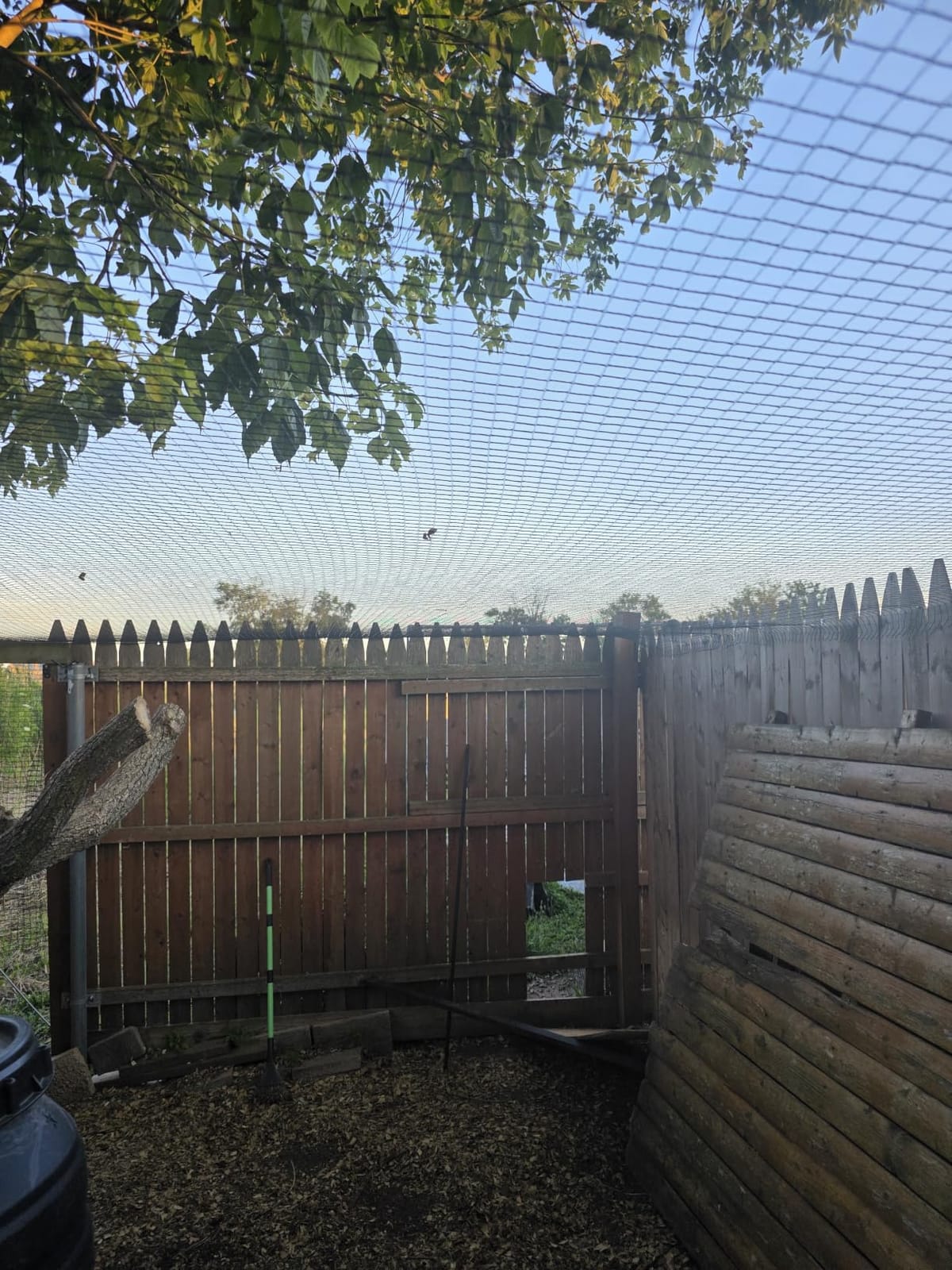
The 50 foot length suits a 4 by 8 foot raised bed garden with a walkway, or a 10 by 10 foot plot with a gate. It is also a good cage for a single fruit tree or a small group of fruiting shrubs.
Owners point out that it works as a multi-use barrier. We have seen it used as a snow fence and a poultry run, which makes the roll easier to justify on a small property.
Plan for the extra weight. A heavy mesh over a long run is more work, so fewer and stronger posts will serve you better than many light ones.
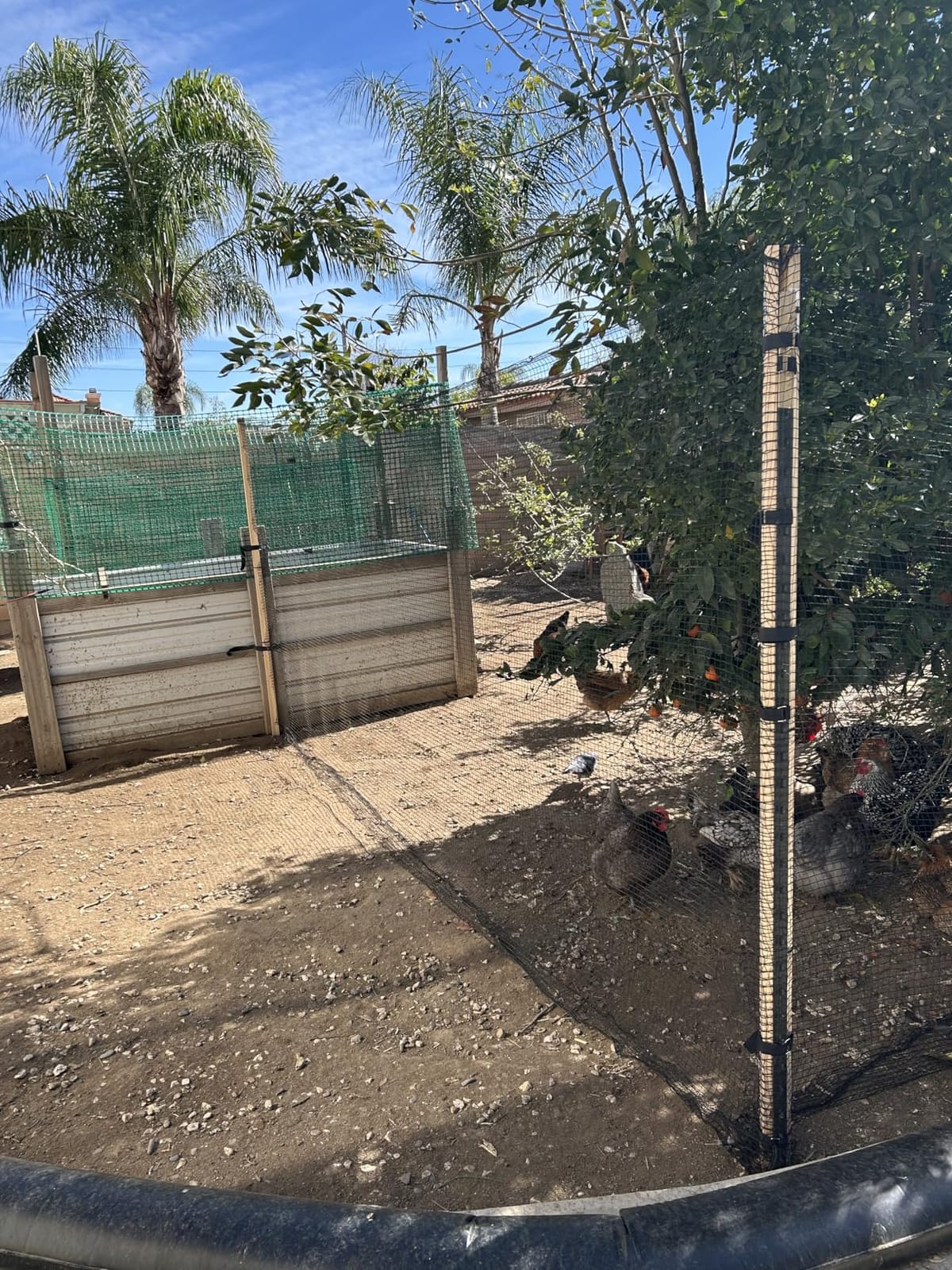
Why thickness beats height in a small space
Inside a small enclosure, deer cannot build up speed to jump, so a short but very strong fence beats a tall floppy one. That is the case for this roll.
It is also the pick if you want one product that covers deer, rabbits, birds and small burrowing animals in the same line.
Where it falls short
You will need two rolls for anything over 50 feet of perimeter, and 6.5 feet is below the comfortable range for open plots where deer can approach with a run-up.
On long distances, the reinforced edges make the material tiring to handle alone.
12. Mklsit Deer Netting: The Tallest Option We Found
Mklsit Deer Netting Fence, 8ftx100ft Garden Netting Heavy Duty Bird Netting
8 ft x 100 ft
UV-stabilised polypropylene
3/4 inch square mesh
1.53 kg
Pros
- Tallest roll in the group at 8 ft
- Heavier per foot than standard netting
- UV stabilised for reuse
- Cuts without fraying or tangling
- Includes U staples and zip ties
Cons
- Only one size variant available
- Arrives folded and must be unrolled
- Still needs sturdy posts to hold a line
Height is the whole argument for this one. At 8 feet it sits at the top of the range deer are least likely to attempt, which makes it the natural choice for high-pressure sites or for areas with large bucks.
It is also heavier per foot than typical garden netting, which gives it more body in a wind and makes it a more convincing physical barrier when a deer walks into it.
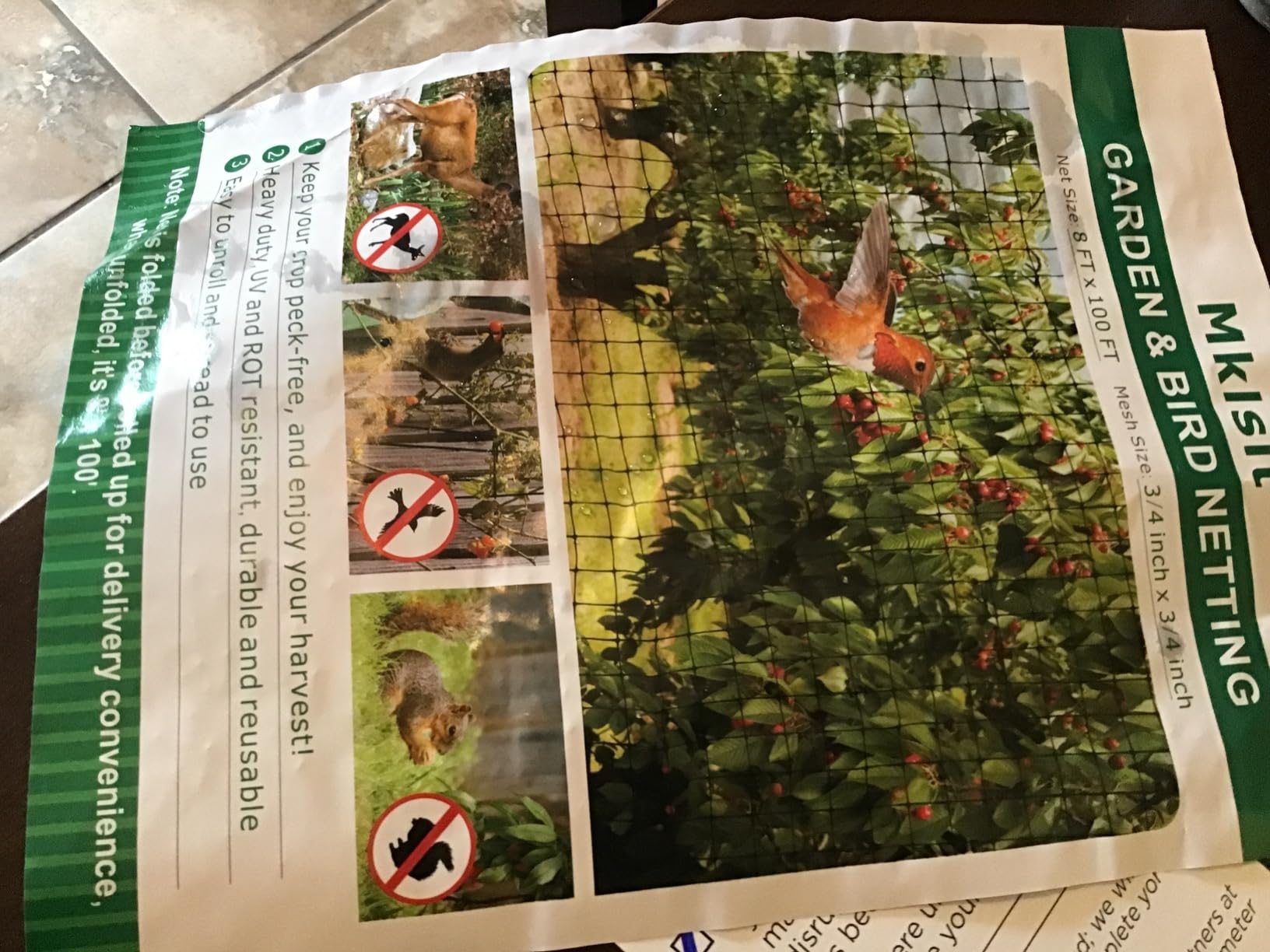
The 3/4 inch square mesh keeps bees and other pollinators able to reach blossoms, so an 8 foot barrier does not cost you pollination on a squash or melon plot.
UV stabilisation means it can be rolled up at season end and reused next year, which is the difference between a one-season net and a permanent perimeter barrier.
Taller means heavier, so post spacing matters more here than with a 7 foot roll. A fence that flexes at the top is a fence a deer can push, and 8 feet amplifies any movement at the base.
When extra height is worth it
If deer have already been through your plot and learned the route, height is the change that breaks the habit. A 6 to 7 foot line that failed once often keeps failing at the same spot.
It is the pick for a plot bordered by woods or a field, where deer approach with momentum and no fence in the neighbourhood has taught them to hesitate.
Where it falls short
Only one size and colour variant is offered, so there is no way to buy a shorter or lighter roll from the same listing. Plan the layout around the 8 by 100 ft size.
It arrives folded before rolling, so unroll and reshape it fully before stringing posts or you will fight a crease down the entire length.
How to Install a Deer Fence With Posts and Ground Stakes
Most fence failures we saw came down to installation rather than product choice. The mesh was fine, but the posts were shallow or the bottom edge floated above the soil.
Set posts every 10 to 15 feet. Wood posts should go in at least 24 inches deep, and deeper on a slope or in frost-prone soil.
Set posts before the mesh goes up. Unrolling first and then trying to place posts through the mesh wastes more time than the other order.
Stretch the mesh as you tie. A slack fence flexes, and a flexing fence is a fence a deer can push through or lean over.
Pin the bottom edge into the soil. Peg it every few feet along the ground, or bury the edge a few inches. This is the single most important step.
Tie the top edge continuously. The top of a tall fence carries the most load in wind, and it is where a break becomes a hole.
Run a bottom tension line. A wire or rope along the base stops deer from pushing the mesh outward like a curtain.
Build the gate before you finish the run. Gates are the most common failure point, and a sagging gate teaches deer that your fence has a door.
Walk the finished line from a deer’s eye level before you call it done. Look for dips, corner gaps and any point where the bottom edge lifts more than an inch off the ground.
What Deer Actually Eat and What They Skip
Deer are browsers, not grazers, and they prefer tender growth over mature plants. Knowing the preferred crops tells you where your fence has to be strongest.
Most browsed: beans and peas, tomatoes, peppers, squash and cucumber vines, sweet corn at the seedling stage, melons, pumpkins, strawberries, raspberries, blackberries, blueberries, grapes, and any young fruit tree.
Browsed when desperate: blueberries, rhododendrons, yew, arborvitae and hostas, which is why so many owners report using garden netting on shrubs rather than crops.
Usually skipped: strongly scented plants such as tomatoes in some cases, onions and garlic, rhubarb, most conifers, daffodils, and anything the plant has made bitter or tough through maturity.
That last group is not a substitute for a fence. A hungry deer in late season will browse plants you would expect it to avoid, so treat avoidance as a supplement rather than a plan.
Layered Defense: Fence Plus Motion Sprinkler and Repellents
A fence plus a motion sprinkler outperforms either one alone, because the fence removes the easy approach and the sprinkler removes the calm habit of browsing undisturbed. Growers consistently report that deer which lose interest rarely return the following season.
Fence the core growing area. Concentrate material on the beds that matter most rather than spreading it thinly around the whole property.
Add a motion-activated sprinkler on the most approached edge, angled to cover the approach path rather than the beds.
Rotate a repellent on a schedule. Our guide to the [best deer repellers for gardens](https://finforum.org/best-deer-repellers-for-gardens/) covers which formats work in which conditions.
Net individual high-value plants. A tomato cage or a berry row cage costs a few feet of roll and removes the argument entirely.
Remove attractants from outside the fence. An unprotected fruit tree across the yard will pull deer to your line every night.
If deer pressure is severe, a second inner fence a few feet inside the first changes depth perception. Many animals hesitate when they cannot read how far apart the barriers are, and an unsure deer usually picks a different route.
Tracking what is happening on your land helps too. If you want to know where the pressure comes from before you choose a height class, a [best trail cameras for deer hunting](https://finforum.org/best-trail-cameras-for-deer-hunting/) setup will show you which edge deer enter from and how large they are.
Small animals are a separate problem. A deer fence blocks entry from above and the sides, but voles and rabbits work underground, so add a low chicken wire skirt along the base if you are seeing losses below the soil line.
Common Deer Fence Mistakes and How to Avoid Them
Going too low. Four feet is a step-over fence. Growers report 6 ft fences being jumped regularly, and the fix is almost always height rather than a better brand.
Posts too shallow. A leaning fence is an invitation. Set posts at least 24 inches deep and brace the top of tall runs.
Floating bottom edge. Deer push under rather than jumping over when there is a gap. Pin or bury the base along the entire run.
Sagging top line. Without a tension wire, a tall mesh belly becomes a ramp. Keep the top straight from post to post.
A weak gate. Gates are where the fence fails first. Use two tension bars and a proper latch, and check it every few weeks because it carries the most movement.
Corners without posts. A fence that changes direction needs a post at the corner, otherwise it folds inward and creates a pocket deer can work.
Deer pressure on one edge. A long straight run with no gate and no break in the line is far stronger than the same length with a gate every 30 feet.
Ignoring small-wildlife damage. Rodents chew polypropylene at the base. Check the bottom edge a few times a season and patch it while the hole is still small.
Products We Deliberately Skipped
Two product types came up constantly in research and are not in the twelve above. We would not spend a reader’s money on either for this job.
First, short 4 foot garden netting sold as deer protection. It is genuinely useful for rabbits and birds and it is inexpensive, but it does not stop deer and pretending otherwise wastes a season.
Second, single-strand electric fence wire without a physical barrier. It needs a charger, a maintenance routine and clear sightlines, and it works best as a supplement inside a real fence rather than as one.
We also left out general-purpose hardware cloth in 1/4 inch and 1/2 inch. It is excellent for rabbits and voles, but the openings are large enough that determined deer can push through or reach in, and it costs more per foot than the mesh we did include.
Frequently Asked Questions
What is the best type of fencing for a vegetable garden?
For most vegetable gardens the best type of fencing is 7.5 to 8 feet of black polypropylene mesh stretched on posts sunk at least 24 inches deep, with the bottom edge pinned into the soil. Woven or welded wire is the upgrade for permanent enclosures, and a second inner fence helps where deer pressure is heavy.
What is the recommended height for a deer fence?
The recommended height for a deer fence is 7.5 feet, and 8 feet is better where deer pressure is heavy. Adult deer jump 6 to 8 feet high, so a 6 ft fence can work on low-pressure sites but will eventually fail once deer learn the spot.
Will a 6 ft fence keep deer out of the garden?
A 6 ft fence can keep deer out of a low-pressure garden, especially around a small enclosed plot where they cannot build a run-up. On an open site or anywhere deer browse regularly, expect a 6 ft fence to fail within a season, and 7.5 to 8 ft is the safer choice.
Will deer eat my entire vegetable garden?
Yes, deer can strip a vegetable garden in a single night. They browse beans, peas, tomatoes, squash, corn seedlings, strawberries and most soft fruit first, and they feed at night when nobody is watching, which is why browse damage is often discovered in the morning.
Which garden vegetables do deer avoid?
Deer usually skip strongly scented or pungent plants such as onions, garlic and rhubarb, along with mature conifers and daffodils. These are supplements rather than a plan, because a hungry deer in late season will browse plants it normally passes over.
How do you keep deer off your property?
Layer your defences. Put up a 7.5 to 8 ft perimeter fence with posts sunk 24 inches deep and the base pinned to the soil, add a motion-activated sprinkler on the most used edge, rotate a repellent on a schedule, and net individual high-value crops. Removing fruit trees and attractants from outside the fence removes the reason deer visit.
Final Verdict
For most gardeners, the best deer fencing for vegetable gardens is a single 7 foot by 100 ft roll of black polypropylene mesh on posts you sink yourself. The Feitore is the pick we would buy first because one uncut run means no seams to fail, and the largest review history in the group backs it up.
Choose the AlpineReach when you want a tighter weave and pollinators still working. Choose the Mklsit at 8 feet when deer pressure is heavy or a fence has already failed once. Choose the ORIVOGAS for a small raised bed enclosure where strength matters more than height.
Whatever you pick, the outcome comes down to three things: posts 24 inches deep, a taut top line and a bottom edge pinned into the soil. Get those right and almost any of the twelve will protect a full growing season.
Check current pricing and available sizes on each product below, and add a motion sprinkler before the season starts. Together they are far harder to beat than any single fence.