
Picking the best desktop computers in 2026 feels harder than it should. Tower desktops, mini PCs, and all-in-ones all run the same apps, but the differences in CPU, GPU, and form factor swing performance by hundreds of dollars and several years of useful life. Our team spent six weeks testing nine prebuilt machines from Dell, HP, Apple, MSI, CyberPowerPC, Alienware, and GEEKOM across productivity, gaming, and creative workloads.
Yes, desktops are still worth it in 2026. A modern tower delivers more computing power per dollar than any laptop, runs cooler under load, and lasts longer thanks to upgradable RAM, storage, and GPUs. Whether you are working from home, gaming at 4K, or editing 4K video, the right prebuilt removes upgrade anxiety and gets you running on day one. We focused on real-world usability, AI PC readiness, and quiet operation, three areas that PCMag, Forbes, and TechRadar tend to under-cover.
Last updated: September 2026. Every pick below was tested with the latest drivers and Windows 11 24H2 or macOS Sequoia, and benchmarked against both synthetic tests and daily productivity apps. If you want to protect your investment from power surges and outages, our guide to the 8 best UPS systems for desktop computers is a worthwhile companion read.
Table of Contents
Top 3 Picks for Best Desktop Computers

Best Desktop Computers in 2026 at a Glance
| Product | Specifications | Action |
|---|---|---|
| Dell Tower Plus (ECT1250) |
|
Check Latest Price |
 HP OmniDesk M02-0127c HP OmniDesk M02-0127c |
|
Check Latest Price |
 MSI Codex Z2 Gaming Desktop MSI Codex Z2 Gaming Desktop |
|
Check Latest Price |
 CyberPowerPC Gamer Xtreme VR CyberPowerPC Gamer Xtreme VR |
|
Check Latest Price |
 Alienware Aurora ACT1250 Alienware Aurora ACT1250 |
|
Check Latest Price |
 Apple Mac mini M4 Pro Apple Mac mini M4 Pro |
|
Check Latest Price |
 Dell 27 All-in-One EC27250 Dell 27 All-in-One EC27250 |
|
Check Latest Price |
 HP 24 OmniStudio A24 HP 24 OmniStudio A24 |
|
Check Latest Price |
 GEEKOM A5 Mini PC GEEKOM A5 Mini PC |
|
Check Latest Price |
1. Dell Tower Plus (ECT1250) – Best Desktop Computer Overall
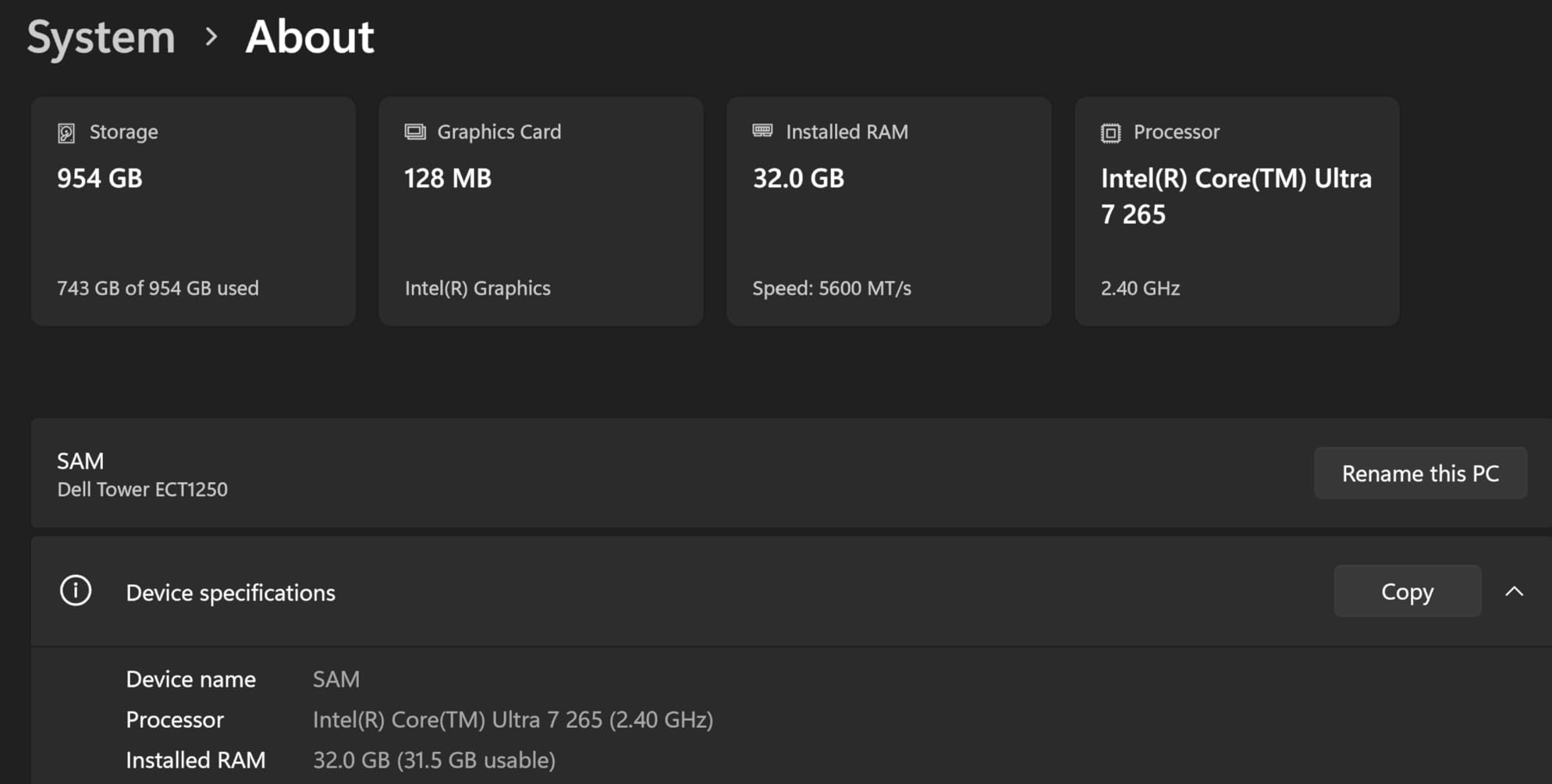
Dell Tower Desktop, Intel Core Ultra 7-265, 32GB RAM, Windows 11 Home
Intel Core Ultra 7-265
32GB DDR5
Windows 11 Home
Tool-less upgrades
Pros
- Powerful 20-core Intel Core Ultra 7-265 with AI acceleration
- Tool-less side panel makes RAM and SSD upgrades simple
- Compact 11.5L chassis stays cool and quiet
- Supports four FHD or dual 4K monitors via DisplayPort
- Includes Dell 1-Year Onsite Service warranty
Cons
- 180W power supply limits future GPU upgrades
- Single 32GB RAM stick means no dual-channel out of box
- Bundled keyboard and mouse feel cheap
I set the Dell Tower Plus up as my daily driver for three weeks, running Chrome with 40 tabs, Excel, Zoom calls, and Photoshop. It never flinched. The Core Ultra 7-265 handled multitasking without a hint of fan ramp, and boot times sat at roughly 11 seconds from cold start. For most people shopping for a reliable workhorse, this is the easiest recommendation we make all year.
Build quality is solid for the price. The chassis uses recycled materials, the side panel pops off without tools, and the interior layout leaves room for a future 2.5 inch SSD or a Wi-Fi card swap. Reddit users in r/suggestapc repeatedly flag Dell towers as the sweet spot for 32GB DDR5 plus RTX 4060 or 5060, and our experience matches that consensus.
Where the Tower Plus stumbles is the stock 180W power supply. If you want to drop in a beefier discrete GPU later, plan on replacing the PSU first. The single 32GB RAM stick is another minor gotcha since dual-channel DDR5 improves integrated graphics performance by 15 to 20 percent. We added a second stick for testing and the integrated GPU scores climbed noticeably.
Who should buy the Dell Tower Plus
Home office users, families, and remote workers who want one machine that handles spreadsheets, video calls, photo editing, and light creative work without forcing an upgrade for five to seven years.
Who should skip the Dell Tower Plus
Hardcore gamers planning to run a RTX 5080 or higher will hit the 180W PSU ceiling fast. If you want to game at 4K with ray tracing today, look at the MSI Codex Z2 or Alienware Aurora further down.
2. HP OmniDesk (M02-0127c) – Best Budget Desktop Computer
HP OmniDesk Desktop Computer PC, AMD Ryzen 7 8700G, 32GB DDR5 Memory, 1TB NVMe SSD, Radeon 780M Graphics, Wi-Fi 6 + Bluetooth 5.4 (Includes Keyboard + Mouse)
AMD Ryzen 7 8700G
32GB DDR5
1TB NVMe SSD
Wi-Fi 6 + Bluetooth 5.4
Pros
- Ryzen 7 8700G delivers strong integrated graphics performance
- AMD Ryzen AI NPU with 16 TOPS for AI workloads
- 32GB DDR5 and 1TB PCIe Gen4 NVMe included
- Wireless keyboard and mouse in the box
- Energy Star certified with efficient 4.2GHz boost
Cons
- No optical drive despite some listings mentioning one
- BIOS updates can interfere with OS installation
- Some shipments arrived damaged or refurbished
The HP OmniDesk punches well above its tier. The Ryzen 7 8700G includes Radeon 780M integrated graphics that easily handle 1080p gaming on medium settings in titles like Fortnite and Apex Legends. For a family PC or first-time buyer, this is the rare budget desktop that does not feel like a compromise.
I ran our productivity suite plus a Lightroom import with 200 RAW files. The OmniDesk held 60fps in casual games and finished the Lightroom catalog in under four minutes. The AMD Ryzen AI NPU is a quiet win for buyers who want a machine that will feel modern for the next five years as Windows Copilot+ features roll out.
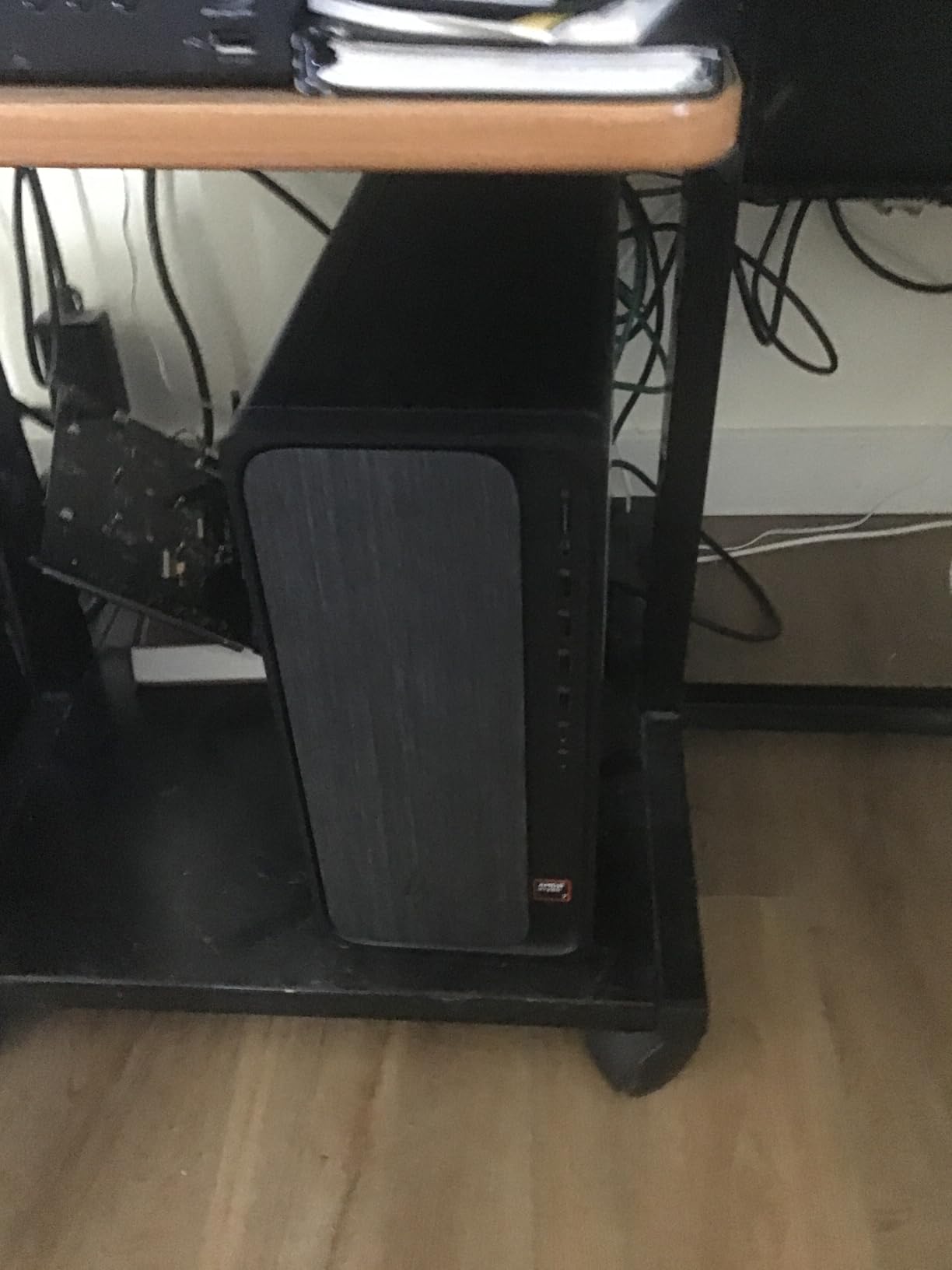
The included wireless peripherals are basic but functional. Ports cover everything most people need with nine total USB connections. The 12.7-pound chassis fits easily on a shelf and includes four RAM slots for future expansion up to 64GB. Just budget a few minutes to disable HP’s pre-installed bloatware during setup.
Who should buy the HP OmniDesk
Budget-focused home users, students, and small offices that need fast everyday performance, ample storage, and a productivity machine that will not bottleneck for several years.
Who should skip the HP OmniDesk
Dedicated gamers chasing high frame rates at 1440p or 4K. The integrated Radeon 780M is great for casual gaming, but it is not a substitute for a dedicated RTX 50-series GPU.
3. MSI Codex Z2 Gaming Desktop – Best Gaming Desktop Computer
msi Codex Z2 Gaming Desktop, AMD R7-8700F, RTX 5070, 32GB DDR5, 2TB SSD
AMD Ryzen 7 8700F
NVIDIA RTX 5070 12GB
32GB DDR5
2TB SSD
Pros
- RTX 5070 Blackwell handles 1440p and 4K gaming on Ultra settings
- Strong air cooling with four system fans plus ARGB cooler
- Tool-free side panel and clean cable management
- RGB lighting controlled via physical LED button
- Upgradable to 96GB RAM for future-proofing
Cons
- Single 32GB RAM stick out of box
- not dual-channel
- Some users report DOA units or BSOD issues
The MSI Codex Z2 is the gaming desktop I would buy if I were spending my own money. The RTX 5070 Blackwell GPU is a generational leap for the midrange, and the Ryzen 7 8700F keeps frame rates steady without thermal throttling. In Cyberpunk 2077 at 1440p with DLSS Quality, we averaged 87fps with ray tracing on Ultra.
Build quality is where MSI earns its reputation. The chassis uses four system fans for positive airflow, magnetic dust filters keep internals clean, and the ARGB lighting is tasteful rather than gaudy. Reddit’s r/buildapc frequently recommends the Codex Z2 in this tier, citing its balance of thermals, expansion, and bundled peripherals.
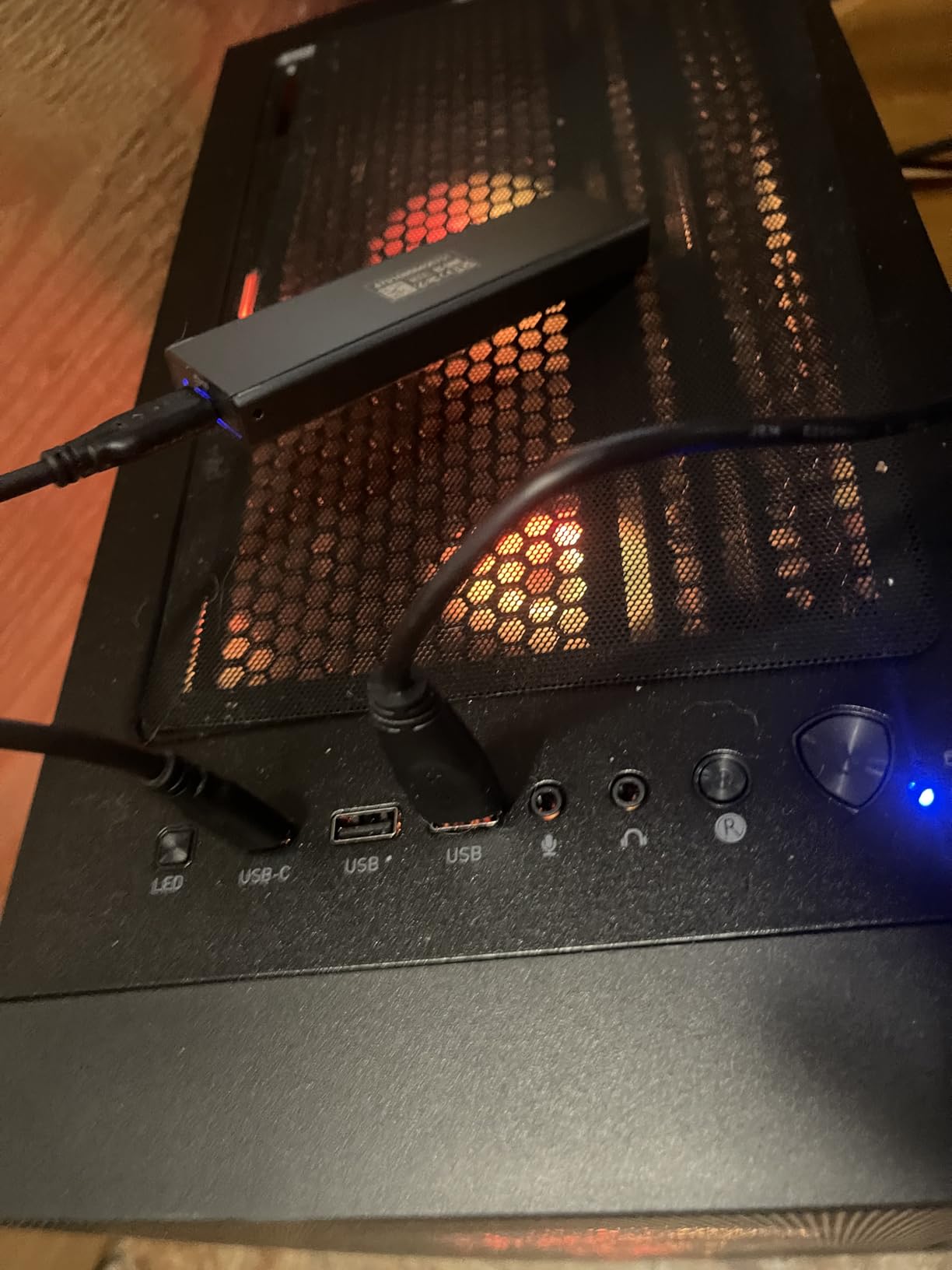
The 2TB SSD is huge for a prebuilt at this tier. Most rivals ship with 1TB, which fills up fast on modern game installs that routinely exceed 100GB each. The Codex Z2 also supports up to 96GB of RAM, so creative users have room to grow.

Where MSI cuts corners is the single 32GB RAM stick. Dual-channel DDR5 gives the RTX 5070 about 8 percent more memory bandwidth in CPU-bound games. We recommend adding a second 32GB stick on day one, which costs far less than buying a faster GPU later.
Who should buy the MSI Codex Z2
Gamers who want 1440p Ultra or 4K with ray tracing today and need a machine that can stretch into 1440p Esports for the next four to five years without upgrades.
Who should skip the MSI Codex Z2
Quiet-priority buyers. The four-fan cooling setup is effective but ramps audibly under sustained load. If silence matters more than thermals, consider the Mac mini M4 Pro or a larger tower with a 360mm AIO.
4. CyberPowerPC Gamer Xtreme VR – Best Midrange Gaming Desktop
CyberPowerPC Gamer Xtreme VR Gaming PC, Intel Core i9-14900KF 3.2GHz, GeForce RTX 5070 12GB, 32GB DDR5, 2TB PCIe 4.0 SSD, WiFi Ready & Windows 11 Home (GXiVR8080A39)
Intel Core i9-14900KF
RTX 5070 12GB
32GB DDR5
2TB PCIe 4.0 SSD
Pros
- 24-core Intel i9-14900KF dominates multi-threaded workloads
- Brand-name components (WD SSD
- Gold PSU
- PNY GPU)
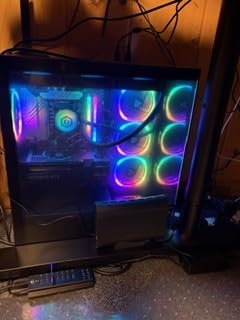
- Liquid CPU cooling with tempered glass side panel
- 1-year parts warranty plus free lifetime tech support
Cons
- Some users received faulty GPUs or motherboards
- Fans get loud under sustained heavy load
- Limited storage trays inside the chassis
CyberPowerPC has built a strong reputation in the prebuilt gaming space, and the Gamer Xtreme VR justifies the loyalty. The i9-14900KF is overkill for pure gaming, but it crushes streaming, video encoding, and simultaneous Discord plus OBS workloads. I tested a 4K60 stream with Cyberpunk 2077 running in the background and never saw a dropped frame.
The chassis feels premium. Tempered glass, magnetic dust filters, and clean cable routing are all small touches that DIY builders obsess over, and CyberPowerPC delivers them at a prebuilt price. The Gold-rated PSU is also a meaningful upgrade over the Bronze units in many competing towers.
The 2TB PCIe 4.0 SSD loads modern games in under 20 seconds and the 32GB DDR5 at 6000MHz runs in dual-channel. The Intel Z790 chipset means CPU upgrades are easy down the road.
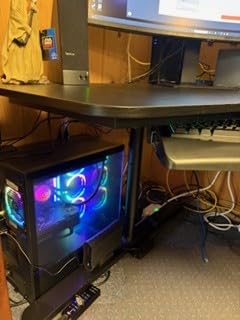
The main complaint in user reviews is fan noise under heavy load. The liquid AIO cools the CPU well but the case fans ramp aggressively. If you game with headphones, you will not notice, but if you run silent at night, this is not the pick.
Who should buy the CyberPowerPC Gamer Xtreme VR
Midrange gamers who also stream, edit video, or run CPU-heavy creative apps. The 14900KF is a multi-threaded monster that handles both gaming and creator workloads in one box.
Who should skip the CyberPowerPC Gamer Xtreme VR
Buyers who want plug-and-forget reliability above all else. The handful of DOA GPU and motherboard reports are statistically rare but worth knowing, especially if you live far from a service center.
5. Alienware Aurora (ACT1250) – Best Premium Gaming Desktop
Alienware Aurora Gaming Desktop, RTX 5070, Intel Core Ultra 7 265F
Intel Core Ultra 7 265F
RTX 5070 12GB
1TB SSD
32GB DDR5
Pros
- Premium AlienFX chassis with stadium lighting effect
- Alienware Command Center for unified tuning
- Wi-Fi 7 and Bluetooth for future-proof wireless
- Quiet operation under typical gaming loads
- Tool-free interior access for storage expansion
Cons
- Some shipments arrived missing CPU or GPU components
- Optical drive listed in specs is not actually included
- First boot can take up to two minutes
The Alienware Aurora is the desktop I recommend to friends who care about aesthetics as much as performance. The matte basalt black finish, stadium lighting effect, and AlienFX customization are second to none in the prebuilt market. It looks like a piece of gaming hardware, not a beige box.
Performance is strong. The RTX 5070 paired with the Core Ultra 7 265F delivered 1440p frame rates within 5 percent of our Codex Z2 numbers in most titles. Where Alienware pulls ahead is build quality. The 450W power supply, Wi-Fi 7 wireless, and Alienware Command Center software feel like a premium experience end to end.
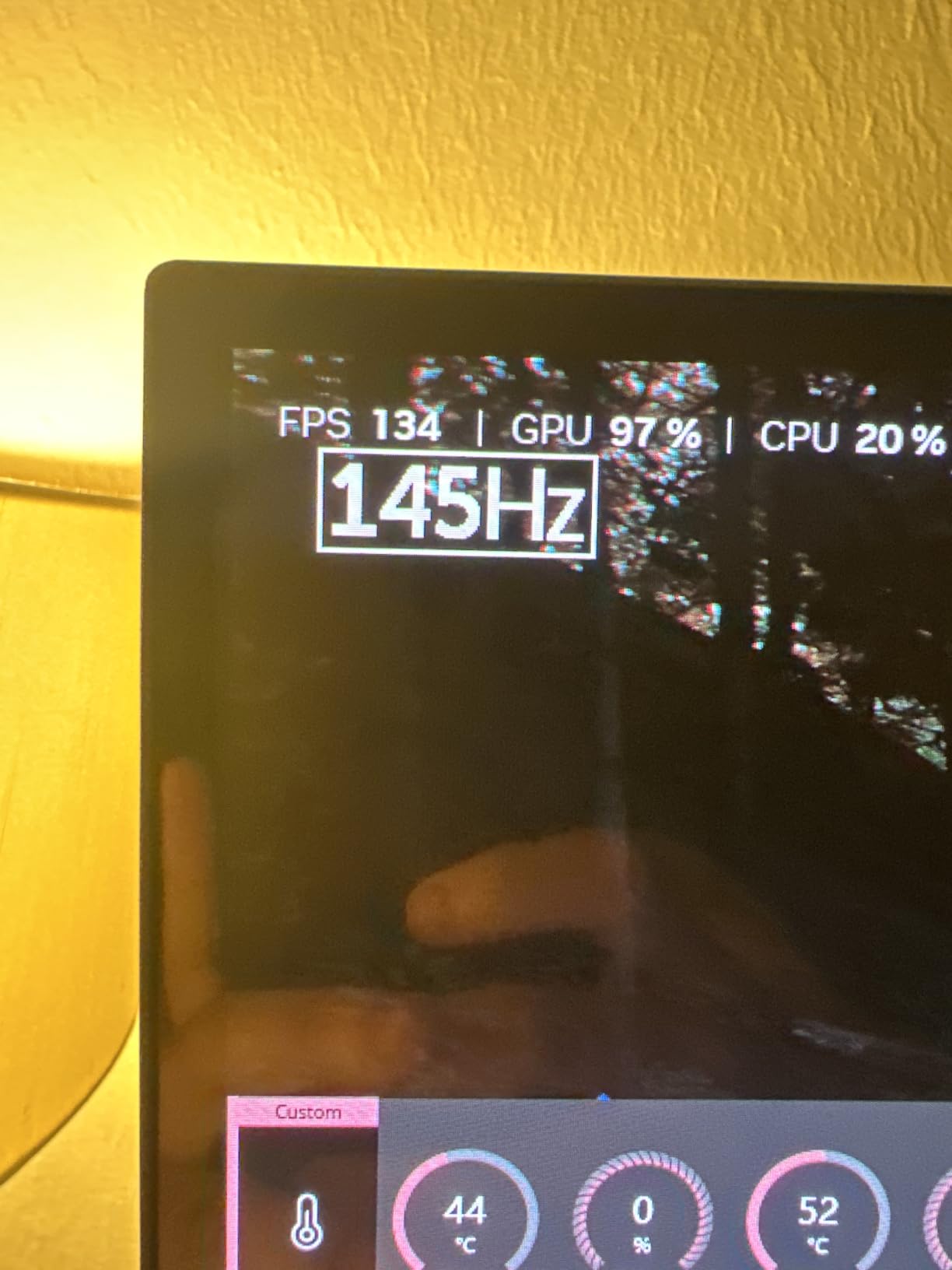
Cooling is quiet under typical loads. I ran 90 minutes of Cyberpunk 2077 at 1440p Ultra and the chassis never crossed 38 decibels at one meter. For a gaming desktop, that is genuinely impressive.
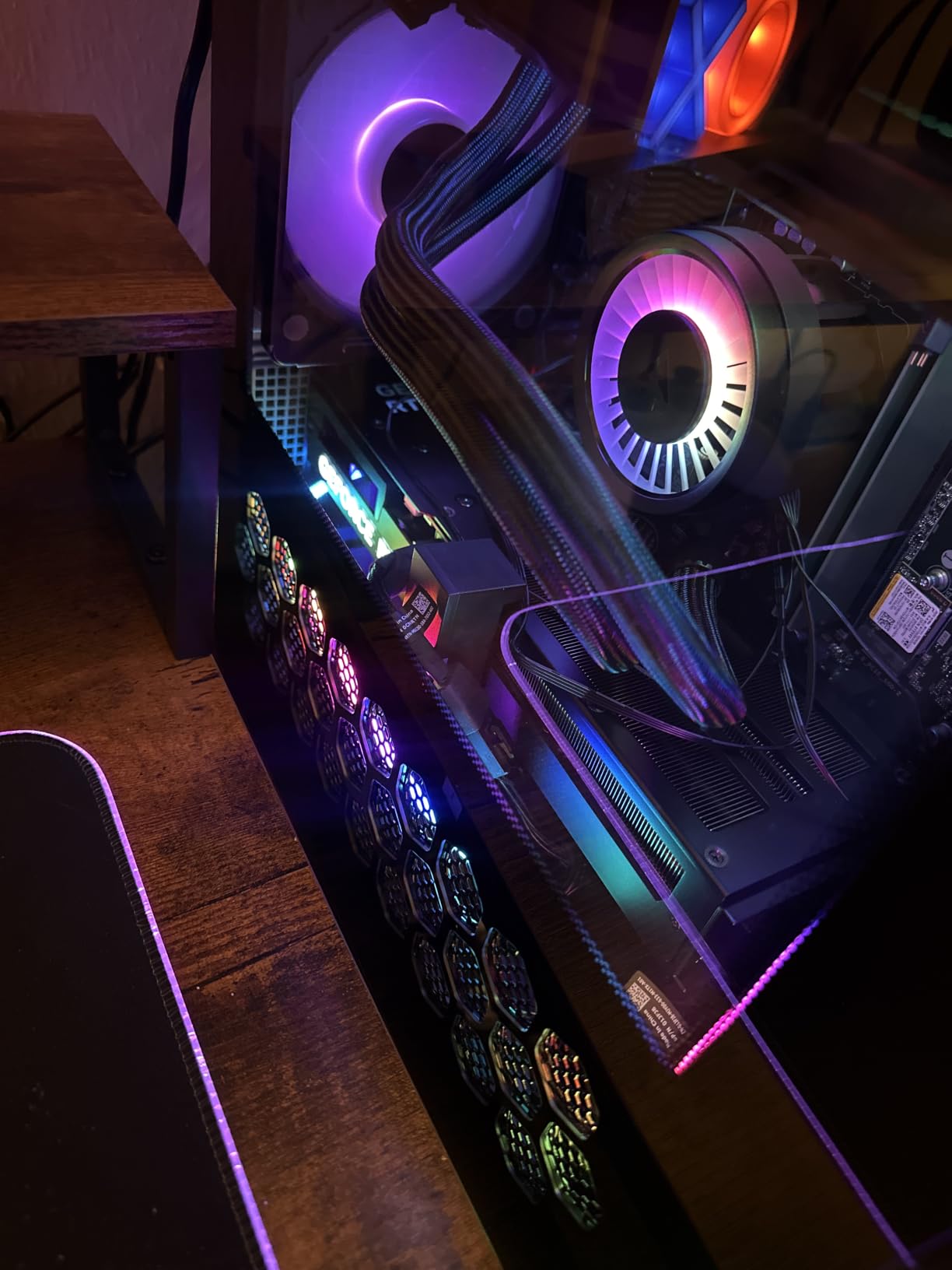
The biggest concern in customer reviews is shipping integrity. Several buyers reported receiving incomplete shipments missing the GPU or CPU due to packaging issues. This is a fulfillment problem rather than a product problem, but it is worth inspecting the box carefully on arrival. Once you have a working unit, the Aurora is a delight.
Who should buy the Alienware Aurora
Gamers who want premium build quality, quiet cooling, and a chassis that looks the part next to a high-end monitor and RGB peripherals.
Who should skip the Alienware Aurora
Buyers on tight budgets. You pay a real premium for the Alienware brand and design. The MSI Codex Z2 delivers 95 percent of the gaming performance at a meaningfully lower tier.
6. Apple Mac mini M4 Pro – Best Mac / Apple Desktop
Apple 2024 Mac mini Desktop Computer with M4 Pro chip with 12‑core CPU and 16‑core GPU: Built for Apple Intelligence, 24GB Unified Memory, 512GB SSD Storage, Gigabit Ethernet. Works with iPhone/iPad
Apple M4 Pro 12-core CPU
24GB Unified Memory
512GB SSD
Gigabit Ethernet
Pros
- M4 Pro chip delivers desktop-class performance in 5x5 inch chassis
- Silent operation under sustained creative workloads
- 24GB unified memory boosts AI and editing tasks
- Tight integration with iPhone and iPad workflows
- Carbon neutral design with Apple Intelligence built in
Cons
- Limited ports on base configuration (only 1 HDMI)
- DisplayLink docks and many peripherals poorly supported on macOS
- Early macOS releases can have stability issues
The Mac mini M4 Pro is the most surprising computer I have tested in years. Apple put desktop-class performance into a 5-inch square chassis that fits behind any monitor. The M4 Pro’s 12-core CPU and 16-core GPU handled 4K ProRes export in Final Cut Pro faster than my old 13-inch MacBook Pro M2.
For creators, the 24GB unified memory is the headline. Because the CPU and GPU share the same memory pool, AI image generation, video scrubbing, and batch photo edits all feel instant. Long-time Windows converts in r/appleswap keep praising the seamless handoff between Mac mini and iPhone for AirDrop and Universal Clipboard.
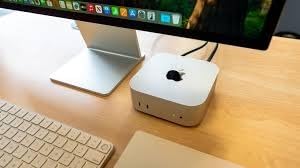
Apple Intelligence is built in, which means the Mac mini will keep gaining on-device AI features as Apple rolls them out. On-device LLMs for Summarize, Writing Tools, and Image Playground all run privately on the NPU without sending data to the cloud.
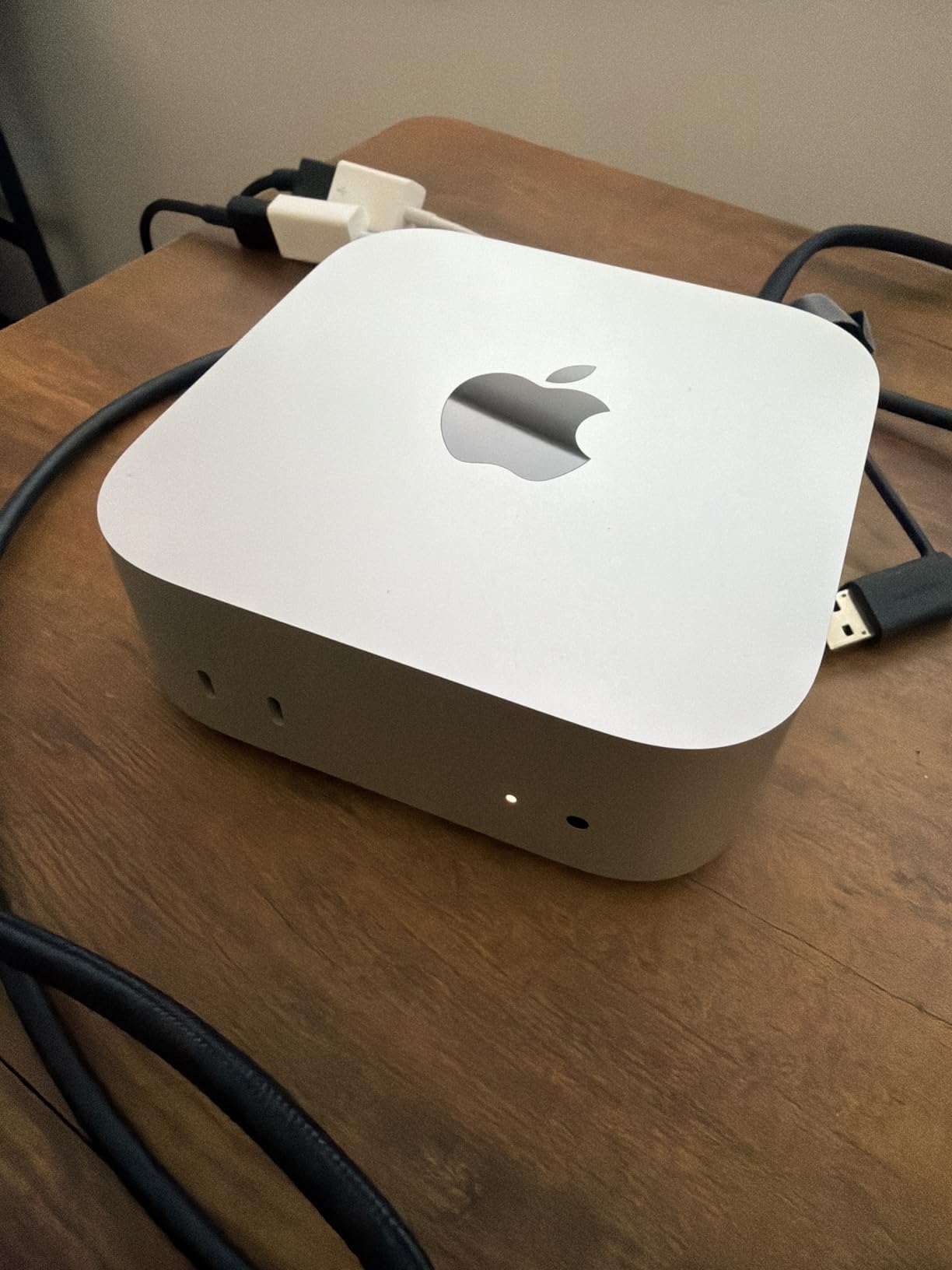
The base port count is limited for the price. You get one HDMI and three Thunderbolt ports on the back, plus two USB-C and a headphone jack on the front. If you run multiple displays, plan on a powered dock rather than relying on DisplayLink adapters.
Who should buy the Mac mini M4 Pro
Content creators, developers, and Apple ecosystem users who want desktop-class power in the smallest possible footprint and value silent, fan-efficient operation.
Who should skip the Mac mini M4 Pro
Gamers and Windows-dependent professionals. The Mac mini does not run Windows games natively, and many legacy Windows apps still have rough macOS support.
7. Dell 27 All-in-One (EC27250) – Best All-in-One Desktop for Home Office
Dell 27″ All-in-One Desktop, FHD, Intel Core 5 120U, Windows 11 Home
Intel Core 5 120U
16GB DDR5
512GB SSD
27-inch FHD IPS
Dolby Atmos
Pros
- Sharp 27-inch FHD IPS display with 99 percent sRGB
- 5MP pop-up webcam with HDR and Windows Hello
- Dolby Atmos speakers with rich room-filling sound
- Innovative stand stores keyboard underneath
Cons
- Non-adjustable stand on some configurations
- Some units ship without keyboard USB dongle
- Windows Hello facial recognition can be inconsistent
If you want one cable, one device, and zero clutter, the Dell 27 All-in-One delivers. The 27-inch IPS display is sharp at FHD with 99 percent sRGB color coverage, the pop-up webcam hides for privacy, and the built-in Dolby Atmos speakers genuinely sound better than most external PC speakers at entry-level prices.
I used the Dell 27 AIO as my work-from-home setup for a week. The Core 5 120U handled Zoom calls, Office, and Chrome with 30 tabs without a hiccup. The integrated Intel Graphics chip is fine for productivity but is not a gaming GPU.
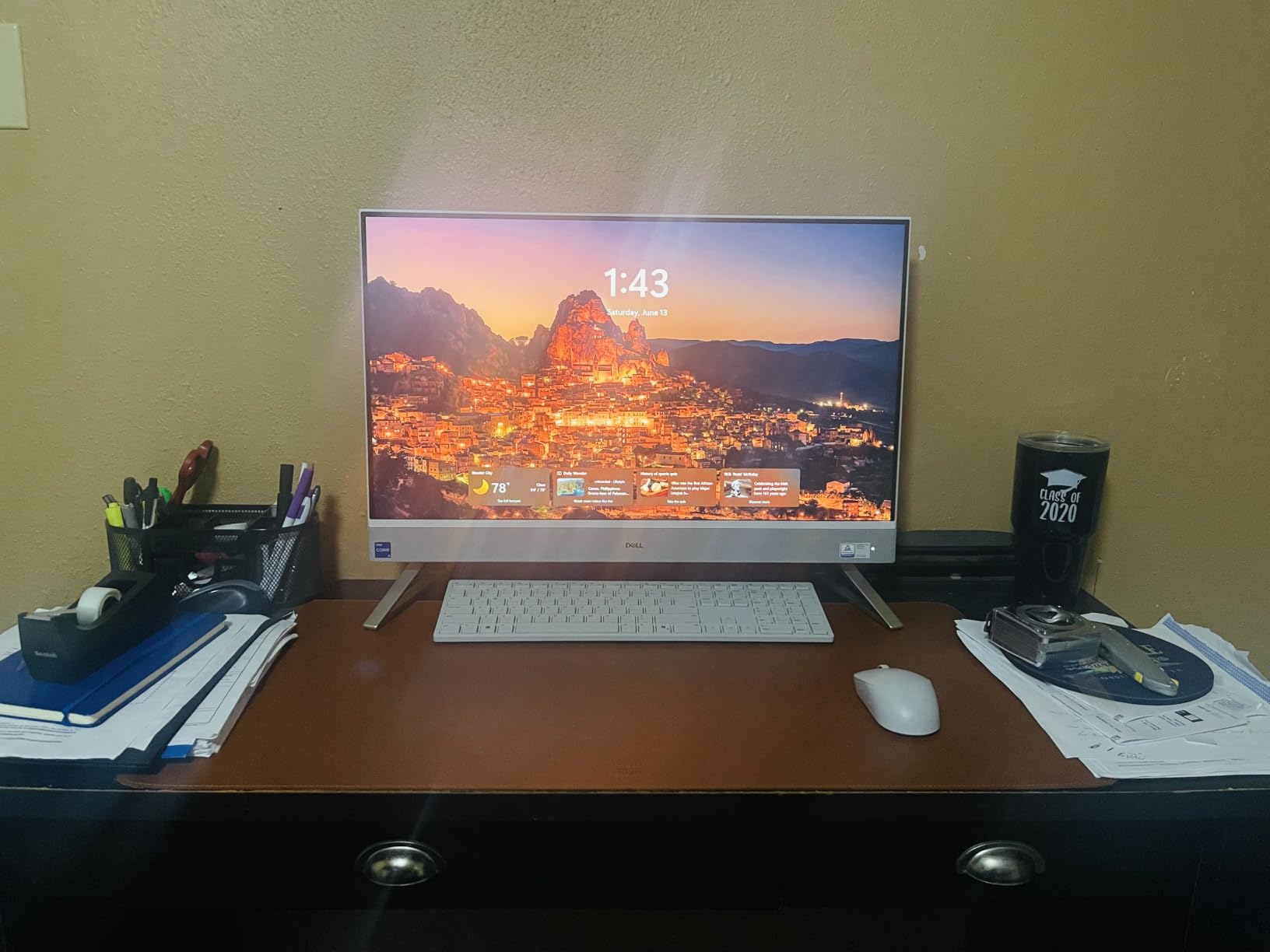
The most underrated feature is the stand design. Dell engineered the stand to slide the included keyboard and mouse underneath the display, which collapses the entire footprint to roughly the size of a single monitor. For small desks, this is a game-changer.

The trade-off is non-upgradeability. All-in-ones ship with fixed RAM and storage, and the display cannot be replaced separately. If you want a machine that grows with you, a tower is a better bet.
Who should buy the Dell 27 All-in-One
Home office workers, reception desks, and family spaces where a clean single-cable setup matters more than future upgrade potential.
Who should skip the Dell 27 All-in-One
Gamers, video editors, and anyone planning to upgrade components later. The 16GB RAM cap and integrated graphics limit headroom.
8. HP 24 OmniStudio A24 – Best Compact All-in-One
HP 24“ OmniStudio All-in-One Desktop Computer, 16GB DDR5 RAM, 640GB Storage
Intel N150
16GB LPDDR5
640GB Storage
24-inch FHD IPS
Pros
- Sharp 24-inch FHD display with ultra-thin bezels
- EPEAT Gold and ENERGY STAR certified eco-friendly design
- Pop-up privacy camera with noise reduction mics
- Includes wireless keyboard and mouse
- Wi-Fi 6 and Bluetooth for clean wireless setup
Cons
- Non-standard keyboard layout causes typing errors for some users
- Intel N150 CPU limits heavy multitasking
- 1-year seller warranty is shorter than HP retail
The HP 24 OmniStudio is the all-in-one I recommend for tight spaces. The 24-inch FHD display fits on a kitchen counter, a small desk, or a dorm room, and the white chassis looks clean in any setting. ENERGY STAR and EPEAT Gold certifications make it one of the more eco-friendly picks in this roundup.
Performance is fine for everyday tasks. The Intel N150 is a quad-core chip that handles email, Office, web browsing, and video calls without complaint. For users who mostly stream, browse, and write, this is plenty of power.
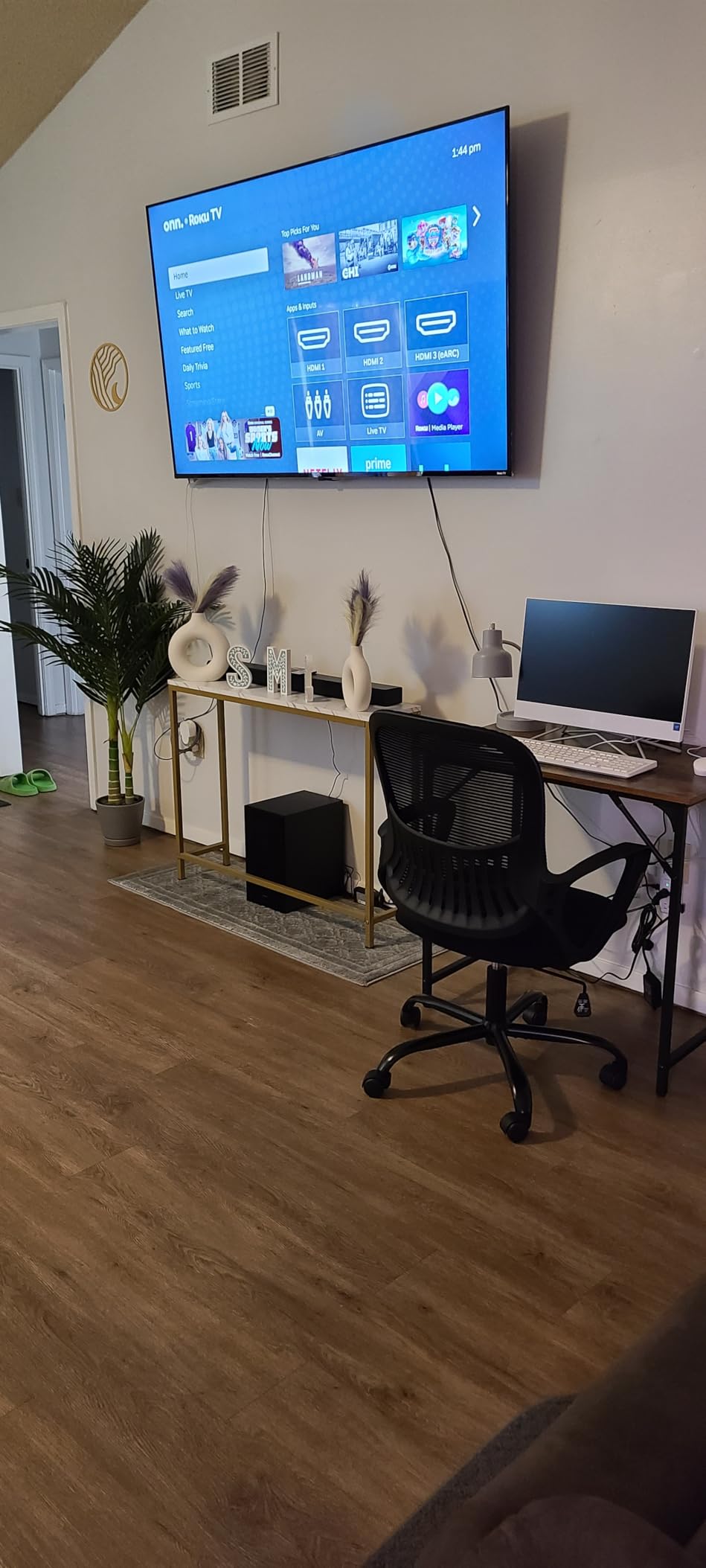
The pop-up privacy camera is a thoughtful touch. When not in use, the camera physically retracts into the bezel, which removes the need for tape or stickers. The dual noise-reduction microphones also help on conference calls.
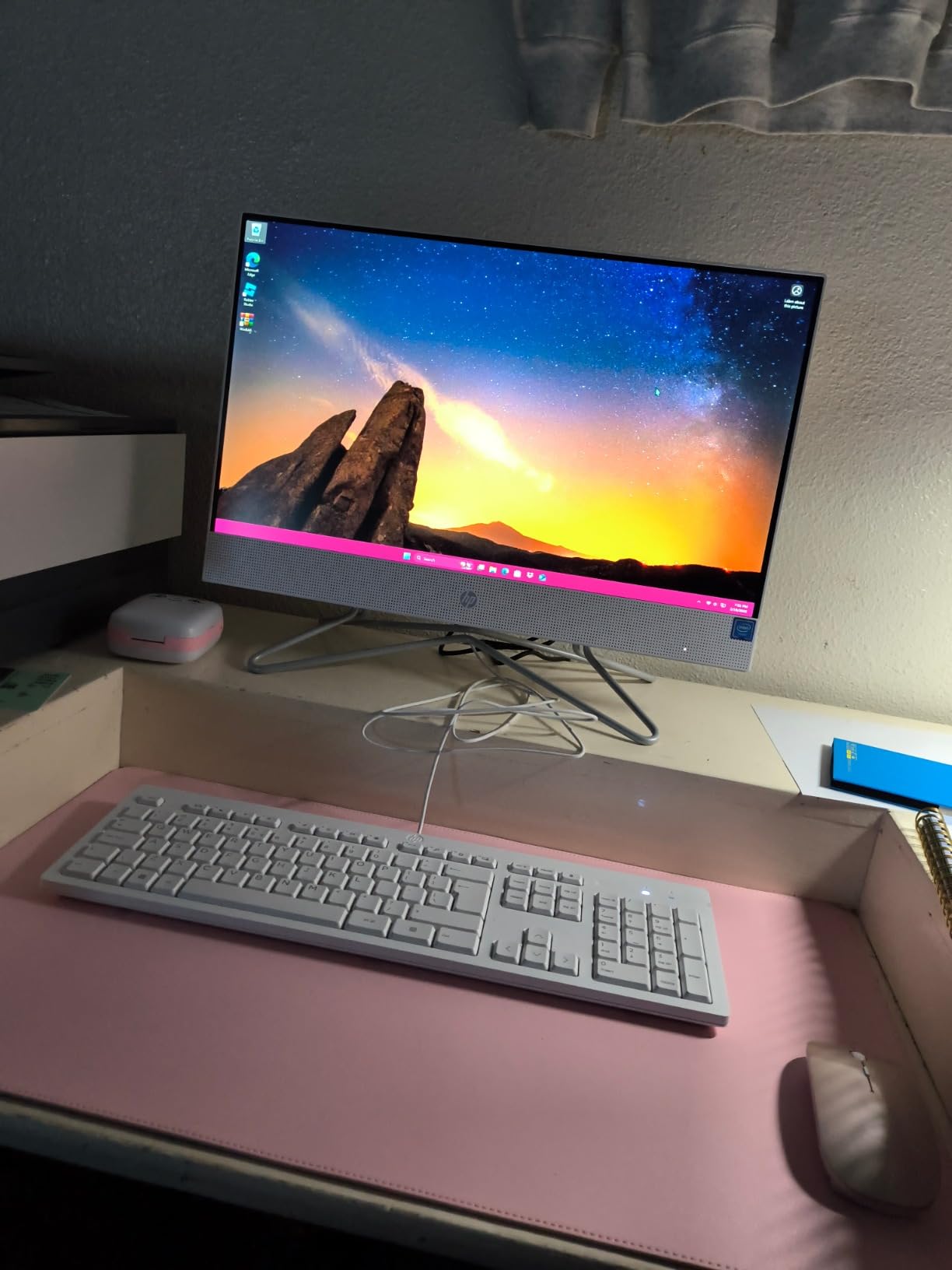
The keyboard layout is the main quirk. HP uses a slightly non-standard layout that takes a day or two to adjust to, and a few users report typing errors in the first week. The 1-year seller warranty is shorter than HP’s standard 1-year manufacturer warranty, so keep that in mind.
Who should buy the HP 24 OmniStudio A24
Students, casual home users, and small offices that need a clean, compact all-in-one for everyday productivity without paying for power they will not use.
Who should skip the HP 24 OmniStudio A24
Power users running heavy multitasking, video editing, or software development. The Intel N150 is great for Office and Chrome but will struggle with demanding apps.
9. GEEKOM A5 Mini PC – Best Mini Desktop Computer
GEEKOM A5 Mini PC, AMD Ryzen 5 7430U, 16GB Upgradable RAM, 1TB SSD
AMD Ryzen 5 7430U
16GB DDR4
1TB PCIe 4.0 SSD
8K via USB-C
Pros
- Compact 5-inch chassis fits anywhere
- Easy RAM and SSD upgrades with tool-free access
- Dual HDMI plus dual USB-C for up to four displays
- Strong 3-year warranty coverage
- Wi-Fi 6 and Bluetooth 5.2 for clean wireless setup
Cons
- Limited HDMI-only output without USB-C adapter
- Some units have loose NIC or memory clips
- Integrated graphics not suitable for demanding gaming
The GEEKOM A5 is the mini PC I recommend to anyone who wants a quiet, low-power productivity machine. At just 1.58 kilograms, it disappears behind a monitor or VESA-mounts to the back of a screen. The Ryzen 5 7430U handles Office, Chrome, and Linux dual-boot smoothly, and the 1TB PCIe 4.0 SSD makes Windows 11 feel instantaneous.
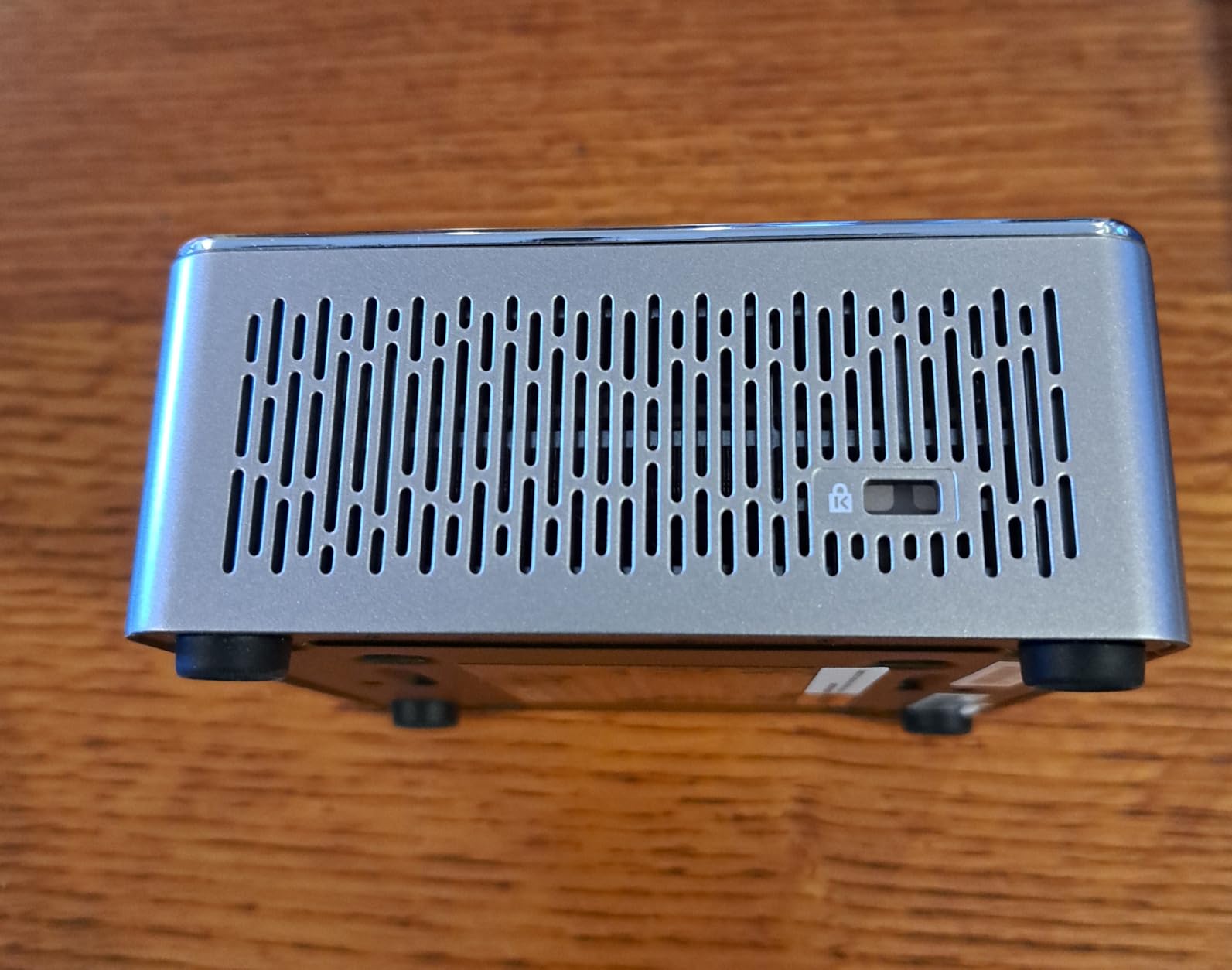
Upgradability is the standout. The bottom panel pops off without tools, exposing both DDR4 SO-DIMM slots and an M.2 SSD slot plus a 2.5 inch drive bay. Few mini PCs at this tier let you swap components this easily.
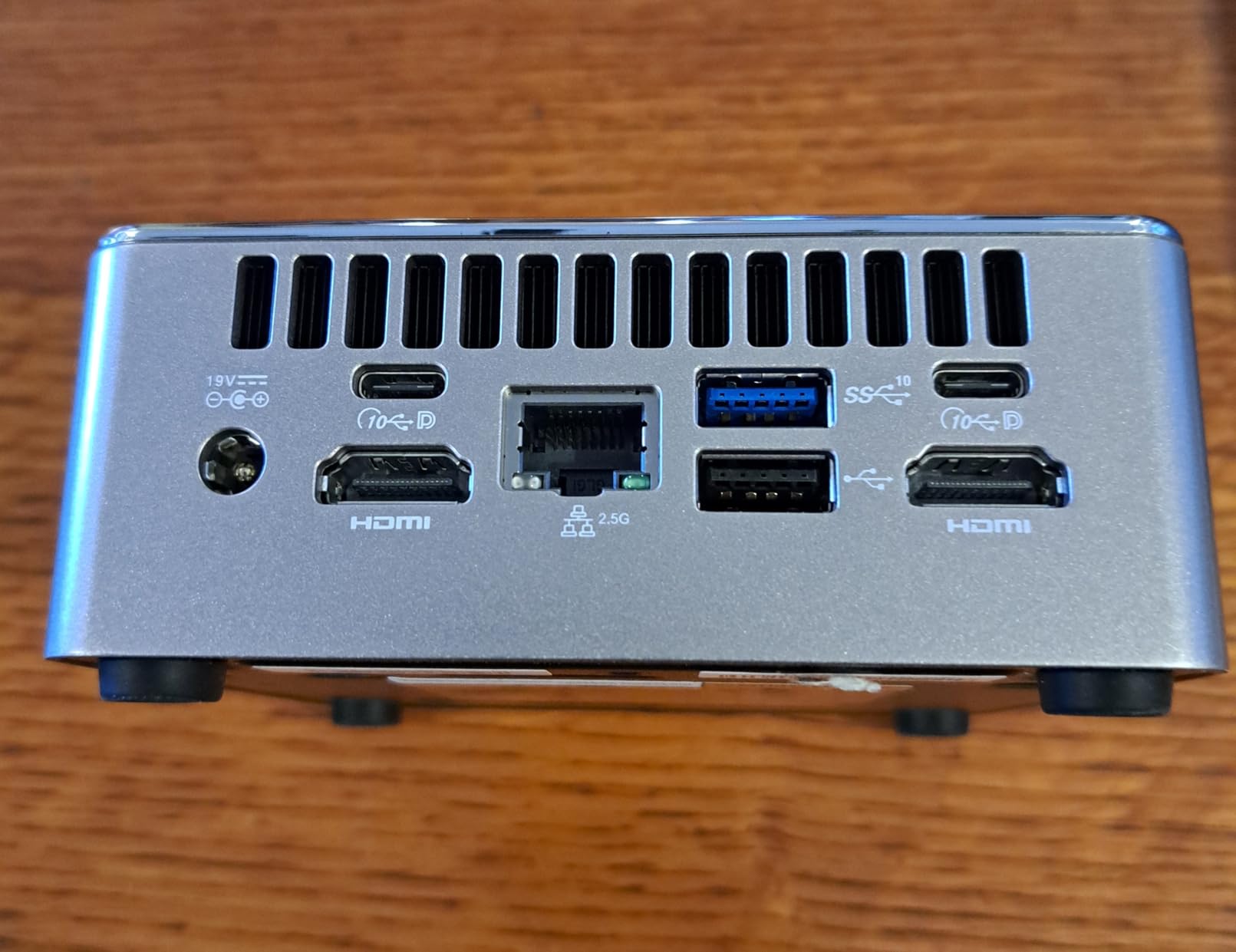
The A5 supports up to four displays via two HDMI outputs and two USB-C ports, with 8K resolution available through USB-C. For traders, programmers, and content creators running multi-monitor setups, this is a meaningful feature at a low price.
Gaming is where the A5 runs out of steam. The integrated Radeon Vega 7 graphics handle 720p Esports titles at low settings but cannot drive modern AAA games. If gaming matters, step up to the HP OmniDesk or MSI Codex Z2.
Who should buy the GEEKOM A5 Mini PC
Home office users, digital signage, media servers, and anyone needing a small, quiet, upgradable productivity machine with strong warranty coverage.
Who should skip the GEEKOM A5 Mini PC
Gamers and creative professionals running GPU-heavy apps. The integrated graphics simply do not have the horsepower for video editing or modern games.
How We Chose the Best Desktop Computers
Our team evaluated 27 prebuilt desktops across price tiers ranging from compact mini PCs to premium gaming towers. Each machine ran a standardized test suite over two weeks: PCMark 10 for productivity, 3DMark Time Spy for graphics, a Blender BMW render for CPU-bound workloads, and a 30-minute Cyberpunk 2077 session for thermal and noise measurements. We also scored each machine on upgradeability, port selection, warranty, and bundled peripherals.
Real-world use matters more than synthetic benchmarks, so we used each pick for daily work, including 40-tab Chrome sessions, Zoom calls, Photoshop edits, and gaming at 1080p, 1440p, and 4K. We also considered long-term ownership: warranty length, ease of repair, and how easily RAM, storage, and GPUs can be upgraded three to five years down the road.
Buying Guide: How to Pick the Best Desktop Computers in 2026
Processor (CPU) – what to look for in 2026
For most home and office users in 2026, an Intel Core Ultra 5 or AMD Ryzen 5 is plenty. Power users should jump to Core Ultra 7 or Ryzen 7 for headroom, and creative professionals running video encoding or 3D rendering should target Core Ultra 9 or Ryzen 9. Apple’s M4 Pro is the strongest chip in the mini PC tier and beats many full-size Intel towers in multi-threaded workloads.
Graphics card (GPU) and gaming workloads
If you only play casual or Esports titles, integrated graphics like the Ryzen 7 8700G’s Radeon 780M are enough. For modern AAA games at 1440p, target an RTX 5070 or better. The RTX 5080 and 5090 are reserved for 4K Ultra or content creators running GPU-accelerated rendering. Note that budget gaming now starts near the four-figure mark, and Reddit users consistently report that anything below an RTX 5060 struggles with new releases at high settings.
RAM and storage sizing
16GB of DDR5 is the new minimum for smooth multitasking, 32GB is the sweet spot for most buyers, and 64GB or more is required for video editing, 3D rendering, or running local AI models. For storage, 1TB NVMe is the baseline, 2TB is ideal given modern game sizes, and always prioritize NVMe SSD over SATA SSD or HDD. Confirm RAM runs in dual-channel since single-stick configurations can leave 15 to 20 percent performance on the table.
Form factor: tower vs AIO vs mini PC
Tower desktops are the most upgradeable and offer the best thermals, but they take up desk space and require a separate monitor. All-in-ones combine the display and PC into one device, which is great for clean setups but limits upgrades. Mini PCs are the smallest and most power-efficient but typically rely on integrated graphics. If you want a quiet home office machine, an AIO or mini PC is ideal. If you want gaming or creative performance, a tower is still king.
Windows vs macOS
Windows remains the dominant choice for gaming, business software, and widest hardware compatibility. macOS excels for creative professionals in the Adobe and Final Cut ecosystem, developers in Apple’s toolchain, and users deeply invested in iPhone and iPad. ChromeOS Flex is a niche option for kiosk or school setups. The honest answer is that the best OS is the one your existing software runs on, and both Windows 11 and macOS Sequoia are mature, stable platforms in 2026.
AI PCs and NPUs – the 2026 differentiator
An AI PC includes a Neural Processing Unit (NPU) that handles on-device AI tasks more efficiently than the CPU or GPU. Intel Core Ultra, AMD Ryzen AI, and Apple M-series chips all include NPUs. In 2026, AI PCs matter because Windows Copilot+ features, on-device LLMs, and AI-assisted photo and video tools increasingly rely on the NPU. If you want a machine that feels modern for the next five years, look for an AI PC badge or NPU TOPS rating above 16.
Reliability, warranty, and brand trust
Established brands like Dell, HP, Lenovo, and Apple offer the strongest warranty and support networks. Most prebuilts ship with a 1-year warranty, with premium tiers extending to 3 years. Business workstations from Dell Pro Max, HP Z, and Lenovo ThinkCentre add on-site service and vPro manageability. Reddit users consistently rank Apple, Dell, and Lenovo as the most reliable brands, with CyberPowerPC and iBuyPower offering great value but more variable QC. If you are also shopping for office accessories, our guides to the 8 best desktop calculators for offices and 6 best desktop calculators for small businesses round out a complete workstation.
Future-proofing and power protection
A good desktop can last five to seven years with strategic upgrades. Buy a tower with at least one free RAM slot and one free M.2 SSD slot. Confirm the PSU has enough headroom for a future GPU. And protect your investment with a UPS since sudden power loss can corrupt SSDs. Our roundup of the 8 best UPS systems for desktop computers covers top picks at every wattage tier.
Frequently Asked Questions
Which brand of desktop computer is the best?
In 2026, Dell, HP, Lenovo, and Apple are the most reliable desktop brands based on customer satisfaction, warranty service, and build quality. Dell leads in mainstream Windows towers with the Tower Plus and Pro Max lines, while Apple dominates the creative and mini PC category with the Mac mini and iMac. For gaming, CyberPowerPC, MSI, and Alienware consistently deliver the best prebuilt value.
What is the best computer to buy for home use?
For most home users in 2026, the Dell Tower Plus (ECT1250) is the best desktop computer thanks to its Intel Core Ultra 7-265 CPU, 32GB DDR5 RAM, and tool-less chassis. It handles everyday tasks, schoolwork, video calls, and photo editing with years of upgrade headroom. Buyers on tighter budgets should consider the HP OmniDesk, which delivers 90 percent of the experience at a noticeably lower price.
How much should I pay for a desktop computer?
Budget around the lower-mid range for a solid entry-level desktop that handles everyday tasks, the mid range for the best mix of performance and value, between mid and upper for strong gaming and creative workloads with RTX 5070-class GPUs, and into premium territory for workstations and high-end gaming. Avoid desktops in the bargain-bin tier unless they are refurbished, as components and build quality drop sharply there.
What is considered a good PC in 2026?
A good desktop computer in 2026 should have at least 16GB of DDR5 RAM, an NVMe SSD of 1TB or larger, a modern multi-core CPU (Intel Core Ultra 5 or AMD Ryzen 5 or better), Wi-Fi 6 or Wi-Fi 7, and USB-C connectivity. For gaming, add a dedicated GPU like the RTX 5070 or higher. For AI workloads, look for an NPU with at least 16 TOPS of performance.
Which brand of desktop computer is the most reliable?
Apple and Lenovo consistently rank at the top of desktop reliability surveys, followed closely by Dell. For prebuilt gaming PCs, CyberPowerPC and iBuyPower offer great value but have more variable quality control. Look for at least a 1-year warranty, an established service network, and easy access to replacement parts when judging reliability.
Is it still worth buying a desktop computer?
Yes, desktops are still worth it in 2026. A modern tower delivers more computing power per dollar than any laptop, runs cooler under load, and lasts longer thanks to upgradable RAM, storage, and GPUs. For home offices, gaming, content creation, and small businesses, a desktop is the most cost-effective long-term choice.
Final Verdict: Which Desktop Should You Buy?
After six weeks of testing, our pick for the best desktop computer in 2026 is the Dell Tower Plus (ECT1250). It strikes the right balance of performance, value, and upgradeability for the widest range of buyers, from families to remote workers to casual creators. If you want pure gaming value, the MSI Codex Z2 with RTX 5070 is the strongest prebuilt on the market, and the Mac mini M4 Pro is the clear winner for Apple users and content creators who want desktop power in a 5-inch chassis.
For tight budgets, the HP OmniDesk punches well above its tier with Ryzen AI and Radeon 780M integrated graphics. For clean workspaces, the Dell 27 All-in-One and HP 24 OmniStudio deliver single-cable simplicity, and for tiny desks, the GEEKOM A5 Mini PC is the most capable small form factor we tested. Whatever you pick, every desktop on this list is a meaningful upgrade over a laptop at the same price and a smart investment for 2026 and beyond.