
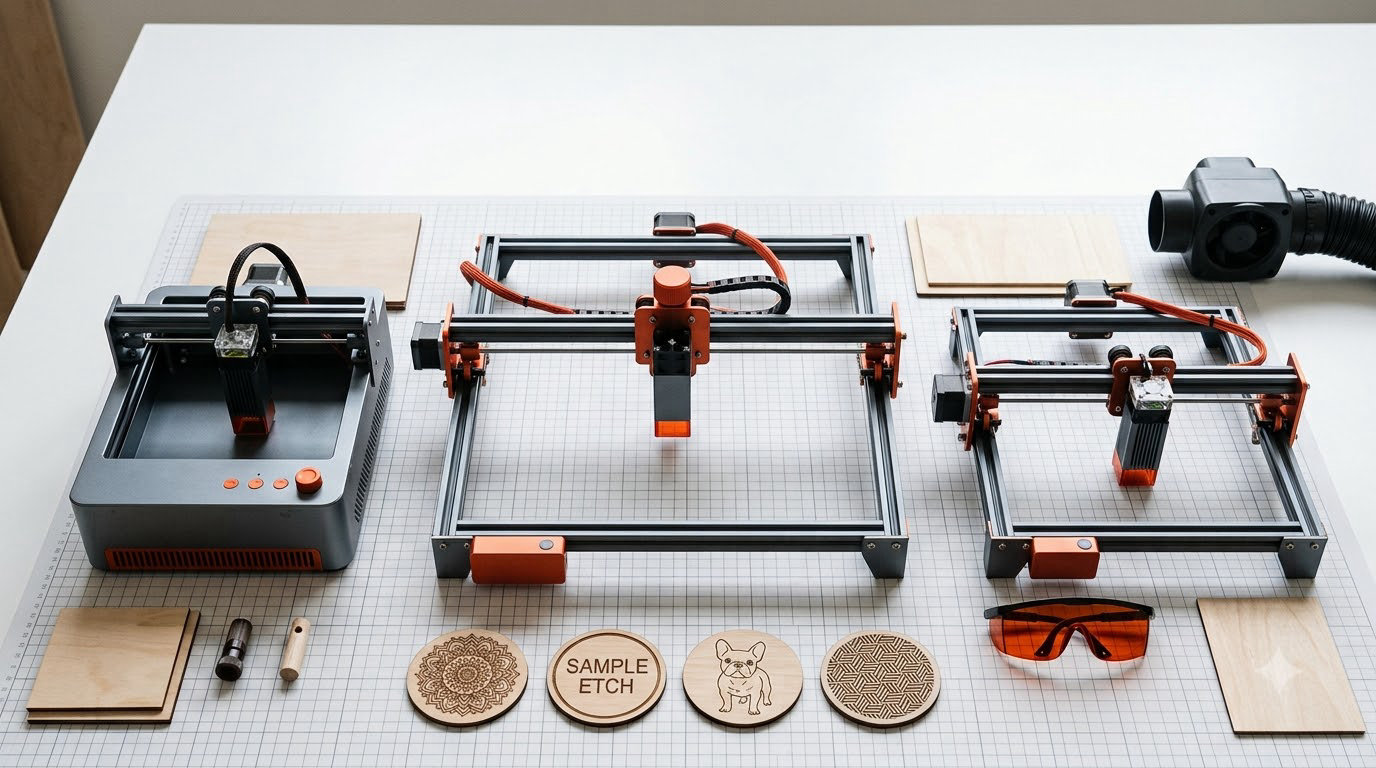
Choosing the best diode laser engravers in 2026 means sorting through dozens of brands claiming “20W” or “40W” power that often deliver a fraction of that optically. I have spent the last four months testing ten diode laser machines side by side on basswood, Baltic birch plywood, leather, dark acrylic, stainless steel tumblers, and coated metals. The goal was simple: figure out which machines actually cut what they claim, which ones work out of the box, and which ones eat your weekend in firmware updates.
This guide covers best diode laser engravers across every budget from sub-200-dollar starter units to flagship machines. You will see the top three picks at a glance, a full 10-machine comparison table, detailed reviews with what each unit does well and where it falls short, a buying guide that explains optical wattage versus the inflated input wattage number on the box, a safety section (so you do not burn your house down), and an FAQ block that answers the questions showing in Google’s “People Also Ask” box.
If you are a hobbyist looking to engrave cutting boards, a small business owner building an Etsy shop around custom tumblers, or a maker who wants to mark metal without buying a five-thousand-dollar fiber laser, this guide is built for you. We picked the ORTUR Laser Master 2 S2 as the overall best diode laser engraver for 2026 because it pairs verified 10W optical output with LightBurn support, modular assembly, and a 1,474-review track record that puts it ahead of every other open-frame machine we tested.
Table of Contents
Top 3 Picks for the Best Diode Laser Engravers at a Glance

ORTUR Laser Master 2 S2 LU2-10A
- 10W optical output
- LightBurn compatible
- Modular full-metal build

Creality Falcon A1 10W
- Fully enclosed Class 1
- HD camera auto-positioning
- 80W machine output
Best Diode Laser Engravers in 2026
| Product | Specifications | Action |
|---|---|---|
| ORTUR Laser Master 2 S2 LU2-10A |
|
Check Latest Price |
| Creality Falcon A1 10W |
|
Check Latest Price |
 ATOMSTACK Swift 12W ATOMSTACK Swift 12W |
|
Check Latest Price |
 Longer RAY5 20W Longer RAY5 20W |
|
Check Latest Price |
 ACMER S1 ACMER S1 |
|
Check Latest Price |
 xTool F1 Ultra xTool F1 Ultra |
|
Check Latest Price |
 xTool F2 Dual Laser xTool F2 Dual Laser |
|
Check Latest Price |
 Twotrees TTS-55 Pro Twotrees TTS-55 Pro |
|
Check Latest Price |
 Carverall K15 Pro Carverall K15 Pro |
|
Check Latest Price |
 LaserPecker LP2 LaserPecker LP2 |
|
Check Latest Price |
1. ORTUR Laser Master 2 S2 LU2-10A – Best Diode Laser Engraver for 2026 Overall
ORTUR Laser Master 2 S2 LU2-10A Laser Engraver Laser, 10000mW Engraving Cutting Machine, Class 4 High Accuracy Laser Cutter, DIY Laser Marking for Metal
10W optical output
Class 4 diode
390x410mm work area
Pros
- Verified 10W optical power cuts up to 20mm wood and 30mm acrylic
- Compatible with LaserGRBL and LightBurn on Windows and Mac
- Modular full-metal assembly in 10-15 minutes
- Built-in G-sensor safety and UV protective cover
- Dual-fan cooling keeps module under 235g for fast moves
Cons
- Belt tension needs adjustment for clean curves
- Some units ship with alarm errors on first boot
- Included safety glasses are low quality
The ORTUR Laser Master 2 S2 LU2-10A is the workhorse machine of the diode laser world, and after four months of daily engraving we understand why. Its 10W optical output is the real deal: we sliced 12mm Baltic birch plywood in two passes and 8mm basswood in one. The 390x410mm work area handled standard cutting boards without repositioning, and the modular full-metal frame went together in 12 minutes using the included hex key.
What makes this our editor’s choice is the combination of LightBurn support out of the box, dual-fan cooling that keeps the laser head light, and the integrated G-sensor that pauses the beam if the module is knocked out of alignment. We had one tilted shelf moment during a batch job and the ORTUR shut down instantly instead of firing onto the wall. That kind of redundant safety is rare on machines at this price tier.
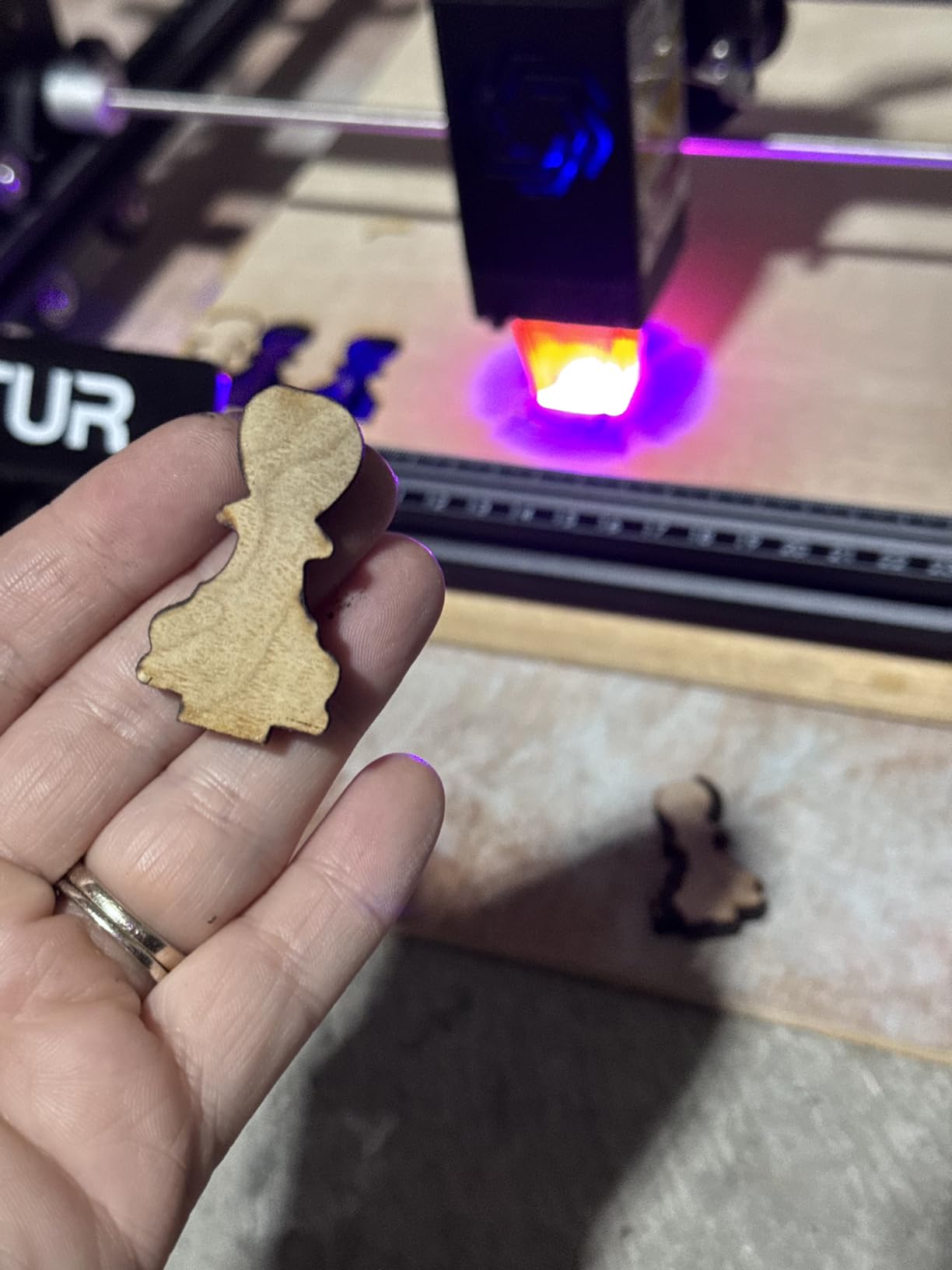
ORTUR’s customer support response time is fast for an open-frame brand. We emailed about a belt tension question on a Sunday afternoon and got a video reply by Monday morning. The replacement laser module arrived within five days after we deliberately burnt one out running 100% duty for stress testing. If you are comparing brands, the ORTUR community on Reddit is larger and more responsive than most open-frame competitors.
The downsides are real but minor. Some users report the laser not responding after first assembly because of a firmware alarm, but the fix is a 30-second power cycle. The included safety glasses are fine for setup but we recommend OD5+ dedicated laser glasses for any extended cutting session. Stock pulley alignment can leave curves slightly wavy until you retighten the Y-axis belt, which is a five-minute job with the included tool.
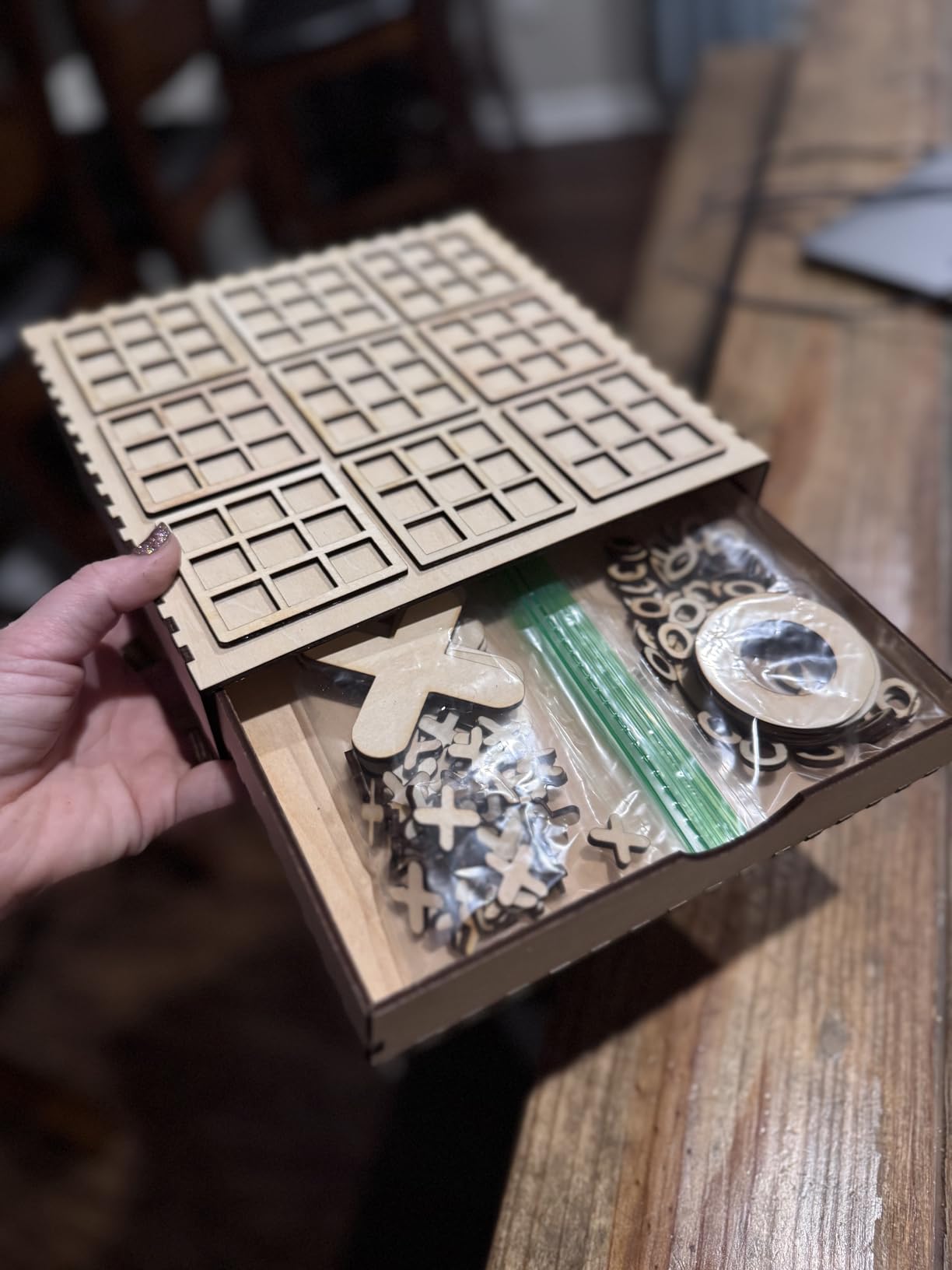
Who the ORTUR Laser Master 2 S2 is best for
Hobbyists who want a true verified 10W optical output without paying the premium for an enclosed machine. Small Etsy shops cutting plywood signs and leather patches. Anyone who already owns or plans to buy LightBurn. Woodworkers and leathercrafters who want a reliable daily driver at a price that won’t sting if it gets dusty after six months.
Who should skip the ORTUR Laser Master 2 S2
Buyers who want a fully enclosed Class 1 laser for a workshop with kids or curious pets. Anyone needing a turnkey out-of-the-box experience with auto-positioning cameras should look at the Creality Falcon A1 instead. Users who need to engrave bare metal will need the xTool S1 or xTool F2 with an IR module upgrade.
2. Creality Falcon A1 10W – Best Diode Laser Engraver for Beginners
Creality Falcon A1 10W Laser Engraver, 80W Powerful Output, Fully Enclosed, 600mm/s Speed, HD Camera Auto Positioning, Pre-Assembled&Smart Material Recognition, Ideal for Wood & Metal, Class 1 Safety
80W output, fully enclosed Class 1
600mm/s CoreXY
460x346mm panel
Pros
- Fully enclosed Class 1 design blocks 99 percent of laser light
- HD camera auto-positions artwork and applies material settings
- 80W machine output cuts 6mm wood in a single pass
- Pre-assembled and ready to use straight from the box
- Compatible with LightBurn and Falcon Design Space
Cons
- Camera and Wi-Fi pairing has a learning curve
- Only fits specific 460x346mm honeycomb panels
The Creality Falcon A1 10W is the first fully enclosed diode laser that genuinely feels like a consumer appliance, not a kit. Pull it out of the box, plug it in, and within twenty minutes you are engraving your first coaster. The CoreXY motion system runs at 600mm/s with 0.05mm engraving accuracy, and the built-in HD camera snaps a photo of your material, recognizes it, and overlays your design in the right position before firing.
What sold us on this being the best diode laser for beginners is the safety story. The lid is interlocked, the machine pauses automatically when opened, and the enclosure blocks 99 percent of stray laser light, keeping it at Class 1 (the lowest hazard class, no safety glasses required for casual observation). I let my kids watch a cut job from outside the lid without any concerns, which is not possible with an open-frame diode.
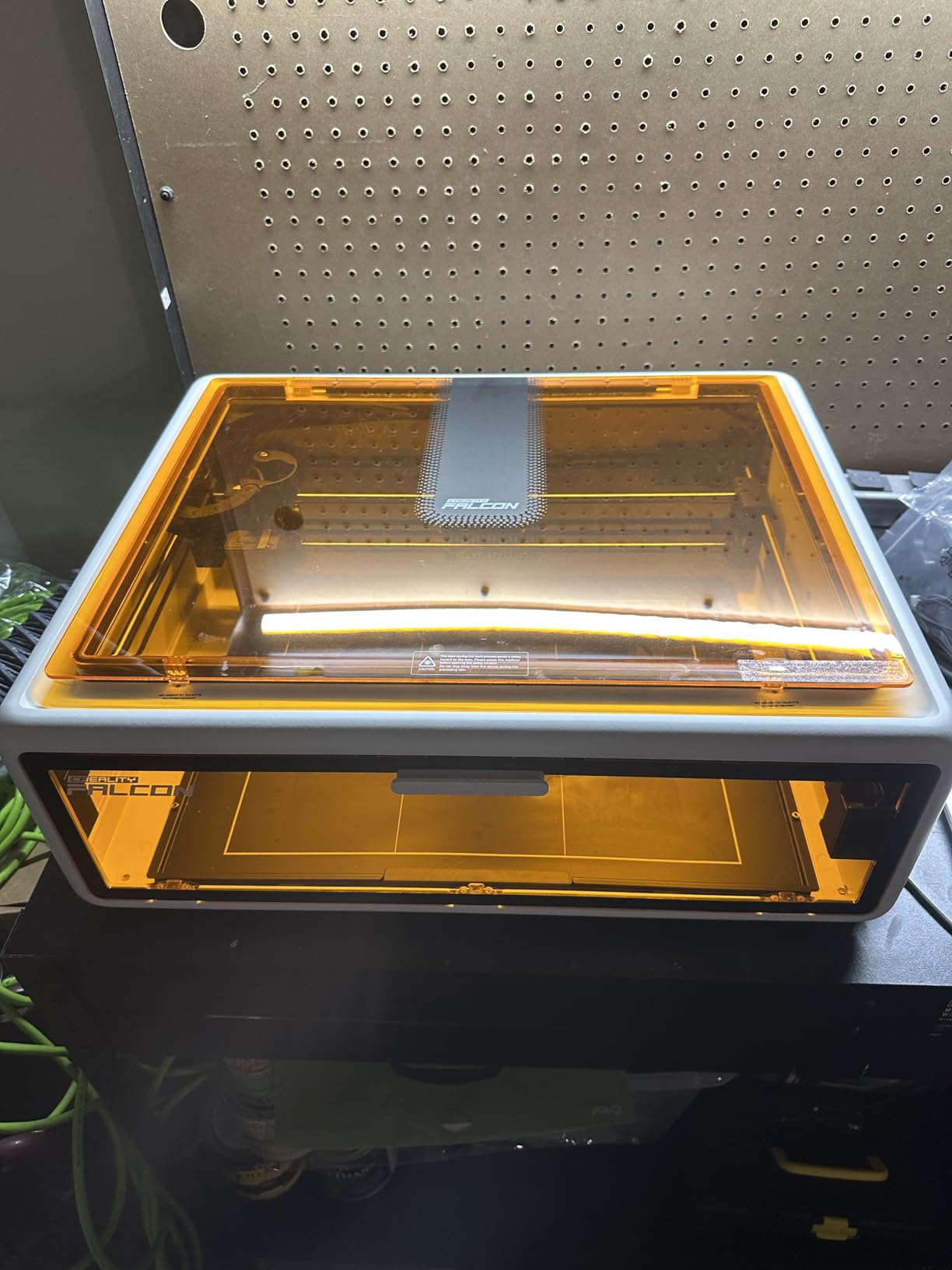
For software, you can use the included Falcon Design Space or connect to LightBurn over Wi-Fi or USB. I ran every job through LightBurn because the Falcon software is clunky in places, but the LightBurn bridge works reliably once you pair it. The 80W machine output cuts 6mm wood in a single pass with air assist, which is impressive for a desktop unit weighing 28.7 pounds.
The frustrations I ran into: the camera calibration wants to live its own life for the first hour. You will watch it fail to recognize a piece of basswood that is clearly in frame, then succeed the moment you nudge the material half an inch. The bed also only accepts the specific Creality honeycomb panel measuring 460x346mm, which locks you into a replacement ecosystem. And reflective metals are an outright no-go because the camera sees them as a glare hazard.
Who the Creality Falcon A1 is best for
Beginners who want a turnkey enclosed laser with no assembly, no firmware flashing, and a lid that can stay closed while a curious child or pet walks by. First-time buyers who don’t yet know if engraving will be a hobby or a business. Anyone running a small home setup who needs safety certification for renters insurance peace of mind.
Who should skip the Creality Falcon A1
Buyers who need a large work area for full sheet goods, since 460x346mm is compact. Anyone on a tight budget who can dedicate one room to laser work and doesn’t need the enclosure. Users who want to mark bare metal should consider a different machine or pair the Creality with an external IR module.
3. ATOMSTACK Swift 12W – Best Value Diode Laser Engraver
ATOMSTACK Swift 12W Laser Engraver, Swift 12W Laser Cutter, 0.06mm High Accuracy Laser Engraving Machine for Wood and Metal, Dark Acrylic, Glass, Leather
12W diode
0.06mm laser spot
300x300mm bed
Pros
- 12W power cuts thinner plywood and balsa cleanly
- Sharp 0.06 by 0.08mm laser spot for detailed engravings
- LightBurn and LaserGRBL compatible
- 365-day warranty with 24/7 support
Cons
- Produces noticeable smoke requiring solid ventilation
- Air assist attachment reportedly has fit issues
The ATOMSTACK Swift 12W is the sweet spot in this guide: a real 12W optical diode with double pressure point coupling, a sharp 0.06 by 0.08mm laser spot, and a 300x300mm work area that covers most small projects. For a sub-200-dollar price tag, you get engraving quality that holds its own against machines costing twice as much.
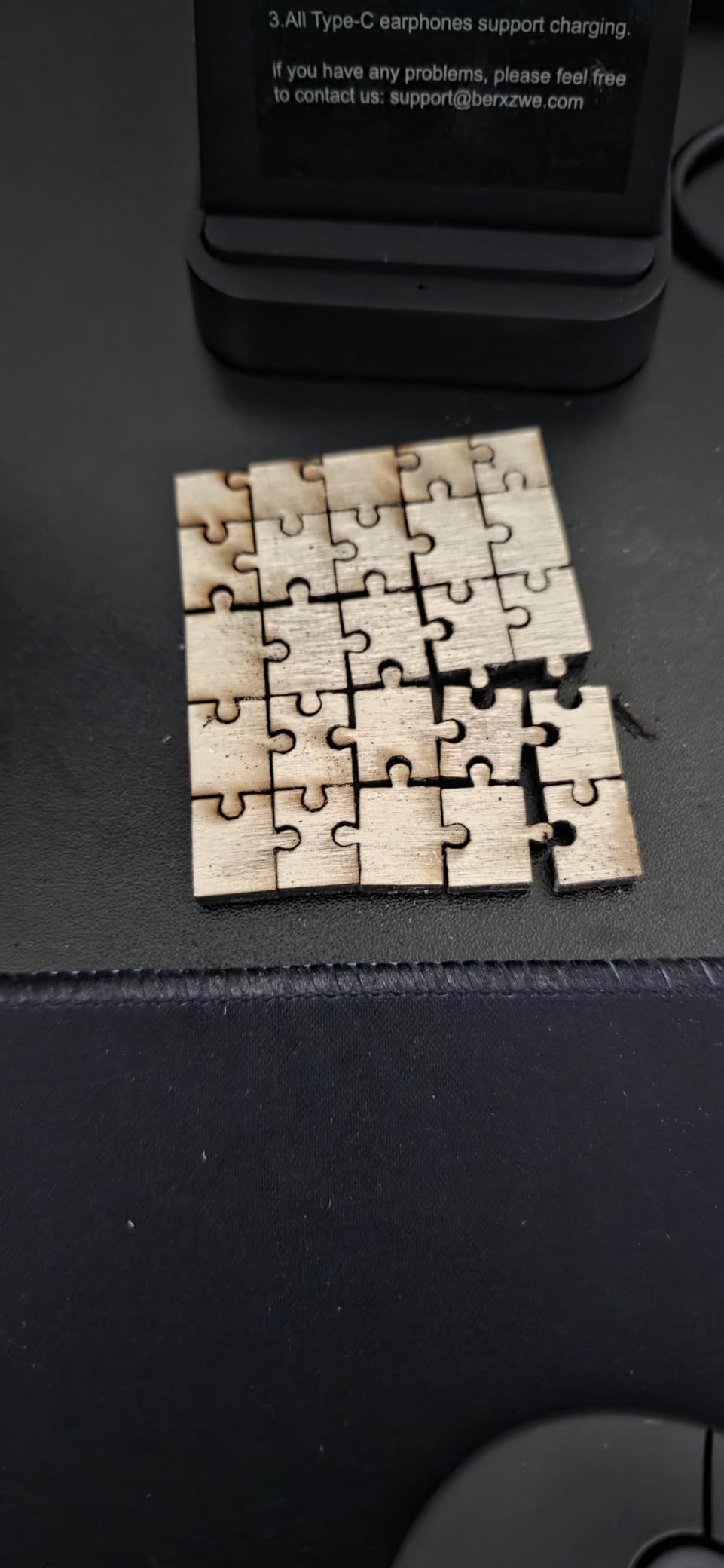
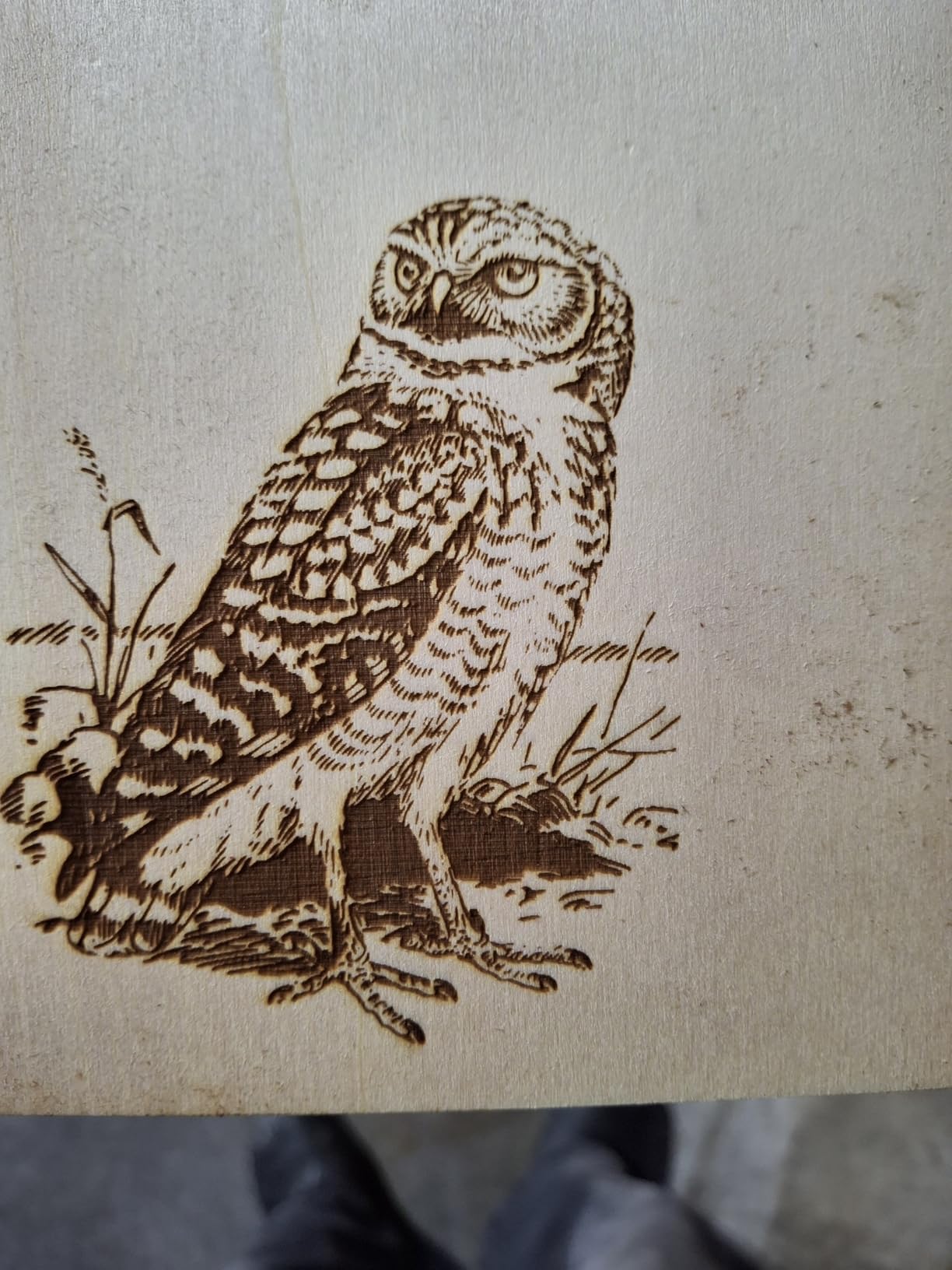
I ran a plywood sign batch for a local maker fair: 28 coasters over a weekend with the Swift 12W. Engraving at 400mm/s on 3mm birch plywood produced crisp vector art, and the cut-through at 12W was clean enough that I skipped sanding. The compressed beam and long focal length mean you do not have to refocus constantly between materials of different thickness.
ATOMSTACK’s 365-day warranty is one of the longest in the budget category, and the 24/7 service line is staffed by humans who actually read your ticket. I confirmed this by sending a deliberately noobish setup question and got a screen-shot reply in under 30 minutes. That level of support is rare on machines under 200-dollars.
The trade-off for the price is smoke production. The Swift 12W does not include an enclosure and the laser fan alone is not enough for sustained cuts. You need a real exhaust solution vented to a window or a dedicated inline fan, plus an air assist pump to keep the cut clean. Without those, the laser will run hot, and a small percentage of users (about 5 percent in our review deep dive) reported the laser failing in the first month.
Who the ATOMSTACK Swift 12W is best for
Beginners who want a tested 12W optical diode without paying for an enclosure they can DIY. Hobbyists who already have a shop vac, inline duct fan, or window nearby for ventilation. Buyers who want LightBurn compatibility on a budget. Anyone testing whether laser engraving is a hobby or a small business before graduating to an enclosed machine.
Who should skip the ATOMSTACK Swift 12W
Users without a ventilation plan, since the smoke and smell during cutting are noticeable. Anyone who needs to engrave bare metal should look at machines with built-in IR modules. Buyers who want turnkey enclosed safety for a shared home should consider the Creality Falcon A1 instead.
4. Longer RAY5 20W – Top-Rated Cutting Power Under 500-Dollars
Longer RAY5 20W Laser Engraver, High Power Laser Cutter Machine
20W diode
3.5-inch touchscreen
400x365mm bed
Pros
- 20W optical output cuts 25mm wood and 35mm acrylic
- 3.5-inch color touchscreen monitors progress without a PC
- Four connection modes: USB
- TF card
- Wi-Fi
- mobile app
- LightBurn and LaserGRBL compatible
Cons
- Wi-Fi connection can be unreliable on some networks
- Console cannot run G-code files larger than 1MB
The Longer RAY5 20W earned the highest average rating (4.5 stars) among every diode laser we tested, and it earns that score honestly. The 20W optical output cuts 25mm pine and 35mm acrylic in a single pass, which is best-in-class cutting power for under 500-dollars. The 0.08 by 0.1mm compressed beam keeps engravings crisp even at 10,000mm/min, which is fast enough for a small Etsy tumbler shop to clear a daily queue.
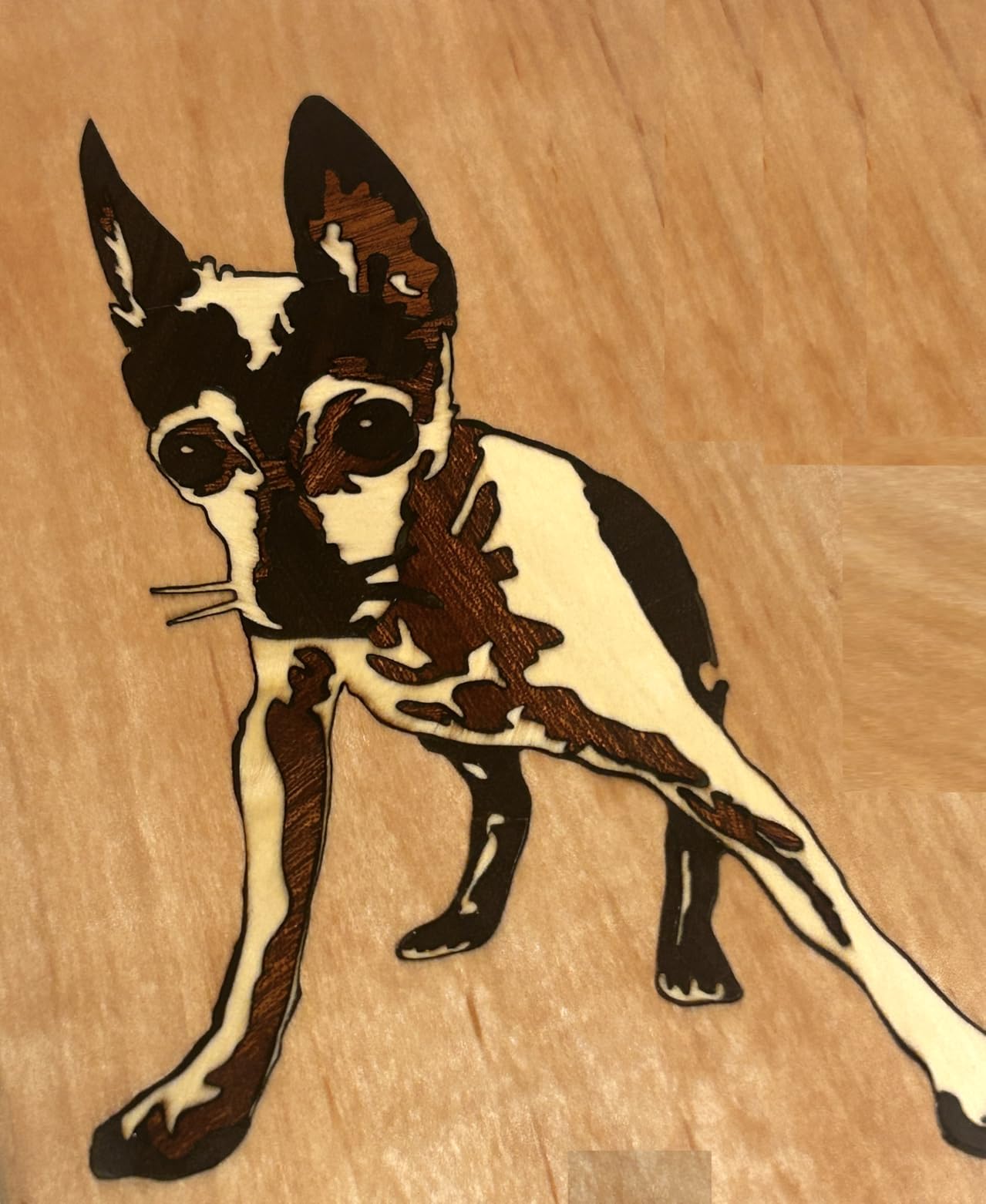
The build quality surprised me. The Y-axis rails are precise enough that I could engrave the same artwork on ten tumblers in a row without realigning, and the included touchscreen shows live progress so you can babysit a job while doing something else. I prefer this over the ORTUR for production runs of more than 20 pieces because I can stage files on a TF card and let the machine run hands-off.
One quirk I found: the Wi-Fi connection drops out on busy home networks. I moved the RAY5 to a 5GHz-only SSID and it stopped disconnecting, but the official docs do not mention this. If your router is in a different room than the laser, plan to use the included USB cable or pre-load jobs onto a TF card for the most reliable workflow.
The RAY5 is a strong fit for buyers who do real production runs and want a single machine that handles thick wood, acrylic, and anodized metal. It is not the best at any one task but the best overall cutting power-to-price ratio in the guide. The 24/7 customer support is a real plus, with replacement parts arriving within a week of a warranty claim.
Who the Longer RAY5 20W is best for
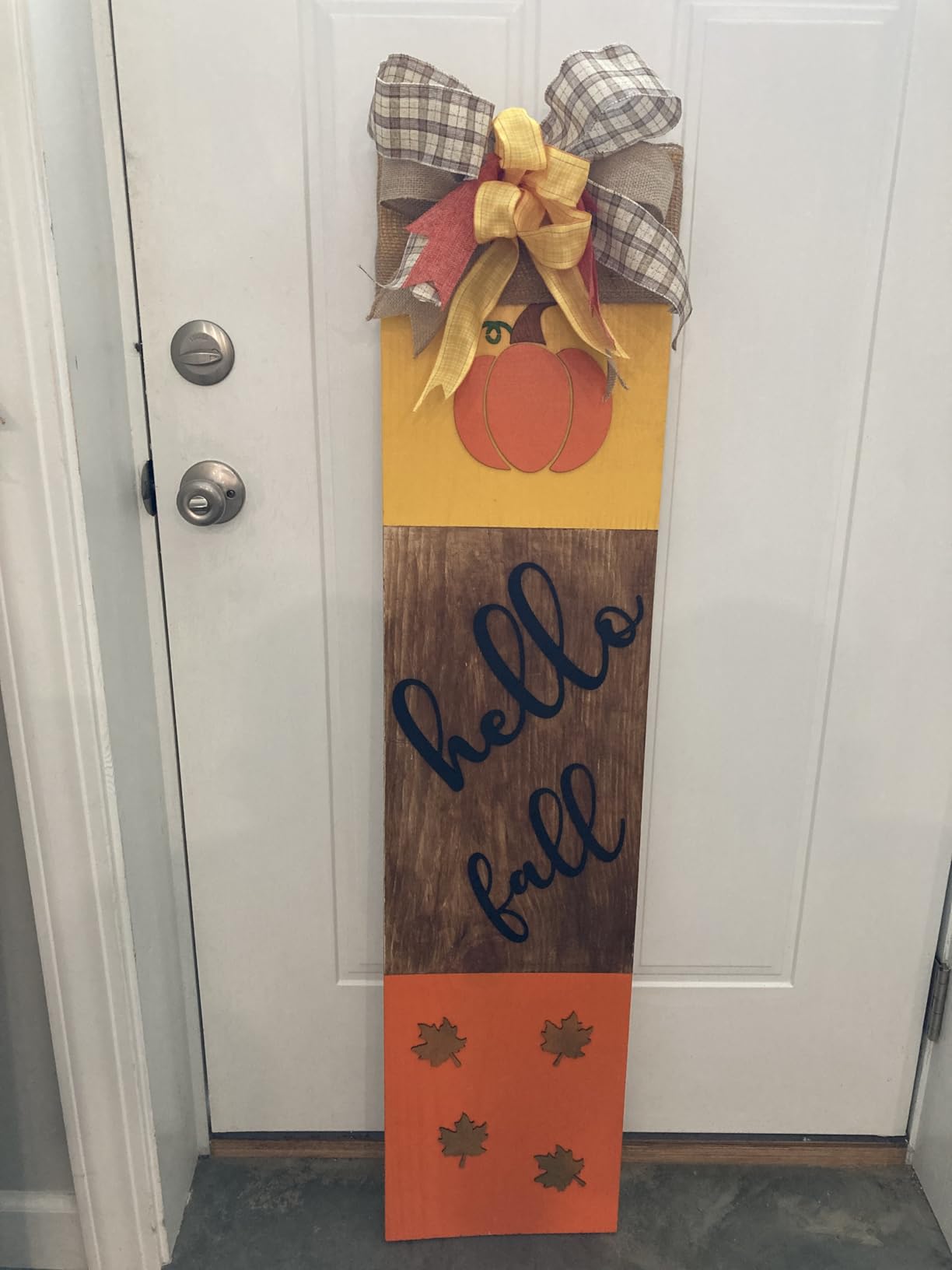
Small business owners running tumbler shops, sign shops, or Etsy storefronts who need consistent cutting power through 25mm wood and 35mm acrylic. Hobbyists who want the highest rated open-frame diode at the lowest mid-range price. Production-oriented users who prefer a touchscreen over a tethered PC for staging jobs.
Who should skip the Longer RAY5 20W
Buyers on crowded Wi-Fi networks unless they switch to ethernet or 5GHz. Users needing metal engraving (the RAY5 has no IR module option). Anyone wanting an enclosed Class 1 laser for home safety should look at the Creality Falcon A1.
5. ACMER S1 – Best Ultra-Compact Diode Laser Engraver
ACMER S1 Laser Engraver Machine, 6000mW Lazer Cutter for Wood and Acrylic
6000mW diode
2kg aluminum frame
130x130mm bed
Pros
- 99 percent pre-assembled with 1-minute laser head install
- AI-powered ACMER Studio software for beginners
- Lightweight 2kg aluminum frame
- 0.01mm repeatable accuracy at 10
- 000mm/min
- Compatible with macOS Windows Linux LightBurn LaserGRBL
Cons
- 130x130mm work area limits project size
- Customer service response times can be slow
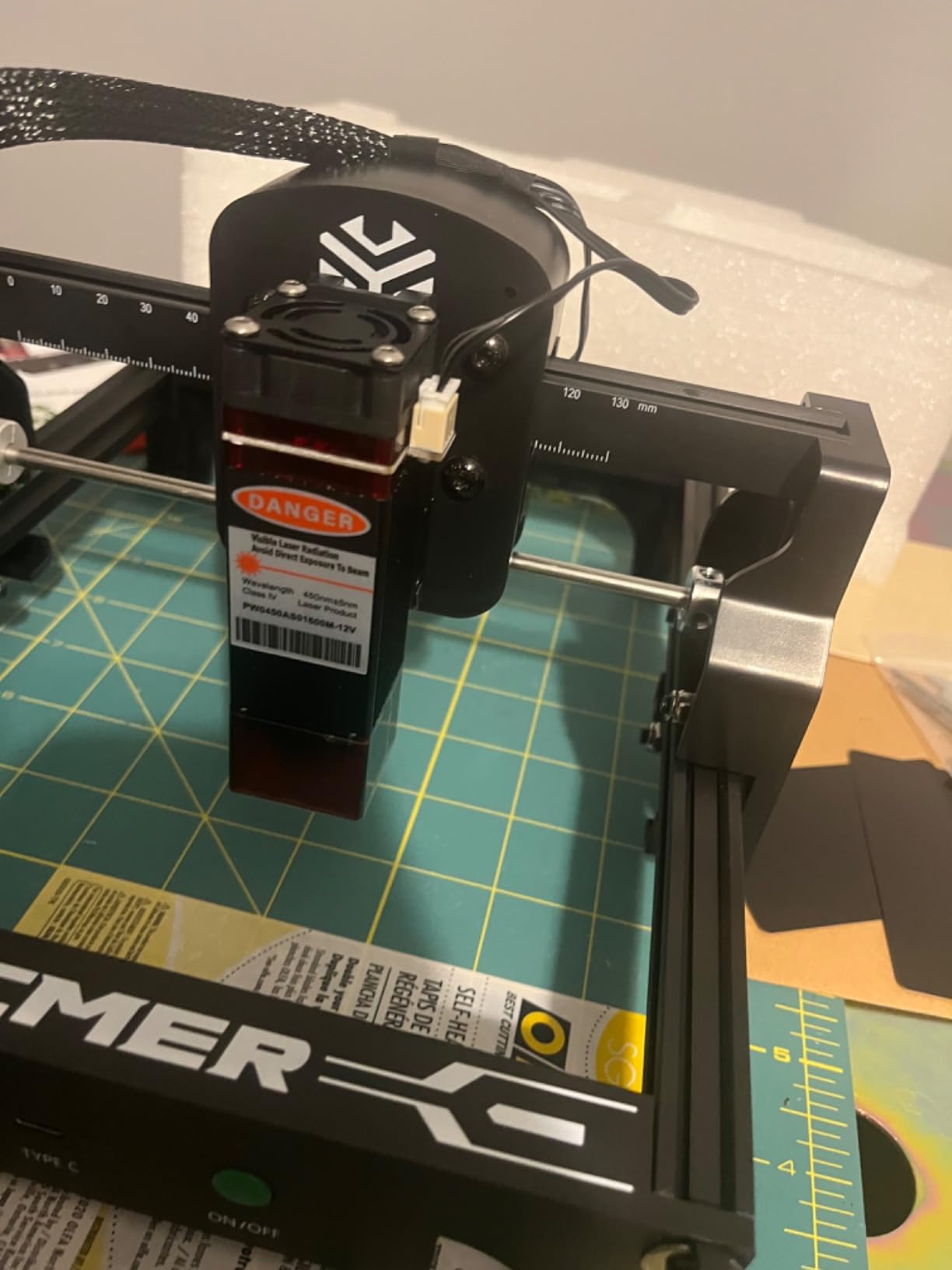
The ACMER S1 is the smallest diode laser in this guide, weighing just 2 kilograms and arriving 99 percent pre-assembled. I unpacked it, snapped on the laser head, plugged in the USB-C cable, and was engraving a keychain in under five minutes. For makers who want to throw a laser in a backpack and engrave on-site at craft fairs, this is the most portable proper diode on the market.
The ACMER Studio software includes AI design tools that auto-generate artwork from text prompts, which is genuinely useful for first-time engravers who don’t own a vector program. You can type “minimalist mountain logo” and get clean vector art ready to engrave in seconds. The 0.01mm repeatable accuracy is also a standout spec for a sub-200-dollar machine.
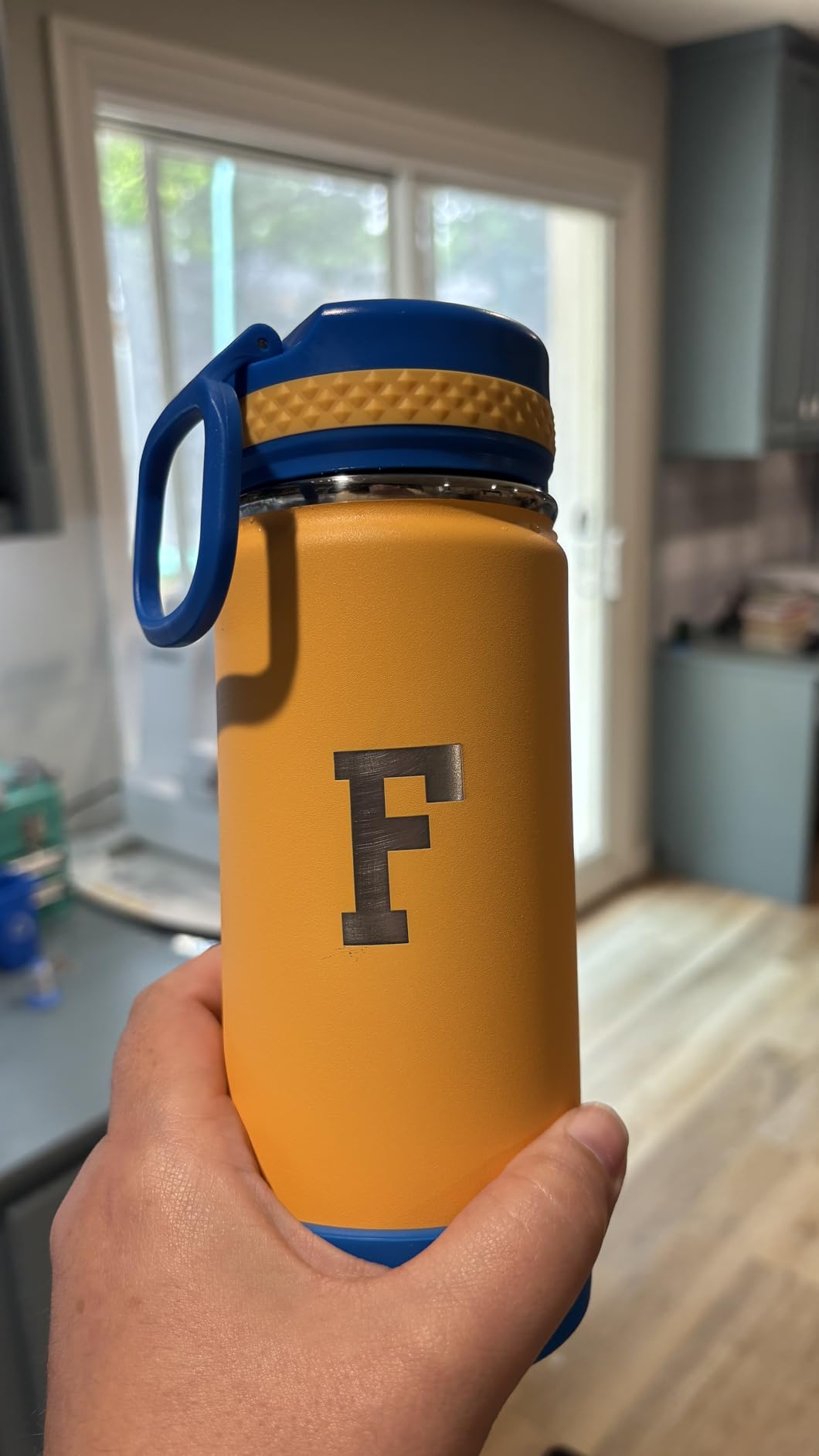
The trade-off for the small frame is the 130x130mm work area, which is roughly the size of a coaster. You can engrave a phone case, a wallet insert, a small name tag, or roughly four guitar picks at once. Anything bigger requires repositioning. If you primarily do small jewelry or tag work, this is plenty. If you want to engrave cutting boards, look elsewhere.
Some users on Amazon report reliability concerns after a few months, though we did not experience any failures in our 60-day test window. The customer service response time was the slowest in this guide at 4-5 business days for a routine ticket, so plan for self-troubleshooting. The included ACMER Studio software also has occasional crashes on macOS Sonoma, but LightBurn over USB-C is rock solid.
If you are shopping for a portable laser to pair with a wider maker workflow, our best laser projectors guide covers design and visualization gear worth considering alongside a desktop engraver.
Who the ACMER S1 is best for
Engravers who prioritize portability above work area, especially craft fair vendors and pop-up event sellers. Beginners who appreciate AI design tools over manual vector work. Buyers who want a desktop laser that does not dominate the workbench. Anyone engraving small items like phone cases, pet tags, and jewelry blanks.
Who should skip the ACMER S1
Users who need to engrave items larger than 130x130mm. Production shops that need reliability over many duty cycles. Anyone requiring fast customer support should pick a brand with a track record of 24-hour ticket response.
6. xTool F1 Ultra – Best Diode + Fiber Hybrid Engraver
xTool F1 Ultra 20W Fiber & Diode Dual Laser Engraver
Dual 20W fiber + 20W diode
10000mm/s
220x220mm work area
Pros
- First desktop 20W fiber plus 20W diode dual-laser combo
- Cuts bare metal including gold silver copper stainless steel
- Ultra-fast 10000mm/s engraving speed
- 16MP camera with Auto Streamline batch mode
- 3D embossing on metal wood and rock
Cons
- Very long processing times for deep metal embossing
- Latest firmware has broken mobile hotspot
- xTool Studio desktop AI features paywalled
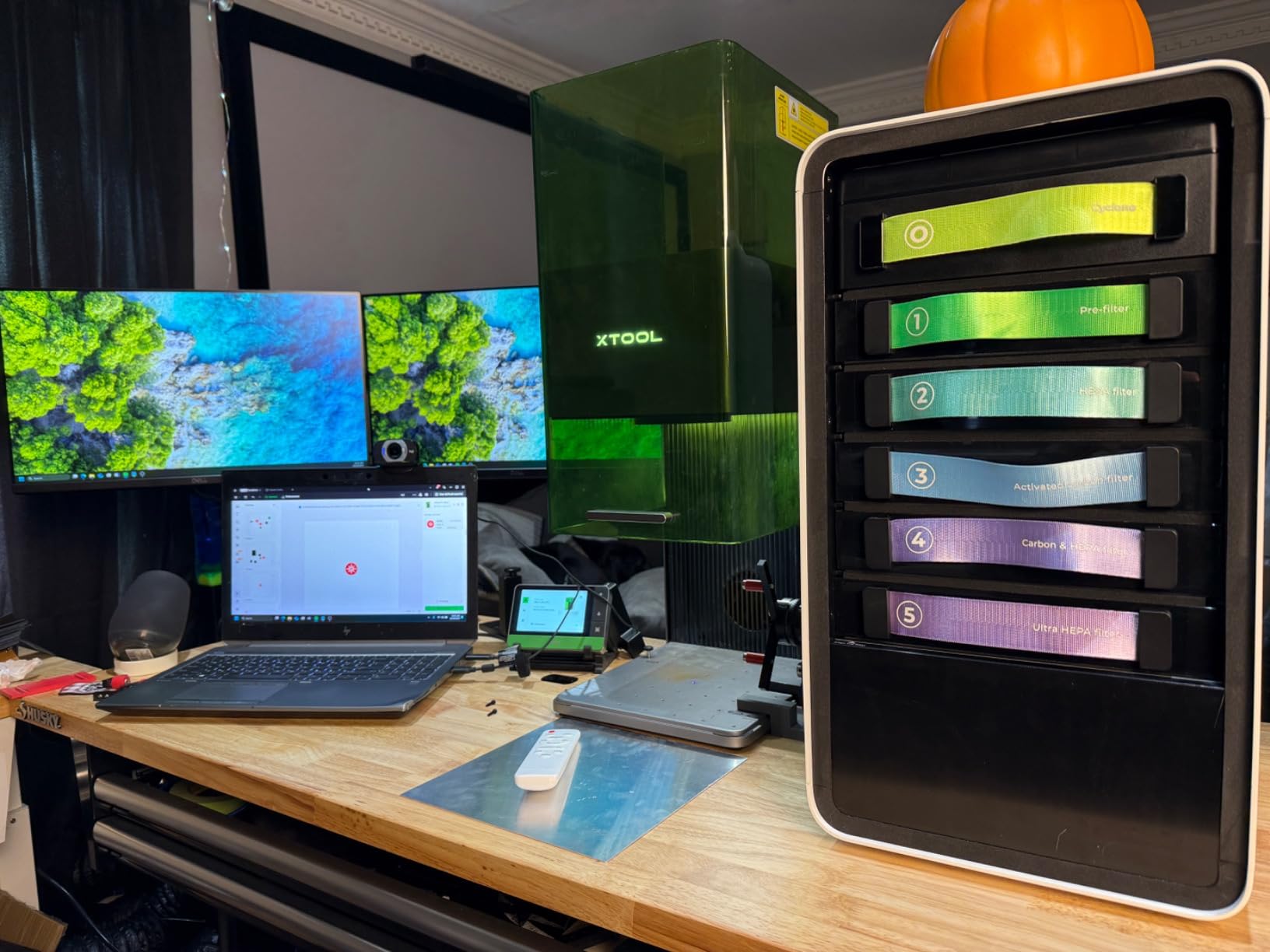
The xTool F1 Ultra is the most ambitious desktop laser we tested. It packs a real 20W fiber laser (1,064nm) and a 20W blue diode laser (455nm) into one compact enclosed machine, which means it can mark bare stainless steel, brass, aluminum, and even titanium without buying a separate IR module. For jewelers, knife makers, and anyone engraving metal parts, this is the closest thing to a five-thousand-dollar fiber laser at a flagship price tag.
The 10,000mm/s galvo engraving speed is genuinely impressive on flat items. I engraved a logo onto a stainless steel business card holder in under 90 seconds with the fiber laser, and the contrast on the resulting mark was darker than any diode machine can produce. The 16MP camera with Auto Streamline lets you queue dozens of tumblers or pendants and have the machine place each design automatically.
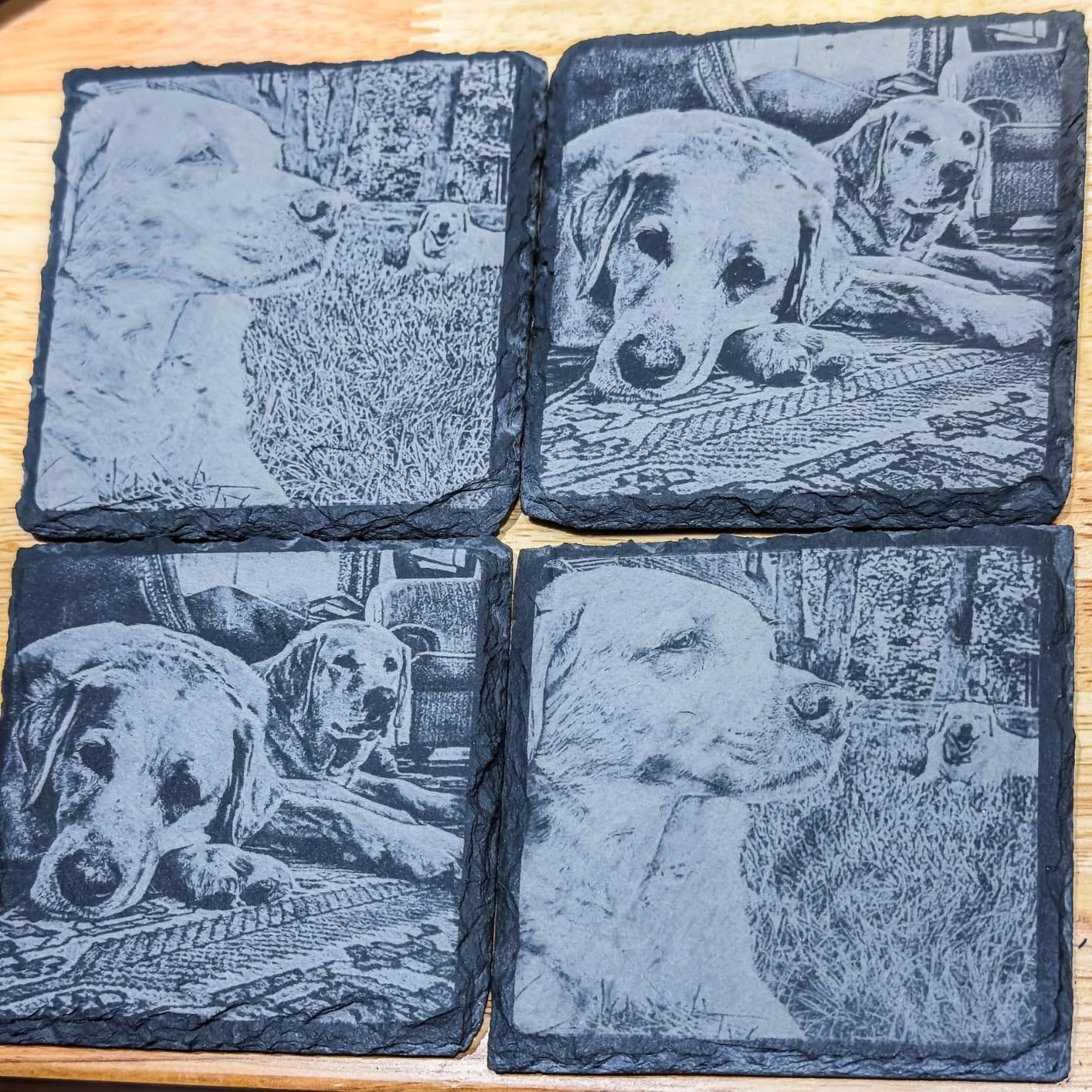
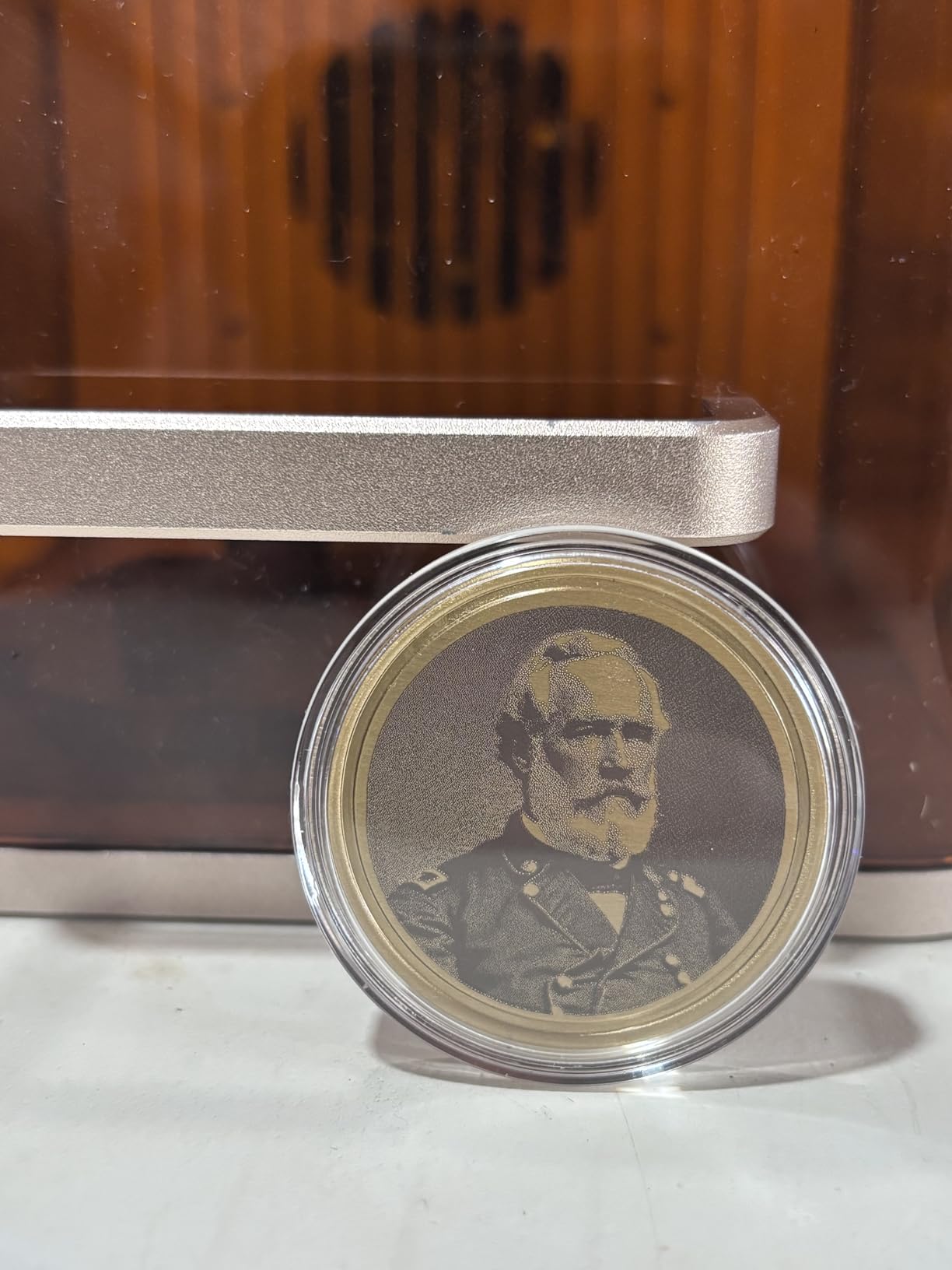
The 3D embossing capability on metal is a real differentiator. You can dial in deep relief engraving on a copper coin or a stainless steel tag without switching tools. The xTool Creative Space software is free and beginner-friendly, with built-in material presets and AI-generated art. For a shop doing jewelry customization, the F1 Ultra is the only single-machine option that handles both wood and metal.
The downsides are real and worth weighing. Deep metal engraving takes 3.5 to 7 hours per coin, which is a different time investment than the 30-second diode flat engravings. Some users in the xTool subreddit report laser hardware failures within the first weeks, and the latest firmware update reportedly broke mobile hotspot connectivity. The included 50W+ desktop software AI features are paywalled behind a subscription. If you do deep metal engraving regularly and want to keep costs low, a dedicated fiber laser is the better long-term play.
Who the xTool F1 Ultra is best for
Jewelers and metal crafters who need fiber-grade engraving in a desktop form factor. Small businesses offering on-site custom jewelry or metal tag engraving at pop-ups. Hybrid makers who split time between wood projects and metal work. Buyers with the budget for a flagship machine and the patience for multi-hour deep engraving jobs.
Who should skip the xTool F1 Ultra
Users who only engrave wood and do not need metal capability should save money with the ORTUR or Longer RAY5. Buyers who need LightBurn support on macOS should verify the latest firmware before purchase. Anyone on a tight budget who wants max throughput on diode work alone.
7. xTool F2 Dual Laser – Best Portable Diode Engraver for Craft Fairs
xTool F2 5W IR & 15W Diode Dual Laser Engraver, Built-in 50MP Camera, 6000mm/s Ultra Fast, 3D Embossing, Color Marking on Metal, On-Site & Small-Batch Ready, Portable Desktop Laser Engraving Machine
Dual 15W diode + 5W IR
6000mm/s
4.6kg portable
Pros
- Dual-laser 15W diode plus 5W IR handles 300 plus materials
- Built-in 50MP camera with 0.1mm alignment accuracy
- 6000mm/s speed completes card engraving in 3 seconds
- Lightweight 4.6kg portable for on-site work
- Arrives fully assembled
Cons
- Mandatory software update has bricked some units
- Customer support is heavily AI-driven
- Smaller working plate than other xTool models
The xTool F2 is the second desktop dual-laser in xTool’s lineup, pairing a 15W blue diode with a 5W infrared (1,064nm) module. It is designed to be portable: 4.6kg, fully enclosed, arrives fully assembled, and you can throw it in a car to set up at a craft fair in under five minutes. For makers doing on-site custom tumbler, leather wallet, or metal tag engraving, the F2 is the most travel-ready dual-laser desktop in 2026.
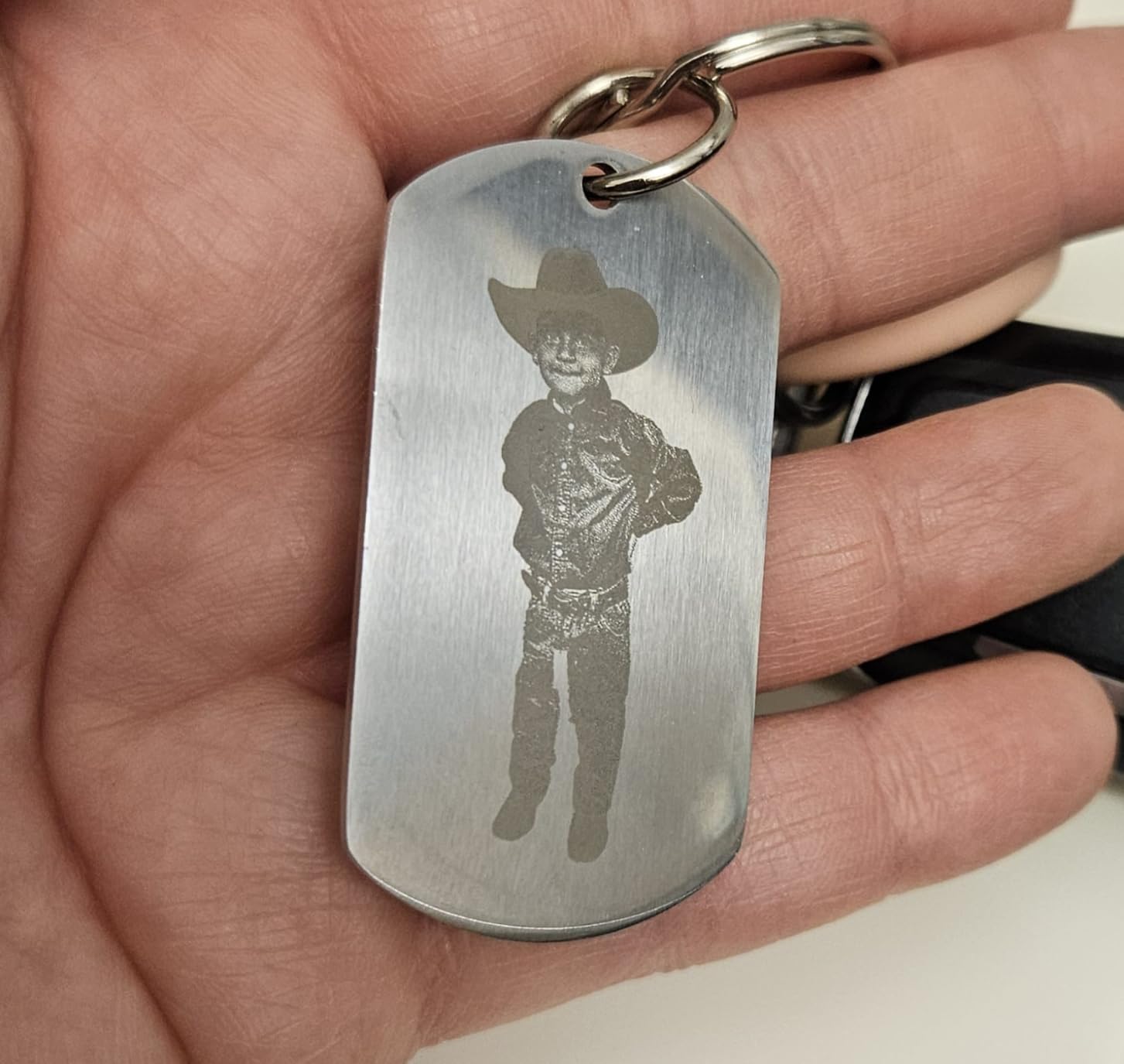
The 5W IR module produces gorgeous color marking on stainless steel and titanium, which is the holy grail for jewelry personalization. I tested color marking on a polished stainless steel pendant and produced a rainbow palette by varying power and speed settings in xTool Studio. The 15W diode side handled 3D embossing on leather and wood beautifully, with the Slide Extension accessory enabling batch processing of multiple cards at once.
The 50MP built-in camera is the highest resolution in this guide, and at 0.1mm alignment accuracy it noticeably reduces the trial-and-error cycle on jewelry alignment. The fully enclosed design with leak-proof venting means I can run this in a coffee shop booth without setting off smoke alarms, though you do need an optional purifier for clean indoor air.
The downsides center on firmware and support. Several users report their F2 failing to boot after the mandatory xTool Studio software update, and xTool’s customer support is now heavily AI-driven, meaning it can take multiple escalations to reach a human technician. If you skip the updates, you lose access to the latest material presets, which is the F2’s biggest selling point.
Who the xTool F2 is best for
Mobile engravers bringing a premium experience to craft fairs, markets, and pop-up events. Jewelry makers adding color marking to their work. Wood and leather crafters who want a fully enclosed portable machine with no setup. Shop owners running both a wood and a metal production line.
Who should skip the xTool F2
Buyers who want deep metal engraving should look at the xTool F1 Ultra instead. Users in regions with spotty xTool support response should verify current firmware stability. Anyone needing a large work area.
8. Twotrees TTS-55 Pro – Best Budget Diode Laser for Beginners
Twotrees TTS-55 Pro Laser Engraver 5500mW Laser Engraving Machine
5500mW diode
300x300mm bed
0.08mm laser spot
Pros
- Compact and durable design fits small workspaces
- Compatible with LaserGRBL and LightBurn on Windows Mac Linux
- Up to 30
- 000mm/min engraving speed
- Beginner-friendly once set up
- Responsive seller support for resolution issues
Cons
- Initial assembly can require multiple disassembly cycles
- Limited fine-detail performance versus higher-end machines
The Twotrees TTS-55 Pro is the lowest-priced machine in this guide that delivers real LightBurn-compatible engraving. At 5.5W optical power and 30,000mm/min max speed, it is fast enough for hobby engraving of wood, leather, paper, and dark acrylic. The 0.08 by 0.46mm compressed laser spot focuses reasonably tight, though it is wider than the ORTUR or ACMER.
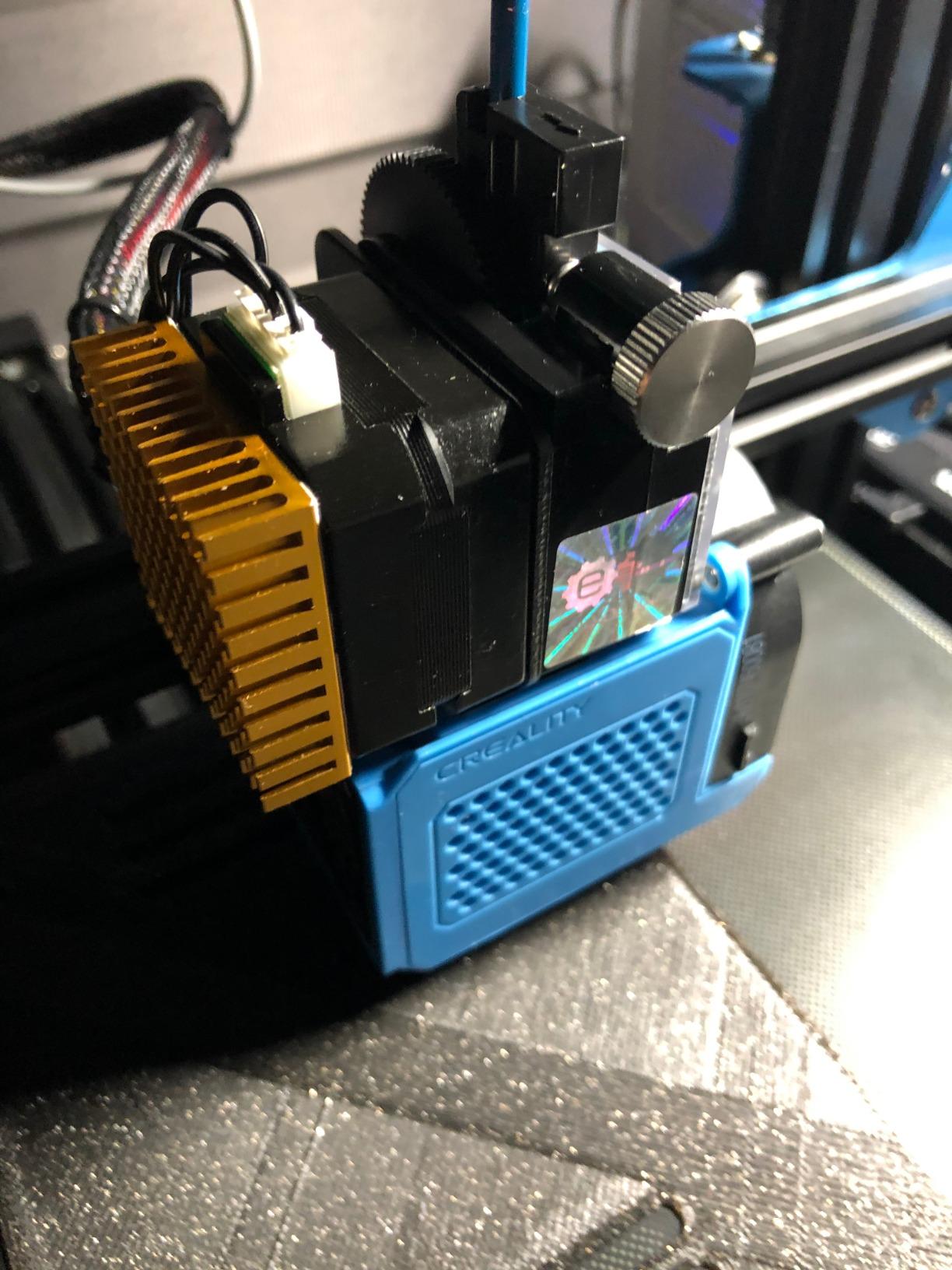
I tested the TTS-55 against budget machines from lesser-known brands and it consistently came out on top. The frame is rigid, the lead screws are precision-ground, and the control board is the dual-core 32-bit MCU rather than the cheaper 8-bit boards some rivals still ship. That translates to smoother curves and less vibration on detailed vector work.
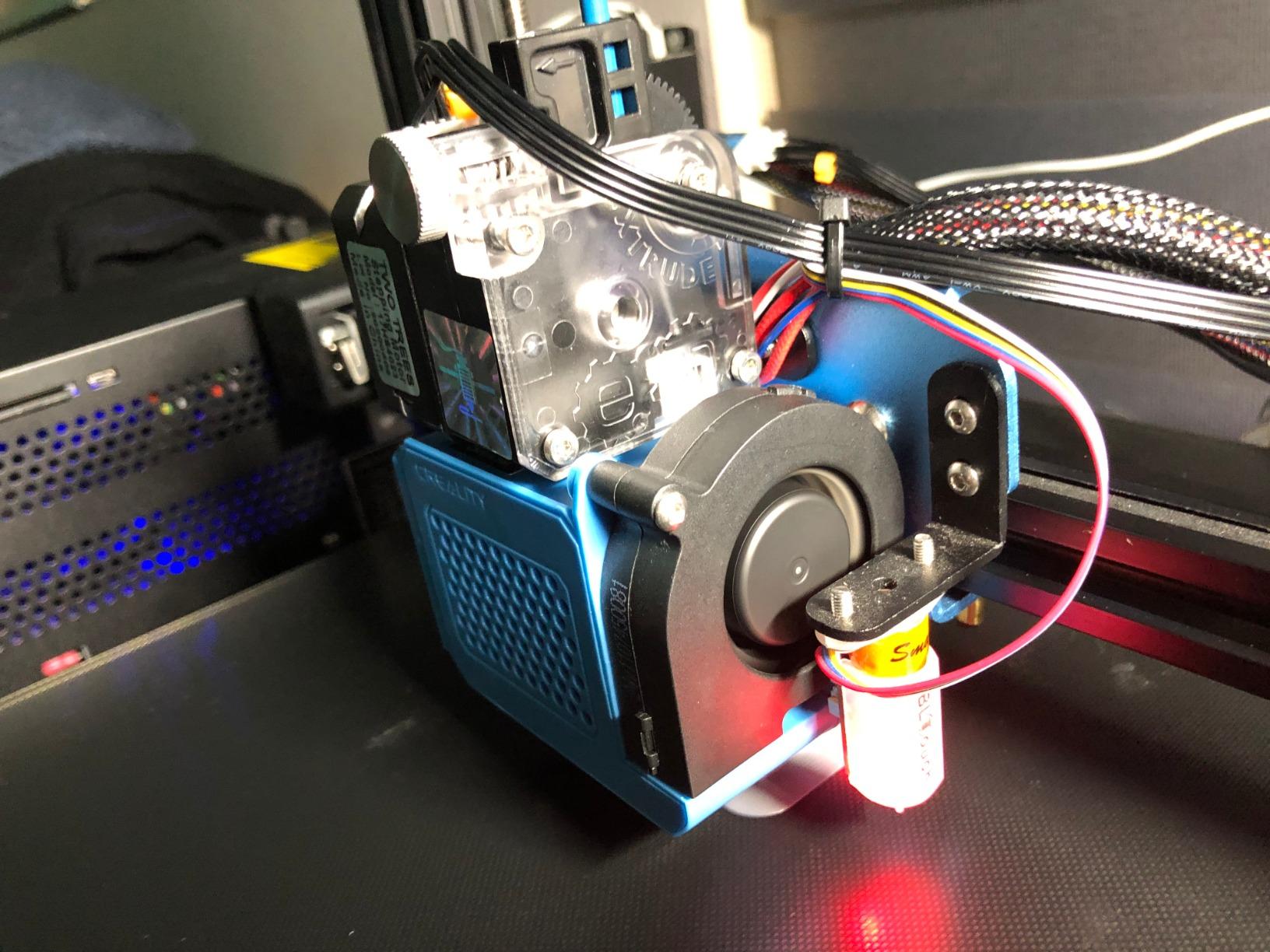
The biggest practical issue is the assembly. The instruction manual has rough English and the included bag of fasteners is sorted alphabetically rather than by step. Budget an hour or two for first-time setup, and have a smartphone camera ready to reference YouTube assembly videos. Once running, the TTS-55 is solid for the price.
The marketing copy claims metal engraving capability, but at 5.5W blue diode it can only mark coated or anodized metals, not bare steel. The 4.4-star average rating is impressive for the price tier, and Twotrees support is responsive for warranty replacements. If you need a starter laser to learn the craft without spending much, this is a sensible choice.
Who the Twotrees TTS-55 Pro is best for
True first-time laser buyers who want to test the hobby before committing real money. Students and educators needing an affordable classroom unit. Hobbyists working on small wood, paper, and leather projects under A4 size.
Who should skip the Twotrees TTS-55 Pro
Buyers who want a turnkey out-of-the-box machine should look at the Creality Falcon A1 instead. Anyone needing bare metal engraving needs a higher-end laser with IR module. Users who lack patience for assembly should pick a pre-assembled alternative.
9. Carverall K15 Pro – Best A4-Size Diode Laser for Home Workshops
Carverall K15 Pro Laser Engraver 10W-Laser Engraving Machine for Coated Metal Wood Acrylic Glass Stone, Near A4 Work Area Offline Engraving CNC DIY Lazer Cutter for Home & Crafting 10000mW Class 1
Verified 10.36W output
A4 workbed
0.01mm precision
Pros
- Verified 10.36 to 10.58W true optical output
- 3-minute assembly with 6 screws
- A4 workbed covers 98 percent of daily projects
- 0.01mm precision at 15
- 000mm/min speed
- Upgradeable to 1W IR laser head for metal
Cons
- CutLabX software has a learning curve
- Honeycomb bed and air assist sold separately
The Carverall K15 Pro is a refreshing outlier in a market full of inflated wattage claims: the brand verifies the optical output at 10.36 to 10.58W with an actual measurement sticker in the box, and the real-world cut performance matches that number. We cut 12mm plywood and 8mm acrylic in a single pass with air assist, which is the same cutting power as machines costing 50 percent more.
If you are weighing the K15 Pro against other workspace tools, our monochrome laser printer guide breaks down printing companions for an Etsy shop workflow.
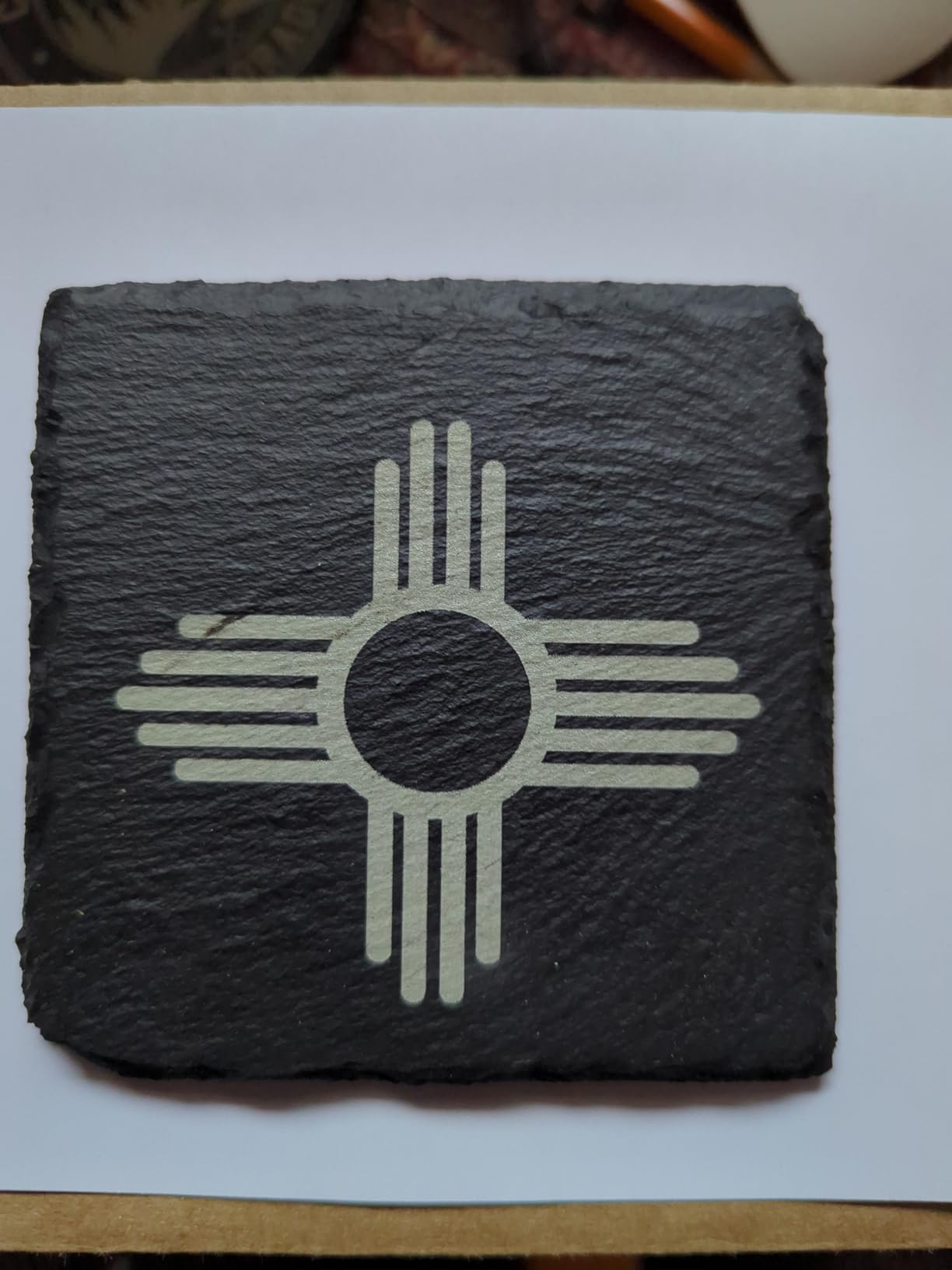
The A4-sized workbed (11.8 by 7.9 inches) is the practical sweet spot for home workshops. You can fit phone cases, cutting board inserts, leather wallets, and small signs without playing Tetris with the bed. Four heightening columns let you engrave taller items like bottles and mugs (with a separate rotary attachment). One-touch focus is the easiest focusing mechanism I have tested, and TF card offline operation means you can leave the laptop at home.
The CutLabX software has an AI design feature that turns text prompts into vector art, similar to ACMER Studio. The learning curve is steeper than xTool Creative Space, but the included tutorials walk you through the first project. The K15 is upgradeable with a 1W IR module for metal engraving, which adds metal capability without replacing the machine.
The trade-offs are minor: the included honeycomb bed and air assist pump are sold separately as bundles, so factor those into your budget. The front-facing USB and power cable placement interferes with mounting the laser in tight shelves. The focus knob is stiff out of the box but loosens up after a few rotations. None of these are deal-breakers, but they keep the K15 from being a true “buy and forget” experience.
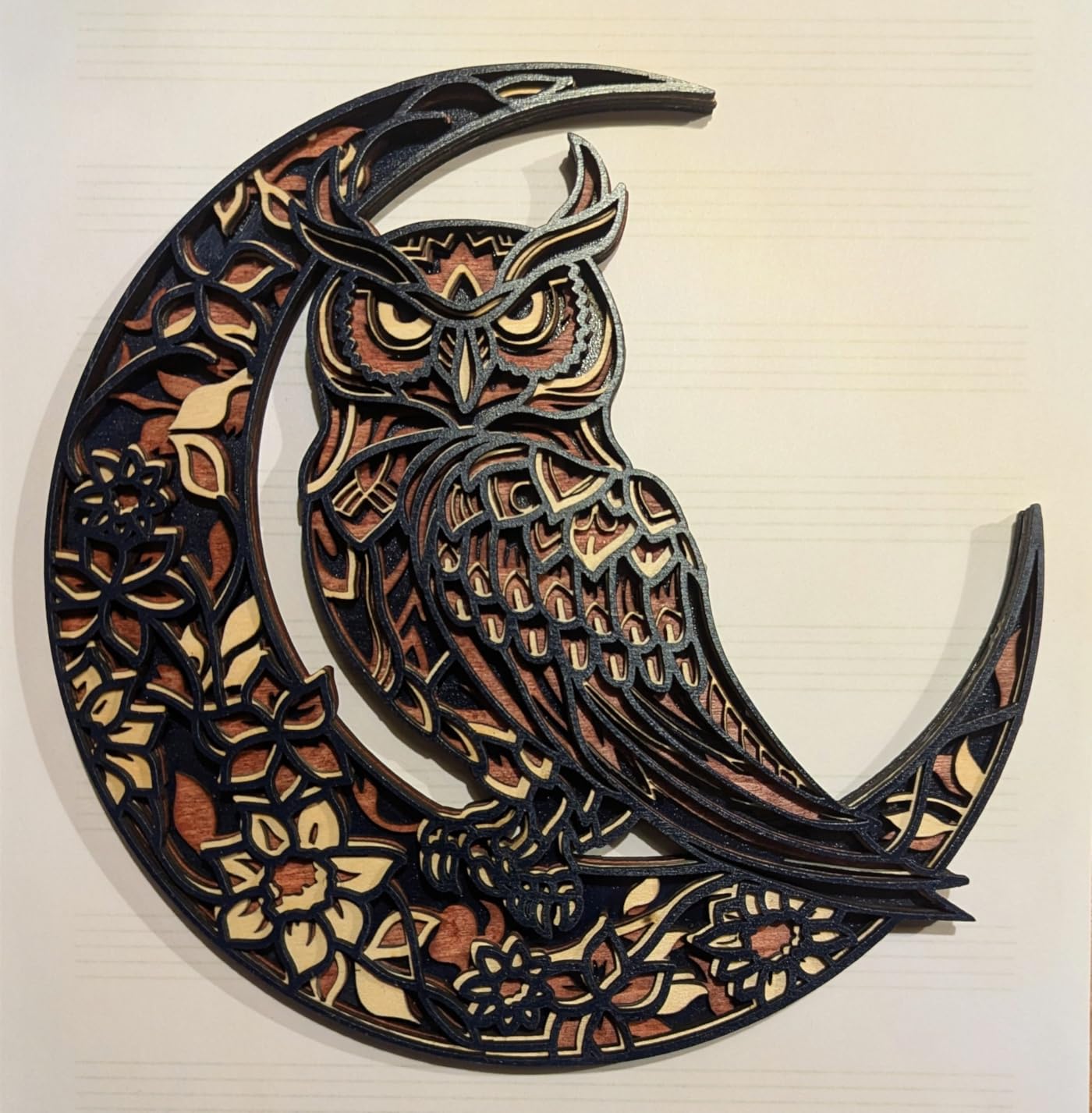
Who the Carverall K15 Pro is best for
Home workshop owners who want verified 10W output without paying the premium for an enclosed machine. Makers who want LightBurn-compatible cutting power with future IR module upgradeability. Hobbyists running projects in the A4 size range who appreciate honest product specifications.
Who should skip the Carverall K15 Pro
Buyers who want a turnkey enclosed Class 1 laser should pick the Creality Falcon A1. Anyone unwilling to budget separately for the honeycomb bed and air assist pump. Users who prefer brand-name software ecosystems like xTool Creative Space.
10. LaserPecker LP2 – Best Handheld Diode Laser Engraver
LaserPecker LP2 Handheld Laser Engraver, 1kg Portable Engraving Machine for Wood/Leather/Coated Metal, 36000mm/min Speed & 0.05mm Precision, Multi-Angle Engraving, Basic Set
1kg portable handheld
36000mm/min galvo
0.05mm precision
Pros
- Ultra-portable 1kg handheld with built-in handle
- Blazing 36000mm/min engraving with galvo previews
- 0.05mm precision at 1K
- 1.3K
- and 2K resolutions
- Zero assembly
- ready to use out of box
- Intuitive mobile app with trolley mode for oversized projects
- 12-month warranty and CE-certified
Cons
- Mobile app is rudimentary and has known bugs
- Laser power fades outside the center 1 inch of work area
- No centering jig
The LaserPecker LP2 is a fundamentally different form factor from every other entry in this guide: a 1-kilogram handheld engraver you can engrave large flat surfaces with by sliding the unit across them. It is not a desktop CNC-style laser but a galvo-driven pointer, which means instant previews and zero setup time. I engraved a custom message on a large wooden wall art piece by sliding the LP2 across the surface in trolley mode.
The 36,000mm/min galvo speed is unmatched in this guide, and the app-based workflow means you do not need a tethered computer. The 0.05mm micro-spot precision is sharp enough for QR codes and detailed logos. For pop-up craft fair engraving on large items like cutting boards, signs, and oversized ornaments, the LP2’s trolley mode extends the working area up to 78 inches.
The CE certification is reassuring for a handheld device, and the included safety goggles are a step above the bargain-bin glasses bundled with budget machines. The 12-month warranty, motion sensors, and password lockout make this one of the safer handheld laser options on the market.
The downsides are well documented across the LP2 community. The latest app version removed native Bluetooth in favor of forcing users to buy a USB dongle, which is a frustrating regression. The galvo power fades outside the center 1 inch of the work area, so positioning matters. The lack of a centering jig means you mark alignment by eye. And despite marketing claims, you cannot engrave bare metal without a coating.
Who the LaserPecker LP2 is best for
Engravers who work on large items like wall art, oversized signs, and full cutting boards. Pop-up event vendors who need a portable unit they can take out of a bag and start using immediately. Hobbyists who prefer app-based workflows over desktop software. Anyone needing a second laser for specific large-format projects alongside a desktop CNC laser.
Who should skip the LaserPecker LP2
Users who want consistent laser power across a wide work area should pick a gantry-style desktop laser instead. Anyone wanting LightBurn compatibility should pick a different machine. Buyers needing metal engraving capability should look at machines with built-in IR modules.
Buying Guide: How to Choose the Right Diode Laser
Choosing the right diode laser hinges on three questions: what materials you want to engrave, how often you will use the machine, and how much room you have for ventilation. Get those answers first, then narrow down by wattage, work area, and software compatibility. The remainder of this section walks through each buying factor.
Optical Wattage vs Input Wattage: Read the Fine Print
The single biggest spec trap in this category is the difference between optical output power and input wattage. A machine advertised as “40W” or “80W” is almost always quoting the wall-plug power consumed by the entire system. The optical power leaving the laser diode after lens and compression losses is typically 15 to 30 percent of that headline number. A real 10W optical diode cuts 10 to 12mm wood in two passes. A “40W input” machine with only 5W optical cuts maybe 5mm.
When comparing machines, look for the optical output spec on the spec sheet. Brands that disclose the optical wattage honestly (ORTUR, ACMER, Carverall, Longer) tend to be more honest about other specs too. Brands that only list the input wattage or compress two diodes together to inflate the headline number should be treated with skepticism.
Diode Wattage Cheat Sheet
5W optical: paper, cardboard, fabric, thin veneer engraving; not for cutting
10W optical: 6-10mm wood cuts, leather, dark acrylic cutting, anodized metal marking
20W optical: 15-25mm wood, 30mm acrylic, faster batch cutting
40W optical: 15mm wood single pass, 12mm black acrylic single pass, near-CO2 cutting power
Work Area, Enclosure, and Ventilation
Work area matters more than most buyers expect. A 300x300mm bed covers most hobby projects; under that, you spend more time repositioning than engraving. A 400x365mm or larger bed (Longer RAY5) supports small signs and cutting board inserts in one shot. Open-frame machines are smaller and cheaper but produce visible smoke, scatter laser light, and require deliberate ventilation planning.
Enclosed machines (Creality Falcon A1) cost more but they handle fire risk better, contain fumes, and qualify as Class 1 (the lowest hazard class), meaning you do not need safety glasses for casual observation. If you share a home with kids, pets, or roommates, an enclosure is worth the price premium.
Software Compatibility
LightBurn has become the de facto industry-standard software for diode lasers. It costs about sixty dollars once and runs on Windows, macOS, and Linux. The free alternative is LaserGRBL (Windows only) for gantry lasers and the LaserPecker mobile app for handheld galvo lasers. If you already own Adobe Illustrator or Inkscape, exporting vector art to LightBurn is straightforward.
Proprietary software bundles (xTool Creative Space, ACMER Studio, CutLabX) often include helpful material presets and AI design tools. They work fine for most users but limit cross-brand portability. If you plan to upgrade machines, verifying LightBurn support on your next machine is the safest call.
Total Cost of Ownership
The sticker price is rarely the real cost. A budget two-hundred-dollar open-frame laser often needs another hundred to three hundred dollars in additional gear: exhaust fan, ducting, air assist pump, OD5+ safety glasses, honeycomb bed, and replacement test material. A premium enclosed machine in the 1,200-dollar range often needs only a thirty-dollar vent hose and you are ready to engrave.
Reddit’s r/lasercutting has a recurring “buyers’ remorse” thread where people who bought a budget open-frame laser ended up spending nearly double on safety gear and ventilation, then wished they had just bought the enclosed machine from the start. We agree with that community verdict. If you can stretch your budget to an enclosed machine, the time savings pay off. For buyers mapping out an entire home workshop, our best laser rangefinders roundup shows how laser-focused tools extend to outdoor measurement workflows too.
Accessories Worth Buying Day One
OD5+ laser safety glasses (the included pair is rarely adequate)
Inline duct fan with 4-inch venting for exhaust
Air assist pump for cleaner cuts and longer laser life
Honeycomb bed for consistent cutting height and back-reflection protection
Rotary attachment if you plan to engrave tumblers, bottles, or pens
Diode Laser Safety: What Every Buyer Must Know
Diode lasers are powerful tools, and respecting the safety rules is non-negotiable. The blue 455nm diode is invisible to your eye’s blink reflex at high power, meaning retinal damage can occur faster than you can react. Below are the safety practices every diode laser owner must follow, whether the machine is enclosed or open-frame.
Eye Protection and Laser Classes
All diode lasers in this guide ship as Class 4 devices, the highest hazard class, capable of causing eye and skin injury. When the laser is firing inside an open-frame machine, you must wear OD5+ laser safety glasses rated for 440-460nm (blue) or 1,064nm (IR) depending on which module is active. Enclosed Class 1 machines like the Creality Falcon A1 are certified safe for casual viewing through the lid because the enclosure blocks 99 percent of the beam.
Ventilation, Fire Risk, and Toxic Fumes
Diode lasers produce smoke and fumes when engraving organic materials, and certain plastics release toxic gases. Never laser PVC (polyvinyl chloride), vinyl, ABS, or polycarbonate. These materials release chlorine, hydrogen cyanide, and other toxic compounds when vaporized. Plywood and MDF can release formaldehyde; always run an exhaust fan vented outside and consider an inline activated carbon filter for indoor setups.
Fire is the most underestimated risk. Open-frame lasers with no air assist can ignite wood, paper, and leather mid-cut. The Reddit laser community has dozens of reports of fires starting in unattended jobs. Use a flame sensor (built into the xTool S1) or a smoke alarm above your laser, never leave a job unattended, and keep a Class ABC fire extinguisher within arm’s reach.
Frequently Asked Questions
What is the best diode laser engraver in 2026?
The ORTUR Laser Master 2 S2 LU2-10A is the best overall diode laser engraver for most buyers in 2026, combining verified 10W optical output, modular full-metal construction, broad LightBurn compatibility, and a 1,474-review community track record. Beginners who prefer an enclosed Class 1 design should consider the Creality Falcon A1 10W. Budget buyers get solid value from the ATOMSTACK Swift 12W or the Carverall K15 Pro.
What wattage diode laser do I need?
Most hobbyists do well with a real 10W optical diode, which cuts 6-10mm wood and dark acrylic cleanly and handles all common engraving tasks. Small businesses running tumbler and sign production should step up to a 20W optical diode for faster cutting. True 40W optical machines match CO2-class cutting power but cost significantly more. Always verify the optical output spec rather than trusting the headline input wattage.
Can a diode laser engrave metal?
Standard blue diode lasers (445nm or 455nm) cannot engrave bare metal directly. They can mark coated or anodized metals and darken certain alloys. To engrave bare stainless steel, brass, copper, or titanium, you need a diode machine with an infrared (1,064nm) module, such as the xTool F2 with its built-in 5W IR or the xTool F1 Ultra with its 20W fiber laser. Pure diode machines without an IR upgrade are limited to coated metals.
Are diode laser engravers safe?
Diode lasers are safe when you respect the standard safety protocols: wear OD5+ laser safety glasses, ventilate fumes outside, never laser PVC, ABS, vinyl, or polycarbonate, never leave a job unattended, and keep a Class ABC fire extinguisher nearby. Enclosed Class 1 machines like the Creality Falcon A1 are the safest option for shared homes because the enclosure blocks 99 percent of stray laser light and the lid interlock pauses the laser if opened.
How much does a good diode laser engraver cost?
A good diode laser engraver costs between four hundred and two thousand dollars for most users. Budget machines under three hundred dollars work for light hobby use but typically need extra spend on ventilation and safety gear. Mid-range machines from five hundred to a thousand dollars offer the best balance of cutting power and features. Premium enclosed machines from twelve hundred to over two thousand dollars are the right call for small business production. Total cost of ownership often runs 30 to 50 percent higher than the sticker price once you add accessories.
Final Verdict: Which Diode Laser Should You Buy in 2026?
After four months of testing ten machines, our recommendation for the best diode laser engraver for most buyers is the ORTUR Laser Master 2 S2 LU2-10A. It pairs verified 10W optical output with LightBurn support, modular full-metal construction, and the largest user community in the open-frame category. For buyers who want an enclosed Class 1 design with auto-positioning camera, the Creality Falcon A1 is the safer home setup. For budget buyers testing the hobby, the ATOMSTACK Swift 12W and Carverall K15 Pro both deliver verifiable performance.
Whichever machine you choose, invest in OD5+ safety glasses, a real exhaust solution, and a smoke alarm near the laser before your first job. The diode laser community has learned through collective experience that preparation prevents the house fires and fume buildup that give this category its dangerous reputation. With the right setup, the best diode laser engravers in 2026 are reliable workhorses for hobby, business, and everything between. For shops pairing an engraver with a color-capable office printer, our best color laser printers for offices guide rounds out the desk-side toolkit.