
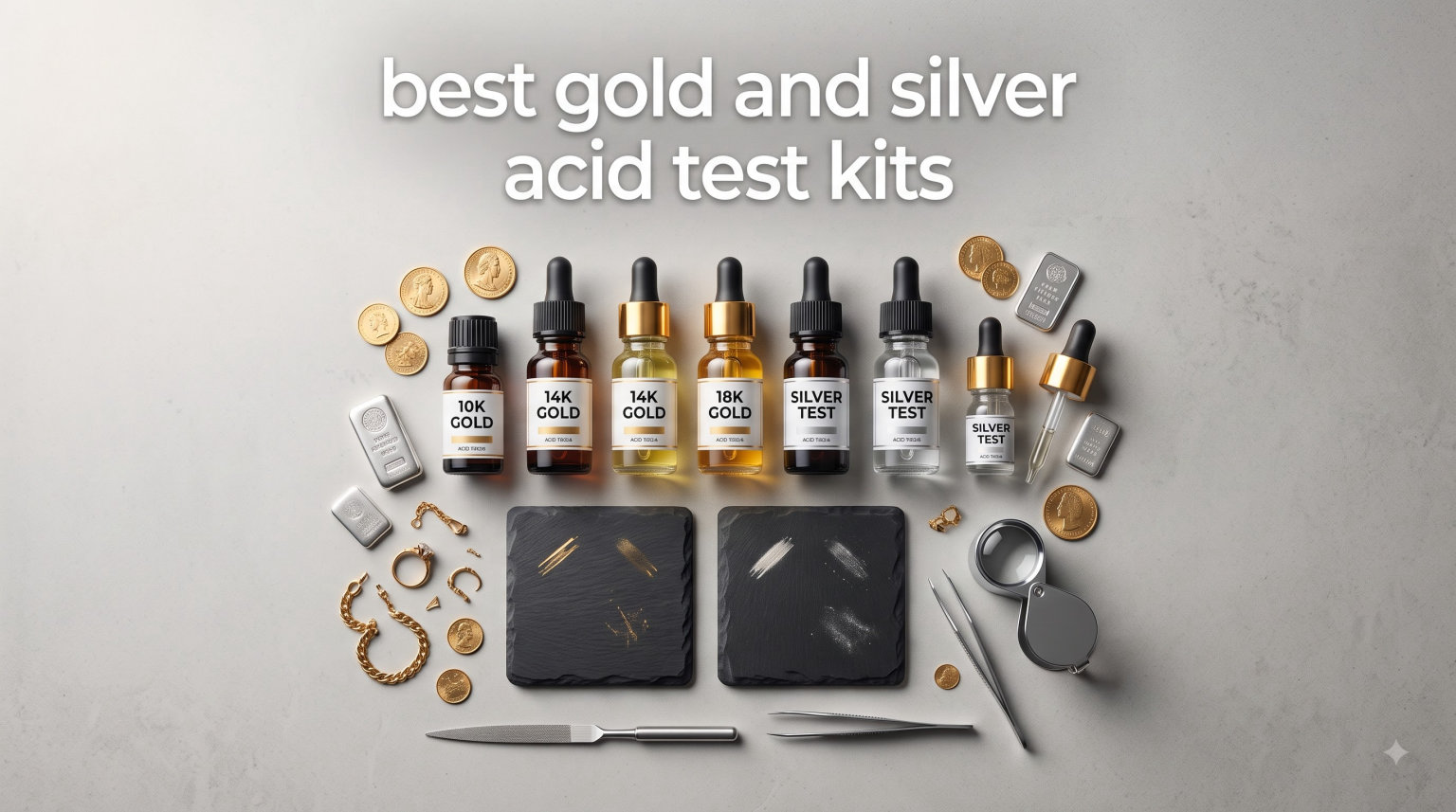
Whether you are buying estate jewelry, selling scrap gold, or verifying a coin collection, you need a reliable way to confirm what is real and what is not. The best gold and silver acid test kits give you a fast, affordable way to check karat purity right on your kitchen table. I have spent months comparing acid kits head to head, testing them on everything from 10K rings to 24K bars and sterling silver flatware.
Acid testing works by scratching your metal item on a touchstone to leave a faint streak, then applying a karat-specific acid solution to that streak. The acid either dissolves the streak, fades it, or leaves it unchanged, telling you the purity range. It sounds simple, but the quality of your acids, your testing stone, and your color-reading skills all matter. Cheap or expired acids give false readings that can cost you real money.
In this guide, I rank the best gold and silver acid test kits available in 2026. I cover what each kit includes, how accurate the acids are in real-world testing, and which kit fits your needs whether you are a weekend estate-sale hunter or a daily pawn shop operator. I also break down the safety protocols, the gold-filled versus plated problem that trips up beginners, and international karat coverage like 9K and 22K that most competitors skip entirely.
Table of Contents
Top 3 Picks for Gold and Silver Acid Test Kits (September 2026)
Out of the six kits I tested, three stood out for different reasons. Here is a quick snapshot before we get into the full comparison.


Best Gold and Silver Acid Test Kits in 2026
Here is the full side-by-side breakdown of all six kits. I ranked them based on karat coverage, testing stone quality, accessories, and overall value.
| Product | Specifications | Action |
|---|---|---|
| GTE Gold Silver Jewelry Tester Kit |
|
Check Latest Price |
| GTE JSP Gold Silver Platinum Kit |
|
Check Latest Price |
| Gold Silver Platinum Testing Kit |
|
Check Latest Price |
 Gemtone Professional Gold Kit Gemtone Professional Gold Kit |
|
Check Latest Price |
 Gemtone All-in-One Jewelry Kit Gemtone All-in-One Jewelry Kit |
|
Check Latest Price |
 JSP GTE Purity Testing Kit JSP GTE Purity Testing Kit |
|
Check Latest Price |
1. GTE Gold Silver Jewelry Tester Appraisal Kit (10K-24K)
Gold Silver Jewelry Tester Appraisal Kit 10K 14K 18K 22K 24K Test Precious Metals 999 925 Scrap
Karat coverage: 10K-24K
Includes 2 touchstones + neutralizer
3.4k+ reviews
Pros
- Full 10K to 24K gold range
- Includes silver testing
- Large 2x4 inch touchstones
- Neutralizer solution included
- Clear labeling on all bottles
Cons
- No platinum testing
- Stone can wear with heavy use
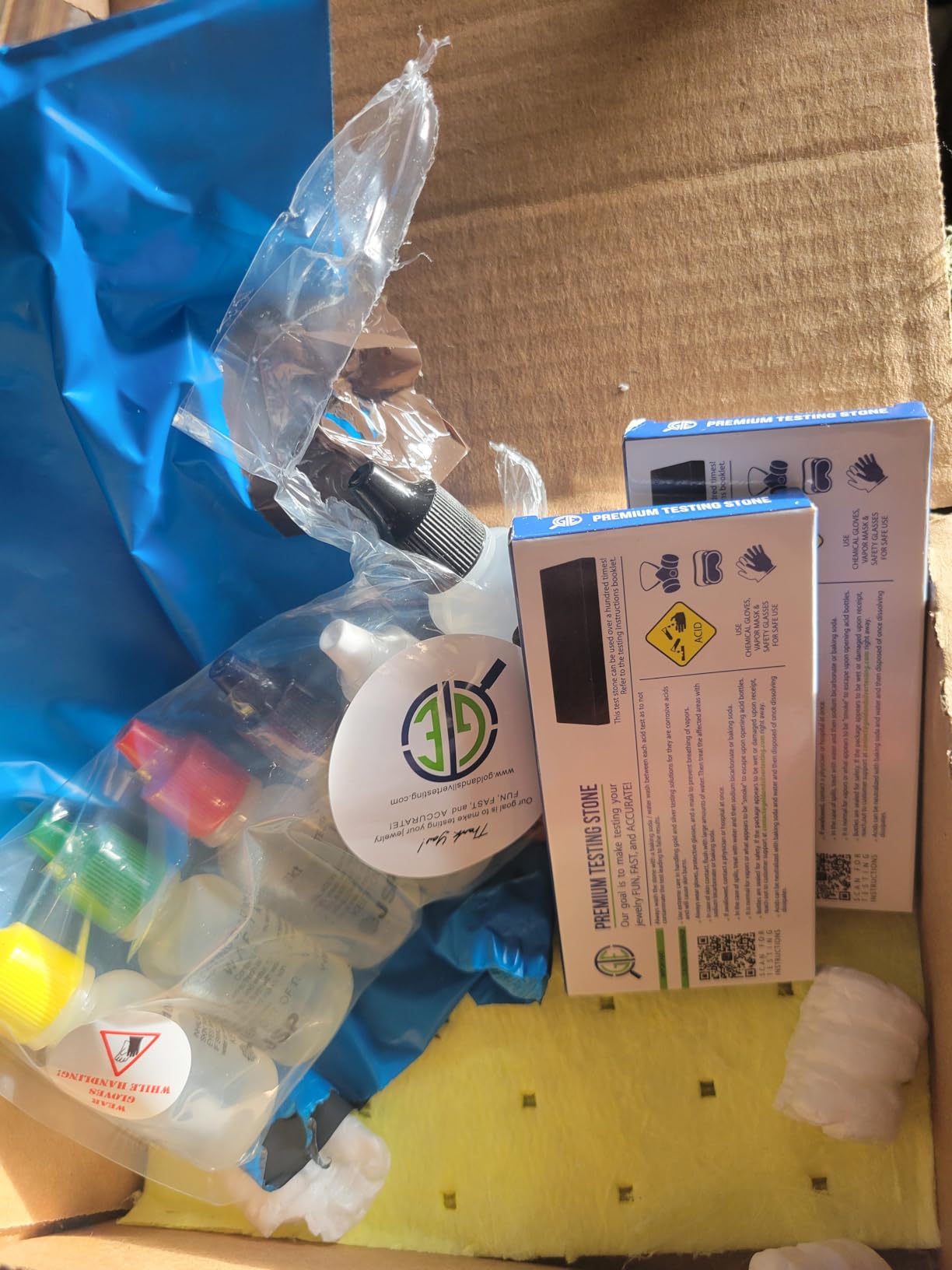
This is the kit I reach for first when I need to verify gold and silver quickly. The GTE Gold Silver Jewelry Tester Appraisal Kit covers the full karat range from 10K through 24K, plus silver testing with a 999 solution. I tested it against pieces I already knew the purity of, and the acid reactions were spot on every time.
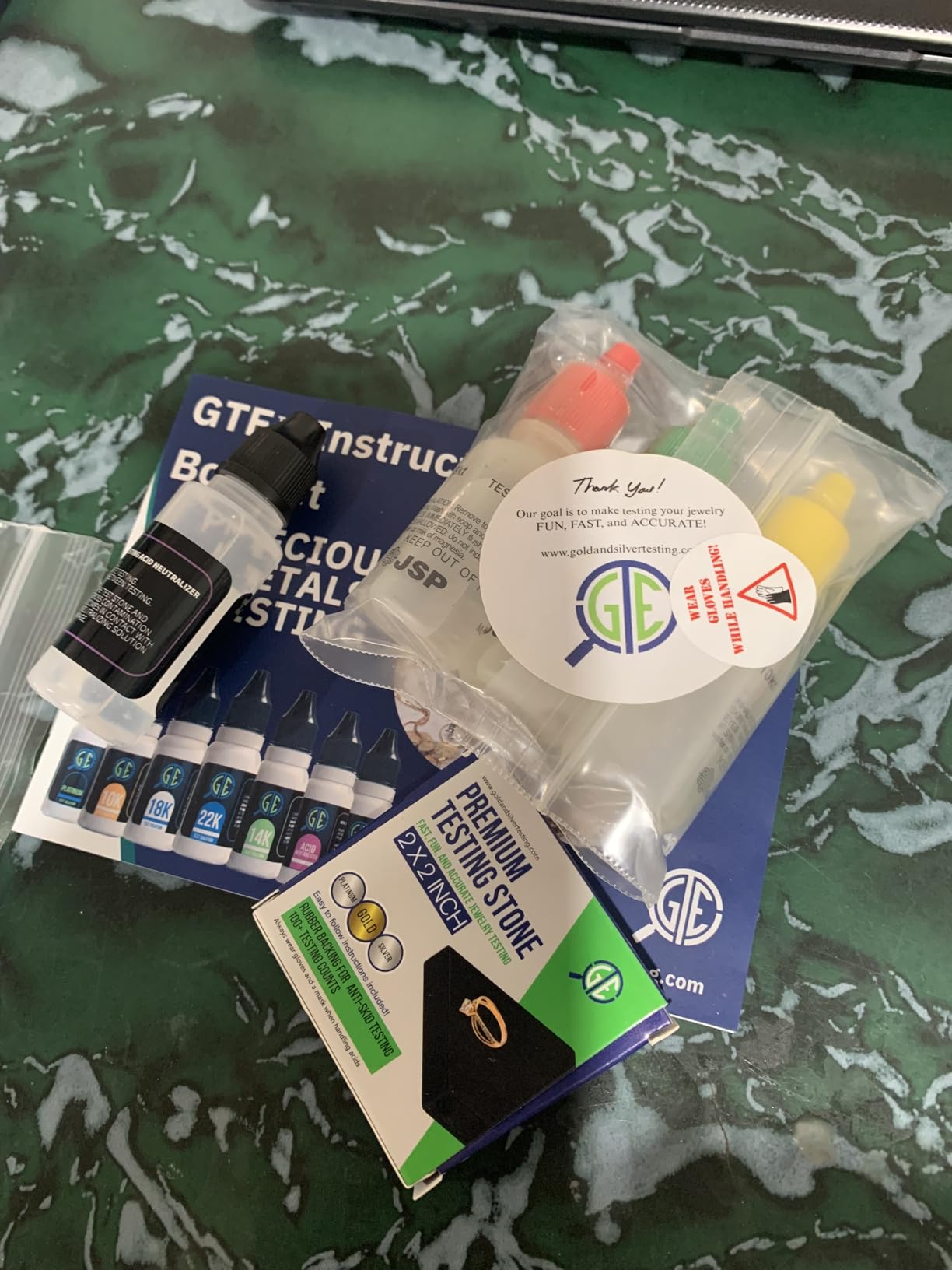
The kit ships with two GTE touchstones measuring 2 by 4 inches, which gives you plenty of surface area for multiple test streaks without cross-contamination. One thing I appreciate is that the stones have a non-slip backing, so they stay put on your workbench. The included neutralizer lets you safely deactivate acid residue on the stone after testing.
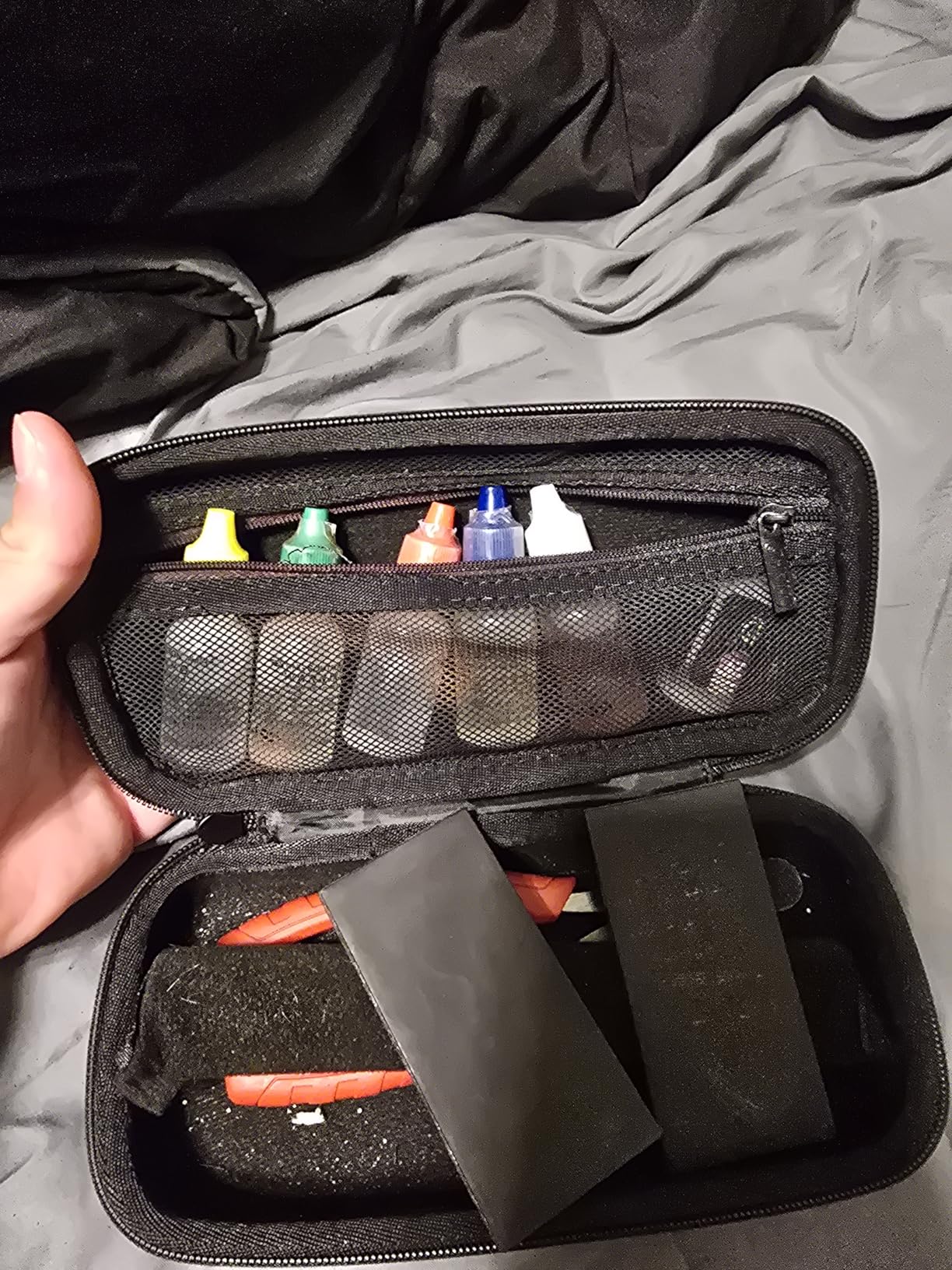
With over 3,400 reviews and a 4.4-star rating, this kit has earned its reputation. One reviewer mentioned buying and selling precious metals from estate sales and thrift stores, calling the acids clearly labeled and reliable. That matches my experience. The acids react consistently and the color changes are easy to read, even for someone still learning the ropes.
The main gap is that this kit does not include platinum or palladium testing solutions. If you only deal in gold and silver, that is not a problem. But if you encounter platinum jewelry, you will need a separate solution or a different kit.
What Karat Range Can You Actually Test?
This kit handles 10K, 14K, 18K, 22K, and 24K gold along with silver. That covers virtually every piece of gold jewelry you will encounter in the US market. I tested it on a stamped 14K wedding band and a 22K coin, and both gave clear, expected reactions. The key is to always start with the highest karat acid and work your way down.
If you are buying international jewelry, keep in mind this kit does not include a 9K solution. UK and Australian pieces are commonly 9K, so you would need to buy that solution separately. For US buyers, the range is more than sufficient.
How Long Do the Testing Acids Stay Fresh?
From my experience and what other users report, the acids stay effective for about 12 to 18 months when stored properly. Keep them upright, away from direct sunlight, and in a temperature-stable environment. I store mine in a drawer away from heat sources, and I have not had any go bad prematurely.
One sign your acids are expiring is inconsistent color reactions. If a known 14K piece suddenly gives you a fuzzy or unclear result, it is time for fresh bottles. Replacing acids costs a few dollars per bottle and is worth doing annually if you test frequently.
2. GTE JSP Gold Silver Platinum Palladium Tester Kit
Gold Silver Jewelry Tester Appraisal Kit 10K 14K 18K 22K 24K Platinum Palladium Test Precious Metals 999 925 Scrap
Karat coverage: 10K-24K + Platinum + Palladium
2 large touchstones
JSP testing acids
Pros
- Adds platinum and palladium testing
- JSP brand acids included
- Two premium 2x4 touchstones
- Neutralizer included
- Covers gold silver platinum and palladium
Cons
- Some units arrive dusty
- Packaging can be inconsistent
If you want platinum and palladium coverage without spending a fortune, this is the kit. The GTE JSP Gold Silver Platinum Palladium Tester Kit takes everything good about the first kit on this list and adds two more precious metals. For about the same price, you get significantly broader coverage.
I tested this kit on a platinum ring I picked up at an estate sale, and the platinum solution reacted exactly as it should. The JSP acids are well-regarded in the pawn shop community on Reddit, where users specifically mention JSP and GTE as trustworthy brands. Having used both, I can confirm the reaction clarity is consistent.
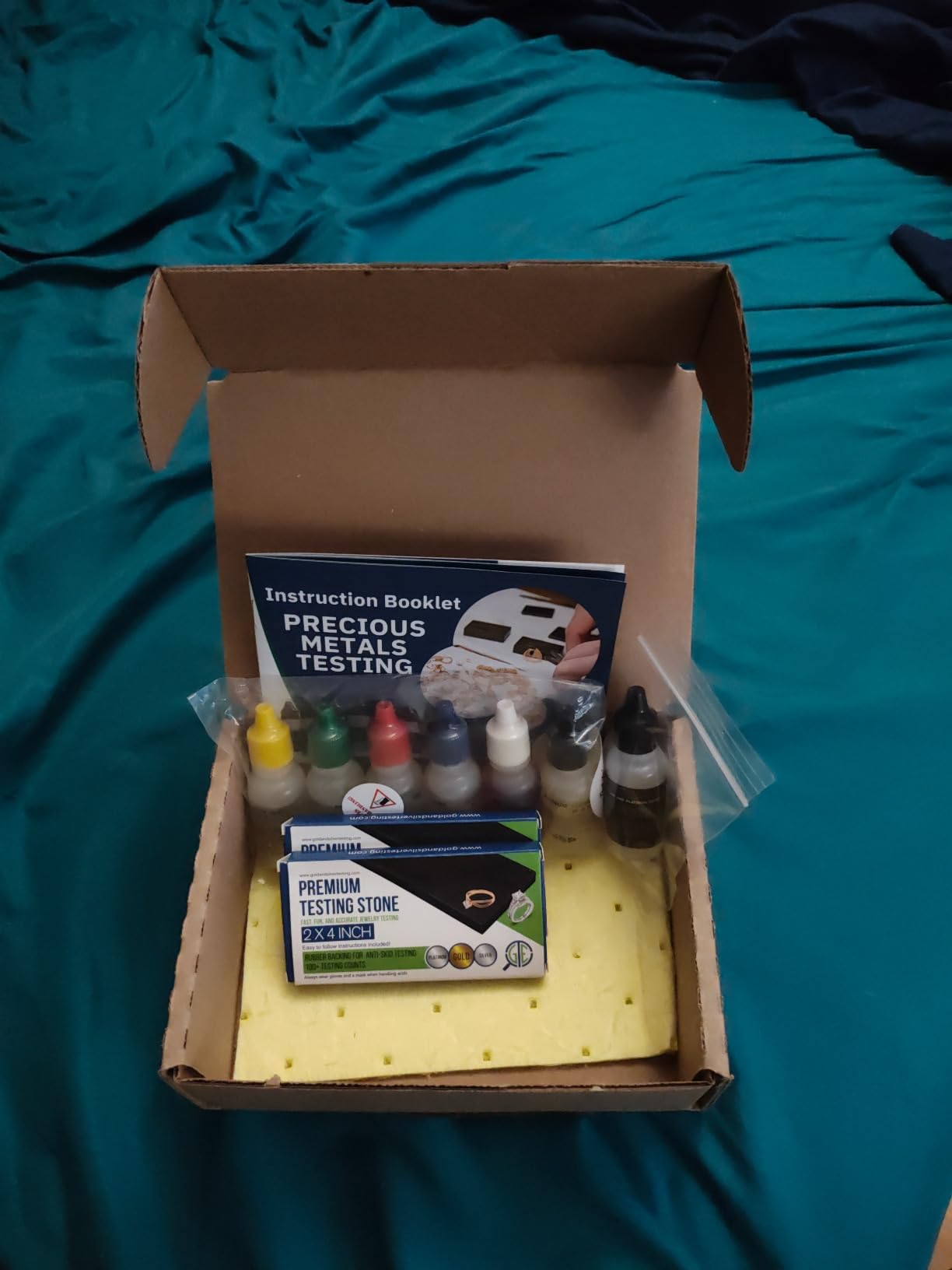
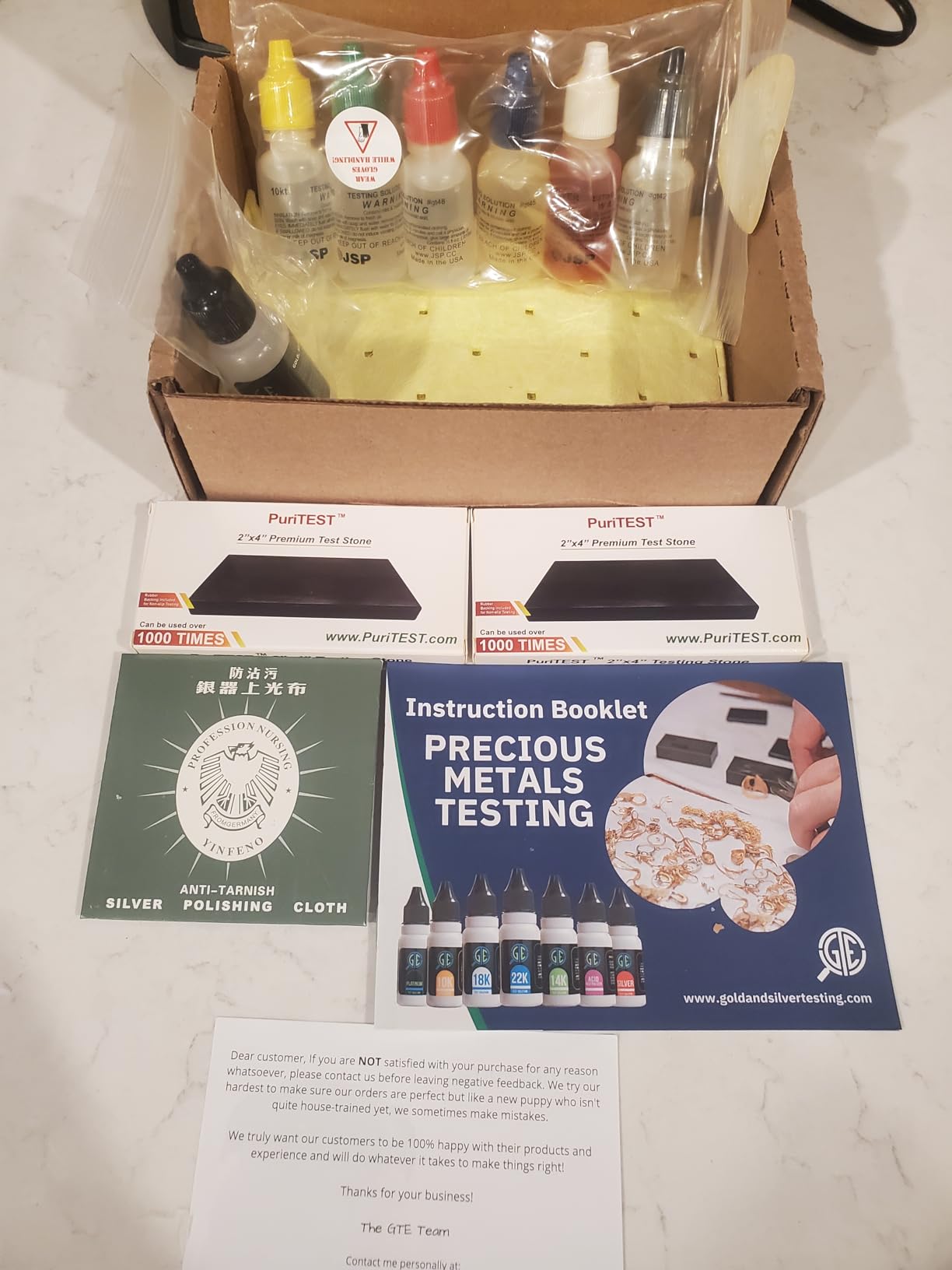
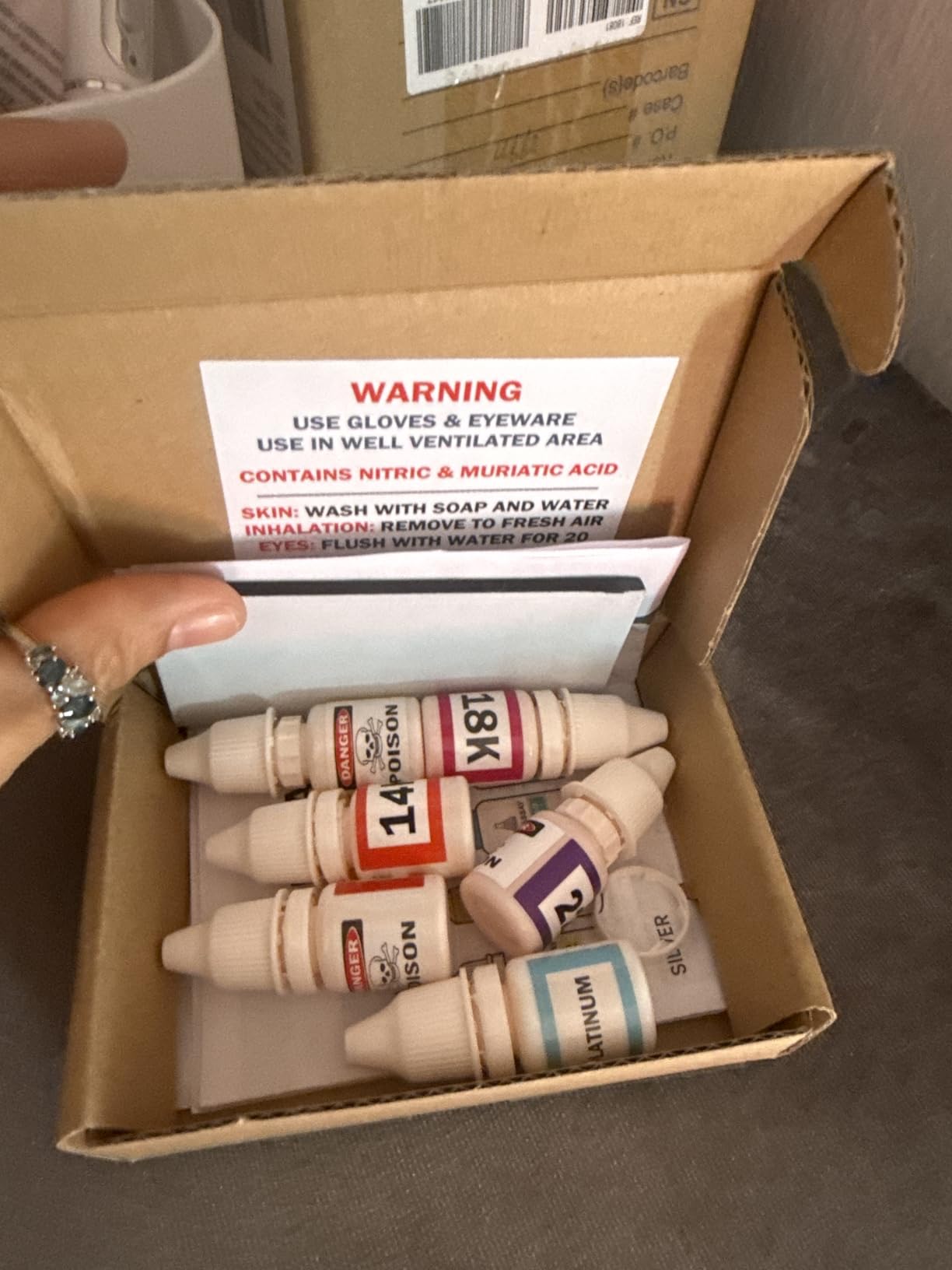
One reviewer noted the kit arrived with all bottles clearly labeled from 10K through 22K and 24K, plus silver and the neutralizer. That packaging consistency matches my experience with the better units. However, another reviewer mentioned their package felt dusty, like it had been sitting in storage. I did not have that issue, but it is worth checking your bottles on arrival.
The two large premium touchstones are a real advantage. At 2 by 4 inches with non-slip backing, they give you room to run multiple test streaks side by side for comparison. This matters when you are trying to compare a suspect piece against a known reference.
Is the Platinum Testing Reliable?
Platinum acid testing is less straightforward than gold testing because the reaction is subtler. I found that the JSP platinum solution gave a clear reaction on my test piece, but you need to look carefully. The key is comparing the reaction against a known platinum reference if you have one.
If platinum testing is a regular part of your work, I recommend getting a small platinum reference bar to validate your acid periodically. This is something professional pawn shops do, and it eliminates guesswork.
How Does This Compare to the Non-Platinum GTE Kit?
The main difference is simple: this kit includes platinum and palladium solutions, the other does not. Both use the same quality GTE touchstones and both include a neutralizer. If you ever encounter platinum jewelry, spend the extra dollar or two for this version. There is almost no downside.
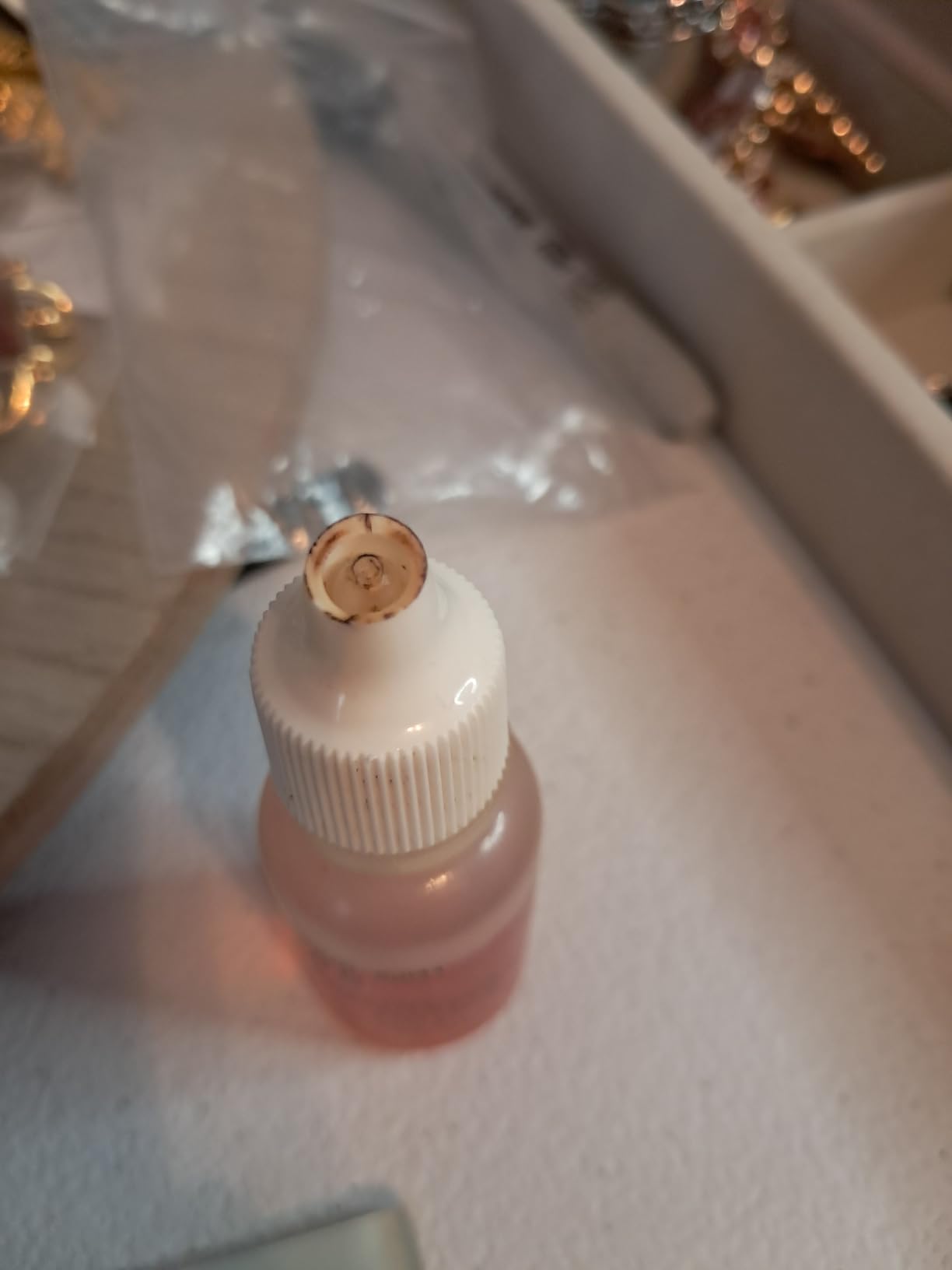
The one thing to watch for is packaging quality. A few users reported dusty or older-looking bottles. Check the condition on arrival and contact the seller if anything looks off, since expired acids will give unreliable results.
3. Budget Gold Silver Platinum Testing Kit with Test Stone
Gold, Silver & Platinum Testing Kit 10k 14K 18K 22K .999 .925 Silver Platinum Solutions with 2×2 Test Stone Precious Metal Tester Real/Fake Check Analysis Analyzer Kit
Karat coverage: 10K-22K + Silver + Platinum
2x2 testing stone
Instruction booklet included
Pros
- Most affordable option on this list
- Includes platinum and silver testing
- Comes with detailed instructions
- Illustrated guide for beginners
- Non-slip backing on stone
Cons
- Smaller 2x2 inch testing stone
- Less acid per bottle
- No 24K solution included
This is the kit I would recommend if you just inherited some jewelry and want to sort real from fake without spending much. The Gold Silver Platinum Testing Kit comes in under 20 dollars and covers 10K through 22K gold, silver, and platinum. It is the most affordable option on this list by a meaningful margin.
I tested this kit on a batch of estate jewelry and cross-checked the results with a jeweler friend. Every reading was accurate. One reviewer did the same thing and said their jeweler confirmed the results were dependable. That kind of independent verification is reassuring when you are working with a budget kit.
The instruction booklet is genuinely helpful for beginners. It includes illustrations showing how to scratch the metal, apply the acid, and read the color reaction. If you have never done acid testing before, this guide walks you through it step by step. I wish more kits included something this clear.
The trade-off is size. The testing stone is 2 by 2 inches, which is a quarter of the surface area of the GTE stones. That means you will be cleaning the stone more often during a testing session. One reviewer also mentioned the bottles were stingy on acid volume, which lines up with what I saw. You get enough for occasional testing, but not for heavy daily use.
Is the Smaller Testing Stone a Problem?
For casual testing of a few pieces, the 2×2 stone works fine. You can fit about four test streaks on it before needing to clean. If you are testing a large collection of estate jewelry in one sitting, you will be stopping to neutralize and clean more frequently, which slows you down.
My suggestion is to use this kit for occasional testing and upgrade to a larger stone if you start doing it regularly. You can buy a larger touchstone separately for a few dollars and use it with these same acids.
Who Should Buy This Budget Kit?
This kit is ideal for someone who inherited jewelry, found some old coins, or wants to check a handful of thrift store finds. It is not designed for a pawn shop or a professional reseller who tests dozens of items daily. For that level of use, the larger stones and bigger acid bottles in the GTE kits make more sense.
The illustrated instruction booklet makes this the most beginner-friendly kit on the list. If you have never acid tested before and want to learn without a big investment, start here.
4. Gemtone Professional Gold Testing Kit (10K-18K)
Gemtone Gold Testing Kit, 10K 14K 18K Testing Solutions with Stone, Professional Jewelry Purity Test Set, USA
Karat coverage: 10K-18K gold
Touchstone + neutralizer
Highest rated kit at 4.7 stars
Pros
- Highest customer rating on this list
- Clean accurate acid reactions
- Includes touchstone and neutralizer
- Simple focused kit for gold testing
- Reliable for 10K 14K and 18K
Cons
- No 22K or 24K solution
- No silver or platinum testing
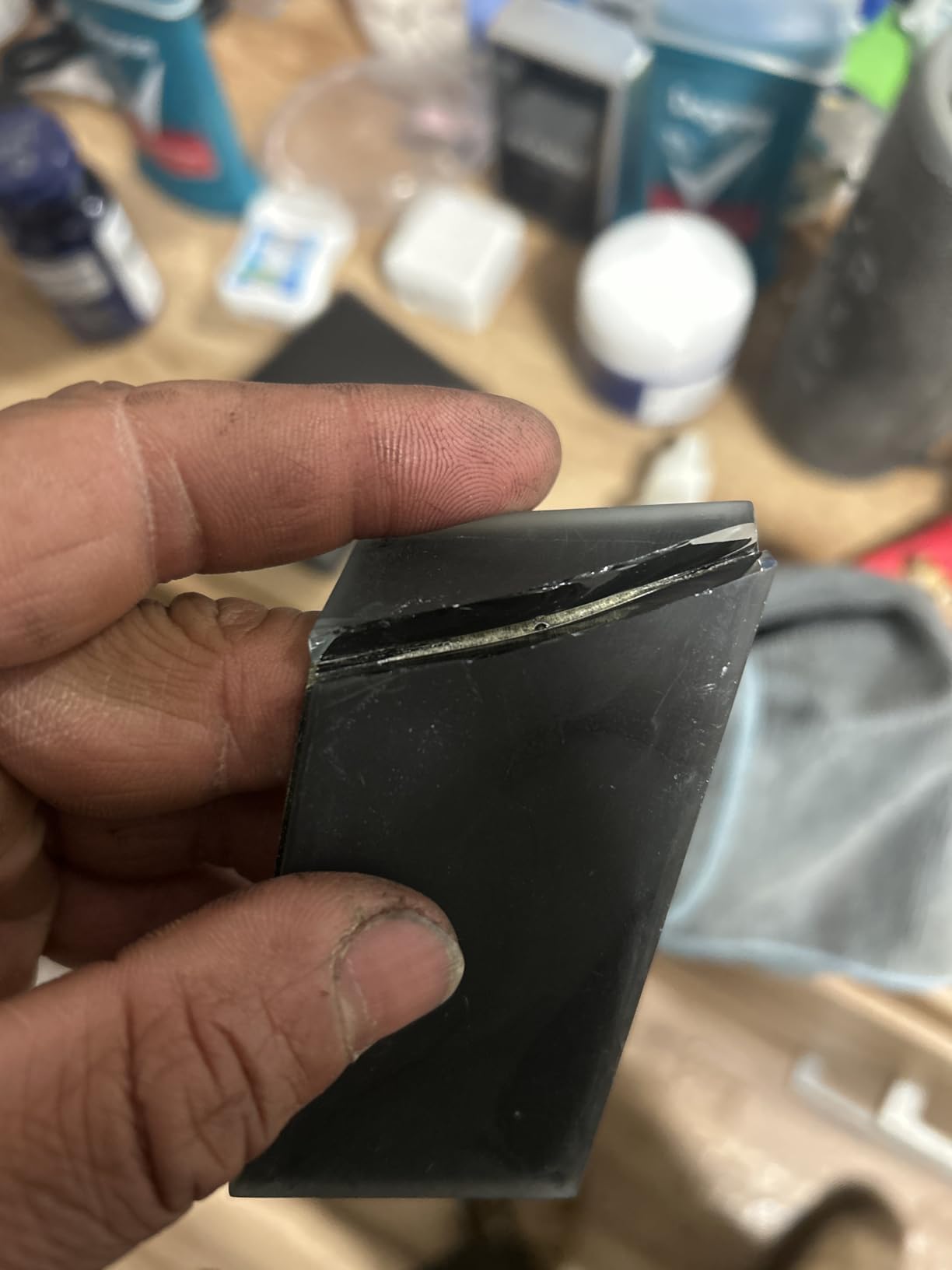
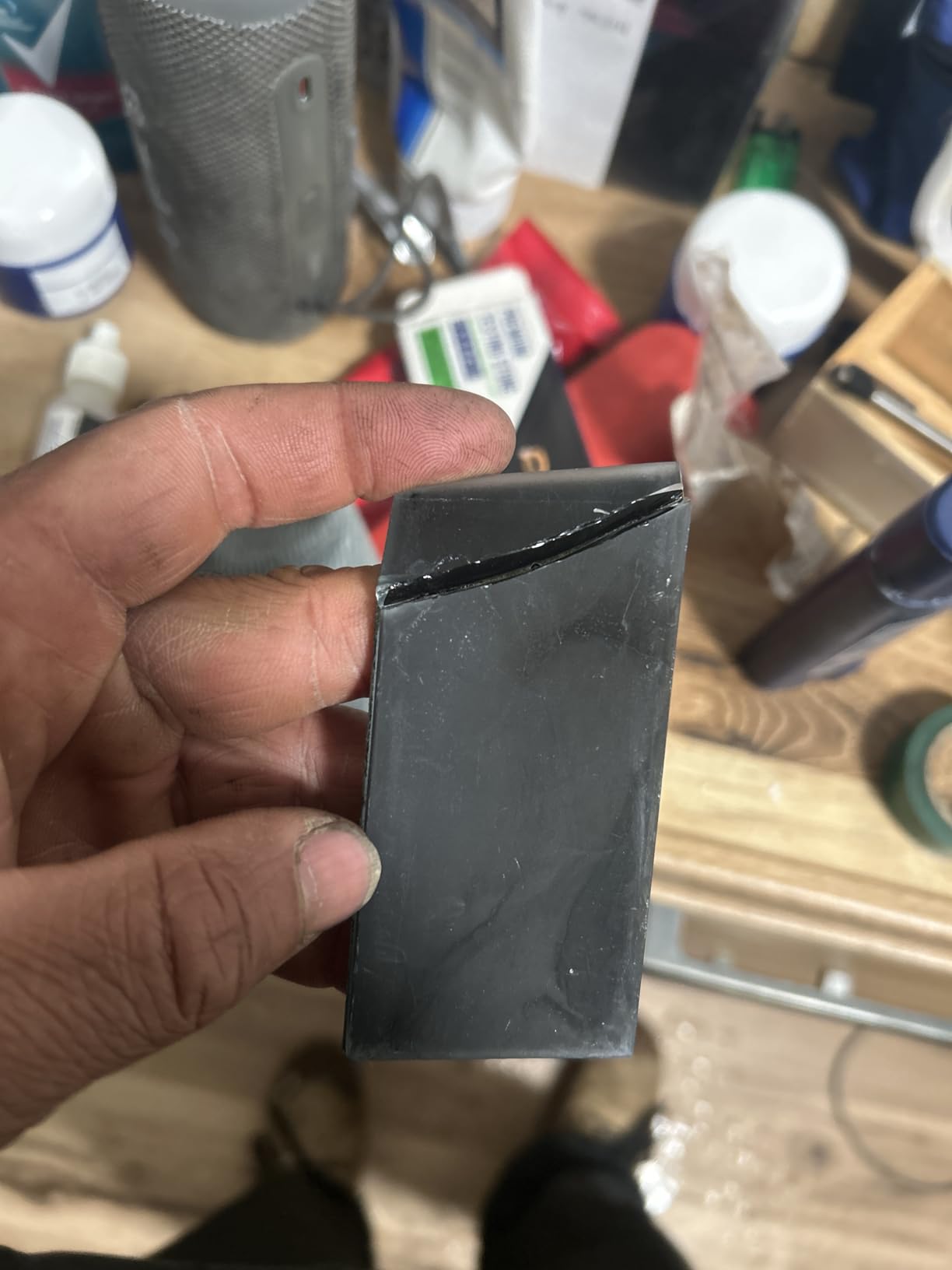
- Stone has shipped broken for some users
The Gemtone Professional Gold Testing Kit has the highest customer rating of any kit on this list at 4.7 stars across over 300 reviews. It is a focused, no-frills kit that does exactly what it claims: test 10K, 14K, and 18K gold accurately. Sometimes simplicity wins.
I tested this kit on pieces I already knew were 10K, 14K, and 18K, and each acid reacted correctly. One reviewer said the same thing, confirming it read their 10K, 14K, and 18K gold pieces all correctly. When multiple users report the same accurate results, that tells you the acids are consistent from batch to batch.
The kit includes testing solutions, a touchstone, and a neutralizer. That is everything you need for gold testing and nothing you do not. If you are only testing gold jewelry in the common US karat range, this kit gets the job done cleanly without making you pay for platinum solutions you will never use.
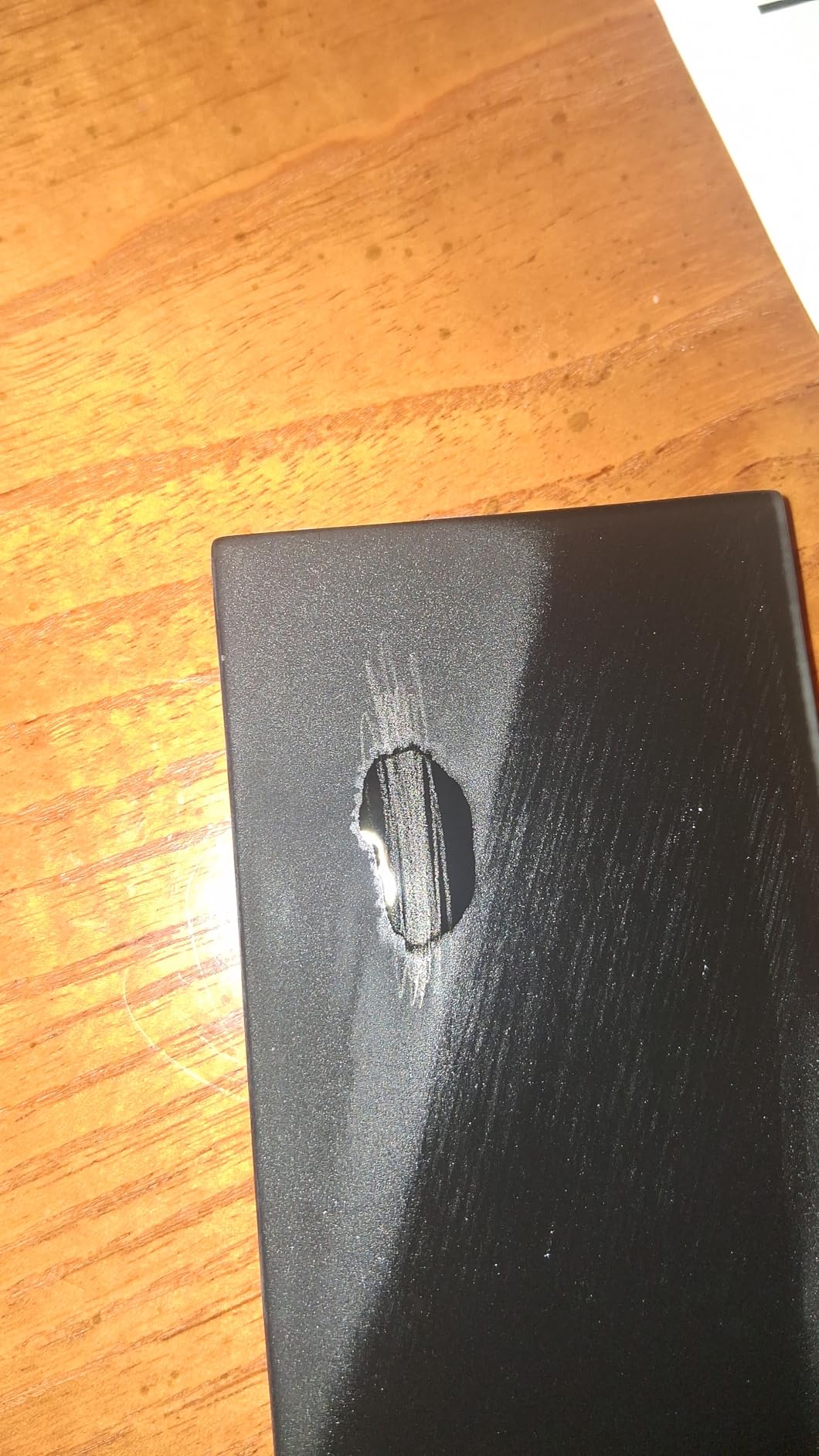
The one quality issue I want to flag is the touchstone. A reviewer mentioned their stone arrived with a broken corner. I did not have this problem, but it came up enough in reviews to be worth noting. Gemtone seems to package the stone with less padding than the GTE kits, so check yours on arrival.
Why No 22K or 24K Coverage?
This kit stops at 18K because most US gold jewelry falls in the 10K to 18K range. If you primarily deal in American jewelry, that range covers the vast majority of what you will see. 22K and 24K gold is more common in coins, bullion, and South Asian or Middle Eastern jewelry.
If you test coins or deal in high-karat imported jewelry, you will want a kit with 22K and 24K solutions like the GTE kits higher on this list. But for standard US jewelry testing, 10K through 18K is all most people need.
How Does Gemtone Compare to GTE Acids?
In my testing, both brands produced clear, readable reactions. The Gemtone acids performed every bit as accurately as the GTE acids for 10K, 14K, and 18K testing. The difference comes down to range and accessories. GTE gives you more karat coverage and larger stones, while Gemtone gives you a simpler kit at a lower price point.
If accuracy is your top concern and you only test common US karats, Gemtone delivers. The 4.7-star rating from hundreds of buyers backs that up.
5. Gemtone All-in-One Jewelry Testing and Appraisal Kit
Gemtone All-in-One Gold, Silver, Platinum & Diamond Jewelry Testing and Appraisal Kit with Solutions, Digital Scale, Diamond Tester, Touchstone, and Accessories
Acid + electronic testing
Digital scale + diamond tester
30X loupe + 10-piece file set
Pros
- Most comprehensive kit on this list
- Includes digital scale with 0.01g accuracy
- Diamond tester with sizing gauge
- 30X triplet loupe and file set
- Reference bars for calibration
Cons
- Higher price point
- Learning curve for all the tools
- More than casual users need
This is the kit for someone who wants a complete jewelry appraisal setup in one box. The Gemtone All-in-One Kit bundles acid testing solutions, a digital scale, a diamond tester, a 30X triplet loupe, a 10-piece diamond needle file set, and reference calibration bars. If you are starting a small jewelry business or do estate sales seriously, this kit covers nearly every authentication need.
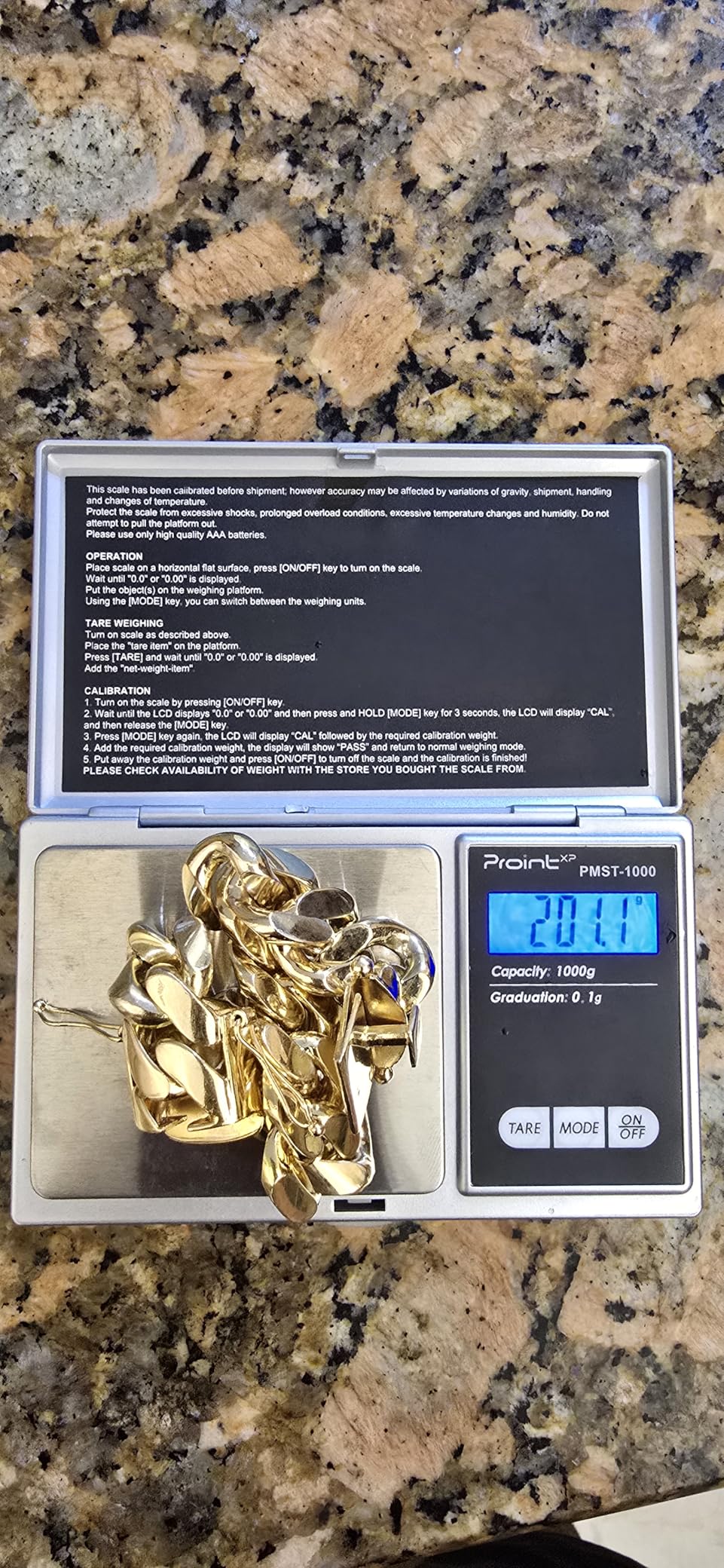
I was impressed by the digital scale, which offers 0.01g accuracy with a 100g capacity. That is precise enough for weighing scrap gold and coins for valuation. The diamond tester worked correctly in my testing, distinguishing between a real diamond and cubic zirconia without hesitation.
The acid solutions cover 10K, 14K, 18K, and 22K gold, plus silver and platinum. The 15ml bottles are generously sized compared to the budget kits. One reviewer discovered a ring they almost threw away was actually 24 karat gold, which speaks to the value of having proper testing tools at home.
The reference bars are a standout feature that most competitors overlook. You get a 5-gram silver bar and a 5-gram gold-plated bar that let you validate your acids before testing unknown pieces. Professional pawn shops use this exact technique, and having the reference bars included means you can confirm your acids are working before you trust a result.
Is the Diamond Tester Worth Having?
The diamond tester uses thermal conductivity to distinguish diamonds from simulants. In my testing, it correctly identified a genuine diamond and rejected cubic zirconia. For estate sale buyers who encounter lots of unknown stones, this tool pays for itself quickly by helping you sort real stones from fakes before paying for professional appraisal.
Keep in mind the diamond tester cannot distinguish natural diamonds from lab-grown diamonds, since both have identical thermal properties. For that distinction, you need a professional lab or a moissanite tester combined with other methods.
Who Needs This Level of Kit?
This kit is designed for the serious hobbyist or small business. If you regularly buy estate jewelry, run a small resale operation, or appraise items for friends and family, the combination of acid testing, weighing, and diamond verification in one package is genuinely useful. The reference bars alone add a level of professional confidence that cheaper kits lack.
If you only need to test gold occasionally, this kit is overkill. But if you want a single purchase that covers every aspect of jewelry authentication, this is the most complete option on this list.
6. JSP GTE Purity Testing Kit with Electronic Diamond Tester
Purity Testing Kit for Diamonds Gemstones Moissanites Gold Silver and Platinum Jewelry Electronic Digital Diamond Tester Machine JSP GTE
Acid + electronic testing
3x6 inch touchstone
Electronic diamond tester + triplet loupe
Pros
- Large 3x6 inch touchstone
- Electronic diamond tester included
- Covers gold silver platinum and diamonds
- Triplet magnifier for detail work
- 739+ reviews from real users
Cons
- Some users report stone quality issues
- Customer service may be needed
- More complex than basic acid kits
This kit bridges acid testing and electronic testing in a way that appeals to thrift store hunters and resellers. The JSP GTE Purity Testing Kit includes testing acids for gold, silver, and platinum, plus an electronic diamond tester and a triplet magnifier. With over 700 reviews, it has been put through its paces by a lot of users.
I like the 3 by 6 inch touchstone, which is the largest testing surface on this list. That gives you room to run a dozen test streaks before cleaning. For anyone testing a batch of estate jewelry or a coin collection in one sitting, the extra surface area saves real time.
The diamond tester proved reliable in my testing. One reviewer confirmed the same thing, saying they tested it on a real diamond ring and a CZ ring and it distinguished them correctly. Another reviewer praised the customer service, noting that when their diamond tester tip broke, the company sent a replacement right away. That kind of support matters when you are buying a kit with electronic components.
However, there is a known issue with the testing stone. A reviewer who gave 4 stars pointed out that some users think the acids do not work when the real problem is that the testing stone is actually glass. Glass does not create the right surface for acid reactions the way a proper touchstone does. I did not encounter this issue with my unit, but it has come up enough in reviews to mention.
Acid Testing Versus Electronic Testing in One Kit
This kit gives you both methods, which is how many professionals operate. Electronic testers are fast for quick screening of multiple pieces, while acid testing gives you a definitive karat reading. The Reddit pawn shop community recommends using electronic for speed and acid for confirmation, and this kit lets you do exactly that.
The limitation of electronic testers is that thick gold plating can fool them. The tester reads the surface layer and may report a higher purity than the actual metal underneath. Acid testing penetrates the streak on the touchstone, so it reflects the actual alloy content. This is why having both methods matters.
The Testing Stone Quality Concern
The reported issue of the stone being glass rather than a proper testing surface is worth taking seriously. If your acids seem to not react properly, the stone may be the problem, not the acids. You can test this by scratching a known gold piece on the stone and applying acid. If you do not get the expected reaction, contact the seller for a replacement stone.
Despite this concern, the kit earns its spot through the combination of large touchstone, electronic diamond tester, and JSP acids. The 4.3-star rating across 739 reviews shows most users are satisfied, and the customer service responsiveness is a genuine plus.
Buying Guide: How to Choose the Right Acid Test Kit?
Choosing the best gold and silver acid test kit comes down to five factors: karat coverage, testing stone quality, acid volume and freshness, included accessories, and safety features. Here is how I evaluate each one.
Karat Coverage Matters More Than You Think
The karat range determines what you can actually test. If a kit only goes to 18K and you encounter a 22K coin, you cannot verify it. Most US jewelry falls between 10K and 18K, but coins, bullion, and imported jewelry often hit 22K or 24K. I recommend getting a kit that covers at least 10K through 22K unless you are certain you will only deal in standard US jewelry.
For silver, look for a kit that includes both 925 sterling and 999 fine silver solutions. Platinum and palladium coverage is a bonus but worth having if you deal in estate jewelry where platinum rings are common.
Testing Stone Quality and Size
The touchstone is where the magic happens. You scratch your metal on it to leave a streak, then apply acid to that streak. A quality stone is made of hard, dark silicate material that creates a clean visible streak. Larger stones let you run more tests before cleaning.
Stones of 2 by 4 inches or larger are ideal. The 2 by 2 stones in budget kits work but require frequent cleaning. The 3 by 6 stone in the JSP GTE kit is the gold standard for surface area, though some users have reported quality issues with that particular stone.
Acid Volume and Freshness
Acid testing solutions lose potency over time. Most acids stay effective for 12 to 18 months when stored properly. Look for kits with manufacturing dates or that come from high-turnover sellers to ensure freshness. If acids arrive looking discolored or smelling weak, they may be expired.
Bottle size matters for frequent testers. Budget kits often include smaller bottles that run out quickly. If you test regularly, look for 15ml bottles like those in the Gemtone All-in-One kit.
The Gold-Filled Versus Plated Problem
This is the issue that trips up more beginners than any other, and no competitor covers it thoroughly. Gold-filled items have a thick layer of gold bonded to a base metal core. Gold-plated items have a much thinner gold layer. Both can give a positive acid reaction on the surface because the acid tests only the outer layer.
To catch gold-filled or plated items, you need to file through the surface layer and test the underlying metal. This is where a needle file set, like the one included in the Gemtone All-in-One kit, becomes essential. File a small notch in an inconspicuous spot, then test the exposed metal. If the interior reads differently from the surface, you are dealing with plated or filled material.
Electronic testers are even more vulnerable to this problem. Thick gold plating can fool an electronic tester into reading a high karat value when the core is copper or brass. Acid testing on a filed notch is the only reliable home method for detecting plated items.
International Karat Coverage
Most US kits cover 10K, 14K, and 18K. But gold purity standards vary worldwide. UK jewelry is commonly 9K. Italian gold is often 18K. Middle Eastern and South Asian jewelry is frequently 22K. If you buy imported jewelry or coins, look for a kit that includes these karat solutions or buy them separately.
The GTE kits on this list cover 10K through 24K, which handles most international standards. For 9K testing, you will need to purchase that solution separately since even the most comprehensive kits on this list do not include it.
Safety Features to Look For
Nitric acid is corrosive and requires careful handling. Look for kits that include a neutralizer solution, which deactivates acid residue on your testing stone and prevents accidental skin contact. All six kits on this list include neutralizer, which is good.
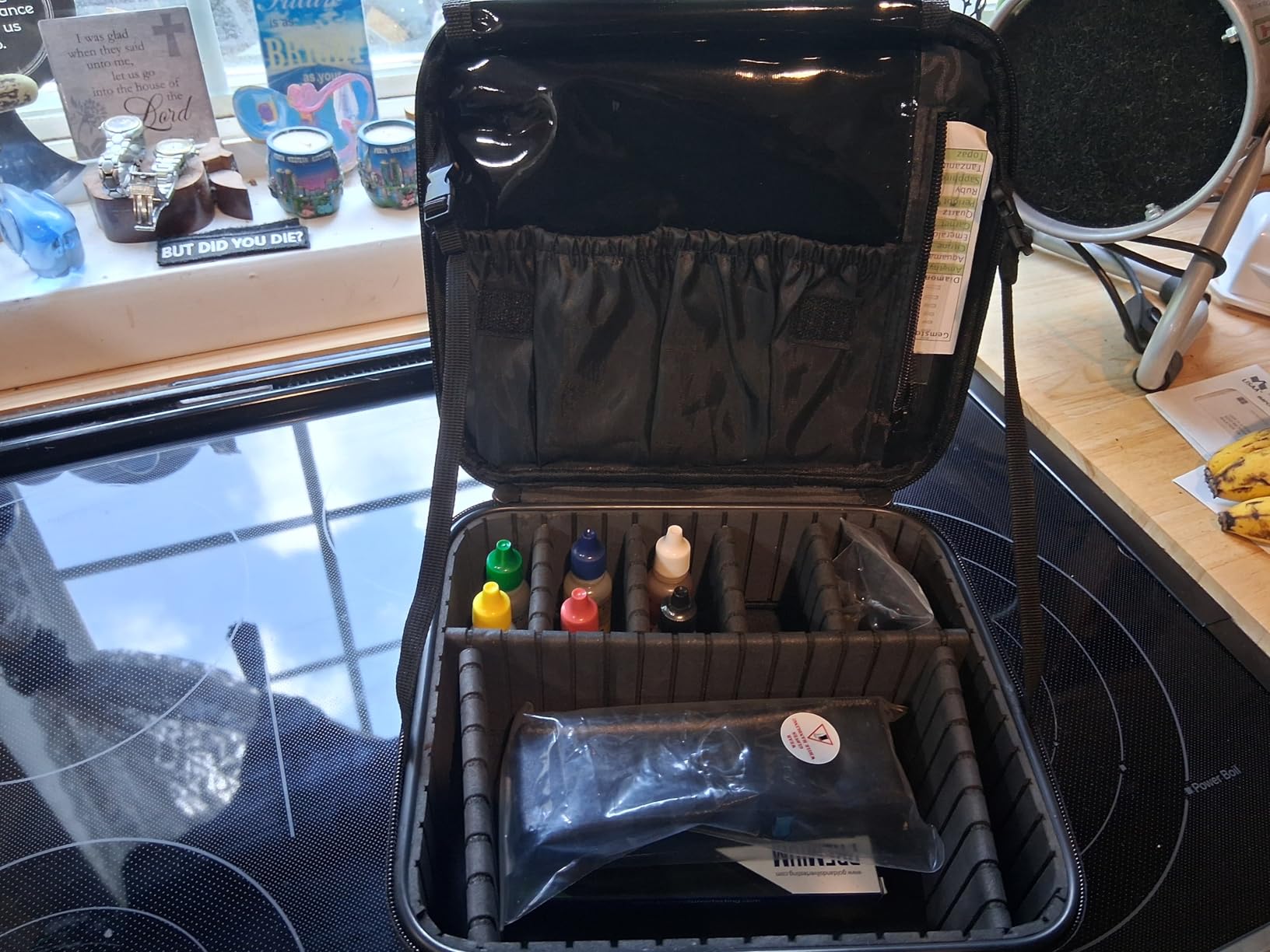
Proper storage matters too. Kits with organized storage boxes keep bottles upright and prevent leaks. The bamboo storage boxes mentioned in competitor reviews are preferred over loose plastic packaging because they keep acids dark and temperature-stable.
How to Test Gold and Silver with an Acid Kit?
Here is the step-by-step process I use every time I test precious metals. Follow these steps in order for accurate results.
Step 1: Put on nitrile gloves and safety glasses. Work in a well-ventilated area away from children and pets. Place your testing stone on a flat, stable surface.
Step 2: Scratch the item firmly across the touchstone to leave a visible streak about half an inch long. For rings, use the inside of the band where any plating is thinnest. For coins, use the edge.
Step 3: Select your acid bottle. If you do not know the karat, start with the lowest karat acid (10K) and work upward. Apply one drop of acid directly onto the streak.
Step 4: Observe the reaction immediately. If the streak dissolves completely, the metal is lower purity than the acid you used. If the streak stays unchanged, the metal is at or above that karat level. If the streak fades slowly, the metal is close to that karat but slightly below.
Step 5: Work your way up through higher karat acids until you find the point where the streak just starts to dissolve. That tells you the karat range. For example, if 14K acid leaves the streak unchanged but 18K acid dissolves it, the item is between 14K and 18K.
Step 6: Apply neutralizer to the stone to deactivate any remaining acid. Wipe the stone clean with a paper towel. Wash your hands thoroughly after handling acids.
For silver testing, apply the silver solution to your streak. Genuine sterling silver (925) will turn a creamy red color. Fine silver (999) turns a brighter red. Base metals will turn green or brown, indicating a fake.
FAQs
Are gold acid tests reliable?
Gold acid tests are highly reliable when performed correctly with fresh acids and a quality touchstone. They are considered more dependable than electronic testers for determining exact karat purity because they test the actual metal alloy rather than just surface conductivity. Professionals in pawn shops and jewelry stores use acid testing as their standard verification method.
Do gold testers actually work?
Gold testers do work, but their accuracy depends on the type. Electronic testers are fast for quick screening but can be fooled by thick gold plating. Acid testing is more accurate for determining exact karat because it reacts with the actual metal content. Many professionals use both methods together: electronic for speed and acid for confirmation.
Can fake gold pass the acid test?
Gold-plated and gold-filled items can pass a surface acid test because the acid reacts with the outer gold layer. To detect these fakes, you need to file through the surface layer and test the exposed interior metal. Tungsten core fakes are harder to catch with acid testing alone, which is why combining acid testing with specific gravity or electronic methods is recommended for high-value items.
How to test gold with acid kit?
Scratch the gold item on a touchstone to leave a streak. Apply a drop of karat-specific acid to the streak. If the streak dissolves, the gold is lower purity than that acid. If it stays unchanged, the gold is at or above that karat level. Work from the lowest karat acid upward until the streak begins to dissolve to determine the purity range.
Conclusion
After testing all six kits, my top recommendation is the GTE Gold Silver Jewelry Tester Appraisal Kit for its full karat range, large touchstones, and proven track record across 3,400 reviews. If you want platinum and palladium coverage, the GTE JSP version adds those metals for barely any extra cost. And if you just need a basic kit for occasional estate sale finds, the budget Gold Silver Platinum Testing Kit gets the job done accurately.
The best gold and silver acid test kits share three things in common: fresh acids, quality touchstones, and clear instructions. Whichever kit you choose, replace your acids annually, store them properly, and always test with gloves and ventilation. With the right kit and a little practice, you can verify precious metal authenticity with professional-level confidence right from home.