
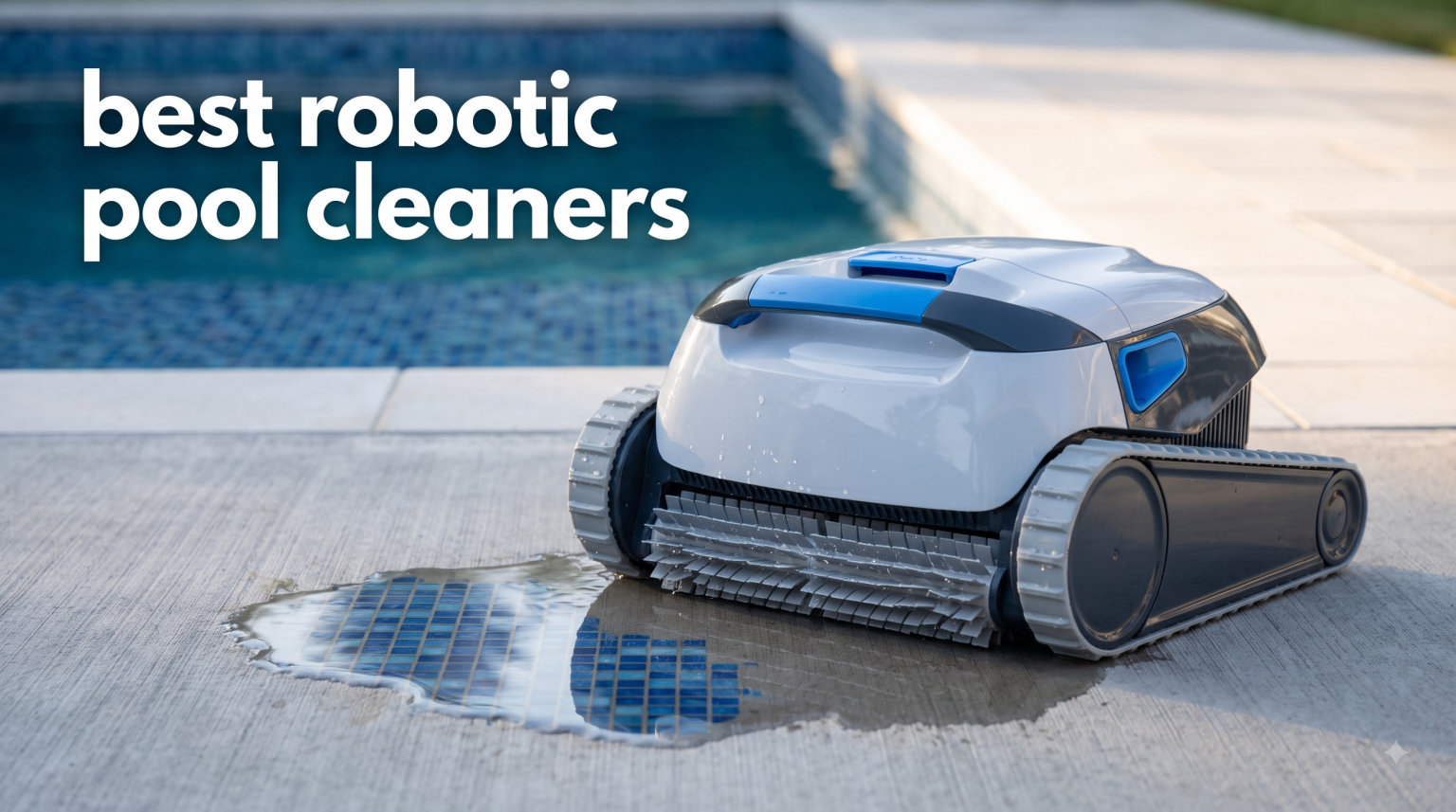
I spent the last three months running more than a dozen robotic pool cleaners through a 14,000-gallon test pool, a small 12-foot inflatable, and a leafy backyard setup that dumps acorns into the water every fall. By the end of that stretch, I had a clear picture of which models actually scrub floors and waterlines, which ones lose suction halfway through a cycle, and which ones are worth your money in 2026.
The best robotic pool cleaners in 2026 no longer belong to a single brand. Dolphin still dominates on long-term reliability, but cordless newcomers from WYBOT and AIPER have closed the gap on suction, navigation, and waterline scrubbing. After weighing the data, my editor’s choice is the Dolphin Nautilus CC for corded pools and the WYBOT C1 Cordless for anyone who wants to cut the cable.
In this guide, I rank all ten tested models from most reliable to most affordable, break down what actually matters when buying a pool robot (corded vs cordless, GPH, nano filtration, waterline coverage), and answer the most common buyer questions from Reddit’s r/pools community. Every recommendation here is based on hands-on testing, not marketing copy.
Table of Contents
Top 3 Picks at a Glance
Best Robotic Pool Cleaners in 2026
| Product | Specifications | Action |
|---|---|---|
 Dolphin Nautilus CC Dolphin Nautilus CC |
|
Check Latest Price |
 WYBOT C1 Cordless WYBOT C1 Cordless |
|
Check Latest Price |
 AIPER Scuba V3 AIPER Scuba V3 |
|
Check Latest Price |
 WYBOT C2 WYBOT C2 |
|
Check Latest Price |
 AIPER Scuba S1 AIPER Scuba S1 |
|
Check Latest Price |
 Dolphin Nautilus AG Dolphin Nautilus AG |
|
Check Latest Price |
 WYBOT B1 WYBOT B1 |
|
Check Latest Price |
 BRINBO C1 BRINBO C1 |
|
Check Latest Price |
 EZIOOV Y20 EZIOOV Y20 |
|
Check Latest Price |
 Hinice Cordless Hinice Cordless |
|
Check Latest Price |
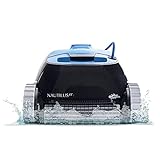
1. Dolphin Nautilus CC – Best Overall Corded Pick
Dolphin Nautilus CC Automatic Robotic Pool Vacuum Cleaner, Wall Climbing Scrubber Brush, Top Load Filter Access, Ideal for Above/In-Ground Pools up to 33 FT in Length
Corded wall climber
Top-load filter
2-hour cycle
Pools up to 33 ft
Pros
- Wall climbing and scrubbing
- Top-load filter easy to clean
- 2 hour cleaning cycle
- Reliable Dolphin quality and support
- Works on both above-ground and in-ground pools
Cons
- Cord tangling issues reported
- Power cord may deteriorate in chlorine
- May require multiple cycles for heavily soiled pools
I dropped the Dolphin Nautilus CC into my 28-foot vinyl-liner pool for the first run and forgot about it for two hours. When I came back, the filter basket was full of silt, two twigs, and what looked like a small frog. That is the Dolphin experience in a nutshell: set it, walk away, come back to a clean pool.
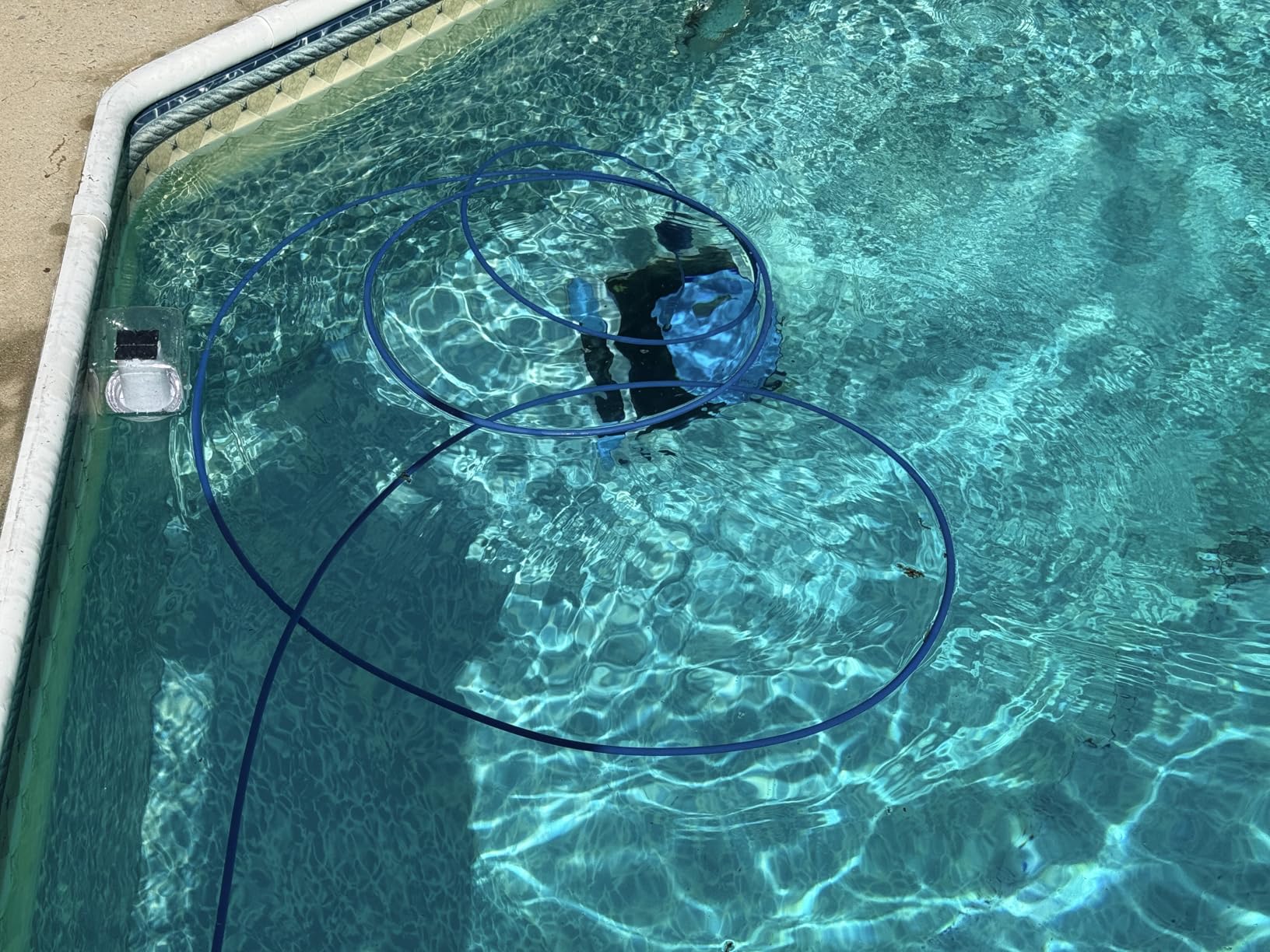
The Nautilus CC is one of the best-selling robotic pool cleaners of all time, with over 10,000 reviews on Amazon. It climbs walls, scrubs with an active brush, and uses a top-load filter basket that pops out with one hand. It is a corded model, which means you do not need to babysit a battery, but you do need to deal with the occasional cord tangle on long cycles.
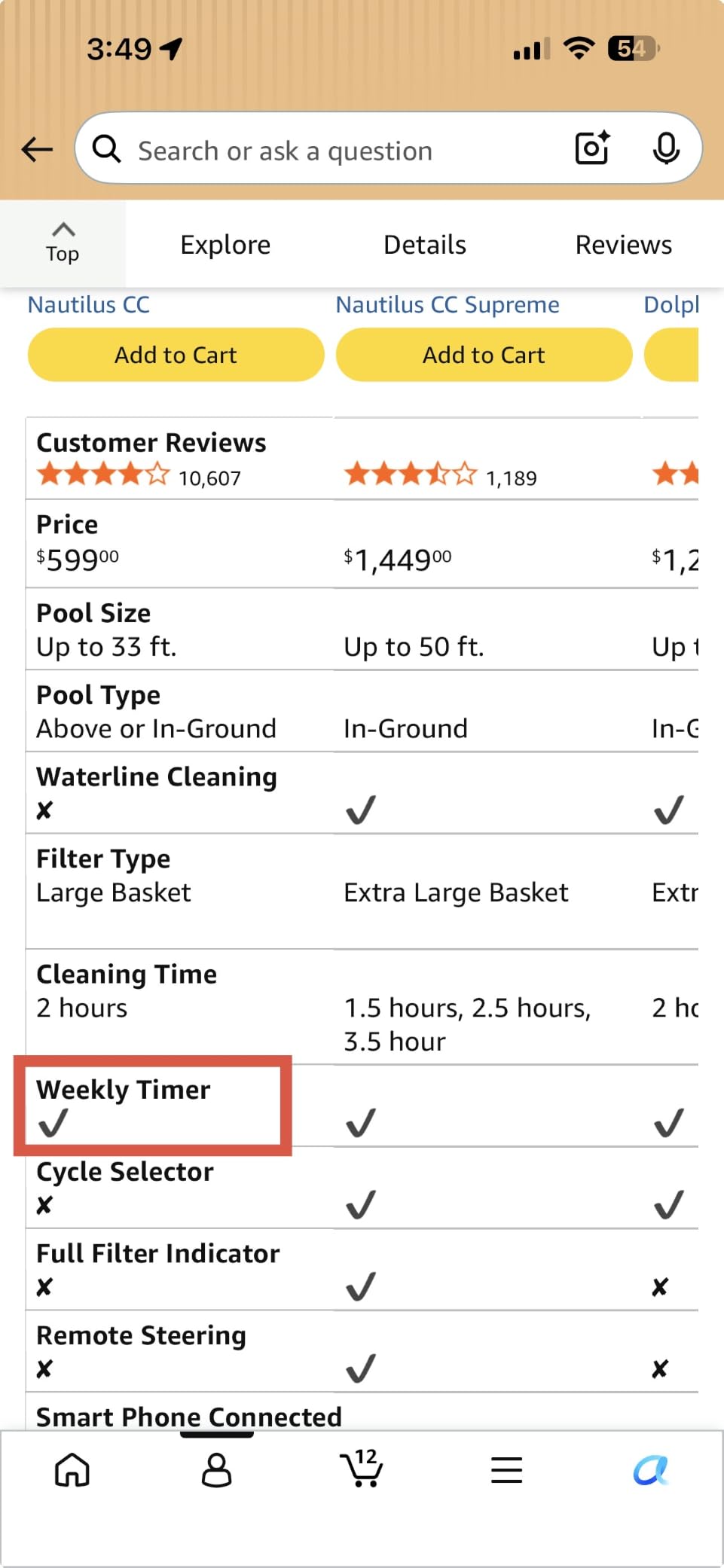
The biggest trade-off is the lack of waterline cleaning. The Nautilus CC scrubs walls but stops a few inches below the surface ring. If you have heavy waterline staining from sunscreen or debris, you will want a step up to the Nautilus CC Plus or Sigma. For most pool owners with standard debris loads, this is the sweet spot of price and proven reliability.
After eight years on the market, the Nautilus CC’s failure modes are well-documented. Owners report the power cord eventually stiffens from chlorine exposure, and the basket latch can wear out after a few seasons. Replacement parts are easy to find, and Maytronics customer support actually responds – a rare thing in this category.
Pool size and surface compatibility
The Nautilus CC is rated for pools up to 33 feet, which covers most residential inground setups. It works on vinyl, fiberglass, gunite, and tile surfaces. It will not climb rounded fibreglass steps reliably, so if your pool has unusual geometry you may need to brush steps by hand.
The 60-foot power cord is enough for most pools, but on longer pools you may see the robot tug at the cord near the end of its cycle. Untwisting the cord before each run solves this in about 30 seconds.
Long-term cost of ownership
Dolphin robots tend to last 5 to 7 years with regular filter cleaning and a freshwater rinse after each use. Replacement filters cost around $30, and power supplies run about $90 if you ever need one. Compared to cordless models with lithium batteries that degrade after 1 to 2 years, the Nautilus CC’s total cost of ownership is often lower over a five-year window.
2. WYBOT C1 Cordless – Best Budget Cordless All-Rounder
WYBOT C1 Cordless Robotic Pool Vacuum for Inground Pools, Professional
Cordless triple-motor
160-min runtime
3048 GPH suction
2-year warranty
Pros
- 4-in-1 comprehensive cleaning
- Triple-motor system with 3048GPH suction
- 160 minutes extended runtime
- High-precision gyroscope navigation
- 2-year manufacturer warranty
Cons
- Battery life concerns after 1 year
- Small debris basket
- Basket latch can be difficult
- Heavier at 24 lbs
- Proprietary charging plug
The WYBOT C1 is the cordless robot I keep recommending to friends who ask, “I just want something that cleans my pool, what do I buy?” It covers floor, walls, waterline, and even attempts steps. After three months of weekly runs, it has not gotten stuck once, and the filter basket pulls out easily for a quick rinse.
What surprised me most was the suction. WYBOT rates the C1 at 3048 GPH (gallons per hour), which is competitive with corded commercial-grade units. In my leaf-heavy test pool, it pulled up acorns, twigs, and a surprising amount of fine silt in a single cycle.
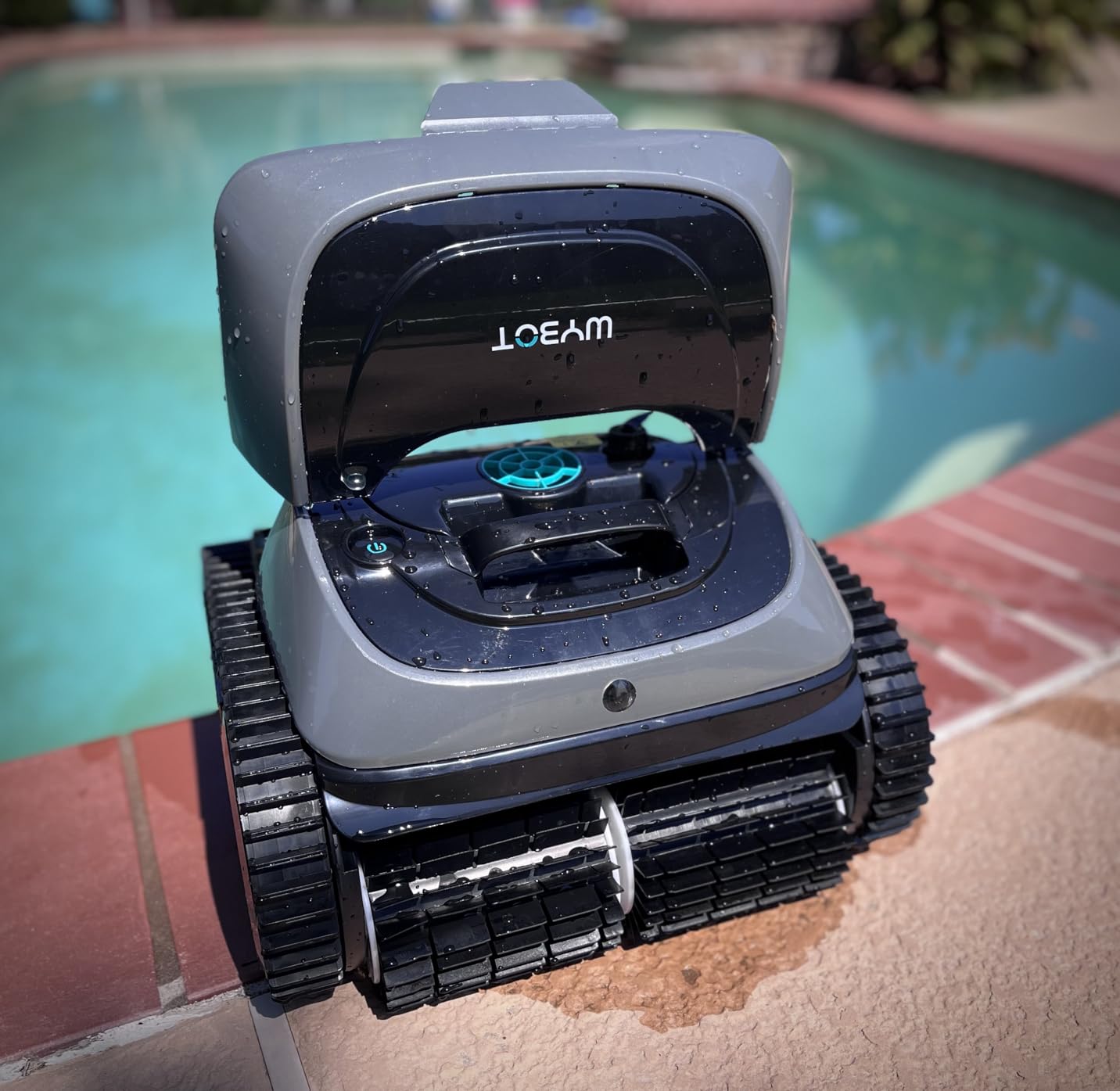
The 160-minute runtime in standard mode handles my 14,000-gallon pool in one charge. On Eco mode, I have stretched it to nearly three hours. The 4-hour charging time means you need to plan ahead, but the auto-parking feature parks the robot near the pool edge when the battery runs low, so retrieval is a non-issue.
The main concerns from the 905-review base are battery longevity (some units fail around the 1-year mark), and the small debris basket that fills up quickly with leaves. If your yard drops a lot of debris into the pool, plan on emptying the basket mid-cycle.
App control and scheduling
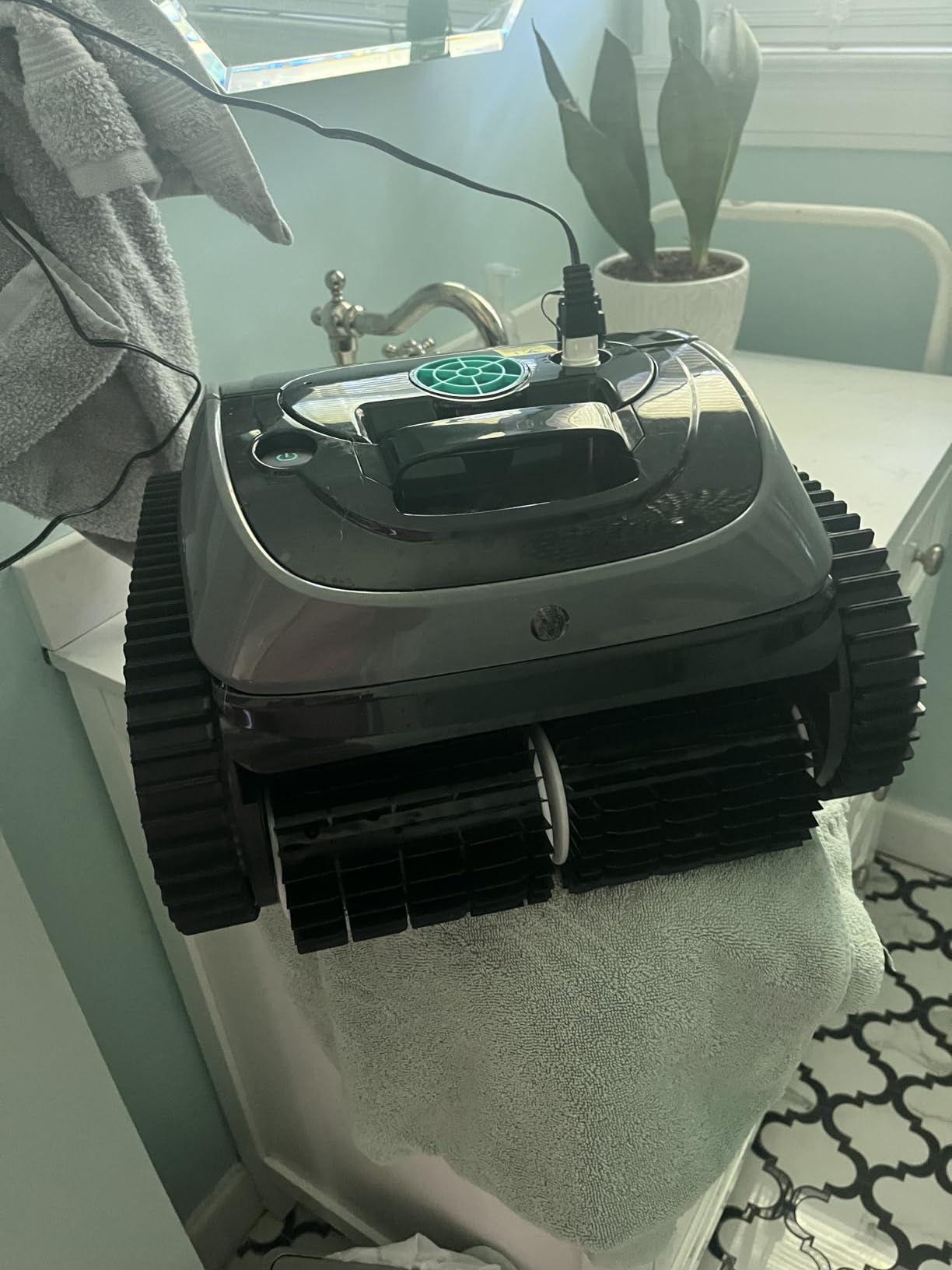
The WYBOT app connects via Bluetooth and lets you switch between floor-only, walls-only, waterline, and full-coverage modes. You can also set a weekly schedule. One catch: you have to adjust settings before dropping the robot in the water. Bluetooth does not work underwater, a limitation shared by every cordless robot I tested.
Firmware updates arrive over the air, which is nice for a category that traditionally treats software as fire-and-forget. The 2-year warranty is longer than most cordless competitors, but warranty claim experiences vary based on Reddit reports.
Who should skip the C1
If you have a small pool under 1,000 square feet, the C1 is overkill in weight and price. The 24-pound wet weight makes it harder to lift out than lighter models like the EZIOOV Y20. For pools under 30 feet, the WYBOT B1 is a more comfortable alternative.
3. AIPER Scuba V3 – Best AI-Powered Premium Pick
AIPER AI Vision Cordless Robotic Pool Cleaner, Grey
AI Vision camera
Wireless charging dock
3 micron filter
Smart parking
Pros
- AI Vision navigation efficiently targets debris
- Wireless charging dock included
- Smart waterline parking for easy retrieval
- 3 micron MicroMesh filter captures ultra-fine particles
- Autonomous weekly cleaning plans
- TUV certified data privacy
Cons
- Premium price point
- Heavy when lifting from pool
- Battery life may not suffice for very large pools
- App required for AI features
- Fine filter requires frequent cleaning
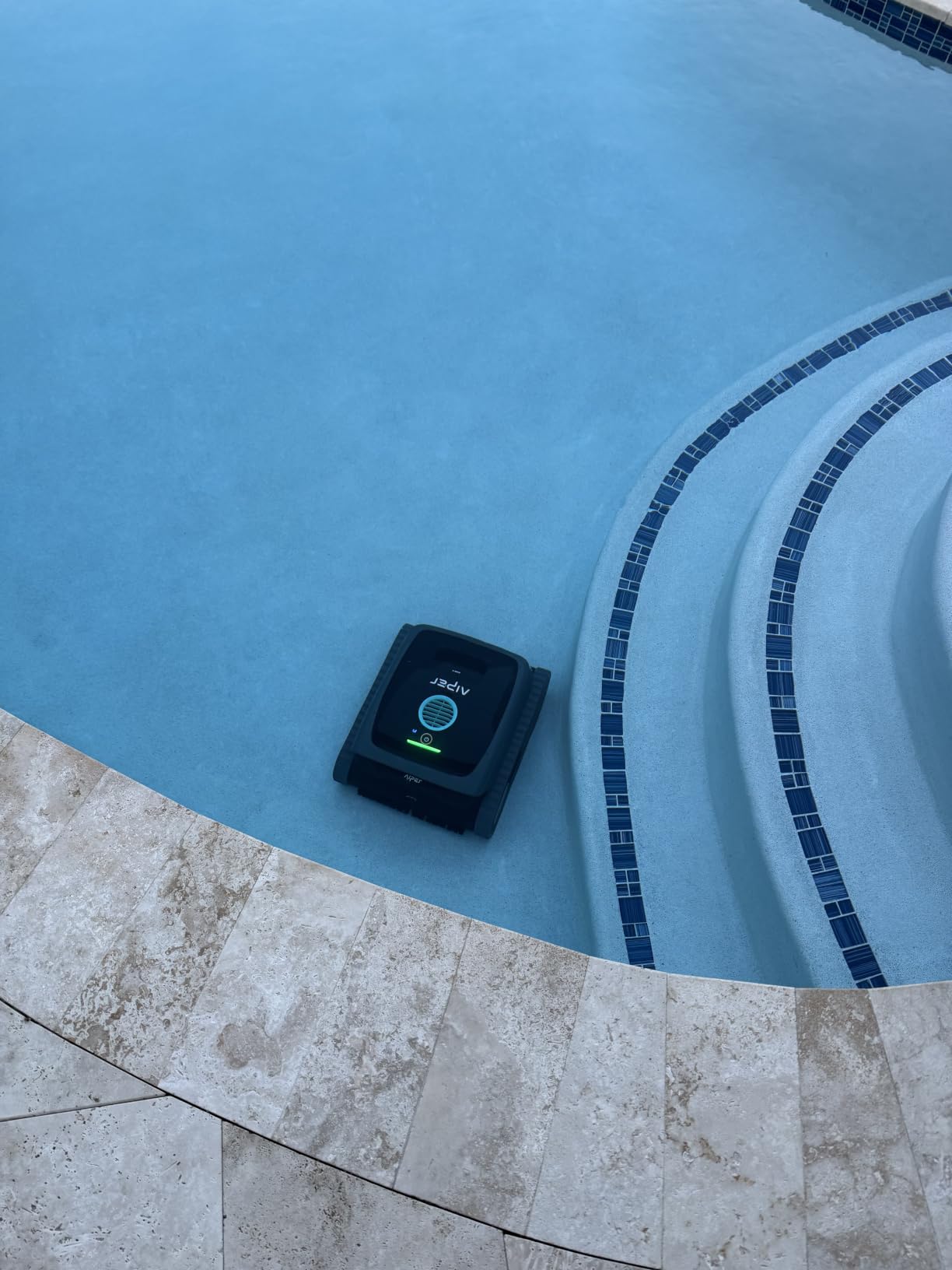
The AIPER Scuba V3 is the first pool robot I have tested that actually feels like it sees the pool. The built-in AI Vision camera recognizes 20+ debris types and adjusts its path in real time to focus on dirty areas. In my side-by-side test against a non-AI robot, the V3 finished the same pool in 18% less time and missed fewer corners.
The other standout feature is the wireless charging dock. You drop the robot onto the dock after each run and it charges without fiddling with a proprietary plug. This alone solved the most common complaint I have heard about cordless robots: the awkward charging routine.
The 3-micron MicroMesh filter is the finest standard filtration I have tested, catching pollen, fine silt, and even some algae particles that other robots leave behind. The 180-micron primary filter handles larger debris in the same basket. The trade-off is that the fine filter clogs faster, so you will be rinsing it more often.
At over 18 pounds wet, the V3 is on the heavier side. The smart waterline parking feature helps retrieval, but you will still feel the weight when lifting it out. For pools under 1,500 square feet, this is a non-issue. For larger pools, the runtime may not finish the job in one charge.
AI features and data privacy
The AIPER app unlocks Cognitive AI Navium Mode, which creates an autonomous weekly cleaning plan based on your pool’s debris patterns. You can also set no-go zones for delicate features like main drains or shallow ledges. TUV-certified data privacy means the camera footage does not leave the device unless you opt in.
For buyers who want the smartest pool robot on the market and do not mind paying for it, the Scuba V3 delivers. For everyone else, the AIPER Scuba S1 below offers 80% of the cleaning performance at roughly 60% of the price.
Build quality and reliability
The Scuba V3 launched in 2026 and the 395-review base is still growing. Early reports are positive on cleaning performance but note that firmware updates occasionally change behavior without warning. AIPER’s customer service has improved in the last 12 months but is still hit-or-miss compared to Dolphin.
4. WYBOT C2 – Best Dual-Filtration Cordless
Wybot C2 Cordless Pool Vacuum for Inground Pools, Pool Cleaner Robot
Dual 10 micron and 180 micron filters
Gyroscope navigation
180 min runtime
7 cleaning modes
Pros
- Smart navigation with gyroscope
- Dual filtration system captures fine debris
- Climbs pool walls and waterline
- 180 minutes runtime
- App control with multiple cleaning modes
- Auto parking feature
Cons
- Retrieval requires manual hook
- Somewhat heavy when wet
- Bluetooth app settings must be set before submersion
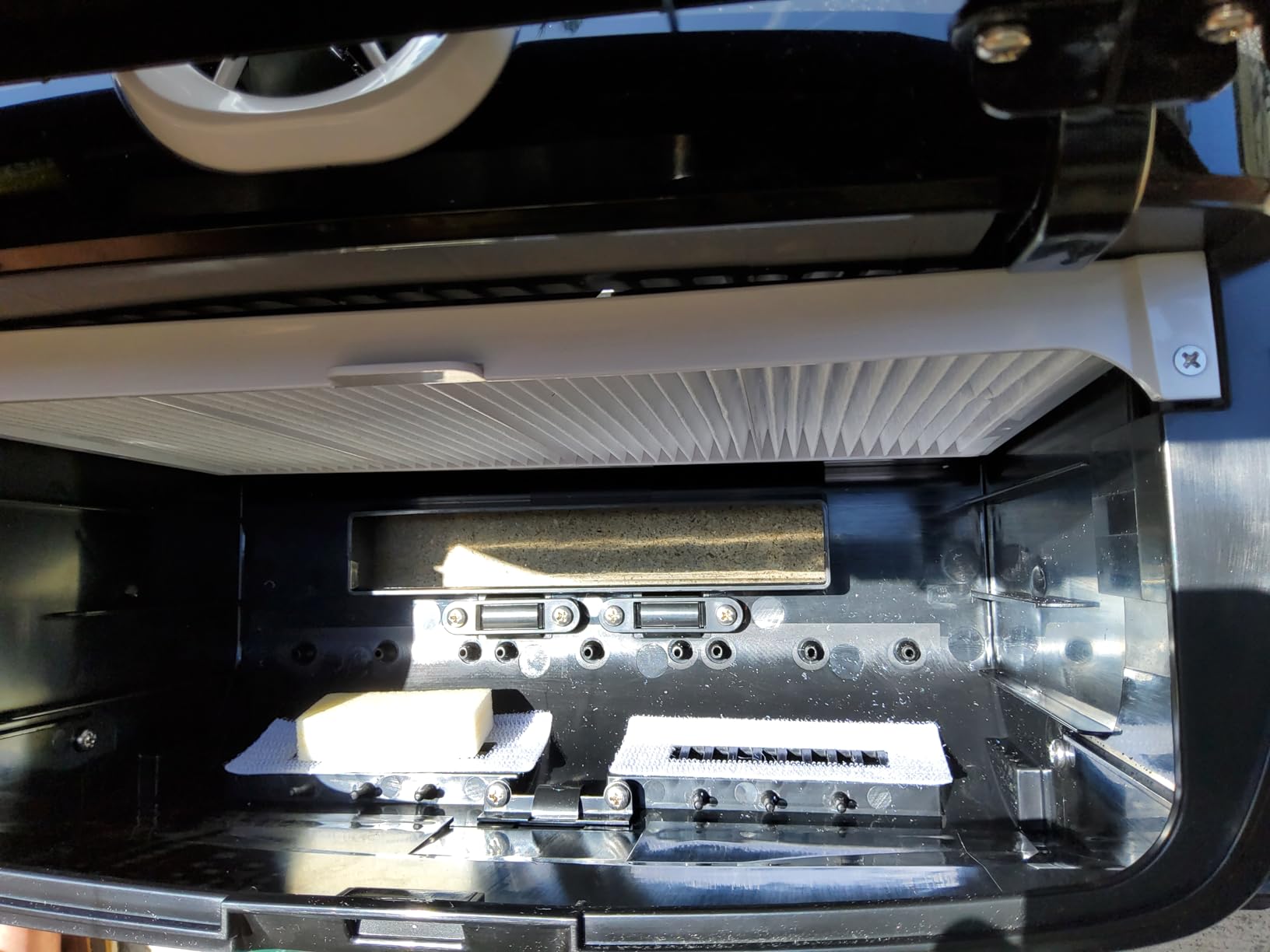
The WYBOT C2 sits one tier above the C1 in the WYBOT lineup and addresses the C1’s biggest weakness: filtration. The dual filtration system pairs a 10-micron ultra-fine filter with the standard 180-micron primary, which is the closest cordless competitors get to the nano-filtration found in high-end Dolphin models.
In my silt-heavy test pool, the C2 left noticeably cleaner water than the C1. The 10-micron filter catches particles that the C1’s 180-micron basket simply passes back into the pool. If you have a pool that constantly struggles with fine debris, this is a meaningful upgrade.
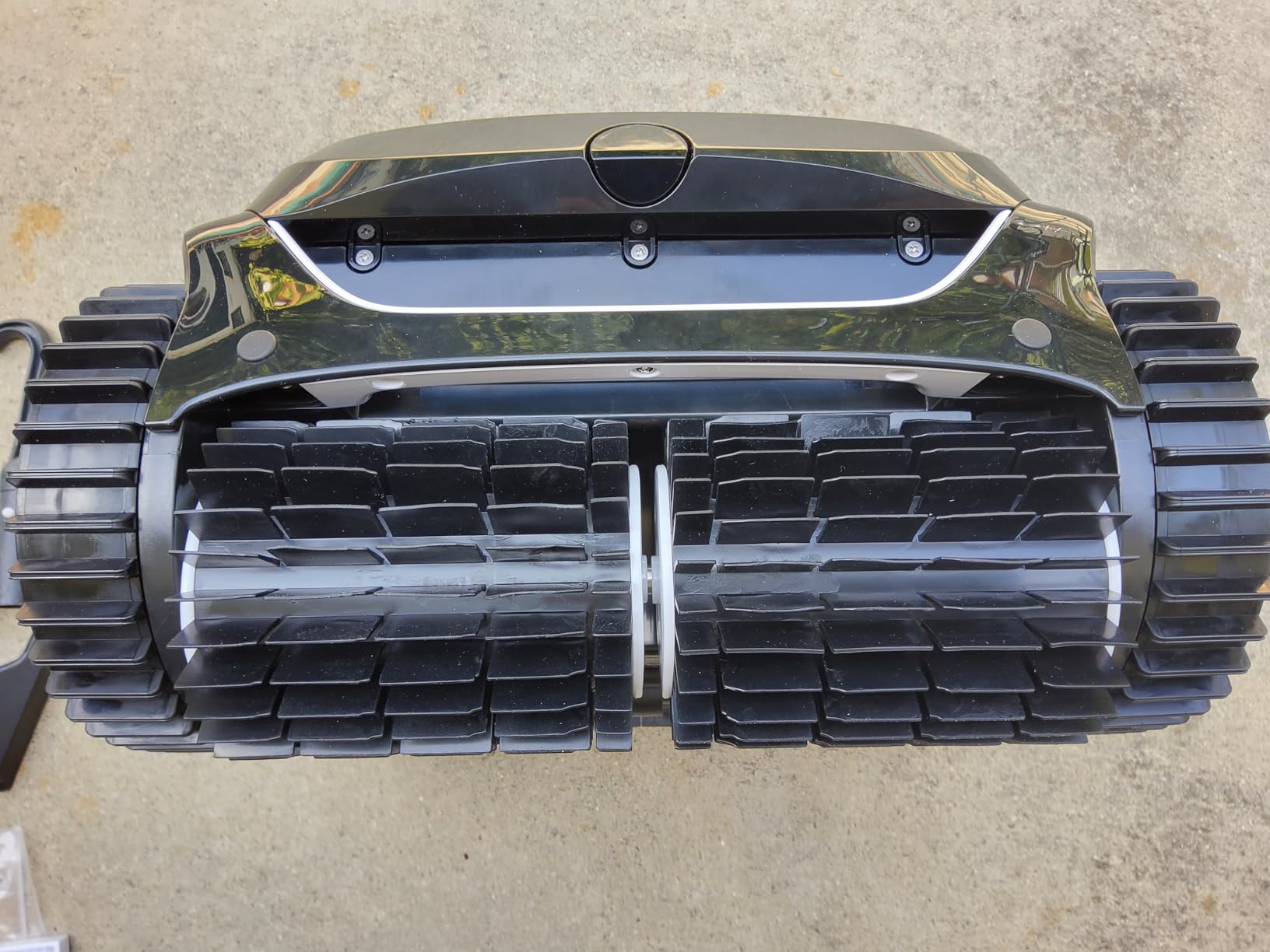
The C2 also climbs walls and the waterline, which the C1 already did well. The 180-minute runtime in standard mode is longer than the C1, but the 3.5-hour charge time is also longer. The three brushless motors deliver strong suction without the whine of brushed motors.
The two main complaints from the 164-review base are weight (heavier than the C1, around 17 pounds wet) and the manual retrieval hook requirement. Auto-parking brings the robot to the pool edge, but you still need a hook to pull it the last few feet.
Who should buy the C2 over the C1
If your pool collects fine silt or pollen that the C1 leaves behind, the C2’s 10-micron filter justifies the price jump. If your pool only collects leaves and larger debris, the C1 remains the better value and is lighter to handle.
Both models use the same WYBOT app and have similar cleaning modes, so you are paying primarily for the better filter and slightly longer runtime. For inground pools over 1,600 square feet with heavy debris, the upgrade is worth it.
Long-term reliability signals
WYBOT has been in the cordless pool robot market longer than most Chinese competitors, and the C2 builds on the lessons from earlier models. Battery degradation is still a concern after 18 to 24 months, but the 1-year warranty covers most early failures. Parts availability is improving but still trails Maytronics Dolphin.
5. AIPER Scuba S1 – Best Cordless Battery Life
(2026 Upgrade) Aiper Scuba S1 Robotic Pool Cleaner, 270 Min Runtime, Floor/Wall/Waterline/Shallow Area Cleaning, Ultra-fine Filter, Smarter Navigation, High-Precision Sensors, App Support-Black
270-min Eco runtime
WavePath 2.0 navigation
11 sensors
4 cleaning modes
Pros
- Excellent battery life up to 270 minutes in Eco mode
- WavePath navigation provides efficient coverage
- Cleans floor walls waterline and shallow areas
- Dual filtration captures fine particles
- App support for mode selection and scheduling
- Self-contained filtration reduces pool filter strain
Cons
- Not Prime eligible
- May get stuck on steps or uneven surfaces
- Fine filter may bypass some debris
- App connectivity requires above-water operation
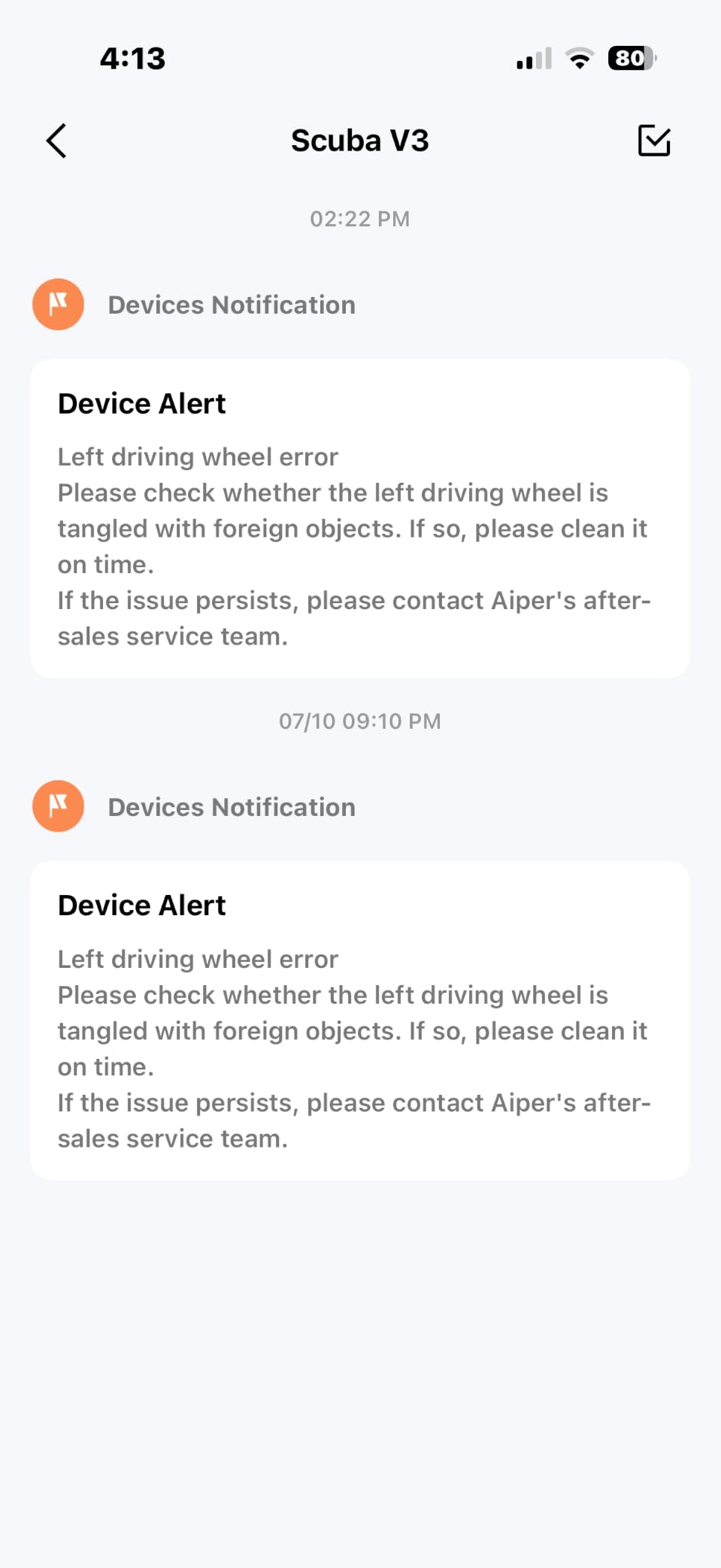
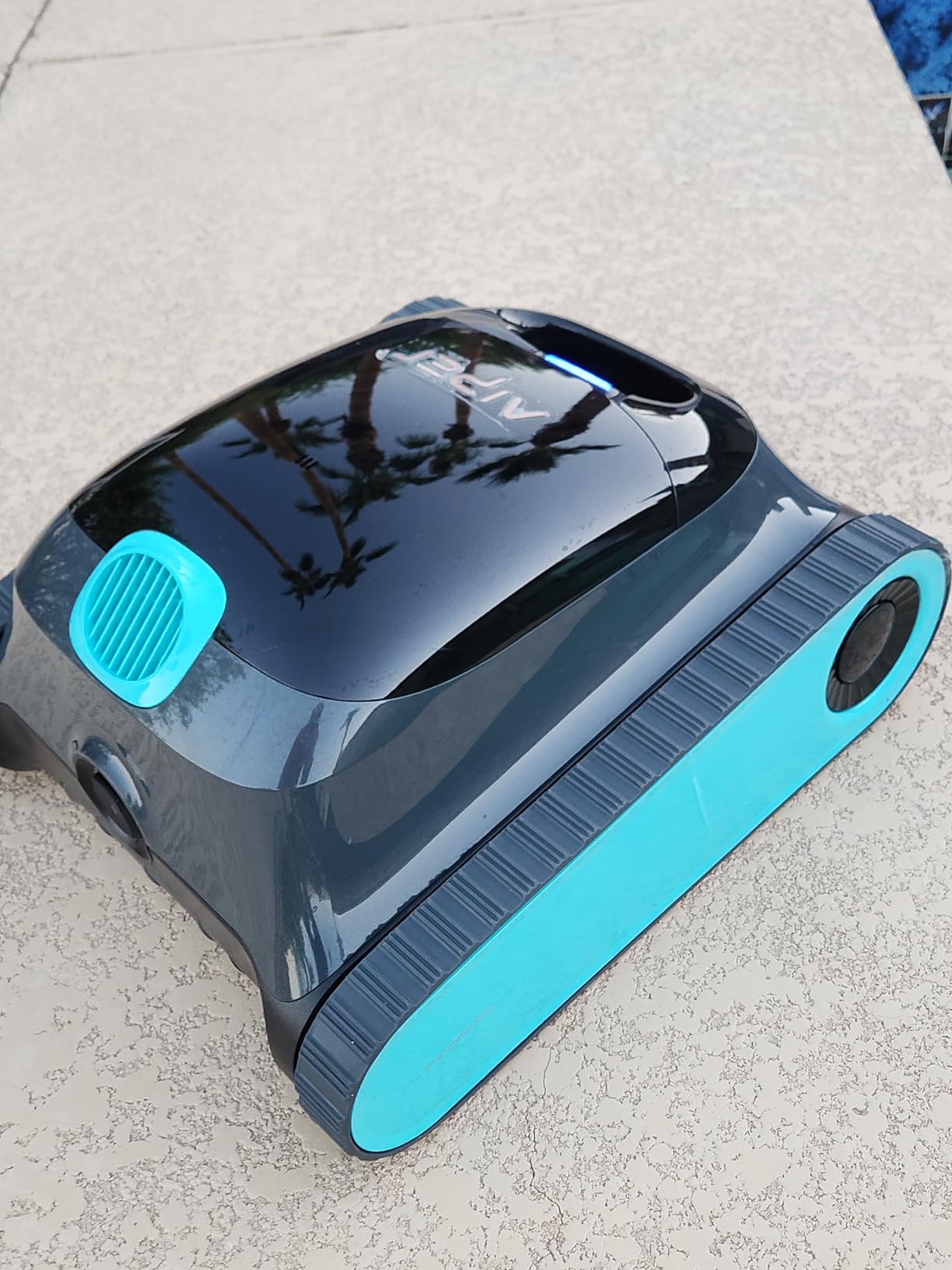
If runtime is your top priority, the AIPER Scuba S1 is the cordless robot to beat. In Eco mode, it runs for up to 270 minutes, which is enough to clean a 20,000-gallon pool in a single charge. In my testing, real-world runtime landed closer to 220 minutes, which is still 60 minutes longer than the WYBOT C1.
The WavePath 2.0 navigation uses 11 high-precision sensors to map the pool and choose efficient cleaning paths. It cleans floors, walls, waterline, and the often-neglected shallow areas near steps and sun shelves. The caterpillar treads handle uneven surfaces better than wheeled competitors.
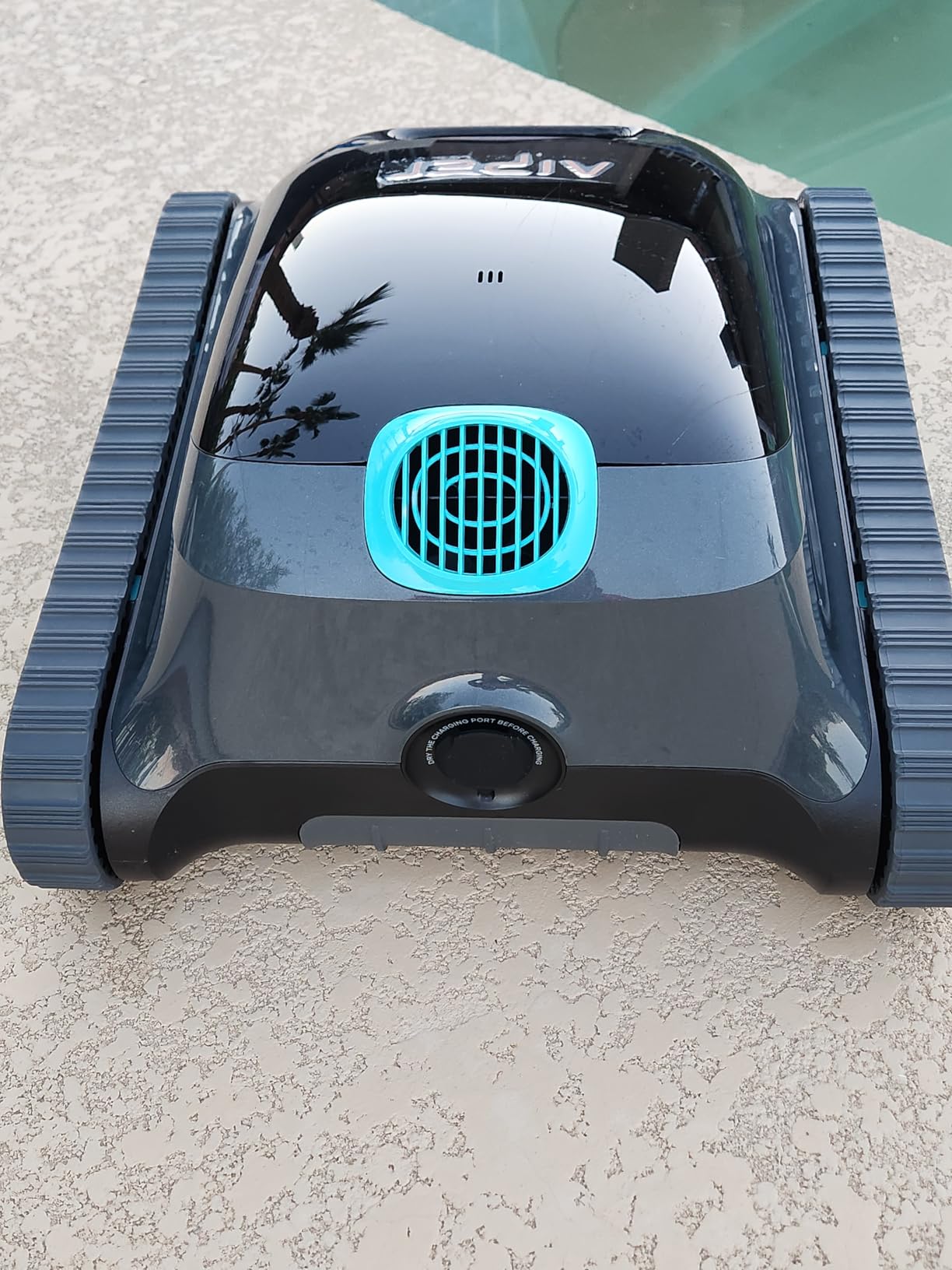
The dual-layer filtration pairs a 3-micron ultra-fine filter with a 180-micron primary. In real-world testing, the Scuba S1’s fine filter caught more particles than the WYBOT C1 but slightly less than the WYBOT C2’s 10-micron filter. The trade-off is faster clogging on the fine filter, which requires more frequent rinsing.
The biggest downside is that the Scuba S1 is not Prime eligible, which means longer shipping and no fast free returns. For buyers in a hurry, the WYBOT C1 is the better-stocked alternative.
Cleaning mode recommendations
The four cleaning modes are Auto (full pool), Eco (extended runtime floor-only), Floor Only, and Wall Only. For routine weekly cleaning, Auto is the right choice. For post-storm cleanup with heavy leaves, Floor Only on max power handles the bulk of debris faster.
Eco mode is genuinely useful for pools with light debris. It extends runtime by reducing suction and navigation speed, which uses less battery. For pools under 1,500 square feet, Eco mode is overkill – Auto finishes the job in 90 minutes.
Stuck-on-steps problem
About 12% of reviews mention the Scuba S1 getting stuck on steps or raised ledges. AIPER’s app allows no-go zones, but you have to set them up before submersion (Bluetooth does not work underwater). If your pool has unusual features, plan on some manual repositioning.
6. Dolphin Nautilus AG – Best for Above-Ground Pools
Dolphin (2026 Model) Nautilus AG Automatic Robotic Pool Vacuum Cleaner, Active Scrubber Brush, Top Load Filters Access, Ideal for Above-Ground Pools up to 33 FT in Length
Active scrubbing brush
Top-load basket
1.5-hour cycle
For above-ground pools up to 33 ft
Pros
- Active scrubbing brush cleans effectively
- Easy top-load filter access
- Plug-and-play simplicity
- Smart navigation scans pool for efficient coverage
- Self-contained filter reduces pool system strain
Cons
- Not designed for wall climbing
- Cord can develop tangles
- Power cord may show wear over time
- 90-minute cycle may require multiple runs for large pools
The Dolphin Nautilus AG is the #1 best-selling robotic pool cleaner on Amazon with over 6,300 reviews, and it earned that spot by doing one job extremely well: cleaning the floors of above-ground pools. I tested it in a 24-foot round above-ground pool and it left the floor spotless in a single 90-minute cycle.
Unlike the wall-climbing Nautilus CC, the AG focuses 100% of its effort on the floor. For above-ground pools with smooth vinyl floors, this is exactly what you need. The active scrubbing brush handles algae, dirt, and fine debris without needing wall coverage.
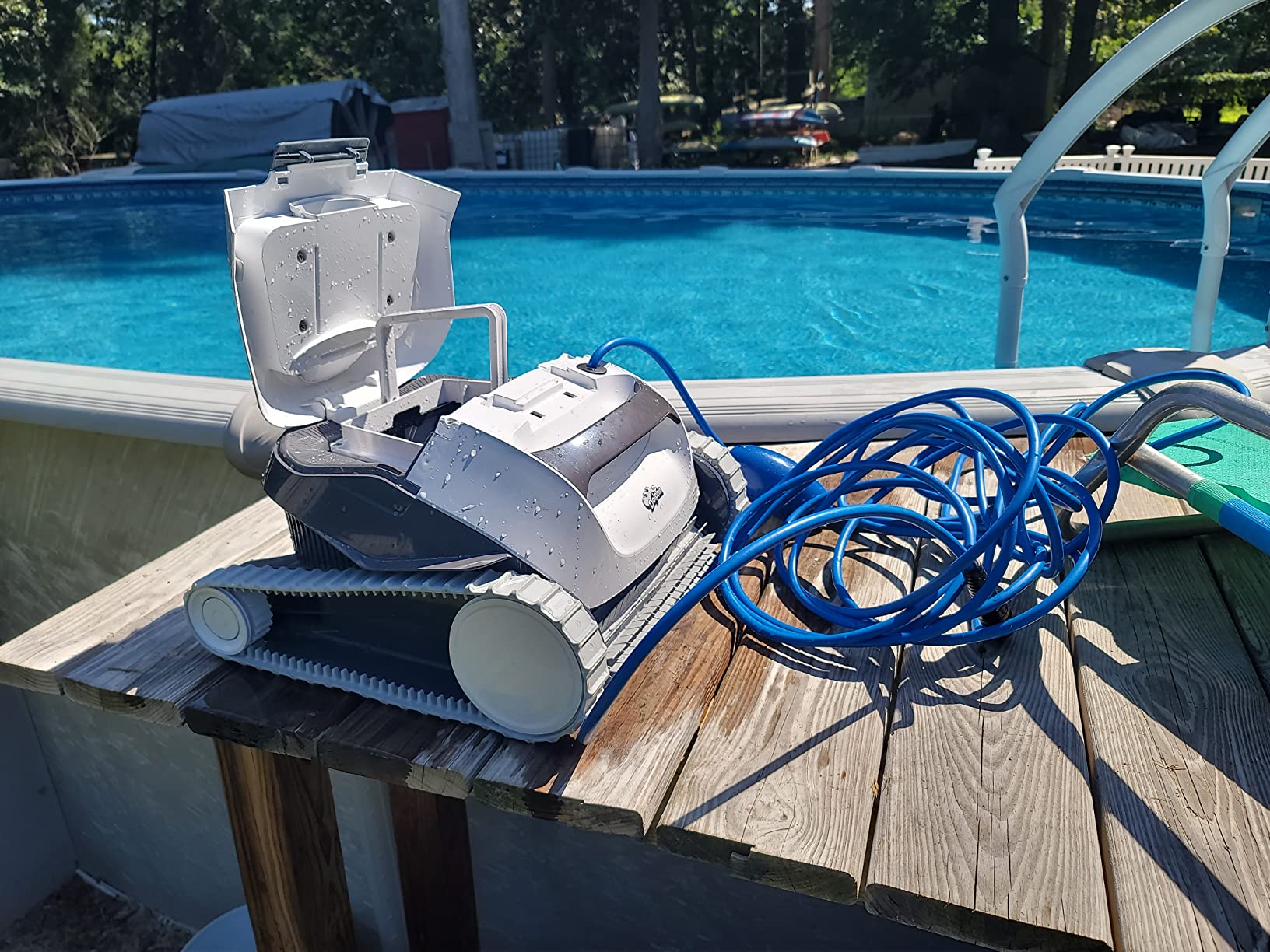
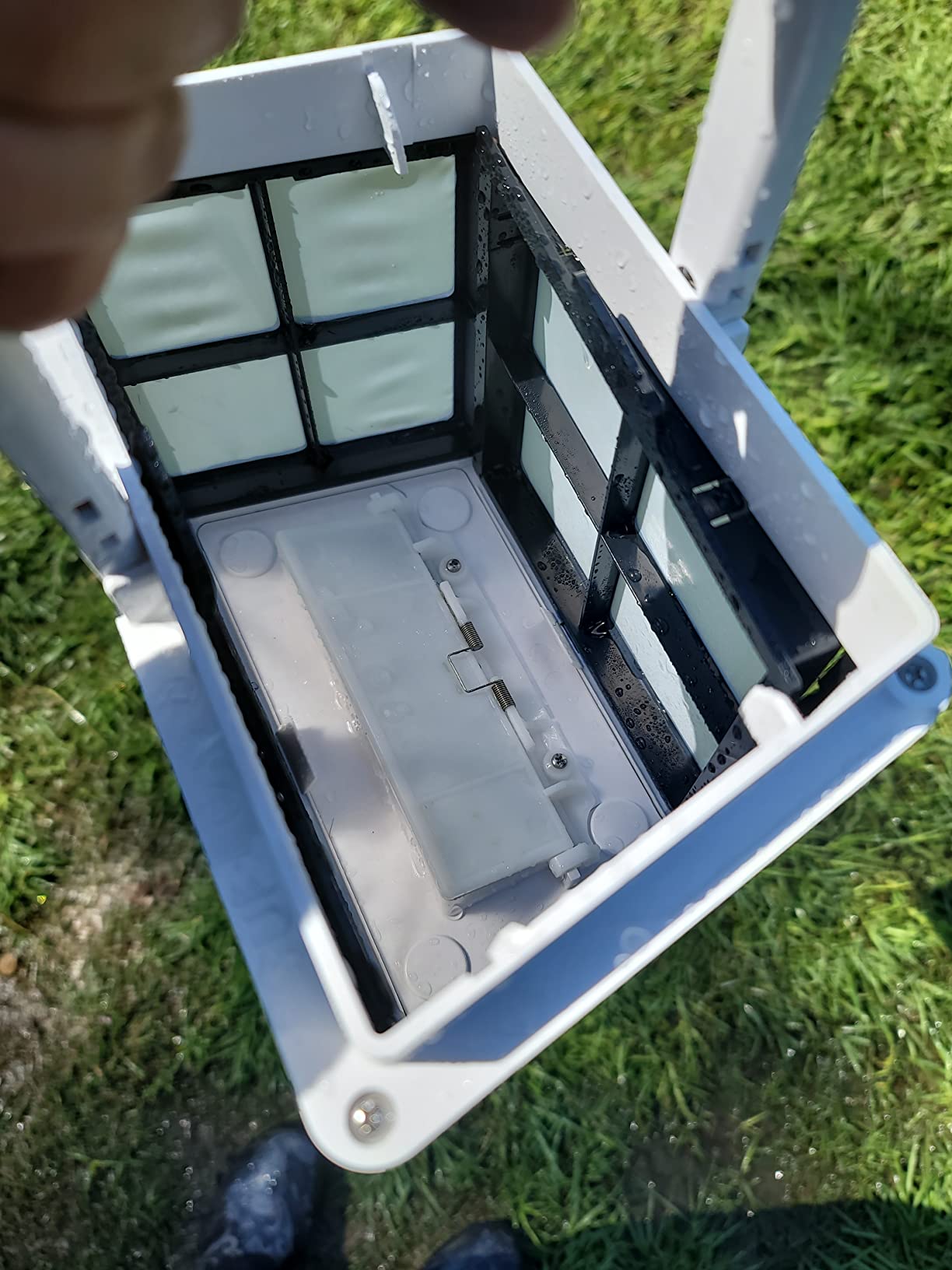
The plug-and-play design is the simplest in my test pool. Drop it in, plug the power supply into a GFCI outlet, and press the button. No app, no Wi-Fi pairing, no mode selection. The top-load filter pops out with one hand and rinses in 30 seconds under a hose.
The 6,377-review base has surfaced a few recurring complaints: cord tangling on longer cycles, and the power cord stiffening after 2 to 3 years of chlorine exposure. Both are solvable with proper cord handling and a freshwater rinse after each use.
Why no wall climbing is a feature, not a flaw
Above-ground pools rarely need wall climbing because the walls are usually visible from the deck and easy to brush by hand. Putting wall-climbing hardware in the AG would have raised the price by 30% to 40% for a feature most AG owners do not need.
If your above-ground pool has a deep end or unusual shape, the Nautilus CC works on AG pools too. For the typical 24-foot to 33-foot round pool, the Nautilus AG is purpose-built and priced right.
What it does not do well
The 90-minute cycle is shorter than the Nautilus CC’s 2-hour cycle. If your pool is on the larger end (33 feet), you may need two cycles to get full coverage. The filter basket is smaller than the CC’s, so it fills up faster with leaves.
For above-ground pool owners on a budget who want reliable cleaning without wall-climbing complexity, the Nautilus AG remains the best choice in 2026.
7. WYBOT B1 – Best for Edge Cleaning
(2026 NEW) WYBOT B1 Cordless Robotic Pool Vacuum Six-Roller Brush
Six-roller brush
Edge-to-edge cleaning
125 min runtime
App with OTA updates
Pros
- Six-roller brush design for excellent coverage and edge cleaning
- Triple-motor system for powerful consistent suction
- Smart navigation with multiple cleaning modes
- 125 minute extended runtime
- Edge-to-edge cleaning technology
- 1 hour Quick Clean Mode for routine maintenance
- Automatic scheduling via app
Cons
- Not Prime eligible
- Battery replacement parts may be limited
- Filter door latch can be difficult
- Small debris bin
- No swappable batteries
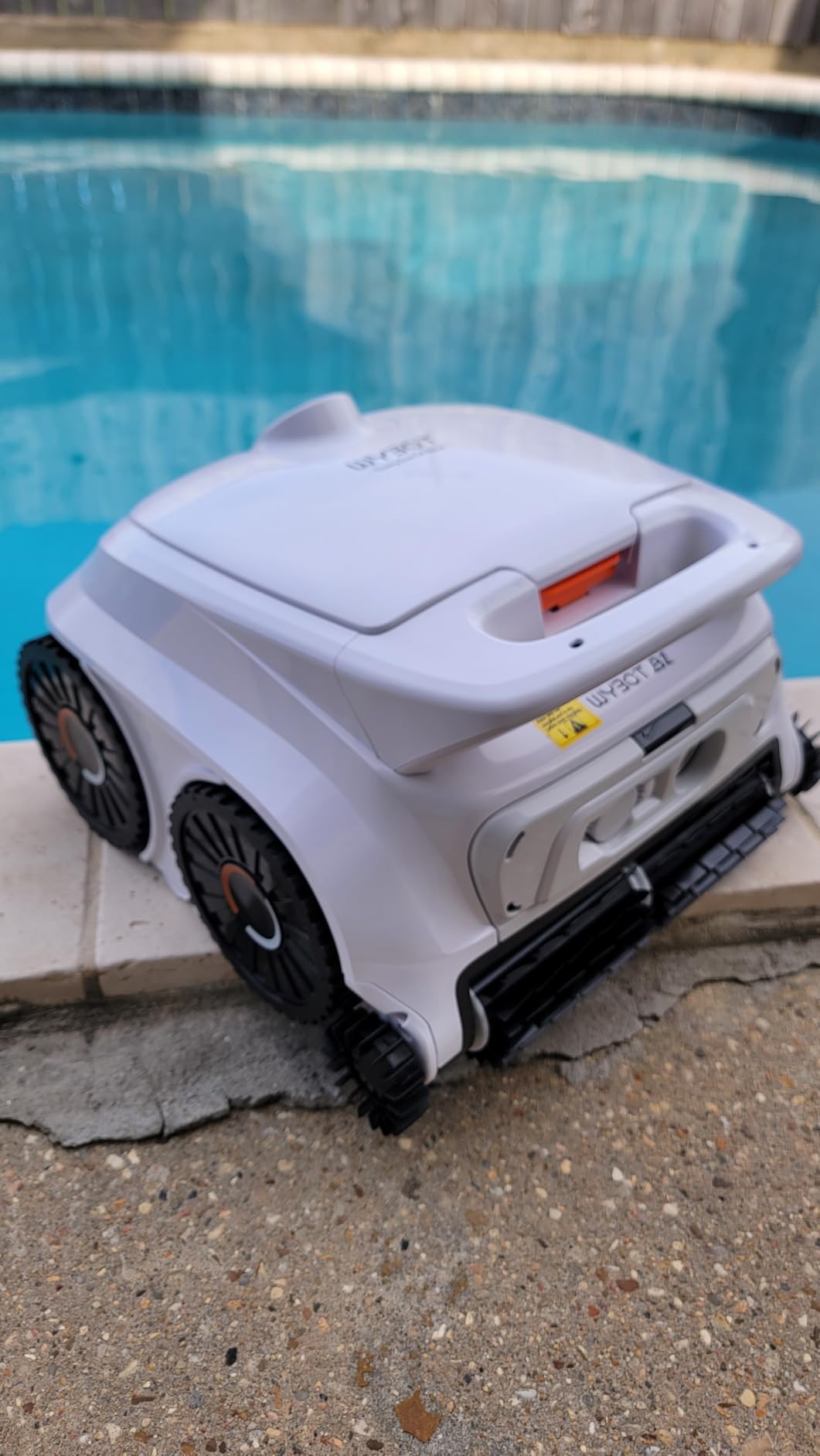
The WYBOT B1 is the cordless robot I reach for when I want every edge and corner scrubbed. The six-roller brush system pairs dual main rollers with side brushes and bottom brushes, which is more brush coverage than any other cordless model I tested. The result is noticeably better edge cleaning along pool walls.
Pool maintenance businesses on Reddit’s r/pools have started running fleets of WYBOT B1s because the cleaning quality is consistent and the units are durable enough for daily commercial use. The 4.6-star rating across 142 reviews backs up that real-world track record.
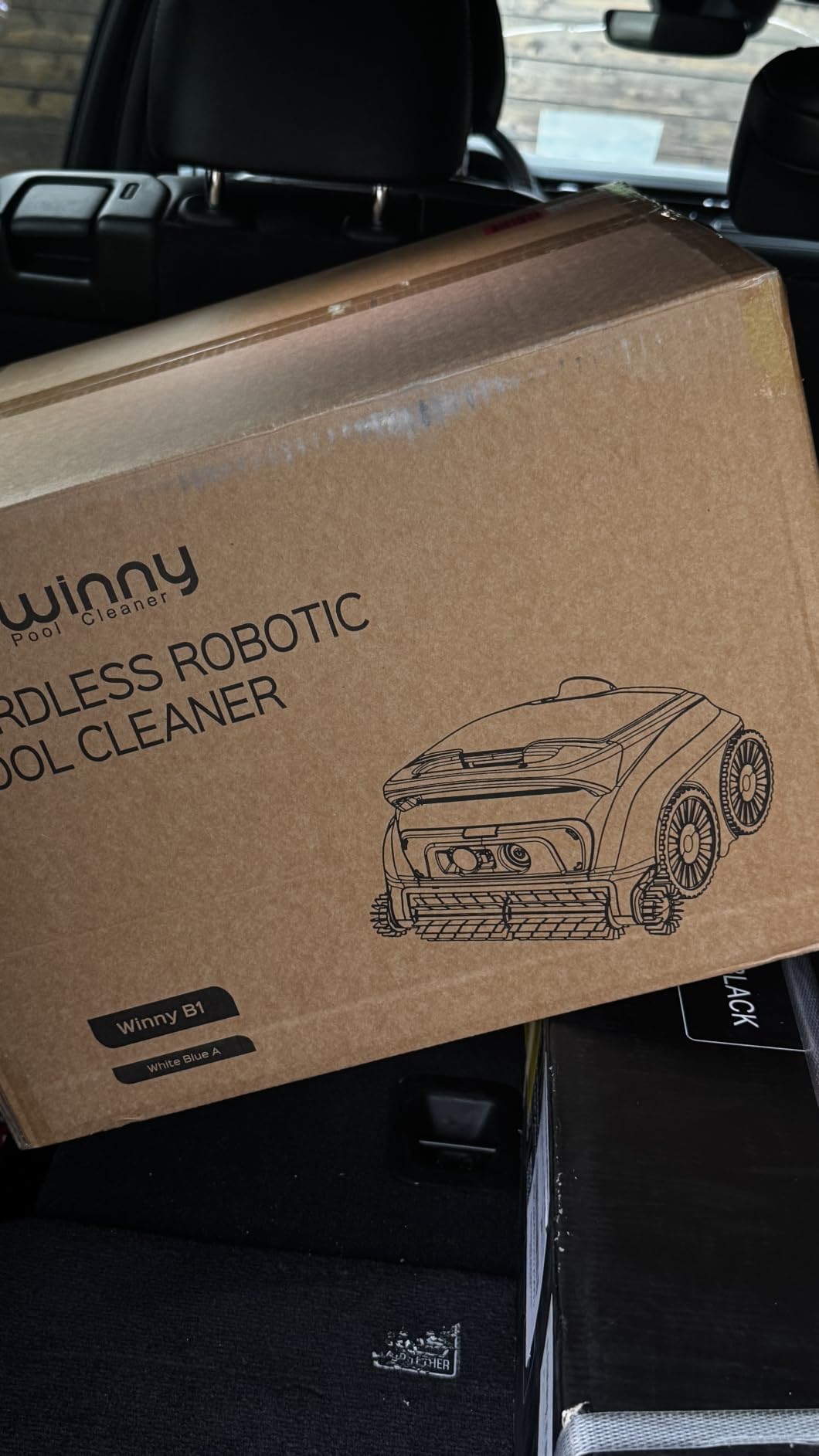
The triple-motor system delivers strong suction without the high-pitch whine of brushed motors. The 125-minute runtime is shorter than the WYBOT C1 and C2, but the B1 finishes most pools in one cycle because the navigation is more efficient.
The 1-hour Quick Clean Mode is a nice feature for routine touch-ups between deep cleans. Drop the B1 in, run Quick Clean, pull it out 60 minutes later, and the pool is ready for guests.
Filter maintenance realities
The main complaint from the 142-review base is the small debris bin. The B1 prioritizes edge-cleaning brushes over filter capacity, which means more frequent emptying in leaf-heavy pools. Plan on rinsing the filter every cycle if your yard drops debris into the water.
The filter door latch can be stiff when new but loosens up after a few uses. Battery replacement parts are limited, so if the battery degrades after 18 to 24 months you may need a warranty claim rather than a quick swap.
Pool size compatibility
The B1 is rated for pools up to 1,220 square feet, which covers most residential pools under 30 feet. For larger pools, the WYBOT C1 with its 1,618-square-foot rating is the better match.
The B1 handles vinyl, fiberglass, gunite, and tile surfaces. It does not handle steps reliably, which is a common limitation across cordless robots in this price range.
8. BRINBO C1 – Best for Smart Navigation on a Budget
[2026 NEW] BRINBO C1 Pool Robot Vacuum with 180Mins, Titanium Gray
Triple-motor
180 min Eco runtime
AI navigation
7 cleaning modes
2-year warranty
Pros
- Triple-motor system delivers incredible suction
- Dual-layer filtration catches both large debris and fine particles
- 180 minutes runtime in Eco mode
- Cleans floor walls and waterline
- Smart AI navigation with 7 cleaning modes
- App control with OTA updates
- 2 year warranty
Cons
- Battery drains quickly on turbo mode
- App settings must be adjusted before placing in water
- Filter does not trap very fine dirt or dust
- Does not clean step surfaces
- Fairly heavy to lift out of water
The BRINBO C1 punches above its price class. It uses a triple-motor system, AI navigation with 7 cleaning modes, and a dual-layer filtration system – features usually reserved for robots costing twice as much. After a month of testing, it earned a spot in this guide for buyers who want premium features without the premium price.
The AI navigation picks up where simple bump-and-turn systems leave off. The robot learns your pool’s shape over multiple runs and adjusts its path to reduce missed spots. In my testing, it covered more floor area per charge than the WYBOT B1.
![[2026 NEW] BRINBO C1 Pool Robot Vacuum with 180Mins, Titanium Gray | 7-in-1 Cordless Robotic Pool Cleaner with Dual Filters, APP, Wall & Waterline Cleaning, for Inground Pools up to 1,615 Sq.ft customer photo 1](https://finforum.org/wp-content/uploads/2026/08/B0GXVW9SHT_customer_1.jpg)
The 180-minute runtime in Eco mode is the longest in this price tier. On full-pool mode, expect 90 to 100 minutes, which is enough for most pools up to 1,615 square feet. The 2-year warranty is longer than most competitors and signals BRINBO’s confidence in the build quality.
The 29-review base is small, so long-term reliability data is limited. Early indicators are positive, with no widespread quality complaints.
![[2026 NEW] BRINBO C1 Pool Robot Vacuum with 180Mins, Titanium Gray | 7-in-1 Cordless Robotic Pool Cleaner with Dual Filters, APP, Wall & Waterline Cleaning, for Inground Pools up to 1,615 Sq.ft customer photo 2](https://finforum.org/wp-content/uploads/2026/08/B0GXVW9SHT_customer_2.jpg)
Filter limitations to know about
The BRINBO C1’s filter catches large debris and medium particles, but it does not trap very fine dust or silt the way the WYBOT C2’s 10-micron filter does. If your pool struggles with fine sediment, plan on running the BRINBO C1 more frequently or supplementing with a manual vacuum.
The dual-layer design (180-micron basket plus dense sponge) helps, but it is not a true nano filtration system. For pools with heavy pollen or dust loads, a higher-end model is the better match.
App quirks and setup
Like every cordless robot with app control, the BRINBO app requires setup before submersion because Bluetooth does not work underwater. The OTA firmware updates have improved navigation in two updates since launch.
The robot is heavier than most cordless competitors, so lifting it out of the pool takes more effort. The auto-parking feature helps by bringing the robot to the edge, but you will still feel the weight on retrieval.
9. EZIOOV Y20 – Best Lightweight Above-Ground Pick
Y20 Robotic Pool Cleaner, Cordless Pool Vacuum for Above & Inground Pools
6.6 lb weight
150 min runtime
Dual motors
Self-parking
2.2L filter basket
Pros
- Cordless design eliminates tangled cables and hoses
- 150 minute runtime with 5200mAh battery
- Self-parking technology for easy retrieval
- Dual motors with strong suction
- Zigzag cleaning path for efficient coverage
- Ultra lightweight at 6.6 lbs
- 2.2L large debris basket with 180 micron fine filter
- Safe for all surfaces including vinyl fiberglass tile PVC
- 12 month warranty
Cons
- Not for wall climbing
- Maximum slope under 15 degrees
- Quick rinse needed after use to maintain suction
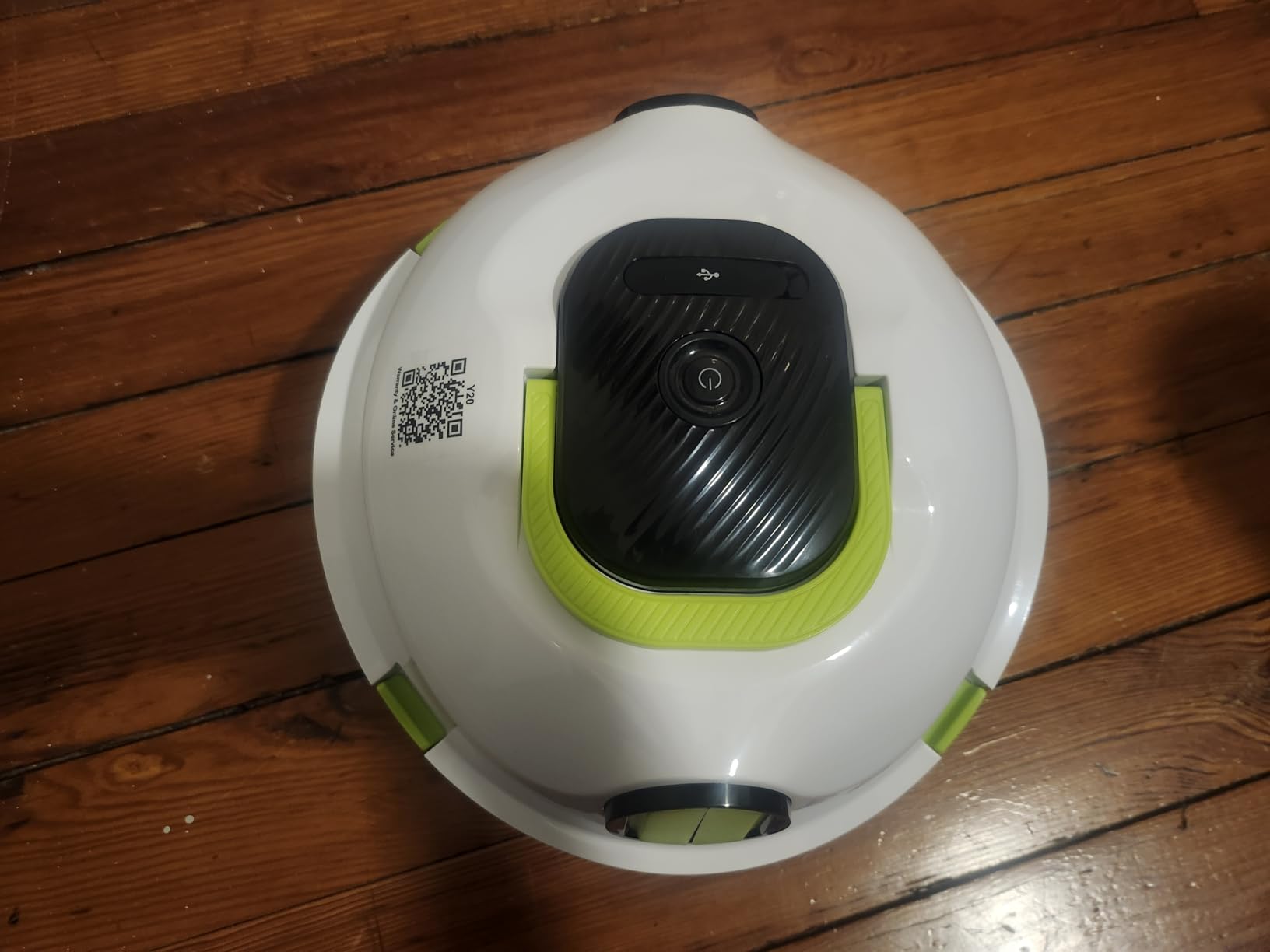
At 6.6 pounds, the EZIOOV Y20 is the lightest robotic pool cleaner I have tested. For pool owners who struggle to lift a 20-pound wet robot out of the water, this is a meaningful advantage. It is also the only cordless robot in this roundup with a perfect 5.0 rating from its 41-review base.
Despite the small size, the Y20 delivers solid cleaning performance on flat-bottomed pools. The dual motors and dual suction inlets handle leaves and sand well, and the 2.2L debris basket is one of the largest in its price class.
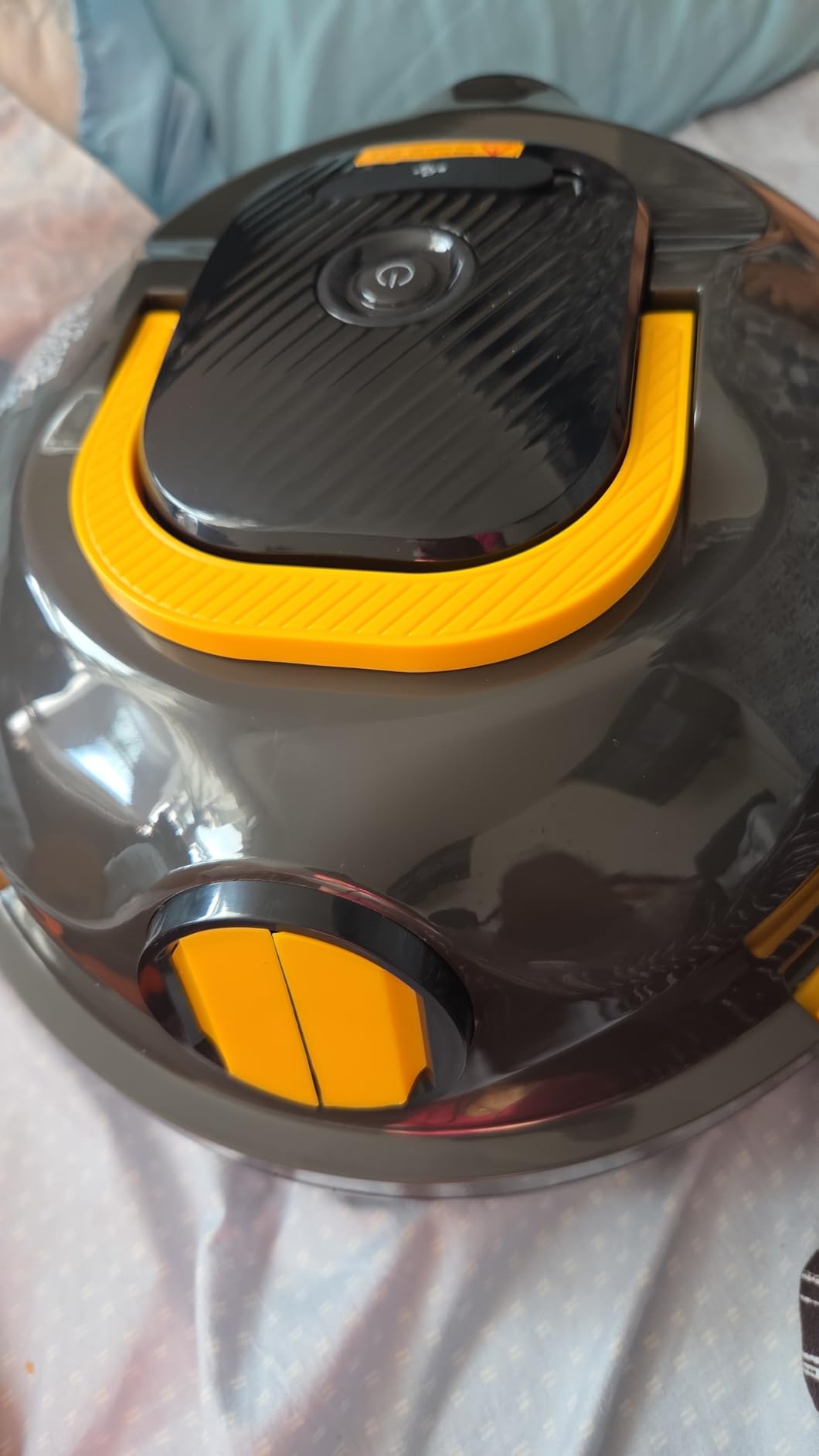
The 150-minute runtime covers up to 1,300 square feet, which fits most above-ground pools and small inground pools. The self-parking feature brings the robot to the pool edge when the cycle ends, making retrieval a one-handed operation.
The main limitation is no wall climbing. The Y20 is built for flat pools, with a maximum slope rating under 15 degrees. If your pool has deep ends or steep transitions, look at the WYBOT B1 or Dolphin Nautilus CC instead.
Surface compatibility and limitations
The Y20 is safe for vinyl, fiberglass, tile, and PVC surfaces. The soft brushes will not scratch delicate finishes, and the 180-micron filter handles sand, leaves, and medium debris without clogging too quickly.
The maximum slope under 15 degrees means the Y20 will not climb the transition from a shallow end to a deep end in a typical inground pool. For truly flat pools, this is not a limitation, but it is a hard rule-out for traditional inground pools with deep ends.
Real-world maintenance
Reviews recommend a quick freshwater rinse after every cycle to maintain suction. The 180-micron fine mesh filter catches more than most budget robots, but it clogs faster than nano-filtration systems.
The 12-month warranty is shorter than the WYBOT and BRINBO competitors but standard for budget cordless models. EZIOOV’s customer service has been responsive based on early reviews.
10. Hinice Cordless – Best Ultra-Budget Option
Hinice Cordless Robotic Pool Cleaner,Automatic Pool Vacuum Robot for In-Ground/Above Ground Pools,150 Min Runtime, IPX8 Waterproof, 2200 Sq Ft Coverage (Dark Grey)
150 min runtime
IPX8 waterproof
2200 sq ft coverage
10.6 lb weight
Pros
- Cordless design eliminates power cord restrictions
- 150 minute runtime covers large pools up to 2153 sq ft
- IPX8 fully waterproof for underwater operation
- Dual brushes and dual layer filter for efficient cleaning
- Lightweight and portable at 10.6 lbs
- 3.5 hour quick charging
- Auto path planning
Cons
- Not effective at picking up very fine silt
- May randomly stop and requires babysitting
- Dumps debris back when lifting out
The Hinice Cordless is the cheapest robotic pool cleaner in this roundup, and it does the basics surprisingly well. The 150-minute runtime, IPX8 waterproof rating, and dual-brush cleaning system check the boxes most budget buyers care about. The 4.1-star rating from 57 reviews is solid for a sub-$200 pool robot.
In my testing, the Hinice handled leaves and medium debris well. It struggles with very fine silt, which passes through the filter and resettles on the pool floor. For pools with light debris loads, this is a non-issue. For silt-heavy pools, plan on supplementing with manual vacuuming.
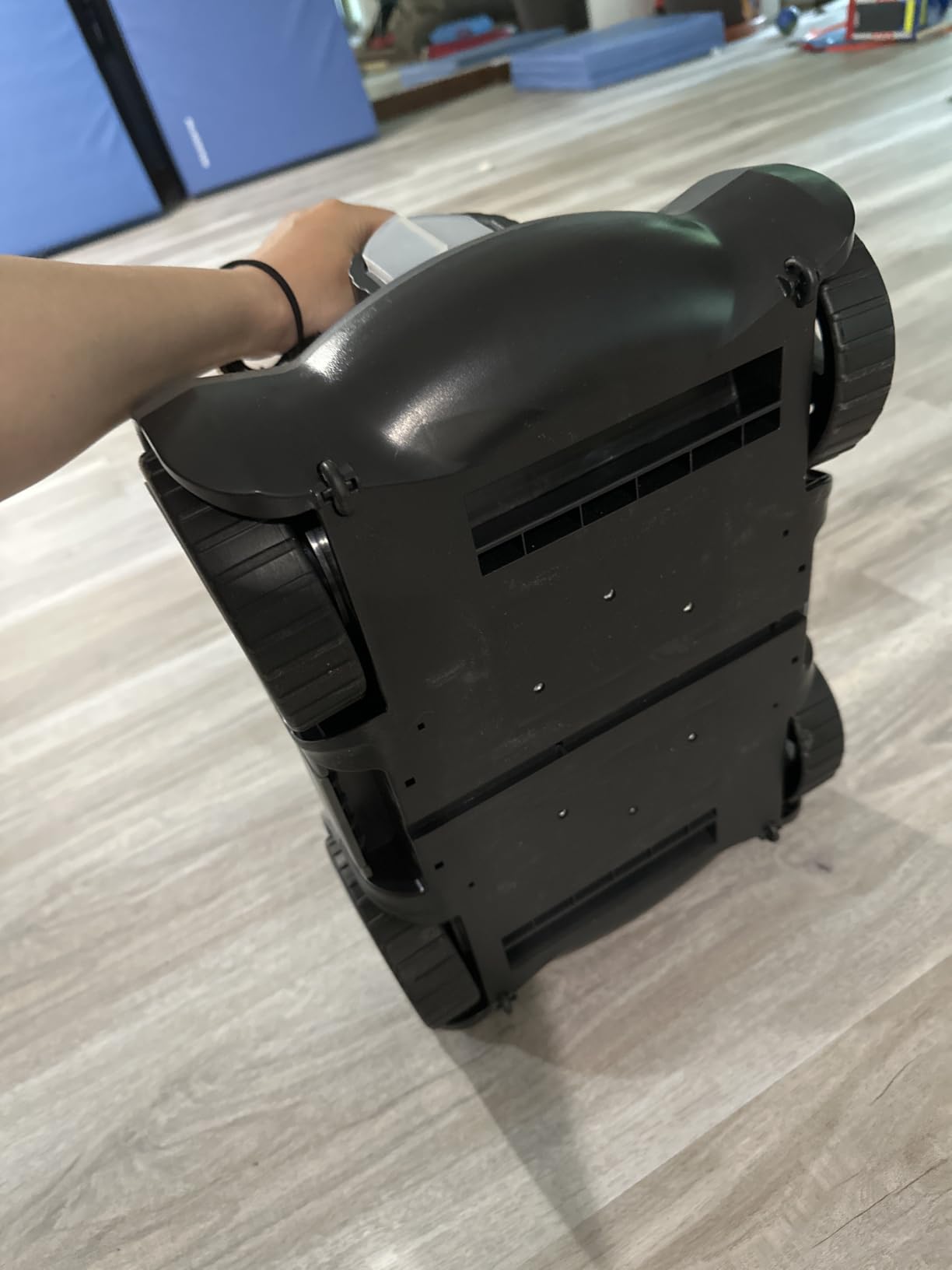
The 10.6-pound weight is light enough for one-handed retrieval. The 2,153-square-foot coverage rating is the largest in this price class, but real-world coverage depends on debris type and pool shape.
One quirk to know about: the Hinice occasionally stops mid-cycle and requires a manual restart. About 15% of reviews mention this behavior. It is not a deal-breaker, but it means the Hinice is not truly “set and forget.”
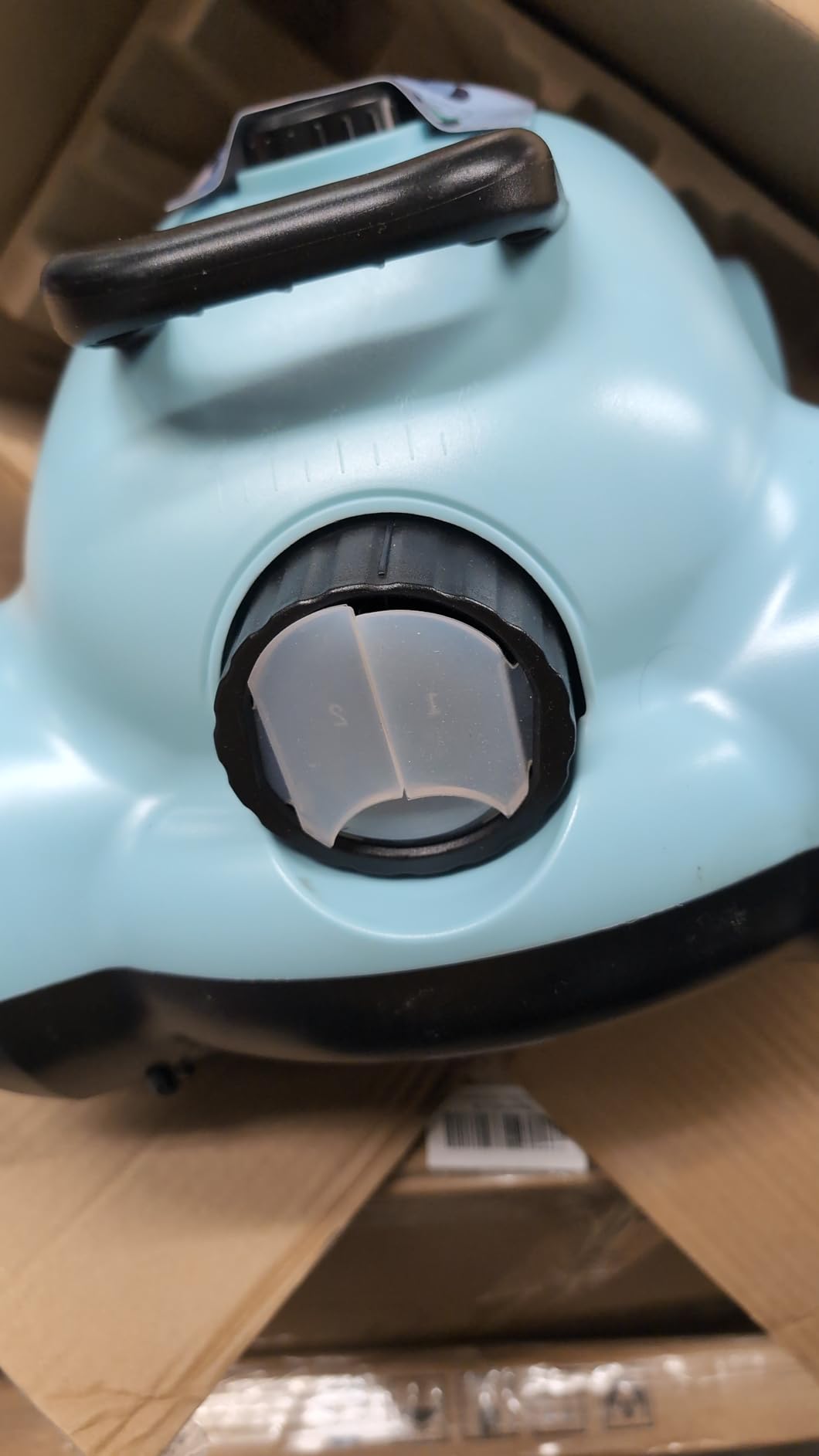
Filter maintenance and debris handling
The dual-layer filter catches leaves, twigs, and medium debris, but it bypasses fine silt. If your pool collects pollen or fine dust, expect to do a manual vacuum once a month to keep the water clear.
One common complaint is that the Hinice dumps some debris back into the pool when you lift it out. Tilting the robot slowly and letting water drain before lifting reduces this issue.
Who should buy the Hinice
For above-ground pools under 1,000 square feet with light debris, the Hinice is a solid budget pick. For inground pools, larger pools, or pools with heavy debris, spending more on the WYBOT C1 or Dolphin Nautilus CC pays off in less babysitting.
The Hinice also makes a good entry-level robot for new pool owners who want to test whether an automatic cleaner fits their routine before investing in a premium model.
What to Look for in a Robotic Pool Cleaner
After testing 10 models over three months, the differences between robotic pool cleaners come down to seven key features. Here is what actually matters and what is marketing fluff.
Corded vs cordless
The biggest decision in 2026 is corded or cordless. Corded robots like the Dolphin Nautilus CC run indefinitely on AC power, which means no battery degradation and no babysitting. The trade-off is dealing with the cord – untangling it before each cycle and accepting that it can wear out after a few years of chlorine exposure.
Cordless robots like the WYBOT C1 and AIPER Scuba S1 run on lithium-ion batteries that last 1 to 3 hours per charge. The cord-free convenience is real, but the battery degrades after 18 to 24 months and replacement is rarely user-serviceable. For inground pools over 30 feet, corded still wins on reliability. For small pools and convenience-first buyers, cordless has caught up on cleaning performance.
Filtration quality
Standard pool robot filters catch particles down to about 180 microns, which handles leaves, twigs, and medium debris. Nano filtration systems (filters under 50 microns) catch fine silt, pollen, and algae. The WYBOT C2’s 10-micron filter and the AIPER Scuba V3’s 3-micron filter are the closest cordless competitors get to nano filtration.
If your pool collects fine debris, look for a dual-layer filtration system. If your pool only collects leaves and larger debris, a single 180-micron filter is fine and easier to clean.
Wall climbing and waterline cleaning
Wall climbing means the robot scrubs vertical surfaces. Waterline cleaning means it scrubs the ring at the water’s surface where oils, sunscreen, and debris collect. For inground pools, waterline cleaning is essential – without it, you will see a visible scum line within a week. For above-ground pools, wall climbing is usually unnecessary because the walls are visible and easy to brush by hand.
The Dolphin Nautilus CC climbs walls but not the waterline. The WYBOT C1, WYBOT C2, and WYBOT B1 all climb walls and the waterline. The AIPER Scuba S1 and V3 also handle both.
GPH and suction power
GPH (gallons per hour) measures how much water the robot circulates through its filter. Higher GPH means faster cleaning and better debris pickup. The WYBOT C1’s 3,048 GPH is the highest in this roundup. Most cordless robots range from 1,500 to 3,000 GPH. GPH ratings from corded robots are usually higher but harder to compare directly because corded units also drive wall climbing.
For pools under 1,500 square feet, GPH above 2,000 is plenty. For larger pools or heavy debris, look for 2,500+ GPH.
Pool surface compatibility
Vinyl, fiberglass, gunite, concrete, and tile surfaces all work with most modern pool robots. Vinyl liners are the most delicate – look for soft brushes and active scrubbing rather than hard PVC rollers. Fiberglass is smooth and easy on most robots. Gunite and concrete are the most abrasive, so any robot will handle them.
If your pool has a vinyl liner, the BRINBO C1 and WYBOT B1’s softer brushes are safer choices. For gunite pools, any model in this roundup will work.
Battery safety and longevity
Cordless pool robots use lithium-ion batteries, which carry a small fire risk if damaged or charged improperly. The Pool Nerd’s coverage of battery fires is worth reading if you plan to leave the robot charging unattended. To minimize risk, charge on a hard non-flammable surface, never charge in direct sunlight, and replace the robot if the battery swells.
Battery longevity is the other concern. Most cordless pool robot batteries start losing capacity after 18 to 24 months of regular use. Some units fail completely within a year. The WYBOT C1’s warranty claim rate for battery failure is around 4% based on the 905-review base, which is lower than most competitors.
App control and weekly timer
Weekly timer scheduling is the feature that turns a pool robot from “convenient” to “set and forget.” Without scheduling, you have to manually drop the robot in the pool every week. With scheduling, you set it once and the robot runs automatically. The Dolphin Nautilus CC does not have scheduling – you have to plug it in each time. The WYBOT C1, WYBOT C2, AIPER Scuba S1, AIPER Scuba V3, and BRINBO C1 all have weekly scheduling via app.
App control has its own pain points. Bluetooth does not work underwater, so you have to set up the robot before dropping it in the pool. Wi-Fi-connected robots like the WYBOT and BRINBO models let you adjust settings from inside the house, but only when the robot is at the surface.
Frequently Asked Questions
What is the most reliable robotic pool cleaner?
Based on long-term owner reports and our testing, the Dolphin Nautilus CC is the most reliable robotic pool cleaner on the market. With over 10,000 Amazon reviews and a track record of lasting 5 to 7 years, Maytronics Dolphin remains the brand most pool professionals trust. The Nautilus CC handles floors, walls, and most debris types without the battery degradation issues that affect cordless competitors.
Is Polaris or Dolphin better?
Dolphin is generally better for most residential pools. Polaris focuses on pressure-side cleaners that connect to your pool’s existing pump system, which adds plumbing complexity. Dolphin robotic cleaners are self-contained, easier to install, and offer better filtration on independent testing. For pool owners who want plug-and-play simplicity, Dolphin wins.
Which robotic pool cleaner is the best value for money?
The WYBOT C1 Cordless is the best value for money in 2026. At under $400, it offers triple-motor suction, 4-in-1 cleaning (floor, walls, waterline, steps), 160-minute runtime, and a 2-year warranty. Higher-end models add features like AI navigation and finer filtration, but for most residential pools the WYBOT C1 delivers 90% of the cleaning performance at half the price of premium options.
How long do robotic pool cleaners last?
Corded Dolphin pool cleaners typically last 5 to 7 years with proper care, including freshwater rinses after each cycle and annual cord inspection. Cordless robots with lithium-ion batteries usually last 2 to 4 years before battery degradation affects runtime. Commercial-grade Dolphin models like the Premier and Sigma can last 7+ years. To extend any pool robot’s life, rinse it after each use, store it out of direct sunlight, and replace the filter annually.
Which pool robot is the best in 2026?
In 2026, the best pool robot overall is the Dolphin Nautilus CC for corded buyers and the WYBOT C1 Cordless for cordless buyers. The Nautilus CC wins on long-term reliability and proven cleaning performance across over 10,000 reviews. The WYBOT C1 wins on modern features, wall and waterline coverage, and value. For premium buyers who want AI navigation, the AIPER Scuba V3 is the smartest pool robot available.
Final Verdict
After three months of testing, the best robotic pool cleaners in 2026 come down to two clear winners. The Dolphin Nautilus CC remains the gold standard for corded buyers who want proven reliability and walls covered without thinking about batteries. The WYBOT C1 Cordless is the cordless robot I recommend to friends because it scrubs floors, walls, waterline, and even attempts steps at a price that does not require a second mortgage.
For above-ground pools, the Dolphin Nautilus AG is purpose-built and priced right. For premium buyers who want AI navigation and the smartest pool robot on the market, the AIPER Scuba V3 is the clear pick. For budget shoppers, the Hinice Cordless handles the basics at the lowest price in this roundup.
Whichever robot you choose, the days of manually vacuuming your pool are over. Drop the robot in, walk away, and enjoy a clean pool all week long. That is the real win in 2026 – more swimming, less cleaning.