

Do deer repellents work? They do, but only as part of a plan rather than as a single silver bullet. For most suburban gardens the most effective setup is a scent-based repellent applied to the plants themselves, backed by a barrier or netting where damage is heaviest.
The single most effective deer repellent in ordinary garden conditions is a ready-to-use or concentrated scent formula that conditions deer to associate your beds with an unpleasant taste and smell before they take the first bite. Repellents do not kill, injure or physically block anything, so they work by memory: the animal has a bad experience at your plants and routes around them next time. That memory decays fast in wet weather, which is why the only products that hold up for a full season are the ones you reapply on a schedule.
Below is our running list of the best deer repellers for gardens, covering scent concentrates, ready-to-use sprays, granular perimeter barriers and solar deterrent lights. Every pick below is written from the published specifications and from what buyers report after using them, not from a press release. If you also hunt rather than garden, our guides to the best deer feeders and the best trail cameras for deer hunting cover the other half of the picture.
Table of Contents
Quick Picks: Sprays and Concentrates
Liquid Fence Deer and Rabbit Repellent Ready-to-Use — the most proven option by review volume, covering both deer and rabbits with no mixing.
Deer Out 32 oz Concentrate — mint scent humans tolerate, diluted down for large properties, all-natural and pet safe.
Bobbex Concentrated Deer Repellent — a wintergreen-scented concentrate that covers the most area per container and claims up to two months of residual.
I Must Garden Mint Scent Repellent — a biodegradable ready-to-use oil with kelp added, strong on roses, hostas and tulips.
Messinas Deer Stopper Quart Concentrate — dries clear and odor free, the pick if the smell of a conventional repellent is a deal breaker for you.
Quick Picks: Granules and Deterrent Devices
Enviro Pro Deer Scram Granular Shaker — a biodegradable nitrogen-bearing granule that works as a perimeter barrier and doubles as lawn fertiliser.
Nature’s MACE Deer Repellent Granules — a three-pronged fear, scent and taste granule for ground-level beds under two feet tall.
Aspectek Predator Eye PRO Solar Light — flashing red predator eyes that cost nothing to run and last for years with no consumables.
LPLUURAN Ultrasonic Solar Repeller 2-Pack — ultrasonic plus an alarm call and LED flash, useful as a secondary layer for smaller animals.
Kittmip 4-Pack Solar Nocturnal Repeller — four perimeter lights at a low per-unit cost, aimed at raccoons, skunks and stray cats.
Top 3 Best Deer Repellers For Gardens (October 2026)

Liquid Fence Deer and Rabbit RTU
- Ready to use
- no dilution
- Repels deer and rabbits
- Rain resistant
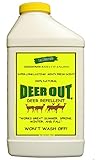

Bobbex Concentrated Repellent
- Multiple smell and taste deterrents
- Up to two months residual
- Wildlife safe
- Economical coverage
Liquid Fence leads the list on sheer evidence: more than 11,000 ratings and a decade-plus of use, covering deer and rabbits in one pass. Deer Out takes the top spot among concentrates for anyone who wants a scent they can stand to be around. Bobbex covers the most ground per container and is the strongest pick when deer pressure is genuinely heavy.
The 10 Best Deer Repellers for Gardens at a Glance in 2026
| Product | Specifications | Action |
|---|---|---|
| Liquid Fence Deer and Rabbit RTU |
|
Check Latest Price |
| Deer Out 32 oz Concentrate |
|
Check Latest Price |
| Bobbex Concentrated Deer Repellent |
|
Check Latest Price |
 I Must Garden Mint Scent 32 oz I Must Garden Mint Scent 32 oz |
|
Check Latest Price |
 Enviro Pro Deer Scram Granular Enviro Pro Deer Scram Granular |
|
Check Latest Price |
 Nature’s MACE 6 lb Granules Nature’s MACE 6 lb Granules |
|
Check Latest Price |
 Aspectek Predator Eye PRO 2-Pack Aspectek Predator Eye PRO 2-Pack |
|
Check Latest Price |
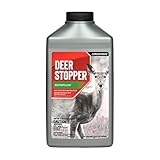 Messinas Deer Stopper Quart Messinas Deer Stopper Quart |
|
Check Latest Price |
 LPLUURAN Ultrasonic Solar 2-Pack LPLUURAN Ultrasonic Solar 2-Pack |
|
Check Latest Price |
 Kittmip 4-Pack Solar Lights Kittmip 4-Pack Solar Lights |
|
Check Latest Price |
How We Chose the Best Deer Repellers for Gardens?
We ranked these picks on how much evidence sits behind them, not on how loud the packaging is. The first filter was review volume and average rating, because a four-star product with eleven thousand ratings tells you far more about real-world performance than a five-star product with two hundred.
The second filter was reapplication burden. A repellent that needs attention every three days is a very different purchase from one that lasts a month, and most people give up on sprays because they quietly stop treating the beds long before the season ends.
The third was safety and suitability for food gardens. Anything we recommend for a vegetable patch has to be usable on edible crops, and we flag clearly where a product is not labelled for leafy greens, herbs or soft-skinned berries. Fourth was habituation risk, which is the reason we rank the mechanical and light-based devices as additions to a scent strategy rather than as replacements for one.
1. Liquid Fence Deer and Rabbit Repellent Ready-to-Use Spray – the Most Proven Pick
Liquid Fence Deer and Rabbit Repellent Ready-to-Use Spray, 1 Gallon
Type: ready-to-use spray
Weight: 8.97 lb
Scent: strong and lingering
Covers deer and rabbits
Pros
- Largest review base in the category
- Covers deer and rabbits in one product
- No dilution needed
- Rain resistant formula
Cons
- Integrated nozzle fails partway through the bottle
- Strong lingering odor
- Needs reapplication every few days in wet weather
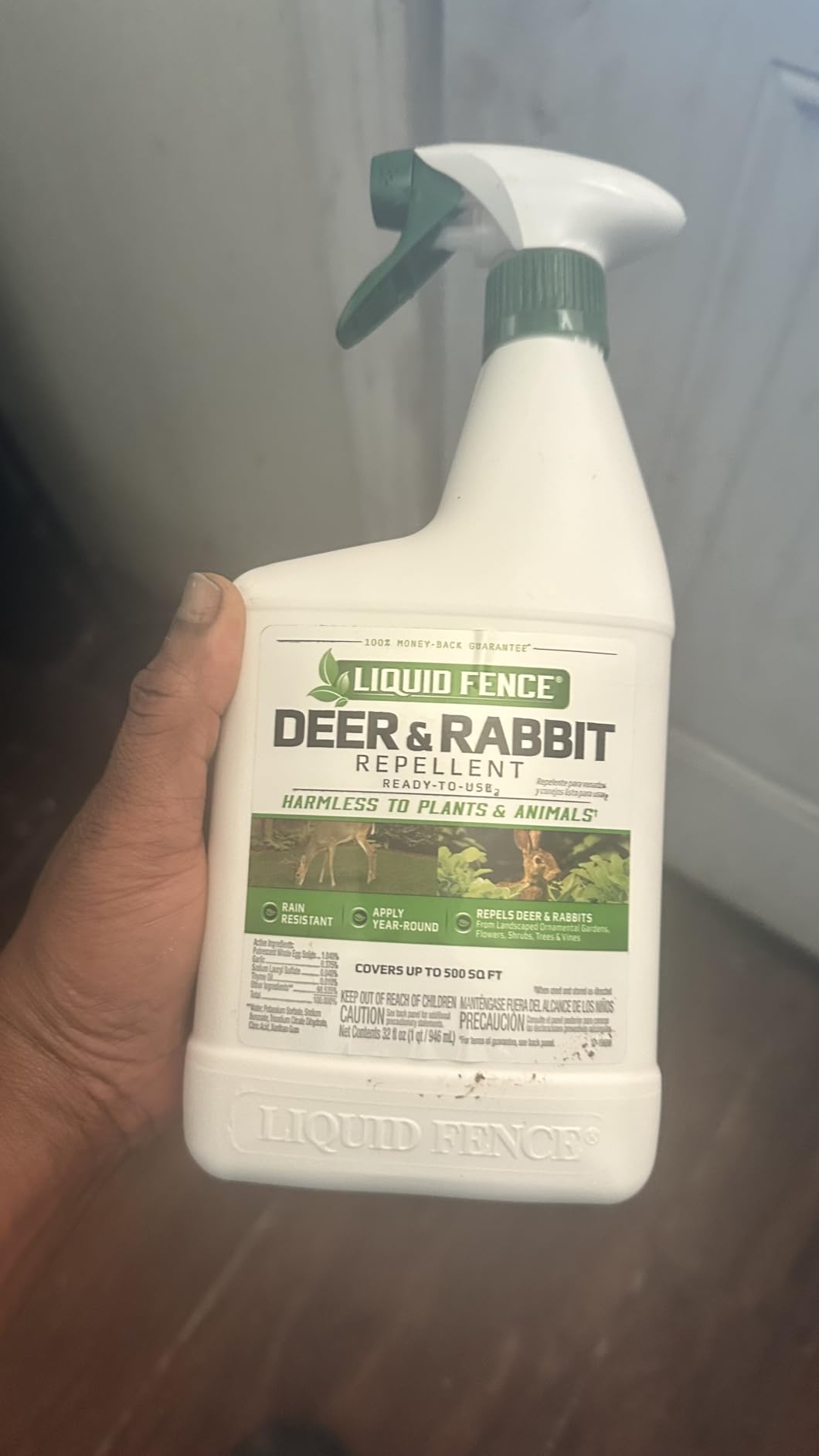
This is the product most people end up buying first, and the reason is simple: it needs no mixing, no pump sprayer and no measuring. You shake the gallon, spray the foliage until it is visibly wet, and the scent does the work from there. Deer and rabbits are repelled before they feed, not after they damage a stem, which matters for beds where a single night of browsing can finish the crop.
A gardener on r/gardening described the honest version of how this product behaves: the spray works until it rains, and then you start over. That has been the consistent finding across reviews of this bottle, and it is why the formula is described as rain resistant rather than rain proof. Dry spells hold a treatment for several days at a time, but a heavy downpour means a fresh application.
The hardware is the weak point. Multiple buyers report the integrated trigger nozzle stopping mid-bottle, and the common workaround is to cut the cap off and decant the remainder into a separate spray bottle. That is a five-minute job and it recovers the product, but it is worth knowing before you start spraying a large property.
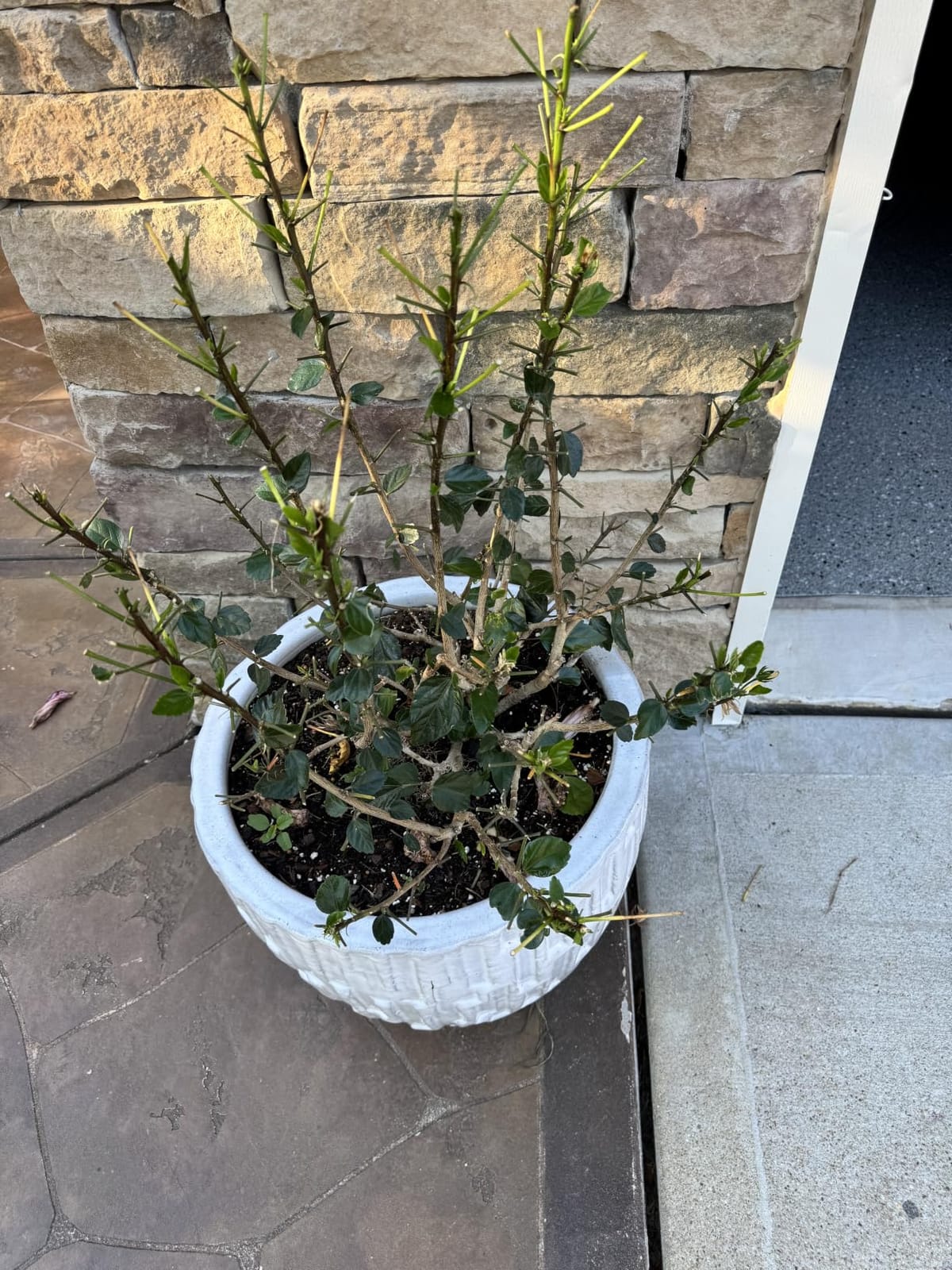
The odor is the other thing people argue about. It is strong during application and lingers for a period afterwards, so spray with the wind at your back and away from open windows. A Home Depot review of a sibling Liquid Fence concentrate describes the same pattern from another angle, noting that the initial odor dissipates overnight and is not offensive to humans once dry. On the ready-to-use bottle the drying window is shorter than that.
One buyer on r/gardening put the value of this brand plainly: Liquid Fence has always worked for them against deer and elk, and you can see where the animals have been because they feast on the untreated plants and ignore the rest. That visible contrast between treated and untreated is the most reliable confirmation you will get that a scent repellent is doing its job.
When this pick is the right one?
Choose it for mixed gardens where rabbits are as much of a problem as deer, because almost nothing else in this roundup covers both species in one pass. It is also the right first purchase for anyone who has never used repellent before, because the ready-to-use format removes every excuse for not starting.
It suits a modest bed, a flower border or a row of young fruit trees where you can re-spray every few days without much effort. Treat it as a maintenance product rather than a one-time treatment.
When it is the wrong one?
It is a poor choice for a large rural property where deer pressure is constant, because the coverage per container will not stretch far enough. The odor is also a genuine problem for patios, decks and homes with young children who spend time in the treated area.
Do not buy it and then forget about it. Skipping applications for a few weeks in season is the most common reason treated beds suddenly lose plants.
2. Deer Out 32 oz Concentrate – Best Mint Scent Concentrate
Deer Out 32oz Concentrate Deer Repellent
Type: concentrate
Volume: 32 fl oz
Scent: minty fresh
Year-round formula
Pros
- Mint scent people tolerate
- Concentrate stretches far
- All natural and pet safe
- Reported multi-year use
Cons
- Still needs reapplication every few days
- Fails completely if neglected
- Scent not minty for some buyers
Deer Out is the product we recommend to anyone who bailed out of deer repellents because of the smell. The active scent is mint based, and the manufacturer positions it as something humans like but deer, elk and moose avoid, which is a very different experience from applying a predator-scent concentrate next to a barbecue.
As a 32 ounce concentrate it is diluted before use, and that dilution is the reason it makes sense on a bigger plot than a ready-to-use spray does. A single bottle commonly covers a full season on a decent-sized property for regular reapplication, provided you work out the ratio with a pump sprayer and stick to a schedule. The formula also carries natural sticking agents that help it hold onto foliage in light rain.
Users with long histories report five to ten years of continuous use, which is a genuinely unusual claim in a category where products come and go. The other side of that longevity is that these same users are candid about the requirement: it works when you reapply, and it fails when you do not. One reviewer describes coming back after several neglected weeks to find damage in beds that had been untouched for months.
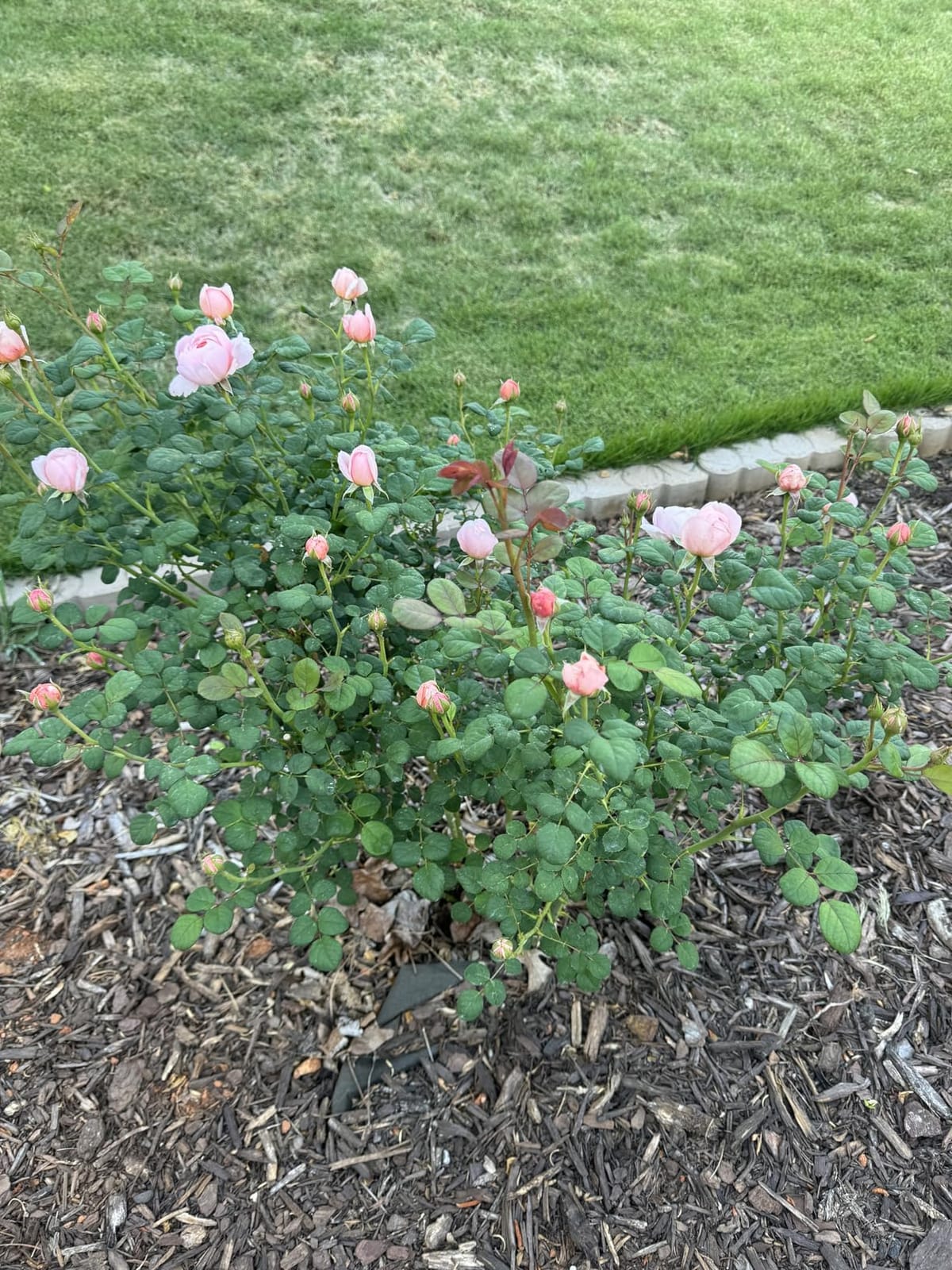
The listed formula is all natural and described as safe around children and pets, and the year-round positioning means one bottle covers spring growth, summer plantings, autumn and winter browse pressure without a product change. Reviewers who like the scent say it is pleasant enough to apply near an outdoor seating area; a minority describe it as not really minty at all, so treat the scent description as a general direction rather than a promise.
One useful tip from the review pattern is to add your own spreader or sticker if your garden gets heavy rain. The sticking agents in the base formula help, but an additional adjuvant extends the window between applications in wet springs, which is exactly when coverage is hardest to maintain.

When this pick is the right one?
Choose it when the smell of conventional repellents is the thing that stops you using them. A mint scent means you can treat beds near a patio, a walkway or a neighbour’s fence without the whole household objecting.
It is also the stronger option for large gardens or smallholding acreage where you can justify a pump sprayer and a routine. The concentrate format is simply cheaper per treated foot than a ready-to-use bottle.
When it is the wrong one?
It is wrong for anyone unwilling to mix and spray on a schedule. The label claims rain resistance, but real-world reports describe needing a fresh coat every couple of days in dry weather and after any substantial rain.
It is also a poor fit for a single weekend garden. If you want a treatment that survives a month without attention, a granule perimeter suits that better.
3. Bobbex Concentrated Deer Repellent 32 oz – Best Value for Large Areas
Bobbex Concentrated Deer Repellent, 32 oz.
Type: concentrate
Volume: 32 fl oz
Scent: wintergreen
Sticks once applied
Pros
- Covers a large area per container
- Uses several taste and smell deterrents
- Claimed two month residual
- Careful about edible crops
Cons
- Must be diluted before use
- Not labelled for leafy edibles or soft berries
- Wintergreen scent is strong
Bobbex works differently from most of the mint and predator products here. Instead of a single dominant scent, it combines multiple smell and taste deterrents, which is closer to how a deer actually experiences a bad encounter. The tradeoff is a wintergreen scent that is noticeable for the first day or two after application.
The headline benefit is coverage economics. A 32 ounce concentrate that is claimed to hold for up to two months after application is one of the better per-container values on this list, and that is why it has held a place in roundups for years. It is a concentrate, so you dilute it in water and apply it with a pump sprayer, including the E-Z style pump devices the manufacturer mentions.
Safety is the differentiator here. The formula is described as environmentally compatible and harmless to humans, pets, birds and aquatic life when used as directed, which makes it a comfortable choice around wildlife water and bird feeders. On a Houzz discussion thread about deer repellents, a user described Bobbex as the best stuff they had ever used, noting that it also kept cats, dogs and raccoons out of the treated area and that it did not smell offensive to humans in their household.

A Home Depot review of the five-gallon Bobbex concentrate captures the drying behaviour most buyers describe: the worst of the smell goes away overnight and what remains dissipates rather than hanging around. That is worth knowing for a vegetable garden close to a house, because the first night is the one that decides whether your household tolerates the product long enough to keep using it.
There is one important restriction. Bobbex is labelled for ornamentals and most edible vegetables but not for most edible leaves, herbs, or rough-skinned berries such as strawberries and raspberries. If your food garden is salad greens, herbs or soft fruit, this is the wrong concentrate and you should use a product explicitly cleared for edible leaves instead.
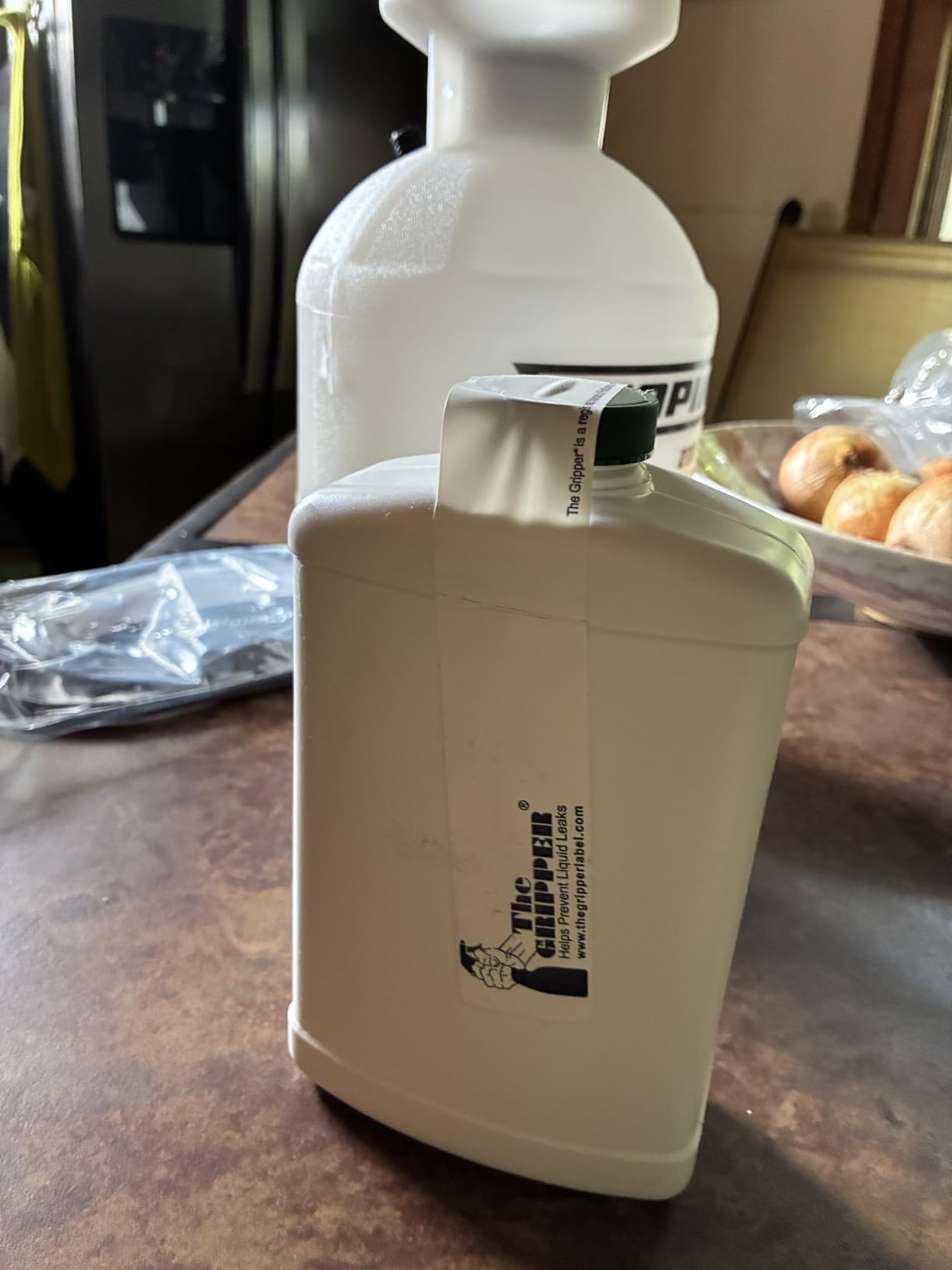
When this pick is the right one?
Choose it when deer pressure is high enough that you need broad-spectrum coverage rather than a pleasant smell, or when you are protecting ornamentals and sturdy vegetables across a large area. The multiple-deterrent formulation is a sensible choice where deer have already stripped lighter options.
It is also the pick if you are near a pond, bird feeder or wildlife corridor, since the product is described as safe for birds and aquatic life.
When it is the wrong one?
It is the wrong pick for leafy greens, herbs, strawberries and raspberries, and the label is explicit about that. Anyone growing salad crops through the season should choose a repellent cleared for edible leaves.
The wintergreen scent is also not for everyone, and you will need a pump sprayer plus the discipline to dilute and reapply on schedule.
4. I Must Garden Mint Scent Deer Repellent 32 oz – Best for Roses and Hostas
I Must Garden Deer Repellent: Powerful All-Natural Protection, 32oz Mint
Form: ready-to-use oil
Volume: 32 fl oz
Enhanced with kelp
Biodegradable
Pros
- Stops damage to roses
- hostas and tulips
- Ready to use
- Safe for pets and pollinators
- Sticking agents cut reapplication
Cons
- Odor strong for some buyers
- One report of damaged pansies
- Spray away from the breeze
This is the brand we point at when the problem is a specific list of favourite plants rather than a whole vegetable plot. Buyers under heavy pressure report that roses, hostas and tulips stopped being stripped once this spray went onto a regular schedule, and those three are the classic first targets deer go for in a suburban garden.
It is a ready-to-use oil formulation, so there is no dilution step, and the manufacturer states that natural sticking agents mean no reapplication is needed after average rainfall. In practice most reviewers describe a weekly to twice-monthly rhythm rather than a single treatment, which is still a lighter maintenance burden than plain water-based sprays.
Two things distinguish it from the rest of the scent category. The first is pollinator and pet safety, which the listing states explicitly and which matters if you are spraying flowering crops. The second is kelp, which several users report as visible in the treated plants, with greener foliage and stronger growth after repeated applications. Whether that effect is meaningful is debatable, but nobody describes it as a negative.

The scent divides opinion. Most buyers describe a strong smell that dissipates within about a day, which is the normal profile for a botanical oil repellent. A smaller group find it genuinely unpleasant and stop using it, and one reviewer reported that spraying damaged their pansies, taking time to recover. That is worth respecting: test on a small area of a tender annual before you treat an entire bed.
Buyers also note that the scent is acceptable in a mixed planting but that spraying into a breeze is a mistake, because the mist blows back at you. Applying in the evening when the air is still and the leaves have hours to dry is the routine most satisfied users settle into.

When this pick is the right one?
Choose it when your losses are concentrated in ornamental beds, hosta borders, rose bushes or tulips rather than in a full edible garden. It is also the pick if pollinators are active in your planting, since the listing covers pet and pollinator safety directly.
It suits gardeners who want a pleasant scent profile in a visible part of the garden and who will set a weekly reminder rather than a daily one.
When it is the wrong one?
It is a poor choice for very tender annuals if you are not prepared to spot test first, given the one report of damaged pansies. It is also the wrong tool against rabbit pressure on its own, since the protection is deer-focused.
If you have heavy browse pressure and no discipline for weekly applications, a granular perimeter will hold better through a wet month.
5. Enviro Pro Deer Scram Granular Shaker 5.75 lb – Best Perimeter Granule
Enviro Pro 1006 Deer Scram Repellent Granular White Pail, 5.75 Pounds, (Packaging May Vary)
Form: granular
Weight: 6 lb
Scent: unscented to humans
Biodegradable
Pros
- Holds through rain and sprinklers
- Biodegradates into nitrogen nutrients
- Unscented for people
- Works as a border line
Cons
- Does not deter rabbits
- Coverage is limited per pail
- Pail lid is hard to open
Granular repellents solve a different problem from sprays. Instead of coating plants, you lay a treated line on the soil that deer encounter before they reach the foliage, so the encounter happens on the ground and the plants never get nibbled. That is why the barrier line matters more than the total area covered.
Enviro Pro is sold as a shaker can, which makes perimeter work fast. The granules are described as biodegradable and as breaking down into high-nitrogen organic nutrients, and buyers do report visibly greener grass along treated borders, so the product pays a small fertiliser dividend while it works.
The unscented claim holds up better here than in the spray category, because a dry granule on soil simply does not carry an aroma. Reviewers say the smell lingers a day or two after application at most. That makes it a much easier product to use around a house than a liquid concentrate.

The critical timing point is that granules work as prevention. Laid down before browsing starts, they create a line deer learn to avoid; laid down after the damage is visible, they are recovering a situation rather than preventing it. Reviewers who report success applied them early, along bed edges, and refreshed them as new growth appeared, which in season can mean weekly.
Two practical complaints come up repeatedly. The first is the lid, which several buyers describe as extremely difficult to open and requiring multiple tools. The second is cost per treated area, since a single 5.75 pound pail may only outline part of a large yard. Plan your perimeter length and divide before you commit, rather than discovering the shortfall mid-season.
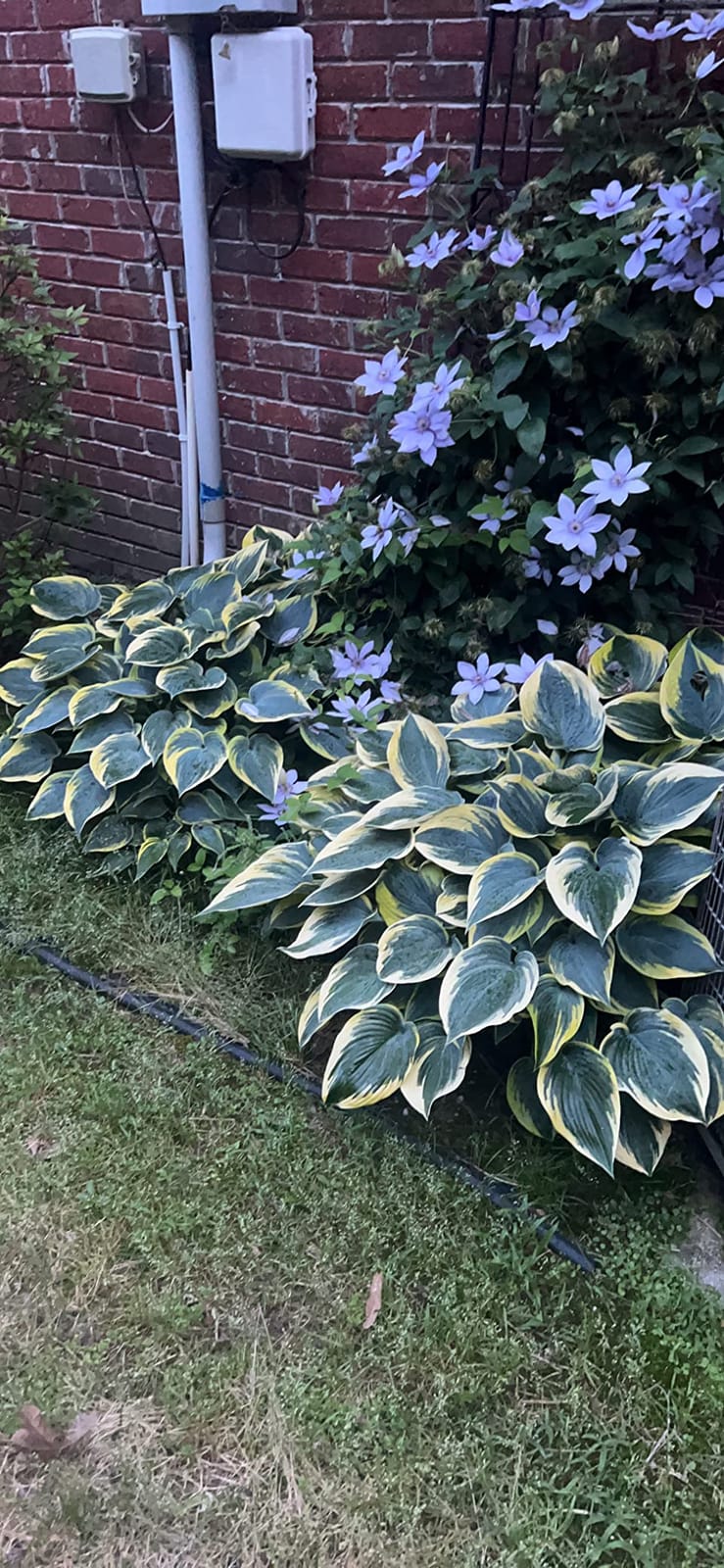
When this pick is the right one?
Choose it when you want a barrier that survives sprinkler cycles and rain without re-spraying, and when a faint smell after application is a problem for you. The nitrogen breakdown is a bonus on lawn edges and around beds.
It is well suited to ring-fencing raised vegetable beds or a single high-value planting rather than treating an entire property.
When it is the wrong one?
It is not a rabbit solution. Reviewers report rabbits simply relocating to an untreated area, so if rabbits are the main problem you need a spray that lists them. One buyer also reported the granules burned and killed grass where they were applied heavily, so spread evenly rather than in a thick band.
It is also the wrong tool if you are starting after damage has already occurred, because preventative placement is what makes it work.
6. Nature’s MACE Deer Repellent 6 lb Granules – Best Multi-Species Granule
Nature’s MACE Deer Repellent 6 lb Granules
Form: granules
Weight: 6 lb
Dimensions: 8 x 6 x 12 in
Model: DEERGRN3002
Pros
- Three-pronged fear scent and taste
- Says no product rotation needed
- Reports of two to three month control
- Safe around people and pets
Cons
- Strong odor for a day or two
- Cost per square foot is high
- Rabbits relocate to untreated ground
Nature’s MACE takes a slightly different angle on the granular approach by combining fear, scent and taste deterrence in a time-released granule, and states that no product rotation is needed. For a gardener who does not want to track which scent has been applied where, that simplifies things considerably.
The application method is specific and worth following exactly: apply heavily and evenly about eighteen inches away from the beds to create a twenty-four inch wide barrier. That is a different job from dusting a border, and reviewers who report multi-month control are the ones who built a proper line rather than sprinkling at the plant edge.
On longevity, users who applied it early as a perimeter report two to three months of avoidance in areas with heavy pressure. The product is also listed for ground vegetation under two feet tall, which covers raised beds and most vegetable plantings but says nothing about protecting a young ornamental tree canopy.
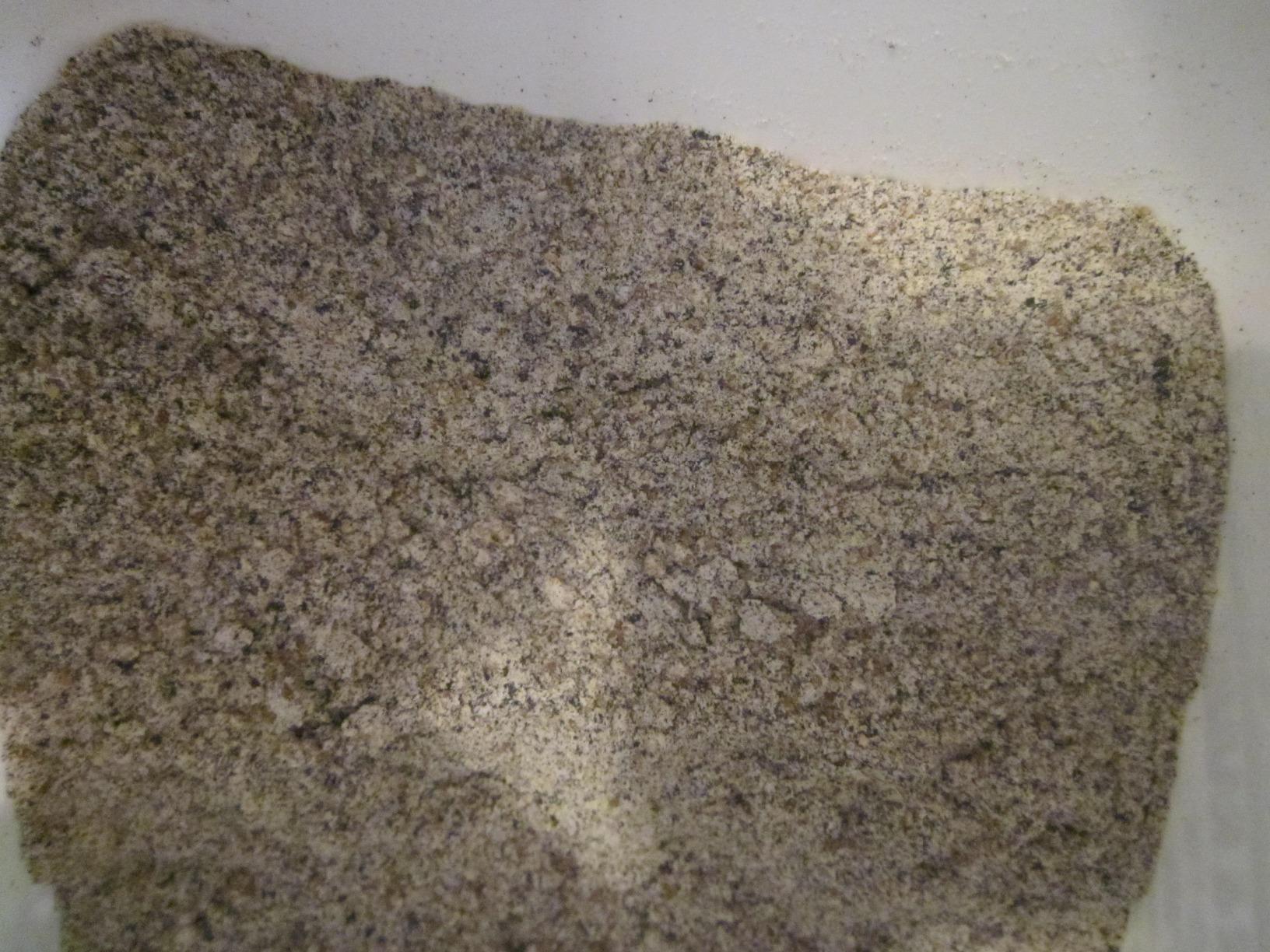
There is a labelling wrinkle worth knowing. The product is described as safe around people, pets and plants, yet reviewers report a noticeable odor for the first day or two after application, which is longer than the Enviro Pro granules typically produce. If that matters in your household, test the timing before committing to a full perimeter.
The other recurring complaint is cost per treated foot, even acknowledging the mild fertiliser effect. Several users also saw deer eat plants right next to a treated area, which is a reminder that a barrier reduces pressure rather than eliminating it, and that the line needs refreshing where foot traffic or rain has moved the granules.

When this pick is the right one?
Choose it when you want one granule that covers deer, rabbit, elk and moose, and when you would rather not rotate between scent types through the season. The three-pronged approach suits gardeners who want a set-and-refresh perimeter rather than weekly spray discipline.
It is a strong choice around low ground plantings and raised beds, where the twenty-four inch line is easy to lay out and maintain.
When it is the wrong one?
It is not for protecting tall plantings or tree canopies, and rabbit pressure often simply moves the problem elsewhere rather than solving it. If you need to protect something high up or already being browsed, a spray applied directly to the foliage is the right tool.
Budget accordingly, since the per-area cost is among the higher ones in this category.
7. Aspectek Predator Eye PRO Solar Light 2-Pack – Best Solar Predator Light
ASPECTEK Predator Eye PRO Solar Animal Repeller – 2 Pack, Red Flashing Light Deterrent for Cats, Dogs, Foxes, Birds, Skunks, Deer and Raccoons, Outdoor Pest Control for Garden, Farm, Fence and Coop
Model: HR1924X2
Dimensions: 3.8 x 3.4 x 2 in
Weight: 7.7 oz
Solar with light sensor
Pros
- Runs for years with no consumables
- Covers nighttime browsing
- Two pack allows rotation
- Works with scent sprays
Cons
- Some units dead on arrival
- Occasional manufacturing failures
- A coyote reportedly ignored it
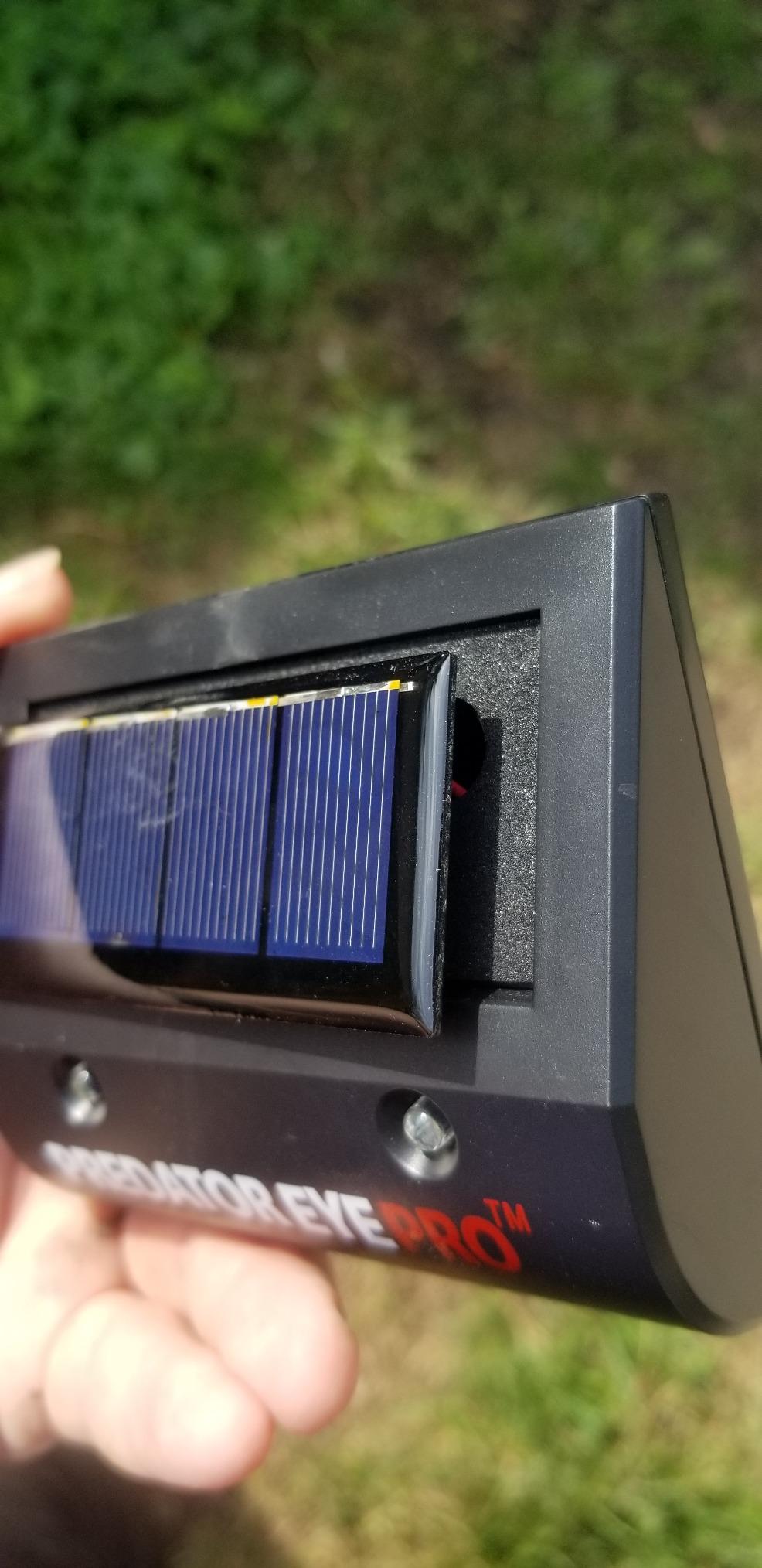
Solar predator lights are the lowest-effort item in this entire roundup. This unit flashes two red lights that read as the eyes of a larger predator, runs on a built-in solar panel, and switches itself on at dusk and off in daylight with no scheduling from you. There is no liquid, no refilling and no reapplication interval, which solves the single most common complaint about scent sprays.
Multiple owners report five or more years of continuous service through storms, heat and freezing weather, and attribute their lack of plant damage at least partly to the lights. The important operational detail is placement at the eye level of the animal you are deterring, and the built-in tilt and hooks on the back are there to make that adjustment straightforward.
The single most useful piece of advice in the reviews is to rotate the units between spots every few weeks. Users credit rotation with keeping the deterrent effective long term, which lines up with the habituation problem: a light that never moves becomes scenery. The two-pack format exists precisely so you can move one while the other covers the original position.
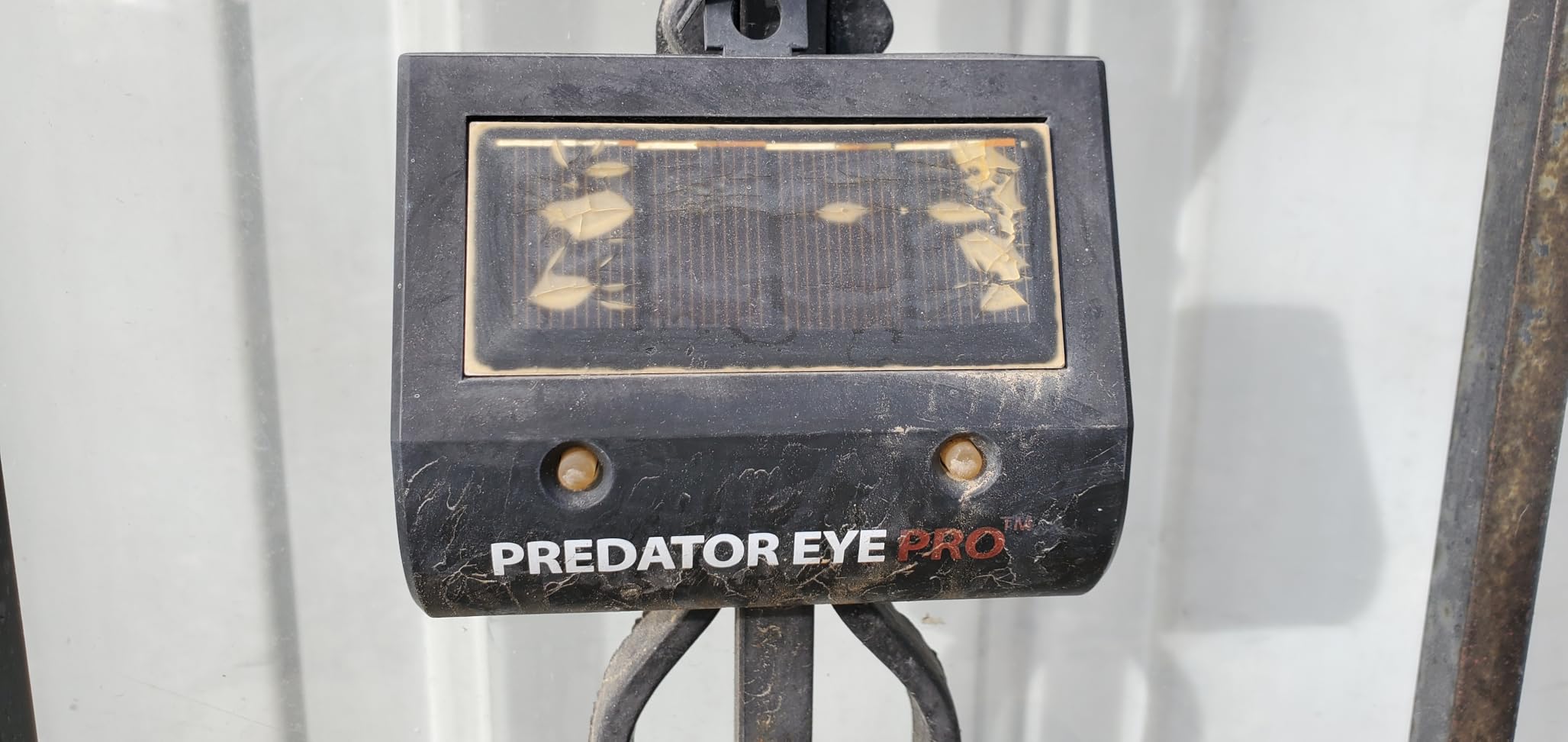
The quality control is the weak point. A portion of units arrive with the battery not seated and need disassembly to fix, and occasional units in a pack fail outright. Check both lights the day they arrive rather than discovering the problem on the first night of heavy browsing.
It is also honest to say the evidence is mixed against large animals. One reviewer found a coyote walked straight past the unit with no reaction, so treat lights as a supporting layer rather than your only defence in areas with heavy deer pressure.
When this pick is the right one?
Choose it when your browsing happens at night, which is most deer activity, and when you want something that runs indefinitely without a reminder. It is the natural companion to a scent spray: the light covers the hours and the spray covers the scent.
It is also a good pick for a large property, since two units can be positioned at the points where animals enter rather than spread thinly.
When it is the wrong one?
It will not protect plants in daylight, so it does nothing for a daytime gardener whose beds are browsed in the early hours before the light sensor wakes up. It is also the wrong primary defence if you already know deer have stopped reacting to static deterrent placements.
Check the units on arrival given the reported dead-on-arrival rate.
8. Messinas Deer Stopper Quart Concentrate – Best Odor-Free Formula
Deer Stopper Quart Concentrate
Form: concentrate
Volume: 1 quart
Dries clear and odor free
Pros
- Dries clear and odor free
- Food grade and organic
- Safe around fruits and vegetables
- Will not stain or burn
Cons
- Concentrate requires dilution
- Written review detail is limited
- 30 day claim is unverified long term
Every other scent product here asks you to accept an odor. Deer Stopper is the one that does not. It is listed as drying clear and odor free, which makes it the pick for a patio garden, a small urban yard, or any household where the smell of a conventional repellent is the reason nothing has ever worked.
The ingredients are described as all natural and food grade, and the product is explicitly stated as safe to use around fruits and vegetables. That matters because it removes a whole category of hesitation when you are treating an edible garden, where many concentrates carry a do-not-spray warning for leafy greens and soft fruit.
It is also careful about plant health: the claim is that it will not stain, burn or discolour treated plants, which is a real consideration with darker sprays on tender foliage. The manufacturer carries a hundred percent satisfaction guarantee, so this is a lower-risk way to test whether scent-based control works on your property at all.
The stated protection window is thirty days regardless of weather and watering, which sits at the optimistic end of what buyers report for sprays generally. Treat that as a best case rather than a schedule. The concentrate format also keeps the per-ounce cost low, so the economical way to use it is mixed at the label ratio in a pump sprayer and applied to the foliage you care about.
One caveat on our end: the written customer review text for this product was not available to us, so our picture of real-world performance rests on the specifications and the aggregate rating rather than on detailed user accounts. That is why we place it eighth rather than higher.

When this pick is the right one?
Choose it when odor is a deal breaker, when the treated area is close to where people sit or eat, or when you want a product you are comfortable spraying directly onto edible crops without reading a long list of exclusions.
It is a good introductory product too, because a satisfaction guarantee means a poor fit costs you little in effort.
When it is the wrong one?
It is a concentrate, so it is not the convenient choice if you have no pump sprayer and no interest in measuring dilution ratios. And if you have heavy pressure, one product on its own is rarely enough, so budget for a second layer.
Expect to reapply on your own judgement rather than assuming a full month of protection in wet weather.
9. LPLUURAN Ultrasonic Solar Repeller 2-Pack – Best Ultrasonic Device
2 Pack 2026 Ultrasonic Animal Repellent Outdoor Deer Repellent Devices Solar Animal Repeller Motion Activated Deterrent to Scare Cat Squirrel Rabbit Raccoon Skunk with LED Flash Lights for Yard Lawns
Power: solar with motion sensing
Rating: IP44 waterproof
Motion arc: 110 degrees
Pros
- Five selectable working modes
- Ultrasonic plus alarm plus LED
- Solar with automatic standby
- Works in rain snow and cold
Cons
- Limited effect against deer
- A small review base
- No scent or residual coverage
This device stacks three deterrents in one stakeable unit: ultrasonic waves, an audible alarm and an LED flash, with five selectable working modes so you can change the pattern rather than leaving a static stimulus in place. A photoelectric solar panel charges it during the day and the unit returns to stand-by when nothing moves, which is how it conserves power between activations.
The motion sensor covers a 110 degree arc at a stated range of 25 to 33 feet, and the IP44 rating covers rain, snow and freezing conditions. Insert it into the ground or hang it in a sunny position, and the design is trap-free and non-lethal, so it can be used around pets, children and edible beds without concern.
Its 4.9 average rating is the highest in this roundup, and we want to be straight about why. The review base is 250 against thousands for the established scent products, and this is a recently listed device. High ratings on a small base are common for new units and settle as more people buy them.
More importantly, this category of device is not built for deer. Ultrasonic and alarm repellers are designed around squirrels, raccoons, cats and skunks, and the most common review theme for the format is that the effect drops off sharply against larger animals. The rating reflects satisfaction with the product as specified rather than as a deer solution.
Where it earns its place is alongside a scent strategy: it adds a motion-triggered burst at ground level, adds useful coverage for the smaller mammals that hit vegetable beds alongside deer damage, and costs nothing to run after setup.
When this pick is the right one?
Choose it as a second layer rather than a first one, particularly if squirrels, raccoons or skunks are part of the pressure alongside deer. The five modes let you experiment without buying a different device each time.
It suits a garden where you want an automatic response at ground level and where solar placement in direct sun is easy to arrange.
When it is the wrong one?
It is the wrong primary deterrent for deer, because ultrasonic and alarm formats are weakest against large mammals. It is also the wrong tool if you need coverage from smell or taste, since nothing is deposited on the plants at all.
With 250 reviews, treat the rating as provisional rather than as proof of long-term reliability.
10. Kittmip 4-Pack Solar Nocturnal Repeller – Best Value Perimeter Lighting
Kittmip 4 Pack Control Light Nocturnal Animal Repeller
Pack: 4 solar units
Battery: 1000mAh
Runtime: 5 to 7 days
IP44 weatherproof
Pros
- Four units cover a whole perimeter
- Low per unit cost
- Automatic dusk to dawn sensor
- IP44 weatherproof
Cons
- Aimed at smaller nocturnal animals
- Deer resistance is limited
- Solar charging needs direct sun
The argument for this pack is arithmetic. Four units let you place lights around an entire garden boundary rather than at one or two points, and the per-unit cost of a perimeter layout drops sharply compared with buying singles. Each light blinks red LEDs to imitate larger eyes or a fire, drawing on the same principle as the Aspectek unit but at a lower entry point.
Power comes from a built-in 1000mAh rechargeable battery charged by a solar panel, giving five to seven days of use after a full charge, with a light sensor that turns the lights on at dusk and off after dawn. Setup is a single power button followed by hanging on a post, fence or exterior wall, and clustering or spacing the units around the perimeter gives wider coverage.
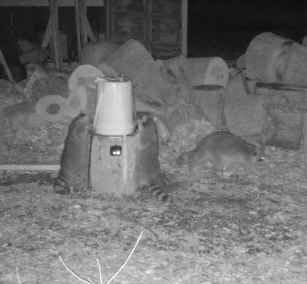
The listed applications cover gardens, yards, vegetable fields, bins and coops against gophers, mice, raccoons, quails, skunks, birds and stray cats, with deer included in the range. Read that list carefully: the product does more jobs than it does any one of them well, and the honest read is that it is strongest against smaller nocturnal animals.
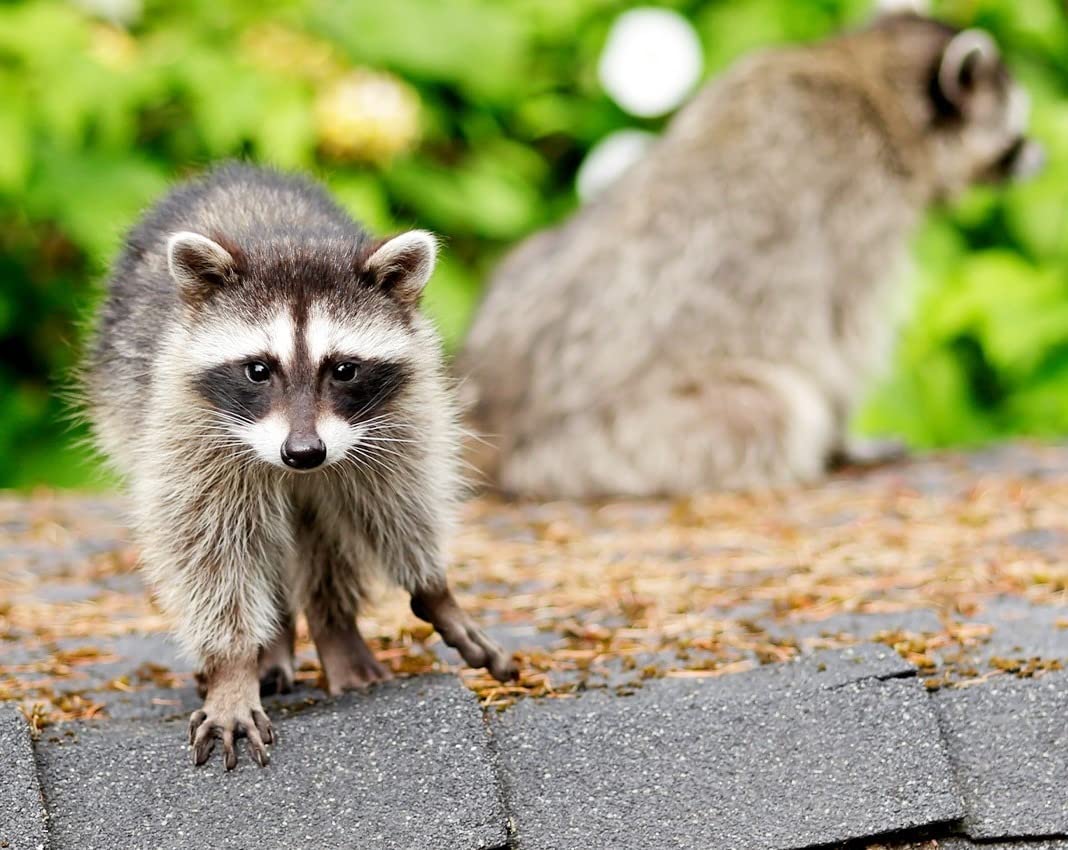
Mounting height matters because the same unit is aimed at different animals from different positions, so a light hung for raccoons will not read the same to a deer. Reviewers also point out that charging performance depends on placement and direct sunlight, which means a shaded fence line is a poor spot regardless of how well the unit itself performs.
Where deer pressure is the main worry, we would use these as perimeter filler around a scent-treated bed rather than as the deterrent doing the heavy lifting on its own.
When this pick is the right one?
Choose it when the problem is a mixed population of nocturnal animals around bins, coops and vegetable fields, and when you want a full perimeter of deterrent lights from a single purchase. The four-up format also makes rotating positions easy.
It suits larger gardens where a couple of lights would leave obvious gaps at the points where animals enter.
When it is the wrong one?
It is the wrong primary answer for heavy deer pressure, since the effect against deer is the weakest part of the specification. It also does nothing in daylight, since the sensor keeps the lights off until dusk.
Make sure the units get direct sun, because a shaded position means a light that dims before the night is over.
How to Choose a Deer Repellent That Actually Lasts?
Concentrate vs ready-to-use vs granular
Choose a concentrate when the treated area is large, because dilution is where the cost advantage lives. A ready-to-use spray makes sense for a single bed or a first attempt, since the only thing you give up is coverage per container.
Granules suit perimeters and low ground plantings where you can lay a barrier line instead of coating foliage. They are the easiest option to keep in place through rain, and the easiest to forget, because a treated line looks like ordinary soil.
A quick rule: if you can commit to a weekly routine, use a spray. If you cannot, use granules or a device.
What smell deer dislike, and why odor decides the pick?
Deer react to scent far more strongly than people do, which is why formulas built from predator by-products, eggs and animal waste work on animals that have never encountered them. The most commonly cited deterrent scents in garden use are garlic, pepper and cayenne, putrid animal products, mint and peppermint, and soap.
The practical problem is that many of those scents make a garden unliveable for a week. That is the whole reason deer repellents get bought and then abandoned, and it is why two of our picks exist specifically to solve it: Deer Out and I Must Garden for mint, and Deer Stopper for a formula that dries odor free.
Rotating between two different scent families every month or so is worth doing. Deer learn a constant signal quickly, and switching the active ingredient keeps them re-evaluating the same beds.
How to apply repellent so it survives rain?
Spray to the point of visible wetness and get coverage on leaf undersides, where deer browse first and where spray pools if you apply heavily above. Overlapping passes matter more than a heavy single coat.
Apply in the evening when the air is calm, because mist blows back at you and coverage lands on paths rather than plants. Reapply after any substantial rain rather than waiting for the next scheduled day.
For granular barriers, refresh the line where rain, foot traffic or mowing has disturbed it, and treat the whole perimeter early in the season rather than spot-fixing after damage starts.
Homemade deer repellent recipes worth trying
A simple egg-and-water spray is the most widely used homemade option: three eggs per gallon of water, shaken hard, sprayed on foliage. The mechanism is the same as commercial scent repellents, an unpleasant smell and taste at the point of contact.
Garlic and cayenne mixtures follow the same pattern, with vinegar as the carrier, and the capsaicin in cayenne adds a taste element that eggs do not provide. Coffee grounds scattered along a bed edge work as a low-effort barrier, and bar soap such as Irish Spring placed in mesh bags and hung near vulnerable plants has a following for a reason.
Human hair collected from salons and packed into mesh bags is a long-standing home remedy, and on r/Horticulture a user described the fishing line trick, stringing wire or line at deer height so the animals cannot see it until they run into it. That last one is worth remembering, because a physical line is the cheapest barrier that reliably works without a fence.
When repellents stop working and you need netting?
Repellents are a memory-based tool, and memory fades. When deer are returning regularly to treated beds, the answer is usually not a stronger spray but a second layer or a physical barrier. Reviewers on r/gardening are consistent that a fence of seven feet or more is the only thing that works reliably under real pressure.
Netting over raised beds and window mesh stretched across a frame will protect a specific area that matters most, and it can be removed seasonally. Fishing line strung on posts at deer nose height is the cheapest version of the same idea.
If fencing is not available to you, the next best combination is a scent perimeter plus a mechanical device plus resistant planting, with the highest-value plants physically covered. Every method on this list works better with a second one beside it.
Frequently Asked Questions
What is the most effective deer repellent?
For most suburban gardens, a scent-based repellent applied directly to the plants works best, because it conditions deer to associate your beds with a bad taste and smell before they browse. It is most effective when combined with a physical barrier or netting, and when reapplied on a schedule rather than left to chance.
Do deer repellents work?
They work, but with conditions. Scent sprays and granules reduce browsing reliably for days or weeks after application, and heavily treated beds often become visibly unattractive to deer next to untreated ones. The performance drops sharply after heavy rain and over time as deer learn a constant scent, so rotation between two scent families and regular reapplication matter more than the brand you choose.
What is the best motion-activated deer repellent?
The products on our list do not include a water sprinkler, but the closest equivalent by category is a solar ultrasonic or alarm device such as the LPLUURAN unit, which triggers at a 110 degree arc between 25 and 33 feet. Those devices add a motion-triggered burst at ground level and cost nothing to run, but they are weakest against large animals, so use them alongside a scent treatment rather than instead of one.
What smell do deer dislike most?
The deterrent scents most commonly used against deer are garlic, pepper and cayenne, putrid animal by-products, eggs, and mint or peppermint. Aroma is a double-edged choice, because the formulas that push deer away hardest, such as predator and egg based ones, are also the ones people complain about most. Mint based concentrates and odor-free formulas solve that trade-off for households near living spaces.
How long does deer repellent last?
It depends on the format and the weather. Ready-to-use sprays commonly hold for four to six days in dry conditions and wash out after heavy rain, concentrates with sticking agents last longer, and granular barriers can hold for weeks to a couple of months when laid early. Treat label claims of thirty days or two months as best case rather than schedule, and reapply after rain.
Is a deer repellent better than a fence?
A fence wins where you can build one. Gardeners consistently report that a barrier of seven feet or more is the only reliable solution under heavy deer pressure, and netting over raised beds works well for protecting a specific area. Repellents are the better option where fencing is ruled out by cost, rules or aesthetics, and they work best as one layer in a combined approach.
Best Deer Repellers for Gardens: Final Verdict
Liquid Fence Deer and Rabbit Ready-to-Use is our overall pick in the best deer repellers for gardens roundup, because no other product in the category combines that volume of real-world ratings with a formula that needs no mixing and covers rabbits at the same time. If the smell is what stops you using repellent, switch to Deer Out for mint or to Deer Stopper if you want no odor at all once it dries.
Match the format to your commitment rather than to your garden size. A weekly routine suits a ready-to-use spray on roses, hostas and tulips, while a neglected fortnight suits a granular perimeter laid before browsing starts. For deer pressure that spray alone cannot hold, add a rotating solar predator light at the entry points, cover the plants that matter most with netting, and switch scent families every month or so so the deer keep re-learning your beds.
Whatever you choose, the winning approach in 2026 is layered defense rather than a single purchase.