
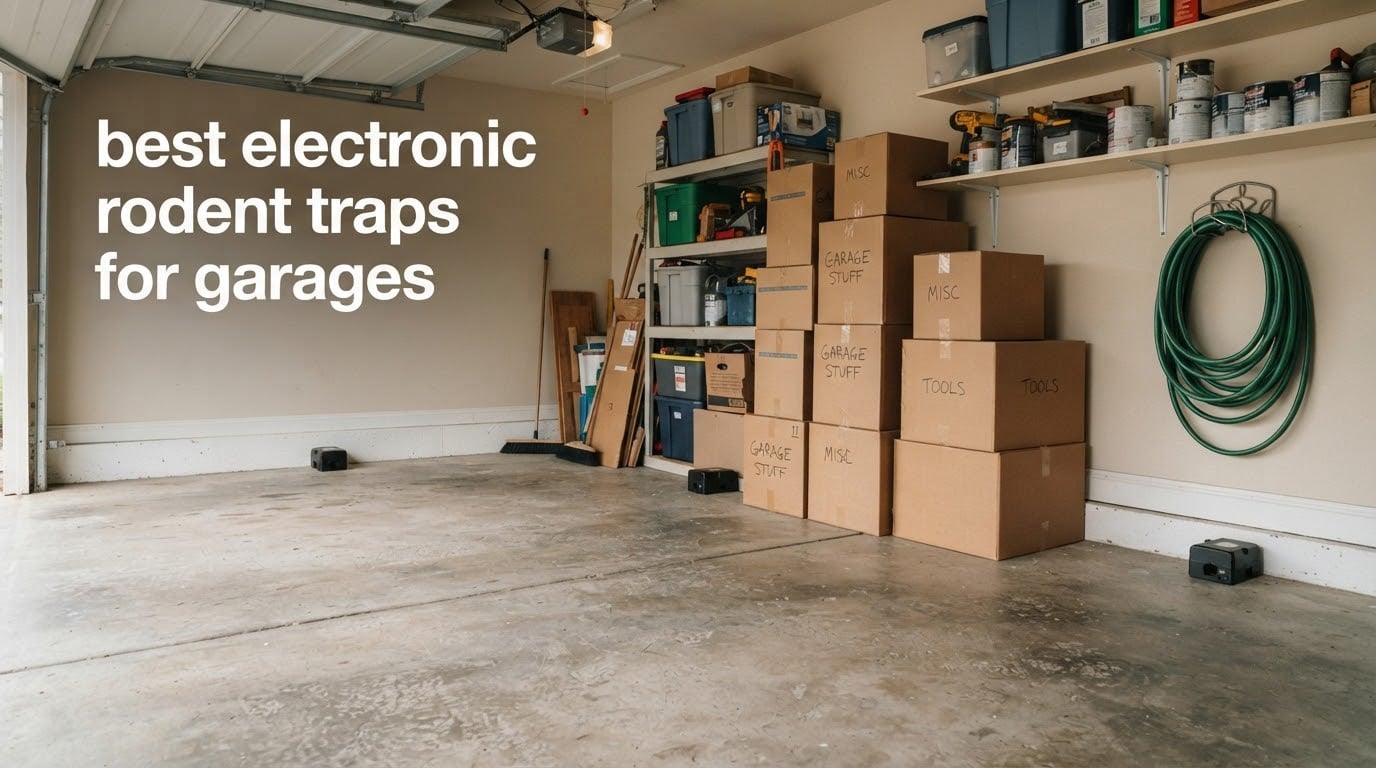
The best mouse trap for a garage is a battery-powered electronic rodent trap with a sealed kill chamber and no-touch disposal, and the best electronic rodent traps for garages add a waterproof housing for damp or exterior-wall placement. Pick a multi-kill model if the pressure is heavy, an indoor-only unit only if the trap stays inside on a dry shelf, and never park one next to a vehicle battery or where a pet can reach the bait cup.
A garage is the hardest room in the house to keep a rodent out of. It swings between freezing nights and warm afternoons, holds dust and moisture, often stores pet food or bird seed that keeps rodents coming back, and frequently has a vehicle parked a few feet from wherever the trap ends up.
That environment is exactly why electronic traps have taken over this niche. A snap trap needs you to check it, springs back to an armed state when it fires, and leaves a carcass you have to handle by hand. Poison is often banned by leases and dangerous around pets. An electronic trap kills fast inside a closed box and empties by tipping the body into a bin, so nothing is touched and nothing is seen.
We compared the eight most-reviewed electronic rodent traps built for garage conditions, focusing on the variables competitors leave out: power source, whether the housing is indoor-only or actually waterproof, single versus multi-kill capacity, and how long the batteries last when the space is unheated. Every trap below was checked against its published electrical specs, its actual review feedback, and the physical constraints of a working garage.
While we focused on pest control, the same evaluation discipline applies to consumer electronics picks like our electronic dartboard roundup and electronic gold tester guide, where spec sheets and real-world reviews routinely disagree.
Table of Contents
Top 3 Electronic Rodent Traps For Garages (October 2026)
Our top three cover three genuinely different garage situations rather than three versions of the same box. The OWLTRA OW-7 handles damp and splash-exposed spots because its cover carries an IPX4 rating. The Victor M250S four-pack covers a normal dry garage at the best cost per trap. The Rat Zapper Classic is the one to buy when you are dealing with rats rather than mice.

OWLTRA OW-7 Waterproof Trap
- IPX4 waterproof housing
- Kills mice and rats
- 4 D batteries or USB
- Sound and light alarm
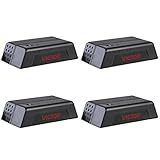
Victor M250S 4-Pack
- Up to 100 kills per battery set
- No-touch disposal
- LED hit indicator
- Four traps per pack
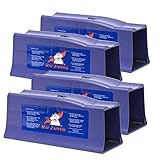
Rat Zapper Classic 4-Pack
- 2-minute continuous shock
- Built for average-size rats
- Up to 20 rats per battery set
- No-touch disposal
Best Electronic Rodent Traps for Garages in 2026 at a Glance
All eight traps below kill with a high-voltage shock delivered inside a sealed tunnel and empty without you touching the catch. They differ on the three things that actually decide the purchase in a garage: how they are powered, whether the housing survives moisture, and whether one unit clears a night of pressure or you need several.
| Product | Specifications | Action |
|---|---|---|
| OWLTRA OW-7 Waterproof Trap |
|
Check Latest Price |
| Victor M250S 4-Pack |
|
Check Latest Price |
| Rat Zapper Classic 4-Pack |
|
Check Latest Price |
 Victor M241BSR-2 Rat Trap 2-Pack Victor M241BSR-2 Rat Trap 2-Pack |
|
Check Latest Price |
 TERMX PRO-03 Large Rat Trap 2-Pack TERMX PRO-03 Large Rat Trap 2-Pack |
|
Check Latest Price |
 PEXPEL MK08S 3900V Rat Trap PEXPEL MK08S 3900V Rat Trap |
|
Check Latest Price |
 G-Jyuncyou MK03C Mouse Trap 2-Pack G-Jyuncyou MK03C Mouse Trap 2-Pack |
|
Check Latest Price |
 PEXPEL MK03 Mouse Trap 2-Pack PEXPEL MK03 Mouse Trap 2-Pack |
|
Check Latest Price |
1. OWLTRA OW-7 Waterproof Rodent Trap — Best Overall for Garages
OWLTRA 1 Pack OW-7 in-/Outdoor Electric Rodent Trap, Instant Eliminate Rodent Zapper with Waterproof Cover, Sound & Light Alarm, and Batteries or USB Power Source, Waterproof Grade IPX4, Black
11 x 3.9 x 4.3 in
IPX4 waterproof cover
Kills mice and rats
4 D batteries or USB
About 60 activations per set
Pros
- Only trap here with a rated waterproof housing for damp or exterior-wall placement
- Handles both mice and rats in one chamber
- Sound and light alarm means you know a catch happened from across the garage
- Dual power so you can run it on batteries or a USB adapter
Cons
- Outdoor use needs the supplied cover and a clean dry elevated surface
- Not rated for submersion or standing water and needs checking after rain
- Internal battery option does not charge
- USB mode needs a permanently connected adapter
This is the only trap in our set that solves the garage problem rather than the mouse problem. Its cover carries an IPX4 waterproof rating, which means splash exposure from a damp floor, condensation, or a wet exterior wall is within spec. Every other trap here is labelled indoor use only, and a garage doorway or an outside foundation wall will eventually hand one of them a rainstorm it was not built for.
The chamber measures 11 inches long with a 2.6 inch entrance aperture, and that aperture is doing quiet work: it is narrow enough that a curious cat or small dog cannot get a paw and jaw into the bait cup. The trap is rated for both mice and rats, which matters more in a garage than in a kitchen because the pressure in an outbuilding is usually mixed.
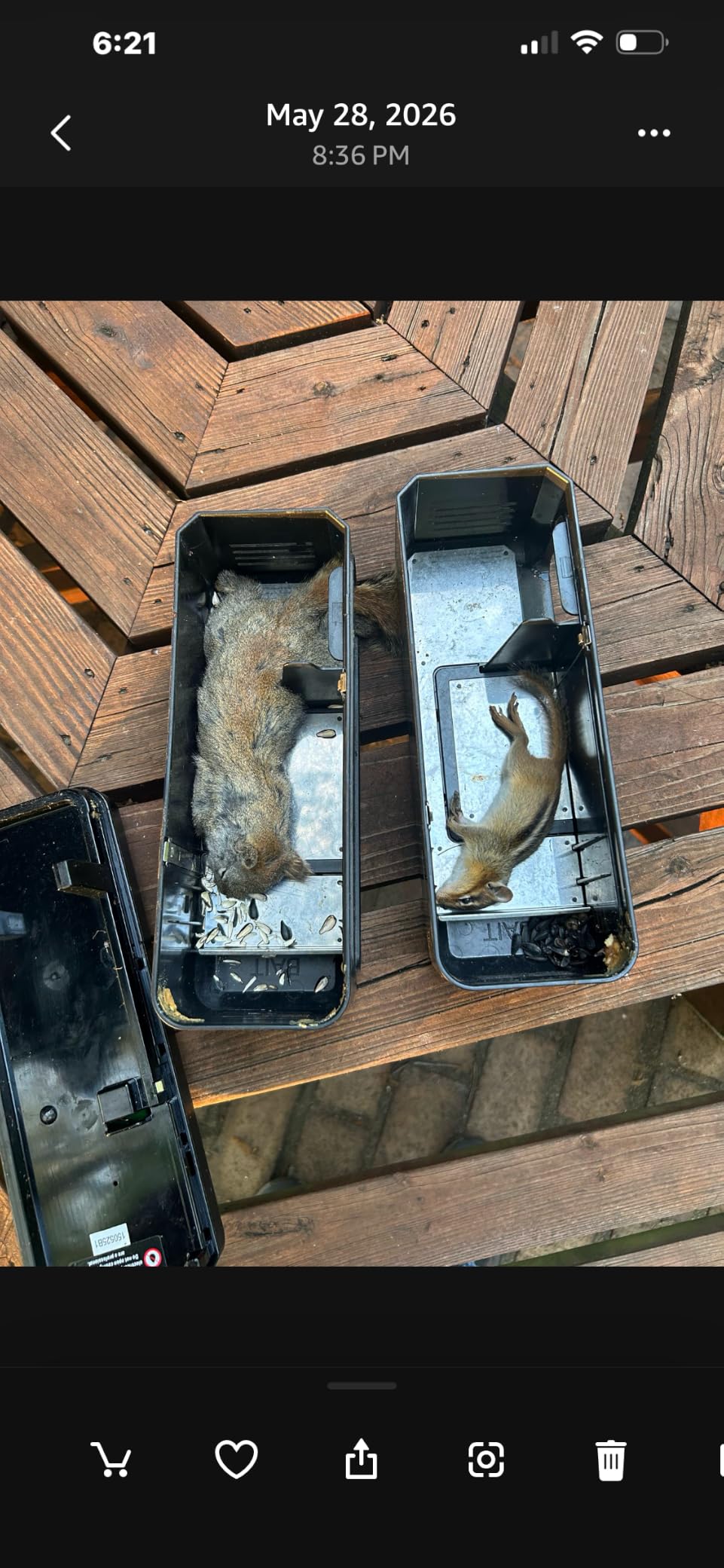
Power options are unusually flexible for this category. It runs on four D cells or a USB supply at 5V and 1A or better, which gives you roughly 60 activations per battery set. In an unheated garage that matters more than the headline kill count, because D cells hold their output better in cold conditions than AA cells do.
The catch alert is both audible and visual, with a sound alarm and an LED indicator that fires on capture. That solves a problem I hear about constantly with silent traps: you set four of them, you assume they are all armed, and two of them have been sitting empty with a dead battery for a month.
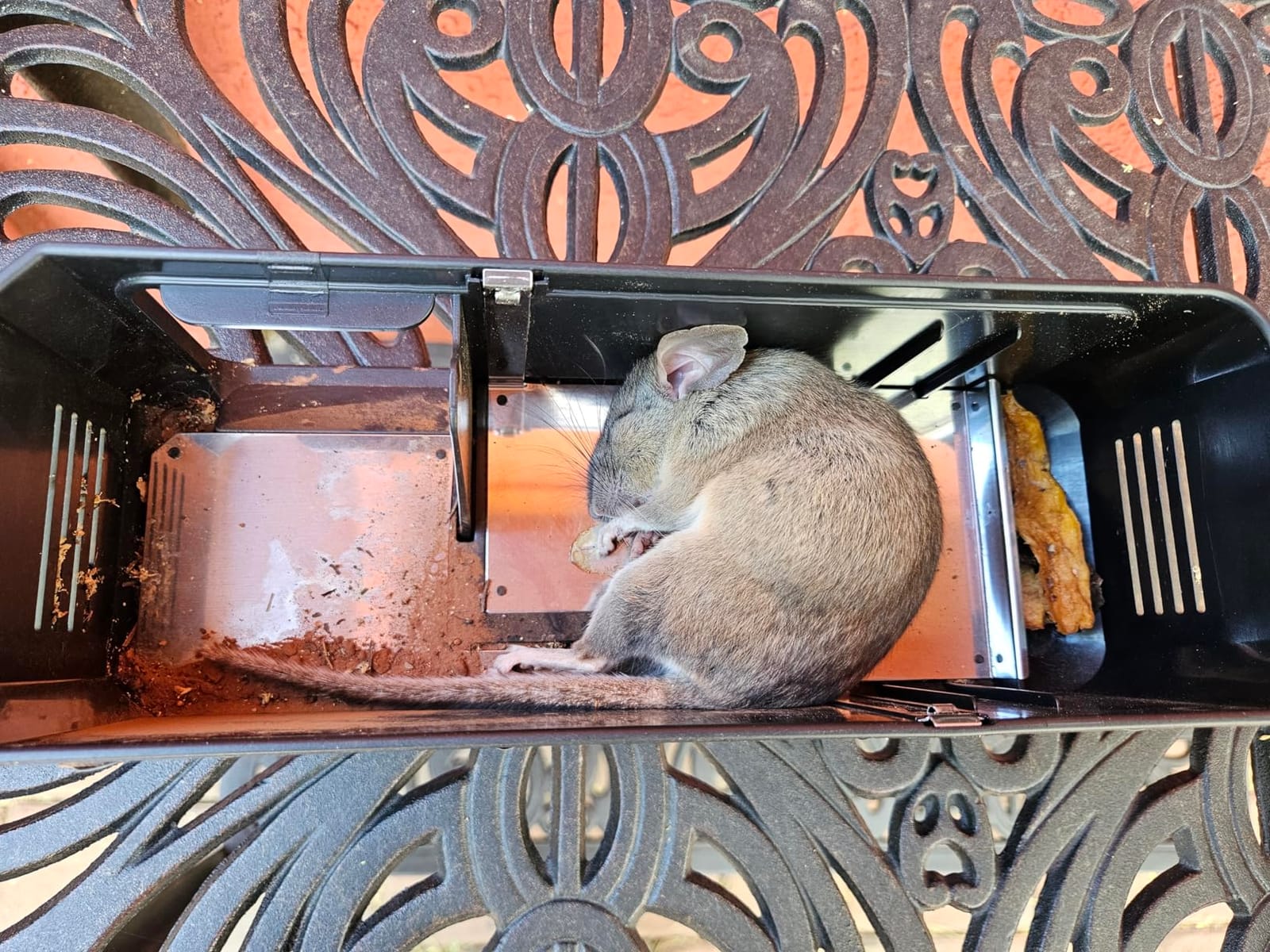
When the OW-7 is the right call?
Choose this one when your garage is unheated, when condensation is a problem, or when you want to run traps along an exterior wall or just inside an open garage door. It is also the only trap here that handles rats and mice with the same unit, so a mixed infestation does not force two separate purchases.
The dedicated bait door makes re-baiting fast without opening the whole housing, which matters when you are walking a rotation of traps rather than standing over a single unit in a basement corner.
Where the OW-7 falls short?
The waterproof cover is only part of the story. Outdoor deployment needs a clean, dry, elevated surface, and the trap is not rated for submersion or standing water, so a garage that floods occasionally is still a poor candidate no matter what the IPX4 badge says.
Battery mode does not recharge. If you run the trap on USB, the adapter has to stay connected permanently, which in a garage means a cable running to a wall outlet and a trap that is no longer cordless. Plan your cable route before you commit to that mode.
2. Victor M250S 4-Pack — Best Value for a Dry Garage
Victor M250S Indoor Humane Electronic Mouse Trap – No Touch, No See Electric Instant Kill Mouse Trap – 4 Traps
6.3 x 3.3 x 1.7 in
4 AA batteries per unit
Up to 100 mice per set
No-touch flip-open disposal
Indoor use only
Pros
- Best battery economics in the set at up to 100 kills per set of four AA cells
- Beveled internal columns hold a mouse in place for a clean instant kill
- Flip-open kill chamber empties the catch without touching it
- Long-running owners report years of dependable garage use
Cons
- Indoor use only with no weather protection
- Grease or nut butter on the contact plates can stop it firing until you scrub them
- Red indicator sometimes fails to light so visual checks are still needed
- A minority of owners report units cutting out shortly after the batteries went in
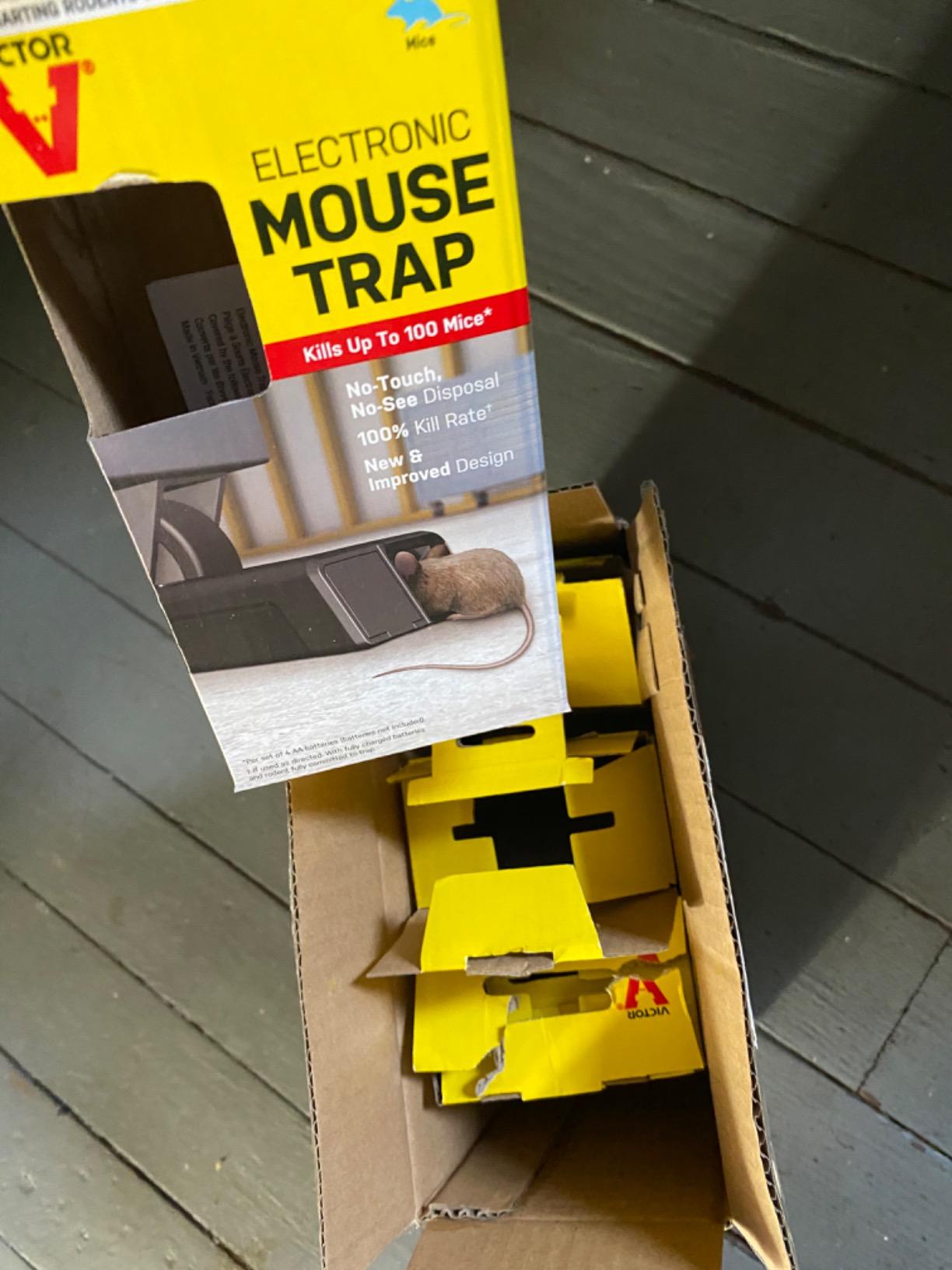
Woodstream built the M250S as a high-volume indoor unit, and the arithmetic works better than anything else in this roundup. Each trap runs on four AA batteries and is rated for up to 100 mice per set, which means the cost of a full garage rotation over a season is a few packs of alkaline cells.
The body is only 6.3 by 3.3 by 1.7 inches, so it slides behind a shelving unit, under a workbench, or along the base of a wall where a bigger cube would stick out and get kicked. Four traps per pack is the right volume for a single-car garage where you are covering activity hotspots rather than hunting a heavy infestation.
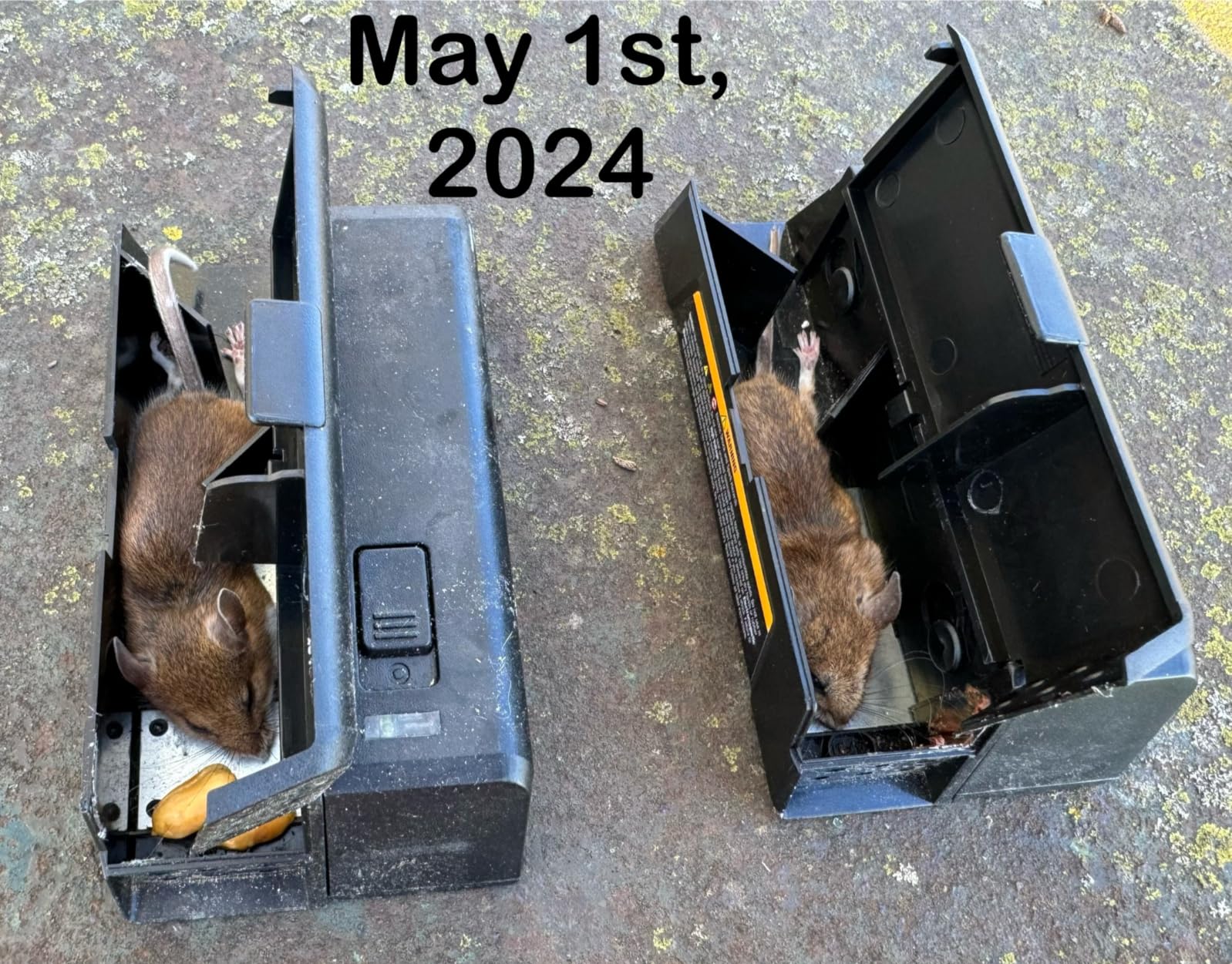
Mechanically, the design is proven. Beveled internal columns stop a mouse backing out once it has entered the tunnel, and the flip-open kill chamber lets you tip the body straight into a bag. The green flashing LED tells you when a trap needs emptying, which is the signal most owners rely on instead of daily inspections.
Reviewers describe years of reliable use in garages and basements, with peanut butter named as the most effective bait and multiple units used to cover different spots. That is long-term field data, not lab testing, and it matters more than a voltage figure.
When the M250S is the right call?
Buy the four-pack when your garage is enclosed, dry, and dealing with mouse pressure rather than rats. It is the least expensive way to run six or eight traps at once, and six traps per expected mouse is the volume rule most professionals use.
It is also the safest pick for a garage with pets or small children who wander in, because the enclosure is fully closed and the kill chamber only opens when you flip it deliberately.
Where the M250S falls short?
It is indoor use only, with no weather resistance at all. Keep it off the slab if your garage gets wet, off exterior walls, and away from the garage door opening where rain blows in.
The most common owner complaint is grease or nut butter on the contact plates. Peanut butter works as bait, but residue on the plates can stop the trap firing until you wipe them clean, so keep a dry cloth in the rotation.
3. Rat Zapper Classic RZC001-4 — Best for Rat Pressure
Rat Zapper Classic Indoor Electronic Rat Trap, 4 Pack
5 x 5 x 5 in cube
2-minute continuous shock
Up to 20 rats per battery set
4 traps per pack
Indoor use only
Pros
- 2-minute continuous shock cycle sized for average-size rats as well as mice
- Green blinking LED signals a catch so you check only when needed
- Tip the unit into the bin for no-see no-touch disposal
- Explicitly rated for indoor spaces that include garages attics basements and sheds
- Four traps per pack covers several walls at once
Cons
- Indoor use only
- Higher cost per trap than most mouse-sized electric models
- Cube shape needs placement tight against a wall for best results
If your problem is rats rather than mice, a mouse-sized trap is worse than no trap at all. The animal gets hurt without dying and keeps coming back. The Rat Zapper Classic is sized for average-size rats and delivers a continuous two-minute high-voltage shock, which is a different proposition entirely from a short pulse aimed at a mouse.
The five-inch cube is compact enough for a garage corner but noticeably bulkier than the M250S, so plan placement around it. It performs best pushed tight against a wall with the entrance facing along the runway, not out in open floor where a rat will approach from an angle you did not plan for.
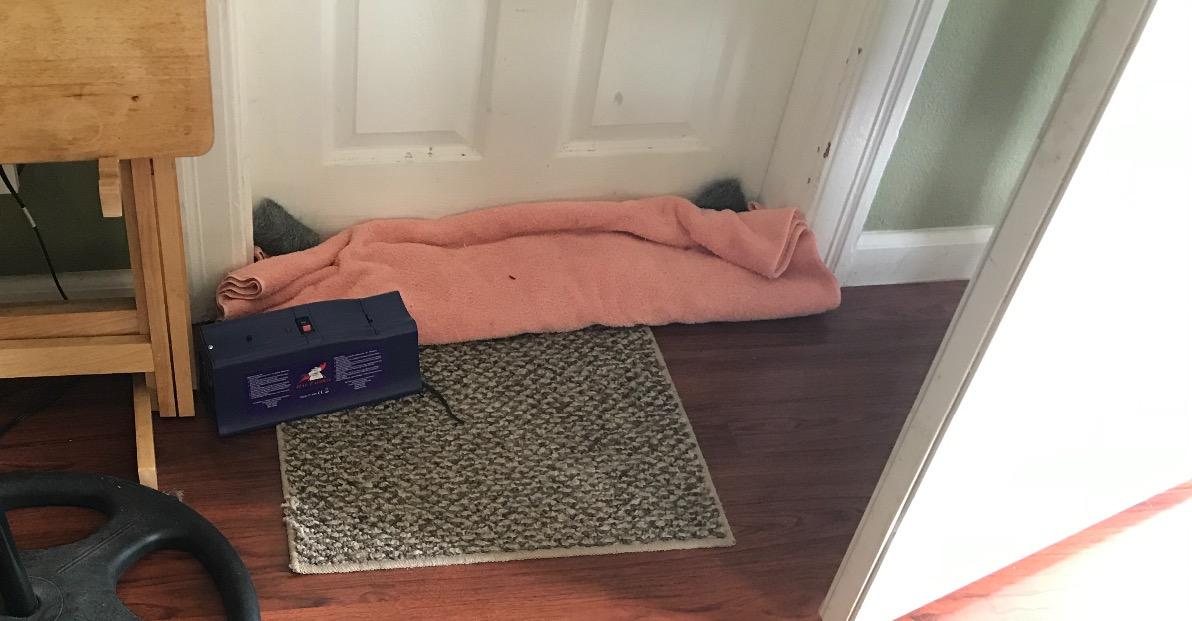
Disposal is the same no-see, no-touch pattern as the rest of the category: tip the unit into a bin. The green blinking LED marks a catch, and the pack includes four traps so you can work multiple walls in a single evening without a second order.
Owners rate it at 4.1 with a 68 percent five-star share, and the two-minute shock cycle and the tip-and-dump disposal are the two features cited most often by people using it in garages and sheds.
When the Rat Zapper Classic is the right call?
Choose it when you have confirmed droppings that are larger than rice, gnaw marks on wood, or damaged wiring in the garage. Rats are a different job than mice and they need a different chamber, and this is the most consistently rated rat-capable unit in our set.
It is also rated for attics, basements and sheds, so one purchase can cover the whole outbuilding rather than just the main bay.
Where the Rat Zapper Classic falls short?
The per-trap cost is the highest in this roundup, and it buys that partly through four-trap packaging, which means more upfront money for a garage that needs only one or two traps.
It is indoor use only. Despite being frequently used in garages, it has no weather rating, so a leaking roof or a wet slab rules it out without discussion.
4. Victor M241BSR-2 2-Pack — Best for Continuous Overnight Operation
Victor Electronic Rat Trap, 2-Pack
7.13 x 4.31 x 9.88 in
Up to 35 rats per trap
4 AA lithium batteries
Auto re-arms after a catch
Indoor use only
Pros
- Automatic re-arming after each capture so it keeps working between checks
- Green LED for a catch and red LED warning of low batteries
- Up to 35 rats per trap on four AA lithium cells
- Compact body sits against garage walls and along entry points
Cons
- Indoor placement required
- Lithium batteries are recommended for the best runtime
- Two traps may be thin coverage for a large garage with heavy traffic
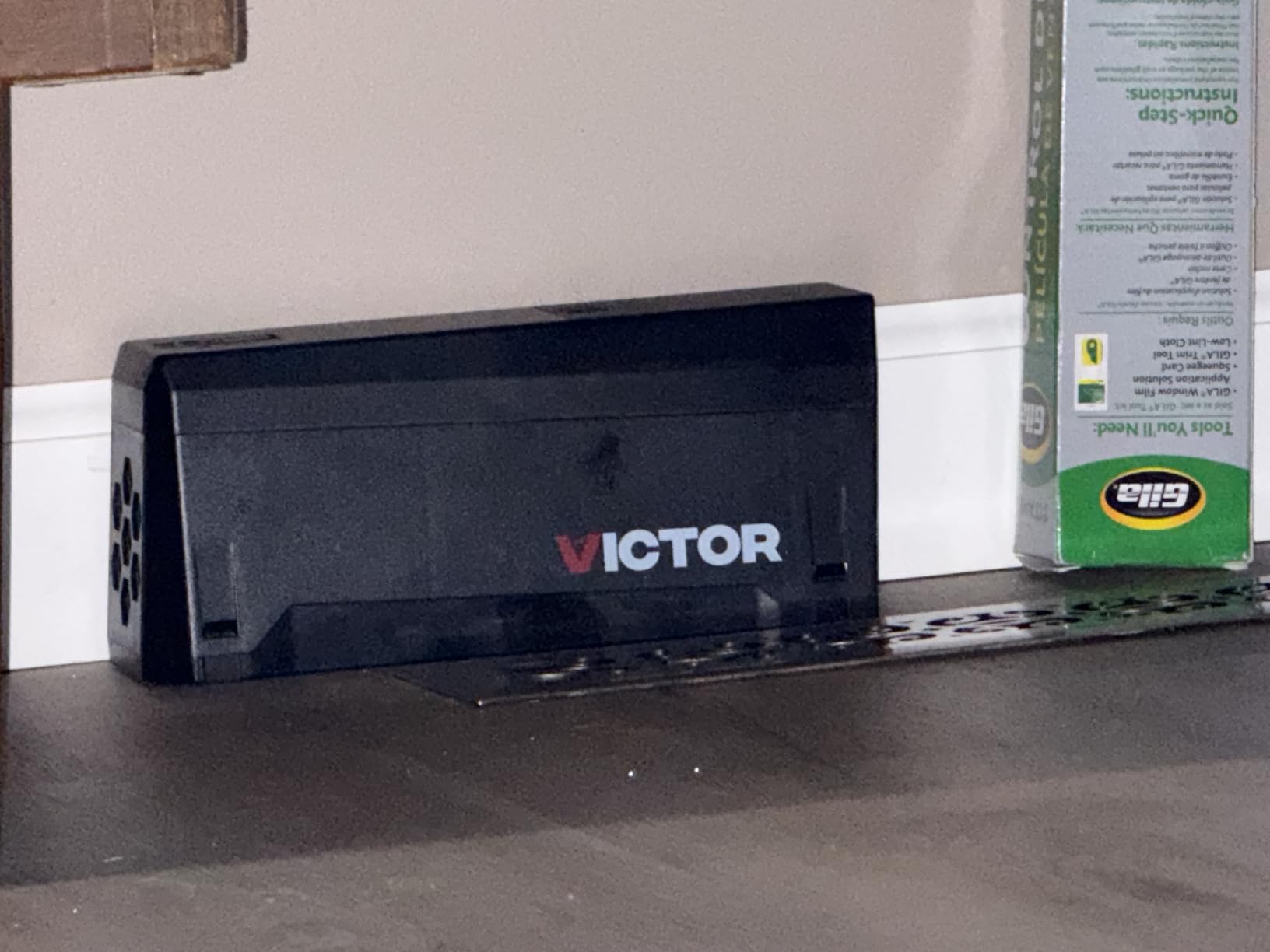
The defining feature here is automatic re-arming after a capture. Most traps in this category need you to empty and reset them by hand before they will work again, which means daily attendance. This one resets itself, so in a garage you check on your own schedule rather than the other way around.
It is also the only trap in the set with a genuine two-colour status system: green for a catch, red for low batteries. That distinction is the difference between an empty trap and a trap that will not fire on the next mouse, and in an unheated space where batteries drain faster, it is worth real money over a season.
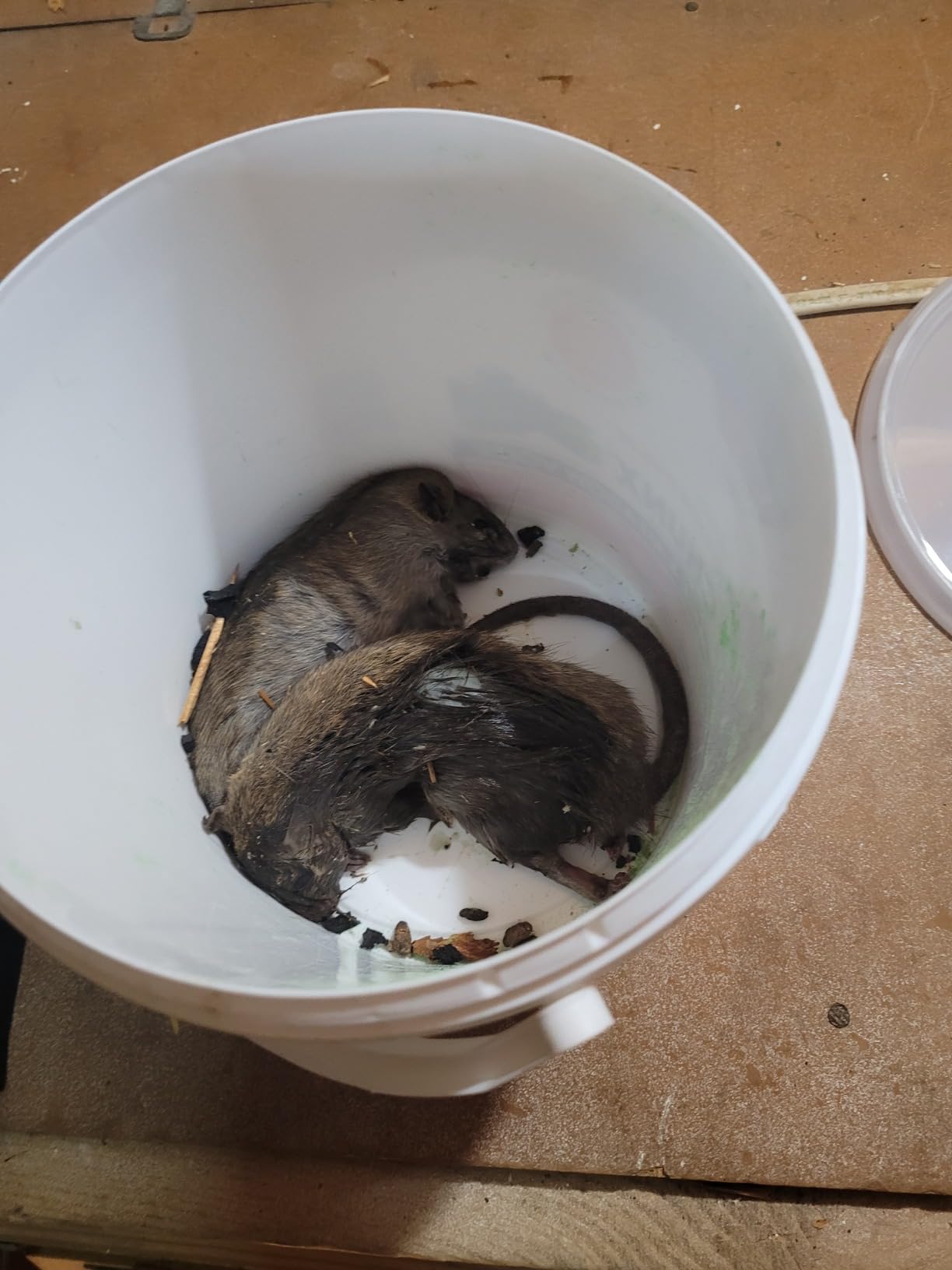
Power is four AA lithium cells, rated for up to 35 rats per trap. Lithium is the right call in a garage because lithium cells hold their output in cold temperatures, which is exactly where alkaline AA performance falls off. Two traps are included in the pack.
At 4.1 across 105 reviews with a 64 percent five-star share, the dual LED signalling and the auto re-arm are the most-cited strengths, and reviewers treat this as the sensible middle step between a mouse-only chamber and a full rat model.
When the M241BSR-2 is the right call?
Pick this one when you cannot check the garage daily but still want the traps working. The self-reset behaviour means a single mouse at 2am does not disable the trap until you get out there.
It suits garages with moderate rat pressure where two units along two walls is realistic coverage, and the separate low-battery warning keeps a cold-weather battery failure from going unnoticed for weeks.
Where the M241BSR-2 falls short?
Two traps is thin coverage for a two-car garage with heavy traffic, and you will need to buy a second pack to do the job properly. That pushes the total cost per unit higher than the pack price suggests.
Lithium AA cells cost more than alkaline and are not the same cells most people keep in a garage drawer, so plan to keep a spare set rather than assuming a midwinter battery swap is a quick errand.
5. TERMX PRO-03 Large Rat Trap 2-Pack — Best Long Shock Cycle
2 Large Electric Rat Trap Mouse Traps for Indoor Home No Touch Instant Kill
6.5 x 3 x 8 in
150-second continuous shock
Stainless steel dual plates
4 AA batteries or power adapter
2 traps per pack
Pros
- 150-second non-stop shock cycle for a fast clean kill
- Two solid stainless steel plates hold the rodent in place and block escapes
- Slide-off top cover gives no-see no-touch disposal
- Green success LED plus a red standby light flashing every 5 seconds
- Runs on 4 AA batteries or the included power adapter
Cons
- Indoor use only with no water protection for the electric system
- Reusable only after cleaning and resetting the plates
A 150-second continuous shock is the longest cycle in this roundup, and length matters more than raw voltage. A mouse that is shocked briefly may recover, and an animal that recovers inside your garage is a problem you have to solve again from scratch. The stainless steel plates are the other half of the design: they hold the rodent in contact long enough for the cycle to finish.
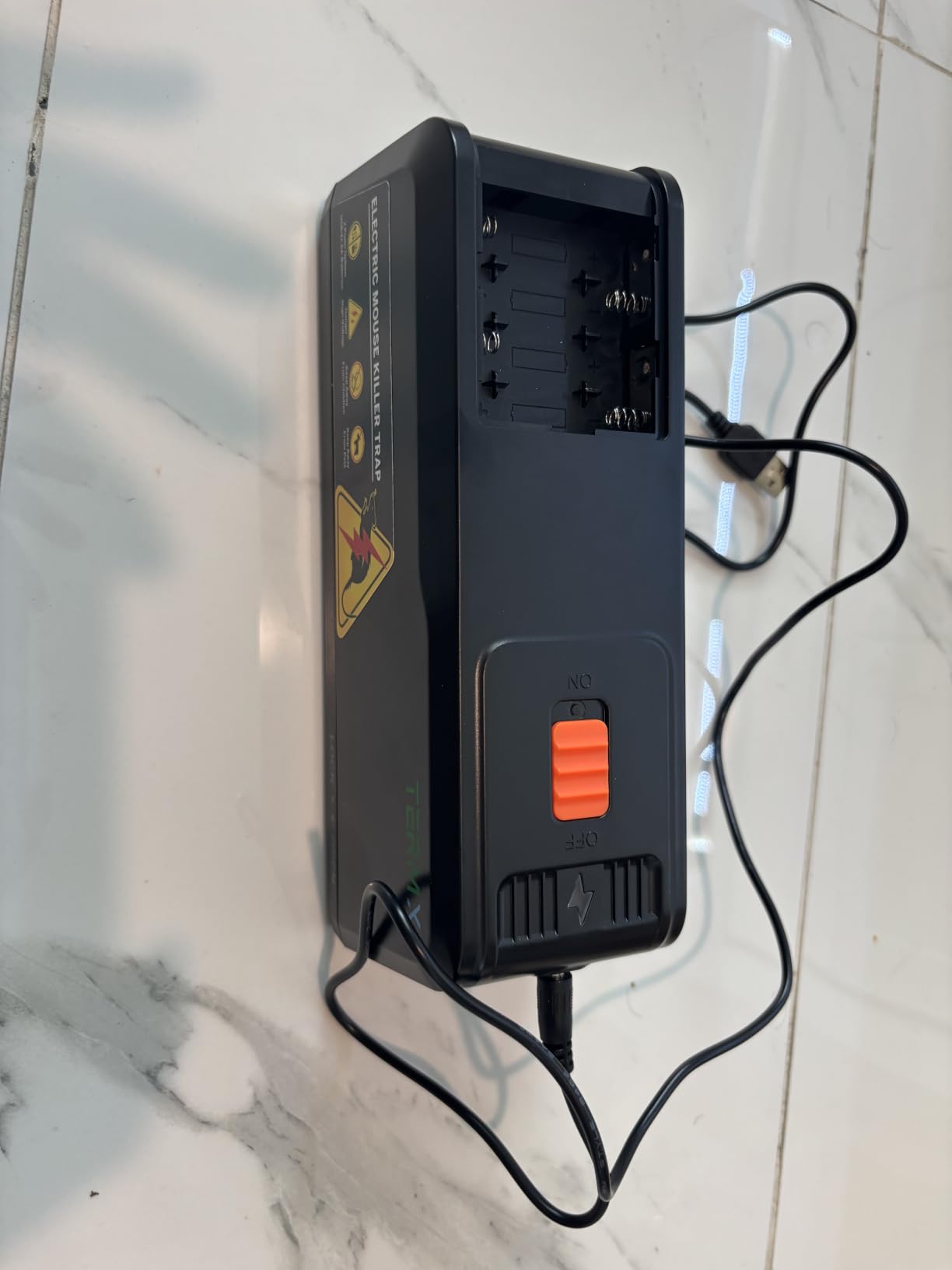
Disposal is a slide-off top cover, so you tip the catch into a bin without seeing or touching it. The status feedback is unusually specific for this price band: a green success LED, and a red standby light that pulses every five seconds so you can confirm at a glance that the trap is armed and alive.
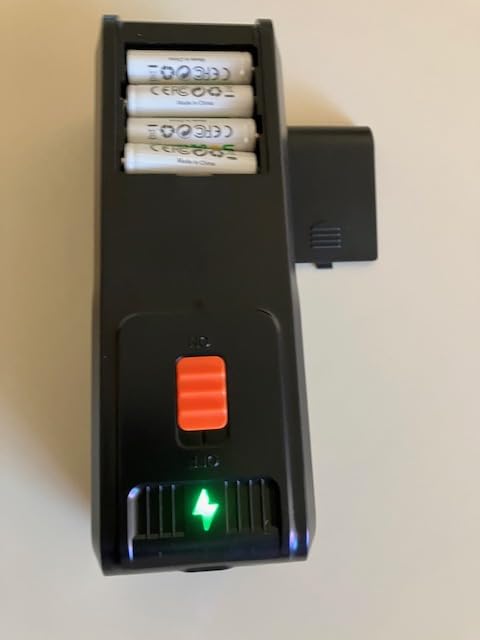
Power options are four AA batteries or the included power adapter, which is a useful fallback in a garage where you would rather run mains power near a workbench than maintain batteries. Two traps per pack is enough to pair along one wall, which is how we would deploy it.
At 4.1 across 99 reviews with a 70 percent five-star share, reviewers single out the stainless steel contact plates, the LED state feedback, and getting two units for the coverage a larger garage needs.
When the TERMX PRO-03 is the right call?
This one fits garages with mixed pressure where you want the trap to finish the job rather than rely on a short pulse. The stainless plates and the long cycle suit anyone who has previously found a stunned animal still alive inside a trap.
Run it on mains power if the garage has an outlet near the runway. That removes battery monitoring from the rotation entirely, which is a real advantage in an unheated space.
Where the TERMX PRO-03 falls short?
It is indoor use only, and the listing is explicit that the electric system must not be exposed to water. Any trap placed on a damp slab or an exterior wall is out of the question.
Reuse depends on cleaning the plates and resetting them properly, so a dusty garage workshop will need a wipe-down as part of the routine or performance will drift.
6. PEXPEL MK08S 3900V Rat Trap — Best Anti-Escape Design
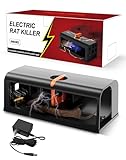
Electric Rat Trap Indoor for Home, 3900V Electronic Rat Trap Zapper with Anti-Escape Baffle, No-Touch Cleanup, Reusable Plug-in Rodent Trap for Home Kitchen Garage
9 x 4 x 3.3 in
3900V shock output
Drop-down anti-escape baffle
AC adapter or 4 C batteries
Single unit
Pros
- Automatic drop-down baffle secures the rodent inside before activation
- 3900V high-voltage shock delivers a fast decisive kill
- Lift the baffle and tilt to empty so you never touch or see the catch
- Runs on the included AC adapter or four C batteries for outlet-free placement
- Smart LED reports armed caught and low-power states
Cons
- Battery compartment must be kept dry so no damp or outdoor exposure
- Only 17 ratings so long-term field feedback is limited
The baffle is the story here. A drop-down anti-escape baffle secures the rodent inside the chamber before the shock activates, which removes the one failure mode that electronic traps have never fully solved: an animal that steps partly in, gets shocked, and backs out to die somewhere in your garage instead of inside the trap.
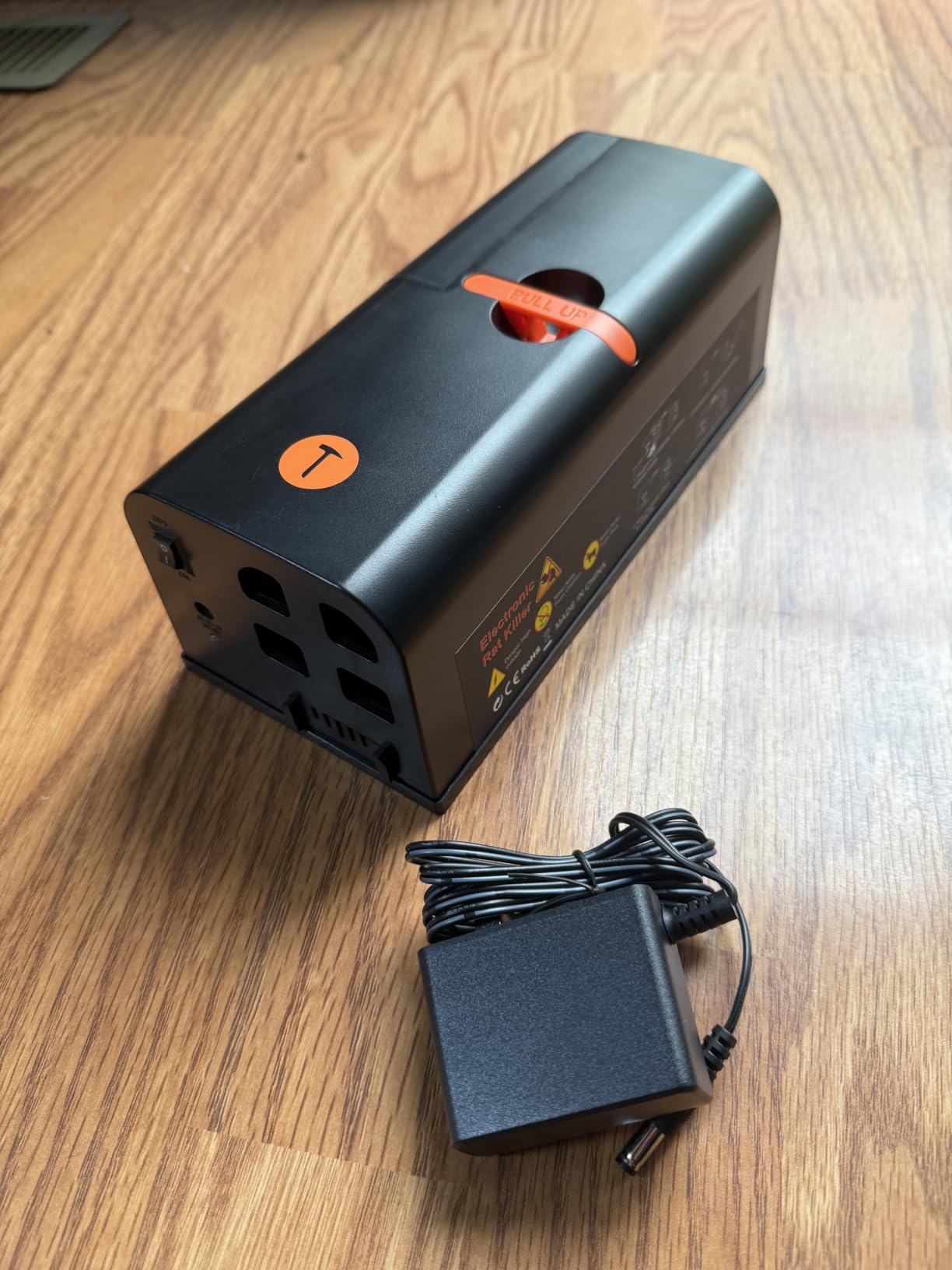
Output is rated at 3900V, the highest figure in this roundup, and disposal is a lift-and-tilt motion into a bag. Power comes from the included AC adapter or four C batteries, so you can move it to an outlet-free corner without changing anything else.
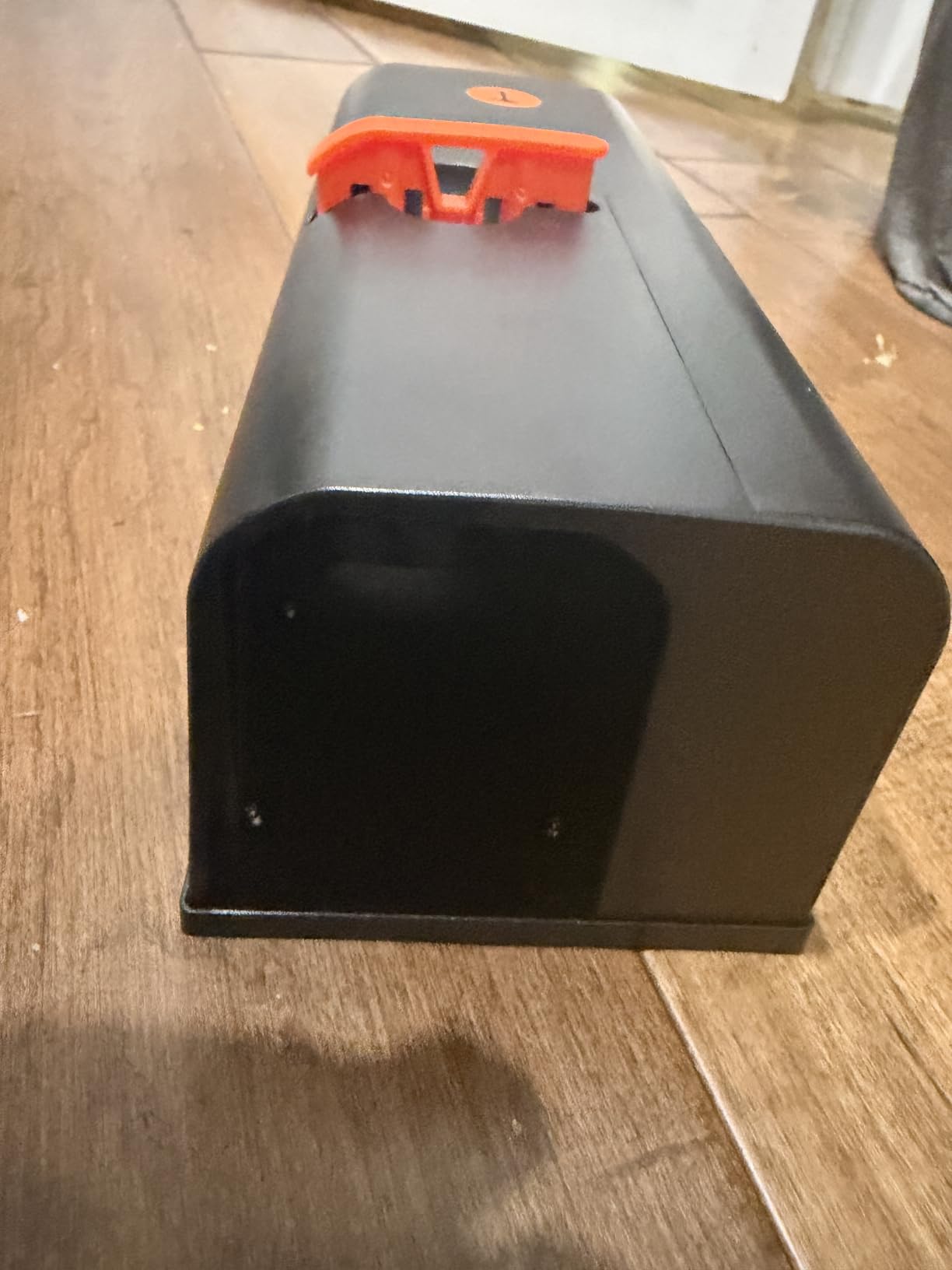
The listing positions this unit for garages, kitchens and storage rooms, and the 9 by 4 by 3.3 inch body is long enough to give a rat a proper runway while still fitting behind a shelving unit. A smart LED covers three states: armed, caught, and low power.
I want to be straight about the evidence base: it holds a 5.0 average, but that comes from 17 ratings, all five-star. That is a promising design with a thin history, not a proven one, and that difference matters when you are buying traps to solve an active problem.
When the MK08S is the right call?
Choose it when escapes are your specific frustration, or when you have found dead rodents in odd corners and never inside a trap. The baffle is the feature that would have prevented that, and the dual AC and battery power lets you start on mains and move later.
It is a single unit, so it works best as part of a rotation alongside one of the two-packs rather than as your only trap.
Where the MK08S falls short?
The battery compartment has to be kept dry, so the outdoor-rated option in this roundup is the better choice for a damp garage, a garage doorway, or an exterior wall.
With 17 ratings and no long review history, you are buying on design and specification. That is a reasonable bet on a baffle design, but it is not the same as hundreds of owners confirming it still fires through a hard winter.
7. G-Jyuncyou MK03C 2-Pack — Best Audible Catch Alerts
Electric Mouse Traps Indoor for Home, 2 Pack Electronic Mouse Trap Zapper with High Voltage, Intelligent Indicator & Buzzer Alert, Reusable & No-Touch Humane Mice Killer for Kitchens Warehouse Office
5 x 7 x 3 in
2000V on a 150-second cycle
Up to 30 kills per battery set
Multi-colour LED plus buzzer
4 AA batteries
Pros
- Multi-colour LED plus an audio buzzer so you can hear a catch in a noisy workshop
- Four distinct light states including a solid red during the shock cycle
- 2000V on a 150-second cycle mode for a quick humane kill
- Removable bottom bait tray makes cleaning and re-baiting fast
- ABS and polycarbonate body that disassembles for washing
Cons
- Indoor use only
- Only 23 ratings so no long-term durability history
- Requires four 1.5V AA dry batteries which are not included
The buzzer is what separates this from the silent majority. In a garage with a compressor, a shop vac, or a vehicle idling outside, an LED on the far wall is easy to miss for a week. An audible alert tells you something happened without you walking over to check each trap.
The status system is unusually detailed for a trap at this level: red flash on standby, solid red during the shock cycle, green flash on completion, and an alternating red-green signal for a low battery. That last one is the most useful signal in the whole roundup, because a low-battery warning is exactly what you need before a cold snap.
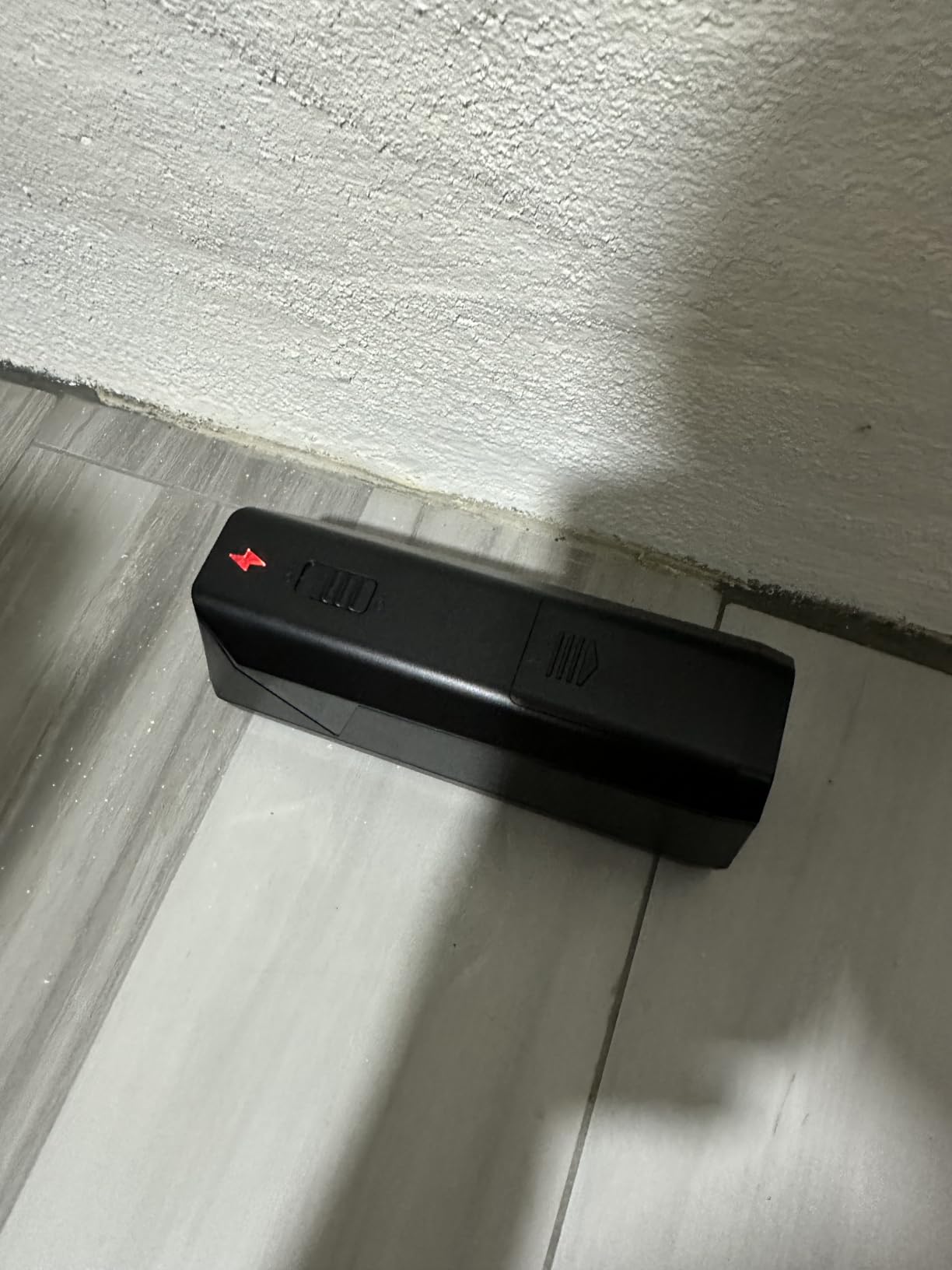
Output is 2000V on a 150-second cycle, rated for up to 30 kills per set of four AA batteries. The removable bottom bait tray is a small design decision with an outsized effect on routine: you can re-bait and wipe the chamber in under a minute without dismantling the electronics.
All 23 ratings are five-star. Reviewers praise the buzzer, the multi-colour indicator, and the detachable tray for quick hygienic resetting. As with the previous pick, treat that as encouraging rather than settled.
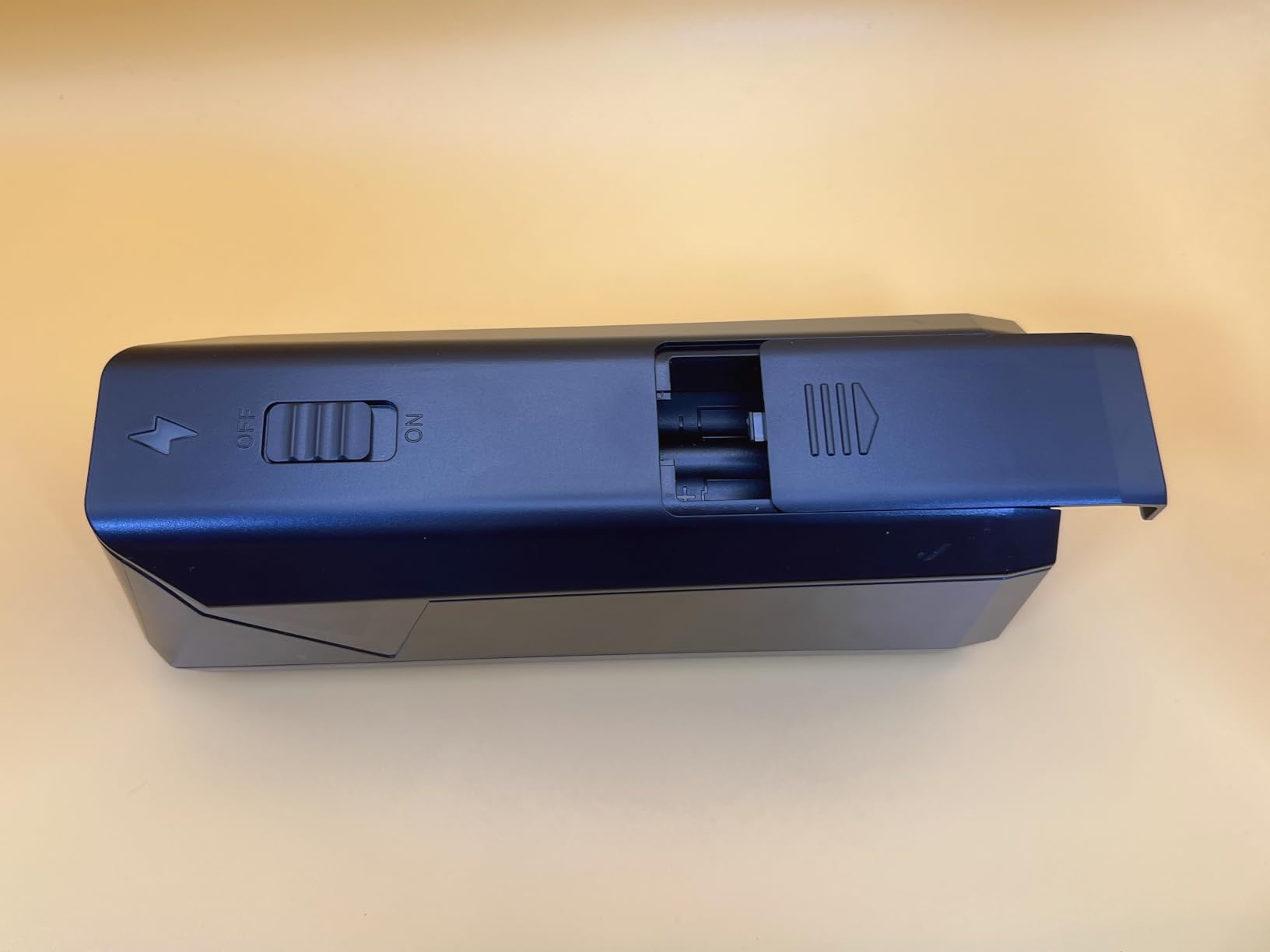
When the MK03C is the right call?
It suits a busy workshop garage where noise means you cannot rely on an LED, and where fast re-baiting matters because you are running several traps at once. The listed indoor applications include warehouses, factories and offices, which tells you the designers had high-traffic spaces in mind.
Two traps per pack gives you a pair to set side by side along a runway, the pairing approach most professionals use when a single unit keeps getting emptied.
Where the MK03C falls short?
It is indoor use only, and it needs four AA dry batteries that are not included. Plan that into your first setup rather than arming a trap that has nothing to power it.
With 23 ratings there is no real durability history yet, and a busy garage is exactly where housing fatigue shows up. Check the contact plates at every battery change.
8. PEXPEL MK03 2-Pack — Best for Tight Garage Corners
2 Pack Electric Mouse Traps Indoor for Home, Electronic Mouse Trap Zapper with Powerful Voltage, Touch-Free Disposal, Reusable Small Mice Catcher for Kitchen, Bedroom, Garage and More
7.4 x 3.2 x 2.4 in
1800V for small mice
Replaceable shock plate
USB cable or 4 AA batteries
2 traps per pack
Pros
- Compact 7.4 x 3.2 x 2.4 inch body fits tight entry points and corners
- Two conductive plates activate only once the mouse is fully inside
- Replaceable shock plate makes cleaning and repairs straightforward
- USB cable included or four AA batteries for cordless placement
- LED indicators for standby catch and low battery
Cons
- Indoor use only
- Built for small mice and not rats
- Only 30 ratings and all recent
This is the smallest footprint in the roundup at 7.4 by 3.2 by 2.4 inches, and size is the deciding factor in a lot of real garages. Mice enter through the gap beside the garage door track, the hole where a conduit passes through the wall, and the seam where the slab meets the foundation. A trap that is too bulky sits outside the entry point and never gets approached.
The activation logic is the safety story. Two conductive plates energise only once the mouse is fully inside, which reduces the chance of a shock delivered to a paw or tail sticking in from outside. For a garage where a curious pet might investigate the entrance, that full-entry requirement is worth paying for.
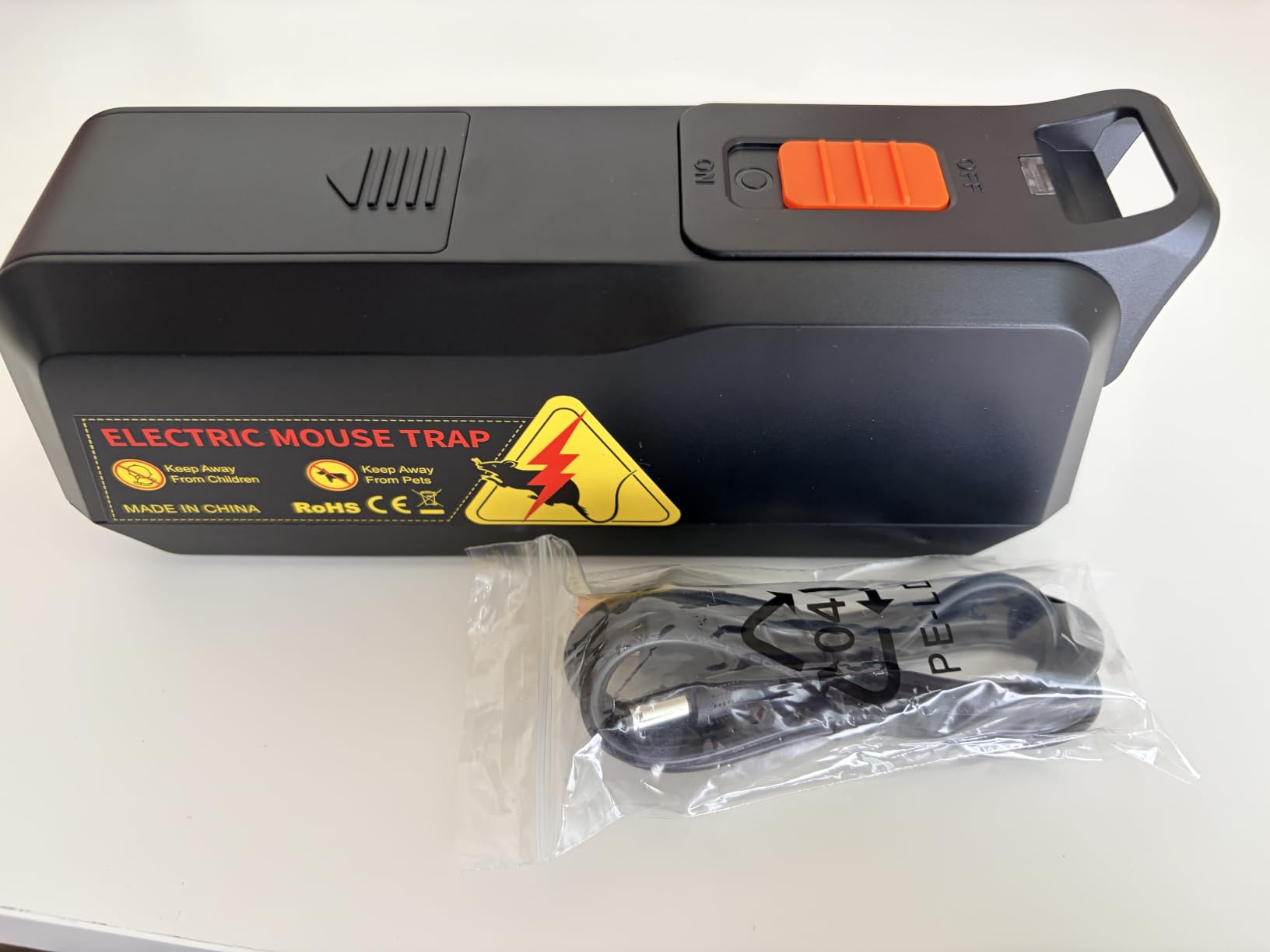
The shock plate is replaceable, which matters more than it sounds. On sealed units a damaged plate ends the trap, and replacement parts are the single most common regret buyers report in this category. Power comes from the included USB cable or four AA cells.
It holds a 5.0 average from 30 ratings, and reviewers value the activation safety, the replaceable plate, and the ability to fit where other traps would sit out in the open.
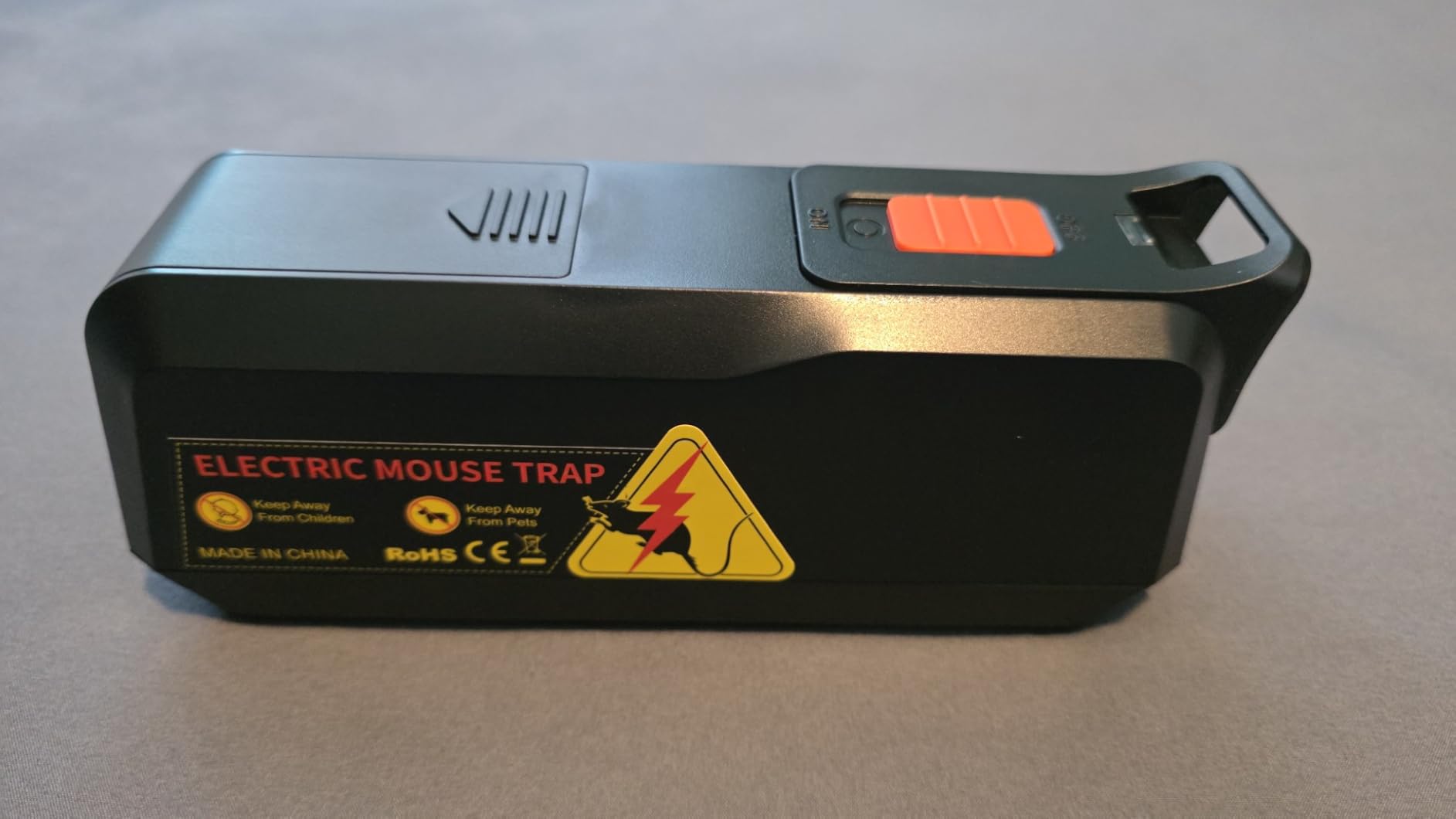
When the MK03 is the right call?
Buy it for the mouse-sized entry points: alongside the garage door track, behind appliances, in the gap where shelving meets the wall, and in the corners where dust and crumbs collect. Placement in tight spots is where small traps beat larger ones outright.
The replaceable plate also makes it a good second trap in a rotation, since a worn unit can be serviced instead of discarded.
Where the MK03 falls short?
At 1800V it is built for small mice and is not a rat solution. A rat will not enter a chamber this size, and using it against rat pressure simply wastes a trap and delays the fix.
It is indoor use only, and with 30 recent ratings there is no long-term record. Treat it as a compact specialist rather than a whole-garage answer.
Where to Place Electronic Rodent Traps in a Garage?
Placement matters more than any spec on the box. A trap in open floor is a trap that stays empty, because rodents travel along walls and edges where they are covered, not across exposed concrete. Work through this sequence when you set a new trap.
Walk the walls, not the floor. Rodents run along baseboards, behind shelving, and behind appliances rather than through open space.
Push each trap tight against the wall with the entrance facing the wall. The Rat Zapper in particular depends on this for correct approach.
Start at the entry points. Check the garage door track, the weather seal, the threshold gap, and any conduit or pipe penetration with fresh droppings around it.
Follow the droppings. Concentrated droppings, greasy rub marks, and gnawed cardboard tell you which runway is active and how many animals are using it.
Pair traps two feet apart along the same wall. A second trap beside the first catches rodents that hesitate at an occupied entrance.
Scale the count, not the effort. Six traps per expected mouse is the volume rule most professionals follow, and cheap traps make that number affordable.
Pre-bait for two nights before you arm. Set the bait but leave the trap off, let the rodent get comfortable eating, then switch it on. This is the single most reliable fix for trap-shy mice.
Check every two to three days. Look for the catch indicator light, re-bait, and wipe the contact plates before resetting.
Rotate positions weekly. If one trap has never been touched, move it rather than leaving it as decoration.
On bait, follow the rule that electronic kill-plate traps reward a different approach than snap traps. Use a pea-size amount on the built-in bait cup or plate, keep it clear of the electrified contacts, and never spread it on the kill plate itself. Where mice are already eating dog food or bird seed in the garage, use dry kibble rather than peanut butter: grease on the contact plates is the most reported cause of a trap that stops firing.
How to Choose an Electronic Rodent Trap for a Garage?
Seven criteria decide this purchase, and most of them have nothing to do with voltage. Work through them in order and the right product falls out on its own.
Indoor-only versus outdoor-rated. Seven of the eight traps here are indoor use only. Only the OWLTRA OW-7 has a rated waterproof cover. If any trap will sit near an open garage door, on an exterior wall, or on a damp slab, that distinction decides your shortlist on its own.
Battery chemistry. Use alkaline or lithium cells, never rechargeable ones. Rechargeable cells run about 1.2V against 1.6V for alkaline, and a high-voltage trap that is voltage-starved produces a weaker shock and a worse outcome. This is manufacturer guidance, not folklore.
Battery size for a cold space. Cold reduces the usable output of a cell, and AA cells suffer more than C or D. If the garage is unheated through winter, favour lithium AA, four C cells, or four D cells over a trap that depends on plain alkaline AA.
Kills per battery set. The figures here range from about 30 to 100, which is the difference between a handful of replacements a season and one. Multiply by the number of traps in your rotation to see the real annual cost.
Single kill versus reset. If you cannot check the garage daily, prioritise a trap that re-arms automatically after a catch. Otherwise you are running a rotation that only works when you remember it.
Rat-capable or mouse-only. Mouse-sized chambers will not stop rats, and a partially triggered mouse trap can injure a rat without killing it. Droppings larger than rice call for a rat chamber.
Replacement parts and status feedback. Check that a replacement shock plate or kill chamber still exists for the exact model number before you buy, and prefer a trap with a distinct low-battery warning. Sealed units with no serviceable parts end their useful life after one failure.
One more practical note on smart and connected traps. Wireless models that report to an app add a constant current draw, and owners report noticeably faster battery drain from the radio alone. If you want that connectivity, budget for the battery tax in an unheated space rather than discovering it in the middle of winter.
For a broader look at how we rank electronics when reviews and spec sheets disagree, our electronic drum set roundup uses the same pass of published specs, owner feedback, and hands-on constraints.
What We Did Not Pick and Why?
Four categories came up constantly and none of them belong in a garage, for reasons worth stating plainly.
Sticky glue traps. A mouse caught on glue suffocates slowly over hours, and the trap is not a humane option by any measure. Reviewers on pest control forums also describe rodents escaping with patches of fur missing, which leaves an injured animal loose in your garage.
Rodenticide. Second and third-hand poisoning is a real risk in a garage where a pet, a child, or a non-target animal can reach a bait station, and many leases prohibit it outright. A dead rodent in an inaccessible wall void is also a problem you may not notice for weeks. If you need chemicals, that is a conversation for a licensed operator.
Ultrasonic repellents. Rodents habituate to ultrasonic output quickly, and in a garage full of hard concrete surfaces the effect is limited anyway. You end up with a device that appears to work and does not.
Live-catch and relocation. Relocated rodents return, often with their young, and relocation is restricted in many areas. A humane live-catch trap in a garage is also a trap you must check daily, which defeats the reason you wanted an electronic unit.
Finally, a warning about product generation churn, because it is the most expensive regret in this category. Several brands in this space redesign traps between generations, and the redesign sometimes removes replaceable kill chambers or enlarges the scent holes so badly that a mouse can chew straight in to the bait without entering the tunnel. Before you buy a multi-pack, confirm that serviceable parts still exist for that exact model number.
Frequently Asked Questions
What is the best mouse trap for a garage?
The best mouse trap for a garage is a battery-powered electronic rodent trap with a sealed kill chamber and no-touch disposal. For a normal dry garage, a four-pack of mouse-sized units gives you the volume to cover several walls. For a damp garage or an exterior wall, choose a model with a rated waterproof cover. For rats, you need a rat-sized chamber, because a mouse trap will not kill one.
What is the most effective electronic mouse trap?
Effectiveness comes down to trigger reliability, battery life, and placement rather than voltage. The most effective electronic mouse traps have a full-entry activation plate so the shock only fires when the animal is inside, a clear catch indicator, and a battery count high enough to survive a season in an unheated garage. A trap with a distinct low-battery warning prevents the most common silent failure.
Do electronic mouse traps actually work?
They do, with conditions. The most common failure is bait theft: a mouse reaches the bait without stepping fully onto the trigger plate, so it eats and leaves without a shock. Pre-baiting for two nights, using a pea-size amount on the bait cup, keeping bait clear of the electrified contacts, and running several traps along the same runway all fix it. Battery failure is the second most common cause.
Where is the most effective place to place mouse traps in my garage?
Along walls and edges, never in open floor. Push each trap tight against the baseboard with the entrance facing the wall, and start at entry points such as the garage door track, the threshold gap, and any conduit penetration with fresh droppings nearby. Pair traps two feet apart, follow the droppings to find the active runway, and use roughly six traps per expected mouse for real volume.
What bait should I use in an electronic mouse trap?
Use a pea-size amount on the built-in bait cup, clear of the electrified contacts. In a garage where mice already eat dog food or bird seed, dry kibble works better than peanut butter, because grease left on the contact plates can stop the trap firing. If you do use peanut butter, wipe the plates clean at every check. Match the bait to what the rodents are already eating in your building.
Can I use rechargeable batteries in an electronic rodent trap?
No. Rechargeable cells run about 1.2V against 1.6V for alkaline, and a high-voltage trap starved of voltage delivers a weaker shock. Manufacturers specifically recommend alkaline or lithium cells. For a garage that is unheated through winter, lithium AA or larger C and D cells hold their output better in cold conditions than plain alkaline AA.
Is an indoor-rated electronic trap okay in a garage?
Yes, if the garage is enclosed, dry, and the trap stays off the slab and away from the open garage door. An indoor-only trap has no weather rating, so rain blowing in, condensation, or a damp floor is outside its specification and can void a warranty. For a doorway, an exterior wall, or a damp garage, choose a model with a rated waterproof cover instead.
Are electronic rodent traps safe for pets and children in a garage?
The sealed chamber is the safety mechanism: the shock only activates inside, and opening the kill chamber disarms the unit. Choose models with a narrow entrance aperture that excludes a paw or a muzzle, and never place a trap where a pet can reach the bait cup. Keep traps out of reach of children, and remember that a garage is often a place a dog spends time without supervision.
Our Final Garage Verdict
The OWLTRA OW-7 is our pick for the best electronic rodent traps for garages, because it is the only unit here that holds a rated waterproof cover and handles both mice and rats on the same battery chemistry. Everything else in this category is indoor use only, and a garage is not reliably a dry indoor room.
For a dry, enclosed garage on a budget, the Victor M250S four-pack gives you the cheapest path to the volume you actually need. If you cannot check traps daily, the Victor M241BSR-2 re-arms itself and warns you before the batteries die. For rat pressure, the Rat Zapper Classic is the only consistently rated chamber here that is genuinely sized for the job. And for tight entry points where a bigger trap would sit out in the open, the PEXPEL MK03 fits where nothing else will.
Whatever you choose, put the traps on the walls, pre-bait for two nights, use dry bait in a garage full of pet food, and run more units than you think you need. Check the light and the batteries every few days through winter, and seal the entry points once the pressure drops, because a trap is a solution to an open door.