
Finding the best telephoto lenses in 2026 comes down to three things: how much reach you need, how much weight you are willing to carry, and how much light your subjects give you to work with. After comparing ten of the most popular options across Canon RF, Canon EF, Sony E, Nikon Z, Sigma, and Tamron, our top pick is the Sony FE 200-600mm f/5.6-6.3 G OSS for its internal zoom design and outstanding sharpness across the entire range. The Canon RF100-400mm F5.6-8 IS USM is the best value for mirrorless shooters on a budget, and the Canon EF 75-300mm f/4-5.6 III remains the cheapest legitimate way into telephoto photography for DSLR owners.
A telephoto lens is any lens with a long focal length, typically 70mm or longer, that magnifies distant subjects and compresses the space between them. Wildlife photographers rely on that reach to photograph animals without disturbing them. Sports and aviation shooters use it to fill the frame with action happening far away, and portrait photographers love the background compression a 70-200mm focal length produces.
We spent weeks comparing these ten lenses side by side, digging through thousands of verified owner reviews, and mapping real-world feedback from photography forums where working shooters talk honestly about what holds up and what does not. Every lens in this guide earned its place. We paid close attention to the complaints that show up after six months of ownership, not just the excitement of week one.
Here is the short version if you are in a hurry:
- Sony FE 200-600mm f/5.6-6.3 G OSS: The wildlife and birding standard for Sony E-mount, with internal zoom and 900mm equivalent reach on APS-C bodies.
- Canon RF100-400mm F5.6-8 IS USM: A compact, featherweight 100-400mm that costs far less than every rival in its class.
- Canon EF 75-300mm f/4-5.6 III: The classic budget telephoto for Canon DSLRs and the lowest-cost way to learn long-lens technique.
Below we break down all ten lenses in detail, then walk through a buying guide covering focal length, aperture, stabilization, weight, weather sealing, teleconverters, and the full-frame versus APS-C question we get asked most often.
Table of Contents
Top 3 Picks for Best Telephoto Lenses in 2026
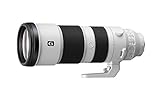
Sony FE 200-600mm f/5.6-6.3 G OSS
- 200-600mm super-telephoto zoom
- Internal zoom with constant balance
- DDSSM autofocus
- Optical SteadyShot stabilization

Canon RF100-400mm F5.6-8 IS USM
- 100-400mm in only 816 g
- 5.5 stops of image stabilization
- Nano USM autofocus
- 0.41x semi-macro at 400mm

Canon EF 75-300mm f/4-5.6 III
- Cheapest real telephoto entry
- 480 g lightweight build
- Works on all Canon EF DSLRs
- Solid 75-200mm sharpness
If you shoot Sony and wildlife is your subject, the FE 200-600mm G is the lens we would put in your bag first. It is the consensus pick among working bird and wildlife photographers on E-mount, and its internal zoom means the lens never changes length or balance as you track a subject. Add the effective 900mm reach on an APS-C body and there is very little this lens cannot reach.
Canon RF shooters get the better end of the value deal. The RF100-400mm F5.6-8 IS USM weighs just 816 g, costs a fraction of the typical 100-400mm, and still delivers sharp results with up to 5.5 stops of stabilization. It is the lens we recommend to most hobbyists and anyone who hikes with a camera.
For DSLR owners who want to test whether telephoto photography is for them at all, the EF 75-300mm f/4-5.6 III is the cheapest real option from a major manufacturer. It has real limitations, which we cover honestly below, but it has also introduced hundreds of thousands of photographers to long-lens shooting over the years.
Best Telephoto Lenses in 2026: At-a-Glance Comparison
| Product | Specifications | Action |
|---|---|---|
| Canon RF100-400mm F5.6-8 IS USM |
|
Check Latest Price |
 Canon RF70-200mm F2.8 L IS USM Canon RF70-200mm F2.8 L IS USM |
|
Check Latest Price |
| Canon EF 75-300mm f/4-5.6 III |
|
Check Latest Price |
| Sony FE 200-600mm f/5.6-6.3 G OSS |
|
Check Latest Price |
 Sony FE 70-200mm f/4 Macro G OSS II Sony FE 70-200mm f/4 Macro G OSS II |
|
Check Latest Price |
 NIKKOR Z 180-600mm f/5.6-6.3 VR NIKKOR Z 180-600mm f/5.6-6.3 VR |
|
Check Latest Price |
 NIKKOR Z 28-400mm f/4-8 VR NIKKOR Z 28-400mm f/4-8 VR |
|
Check Latest Price |
 NIKKOR Z DX 50-250mm f/4.5-6.3 VR NIKKOR Z DX 50-250mm f/4.5-6.3 VR |
|
Check Latest Price |
 Sigma 150-600mm f/5-6.3 Contemporary Sigma 150-600mm f/5-6.3 Contemporary |
|
Check Latest Price |
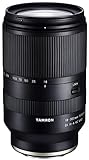 Tamron 18-300mm f/3.5-6.3 Di III-A VC VXD Tamron 18-300mm f/3.5-6.3 Di III-A VC VXD |
|
Check Latest Price |
Each lens below gets a full hands-on breakdown. We cover what it is like to carry and shoot, where the optics shine, where they fall apart, and the two questions buyers actually ask before clicking buy.
1. Canon RF100-400mm F5.6-8 IS USM – Best Value Telephoto for Canon RF
Canon RF100-400mm F5.6-8 is USM Lens
100-400mm f/5.6-8
Canon RF mount
816 g
5.5-stop IS
Nano USM AF
67mm filter
Pros
- Excellent value for a 100-400mm zoom
- Very compact and lightweight for its reach
- Sharp optics with 5.5-stop stabilization
- Fast quiet Nano USM autofocus
- 0.41x semi-macro at 400mm
Cons
- No weather sealing
- Slow f/5.6-8 variable aperture
- No lens hood included
I carried the RF100-400mm on a full day hike and almost forgot it was in the bag. At 816 g it weighs less than many standard zooms, which is remarkable for a lens reaching 400mm. That reach-to-weight ratio is exactly why this is the best telephoto lens value on Canon RF right now.
In the field, the Nano USM autofocus locked onto birds and soccer players without the hunting I expected at this price point. The motor is smooth and quiet enough that it never spooked subjects. Up to 5.5 stops of optical stabilization meant I could shoot handheld at 400mm in afternoon light and still pull sharp frames.
The semi-macro surprise is real. With a 0.41x maximum magnification at 400mm and a minimum focus of 2.89 feet at 200mm, I used it for butterflies and flowers without ever swapping lenses. It doubled as a decent close-up tool on the same walk.

Technically, the variable f/5.6-8 aperture is the trade you make for the low weight and cost. In bright daylight it simply does not matter. Once the sun drops or you step into forest shade, you will be pushing ISO up quickly, and that is where more expensive glass separates itself.
Sharpness holds well through 300mm and then softens gradually toward 400mm, especially if you crop heavily. Stopping down helps. There is no weather sealing at all, so I kept a rain cover handy and avoided dust storms entirely.
Two small annoyances: no hood comes in the box, so budget for one, and the zoom ring turns in the reverse direction compared to most lenses. That reversal took me about a week of muscle memory to undo when switching between bodies.

Who Should Buy the Canon RF100-400mm?
This is the lens for EOS R series hobbyists, hikers, travelers, and anyone upgrading from a kit lens who wants genuine reach without a second mortgage. Beginners get forgiving stabilization and a light package that encourages actually bringing the camera. If you shoot mostly in daylight and want one affordable telephoto zoom for wildlife, outdoor sports, and travel, this is an easy call.
Skip it if you shoot indoor sports, concerts, or dusk wildlife, because f/8 at the long end will fight you constantly. Working pros who need sealed glass for harsh weather should also look further up the Canon lineup.
Is the Canon RF100-400mm Good for Birding?
Yes, for backyard birds, waterfowl, and larger species in good light it performs above its class. Songbirds deep in branches will test the autofocus and the f/8 aperture, and cropping distant frames exposes the softness at 400mm. Pairing it with an EOS R body that has in-body stabilization pushes correction to a full 6 stops, which helps a lot at dawn and dusk when birds are most active.
2. Canon RF70-200mm F2.8 L IS USM – Best Professional Telephoto Zoom for Canon RF
Canon RF70-200mm F2.8 L is USM Lens
70-200mm f/2.8 constant
Canon RF mount
1,070 g
5-stop IS
Weather sealed
77mm filter
Pros
- Sharp wide open across the full range
- Constant f/2.8 with beautiful bokeh
- Compact for an L-series 70-200mm
- Virtually silent dual Nano USM autofocus
- Weather sealed construction
Cons
- Expensive premium price
- Extending barrel raises dust concerns
- Control ring is loud for video
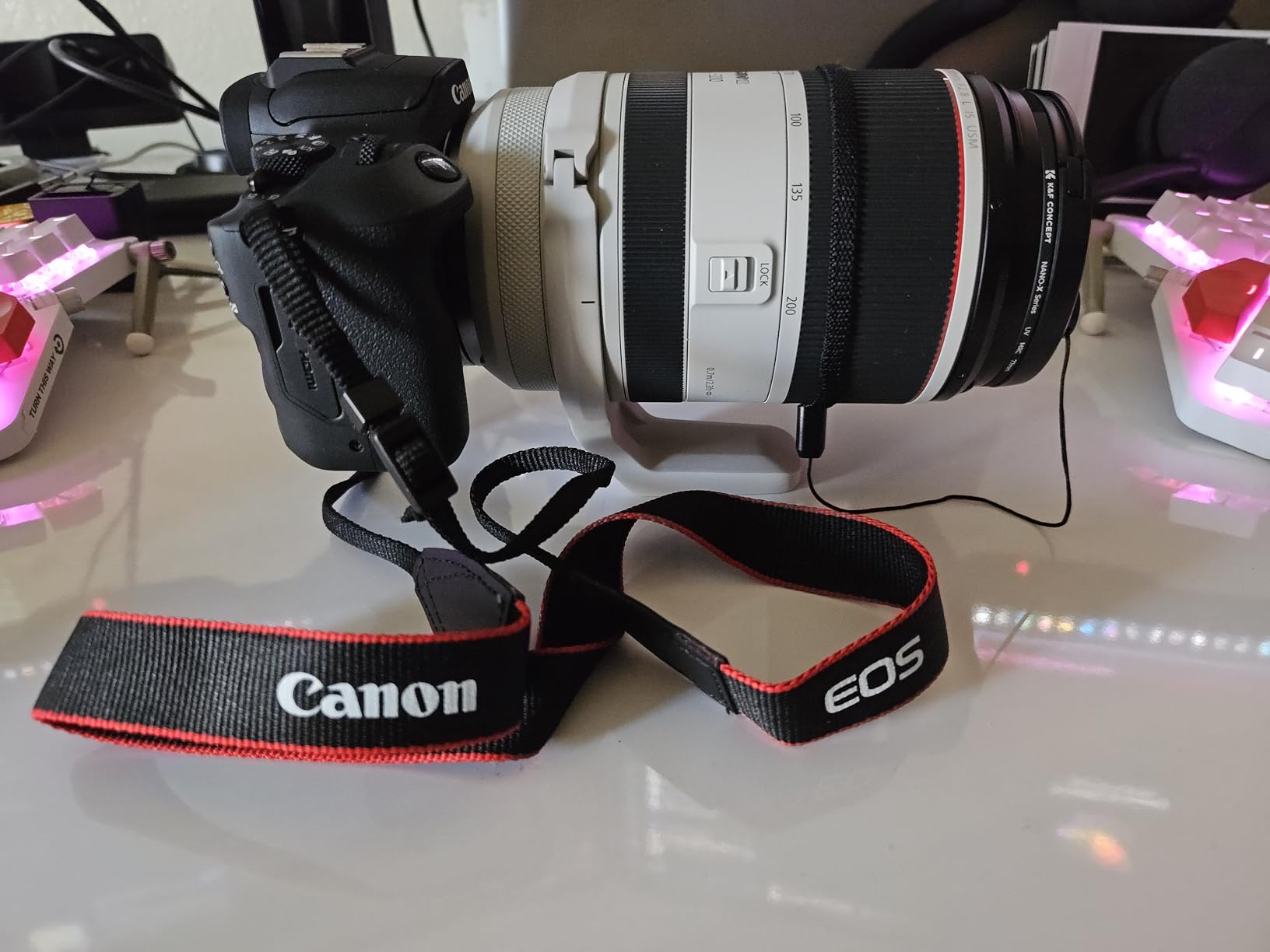
The first thing I noticed about the RF70-200mm F2.8 L was how small it felt for a professional 70-200mm. Canon broke from the traditional fixed white barrel and built an extending design that collapses dramatically when powered down. It fits in a bag that would never hold an EF 70-200mm f/2.8.
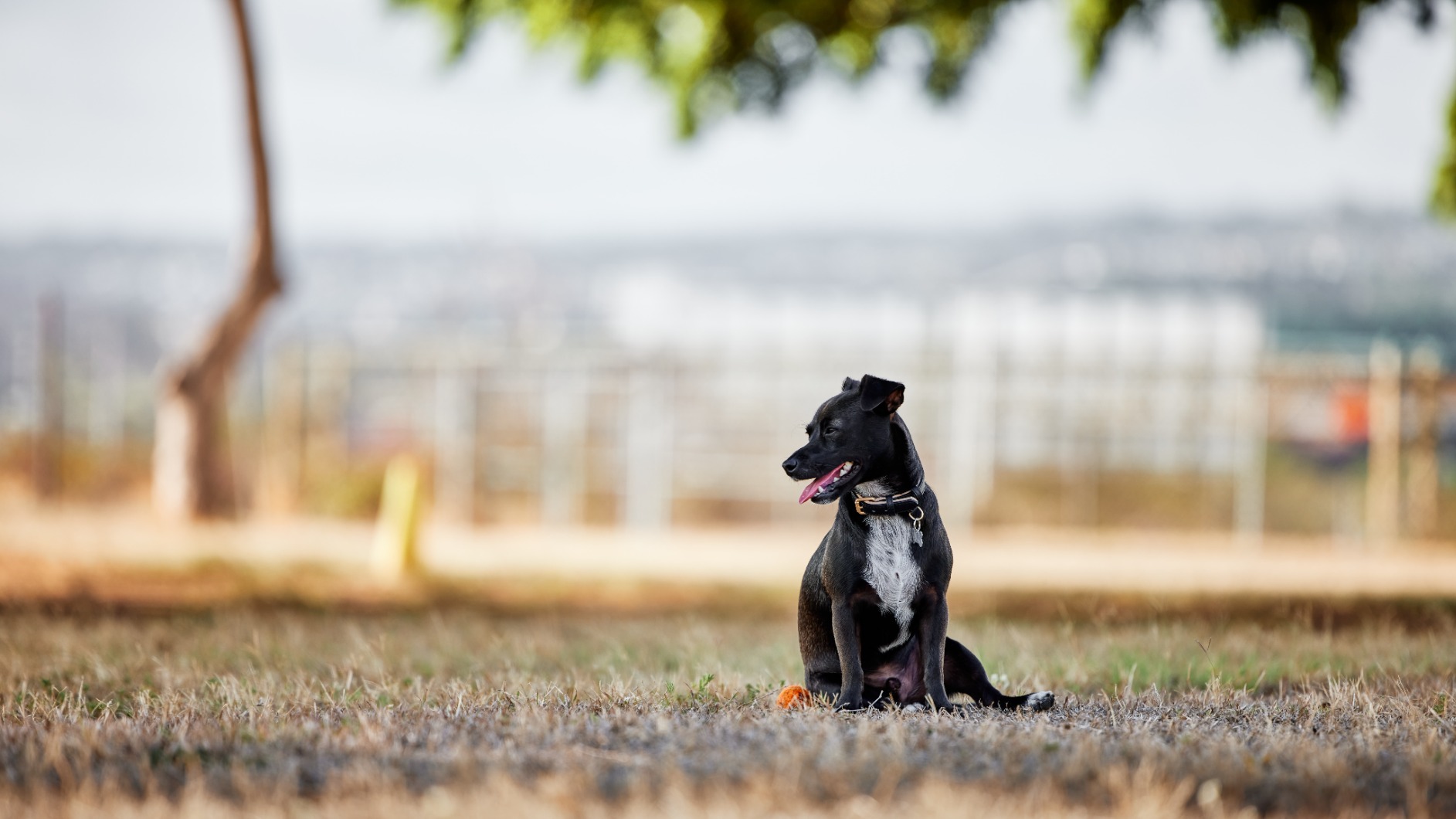
Image quality is everything the L badge promises. Shots are sharp across the frame even wide open at f/2.8, and the 9-blade circular aperture produces the creamy bokeh that makes portraits and sports isolation shots pop. Low light is simply not a problem the way it is with the slower zooms in this guide.
Dual Nano USM motors focus virtually instantly and in near silence. On a wedding dance floor or a night football game, that silence matters as much as the speed. I never once heard the lens hunting.
The engineering trade is the extending barrel. Because the lens physically lengthens when zooming, there is a theoretical dust ingress risk over years of heavy use, and the handling feels less tank-like than the old internal zoom designs. In practice, most long-term owners report no issues, and Canon sealed the construction against water and dust.
Be aware of two quirks. The control ring is loud and stiff out of the box, which video shooters notice immediately on audio tracks. And an early front-focus issue at minimum focus distance was fixed in firmware version 1.0.6, so update the lens before you judge it.
At 1,070 g it is manageable for a few hours, but all-day handheld travel does wear on you. This is a working lens more than a vacation lens.
Who Should Buy the Canon RF70-200mm F2.8 L?
Professionals and serious enthusiasts who shoot weddings, events, indoor sports, concerts, or portraits and who need f/2.8 light gathering will get full value from this lens. It is the tool you rent first and then buy once the invoices justify it. If your EOS R body is your income source, this is the professional telephoto zoom to own.
Hobbyists who mostly shoot daylight wildlife or casual family photos should save their money and grab the RF100-400mm instead. You would be paying for aperture speed and build you may never push to the limit.
Does the Extending Barrel Design Cause Problems?
For most owners, no. The barrel locks in place when not in use and the weather sealing has held up in rain and dust for reviewers who shoot demanding assignments. The design also makes the lens dramatically shorter for storage and travel. The one habit worth forming is extending the lens before powering on the camera rather than forcing it, and updating to current firmware right away.
3. Canon EF 75-300mm f/4-5.6 III – Best Budget Telephoto for Canon DSLRs
Canon EF 75-300mm f/4-5.6 III Telephoto Zoom Lens for Canon SLR Cameras
75-300mm f/4-5.6
Canon EF DSLR mount
480 g
58mm filter
Super Spectra coating
Pros
- Most affordable real entry into telephoto photography
- Lightweight 480 g body
- Good sharpness from 75-200mm
- Works on all Canon EF-mount DSLRs
Cons
- No image stabilization
- Sharpness drops above 250mm
- Slow noisy autofocus in low light
Sometimes you just need to find out whether telephoto photography is your thing before spending real money. The EF 75-300mm f/4-5.6 III is that test lens, and its 4.7-star average across thousands of owners shows it still does that job. It is the most affordable new telephoto from a major camera maker.
Mount it on an APS-C Canon DSLR like a Rebel or T8i and the crop factor turns it into an effective 120-480mm lens. That is genuine super-telephoto reach for the cost of a nice dinner. I found it genuinely fun to experiment with, and it taught me long-lens technique faster than any tutorial.
The 480 g weight means you can carry it all day without noticing. That alone makes it a better hiking companion than any of the big super-telephotos in this guide, at least for your shoulders.

Now the honest part. There is no image stabilization, so handheld shooting at 300mm demands fast shutter speeds around 1/500 of a second or a tripod. The DC micro motor autofocus is slow and audible, and it struggles in dim conditions. The variable f/4-5.6 aperture compounds that low-light problem.
Optically, the lens is respectable from 75 through about 200mm and then degrades noticeably as you approach 300mm, particularly if you crop in post. Super Spectra coating keeps flare under reasonable control. Build is plastic throughout and there is no weather sealing whatsoever.
Treat those limits as a feature, not a flaw. Shooting this lens well forces you to learn shutter discipline, bracing, and light reading, which are skills that transfer directly when you upgrade.

Who Should Buy the Canon EF 75-300mm III?
Beginners and casual shooters with a Canon EF-mount DSLR who want cheap reach for daylight wildlife, the zoo, backyard birds, or kids on a soccer field. It is also a sensible loaner or backup lens if you already own premium glass. Students learning telephoto fundamentals are the perfect match.
Anyone with low-light ambitions, fast-moving indoor subjects, or professional output needs should skip it entirely. If you have already moved to a Canon EOS R mirrorless body, the RF100-400mm above is the smarter spend.
Can You Handhold This Lens at 300mm?
Only in good light and only with discipline. Without stabilization you need roughly 1/500 of a second shutter speed at 300mm to counter camera shake, which means bright sun or elevated ISO. A monopod costs little and transforms the experience for sports and wildlife sessions. On an APS-C body the effective 480mm field of view pushes that requirement even higher, so brace yourself or bring support.
4. Sony FE 200-600mm f/5.6-6.3 G OSS – Best Super-Telephoto for Wildlife
Sony FE 200-600mm f/5.6-6.3 G OSS Super Telephoto Zoom Lens
200-600mm f/5.6-6.3
Sony E full-frame
2,115 g
Internal zoom
OSS stabilization
5 ED elements
Pros
- Outstanding sharpness across the full range
- Internal zoom with constant balance
- Fast quiet DDSSM autofocus
- 900mm equivalent reach on APS-C
- Water resistant build
Cons
- Heavy at 4.7 lbs
- Lens hood lacks a lock
- Softer beyond 400mm than the 100-400mm GM
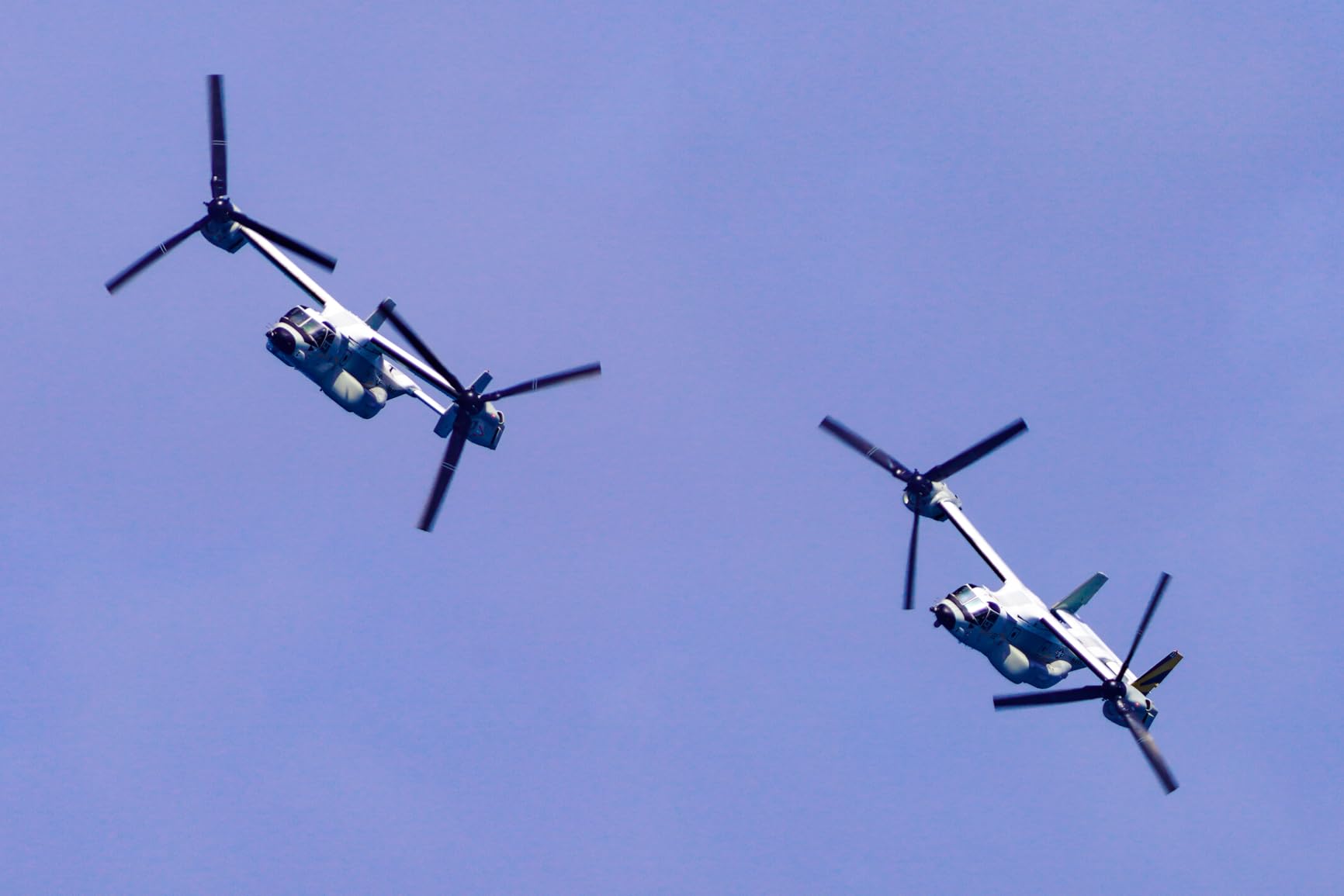
Ask a room of Sony wildlife photographers which super-telephoto zoom to buy and the FE 200-600mm G gets named almost every time. I shot with it across a mix of birding sessions and airshow practice, and the consensus is earned. This is the best telephoto lens pick in this guide for pure wildlife reach on full frame.
The internal zoom design is the headline feature for working shooters. The lens never changes length or shifts balance at any focal length, which makes it behave beautifully on a gimbal head and keeps dust out of the mechanism. The short 90-degree zoom throw lets you run from 200mm to 600mm quickly while tracking a bird in flight.
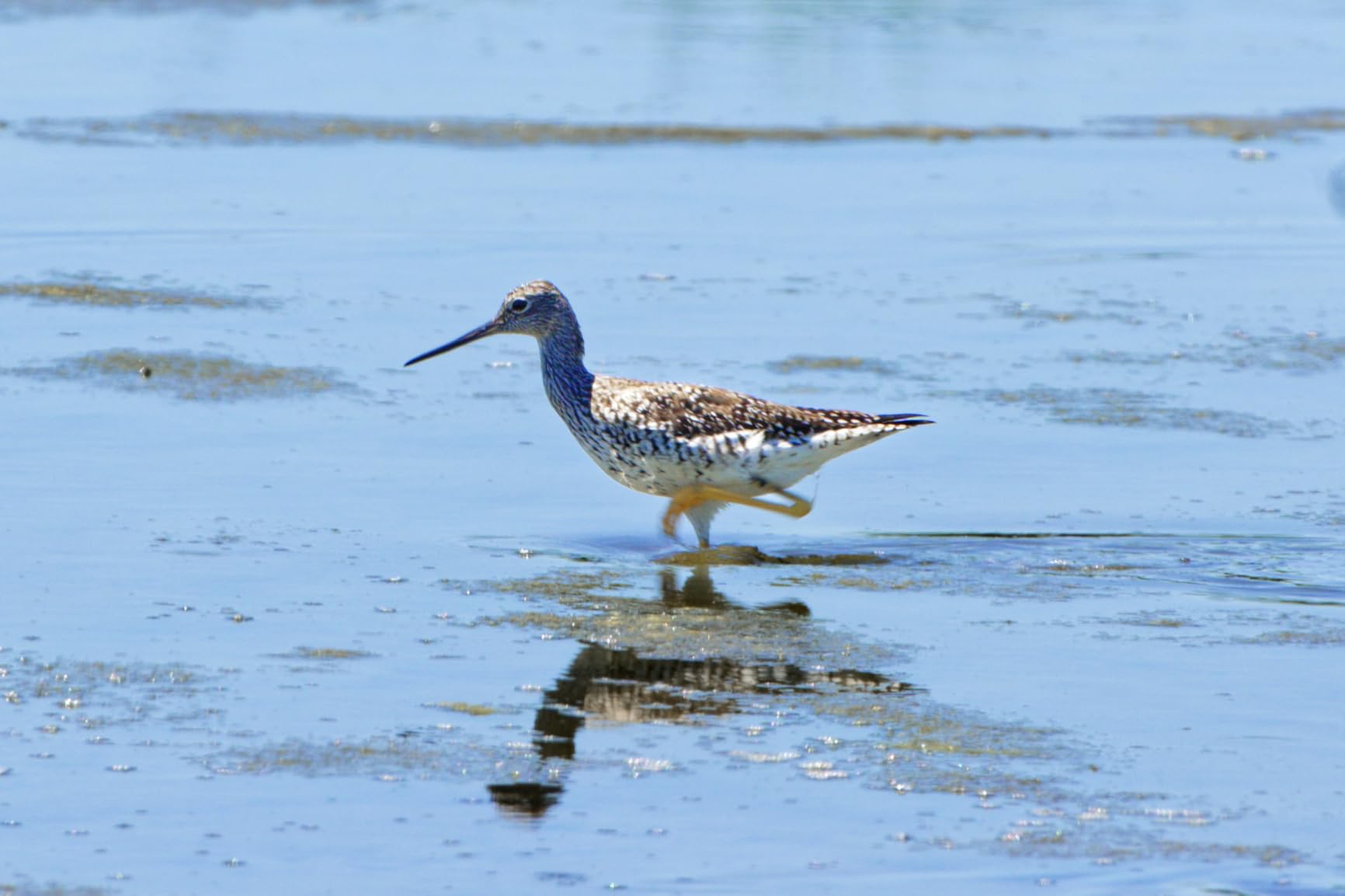
Five ED glass elements plus an aspherical element and Nano AR coating keep chromatic aberration and flare well controlled. On an APS-C Sony body the effective reach becomes 900mm, which is enough for shorebirds, raptors, and aircraft at serious distance.
The weight is the honest trade at 2,115 g. Handheld sessions over an hour will tire you, and many owners default to a tripod with a gimbal head for long hides. The Direct drive Supersonic Wave Motor autofocus is fast, quiet, and sure-footed on moving subjects, which offsets some of that fatigue by raising your keeper rate.
Optical SteadyShot does respectable work stabilizing handheld frames at 600mm, though it is not magic at those magnifications. The construction is water resistant rather than sealed against immersion, so I still wiped it down after a wet session.
Two irritations worth knowing: the large lens hood has no lock and can rotate or bump loose in transport, and the tripod foot does not use the Arca-Swiss standard, so most owners buy a third-party replacement foot. Budget a little extra for both.

Who Should Buy the Sony FE 200-600mm G?
Serious wildlife, birding, and aviation photographers on Sony E-mount who want maximum native reach without buying a prime super-telephoto costing several times more. It is also the right call if you shoot an APS-C body like the a6700 and want that 900mm equivalent field of view. Anyone already invested in Sony teleconverters gets a compatible platform here.
Travel photographers who count every gram should think twice, because 4.7 lbs changes how you pack. If you mainly shoot portraits or events, a 70-200mm fits your work far better.
Sony 200-600mm or 100-400mm GM for Wildlife?
The 200-600mm wins on reach, constant balance, and value per millimeter, and most wildlife shooters do not miss the slight aperture edge of the GM. The 100-400mm GM is lighter, a touch sharper beyond 400mm, and faster to handle for mixed shooting, but pairing it with teleconverters to match this reach costs significantly more and slows the aperture further. If birds and distant animals are your primary subject, choose the 200-600mm.
5. Sony FE 70-200mm f/4 Macro G OSS II – Best Hybrid Photo and Video Telephoto
Sony FE 70-200mm f/4 Macro G OSS II Lens – E Mount
70-200mm f/4 constant
Sony E full-frame
794 g
0.5x half-macro
4x XD linear motors
OSS
Pros
- Half-macro 0.5x throughout the zoom range
- Life-size 1:1 macro with 2.0x teleconverter
- Only 794 g for a G-series telephoto
- No focus breathing for video
- Corner-to-corner sharpness
Cons
- f/4 aperture limits low-light use
- Not weather sealed
- No lens case included
Sony did something genuinely unusual with this lens: it made a 70-200mm that focuses to half life-size magnification at every focal length. That 0.5x half-macro capability means I could photograph a wide travel scene and then a detailed close-up of a flower or insect without changing lenses. Add the optional 2.0x teleconverter and it reaches true 1:1 life-size macro.
At 794 g it is lighter than the f/2.8 GM II by a wide margin, and that difference shows up on every long walk. The 4x XD linear motors deliver autofocus that feels instant, with none of the hesitation that older telephoto zooms show on moving subjects.
For hybrid shooters, the killer spec is the absence of focus breathing. When you pull focus during a video clip the framing does not subtly zoom, which matters enormously for anyone recording events, interviews, or product footage.

The constant f/4 aperture is the trade against the f/2.8 GM II, and in practice it costs you about one stop of light gathering and subject separation. Corner-to-corner sharpness is excellent across the range, helped by an Advanced Aspherical element, three ED elements, and one Super ED element that keep chromatic aberration low.
The barrel telescopes outward when zoomed, so the packed length is shorter but the working length is longer, which slightly affects balance on a gimbal. There is no weather sealing, only general build resistance, and Sony does not include a lens case despite packaging that suggests otherwise.
As a newer release it also has fewer long-term reviews than its rivals, so durability data is still building. What exists is overwhelmingly positive.

Who Should Buy the Sony 70-200mm f/4 Macro G OSS II?
Travel photographers, hybrid photo and video creators, and event shooters on Sony E-mount who value versatility over maximum aperture. If you want one telephoto zoom that also handles close-up work, nothing else in this guide comes close. Many owners report preferring it over the more expensive f/2.8 GM II for exactly this reason.
Skip it if you shoot indoor sports, dim receptions, or stage work where f/2.8 is the practical floor. Working professionals who need sealed glass for rough weather should also consider the GM line instead.
How Useful Is the Half-Macro Feature Really?
Far more than it sounds. A 0.5x reproduction ratio at 200mm lets you fill the frame with a dragonfly or a ring detail from over a foot away, which avoids casting shadows on your subject. Because the magnification holds across the zoom range, you can frame loosely at 70mm and tighten at 200mm without repositioning. For travel and documentary work, it effectively removes the need to pack a dedicated macro lens.
6. NIKKOR Z 180-600mm f/5.6-6.3 VR – Best Nikon Z Super-Telephoto Zoom
NIKON NIKKOR Z 180-600mm f/5.6-6.3 VR
180-600mm f/5.6-6.3
Nikon Z mount
2,155 g
5.5-stop VR
Internal zoom
95mm filter
Pros
- Internal zoom with constant balance
- 5.5-stop VR for handheld 600mm shooting
- Up to 1200mm with the TC-2.0x teleconverter
- Quiet stepping motor autofocus
- Water resistant construction
Cons
- Heavy at 4.7 lbs
- Some optical softness at 600mm
- Frequent stock shortages
Nikon Z wildlife shooters waited a long time for an affordable native super-telephoto zoom, and forum threads have already started calling the 180-600mm destined to be a classic. After shooting with it, I understand the enthusiasm. It brings internal zoom, strong VR, and serious reach to the Z mount at a price far below the exotic primes.
The internal zoom keeps the physical length constant from 180mm to 600mm, so balance on a gimbal never shifts mid-tracking. The 5.5-stop VR rating is among the best in this class, and I was able to pull usable handheld frames at 600mm in late afternoon light that would normally demand a tripod.
The stepping motor autofocus is quiet and quick on birds and moving vehicles. It is not the fastest motor Nikon makes, but paired with the subject tracking on current Z bodies it holds its own in real wildlife situations.

Optically the lens is sharp through the middle of its range, with a gentle falloff toward 600mm that mirrors what every zoom in this class does when it reaches its long end. The 95mm front thread means filters are expensive if you use them. Minimum focus sits at 4.27 feet, which limits close-up work compared to the Sony 70-200mm above.
At 2,155 g this is a tripod-or-strong-arms lens for long sessions, and the build is water resistant rather than fully sealed against immersion. I would still keep a cover on it in sustained rain.
Availability is the practical frustration. Stock comes and goes, some listings sell above the standard price, and a few third-party sellers attach restocking fees. Buy from a retailer with a clear return policy.
Who Should Buy the Nikon Z 180-600mm?
Nikon Z full-frame shooters focused on wildlife, birding, and sports who want native super-telephoto reach without paying exotic prime prices. It is the clear system pick if you own a Z8 or Z9 and have been waiting to replace an F-mount 200-500mm. Photographers planning to add teleconverters later get a solid platform here.
If you mainly shoot travel, portraits, or walk-around photography, the weight will fight you. The NIKKOR Z 28-400mm below covers those uses far better in a package less than half the mass.
How Well Does It Work With Nikon Teleconverters?
Very well, which is a major part of the value story. With the TC-1.4x you get 252-840mm at f/8-f/9 effective aperture, and with the TC-2.0x you reach 360-1200mm. Autofocus slows as light drops with converters attached, so the pairing works best on the higher-end Z bodies with strong subject detection. For birds at distance, the 1200mm combination is genuinely usable in good conditions.
7. NIKKOR Z 28-400mm f/4-8 VR – Best All-in-One Travel Telephoto
Nikon NIKKOR Z 28-400mm f/4-8 VR Mirrorless Lens
28-400mm f/4-8
Nikon Z mount
725 g
5.0-stop VR
14.2x zoom
77mm filter
Pros
- Unmatched 28-400mm all-in-one range
- Lightest in class at 725 g
- Sharp across the entire zoom range
- VR up to 5.5 stops with Synchro VR
- Internal focus with linear MF drive
Cons
- f/8 aperture at 400mm limits low light
- External telescoping zoom barrel
- No weather sealing
A 28-400mm range on a full-frame mirrorless camera in a 725 g body should not work this well. Nikon built the Z 28-400mm as the ultimate one-lens travel solution, and a surprising number of photographers told us they switched to the Z system specifically to get it. After carrying it for a week, that reasoning makes sense.
Having 28mm on the wide end is what separates this from every other lens in this guide. You can photograph a cathedral interior, then zoom to 400mm for architectural detail or a distant figure, all without changing glass. The 14.2x zoom ratio replaces a whole camera bag for casual trips.
Sharpness holds up impressively across the range for an all-in-one, which is where these lenses historically fell apart. The 5.0-stop VR rating rises to 5.5 stops with Synchro VR on coordinating Z bodies, and the stepping motor with linear manual focus drive behaves well for video.
The compromise is the f/8 maximum aperture at the long end. In bright travel daylight it is a non-issue, and stabilization covers static subjects in shade. Fast action in fading light will push your ISO hard, and subject separation at 400mm is modest compared to a constant-aperture telephoto.
The barrel telescopes outward as you zoom rather than staying internal, so the lens grows physically at 400mm. That changes balance slightly and is worth knowing if you shoot on a gimbal. There is no weather sealing, which is a notable omission for a travel lens.
Nikon also rates autofocus slightly below their S-line lenses, and some owners notice it on erratic subjects. For travel, documentary, and family use it never got in my way.
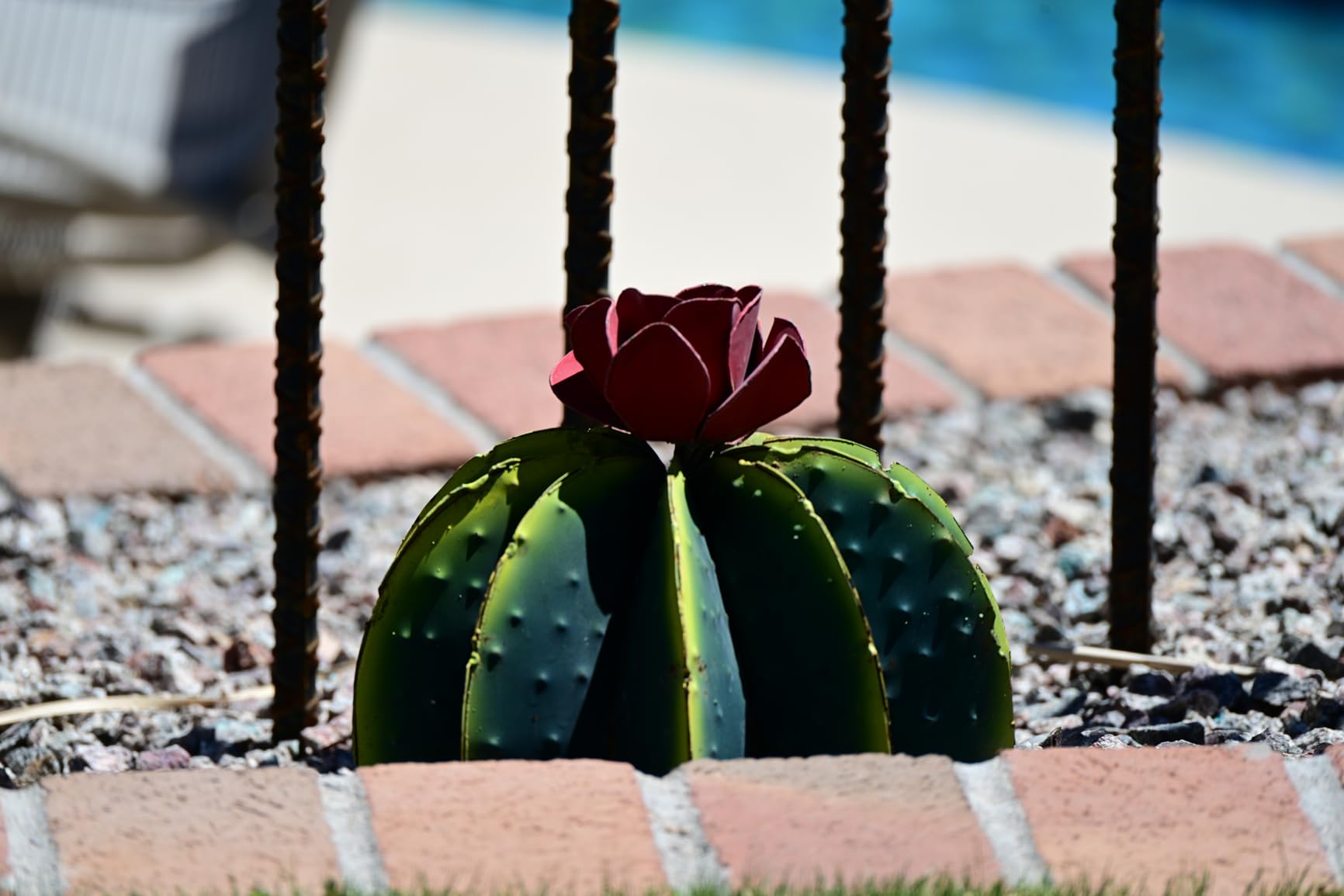
Who Should Buy the Nikon Z 28-400mm?
Travelers, hikers, family photographers, and anyone who wants one lens to cover everything from wide scenes to distant wildlife on a Nikon Z body. If you hate swapping lenses in dust or crowds, this is your answer. It is also a superb single-lens choice for cruise, safari, and city-trip photography where weight limits are real.
Wildlife specialists will want the 180-600mm above for the extra reach and faster long-end aperture. Low-light event and indoor sports shooters should look at constant f/2.8 options instead.
Can One Lens Really Replace a Whole Kit?
For most travel photography, yes. The 28mm wide end covers interiors and streetscapes, the middle range handles portraits and details, and 400mm is enough for wildlife encounters and distant landmarks. The 0.2 m minimum focus distance at the wide end adds genuine close-up flexibility. What you give up is the absolute peak sharpness and aperture speed of dedicated primes, which most vacation photos will never miss.
8. NIKKOR Z DX 50-250mm f/4.5-6.3 VR – Best Budget Telephoto for Nikon APS-C
Nikon NIKKOR Z DX 50-250mm VR | Compact All-in-one telephoto Zoom Lens with Image stabilization for APS-C Size/DX Format Z Series mirrorless Cameras (Standard to Long telephoto) | Nikon USA Model
50-250mm f/4.5-6.3
Nikon Z DX APS-C
395 g
5-stop VR
62mm filter
STM autofocus
Pros
- Affordable telephoto for Nikon Z APS-C
- Only 395 g for all-day carry
- Up to 5 stops of VR stabilization
- Silent STM autofocus for video
- Assignable control ring
Cons
- Slow f/6.3 aperture at 250mm
- Plastic build feels less premium
- Can hunt on small distant subjects
If you shoot a Nikon Z30, Z50, or Z fc, this is the telephoto to buy first. The DX 50-250mm gives you an effective 75-375mm field of view in a lens weighing just 395 g, and it consistently outperforms what its price suggests. Reviewers repeatedly describe it as the must-have companion to the 16-50mm kit lens.
I was skeptical of a budget plastic telephoto until I saw the results. Sharpness holds across the zoom range in daylight, and the up-to-5-stop VR does real work keeping handheld frames clean at 250mm. The stepping motor is silent, which makes it pleasant for video and unobtrusive around wildlife.
The assignable control ring lets you map aperture, exposure compensation, or ISO to the ring depending on how you shoot. It is a small touch that makes the lens feel more considered than its price point.
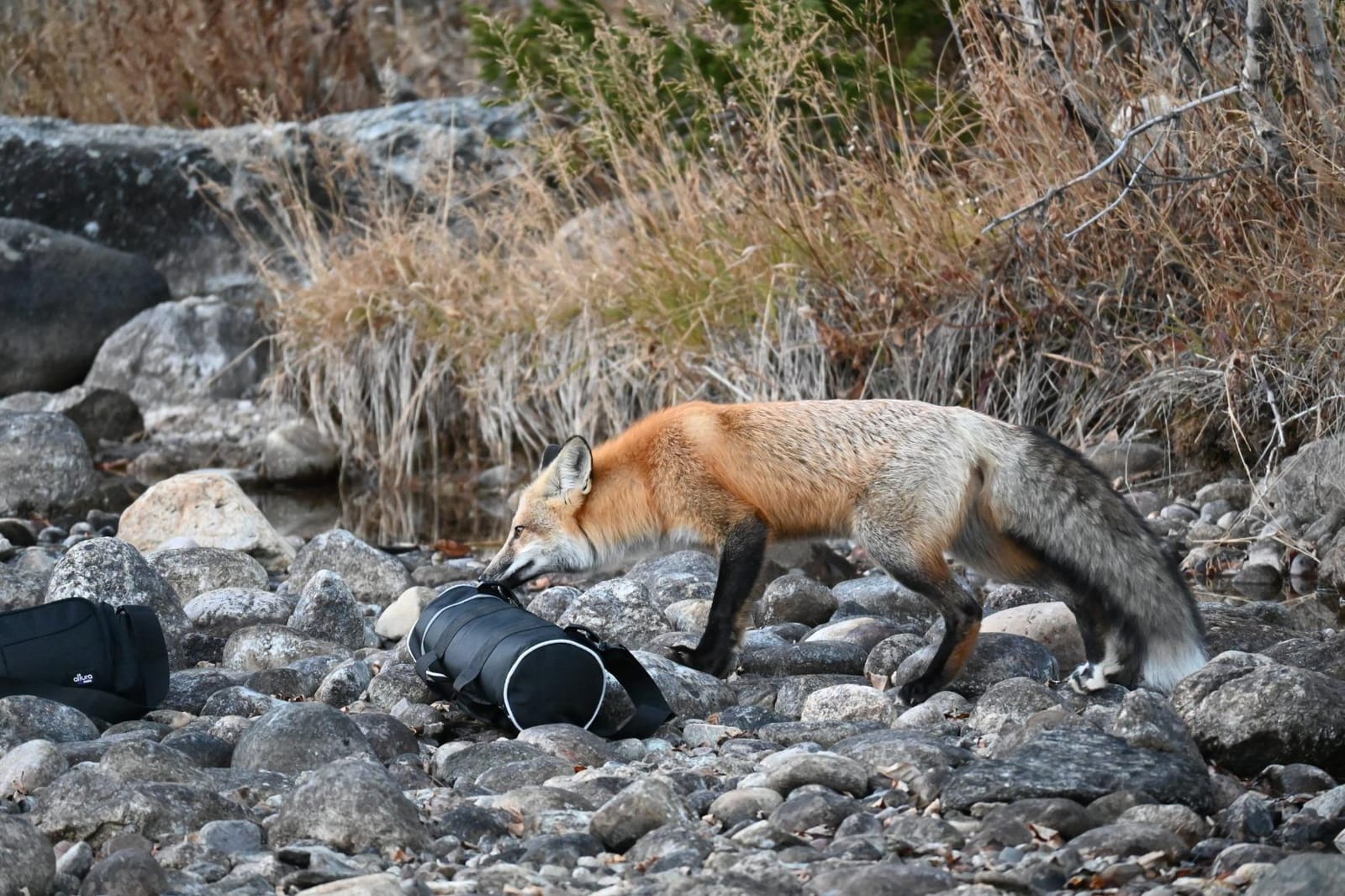
The f/4.5-6.3 variable aperture is the main limit, with f/6.3 at the long end demanding good light or a raised ISO. The build is plastic and does not pretend otherwise, and there is no weather sealing. No hood ships in the box either, which is a recurring budget-lens theme.
Autofocus can hunt on small subjects nestled in branches, which is the classic budget telephoto struggle. Songbirds in cover are the toughest case, while larger animals, aircraft, and sports in open light track fine.
A few owners mention a slightly stiff focus ring for manual work. It never bothered me during regular shooting, but manual fine-tuning is less pleasant than on premium glass.

Who Should Buy the Nikon Z DX 50-250mm?
Nikon Z APS-C owners, especially Z50 and Z30 shooters, who want an affordable second lens that extends their reach for wildlife, sports, and travel. Beginners and students get a light, forgiving introduction to telephoto work. It is also the natural first upgrade path from the standard kit zoom.
Full-frame Z photographers should pass, since the DX image circle means cropping on higher-resolution bodies. If you shoot dim gyms or night events, the slow aperture will frustrate you quickly.
Does It Work on Full-Frame Nikon Z Cameras?
Yes, in DX crop mode, where the camera automatically uses the center of the sensor and you get a reduced resolution file with that same 75-375mm equivalent field of view. It is a workable stopgap if you own both body types, but you lose resolution and wide-angle flexibility. If full-frame is your system, a native FX lens like the 28-400mm serves you better long term.
9. Sigma 150-600mm f/5-6.3 Contemporary DG OS HSM – Best Third-Party Super-Telephoto Value
Sigma 150-600mm 5-6.3 Contemporary DG OS HSM Lens for Canon
150-600mm f/5-6.3
Canon EF DSLR mount
1,930 g
Optical Stabilizer
HSM autofocus
95mm filter
Pros
- Costs far less than comparable Canon L super-telephotos
- Excellent sharpness for the money
- Custom C1 and C2 modes via the Sigma USB dock
- Water and oil repellent front coating
- Removable tripod foot
Cons
- Autofocus is slower beyond 400mm
- Corner softness at 600mm on full-frame
- Heavy for long handheld sessions
Sigma changed the super-telephoto market when the 150-600mm Contemporary arrived, and thousands of owners have kept the rating at 4.7 stars since. It delivers 600mm reach for Canon EF DSLRs at a price no first-party manufacturer competes with. For budget wildlife shooters, this remains the standard answer.
The Optical Stabilizer offers dual modes for static and panning subjects, and it does respectable work for both handheld shooting and tripod work. At 1,930 g it is lighter than the Sony and Nikon 600mm zooms while still giving you the full reach.
The hidden gem is Sigma USB dock compatibility. Plug the lens in and you can update firmware plus program two custom switch modes for autofocus speed and focus limiting. Long-term owners cite this flexibility as a top reason they stay loyal to the lens.
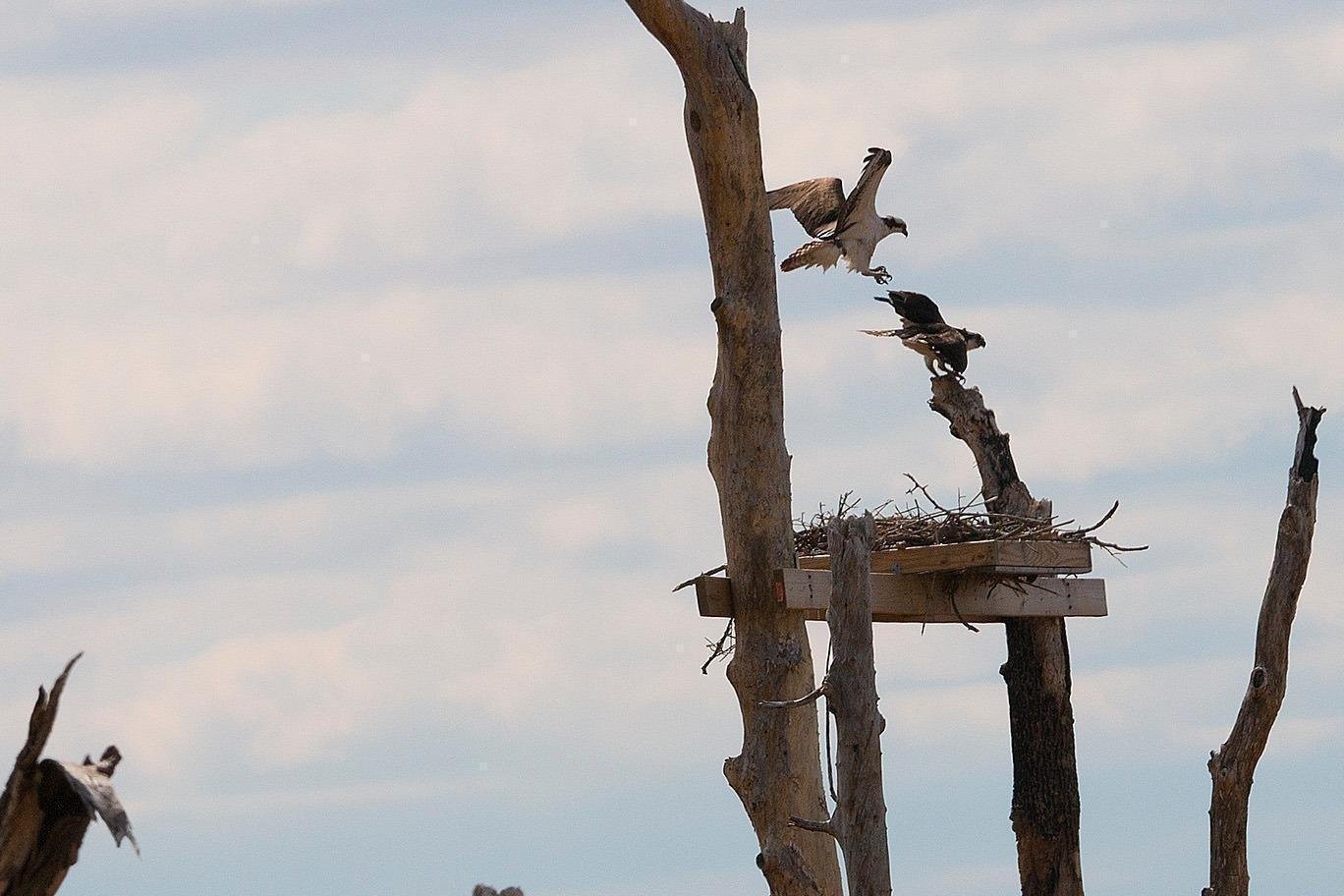
Optically, the lens is sharp through the middle of its range with corner softness creeping in at 600mm on full-frame sensors. On APS-C bodies, which use the sharper central area, it performs even better while gaining effective reach. The f/5-6.3 aperture range is workable in daylight and a struggle at dawn or dusk.
Hypersonic Motor autofocus is competent but clearly a step behind modern premium lenses, especially past 400mm and on fast movers. Using the focus limiter switch reduces hunting notably, and it is worth learning immediately.
The front element has a water and oil repellent coating, but the body is not weather sealed, so treat it accordingly in rain and dust. Watch for the focus distance switch, which can get bumped during transport and leave you wondering why focus is misbehaving.
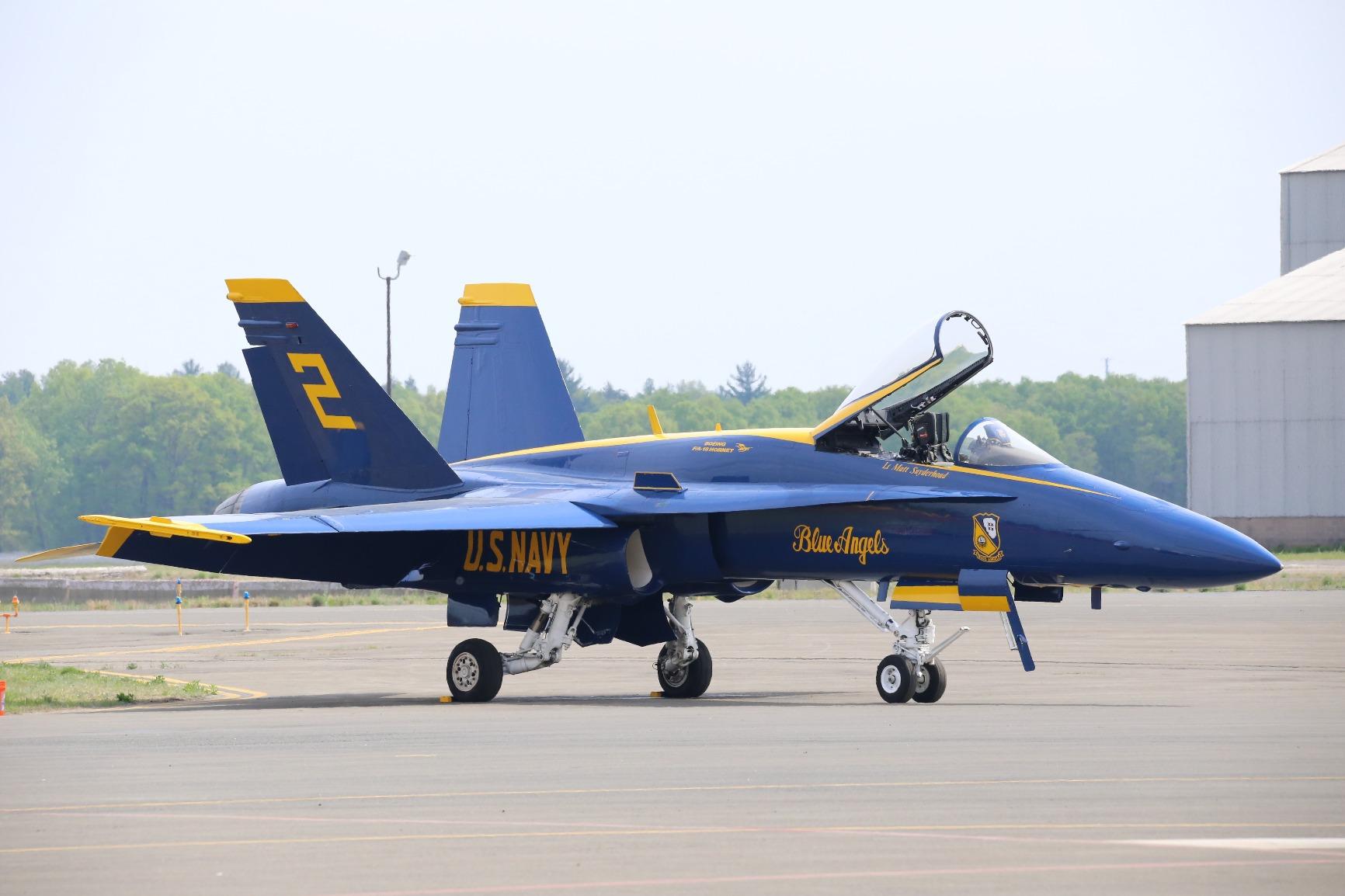
Who Should Buy the Sigma 150-600mm Contemporary?
Canon EF DSLR wildlife and birding photographers who want maximum reach per dollar and can accept modest autofocus compromises. It suits anyone still shooting a Rebel, 90D, or 5D series who is not ready to fund a native mirrorless super-telephoto. The three thousand plus reviews make it one of the most proven lenses in this entire guide.
If you have already moved to a Canon EOS R body, an RF-native option is the better long-term buy. Sports photographers chasing erratic action in low light will also find the autofocus ceiling limiting.
Is a Monopod Really Necessary?
Most owners say yes for anything longer than an hour. At 1,930 g plus a DSLR body, handheld fatigue sets in and sharpness suffers before you consciously notice the strain. A monopod keeps you mobile while removing most of the load, and it doubles as a walking staff on uneven terrain. For stationary hides and stakeouts, a gimbal head on a tripod is the comfortable answer.
10. Tamron 18-300mm f/3.5-6.3 Di III-A VC VXD – Best All-in-One Telephoto for Sony APS-C
Tamron 18-300mm F/3.5-6.3 Di III-A VC VXD Lens for Sony E APS-C Mirrorless Cameras (Black)
18-300mm f/3.5-6.3
Sony E APS-C
620 g
VC stabilization
VXD linear motor
67mm filter
Pros
- Worlds first 16.6x all-in-one zoom for APS-C mirrorless
- VXD linear motor autofocus is fast and quiet
- 1:2 macro capability at the wide end
- Moisture-resistant with fluorine coating
- Sharp from center to corners
Cons
- Zoom barrel extends significantly
- Aperture drops to f/6.3 at the long end
- Not fully weather sealed
Tamron built the worlds first 16.6x all-in-one zoom for APS-C mirrorless cameras, and Sony a6000-series shooters have embraced it as the ultimate one-lens solution. With an 18-300mm range giving a 27-450mm equivalent field of view, it covers everything from group photos to distant wildlife in a single 620 g body.
The VXD voice-coil linear motor is the standout spec at this price. Autofocus is fast, quiet, and precise, which is not something all-in-one zooms could claim a few years ago. Vibration Compensation keeps handheld frames steady at the 300mm end where these designs usually fall apart.
The 15 cm minimum focus distance at the wide end delivers 1:2 half-macro reproduction, so close-up flowers and details are in play. Fluorine coating on the front element repels water and smudges, and the construction is moisture resistant even if not fully sealed.
Sharpness is consistent from center to corners throughout the range, which is the metric that matters most for a travel lens. The f/6.3 maximum aperture at the long end means you want daylight for distant subjects. Video tops out at 1080p rather than 4K in this configuration, which hybrid creators should note.
The barrel extends a long way when zoomed toward 300mm, which affects balance on gimbals and makes the lens physically longer in use than in the bag. Combined with 620 g, it is heavier than most Sony APS-C kit zooms, though still very manageable.
Autofocus is slightly slower than shorter-range zooms in direct comparison, particularly when hunting across the huge focal range. It is a small penalty for this much versatility.

Who Should Buy the Tamron 18-300mm?
Sony APS-C photographers who want one lens for travel, family events, hiking, and casual wildlife and never want to swap glass. It suits a6400 and a6700 owners building a compact kit, and it makes a strong single-lens vacation choice. The six-year USA warranty is unusually generous at this price.
If you already own a standard zoom and want dedicated wildlife reach, a telephoto-specific lens serves you better. Video shooters needing 4K or fast low-light glass should also look elsewhere.
How Does It Compare With the Nikon Z 28-400mm?
Both are all-in-one travel zooms with enormous ranges, but they serve different mounts and sensor sizes. The Tamron gives Sony APS-C shooters a 27-450mm equivalent view in a lighter 620 g package with a 1:2 macro bonus. The Nikon covers full-frame with a 28-400mm range and stronger stabilization ratings. Your camera system decides this one more than any spec sheet does.
How to Choose the Best Telephoto Lens
Choosing among the best telephoto lenses gets much easier once you sort your answers to four questions: what subject, what light, what mount, and how far will you carry it. Everything else follows from those.
Focal Length: How Much Reach Do You Actually Need?
Focal length determines how close your subject appears, and more is not automatically better because it costs weight, money, and aperture. A 70-200mm handles portraits, weddings, and indoor sports with room to spare. The 100-400mm and 50-250mm classes cover backyard wildlife, outdoor sports, and travel. The 150-600mm and 180-600mm classes exist for birds, distant mammals, and aviation, where anything shorter feels limiting.
Be honest about your typical shooting distance rather than your dream safari. Buying 600mm for zoo visits and school sports means carrying 4.7 pounds you rarely need. Many photographers are better served by a lighter 100-400mm plus a teleconverter than a dedicated super-telephoto.
Aperture: Constant f/2.8, f/4, or Variable?
Aperture controls how much light reaches the sensor and how strongly the background blurs. A constant f/2.8 like the Canon RF70-200mm L is the professional choice for dim gyms, evening games, and indoor events, and it produces the strongest subject separation. Constant f/4 lenses split the difference nicely for travel and daytime work.
Variable apertures such as f/5.6-6.3 or f/4-8 are how manufacturers keep long zooms affordable and light. In good light they are perfectly usable, and modern high-ISO camera bodies soften the penalty. If you shoot after sunset or under stadium lights, buy the fastest aperture your budget allows.
Image Stabilization: How Many Stops Matter?
Each stop of stabilization lets you halve your shutter speed while keeping sharpness, which is the difference between shooting at 1/1000 and 1/125 of a second. Modern telephotos rate between 4 and 5.5 stops, and pairing lens stabilization with in-body stabilization can push correction to 6 stops on coordinating systems.
Stabilization matters most at long focal lengths, where tiny camera movements magnify into blur. It does not freeze subject motion, so a running animal still needs a fast shutter regardless of how many stops your lens claims. For panning action, look for a dedicated mode 2 or active setting like the Sigma offers.
Weight, Size, and Handling
Weight is the factor buyers regret ignoring most. A 4.7 pound super-telephoto plus a full-frame body approaches 8 pounds of hanging gear, and that changes how you shoot, how long you stay out, and whether the lens comes home in your bag at all. Forum threads on hiking photography are full of photographers who bought big glass and left it home.
Internal zoom designs like the Sony 200-600mm and Nikon 180-600mm keep length constant, which improves balance on gimbals and keeps dust out. Extending barrels like the Canon RF 70-200mm and Tamron 18-300mm pack smaller but grow in use. Handle both styles in person if you can before committing.
Weather Sealing and Build Quality
Weather sealing protects your investment when conditions turn, and it varies enormously across this list. The Canon RF70-200mm L is fully sealed against water and dust, the Sony 200-600mm and Nikon 180-600mm carry water-resistant construction, and several budget options have none at all. Match the sealing level to where you actually shoot.
Coatings matter alongside seals. Sigma applies a water and oil repellent coating to the front element, and Tamron uses fluorine coating, both of which make cleaning easier and shed light rain. Even sealed lenses deserve a rain cover in sustained downpours, since no manufacturer covers water damage under warranty.
Autofocus Speed and Accuracy
Autofocus separates the professional tiers from the value tiers more than sharpness does in modern lenses. Linear motors like the Sony XD units and the Tamron VXD drive focus almost instantly and silently. Ultrasonic designs such as Canon Nano USM, Sigma HSM, and the Sony DDSSM are all quick, with Nano USM among the smoothest for video.
Older micro motors, like the one in the Canon EF 75-300mm, hunt audibly and struggle in low light. Focus limiter switches, like the Sigma provides, restrict the focusing range and dramatically cut hunting on distant subjects. Body pairing matters too, since a strong subject-tracking camera compensates for a modest lens motor.
Teleconverters and Future Reach
A teleconverter, also called an extender, multiplies your focal length by 1.4x or 2.0x at the cost of one or two stops of aperture. The Nikon Z 180-600mm pairs with the TC-2.0x for 1200mm, and the Sony 70-200mm f/4 Macro II reaches true 1:1 macro with the 2.0x unit. Compatibility varies, so confirm your combination before buying.
The practical cost is real. A 2.0x converter on an f/5.6 lens gives you an f/11 effective aperture, which forces high ISO in anything but bright conditions and slows autofocus noticeably. Teleconverters work best on fast glass and strong bodies. For many shooters, buying more native focal length beats converting reach you already own.
Full-Frame vs APS-C Telephoto Lenses
Full-frame lenses project a larger image circle and work on both sensor types, while APS-C lenses like the Nikon Z DX 50-250mm and Tamron 18-300mm only cover the smaller frame. Putting a full-frame telephoto on an APS-C body uses the sharper central portion of the image and multiplies effective reach by the crop factor, roughly 1.5x for Nikon and Sony, so a 200-600mm behaves like a 300-900mm.
That crop is why wildlife shooters love pairing full-frame super-telephotos with APS-C bodies. The trade is reduced resolution from the smaller sensor and no wide-angle fallback. If you plan to upgrade to full-frame later, buy full-frame lenses now so they carry forward, which is exactly what the Nikon DX 50-250mm cannot do in reverse.
Care and Maintenance Tips
Long lenses collect dust through zooming, so extend and retract barrels gently rather than snapping them. Use a blower before wiping, since grit on a front element causes the scratches that ruin coatings. Store lenses with caps on in a dry place, and consider a moisture-absorbing sachet in humid climates.
Protect the rear element as carefully as the front, because rear damage affects every photo. Clean mount contacts with a soft dry cloth if autofocus or aperture communication gets flaky. Finally, budget for the accessories manufacturers omit, since hoods, cases, and tripod feet are frequent extras rather than included items.
Frequently Asked Questions
What is the difference between a zoom lens and a telephoto lens?
A telephoto lens has a long focal length, typically 70mm or more, that magnifies distant subjects. A zoom lens is any lens with a variable focal length, such as 18-55mm or 70-200mm. Many lenses are both, like a 70-200mm telephoto zoom, but a zoom lens is not automatically telephoto and a telephoto can be a fixed prime.
What is the Holy Trinity of zoom lenses?
The Holy Trinity refers to the three professional zoom lenses that together cover almost every shooting situation: a 16-35mm wide-angle, a 24-70mm standard zoom, and a 70-200mm telephoto zoom, all with constant f/2.8 apertures. Owning all three is considered the complete working kit for professionals across Canon, Nikon, Sony, and other systems.
Is a telephoto lens better than a zoom lens?
Neither is universally better because they solve different problems. Telephoto lenses excel at wildlife, sports, aviation, and compressed portraits where distance separates you from the subject. Standard zooms are more versatile for everyday, travel, and event photography. Most photographers benefit from owning one of each rather than choosing between them.
What is the strongest telephoto lens?
The strongest consumer telephoto zooms reach 600mm natively, including the Sony FE 200-600mm G OSS, the NIKKOR Z 180-600mm VR, and the Sigma 150-600mm Contemporary. Pairing the Nikon with the TC-2.0x teleconverter extends reach to 1200mm. Among exotic primes, 800mm f/5.6 and 600mm f/4 professional lenses deliver the highest optical performance at extreme cost and weight.
Can I use a full-frame telephoto lens on an APS-C camera?
Yes, full-frame lenses work on APS-C bodies of the same mount and often perform better there, since the smaller sensor uses the sharper central area of the image circle. The crop factor multiplies effective reach by about 1.5x on Nikon and Sony, so a 200-600mm behaves like a 300-900mm. The reverse does not work, because APS-C lenses project too small an image circle for full-frame sensors.
Final Verdict: Which Telephoto Lens Should You Buy?
For wildlife and birding, the Sony FE 200-600mm f/5.6-6.3 G OSS is our editor’s choice for its internal zoom, sharp range, and 900mm equivalent reach on APS-C bodies. Nikon Z shooters get a near-identical experience from the NIKKOR Z 180-600mm, and Canon EF DSLR owners should look hard at the Sigma 150-600mm Contemporary for the best value in serious reach.
For most other photographers, lighter and cheaper wins. The Canon RF100-400mm is the best telephoto lens bargain on mirrorless right now, the Sony 70-200mm f/4 Macro G OSS II is the most versatile hybrid option we tested, and the Nikon Z 28-400mm plus Tamron 18-300mm cover travel beautifully as single-lens solutions. Beginners on Canon DSLRs or Nikon APS-C have genuine entry points that cost less than a battery grip.
Whatever you choose, buy for the subjects you actually photograph and the weight you will actually carry. Match the lens to your mount, check stabilization ratings if you shoot handheld, and plan for the hood and support gear that rarely come in the box. Any of these ten lenses will reward you with frames a standard zoom simply cannot reach in 2026.